
Electric vehicles are sold on how far a full charge will carry a driver, but that number rarely stays put once the odometer climbs. Battery chemistry, cooling systems, and even software updates all quietly reshape a car’s real-world range long after the window sticker is gone. Here are ten electric vehicles whose range has proven especially likely to shrink as the miles pile up.
1. Nissan Leaf: The Air-Cooled Outlier
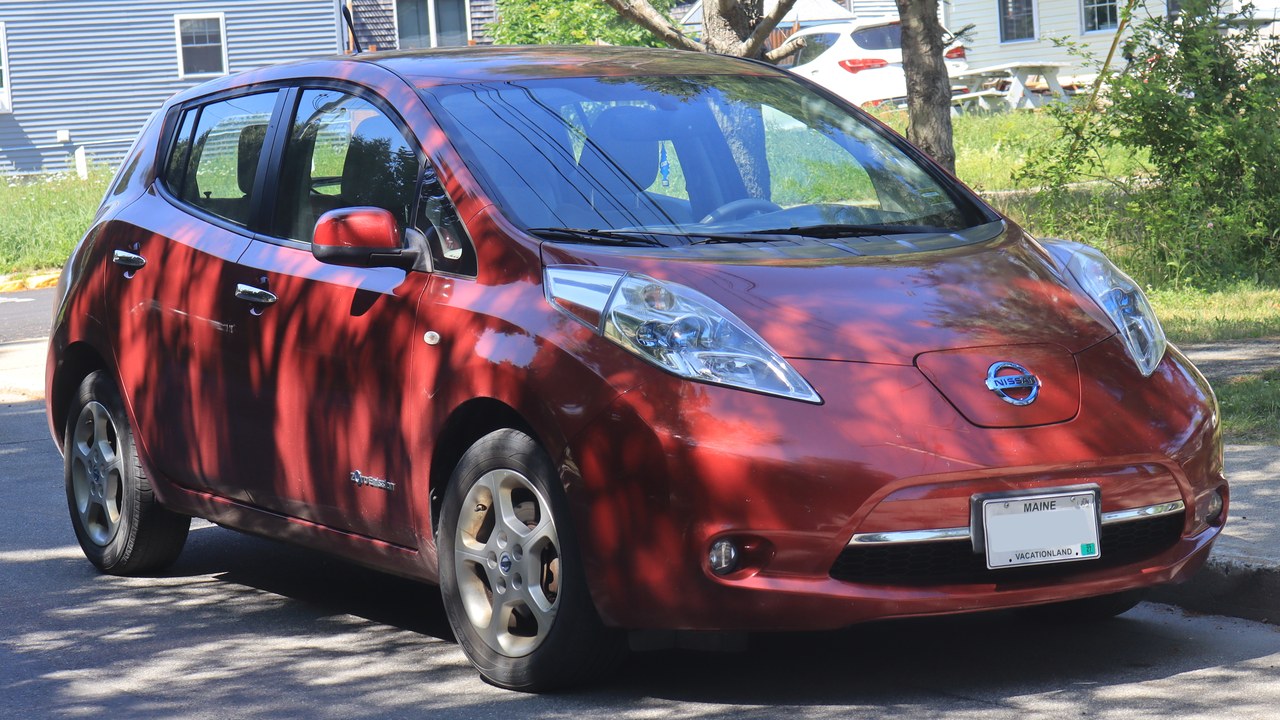
The Nissan Leaf is one of the few modern EVs sold without a liquid-cooled battery, relying instead on passive air circulation to manage heat. That simpler, cheaper design leaves the pack more exposed to heat cycling, and a vehicle value study singled the Leaf out for shedding range and resale value faster than its rivals.
For a used-Leaf buyer, the odometer only tells part of the story, since the real test is how much of the original range survives a hot summer or a cold winter. A passive cooling system offers little protection from either extreme, so pack health matters more here than it does on most rivals.
2. Chevrolet Bolt: The Recall-Era Battery
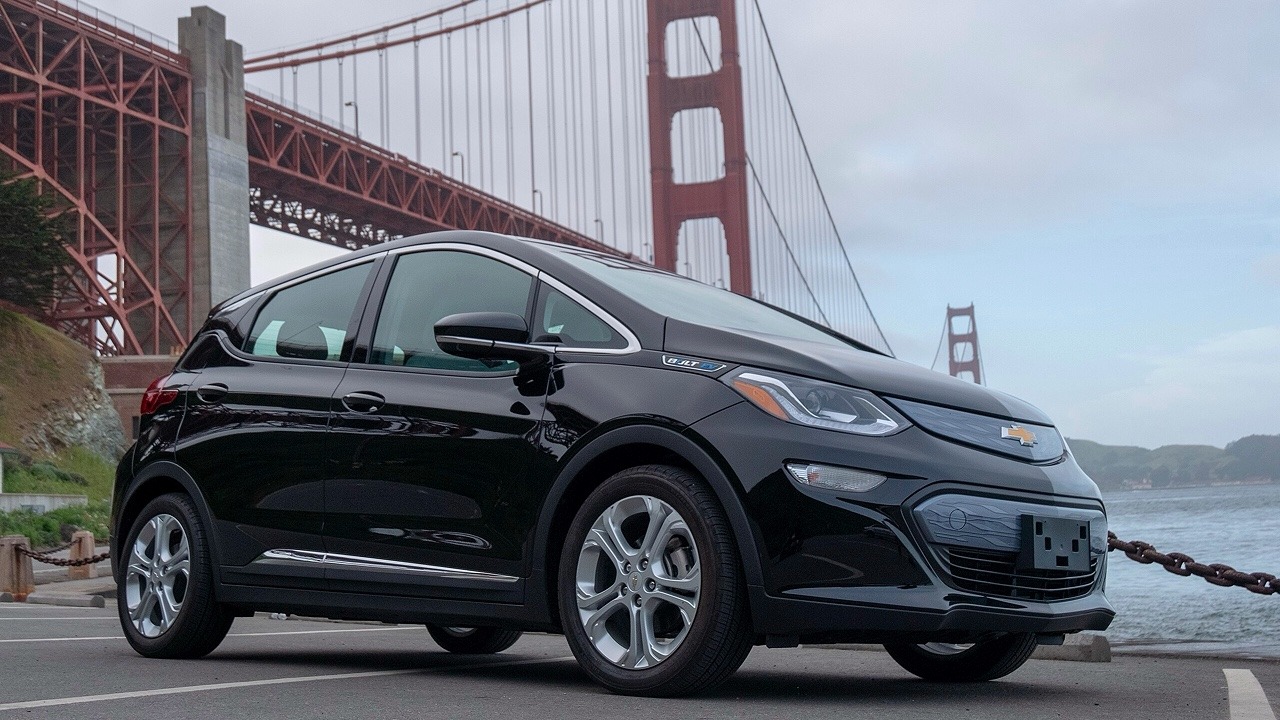
Chevrolet’s early Bolt built part of its reputation on a battery pack that GM and LG later replaced under a large-scale recall tied to fire risk in high-mileage cells. A resale value analysis lists the Bolt among EVs whose range and asking price fell together as those early packs aged.
Newer Bolts built after the recall use reworked cells, but a shopper browsing the used market still has to confirm which side of that battery swap a particular car landed on, since range loss reported by early owners was not spread evenly across model years.
3. BMW i3: The Smallest Pack On Sale

BMW built the i3 around one of the smallest lithium-ion packs fitted to any mainstream EV, a choice suited to its role as a short-range city commuter rather than a long-distance cruiser. Because the buffer between usable and total capacity was already thin, a value retention study found the i3 giving up a larger share of its range than bigger-battery rivals.
A small pack has less capacity to spare once age and heat cycling start eating into it, so an aging i3 can feel noticeably shorter-legged than its window-sticker figure ever promised, especially on cars that spent years on frequent fast-charging routines.
4. Jaguar I-Pace: Where Luxury Meets Depreciation

Jaguar’s I-Pace arrived as a genuine luxury alternative to Tesla, but it has aged into a cautionary tale on the used market. A vehicle value comparison ranks it among the EVs whose range and resale price both slide furthest as the odometer climbs.
That double drop compounds for a used buyer, since a car already commanding a steep discount is also the one most likely to need a public charger sooner into a given trip, undercutting the low purchase price with a real day-to-day range penalty.
5. Hyundai Kona Electric: Temperature-Sensitive Range

The Hyundai Kona Electric built its reputation on strong efficiency numbers, but that efficiency depends on a pack that behaves the same in January as it does in July. Model documentation describes a battery and thermal system that, once aged, gives up a larger slice of range in cold and heat than it did when new.
An older Kona Electric left outside through a freezing winter or a heat wave can lose a noticeable chunk of its indicated range before a single mile is driven, a pattern owners describe more often on higher-mileage cars than on ones still under their original battery warranty.
6. Kia Niro EV: Steady Losses, Compact Package
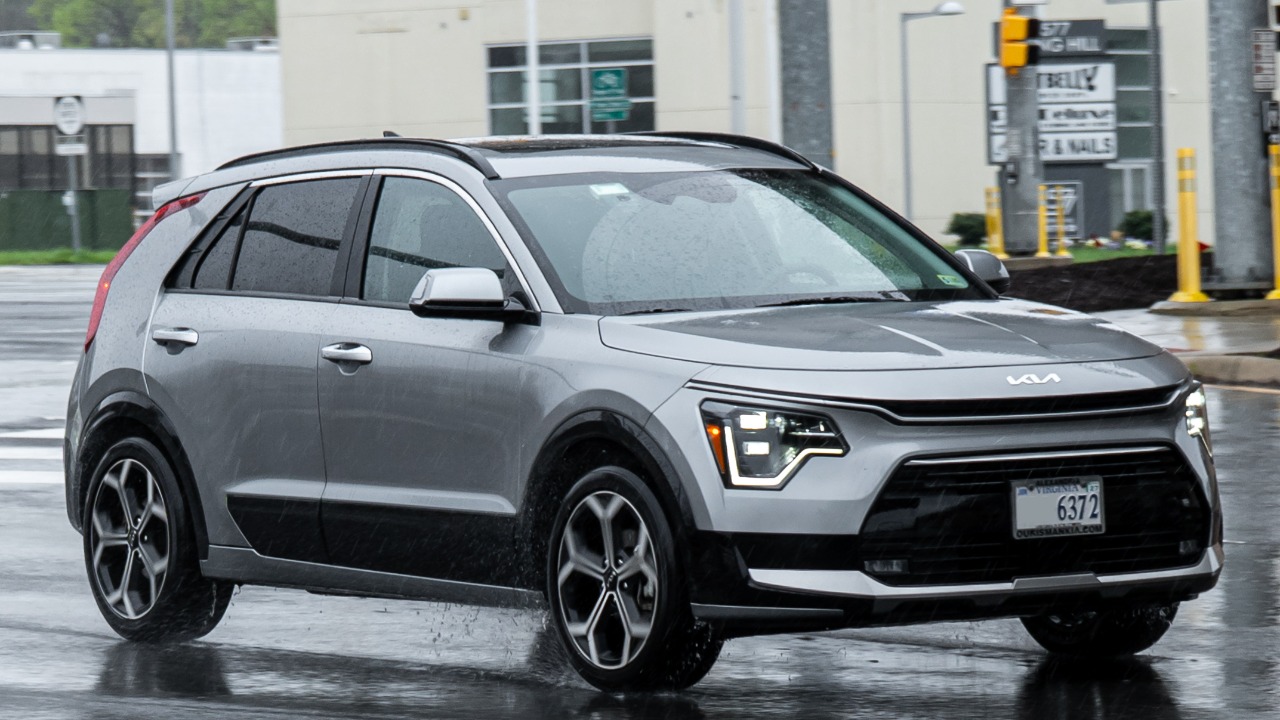
The Kia Niro EV shares its underlying battery hardware with several Hyundai-Kia stablemates, and it shows the same long-term pattern documented elsewhere in that family: a pack that reads strong when new but gives up measurable range as the years and charge cycles accumulate. Model records describe a compact crossover built around efficiency rather than a deep buffer of spare capacity.
With less spare capacity than a larger-battery SUV, a Niro EV has fewer miles to give up before a driver notices the difference, which makes pack health one of the more important things to check before buying one used.
7. Audi e-tron: Heavy Metal, Shorter Range
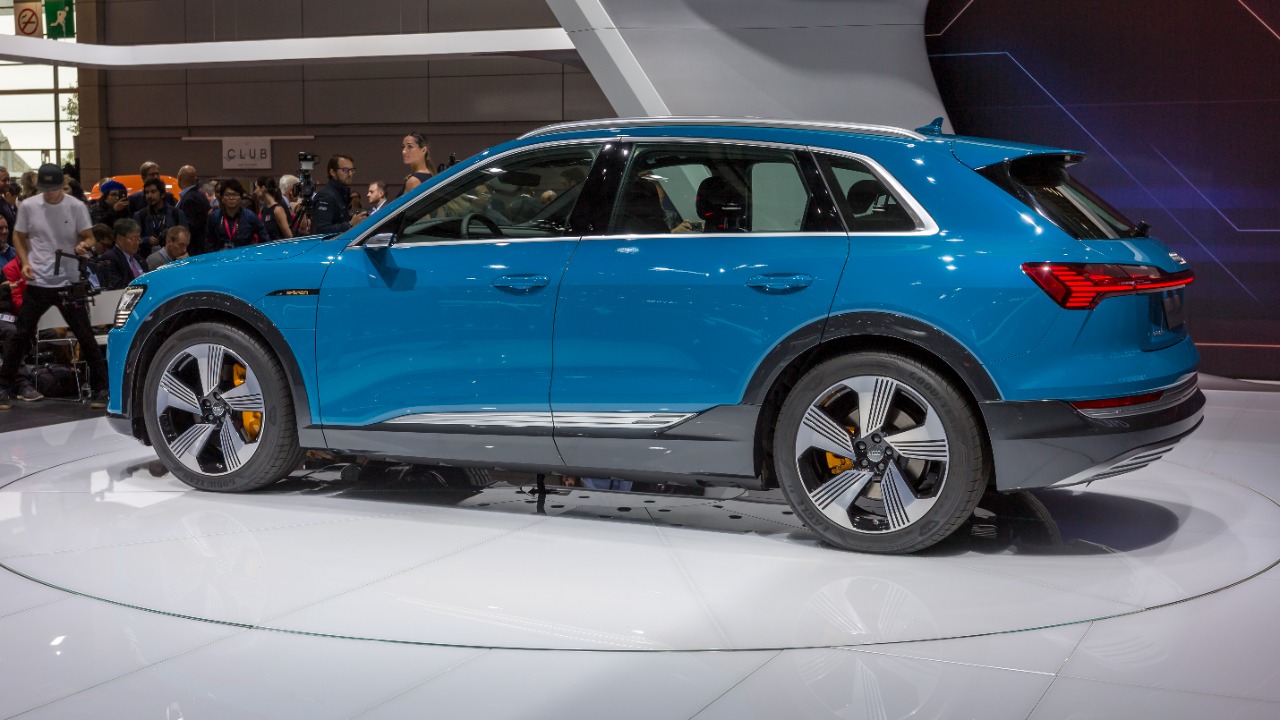
Audi built its first e-tron around a heavy platform and dual all-wheel-drive motors, prioritizing performance and luxury feel over outright efficiency from the start. Reference specifications describe a curb weight and drivetrain layout that already asked more of its battery than lighter rivals, leaving less room to spare once the pack begins aging.
That combination means an older e-tron can post a shorter real-world range than its original rating even before factoring in years of use, a tradeoff worth pricing into any used-e-tron deal rather than treating as a surprise.
8. Ford Mustang Mach-E: Mileage-Linked Reports
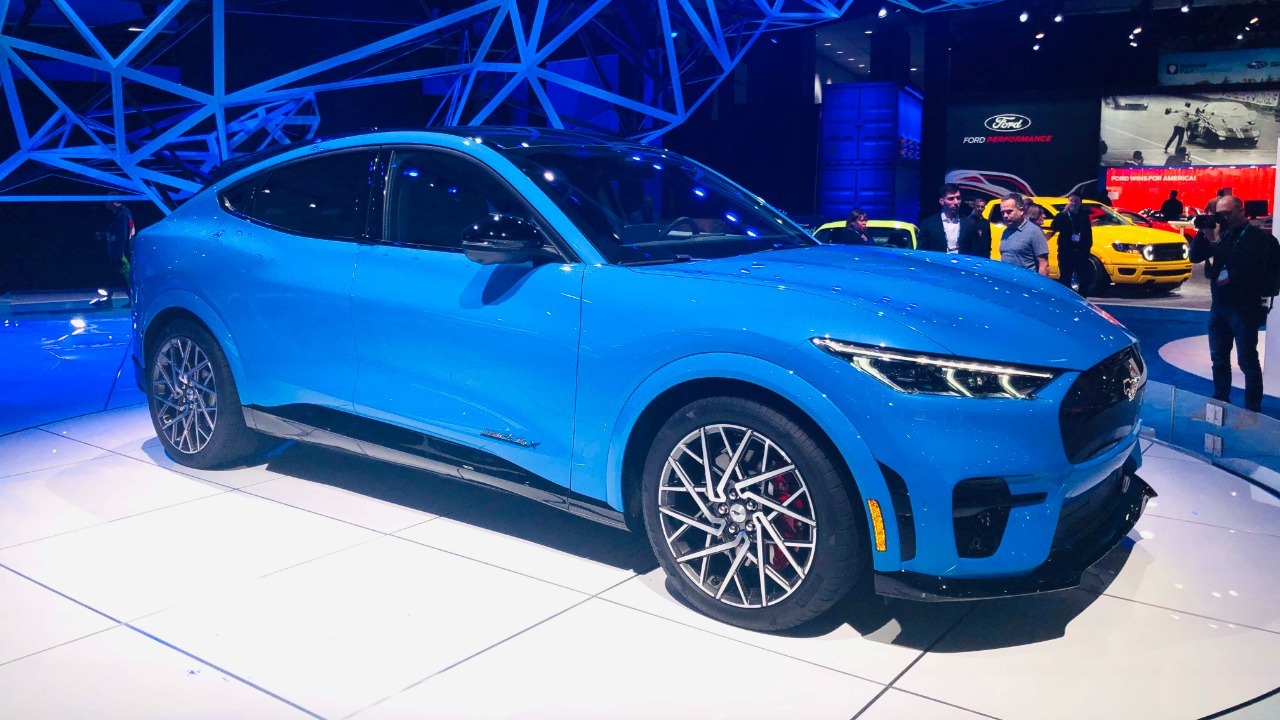
Ford’s Mustang Mach-E entered the market as a volume answer to Tesla, and owners of higher-mileage examples have reported range figures that fall short of what the car delivered when new. Vehicle records tie those reports to cars that have accumulated significant mileage and repeated fast-charging sessions rather than to any single model year.
Because the pattern tracks with mileage more than with age alone, a low-mileage older Mach-E may hold up better than a newer one driven hard, making odometer reading as important as model year for anyone shopping the used market.
9. Volkswagen ID.4: Software Ties Into Range
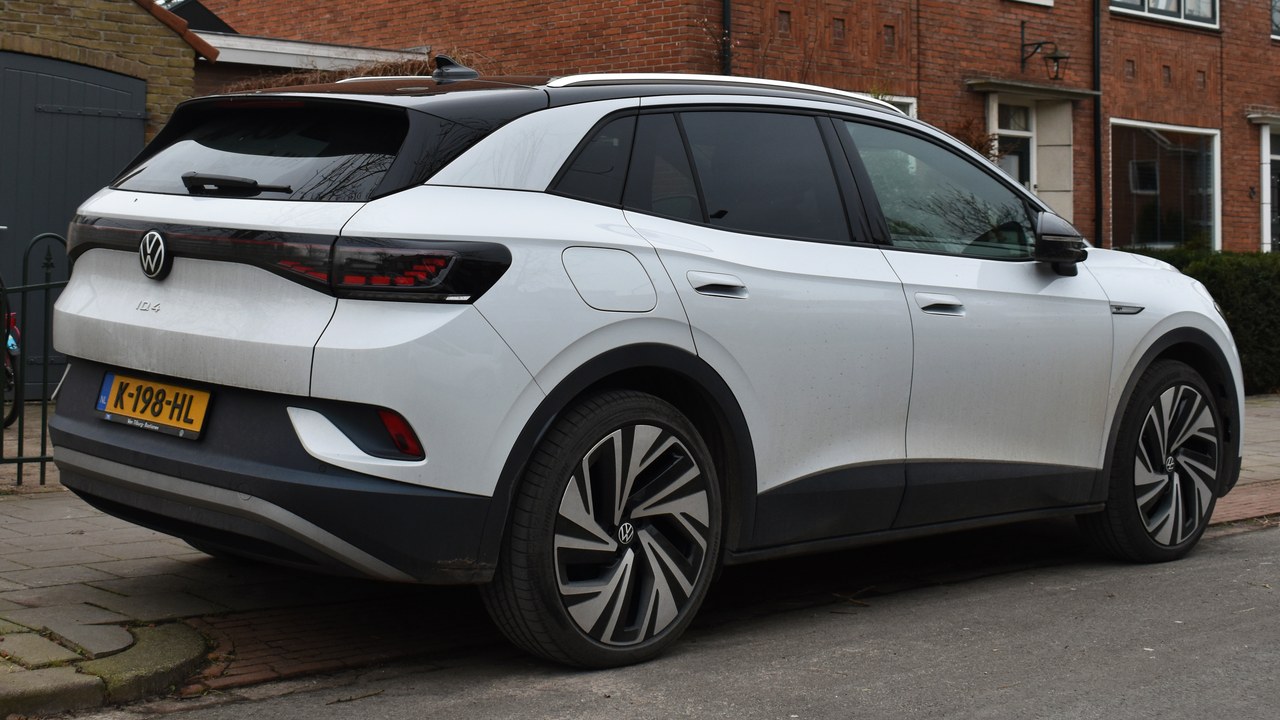
Volkswagen’s ID.4 pairs its battery with a software-managed charging and thermal system, and both pieces influence how much range a given car delivers as it ages. Model documentation describes an electronics stack that has required multiple over-the-air updates since launch, some aimed squarely at how the car manages its battery over time.
An ID.4 running outdated software can behave differently than an identical car that has received every update, so a used-buyer checking pack health should also confirm the vehicle is current on its software before drawing conclusions about range.
10. Tesla Model S: The Flagship Shows Its Age
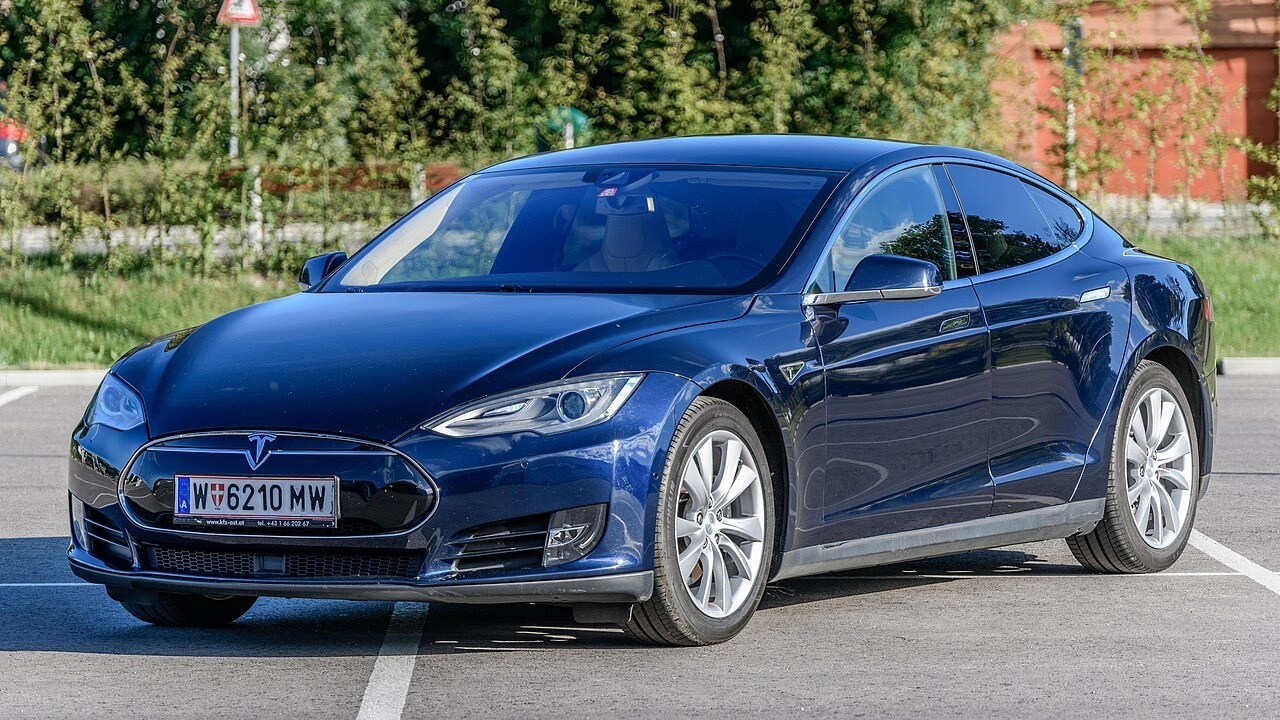
The Tesla Model S has been in production longer than almost any other EV on this list, giving its earliest examples more years and more charge cycles to work through than newer rivals have faced. Production history spans multiple battery and drivetrain revisions, and the oldest cars on the road are the ones most likely to show a real gap between original and current range.
That gap tends to widen gradually rather than suddenly, so an aging Model S can still feel capable day to day even as its true range settles below the number it carried when it left the factory.
More from Morning Overview
