
Electric cars did not arrive fully formed; they were shaped over decades by a handful of vehicles that dared to be different. Some proved batteries could be fast or luxurious, others made them affordable or practical, and a few simply refused to exist quietly. These are ten machines that bent the course of automotive history.
1. General Motors EV1: The EV GM Crushed
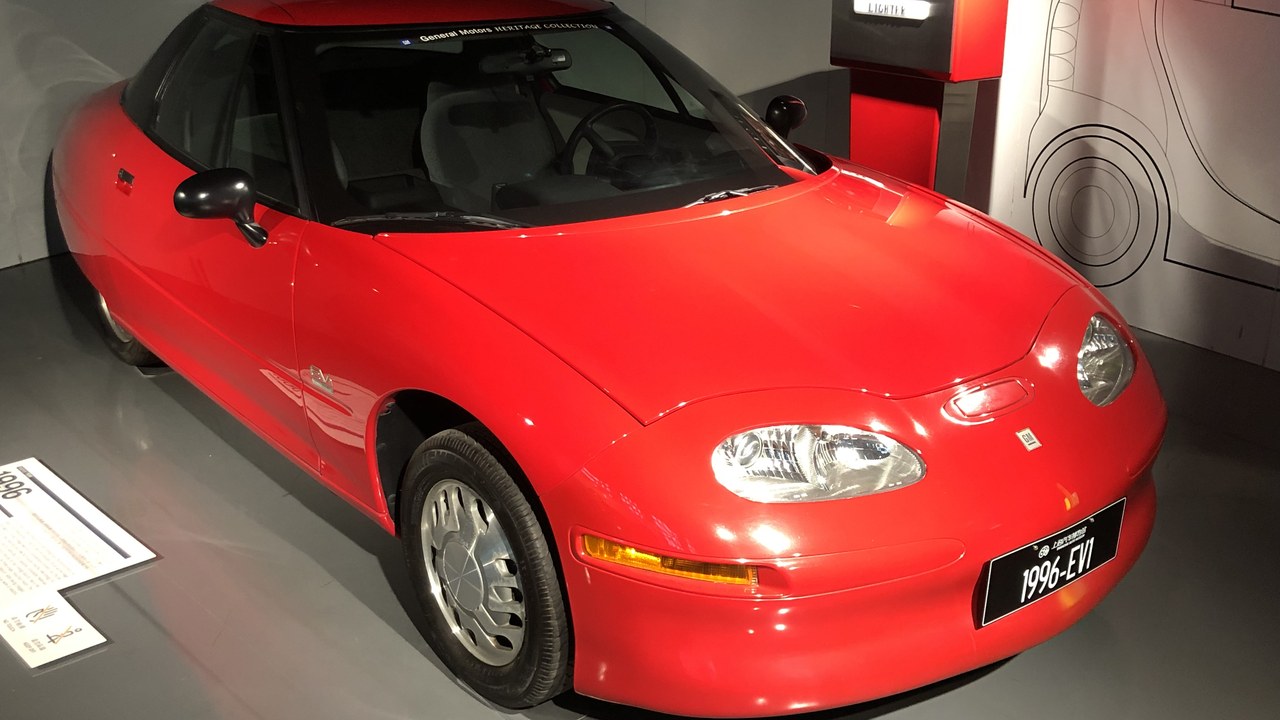
General Motors unveiled the EV1 in 1996 as the first purpose-built electric car from a major American automaker. Offered through leases in California and Arizona, the aerodynamic two-seater won a devoted following among drivers who loved its silent, instant acceleration.
The program ended controversially when GM reclaimed the cars and scrapped most of them, a decision later chronicled in a widely seen documentary. That reversal turned the EV1 into a symbol of squandered potential and kept the electric conversation alive for years afterward.
2. Tesla Roadster: Speed Changed The Story
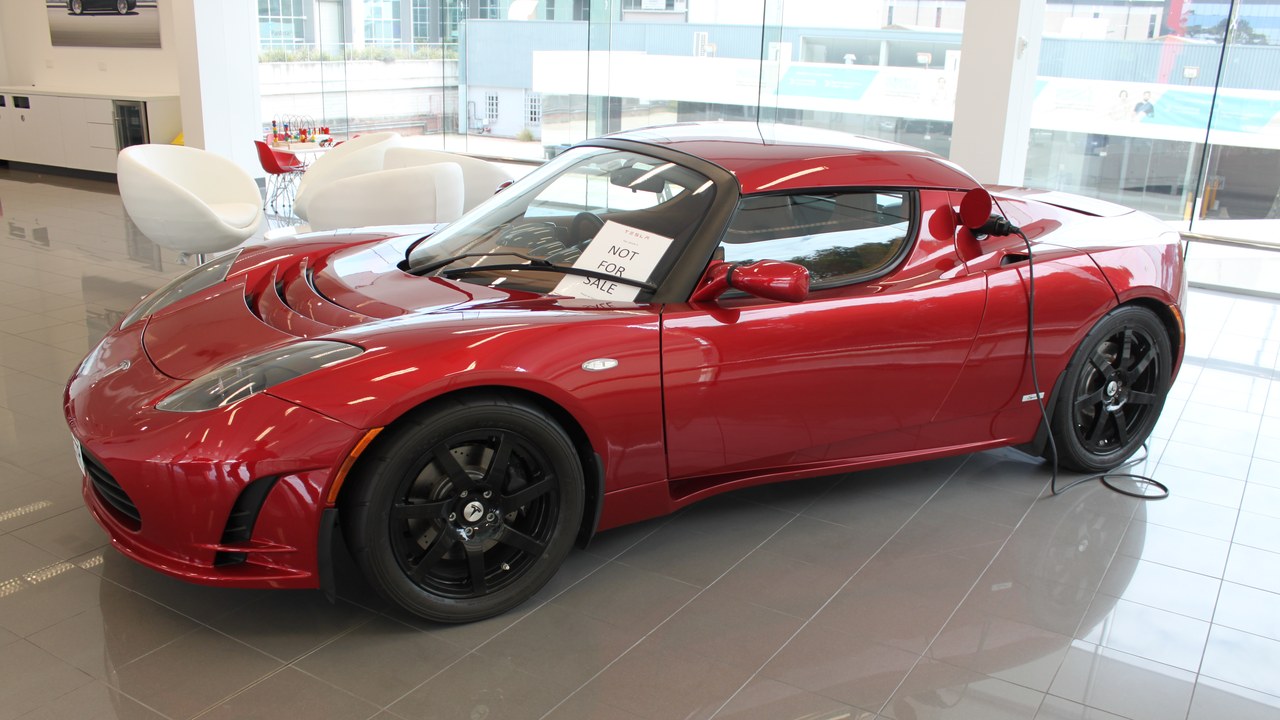
Tesla launched its first car, the Roadster, in 2008, building it on a Lotus Elise chassis and proving that an electric sports car could deliver genuine speed. Reaching sixty miles per hour in under four seconds, it shattered the sluggish, golf-cart image that had dogged battery-powered vehicles.
Beyond its performance, the Roadster demonstrated that lithium-ion batteries could power a practical, long-range road car. Its success funded Tesla’s next steps and signaled to the wider industry that a startup could build something enthusiasts genuinely wanted to drive.
3. Nissan Leaf: Electric Goes Mainstream
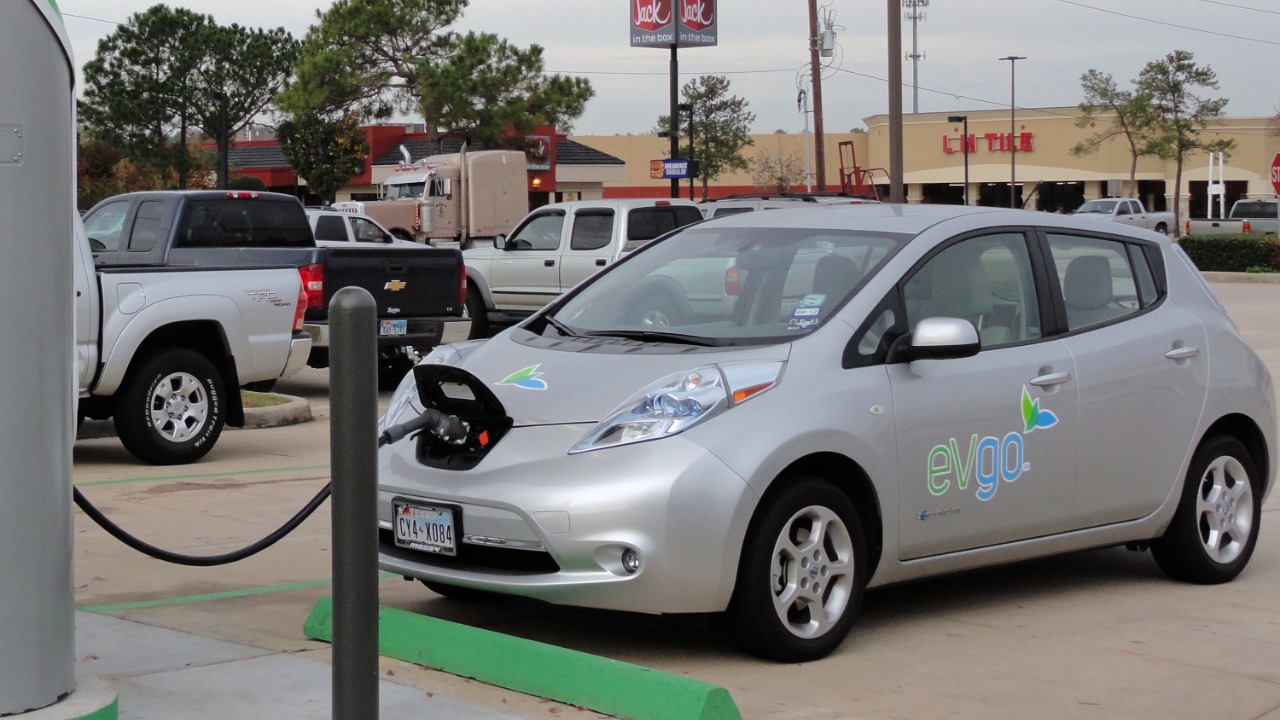
Arriving in 2010, the Nissan Leaf became the first mass-market electric car designed and sold at scale for everyday buyers. Priced within reach of ordinary households and built as a practical five-door hatchback, it brought electric driving out of the niche and into suburban driveways.
Early Leaf models offered modest range by today’s standards, yet they proved steady demand existed for an affordable commuter EV. For years it ranked among the best-selling electric cars worldwide, giving many drivers their first taste of life without gas stations.
4. Tesla Model S: Luxury Meets Long Range
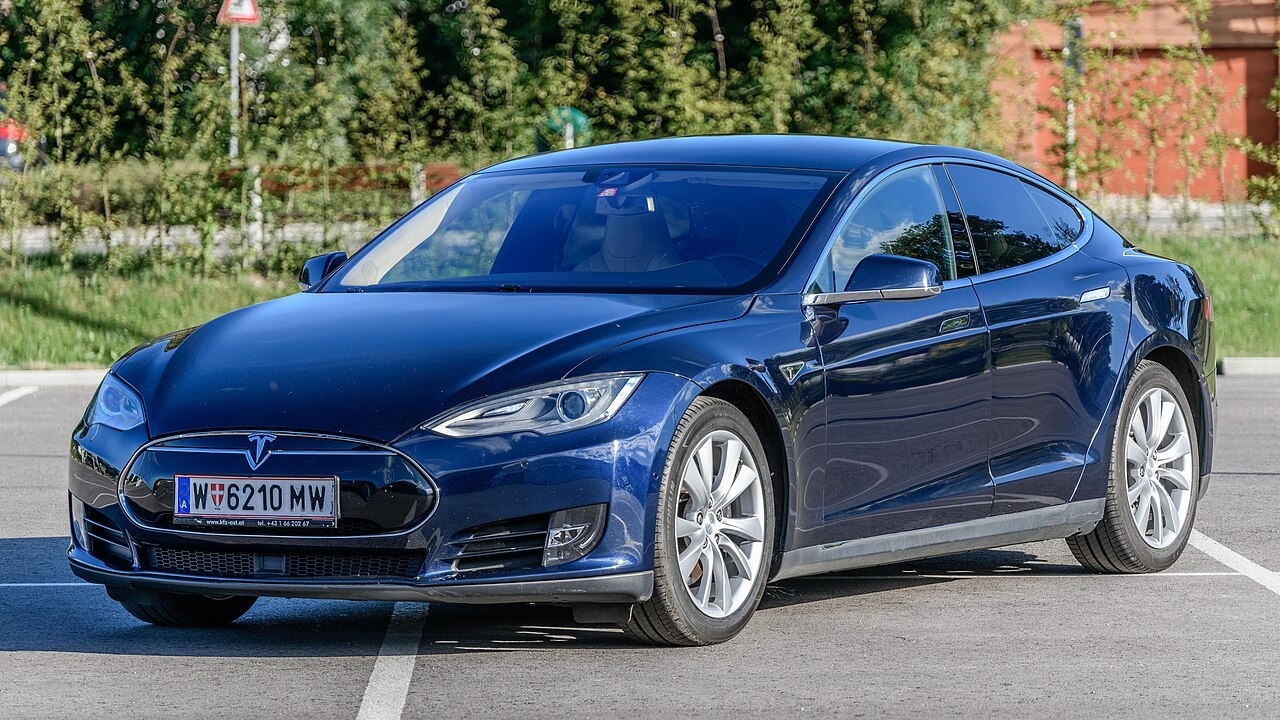
The Model S, introduced in 2012, redefined what an electric car could be by pairing long range with genuine luxury and performance. Its large touchscreen interior, over-the-air software updates, and supercharging network set expectations that rivals scrambled for years to match.
Reviewers heaped praise on the sedan, and it became a status symbol that made electric ownership aspirational rather than merely virtuous. By showing that an EV could out-accelerate sports cars while seating a family, the Model S pushed the entire industry to take batteries seriously.
5. Chevrolet Bolt: Range For The Rest
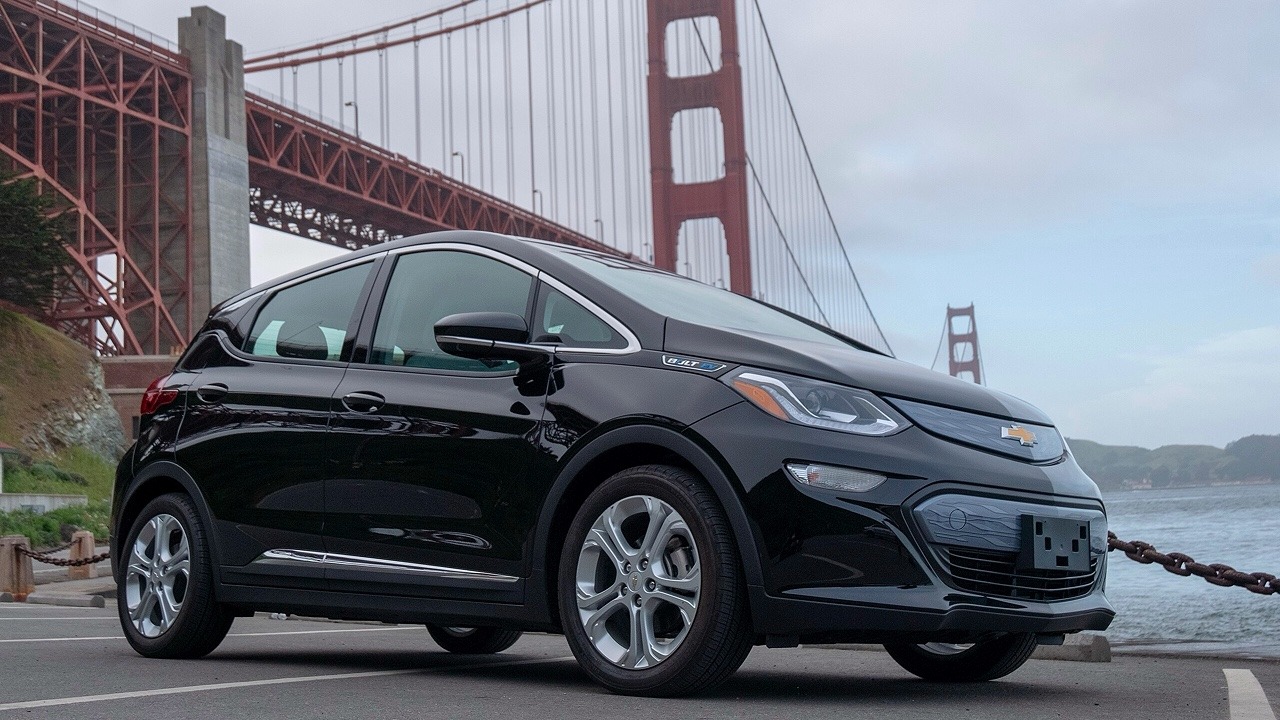
Chevrolet’s Bolt reached showrooms in 2016 as one of the first affordable EVs to offer more than two hundred miles of range. Starting well below premium electric sedans, the compact hatchback made long-range battery driving realistic for mainstream budgets.
The Bolt beat Tesla’s more famous Model 3 to market, delivering a usable, everyday electric car to buyers who could not stretch to luxury pricing. Though later overshadowed and slowed by a battery recall, it demonstrated that meaningful range no longer demanded a hefty premium.
6. BMW i3: Carbon-Fiber City Car

BMW took an unusual path with the i3, launched in 2013 with a passenger cell made of carbon-fiber-reinforced plastic. The tall, narrow city car looked like nothing else on the road, with rear-hinged doors and a cabin trimmed in recycled and natural materials.
An optional small gasoline generator eased range anxiety for cautious buyers, bridging the gap during the early charging era. While never a huge seller, the i3 signaled that a legacy luxury brand would invest in bold, sustainable engineering rather than simply electrifying an existing model.
7. Toyota RAV4 EV: An Early Electric SUV
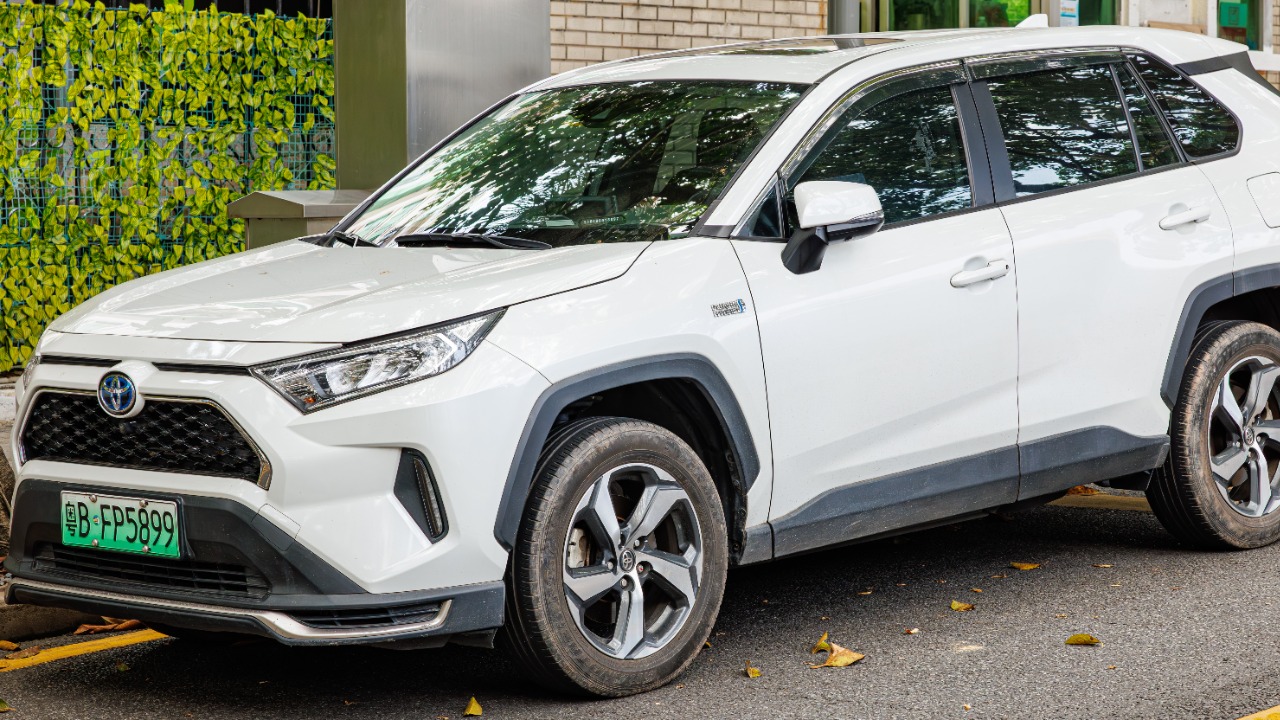
Toyota built an early electric SUV in the RAV4 EV, first as a limited 1990s model and again from 2012 using a Tesla-supplied powertrain. The second-generation version paired Toyota’s popular crossover body with battery and motor technology developed alongside Tesla.
Offered mainly in California to satisfy emissions rules, the RAV4 EV reached only modest sales numbers. Even so, it foreshadowed the electric-SUV boom that would later dominate showrooms, and it marked a rare early collaboration between an established giant and the young electric upstart.
8. Rivian R1T: First Electric Pickup
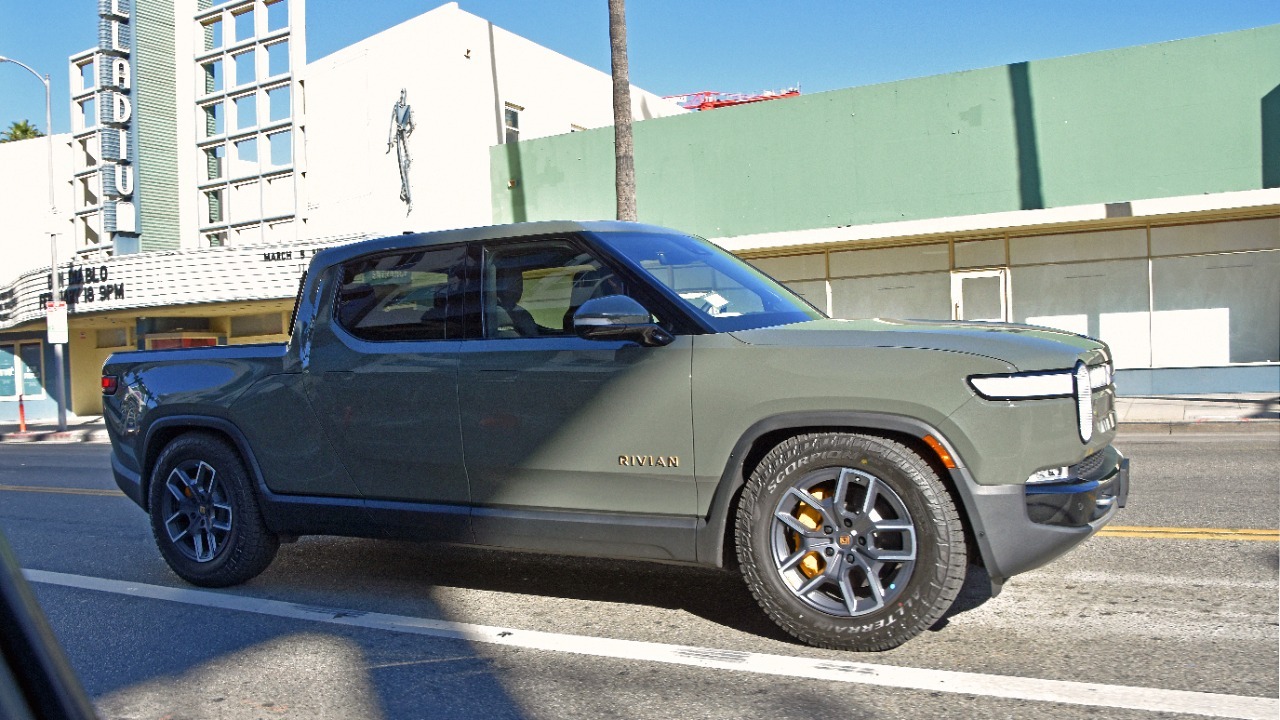
Rivian beat every established automaker to a milestone when the R1T began deliveries in 2021 as the first electric pickup to reach customers. The adventure-focused truck blended rugged off-road capability with a clever gear tunnel and a quad-motor drivetrain.
Its arrival ahead of larger rivals proved a well-funded newcomer could execute where giants hesitated. Reviewers admired its ride, capability, and thoughtful design, and the R1T helped open a booming electric-truck segment that Ford, GM, and others soon rushed to contest.
9. Lucid Air: Chasing Maximum Range
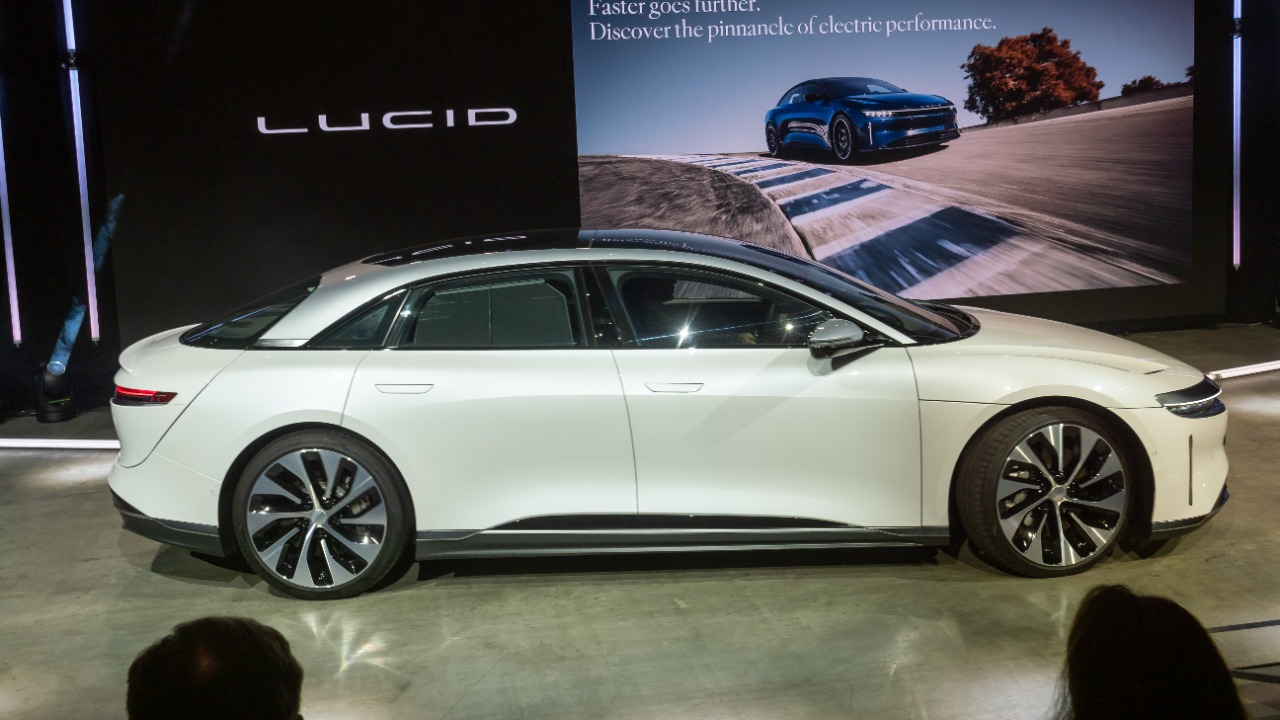
The Lucid Air, from a California startup led by former Tesla engineers, arrived in 2021 chasing the crown for the longest EPA-rated range. Certain versions exceeded four hundred miles on a single charge, a benchmark no rival could touch at launch.
Beyond distance, the Air paired a spacious, minimalist cabin with staggering power from a compact drivetrain. It demonstrated that a small company could challenge the luxury establishment on efficiency and engineering, pushing the boundary of how far an electric sedan could travel between charges.
10. Ford Mustang Mach-E: A Pony Goes Electric
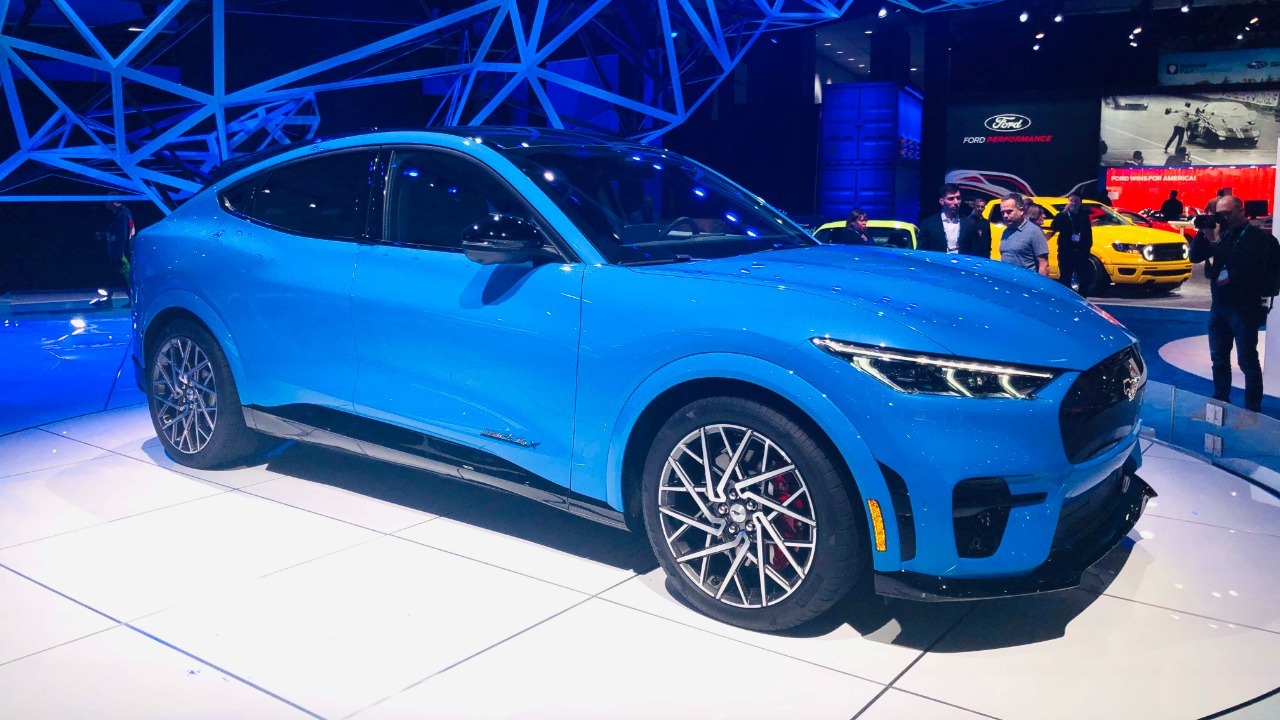
Ford stirred passionate debate in 2020 by attaching its storied Mustang badge to an electric crossover rather than a traditional muscle coupe. The Mach-E borrowed the pony car’s styling cues while offering four doors, family space, and competitive range.
The gamble paid off as the Mach-E sold strongly and became one of the best-selling electric SUVs in the United States. By committing a beloved nameplate to electrification, Ford signaled that mainstream American brands viewed EVs as central to their future rather than a side experiment.
More from Morning Overview
