
Heavy-duty pickups earn their reputation the slow way, on job sites and gooseneck trailers rather than on spec sheets. The engines below share a recipe: iron blocks, high compression, huge torque low in the rev range and commercial-grade parts underneath. Here are ten diesel workhorses owners routinely drive far past the readings that retire an ordinary truck.
1. Ford F-250 Power Stroke: Navistar Roots, Ford Badge
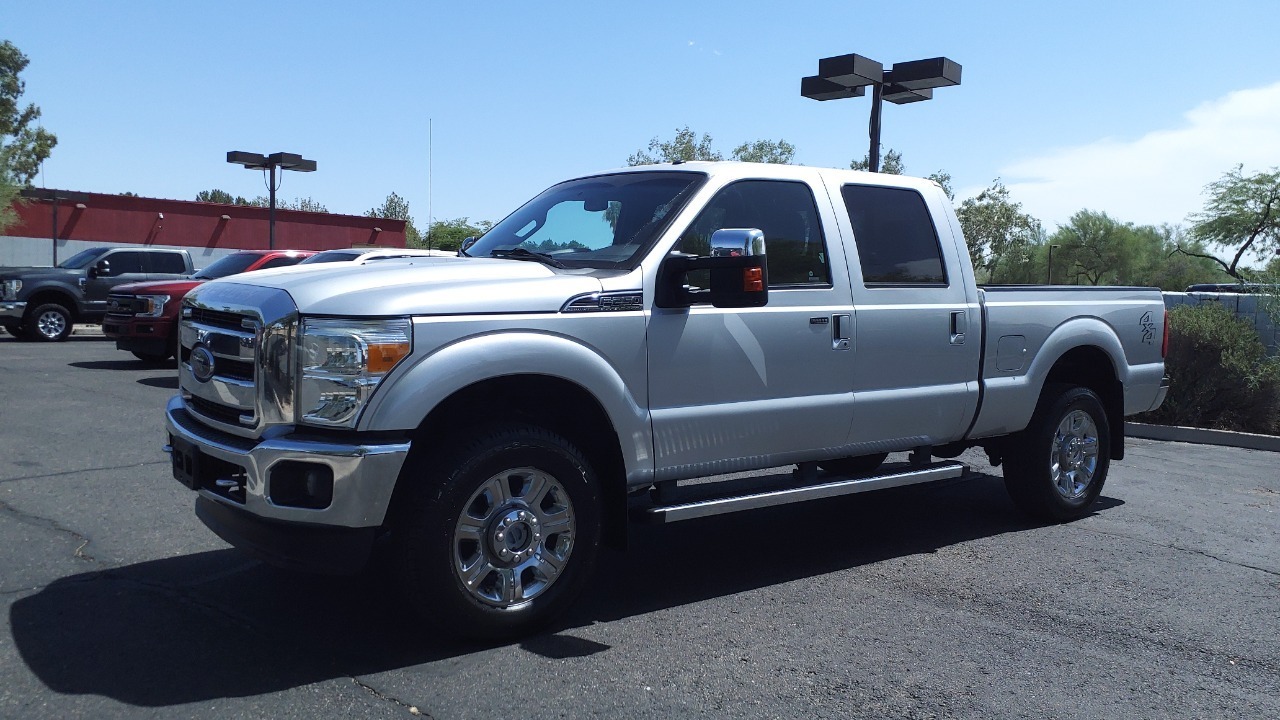
Ford has badged its heavy-duty diesels as the Power Stroke line since 1994, but for most of that run the engines were built by Navistar International rather than by Ford itself. The 7.3-liter version sold through 2003 is the one owners still talk about, a low-revving, mechanically simple V8 with a record of surviving hard fleet duty.
That record does not transfer cleanly across the whole family. The 6.0-liter and 6.4-liter engines that followed carried emissions hardware that made head gaskets and EGR coolers routine repair topics, and Ford moved the design in-house with the 6.7-liter in 2011. Model year matters more here than the badge on the fender.
2. Ram 2500 Cummins: The Inline-Six Advantage
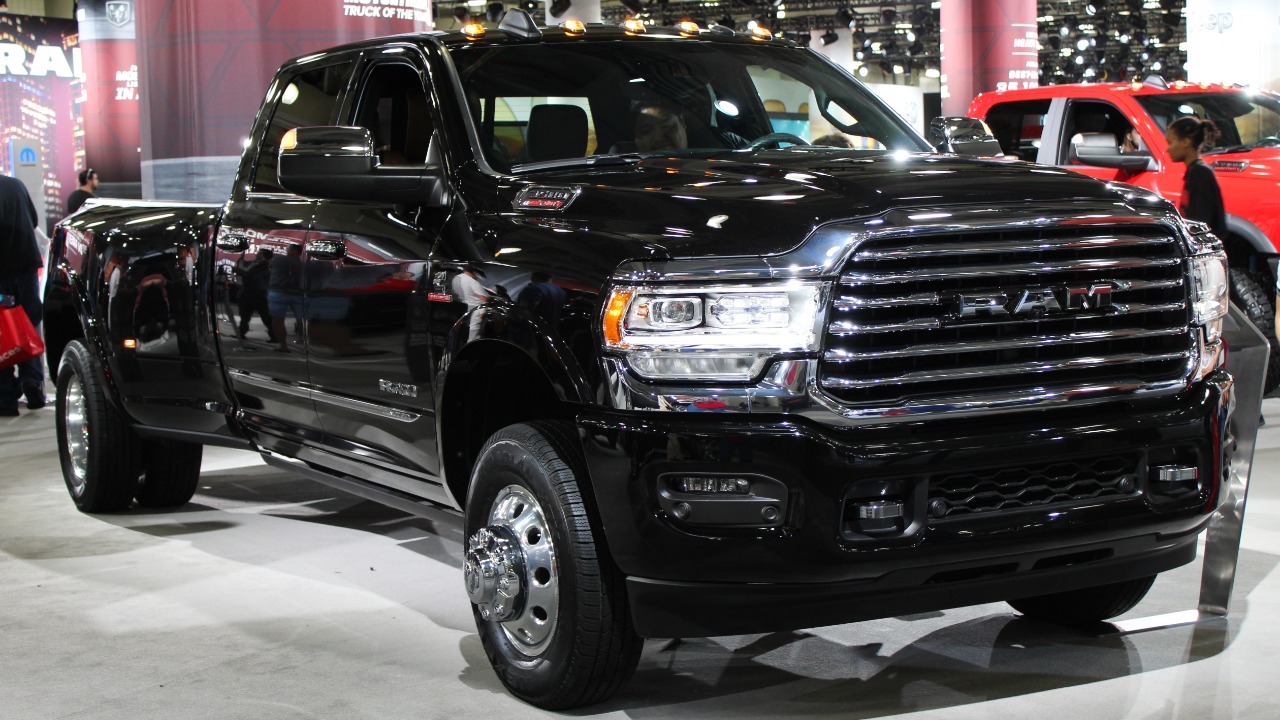
Under the hood sits an engine that did not start life in a pickup at all: the Cummins B-series was commercial and agricultural hardware before Dodge offered it in 1989. Six cylinders in a row means one cylinder head, one head gasket and a heavily supported crankshaft, all of it turning slowly and making its torque low.
Longevity claims usually attach to that engine rather than the truck wrapped around it. Transmissions, injection pumps and emissions plumbing wear on their own schedules, so a high-mileage example can need serious driveline money while the block itself is untouched.
3. Chevrolet Silverado 2500 Duramax: Isuzu Engineering, Allison Backup
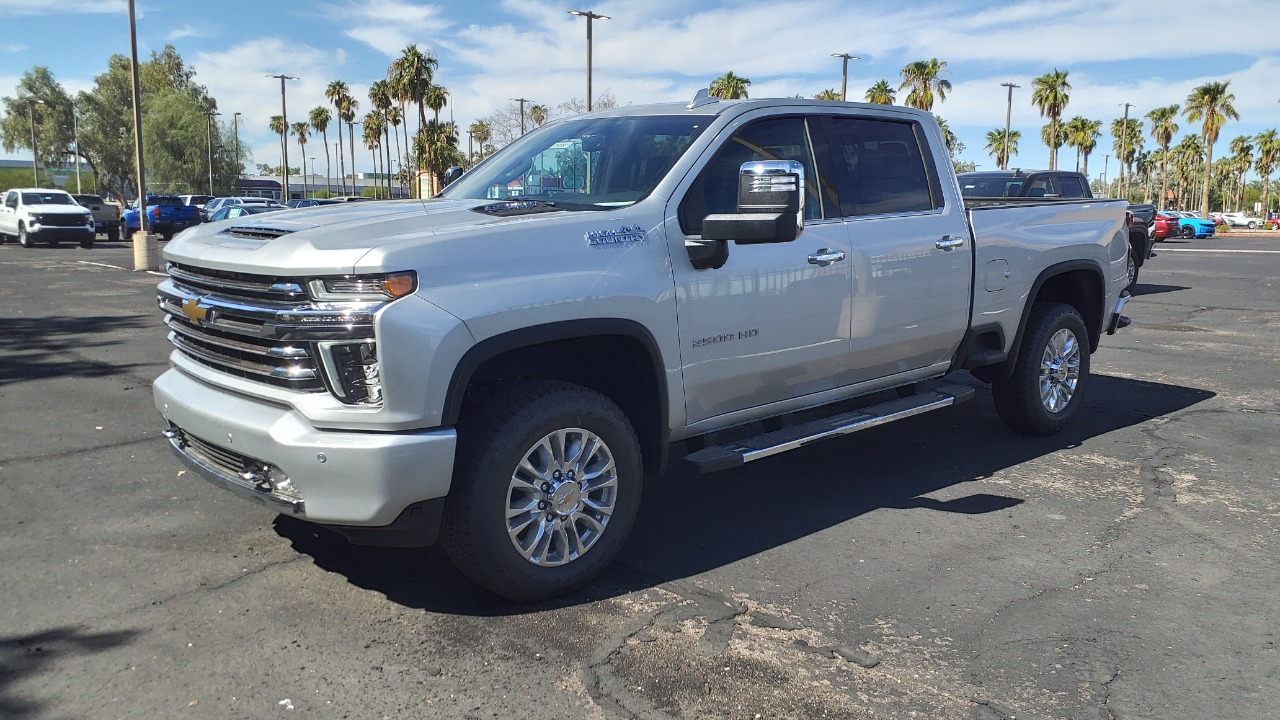
GM’s answer arrived in 2001 through a joint venture with Isuzu, and the Duramax 6.6-liter V8 has run through generation codes ever since, from LB7 and LLY to LBZ, LMM, LML and the current L5P. Aluminum heads and common-rail injection made it quieter and stronger than the diesel it replaced.
The Allison automatic behind it earns nearly as much credit as the engine. Buyers still have to read the generation code, because the earliest LB7 trucks became known for injector failures that GM addressed with extended coverage, and that is not a cheap job on a truck already deep into its second odometer trip.
4. GMC Sierra 2500 Duramax: Same Driveline, Different Grille
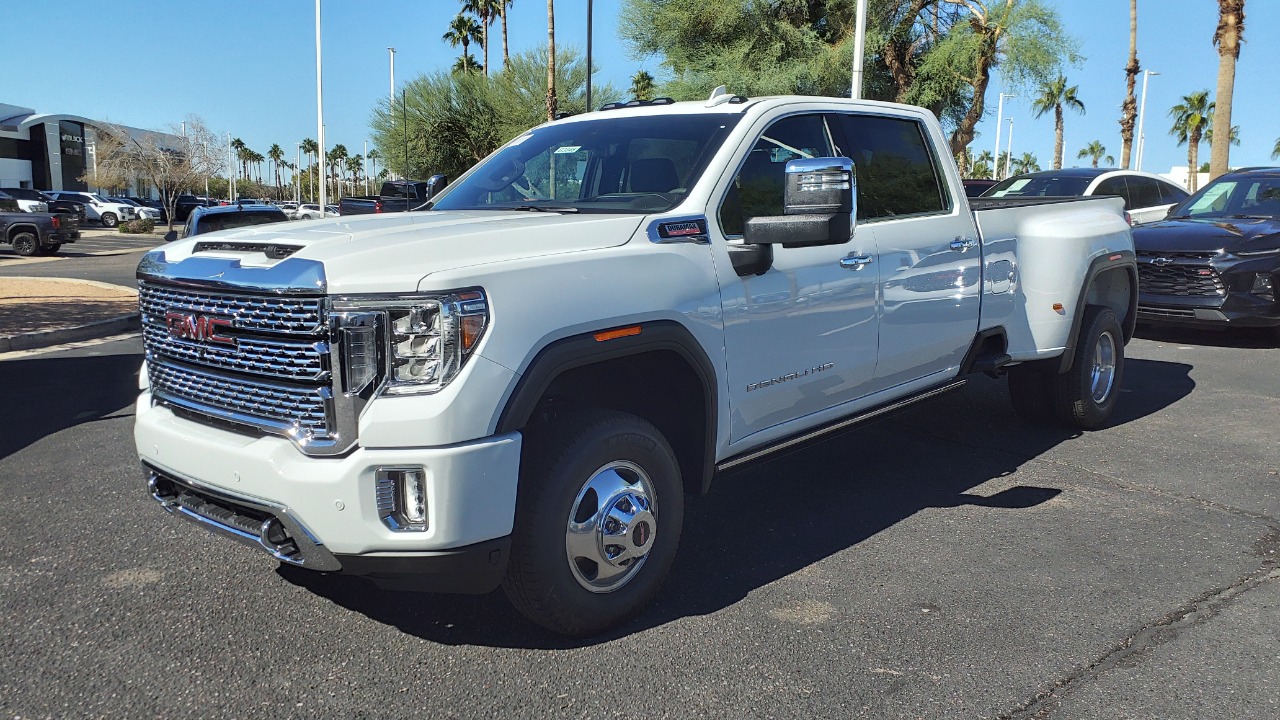
Little separates this truck from its Chevrolet twin beyond grille, trim and price, since both ride the same GM platform behind the same Duramax V8 and Allison automatic. The engineering that decides how long it lasts, from the iron block to the commercial-grade cooling system, is shared line for line.
Shopping by badge is therefore the wrong instinct and shopping by generation is the right one. Emissions-era trucks add particulate filters, exhaust fluid systems and high-pressure fuel pumps that older Duramax trucks never carried, and every one of those is a maintenance line item an early example simply does not have.
5. Ford F-350 Power Stroke: One Ton, Long Haul
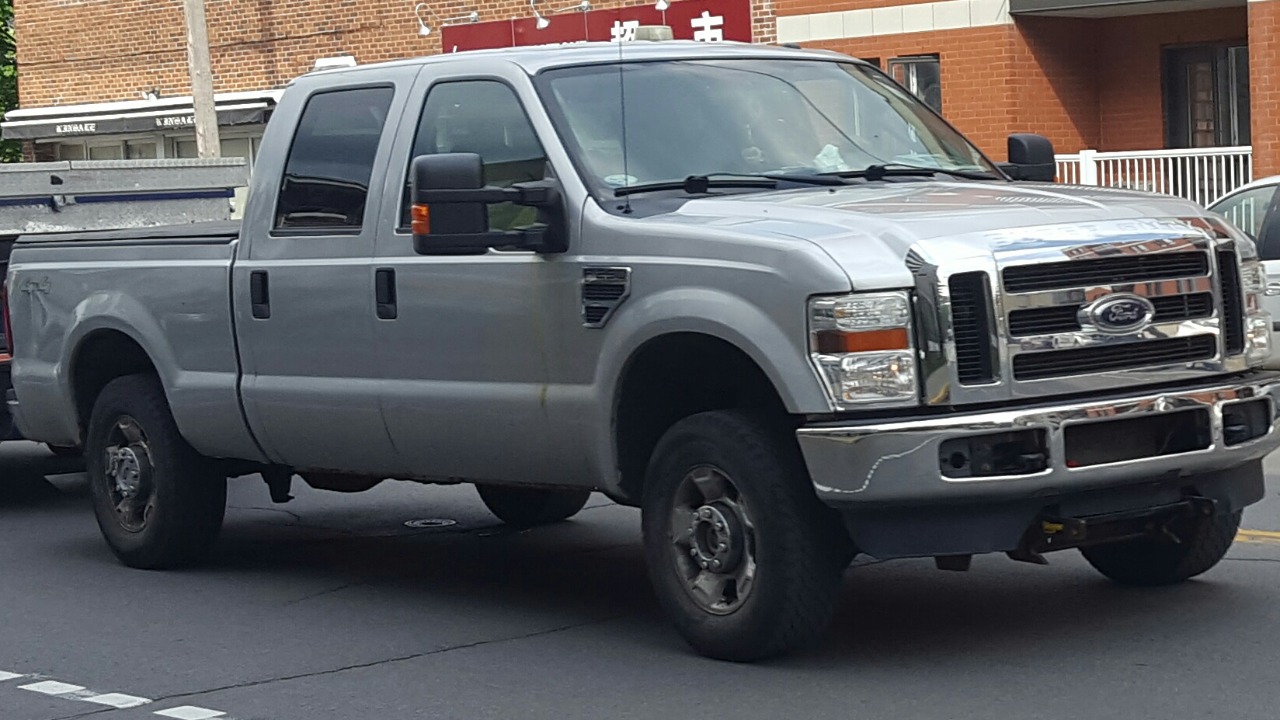
The one-ton slot in Ford’s Super Duty range has been a separate platform from the F-150 since the 1999 model year, with its own frame, axles and cab structure. That separation explains why an F-350 tolerates gooseneck and fifth-wheel work that flattens a half-ton over enough seasons.
Treat the body as seriously as the driveline. Road salt takes cab corners, rocker panels and brake lines on trucks that live in the north, and an engine that still pulls hard is small comfort inside a frame that is flaking. Inspection tells a buyer more than the mileage does.
6. Ram 3500 Cummins: Dually Duty Cycle
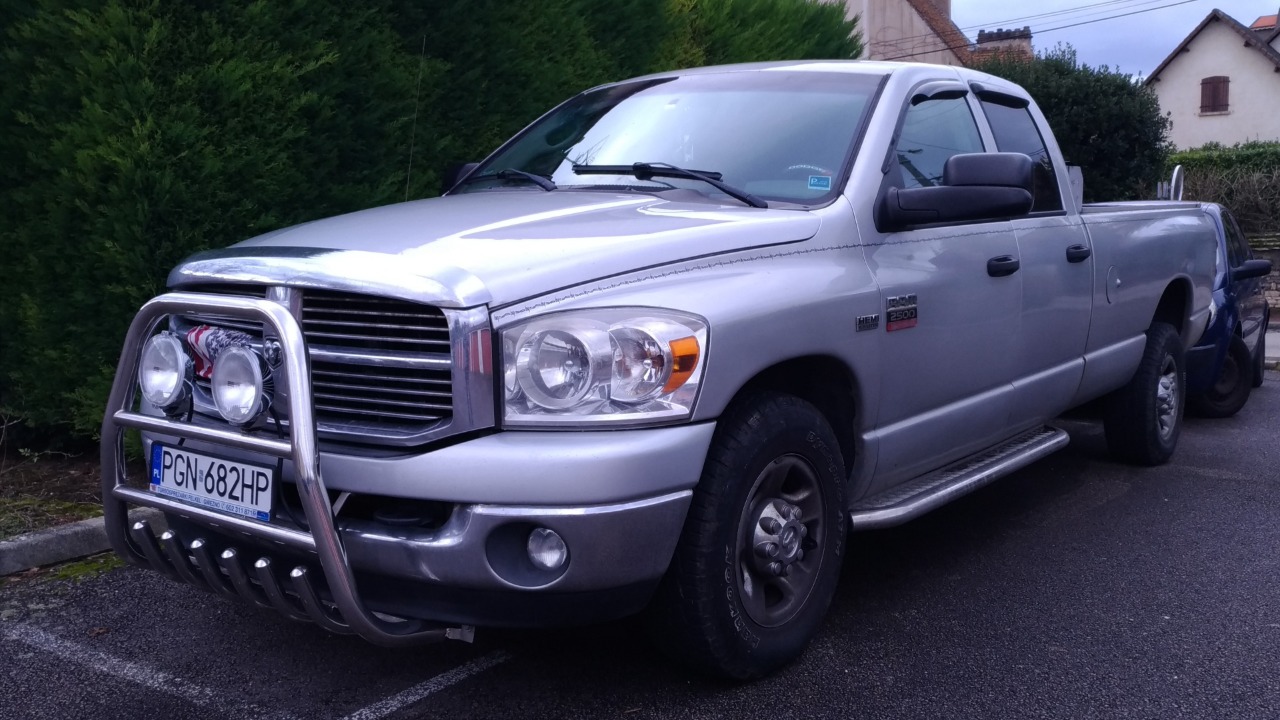
Step up to the one-ton and the dual-rear-wheel option appears, which is where the Ram pickup line does its heaviest work. Ram separated from Dodge as its own truck brand in 2010, and the 3500 has stayed the model aimed at fifth-wheel trailers, service bodies and equipment haulers.
Running costs climb with that capability. A dually needs six tires instead of four, its brakes and suspension parts are sized to match, and trucks bought for towing tend to reach the used market with hard hours behind them. Service records say more than the number on the dash.
7. Ford F-450: The Heaviest Pickup In The Range
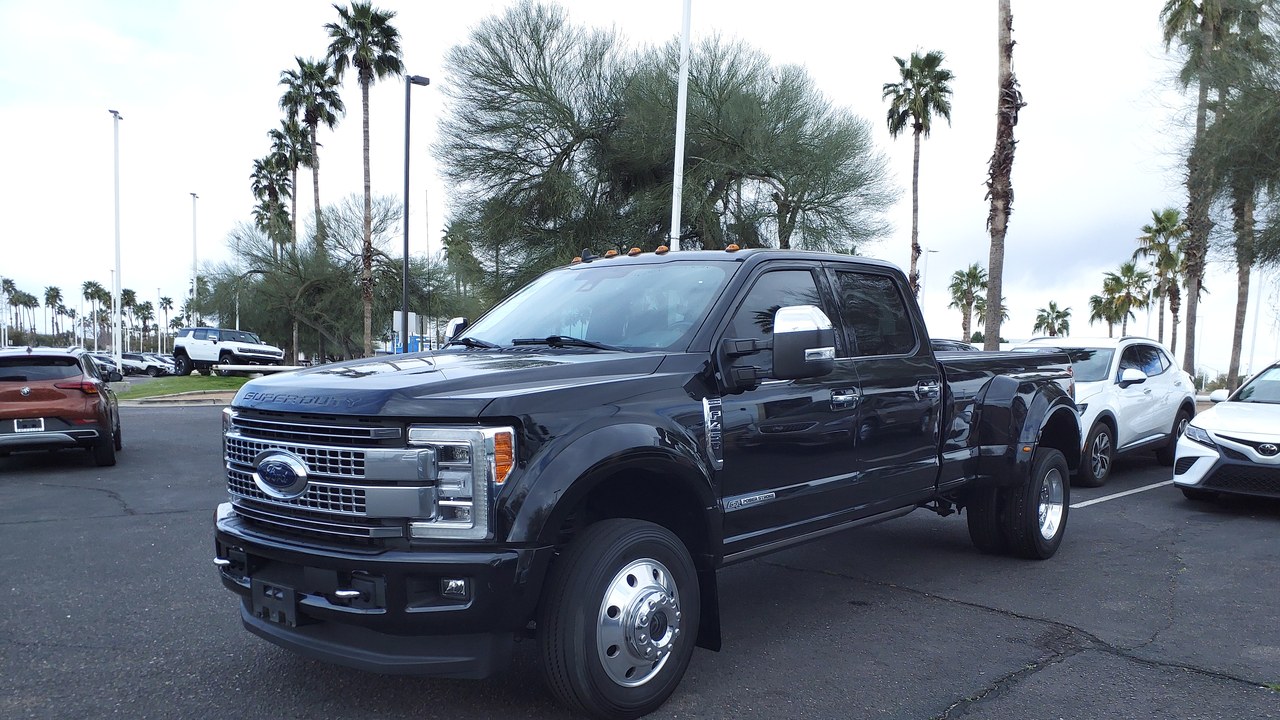
Bigger brakes, a wider front track and heavier axles separate this truck from the rest of the Super Duty lineup, which is why it sits at the top of Ford’s pickup towing charts. It gets bought to work rather than to commute, usually with a fifth-wheel hitch already bolted into the bed.
Specialization carries a cost beyond the sticker. Wheel and tire sizes are not interchangeable with lighter Super Duty trucks, so replacements run higher, and commercial duty cycles mean many examples have spent their whole lives loaded. Long life here comes from maintenance discipline rather than luck.
8. Chevrolet Silverado 3500 Duramax: Fleet-Spec One-Ton
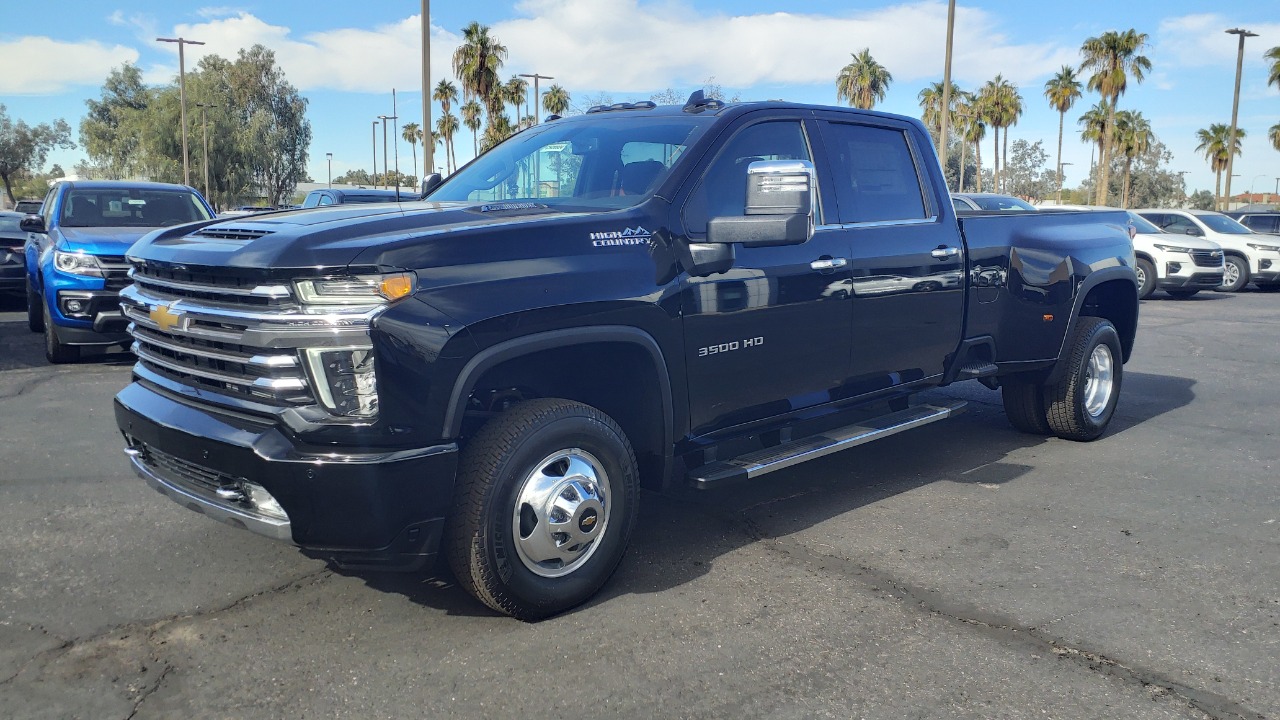
One-ton duty is where the Silverado nameplate, in use since 1999, turns into fleet equipment: dual rear wheels, chassis-cab variants and utility bodies instead of showroom trim. Municipalities, contractors and towing operators buy these in volume and keep them until the arithmetic stops working.
Fleet history cuts both ways for a used buyer. Those trucks usually get scheduled service and documented repairs, but they also idle for hours and tow near their limits, which ages hardware faster than a mileage figure suggests. Read the logbook before trusting the odometer.
9. GMC Sierra 3500: Denali Badge, Work-Truck Bones
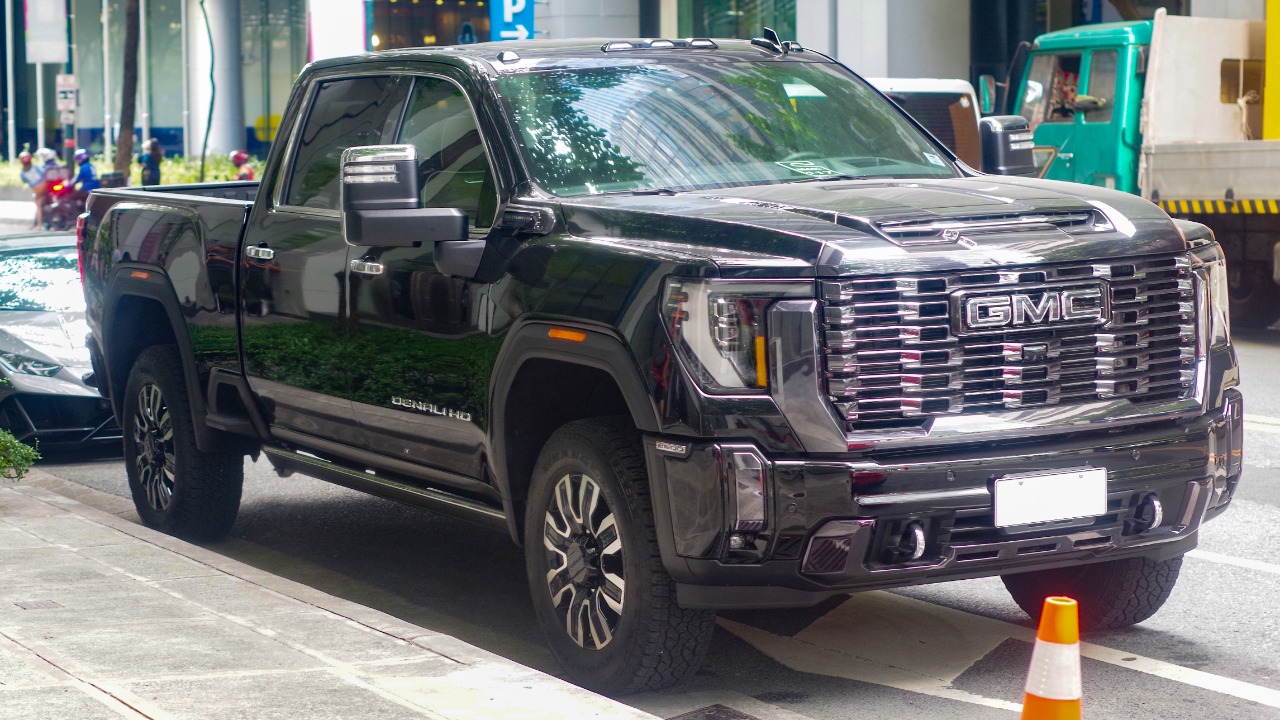
GMC’s one-ton shares its frame, engine and transmission with the Chevrolet, so the Sierra badge mostly buys different sheet metal and a longer options list. Denali trim adds leather and camera systems to a truck whose underpinnings were designed around heavy trailers rather than around a commute.
Luxury trim does not change the maintenance math. Fuel filters, exhaust fluid, coolant and transmission service follow the same intervals as the plainest work truck, and deferring them is what actually ends a diesel early. Neglect retires these far more often than wear does.
10. Ford Excursion Power Stroke: The Diesel SUV Owners Kept
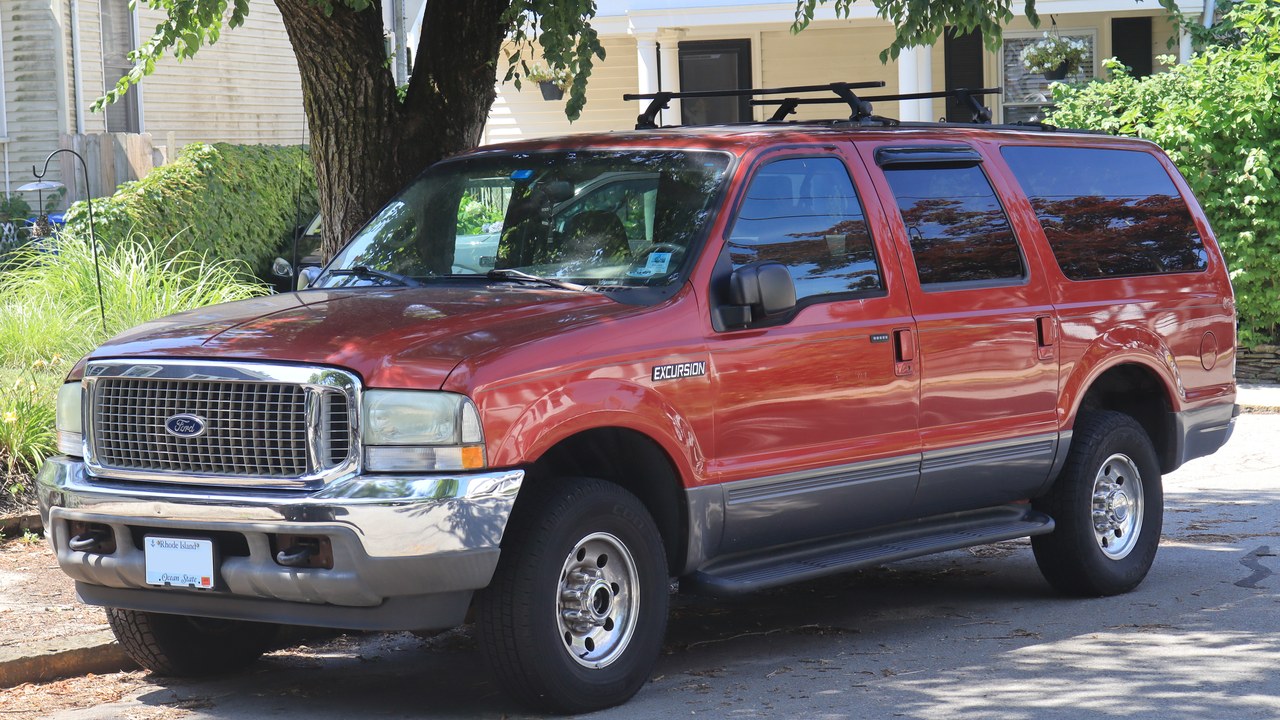
Between 2000 and 2005 Ford built the Excursion on the Super Duty chassis, making it the largest sport utility the company ever sold, a nine-passenger body on a three-quarter-ton truck frame. Buyers who wanted the diesel got the 7.3-liter Power Stroke early and the 6.0-liter in the final years.
Scarcity is part of why the survivors stay on the road. Nothing replaced it in the lineup, so owners repair instead of trading, and clean 7.3-liter examples sell for money that surprises people. Fuel consumption and sheer size remain exactly the problems that ended production.
More from Morning Overview
