
Federal law blocks a car from American roads unless it passes crash and emissions testing, and automakers rarely bother certifying a low-volume model built for a different market. That barrier has kept famous rally cars, homologation specials and JDM icons off American driveways for decades, often until they age into a 25-year safety exemption. Here are ten cars the United States has legally kept out.
1. Nissan Skyline GT-R: Forbidden Fruit Under the 25-Year Rule
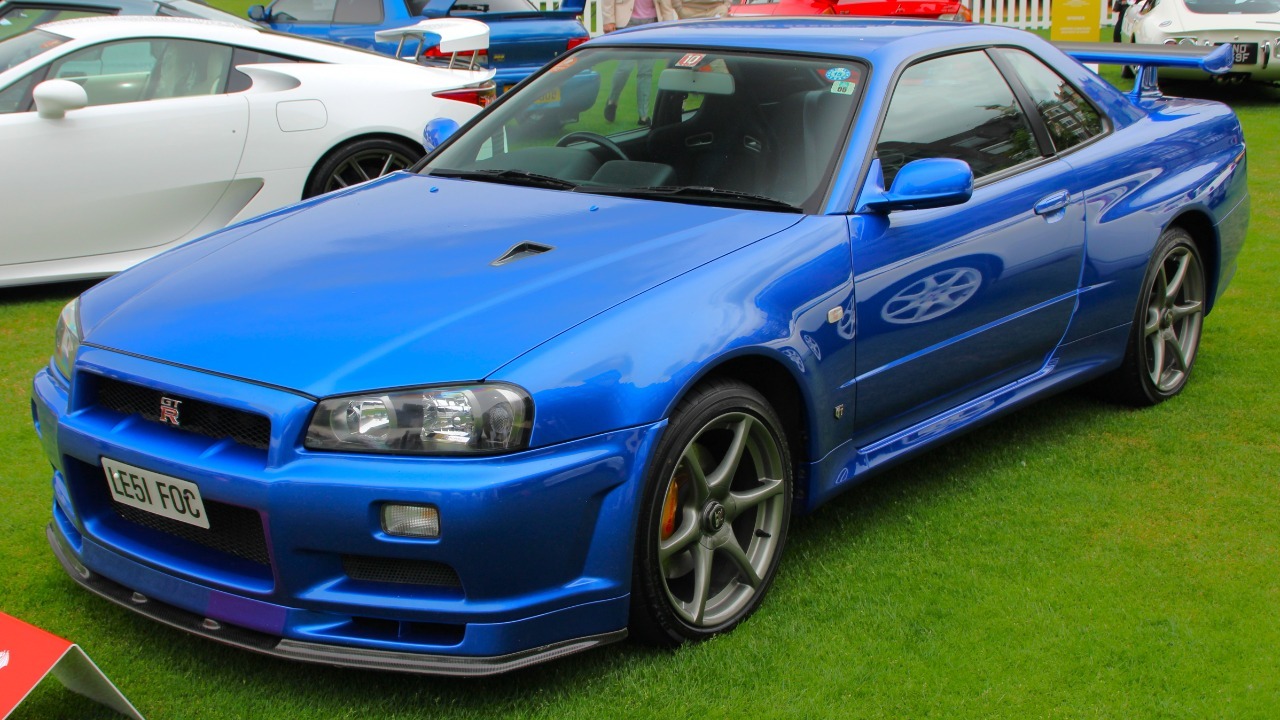
The R34-generation Skyline GT-R, sold in Japan from 1999 to 2002, never underwent the crash testing or emissions certification a new car needs in the United States, so Nissan simply never offered it here. Enthusiasts imported the earlier R32 instead, since federal law only waives that certification once a foreign-market Skyline reaches 25 years old under the National Highway Traffic Safety Administration’s exemption.
Grey-market shops built entire businesses around tracking which model year had just aged into eligibility. Owning one earlier meant building a state-titled replica or risking a customs seizure, a risk that pushed prices sharply higher the moment each generation legally cleared the 25-year mark.
2. Toyota Hilux: Tough Enough to Skip the U.S. Market
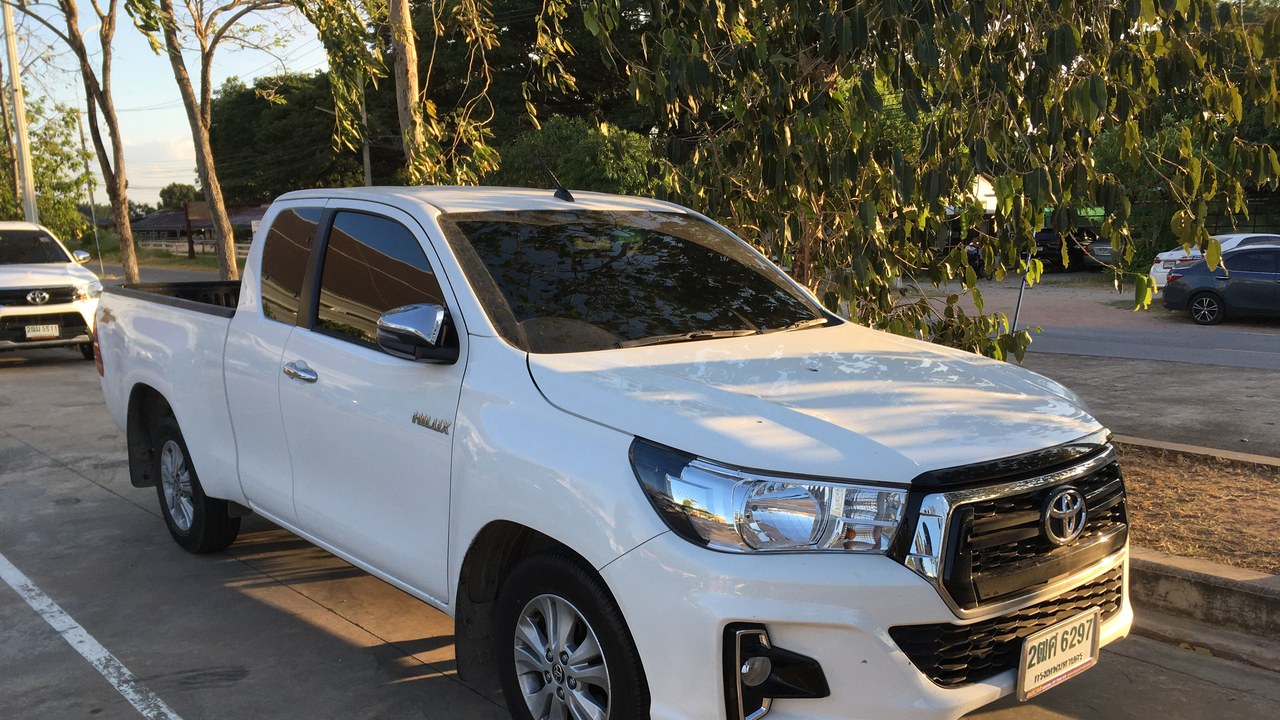
Toyota sold a Hilux-based pickup in America as the original Toyota Truck through the mid-1990s, but the modern Hilux itself was never federalized, and a 25 percent tariff on imported light trucks made the economics worse. That tariff stacks on top of the safety and emissions certification Toyota would need before selling the Hilux pickup here.
Toyota chose to build and sell the U.S.-market Tacoma instead of paying to certify and tariff a second midsize truck line. Overseas buyers and militaries prize the Hilux for outlasting trucks that would be totaled, while Americans can only get one by importing a used example once it turns 25.
3. Lancia Delta Integrale: A Rally Champion With No U.S. Dealer
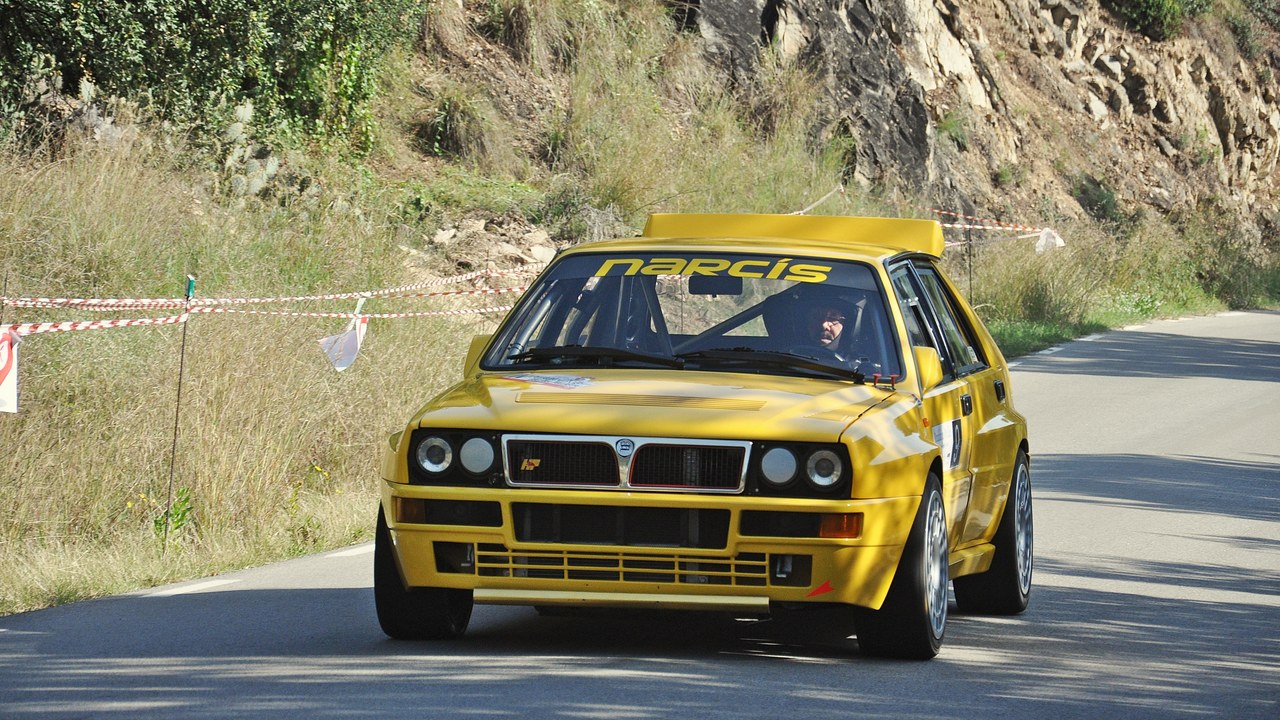
Lancia stopped selling cars in the United States in 1982, four years before the rally-bred Delta Integrale reached European showrooms, so the model never had an importer to pursue federal certification. The Delta Integrale’s homologation run was built to satisfy international rally rules, not American crash-test or bumper standards, and no factory version was adapted to meet them.
Its four-wheel-drive turbo layout also predates the airbag and side-impact rules U.S. cars needed by the early 1990s. That absence turned the Integrale into a sought-after import target once its production run began crossing the 25-year threshold, and owners depend on European specialists for service.
4. Mitsubishi Lancer Evolution: Seven Generations Before America Got One
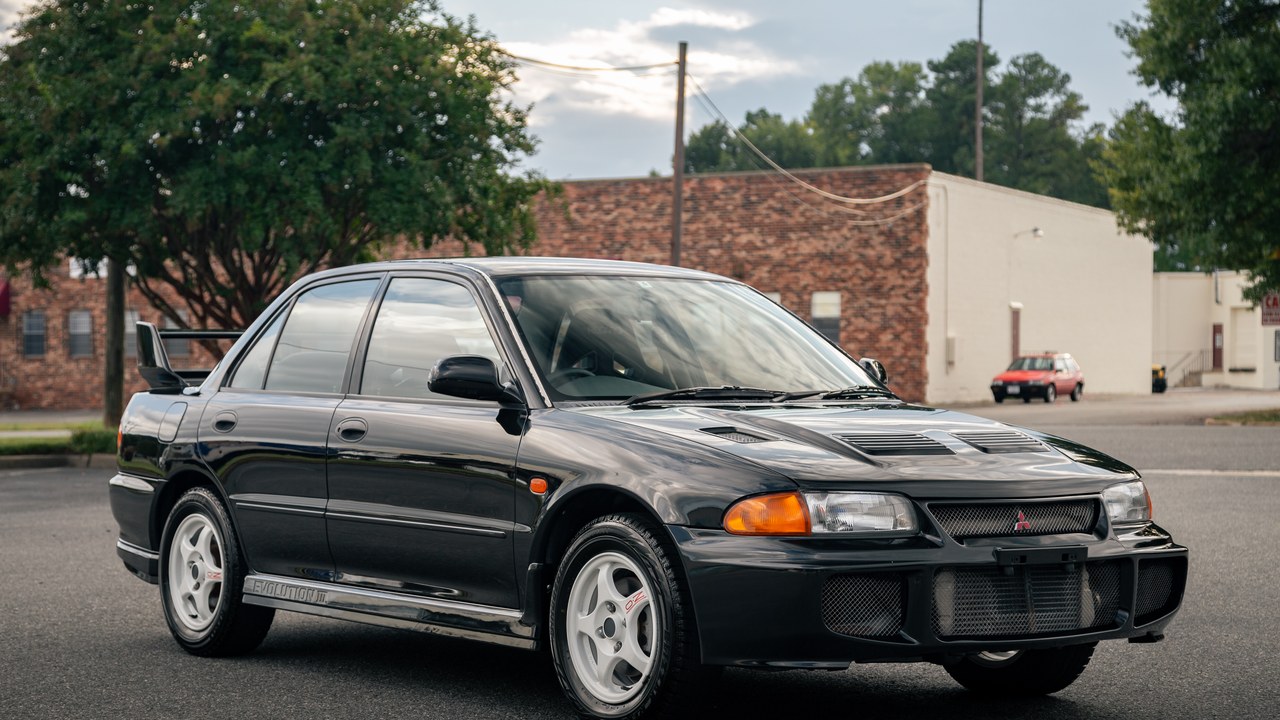
Mitsubishi’s Lancer Evolution went through seven generations before the automaker certified one for American roads; the first U.S.-legal Evo, the Evo VIII, arrived for 2003. Everything before that, including the original Evolution models built from 1992 onward, was engineered purely to homologate Mitsubishi’s World Rally Championship program.
Mitsubishi judged the low-volume rally car not worth U.S. certification costs until enthusiast demand and its own WRC success changed the calculation. Those early Evo I through III cars are only now aging into the 25-year import exemption, and factory documentation still exists mostly in Japanese.
5. Honda Civic Type R (EK9): The Original Type R Skipped America Entirely
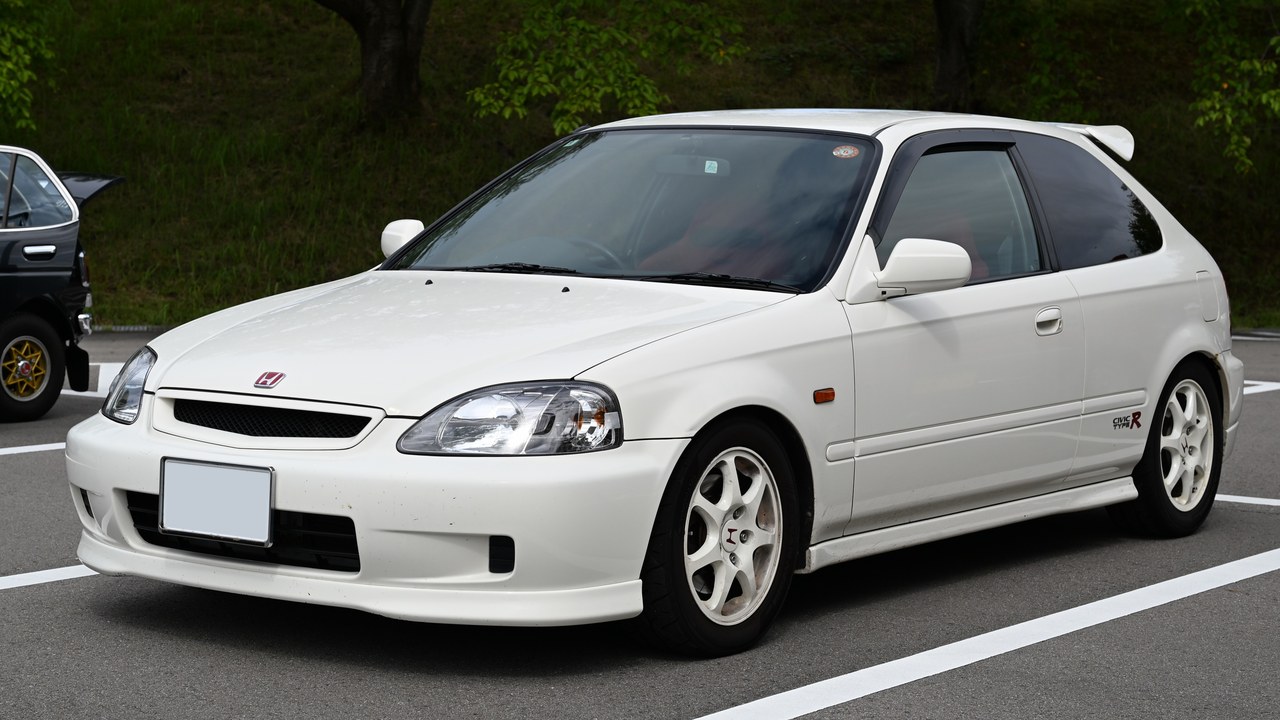
Honda built the first Civic Type R, the EK9, for the Japanese market only between 1997 and 2000, and never submitted it for U.S. certification because it had no plans to sell a stripped-down, high-revving hatchback here at the time. American buyers waited two decades for a factory Civic Type R, which didn’t arrive until the turbocharged FK8 landed in 2017.
The EK9’s naturally aspirated B16B engine and lightened body were built entirely to a Japanese domestic spec that never touched U.S. safety rules. Because it went on sale in 1997, examples from that model year became eligible for legal import under the 25-year exemption in the early 2020s.
6. TVR Sagaris: A British Sports Car Built Without Airbags
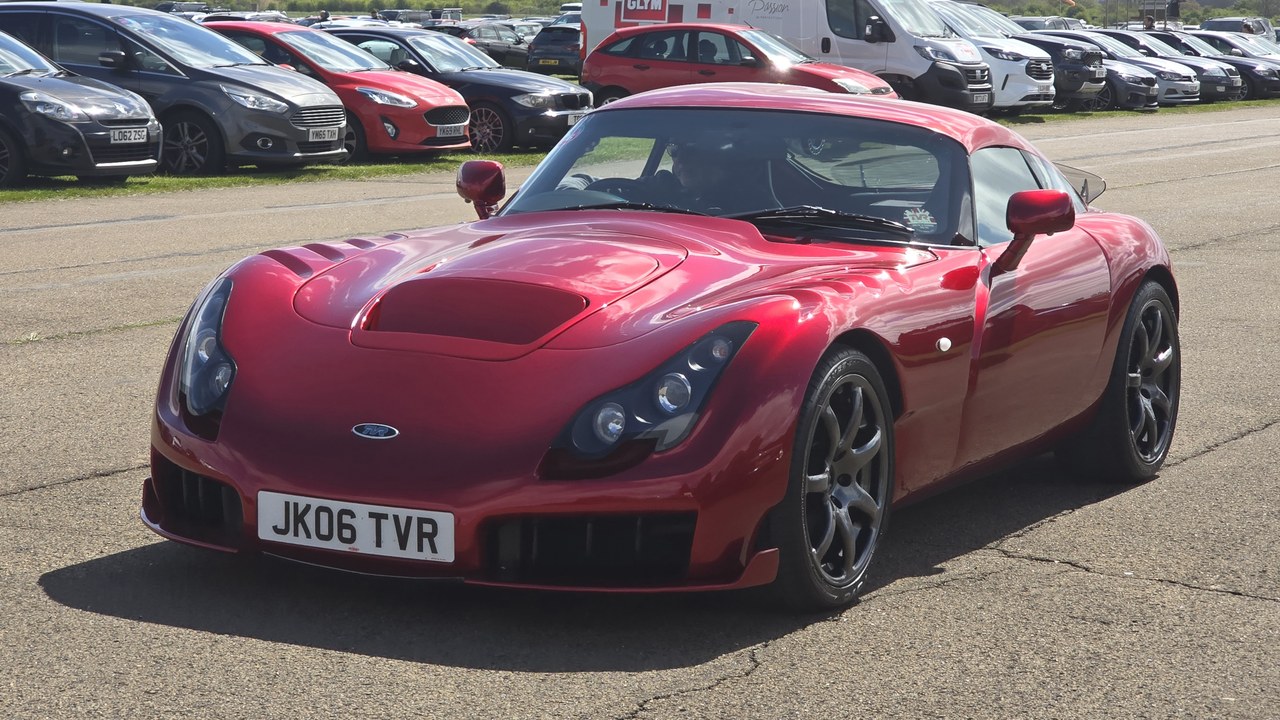
TVR built the Sagaris between 2004 and 2006, one of the last cars from a small British manufacturer that had already stopped selling in the United States decades earlier, so it was never submitted for federal crash or airbag testing. The Sagaris’s fiberglass body and low production numbers made U.S. certification financially pointless for a company selling a few hundred cars a year.
TVR’s cars of that era also skip airbags entirely, a feature federal law has required in new cars since the 1990s. That combination fits the separate Show or Display exemption for limited-production cars, on top of the standard 25-year path most of the run is now aging into.
7. Renault Clio V6: A Mid-Engine Hatch With No U.S. Dealer Left
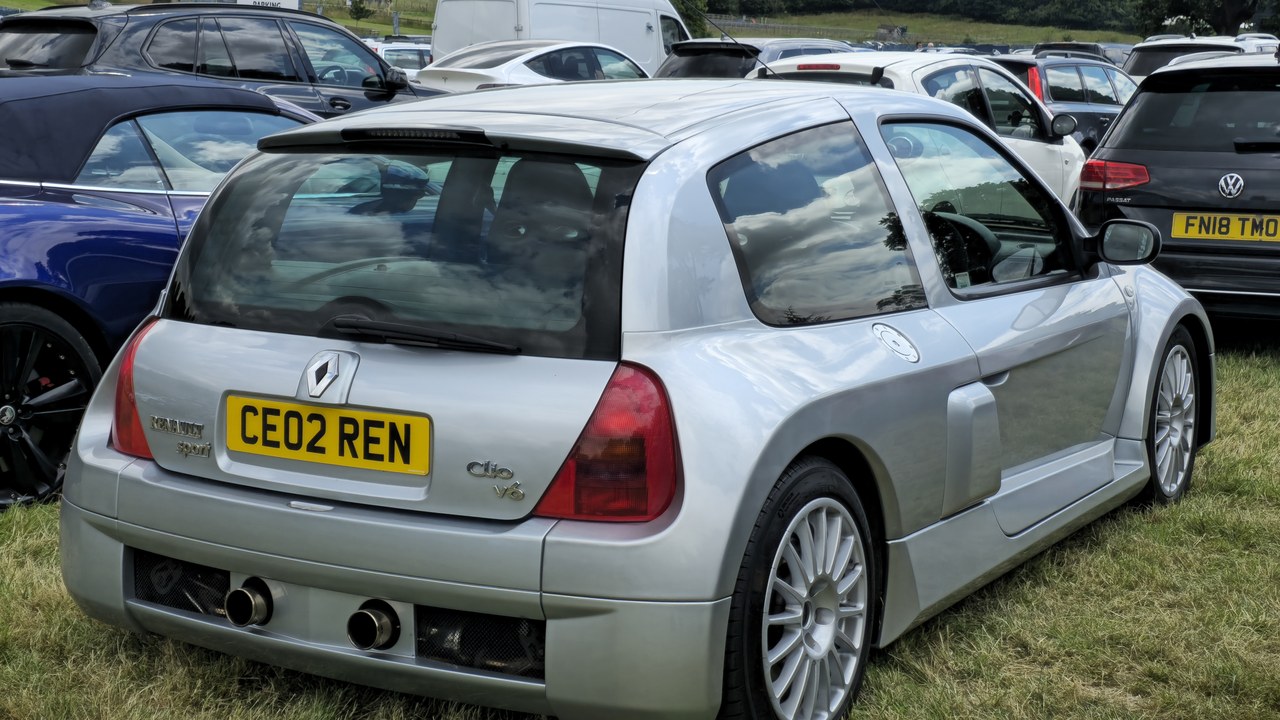
Renault pulled out of the U.S. car market entirely in 1987, so when the mid-engine Clio V6 launched in Europe in 2001, there was no American dealer network left to request federal certification for it. The Clio V6’s rear-mounted engine and widened rally-inspired body were built for European hot-hatch buyers on a limited production run.
Renault’s absence from the U.S. also meant no factory would have serviced or parted the car had it been sold here. American fans today are largely limited to cars old enough for the 25-year import exemption, leaning on European specialists for anything beyond routine maintenance.
8. Toyota Mega Cruiser: Japan’s Humvee Rival Stayed Home
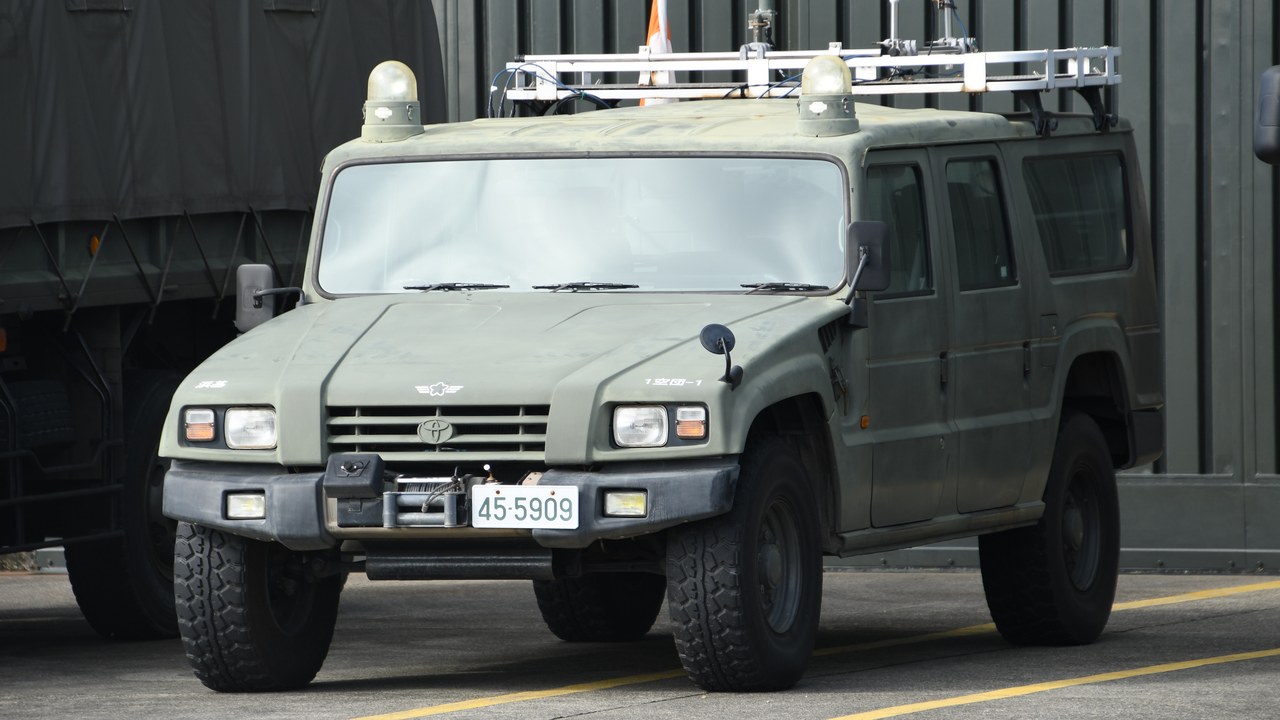
Toyota built the Mega Cruiser from 1995 to 2001 mainly for Japan’s Self-Defense Forces and fire departments, selling only a small number of civilian versions domestically and none through any American dealer. The Mega Cruiser’s military-derived chassis and center-mounted driving position were engineered to a Japanese government spec with no U.S. federal equivalent.
Toyota never built right-hand-to-left-hand-drive tooling for it, let alone pursued the crash and emissions testing a U.S. sale would require. Its curb weight and width, which push against U.S. size and lighting rules even on imported trucks, make it one of the harder vehicles here to register at 25.
9. Nissan Stagea: The Skyline Wagon Nobody Federalized
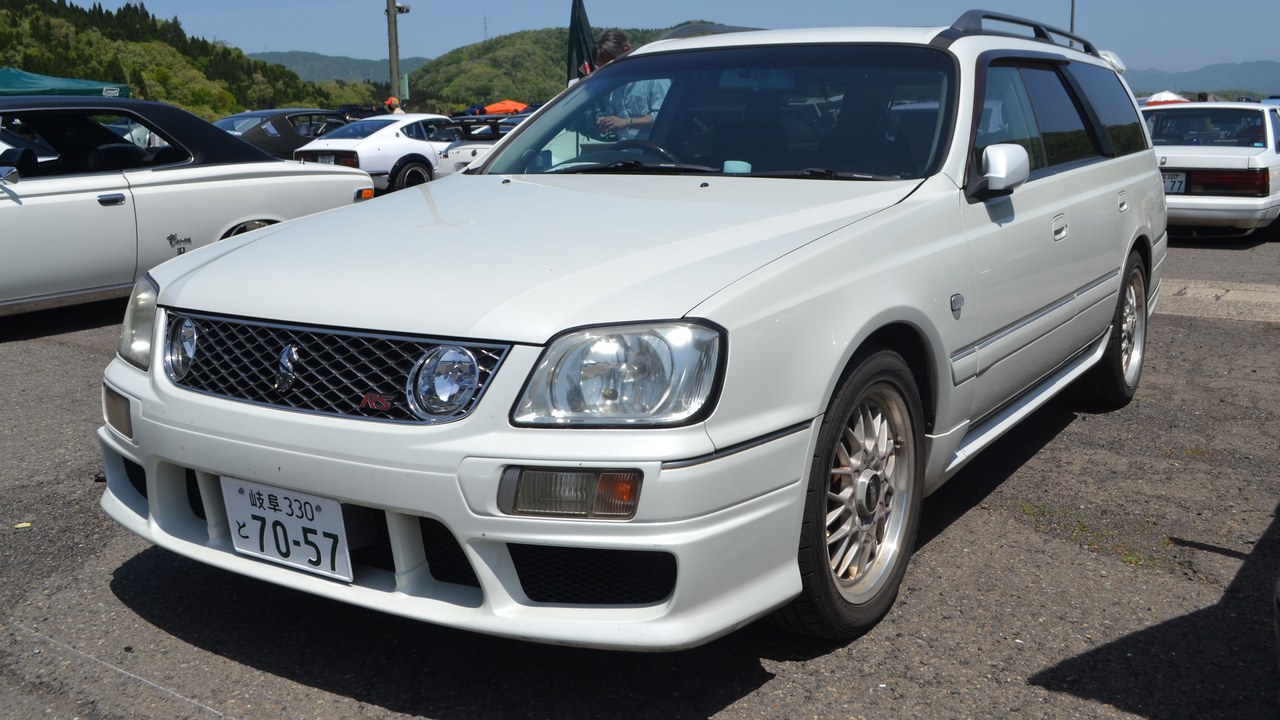
Nissan built the Stagea wagon from 1996 to 2007, pairing a Skyline-based platform, and in its rarest trims a Skyline GT-R engine and all-wheel-drive system, with a stretched wagon body sold only in Japan. Like its Skyline relative, the Stagea wagon was never submitted to U.S. regulators for crash or emissions certification.
Nissan had no plan to sell a performance wagon in a market that favored sedans and SUVs, and its RB26- and VQ-series engines went through Japanese, not American, compliance testing. Since the earliest Stagea model years launched in 1996, they were among the first Skyline-family cars to age into the 25-year exemption.
10. Ford Sierra RS Cosworth: A Homologation Icon Ford Never Sold Here
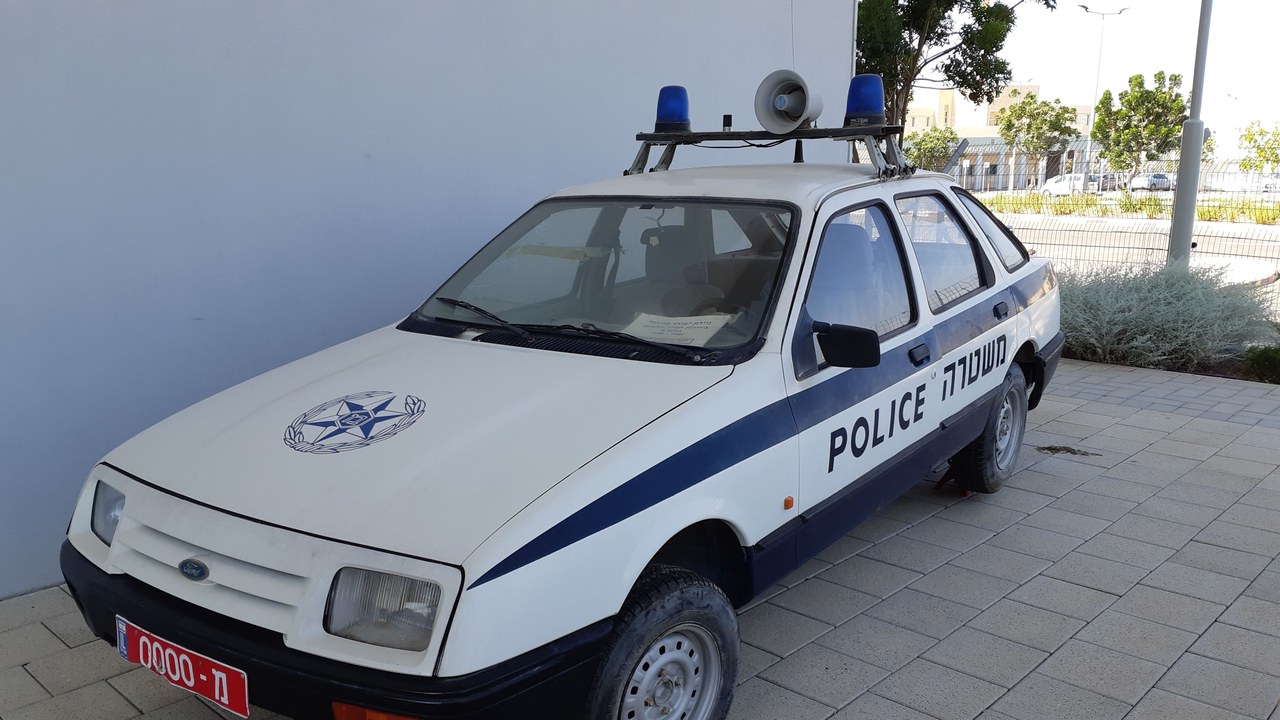
Ford never sold the Sierra nameplate in America at all, offering the related but distinct Merkur XR4Ti through Lincoln-Mercury dealers instead, so the high-performance RS Cosworth built from 1986 to 1992 had no sales channel to begin with. The Sierra RS Cosworth was built to homologate Ford’s Group A touring-car and rally program in Europe.
Its turbocharged engine and whale-tail spoiler were never adapted to U.S. bumper or emissions rules, and Ford’s European and American divisions ran separate lineups with no push to certify it. Surviving Cosworth-badged Sierras have aged past the 25-year threshold, and owners source parts from British specialists.
More from Morning Overview
