
Luxury and premium vehicles seduce buyers with cutting-edge tech, silky ride quality, and a badge that turns heads in any parking lot. But once the factory warranty lapses, many of the same features that make these vehicles desirable become the reason a routine repair bill spirals into four figures. Mechanics who service these brands long after the free coverage ends warn that these ten cars turn ownership costs upside down.
1. Land Rover Range Rover: Air Suspension Failures Add Up
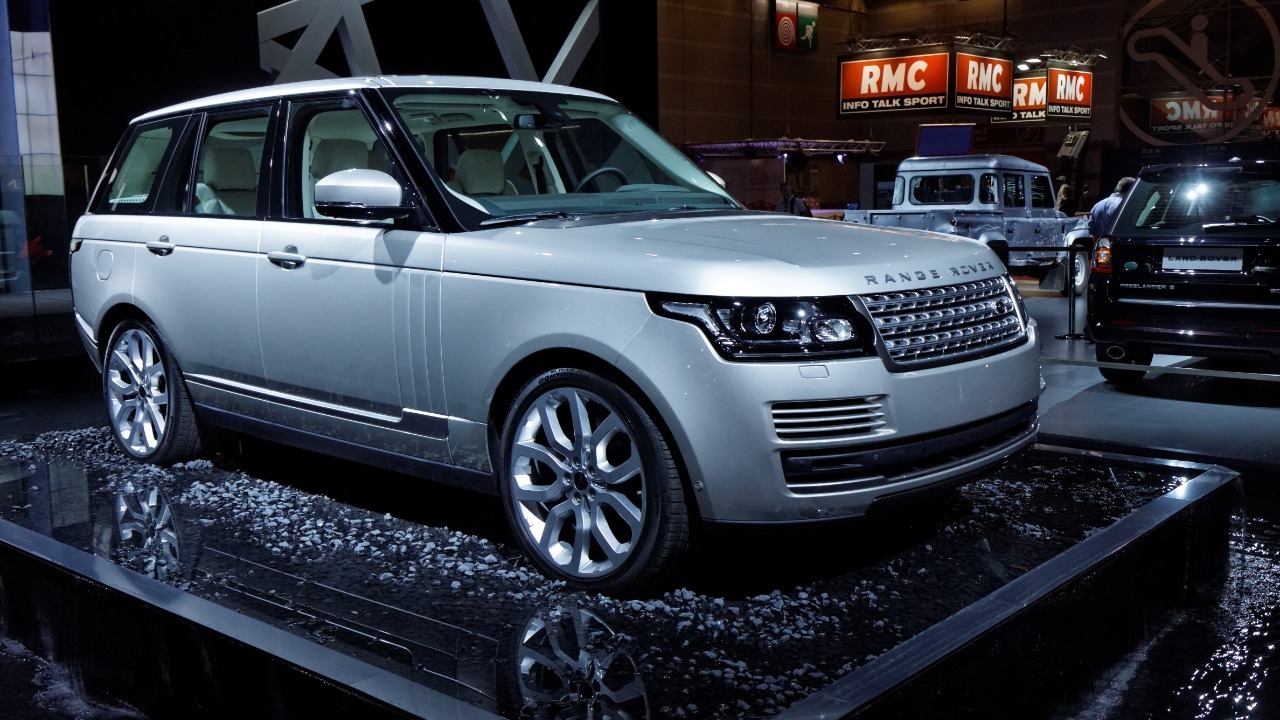
The Range Rover’s adjustable air suspension system is a well-known failure point once the factory warranty disappears, and replacing worn air springs and a failing compressor can run into four figures at an independent shop. Electrical faults in the infotainment and climate controls add to the pattern, sending owners back to the service bay for glitches a mainstream SUV rarely produces.
Complex all-wheel-drive hardware and dealer-level diagnostics push even routine maintenance above mainstream SUV pricing, which is a major reason used examples sell for a fraction of their original sticker once the warranty clock runs out.
2. BMW 7 Series: Electronics And Air Ride Costs
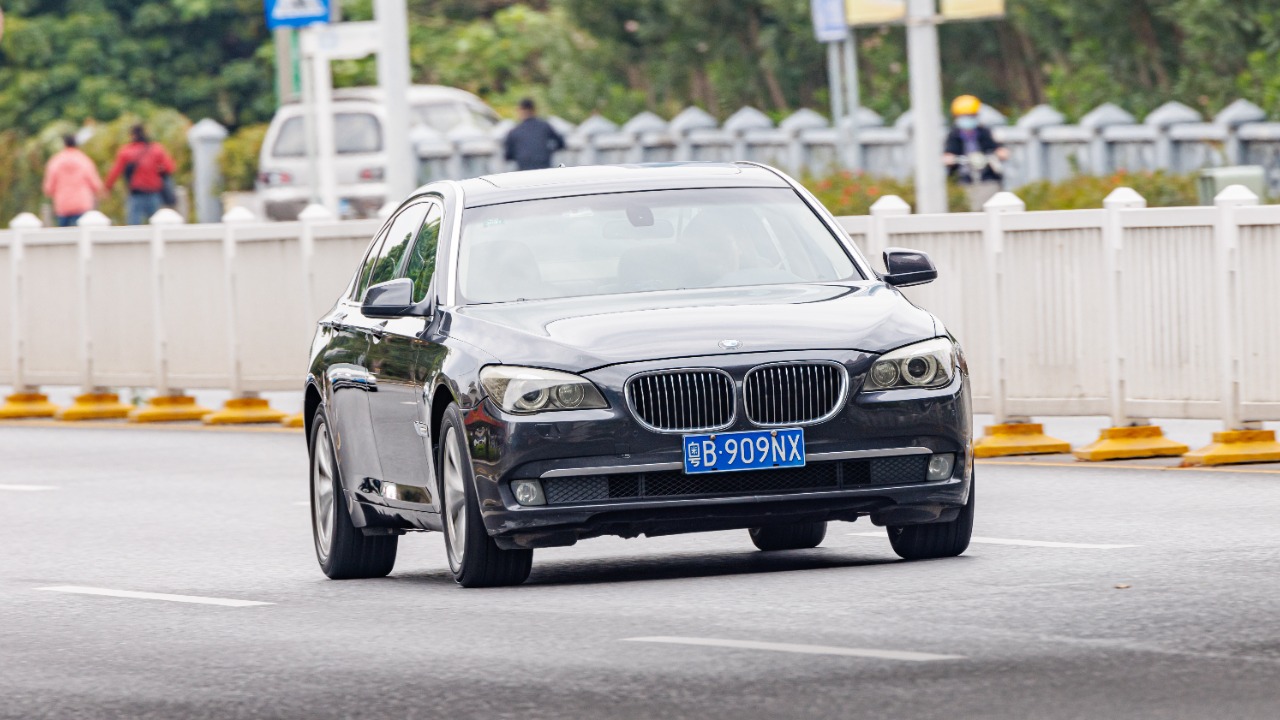
The 7 Series wraps a long list of driver-assistance sensors, adaptive air suspension, and a twin-turbo engine into one flagship package, and once the warranty ends, a failed air strut, a leaking valve-cover gasket, or a malfunctioning adaptive headlight module can each carry repair estimates that rival a used economy car. Independent shops often need BMW-specific diagnostic software just to pinpoint which module triggered a dashboard warning light.
Because so many systems are tied together electronically, a single sensor fault can cascade into several related repairs at once, and that complexity is a major reason resale values on older 7 Series models drop faster than on less gadget-laden luxury sedans.
3. Mercedes-Benz S-Class: Air Body Control Repairs Bite
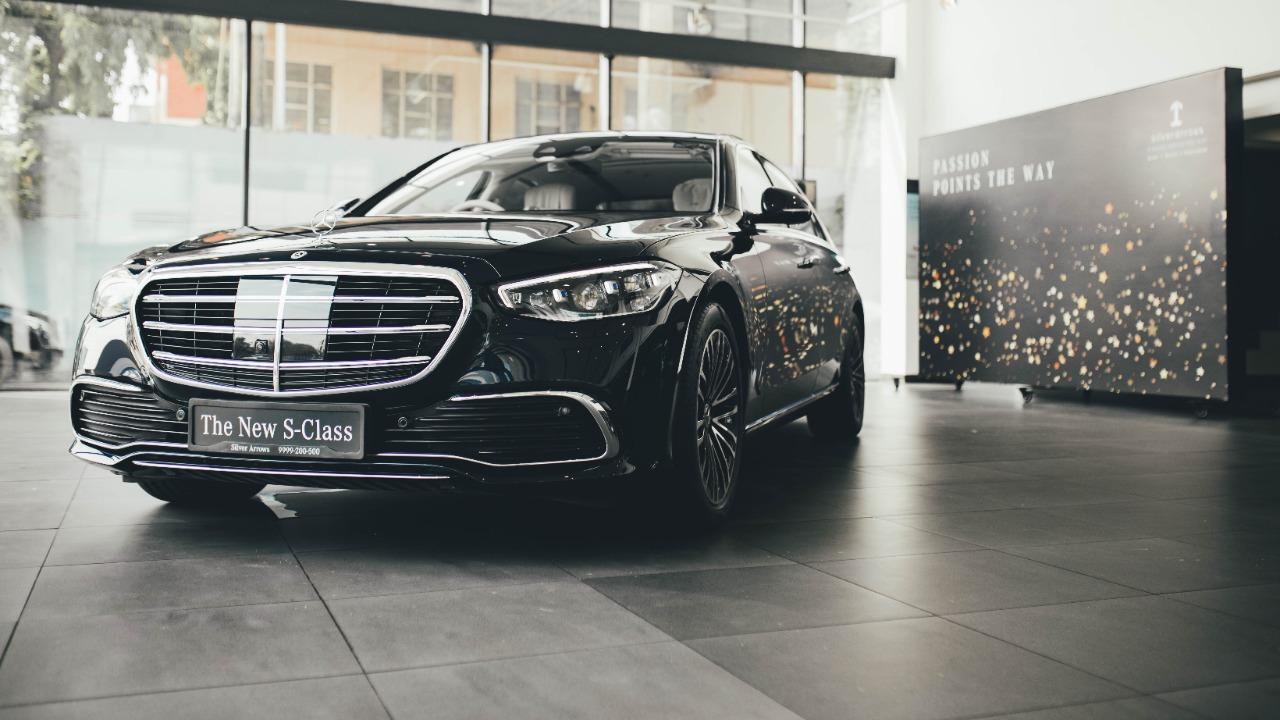
The S-Class relies on Airmatic air-body control suspension and a dense network of electronic control units to deliver its trademark ride, and once the factory coverage lapses, a failing air strut or a faulty control module can each run well over a thousand dollars to replace. Owners of older models also report costly repairs to the adjustable dampers and the multi-zone climate system.
Because Mercedes engineers so many systems to work together, diagnosing the exact source of a warning light often takes longer at an independent shop, and that added labor time is part of why S-Class maintenance costs consistently rank above other full-size luxury sedans.
4. Audi A8: Quattro Complexity Raises The Tab
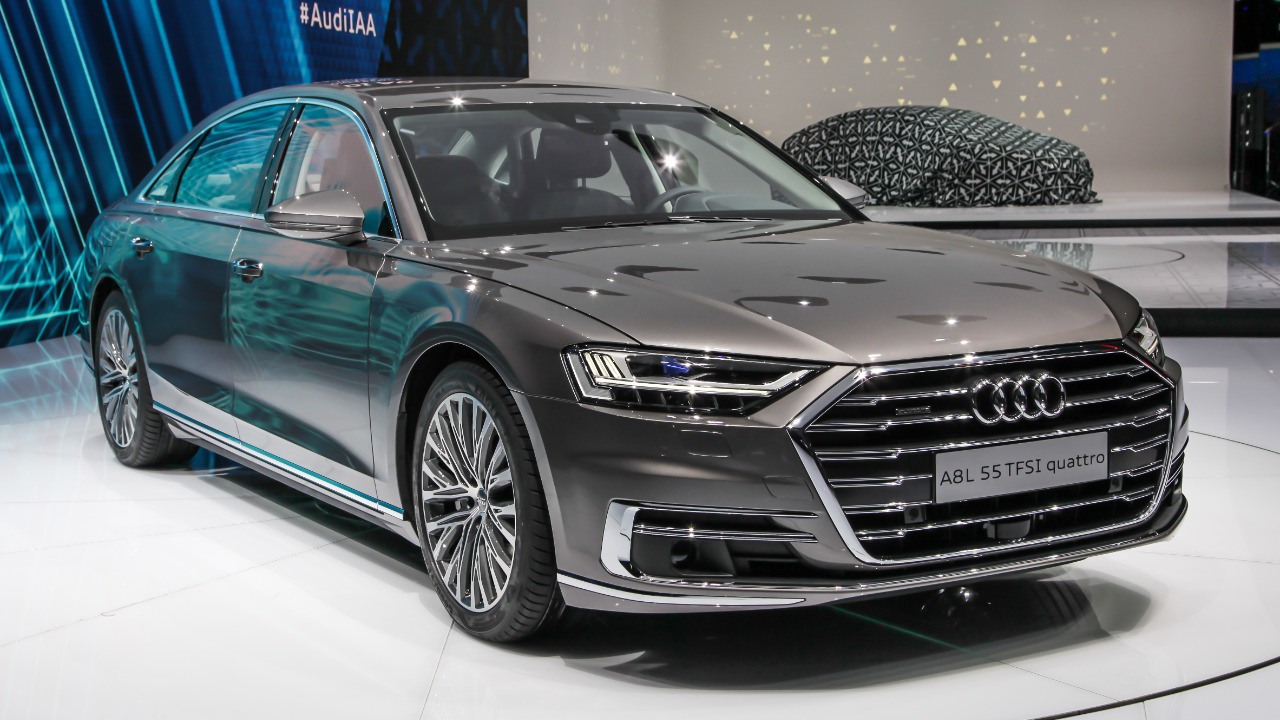
The A8’s quattro all-wheel-drive system, air suspension, and dense electrical architecture make it a technological showcase, but out of warranty those same features turn into some of the most expensive repairs in the luxury sedan class, with a failing air strut or a malfunctioning MMI infotainment unit each carrying bills that can top a thousand dollars. Timing chain and turbocharger issues on some engines add further expense as the miles climb.
Because parts and diagnostic time are priced at luxury-brand rates, even a routine repair costs noticeably more than on a mainstream sedan, which is one reason used A8 values fall sharply once a car passes the manufacturer’s coverage window.
5. Maserati Ghibli: Italian Flair, Steep Service Bills

The Ghibli pairs a Ferrari-built engine with Italian electronics and a complex twin-turbo drivetrain, and out of warranty that combination produces some of the highest maintenance costs in the segment, with routine services, brake jobs, and suspension work priced well above what a comparable German sedan demands. Specialized parts often have to be ordered rather than pulled off a shelf, which stretches out repair times and adds to labor costs.
Because Maserati’s dealer network is thin compared with mainstream luxury brands, independent shops willing to work on the Ghibli are harder to find, and that scarcity keeps prices high for owners who no longer have factory coverage to fall back on.
6. Jaguar XJ: British Elegance, American Repair Shock
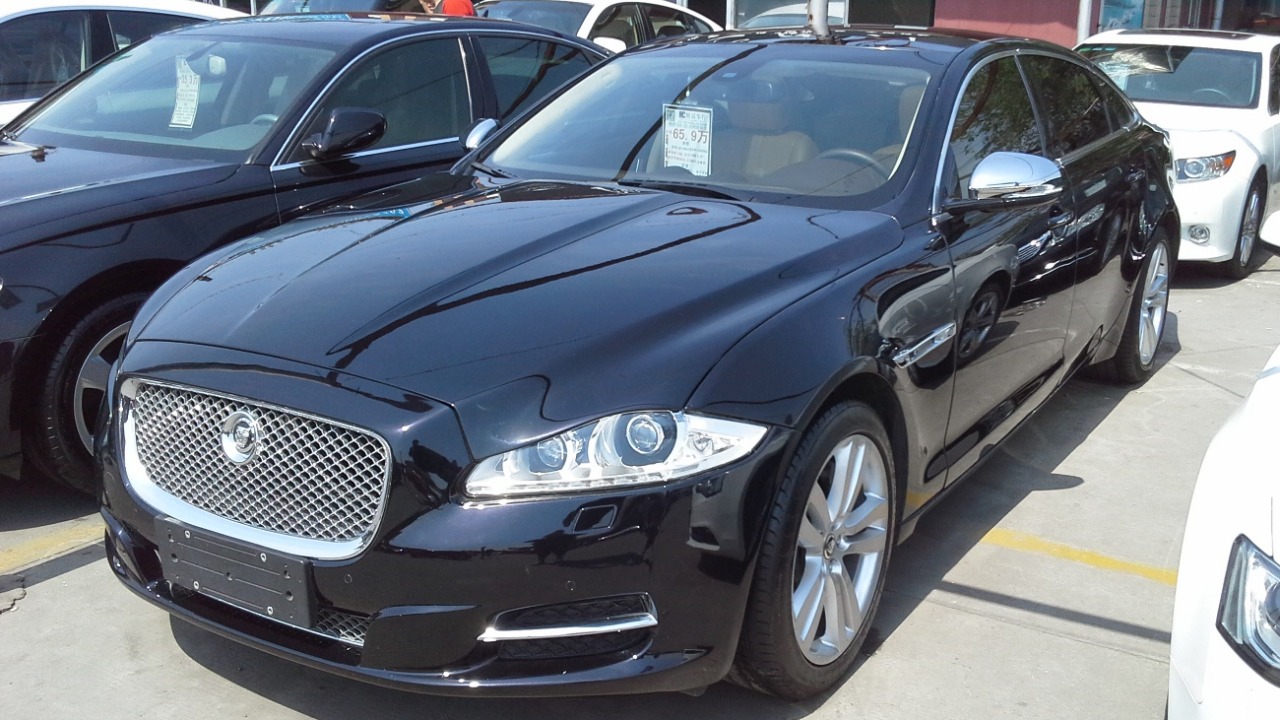
The XJ’s aluminum body construction, air suspension, and electronically controlled dampers give it a distinctive ride, but those same systems make it one of the pricier luxury sedans to keep running once the warranty period ends. Owners report expensive fixes for air suspension leaks, electrical faults in the touchscreen and climate controls, and specialized aluminum body repair after even minor collision damage.
Because so few shops outside dealerships stock XJ-specific parts, sourcing components can take longer and cost more than for a comparable German or American sedan, which pushes many owners to sell before the big-ticket repairs start piling up.
7. Volkswagen Touareg: Mainstream Badge, Luxury-Level Bills
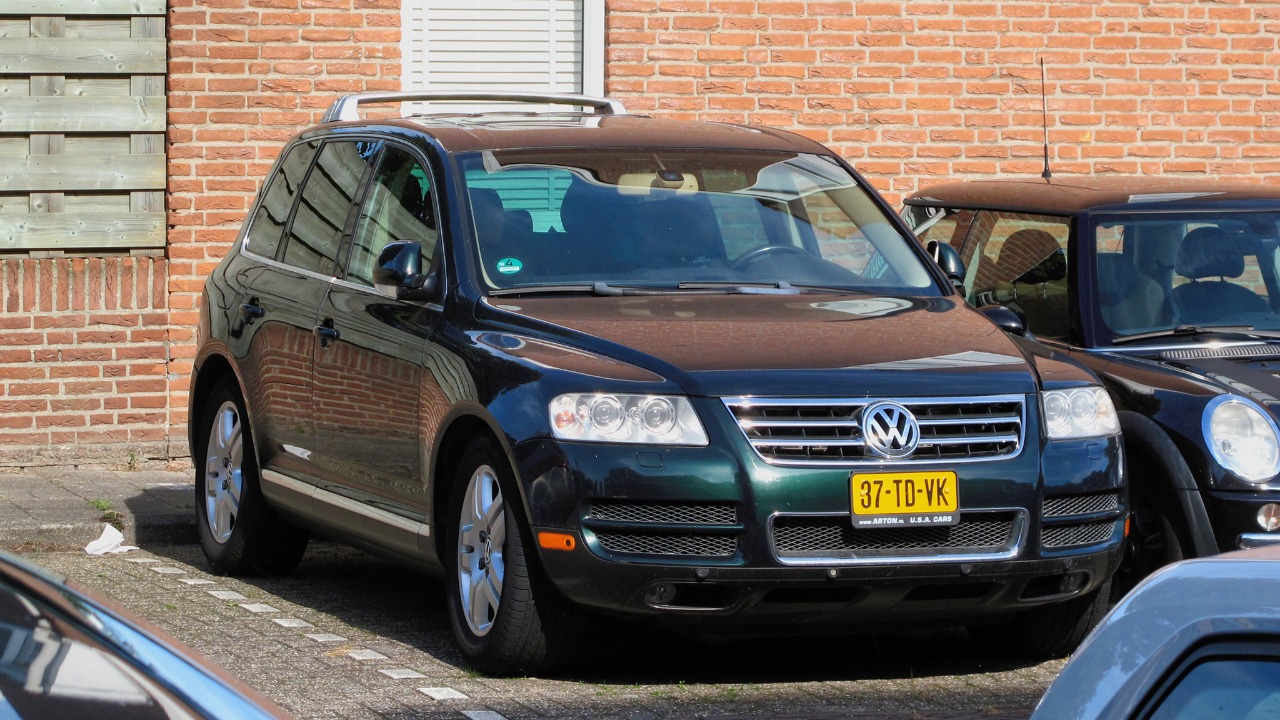
The Touareg shares its platform with the Porsche Cayenne and Audi Q7, which means it inherited many of their premium mechanical parts and repair costs without the badge prestige that helps justify them. Once the factory warranty expires, owners face pricey fixes for air suspension components, complex all-wheel-drive hardware, and turbocharged engines that call for premium parts pricing at the dealership.
Because the Touareg is positioned as VW’s flagship rather than a true luxury nameplate, resale values often fall faster than the repair bills do, leaving later owners to absorb costs that rival a Porsche without a Porsche’s residual value to offset them.
8. Cadillac Escalade: Full-Size Luxury, Full-Size Bills
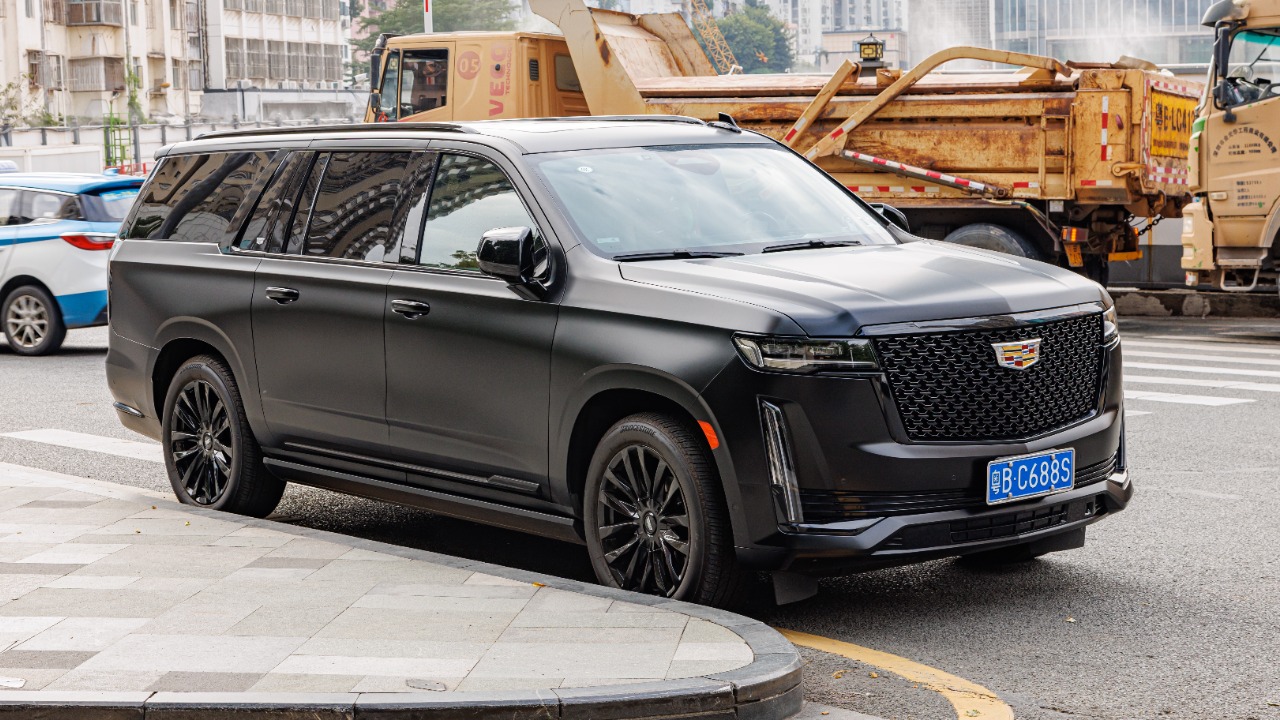
The Escalade’s magnetic ride control shocks, air suspension components on later trims, and extensive infotainment and driver-assistance electronics make it one of the priciest large SUVs to maintain once the warranty ends. A single magnetic ride shock can cost far more than a conventional strut, and replacing a full set alongside worn air springs adds up quickly at a dealership rate.
Because the Escalade shares its underlying platform with other GM trucks, independent mechanics can handle basic maintenance affordably, but the specialized suspension and electronics work still tends to push owners back toward the dealer, where labor rates run highest.
9. Porsche Cayenne: Track-Bred Parts, Everyday Prices
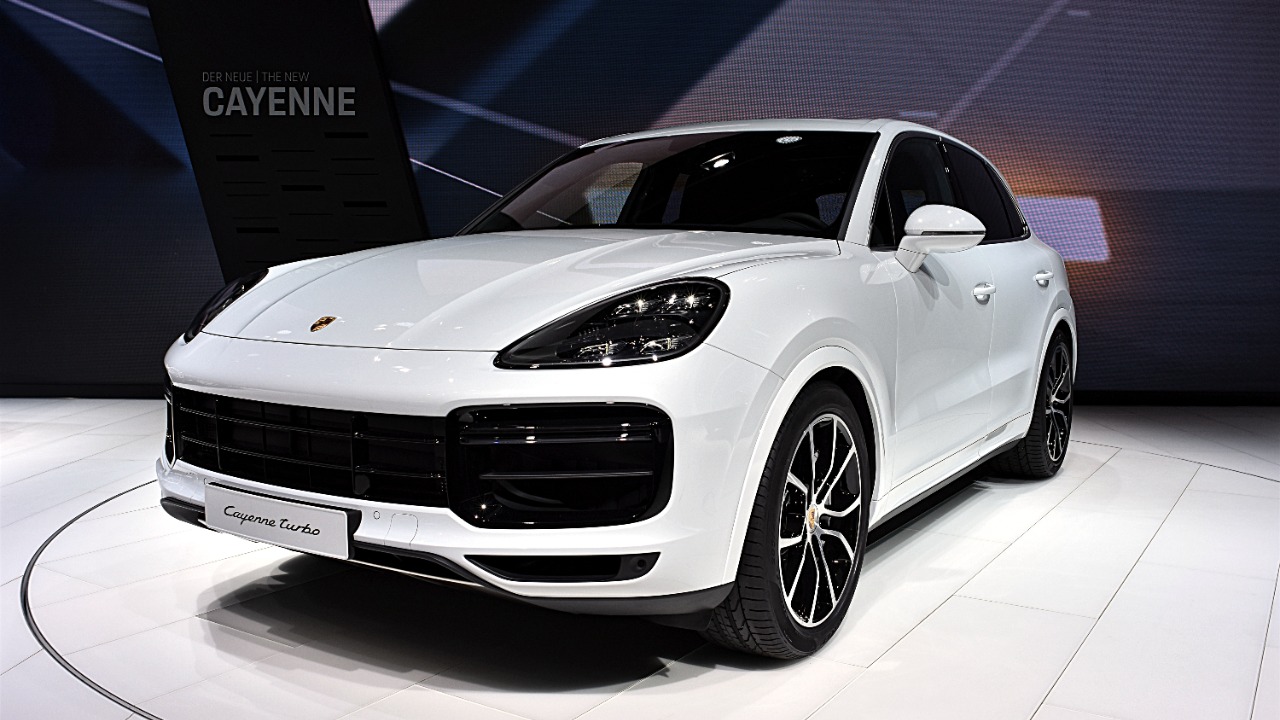
The Cayenne carries genuine Porsche engineering, from its high-performance brakes to its air suspension and turbocharged engine options, and those sports-car-grade components come with sports-car-grade repair bills once the warranty ends. A full brake job or an air suspension compressor replacement can each cost significantly more than on a mainstream SUV, and some V8 and turbo models are known for costly coolant pipe and timing chain issues as mileage climbs.
Because Porsche parts and dealer labor rates sit near the top of the industry, owners who skip factory maintenance to save money often find that deferred repairs compound into far larger bills down the road.
10. Mini Cooper: Small Car, Surprisingly Big Repairs
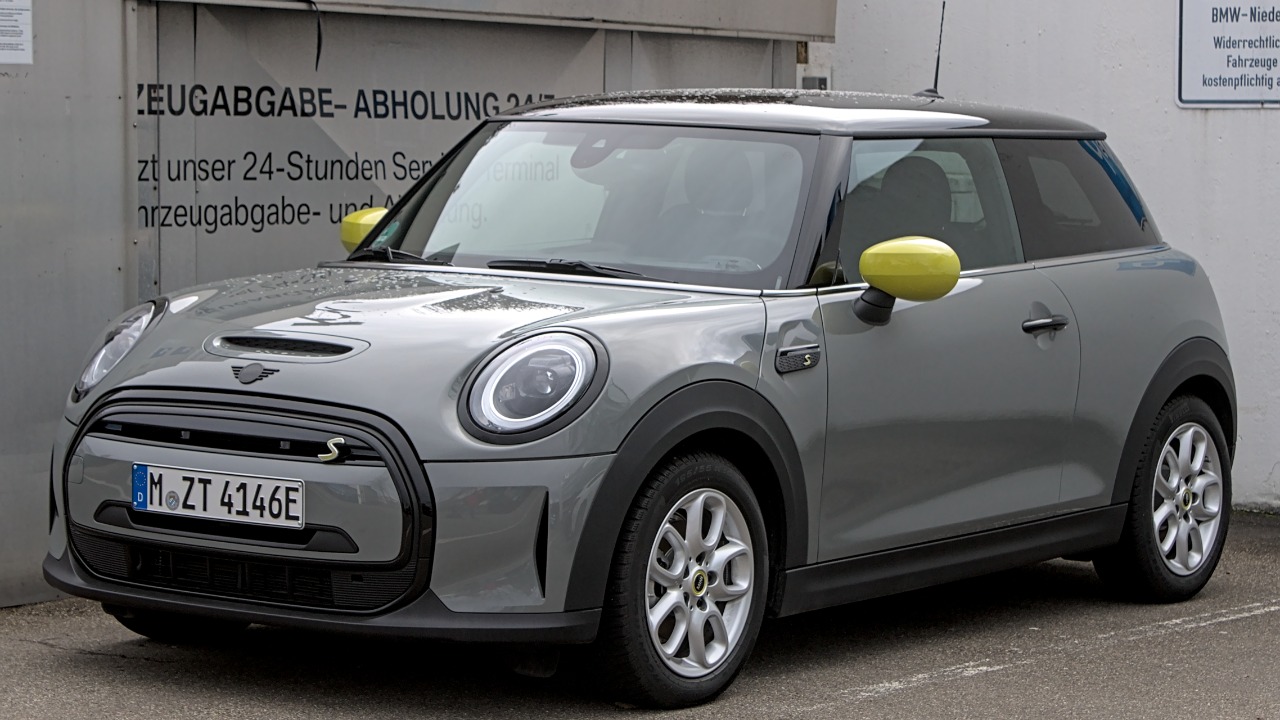
The Mini Cooper is built on BMW-derived turbocharged engines and a densely packed engine bay, and once the warranty runs out, owners frequently face costly timing chain tensioner failures, water pump leaks, and clutch or automatic transmission repairs that cost more than the car’s compact size would suggest. Tight engine bay packaging also drives up labor time for jobs that would be quick on a simpler economy car.
Because Mini shares many mechanical parts with BMW rather than mainstream small-car suppliers, replacement components and specialized labor push repair costs closer to a luxury brand than a typical subcompact, which is a common surprise for first-time owners.
More from Morning Overview
