
Few forces in nature settle a contest faster than a jaw built to shatter bone. From reptiles that have clamped harder than any animal on record to big cats and deep-sea hunters, raw crushing power decides who eats and who escapes. The predators and heavyweights gathered in these ten profiles each turn muscle and bone into a devastating grip.
1. Nile crocodile: The Strongest Bite Ever Measured
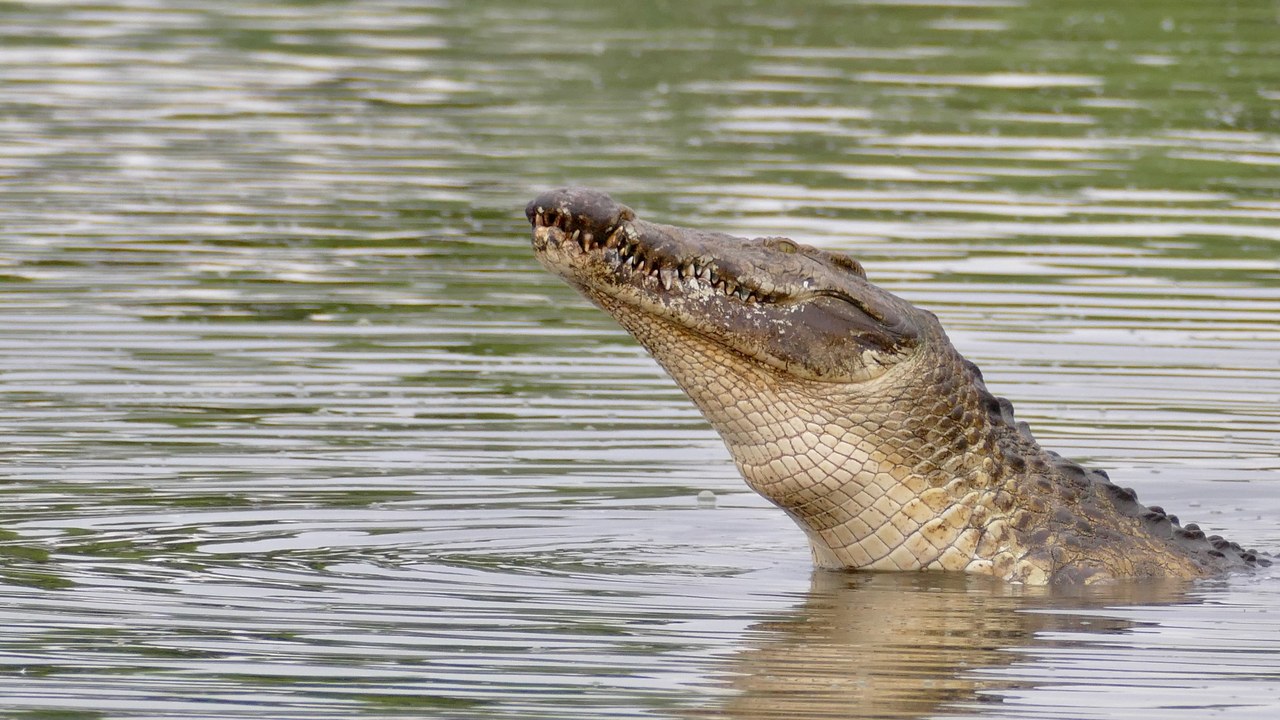
The Nile crocodile owns the most fearsome measurement in the animal kingdom. In a landmark study, researchers recorded a bite of roughly 5,000 pounds per square inch, the strongest bite ever measured in a living creature. That figure dwarfs a lion’s jaw and rivals the estimated force of some extinct dinosaurs.
Behind the number sits simple anatomy: massive jaw muscles anchored to a broad skull, all engineered to hold thrashing prey underwater. The muscles that open those jaws, by contrast, stay weak enough that a person can hold them shut, a quirk that changes nothing once the mouth slams closed.
2. Saltwater crocodile: The Largest Living Reptile
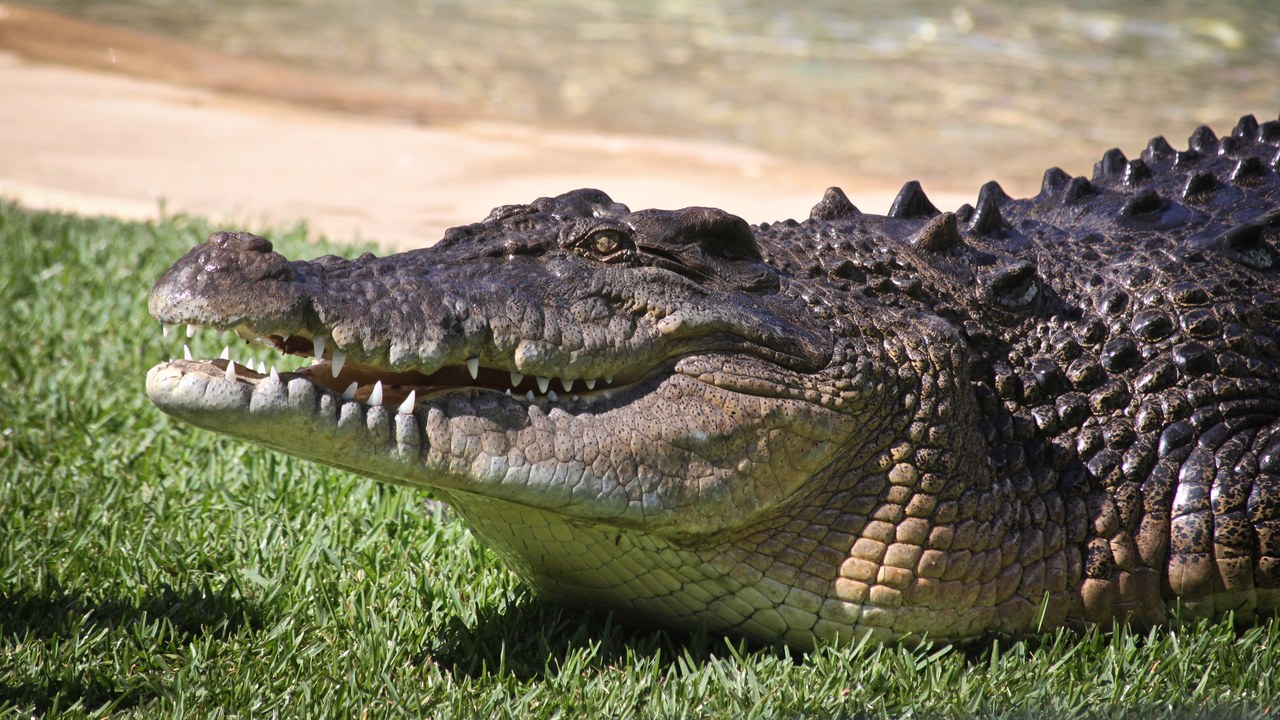
Bigger than its Nile cousin, the saltwater crocodile brings nearly as much brute pressure to the fight. Testing summarized in one ranking of the strongest bites puts its jaws close to 3,700 pounds per square inch, enough to snap a limb or crack a turtle shell without effort.
As the largest living reptile, a mature male can exceed a thousand pounds and stretch beyond seventeen feet. That bulk turns an ambush from the water’s edge into an almost unsurvivable event, since the animal drags victims under before the crushing bite ever needs to finish the job.
3. American alligator: Power Behind The Death Roll
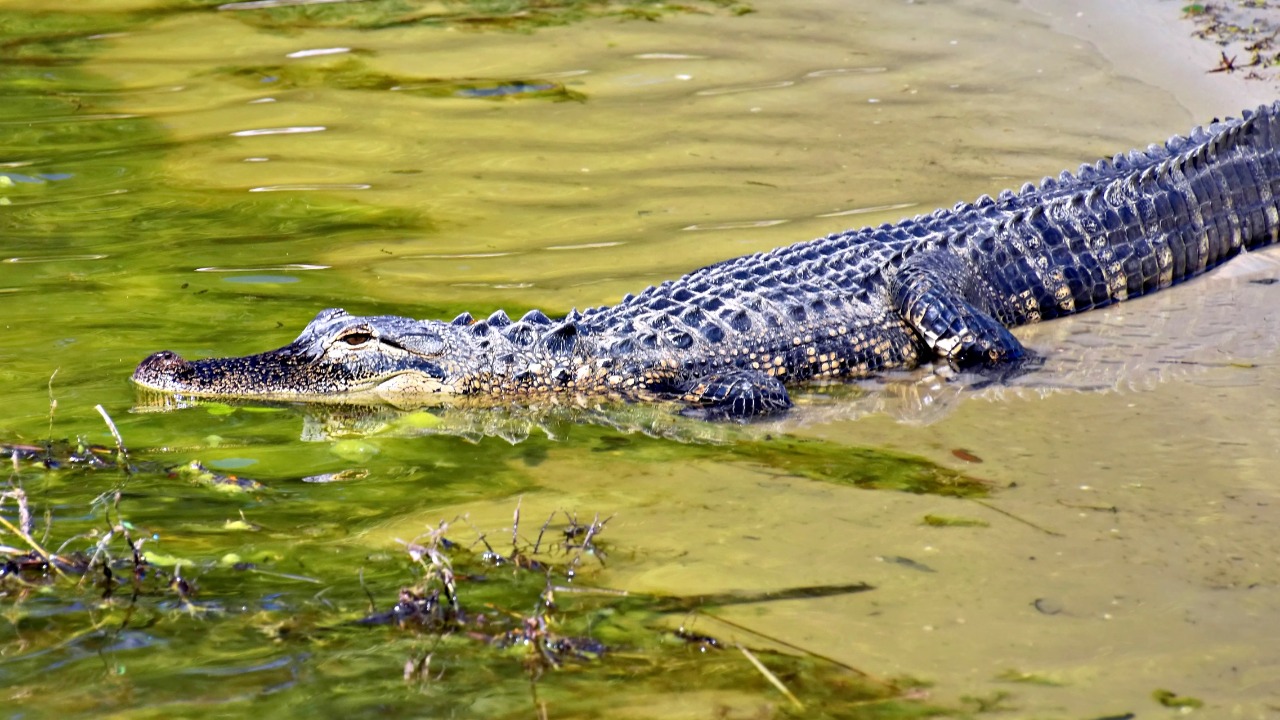
North America’s heavyweight reptile clamps down with startling authority. Field measurements gathered by one survey of powerful biters credit a large American alligator with well over 2,000 pounds per square inch, a force that climbs steadily as the animal grows and its skull broadens.
Strength like that explains why an alligator rarely tears at prey the way a cat does. Instead it seizes, holds, and spins in the infamous death roll, letting leverage and sheer body weight finish what the teeth begin, and smaller catches vanish in one snap.
4. Hippopotamus: A Plant Eater That Bites Through Boats
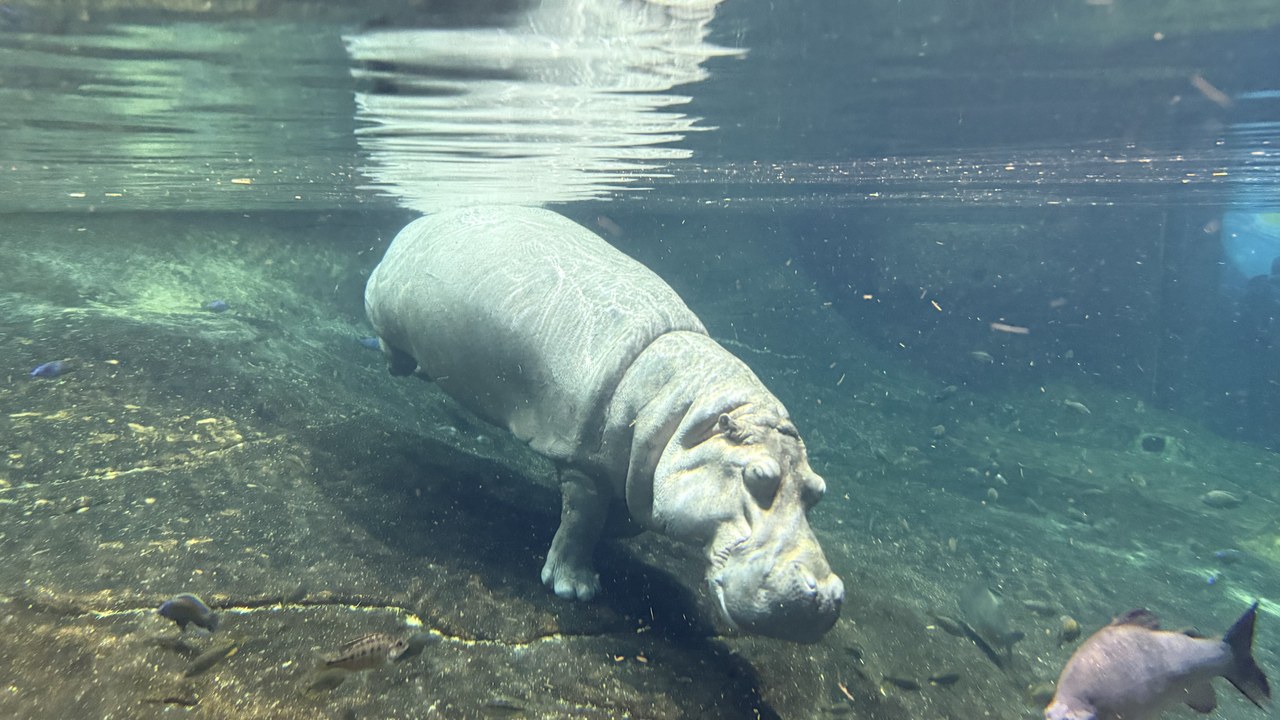
No one expects a plant eater to headline a list of bone-crushers, yet the hippopotamus does exactly that. Measurements referenced in a study of reptilian bite records place its jaws around 1,800 pounds per square inch, driven by tusk-like canines that keep growing throughout the animal’s life.
Those jaws open to nearly 150 degrees, and hippos rank among the most dangerous animals in Africa. Territorial and short-tempered, a bull will bite through a canoe or a rival with equal ease, proving that a vegetarian diet says nothing about the damage a mouth can do.
5. Jaguar: The Hardest Bite Of Any Big Cat
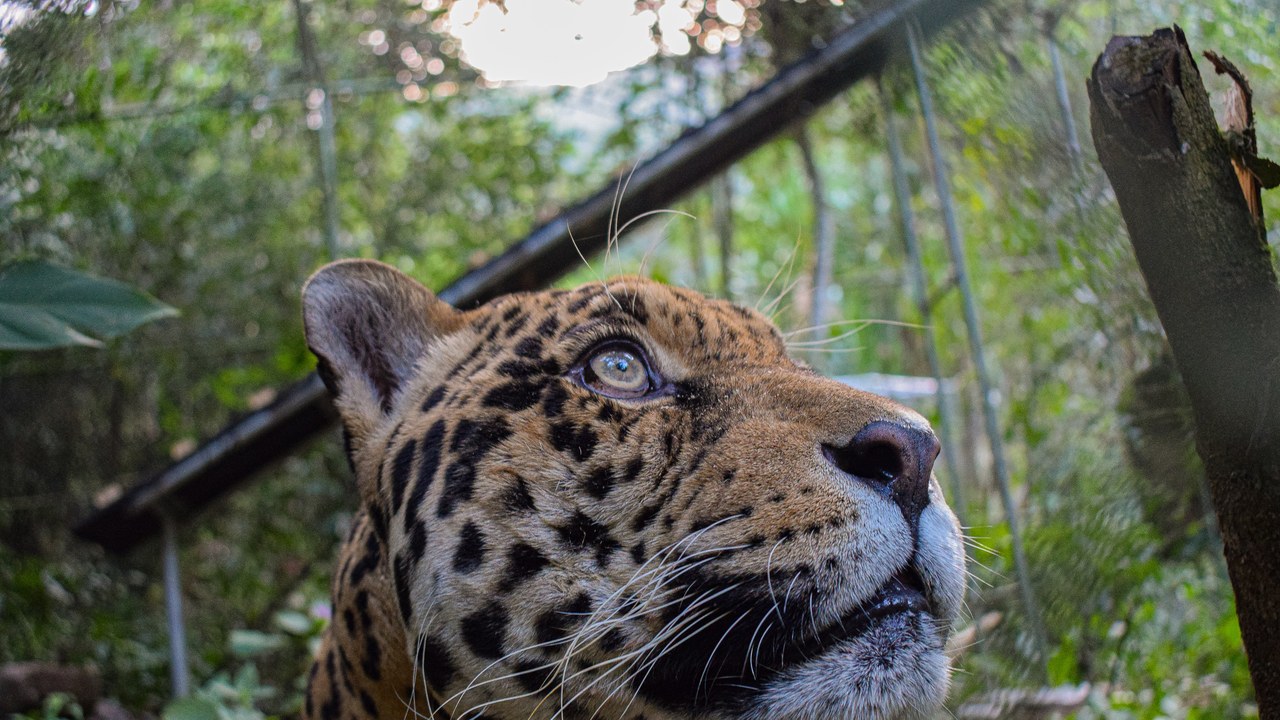
Pound for pound, the jaguar bites harder than any other big cat. One comparison of feline jaws singles it out for the highest bite force relative to size, a build that lets a compact cat overpower prey far larger than a leopard would dare to challenge.
The advantage is a hunting signature. Rather than clamping the throat, a jaguar drives its canines straight through the skull or the armored shell of a caiman, a killing method almost unique among cats and made possible only by that concentrated crushing strength.
6. Walrus: Jaws Built For Suction
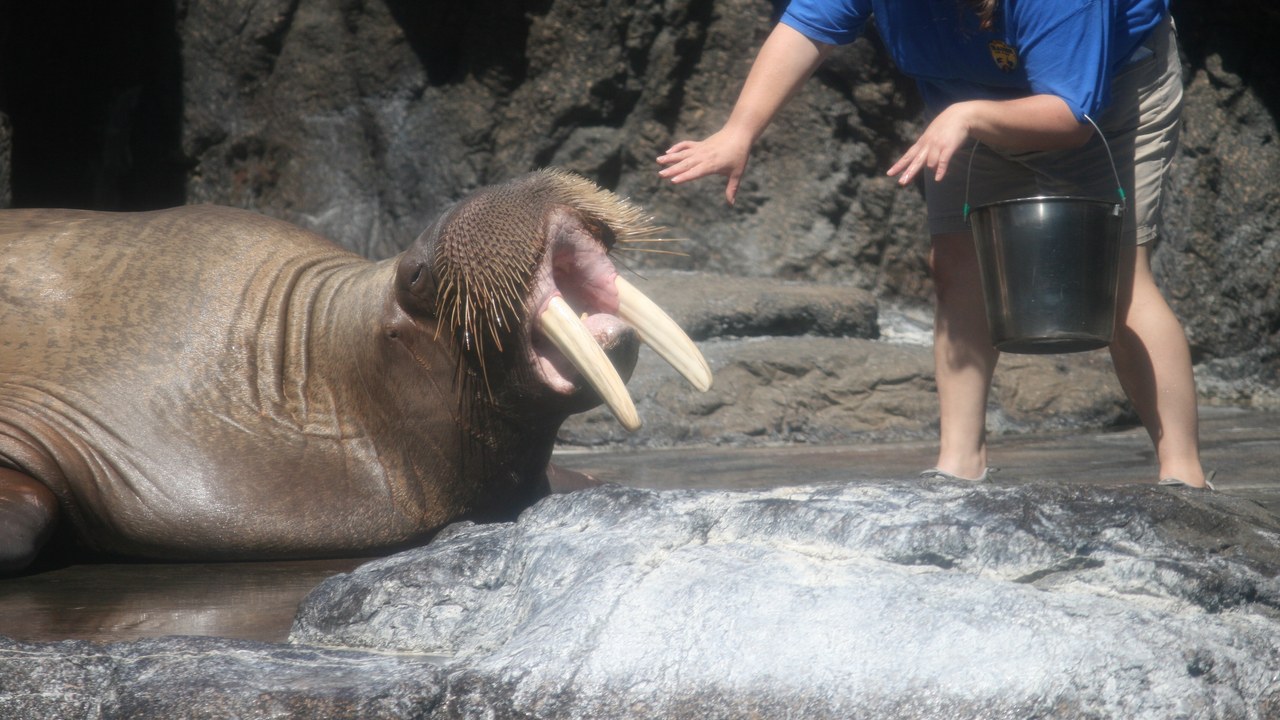
The walrus looks ungainly hauled out on the ice, but its jaws pack serious force. One roundup of formidable bites estimates the animal near 1,850 pounds per square inch, power it channels through a thick skull and a mouth built for a very specialized job.
That strength serves suction rather than slaughter. A feeding walrus clamps onto clams and drains the meat with a piston-like tongue, while its meter-long tusks anchor its bulk on ice and fend off polar bears, turning raw bite pressure into a survival tool rather than a weapon.
7. Spotted hyena: The Bone Specialist Of The Savanna
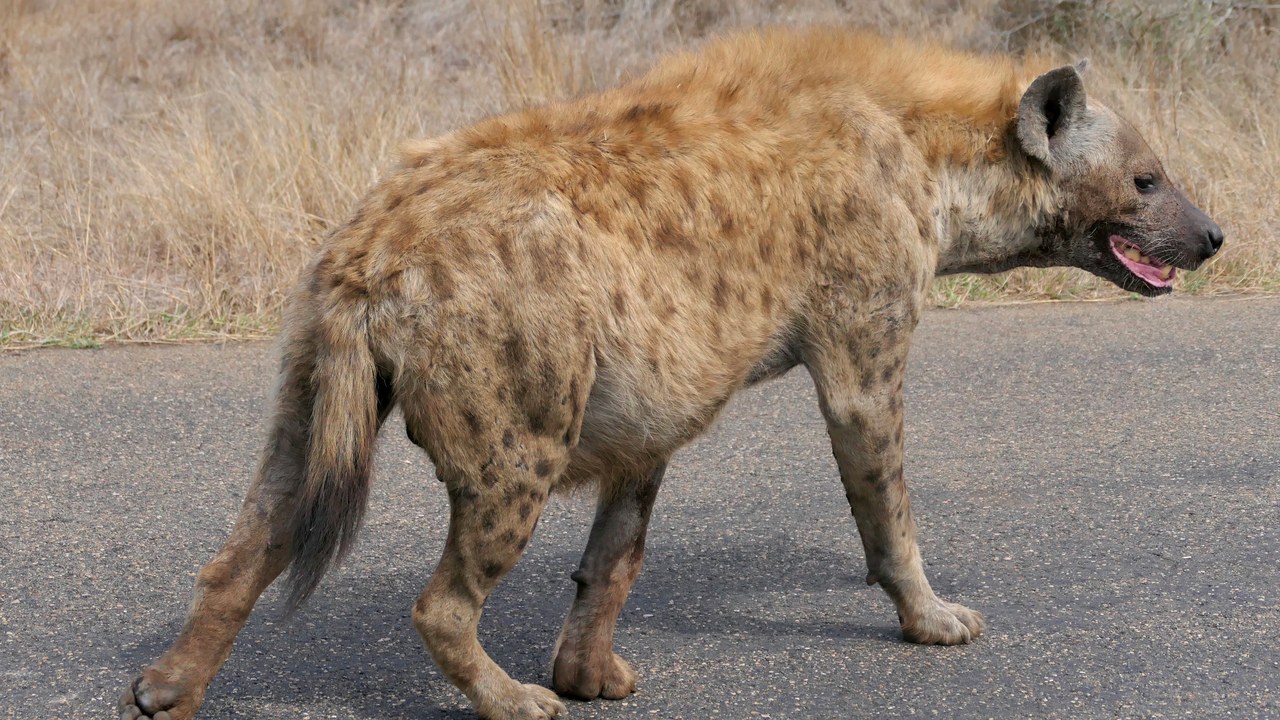
Few animals process a carcass as completely as the spotted hyena. National Geographic’s reporting on crushing jaws notes a bite near 1,000 pounds per square inch, enough to splinter the thick leg bones of a buffalo that lions leave behind untouched.
Specialized teeth and dense jaw muscles let a clan waste almost nothing, digesting bone into the pale droppings that mark their territory. That efficiency reframes the hyena as a skilled hunter and bone specialist, not the cowardly scavenger of popular myth.
8. Bengal tiger: One Strike To The Spine
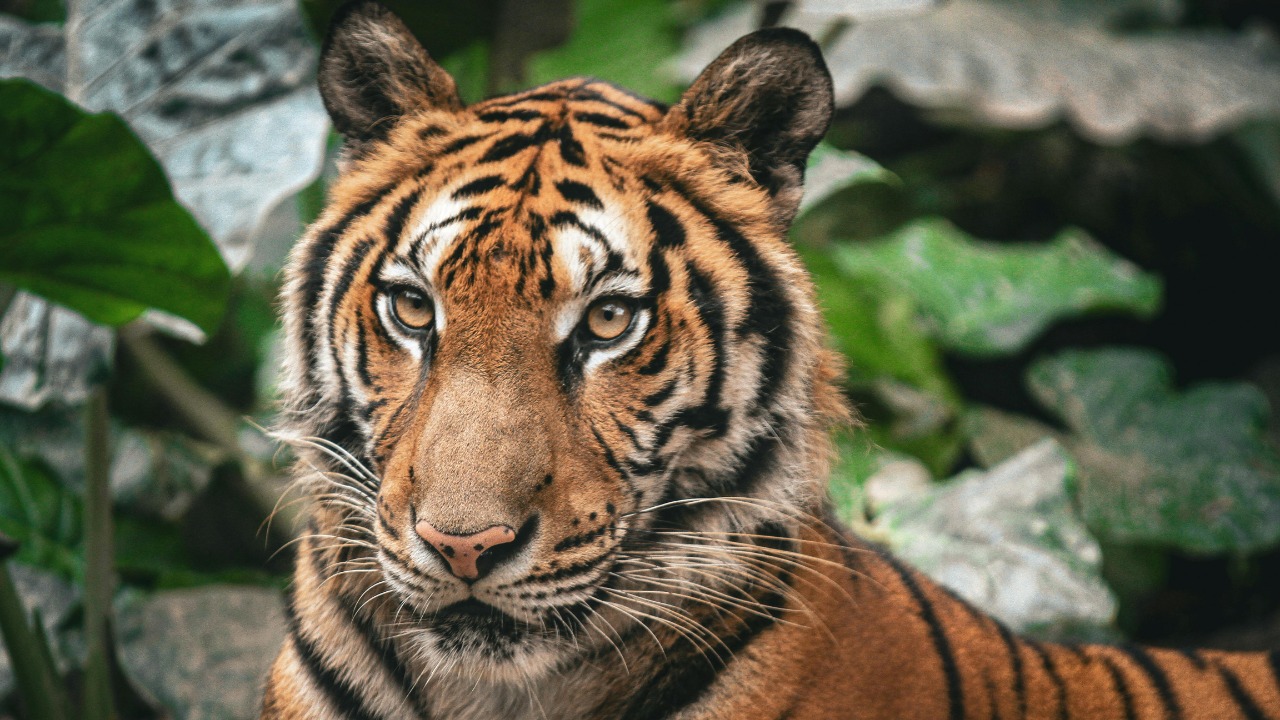
As the largest cat in Asia, the Bengal tiger backs its size with a punishing bite. The same bite-force ranking lists it around 1,000 pounds per square inch, enough to crush the vertebrae of deer and wild boar in a single practiced strike to the neck.
A tiger hunts by ambush, closing the distance in a rush and delivering one decisive bite. For large prey it targets the throat to suffocate, but for smaller animals the jaws simply crack the spine outright, ending the struggle before it can begin.
9. Gorilla: A Vegetarian With Crushing Canines
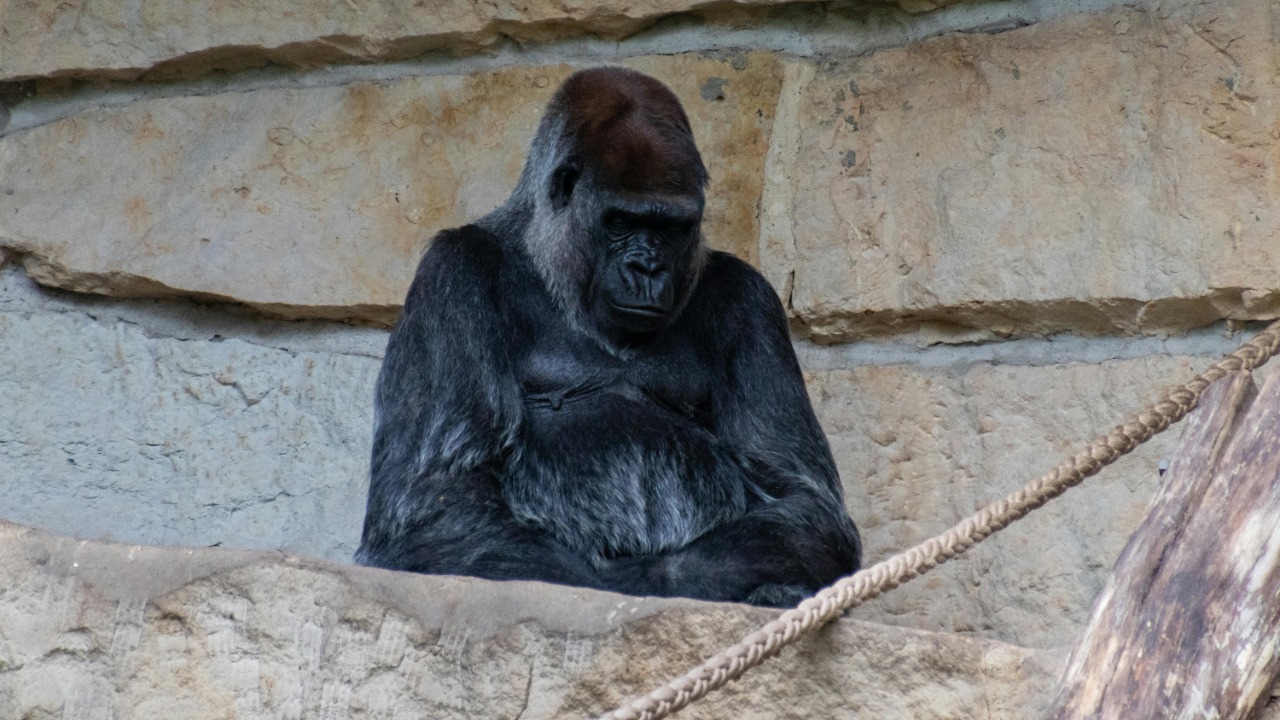
Another gentle giant hides a shocking jaw, and the gorilla makes the point plainly. A list of the strongest bites credits it with roughly 1,300 pounds per square inch, outmuscling lions and tigers despite a diet of leaves, stems, and fruit.
The force grows tough vegetation, not victims. Huge crests and jaw muscles grind fibrous plants all day, and the long canines flashed in a threat display serve mostly to intimidate rivals, a reminder that a fearsome bite need not belong to a meat eater.
10. Great white shark: The Ocean’s Signature Predator
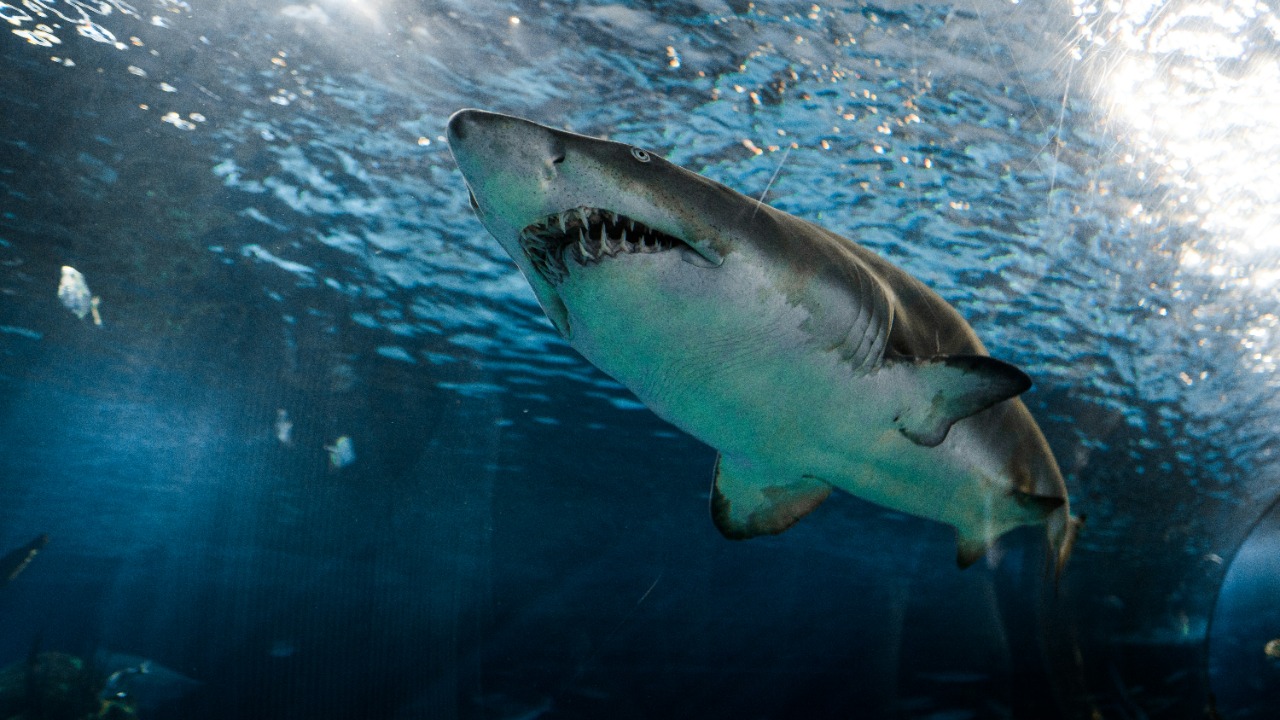
The ocean’s most famous predator closes the list with a bite estimated among the strongest in the sea. Coverage of record-setting jaws places the great white’s force in the top tier of measured and modeled animals, powered by rows of serrated, replaceable teeth.
Scientists still debate the exact figure, since testing a live shark is nearly impossible and most numbers come from models. What is certain is the result: a single bite can shear through bone, cartilage, and muscle, letting the shark disable large prey in one catastrophic pass.
More from Morning Overview
- The FTC is warning about a scam quietly draining thousands from victims
- The NSA is again telling phone owners to switch off one location setting
- A handful of car transmissions are so tough mechanics say they almost never fail
- A handful of SUVs keep hitting 300,000 miles, and they share one engine trait
