
Long before cranes, iron tools, or written blueprints, ancient builders raised megaliths, carved underground cities, and engineered devices whose mechanisms took centuries to even rediscover. Archaeologists have dated some of these structures to more than 11,000 years ago, well before agriculture is thought to have taken hold anywhere in the region. Here are nine sites and objects whose construction and purpose still baffle experts today.
1. Göbekli Tepe: Temple Before Farming
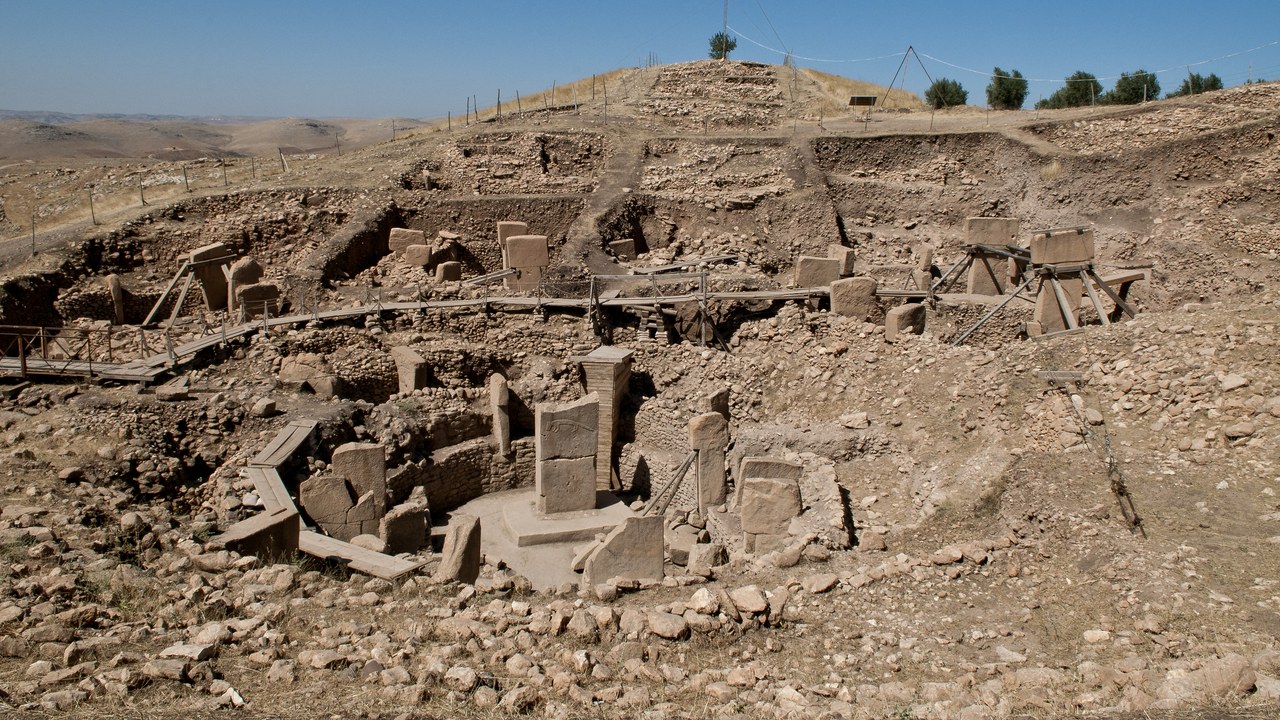
Excavations in southeastern Turkey uncovered T-shaped limestone pillars, some weighing several tons, arranged in circular enclosures and carved with reliefs of foxes, snakes, and scorpions. Radiocarbon dating places the earliest construction phase at roughly 9600 BCE, meaning hunter-gatherers organized the labor and stone-carving skill for a monumental ritual site before permanent farming settlements existed in the region.
Archaeologists still debate how a mobile hunter-gatherer population organized the sustained workforce needed to quarry, carve, and erect pillars of that size, and why the site was deliberately buried under rubble centuries after it was built.
2. Great Pyramid of Giza: Precision Without Modern Tools

Built around 2560 BCE for the pharaoh Khufu, the Great Pyramid originally rose about 481 feet from roughly 2.3 million limestone and granite blocks, cut and fitted with joints measured in fractions of an inch. Its base sides align to true north within a fraction of a degree, a surveying accuracy that predates the compass by thousands of years, based on the structure’s own dimensions.
Engineers have proposed ramps, levers, and sledges over wetted sand to explain how blocks were moved and raised, but no consensus survives on which combination of methods actually built the monument in the roughly two decades ascribed to it.
3. Stonehenge: Stones Moved For Miles

The sarsen stones at the center of Stonehenge weigh up to 25 tons each and were hauled roughly 20 miles from the Marlborough Downs, while the smaller bluestones traveled nearly 150 miles from Wales, based on geological sourcing of the monument’s stone circle. Builders raised the sarsens around 2500 BCE and topped many with lintels shaped using mortise-and-tenon joints borrowed from woodworking.
Researchers agree the site tracks solstice alignments, but they still dispute the exact route the bluestones traveled and whether human teams alone, without draft animals, could realistically move stones that size across such distances.
4. Antikythera mechanism: A Computer Before Computers
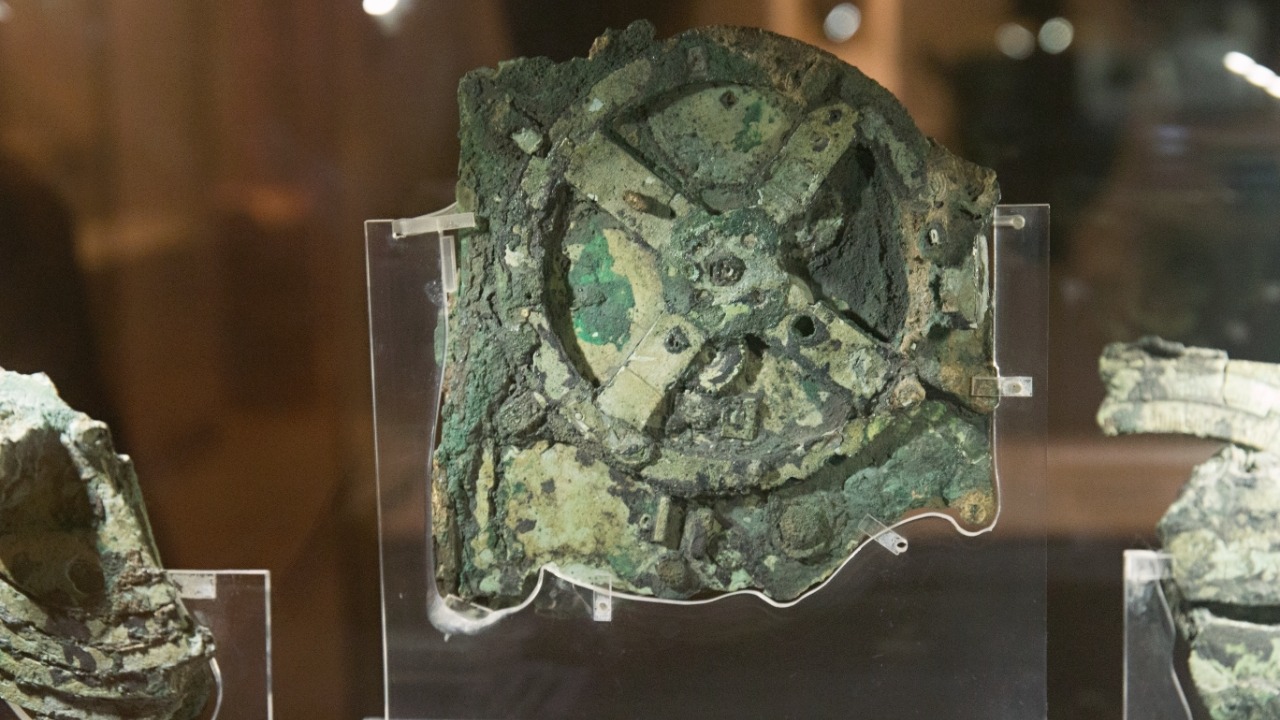
Recovered from a Roman-era shipwreck off a Greek island in 1901, the Antikythera mechanism is a hand-cranked bronze device containing dozens of interlocking gears that modeled the movements of the sun, moon, and known planets and predicted eclipses years in advance. X-ray imaging has dated its construction to around the late second century BCE, based on the device’s internal gearing.
No comparably sophisticated geared machine appears in the historical record for well over a thousand years afterward, and researchers still have not settled who built it or how that engineering knowledge was lost.
5. Nan Madol: A City Built On Water

Off the coast of Pohnpei in Micronesia, Nan Madol’s builders stacked massive hexagonal basalt logs, some estimated at multiple tons apiece, into roughly a hundred artificial islets connected by tidal canals across a lagoon. Construction is thought to have begun around 1200 CE, with basalt quarried from sites miles away and moved without draft animals or metal tools, per the islet complex’s layout.
Archaeologists still debate exactly how the basalt columns were floated or rafted into position and how a Pacific island society organized the sustained labor a project of that scale required.
6. Pumapunku: Stone Cut Like Machined Parts
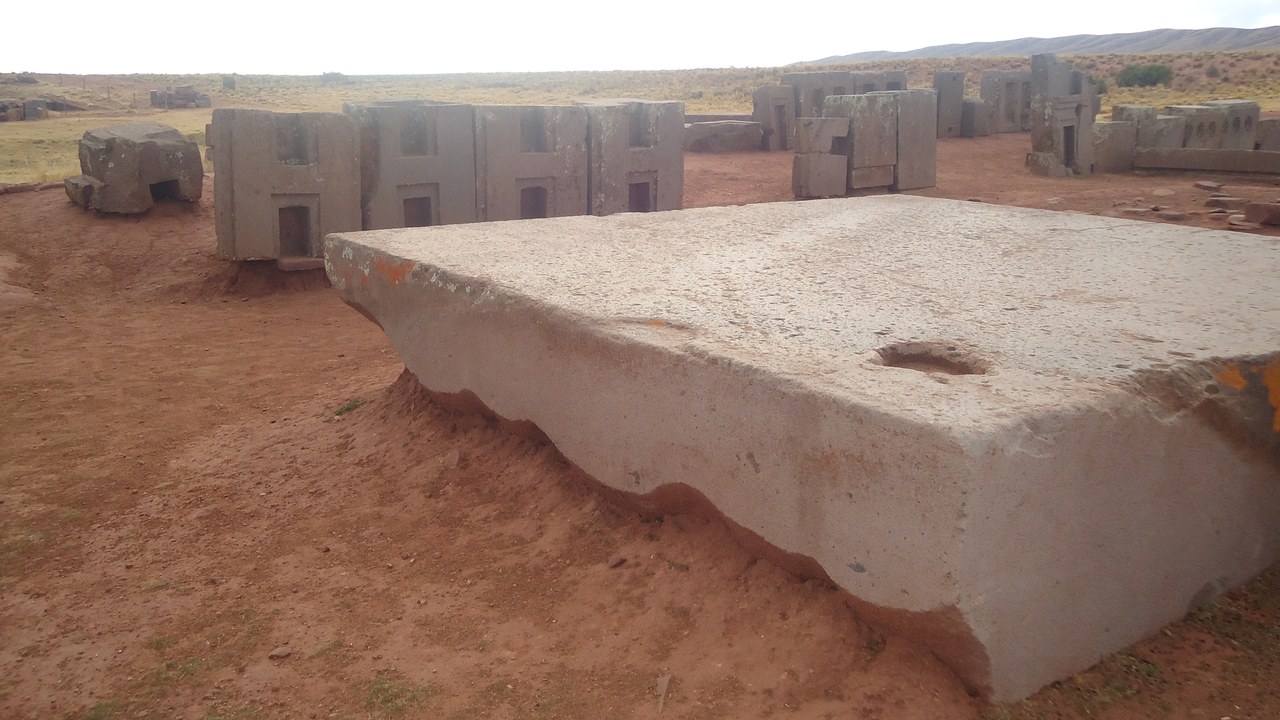
At the Tiwanaku site in the Bolivian highlands, the Pumapunku platform includes andesite and sandstone blocks cut with interlocking notches and flat faces so precise that some fit together with almost no visible gap. Researchers date the site’s main construction to roughly 500 to 600 CE, with stone hauled from quarries several miles away, based on the platform’s surviving blocks.
Specialists still debate exactly which tools and abrasives shaped the hardest stones with such uniform precision, since the civilization left no surviving written account of its construction methods.
7. Baalbek: The Largest Stones Ever Cut
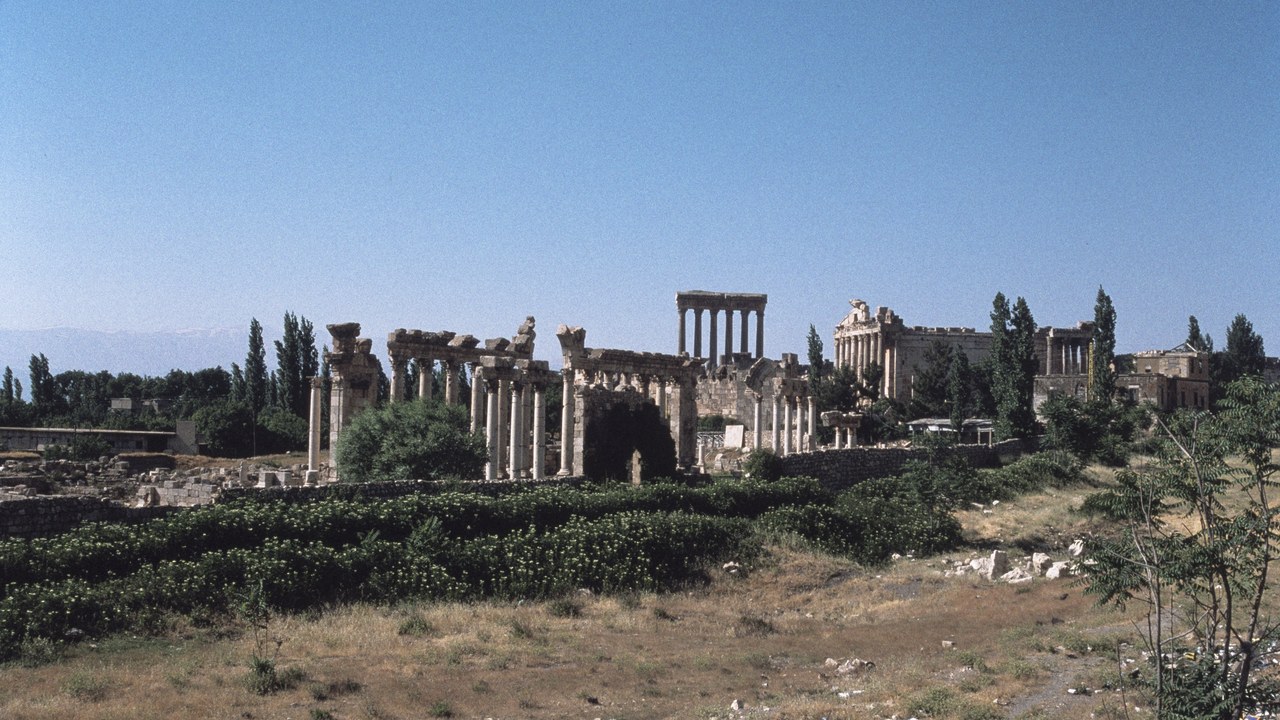
In Lebanon’s Bekaa Valley, the Roman temple complex at Baalbek sits on a podium that includes the trilithon, three limestone blocks each weighing an estimated 800 tons, plus a nearby unfinished stone in the quarry estimated at nearly 1,000 tons. Roman engineers raised the platform in the first century CE using cranes and levers documented elsewhere in the empire, per the temple platform’s stonework.
No surviving Roman text explains how a stone of that mass was lifted or moved without modern hydraulics, and engineers still model competing theories for the lifting method actually used.
8. Sacsayhuamán: Walls Without Mortar
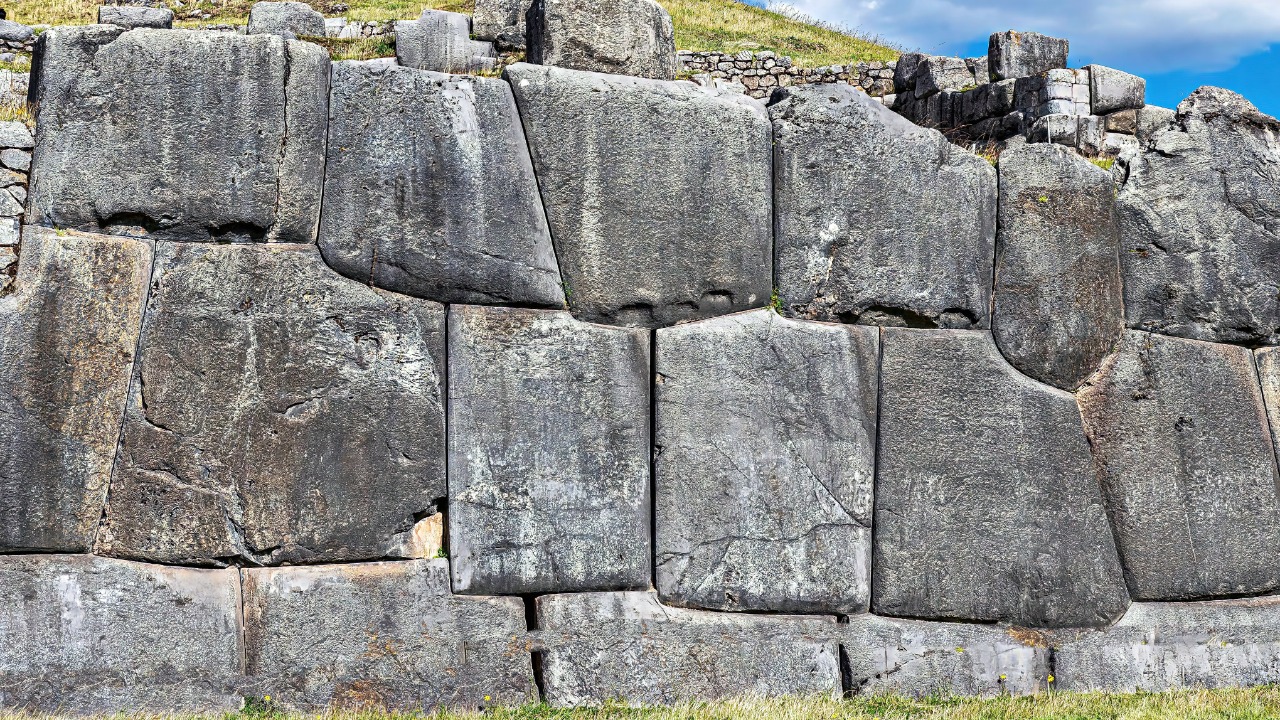
Above Cusco, Peru, the Inca fortress of Sacsayhuamán is built from limestone blocks weighing up to about 200 tons, cut with irregular polygonal faces and fitted together so tightly that a knife blade cannot slide between them. Construction is generally dated to the 15th century, with stone quarried from sites more than a mile away, based on the fortress’s surviving walls.
Engineers still debate how Inca builders shaped and test-fitted stones that heavy without iron tools or wheeled transport, and how the walls have survived centuries of earthquakes that toppled Spanish colonial buildings nearby.
9. Derinkuyu: A City Carved Underground
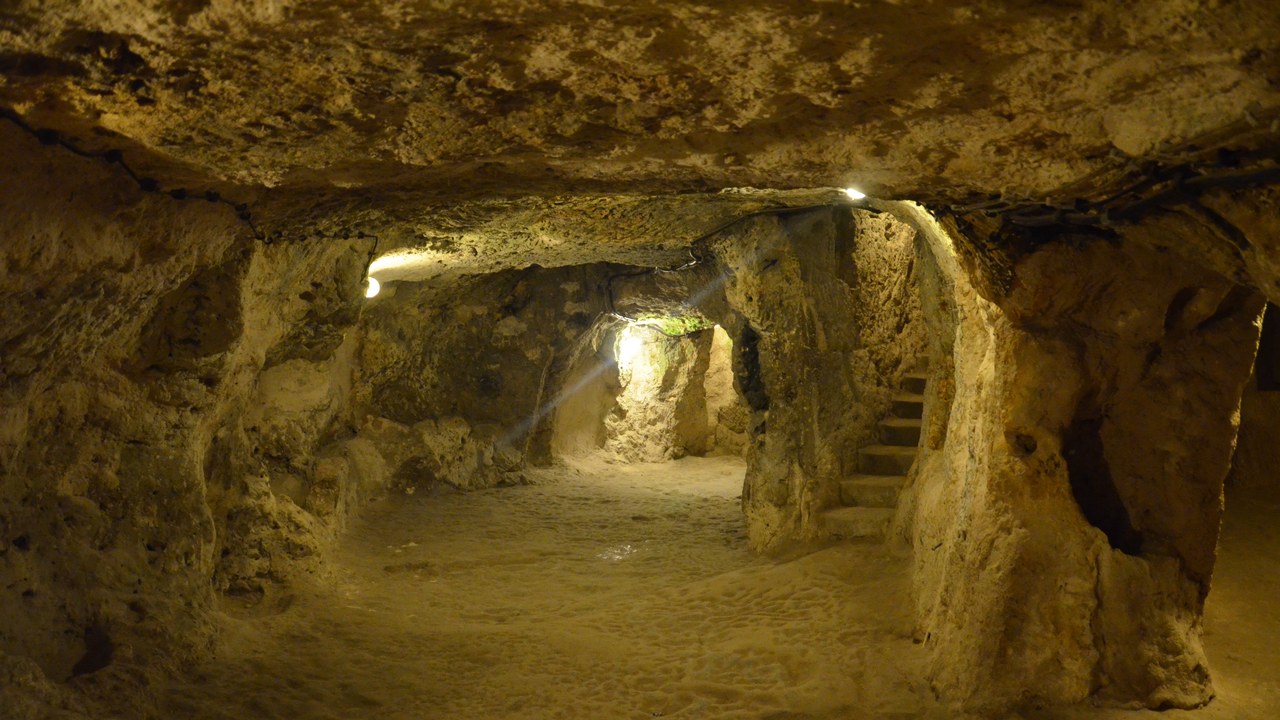
In central Turkey’s Cappadocia region, the underground city of Derinkuyu descends roughly 18 stories through soft volcanic rock, with carved ventilation shafts, wells, stables, and stone doors that could seal each level from the inside. Archaeologists estimate the complex could shelter several thousand people along with livestock, with construction phases beginning as early as the Phrygian period, based on the underground complex’s tunnel network.
Researchers still dispute exactly when excavation began and how ventilation was engineered well enough to sustain thousands of people and animals for extended periods underground.
More from Morning Overview
- The FTC is warning about a scam quietly draining thousands from victims
- The NSA is again telling phone owners to switch off one location setting
- A handful of car transmissions are so tough mechanics say they almost never fail
- A handful of SUVs keep hitting 300,000 miles, and they share one engine trait
