
Automakers issue hundreds of recalls a year, but only a subset share the same alarming defect: a vehicle that can suddenly lose drive power while its driver is still on the road. The culprits range from contaminated engine bearings to overcharged hybrid batteries to misaligned drivetrain joints. Here are nine vehicles carrying that exact recall this year.
1. Toyota Tundra: The Bearing Failure Behind the Stall
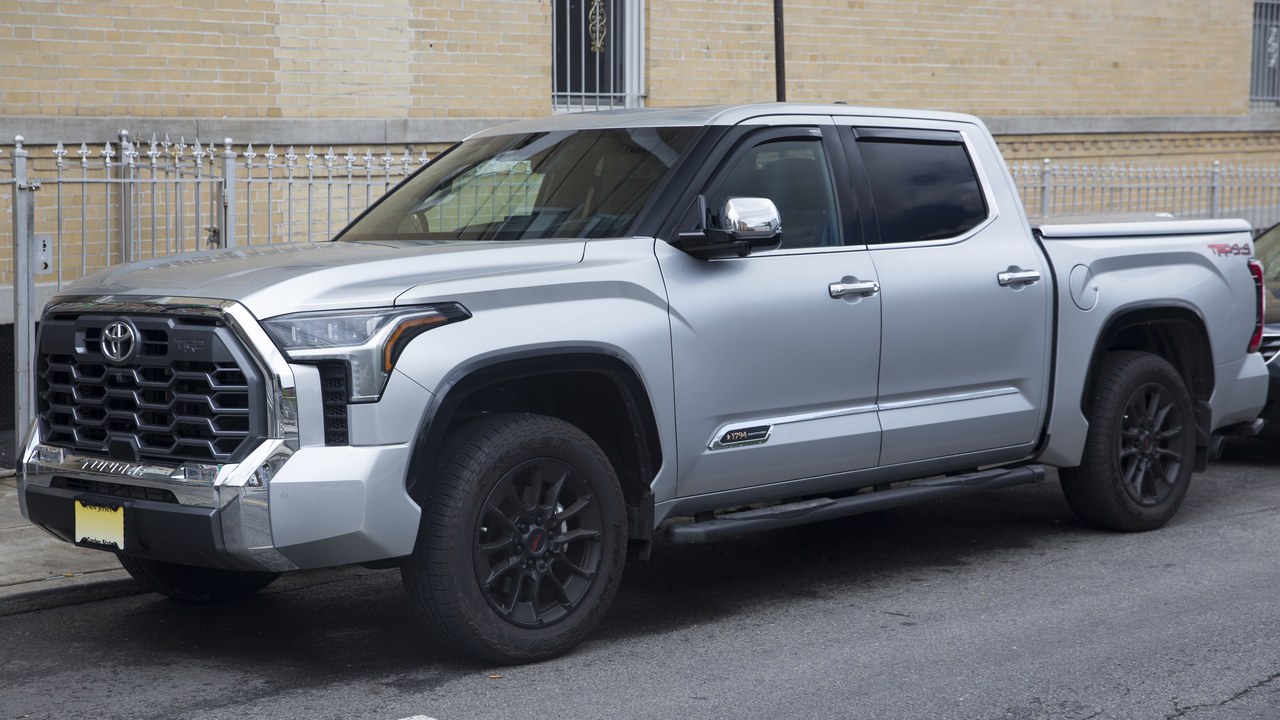
Toyota’s Tundra recall traces the problem to manufacturing debris left inside the V35A twin-turbo V6, which can contaminate the engine and cause a main bearing to fail. The failure can stall the truck at speed, and the recall notice states that a loss of drive power increases the risk of a crash.
Toyota has not identified a fix beyond dealer inspection and, where warranted, engine replacement, so owners are being notified to schedule service rather than expect a quick recall repair. A stall without warning is especially hazardous in highway traffic, where regaining control after a sudden loss of power is hardest.
2. Nissan Sentra: The Driveshaft That Isn’t Seated
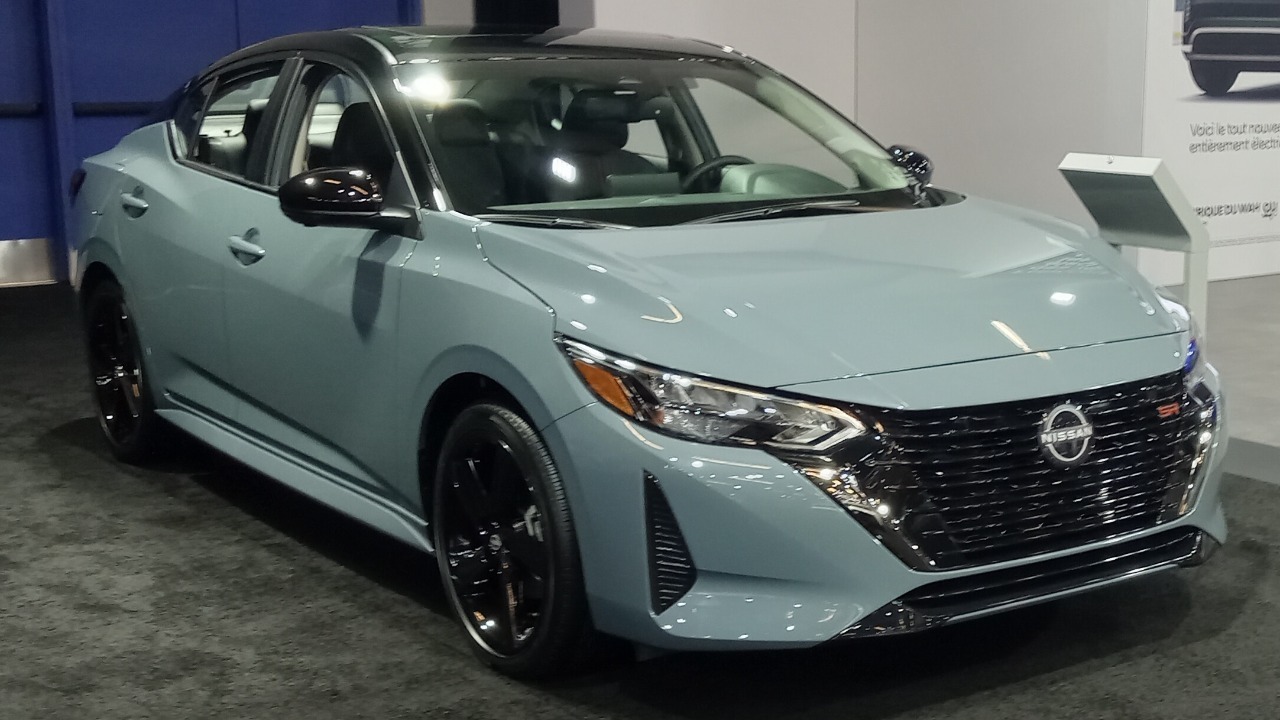
Nissan says a front left-side driveshaft in the Sentra recall may not be fully seated in the continuously variable transmission, which can leak transmission fluid and cut drive power. The same seating defect, NHTSA warns, can also let a parked car roll away unexpectedly.
Dealers will reseat or replace the driveshaft assembly at no cost once parts are available, since the defect stems from an assembly step rather than a worn part. Drivers who notice fluid pooling under the front of the car or a sudden lack of acceleration are urged to have it inspected promptly.
3. Toyota C-HR: A Software Bug in the Battery

A software programming error is behind Toyota’s C-HR recall, which can overcharge the hybrid drive battery under certain driving conditions. An overcharged battery can shut down the entire electric drive system, and the agency notes that the resulting loss of drive power raises the crash risk.
Because the C-HR is a hybrid, a shutdown of the electric drive system removes the vehicle’s primary source of propulsion rather than just one of several backups. Toyota plans to correct the issue with a software update, which should let owners resolve it without a hardware repair.
4. BMW 5 Series: The Driveshaft-to-Differential Break
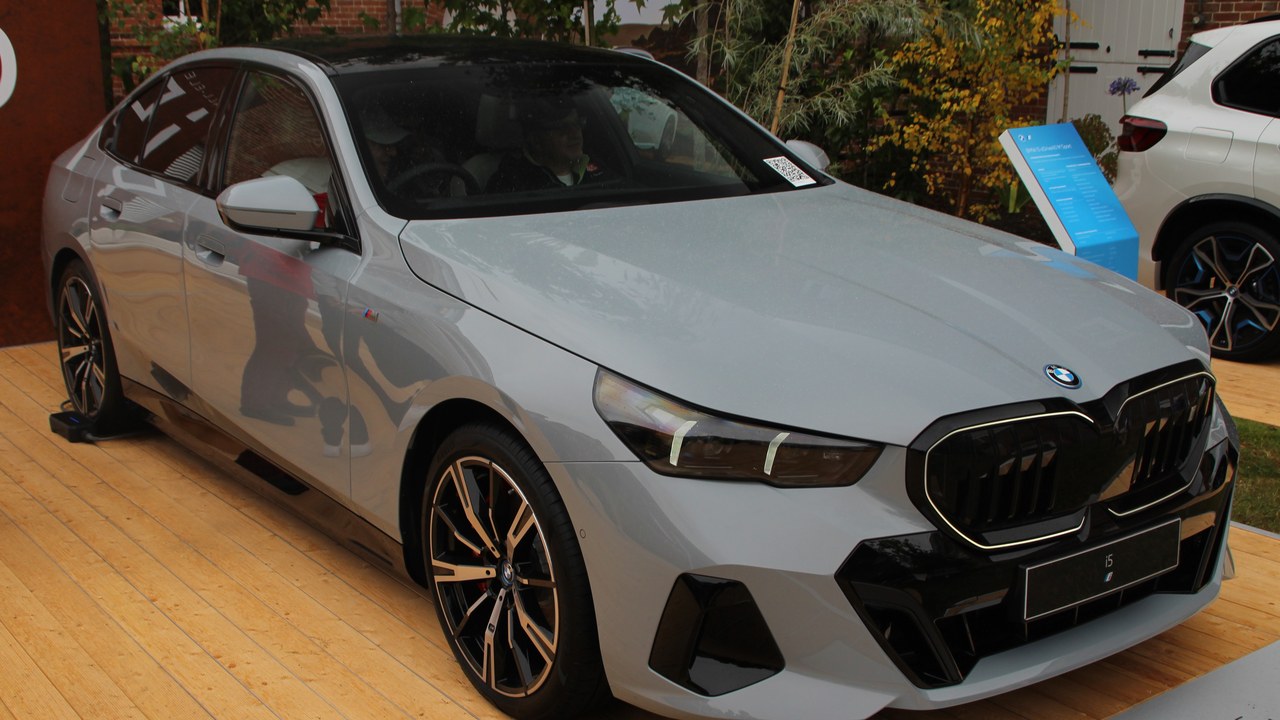
In certain 5 Series models, BMW says the connection between the driveshaft and the rear differential may become damaged over time. That damage can cause a loss of power to the rear wheels, and in some cases the recall notice warns the car could roll away unexpectedly.
Losing power to the rear wheels on a rear-drive sedan changes handling instantly, not just acceleration, which is why NHTSA classifies the defect as a crash risk rather than a simple performance issue. Dealers will inspect the driveshaft connection and repair or replace it as needed.
5. Ford Explorer: The EGR Valve That Cuts Power
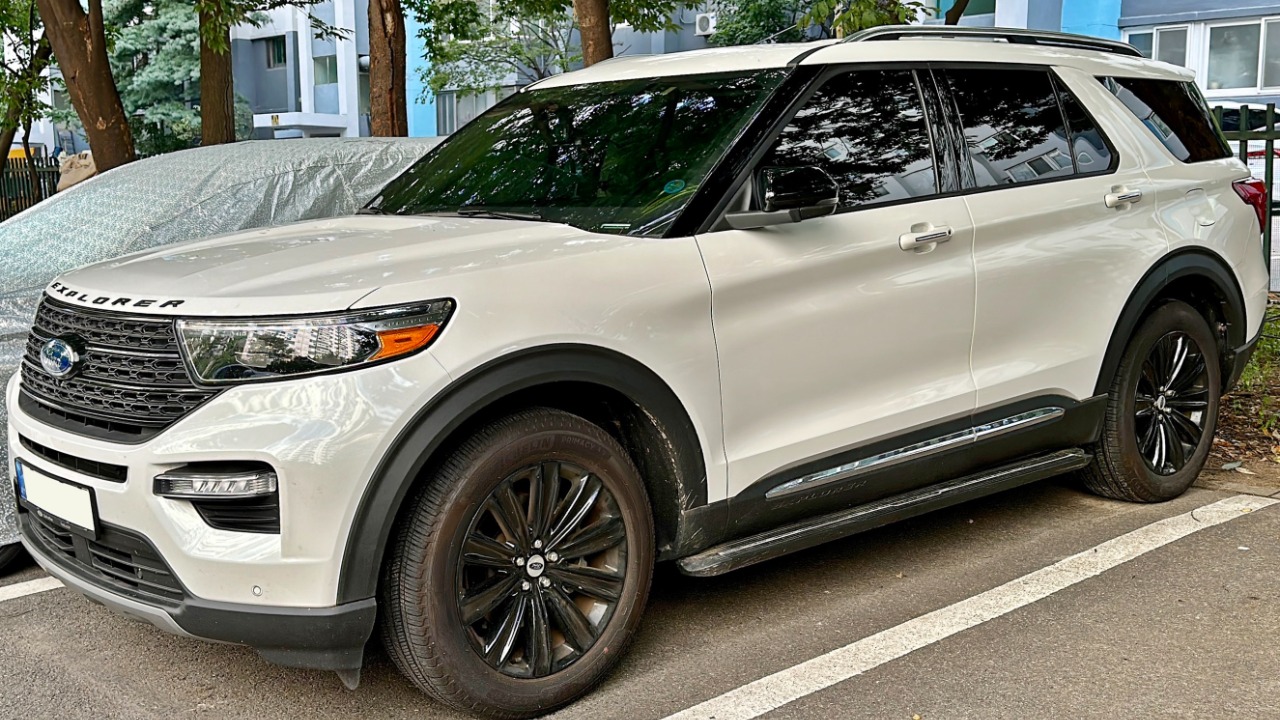
Ford’s Explorer recall covers a failing exhaust gas recirculation valve that NHTSA says may result in unexpected loss of drive power. The failure can occur without any prior warning sign, leaving a driver to suddenly lose power in traffic.
The EGR valve normally recirculates a portion of exhaust gas to control engine temperature and emissions, so its failure disrupts engine operation directly rather than through a secondary system. Ford dealers will inspect and replace the valve under the recall once the affected SUV is brought in for service, and owners are being notified by mail.
6. Nissan Rogue: Broken Gears in the Throttle Body
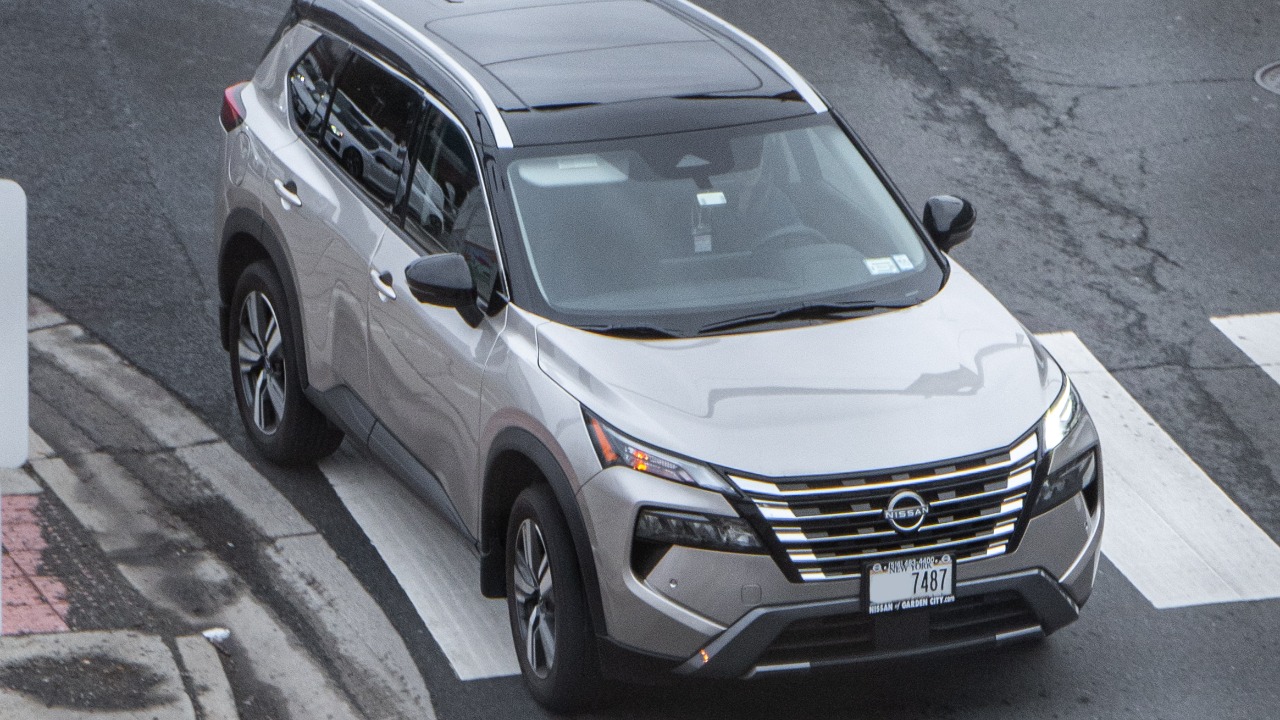
Nissan’s Rogue recall covers gears inside the electronic throttle body assembly that may break on the VC-Turbo engine. Broken throttle body gears can cause a loss of drive power, and NHTSA says that increases the risk of a crash.
The throttle body controls how much air reaches the engine, so a broken gear can leave the Rogue unable to respond to the accelerator at all. Dealers will replace the throttle body assembly at no charge once the recall remedy becomes available, and Nissan is notifying owners of the affected SUV by mail.
7. Ford Bronco: A Misaligned Transfer Case Joint
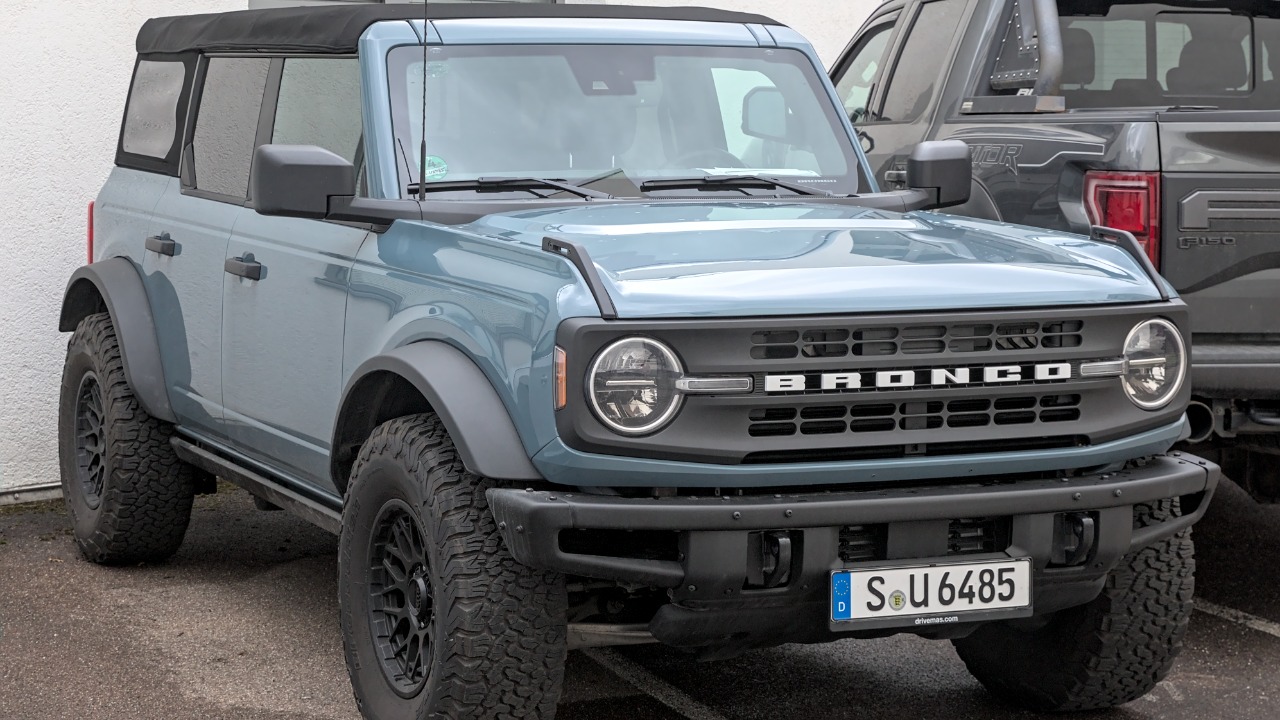
A misaligned transmission-to-transfer-case joint is behind Ford’s Bronco recall, the result of an incorrectly performed previous repair. That misalignment can wear through the transmission output shaft and transfer case input splines, which the recall notice says may cause a loss of drive power or a vehicle rollaway.
Because the defect traces back to how a prior repair was done rather than a manufacturing flaw, Ford is asking dealers to check whether the joint was serviced incorrectly and correct the alignment. Splines that wear through gradually can fail with little warning, so owners are urged to schedule the inspection promptly.
8. Jeep Cherokee: The Power Transfer Unit Failure
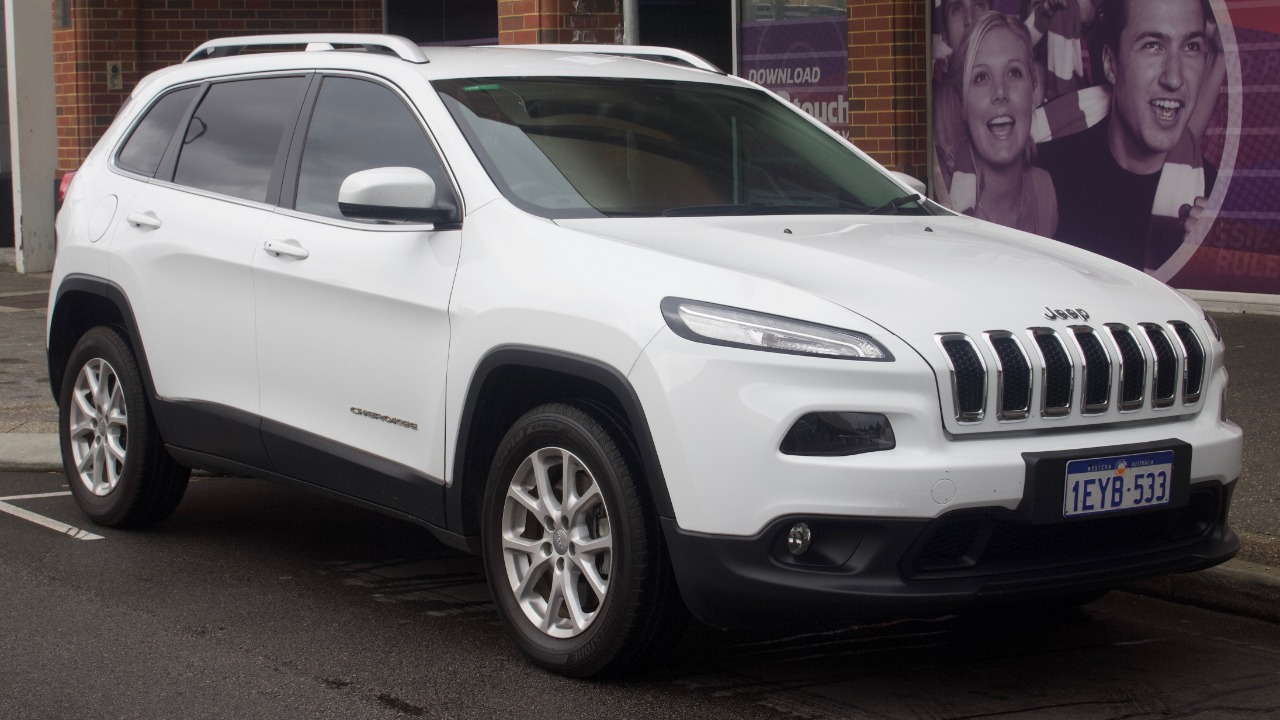
Jeep’s Cherokee recall centers on the power transfer unit, the component that sends engine power to all four wheels, which NHTSA says may fail. A failed power transfer unit may result in a loss of drive power or vehicle rollaway, increasing the risk of a crash or injury.
The power transfer unit sits between the transmission and the rear axle on four-wheel-drive Cherokees, so its failure can affect power delivery even when the SUV is not engaged in low range. Dealers will inspect the unit and replace it if needed once parts are available.
9. Land Rover Defender: The Converter That Kills Everything
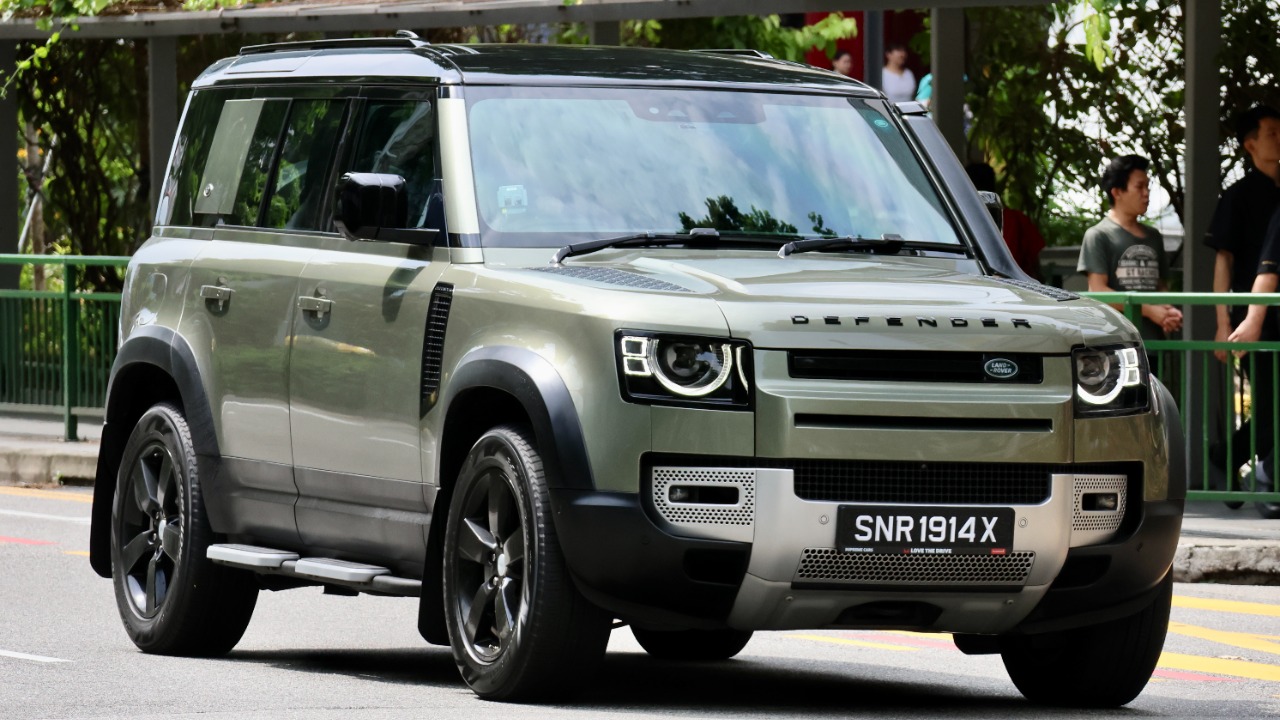
Land Rover warns that a DC/DC converter failure on the Defender’s mild-hybrid system can wipe out 12-volt charging, complete drive power and exterior lighting all at once. NHTSA states that a loss of drive power increases the risk of a crash.
Losing exterior lights along with drive power is especially dangerous after dark, since a stalled Defender could become invisible to traffic behind it. Land Rover dealers will inspect and repair the DC/DC converter as part of the recall once the fix is available for the affected SUV.
More from Morning Overview
