
Many living rooms hold more microphones and cameras than their owners realize, built into devices that promise convenience rather than surveillance. Smart speakers, video doorbells, streaming boxes and connected thermostats all gather some combination of audio, video or usage data as part of how they work. Here are eight devices that quietly listen, watch or track more than most people expect.
1. Amazon Echo: An Always-Ready Wake Word
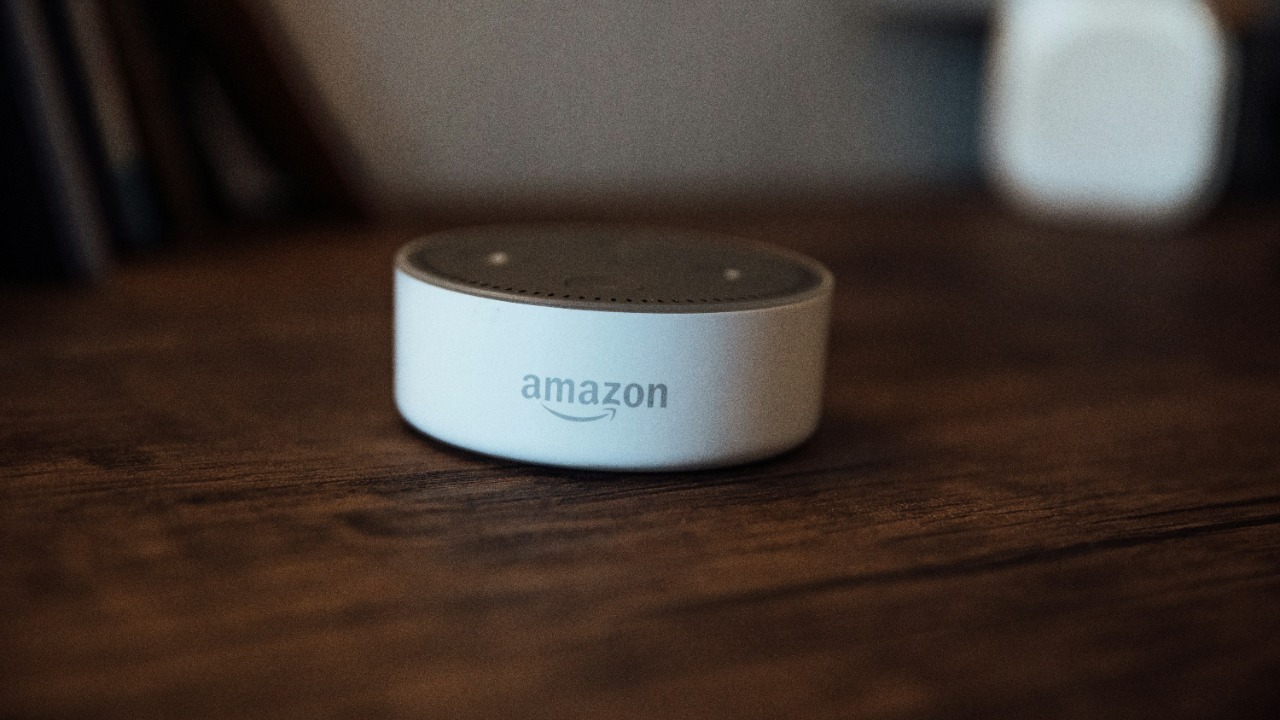
Amazon’s Echo speakers run on a short local buffer that listens continuously for the wake word “Alexa,” then streams a recording of whatever follows to Amazon’s servers for processing, a design the company has confirmed in consumer privacy alerts aimed at smart speaker owners.
Owners can silence the microphones entirely with a physical mute button on top of the device, and the Alexa app lets them review, play back or delete individual voice recordings, or set a rolling schedule so clips are removed automatically after a set number of days.
2. Google Nest: A Screen With A Built-In Camera
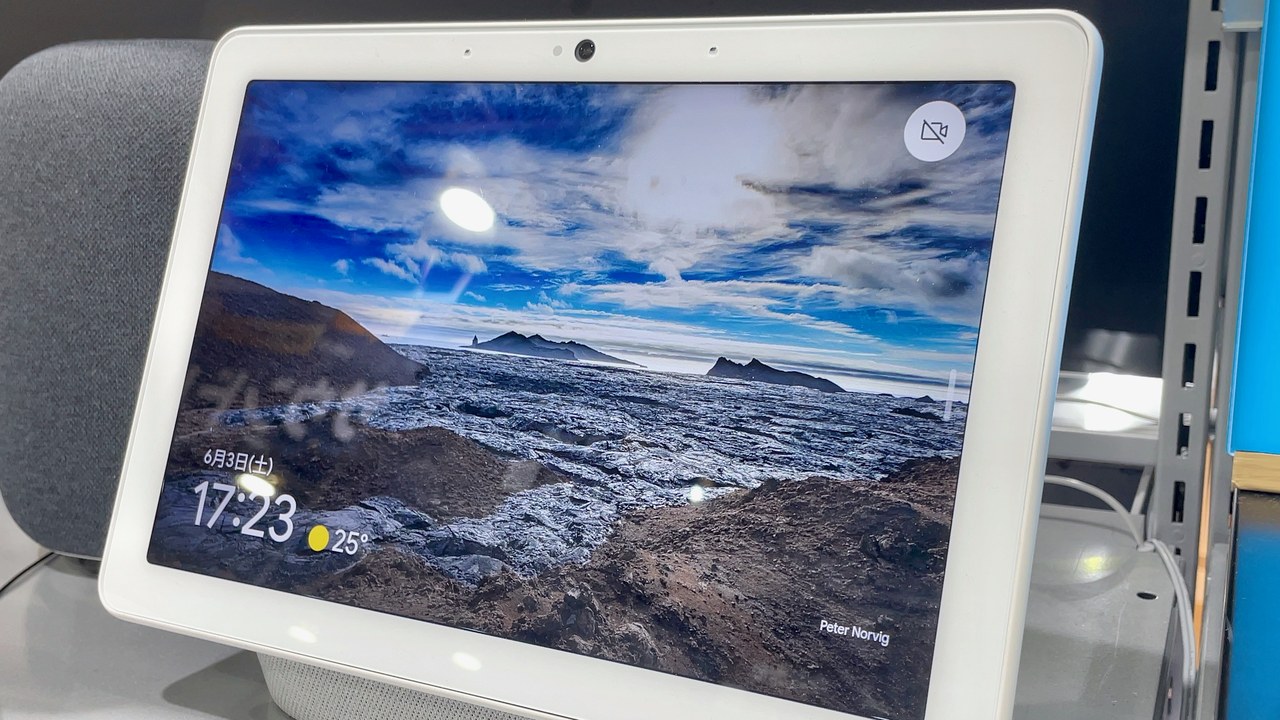
Google’s Nest Hub and Nest Hub Max models pair a touchscreen display with a built-in camera and far-field microphones so the device can respond to voice commands, recognize individual voices through a feature called Voice Match, and, on camera-equipped models, identify faces for personalized notifications, a capability regulators have flagged in smart-home privacy guidance.
A physical switch on the back cuts power to the camera and microphone at once, the Google Home app shows a visual indicator whenever either sensor is active, and stored voice and video history can be reviewed or deleted from the same account, though extended video history requires a separate Nest Aware subscription.
3. Ring: A Camera Watching The Porch
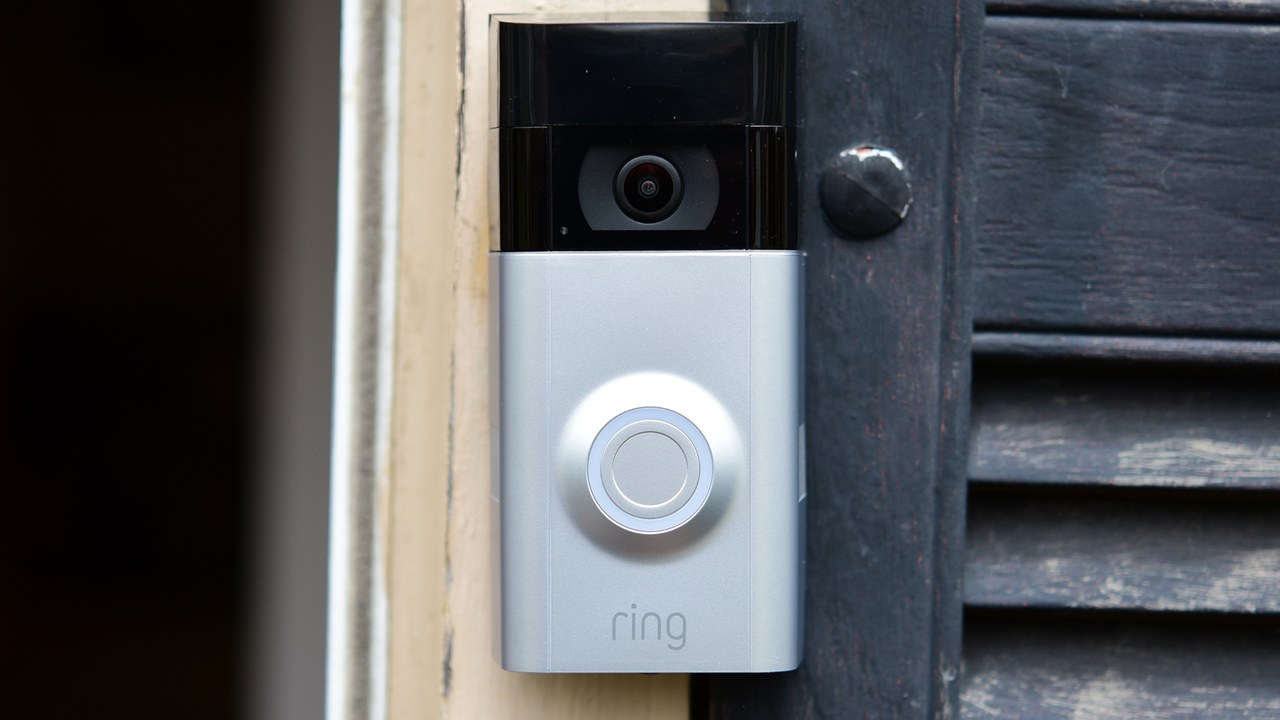
Ring doorbells and security cameras record video and audio whenever motion is detected at the door or when a visitor presses the call button, uploading clips to the cloud so owners can review live and stored footage from a phone app, a practice the FTC referenced when it settled 2023 allegations that Ring employees had improperly accessed customer video, detailed in the agency’s alerts.
Owners can adjust motion zones and sensitivity, turn off audio recording separately from video inside the Ring app, enable end-to-end encryption for extra protection, and choose how long clips are retained, from a few days up to a longer period under a paid subscription plan.
4. Roku: A Box That Remembers What Plays
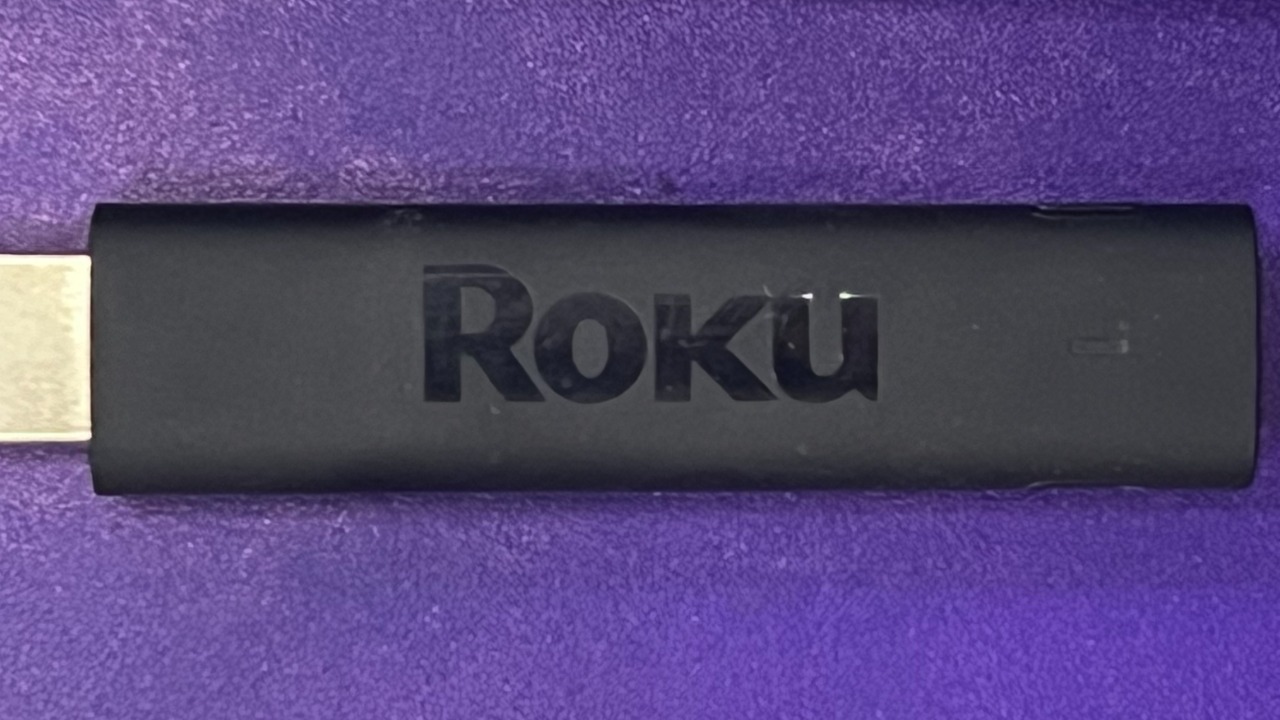
Roku streaming devices track which channels, apps and, on some content, which specific programs a household watches, information the company uses to power its own advertising business and to measure ad performance across the platform, a practice documented on Roku’s company page and in its published privacy policy.
Viewing data collection can be limited through the device’s Privacy settings menu, where owners can turn off personalized advertising, reset the advertising identifier tied to their account, and opt out of the channel-watching data Roku shares with advertising partners, though basic diagnostic and usage data collection cannot be fully disabled.
5. Amazon Fire TV: Ads Built Around Viewing History
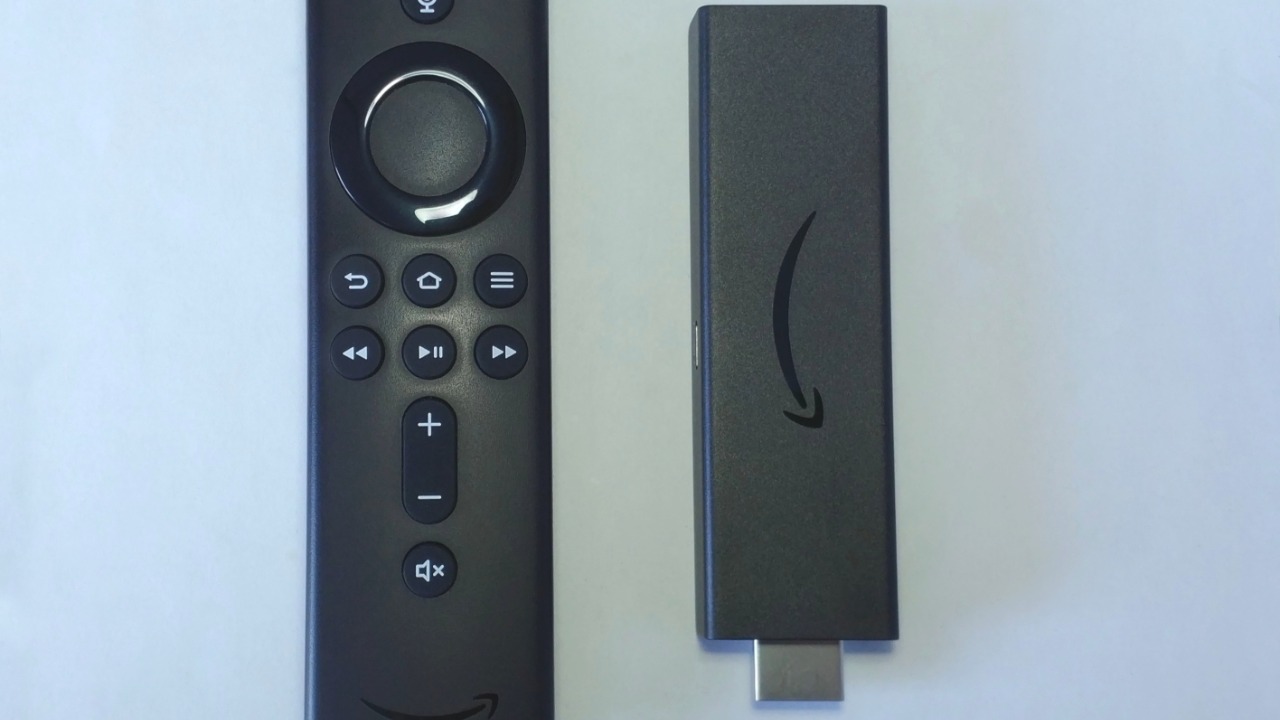
Amazon’s Fire TV devices log app usage, search terms and viewing activity to power the recommendations, autoplay previews and targeted advertising shown across the home screen, and voice remotes send audio to Amazon’s servers only while the microphone button is held down, a design described in Amazon’s device documentation.
The settings menu includes an option to opt out of interest-based advertising and to reset the advertising identifier, owners can review or delete their watch and search history from the linked Amazon account, and voice recordings tied to remote commands can be deleted individually or set to auto-delete after a chosen period.
6. Meta Quest 3: A Headset That Scans The Room
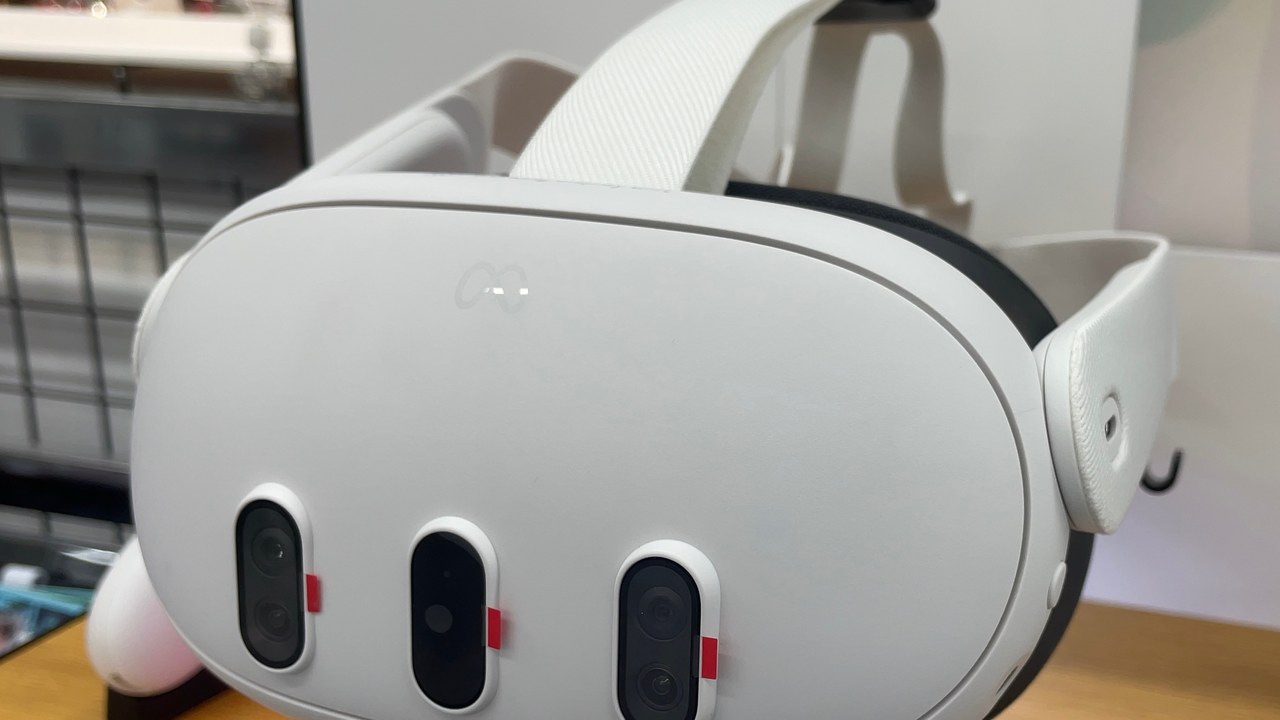
Inside Meta’s Quest 3 headset, outward-facing cameras and a microphone array power the mixed-reality passthrough view that lets wearers see their surroundings blended with virtual objects, while room-setup tools scan and map the space during setup so apps register walls, furniture and floor boundaries, a design detailed on the headset’s technical overview.
Camera and microphone use is tied to the Guardian boundary and Space Setup process a user completes once per room, both of which can be redrawn or cleared from the device’s settings menu, and voice commands sent to the microphone array can be disabled by muting the headset or reviewed through the linked Meta account; unlike some living-room devices, the Quest 3 has no physical shutter or switch that covers its cameras.
7. Amazon Echo Show: A Speaker With A Camera Attached
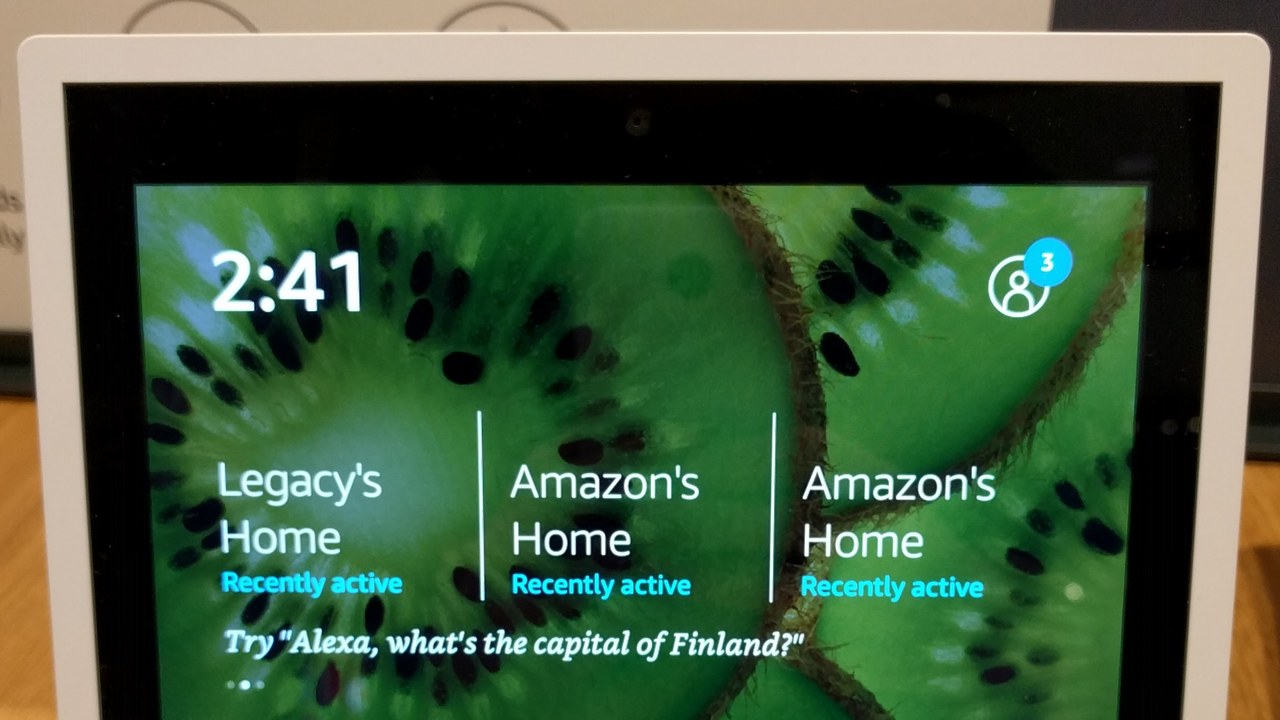
Amazon’s Echo Show line adds a touchscreen and a built-in camera to the standard Echo microphone array, enabling video calling, a “Drop In” intercom feature between paired devices, and on some models a visual Alexa assistant, on top of its always-listening wake-word design, a combination described in the device’s product history.
A built-in shutter physically covers the camera lens, a mute button cuts power to both the microphones and the camera at once, Drop In can be restricted to approved contacts only, and video call history can be reviewed or removed through the Alexa app.
8. Nest Learning Thermostat: Sensors That Learn A Schedule
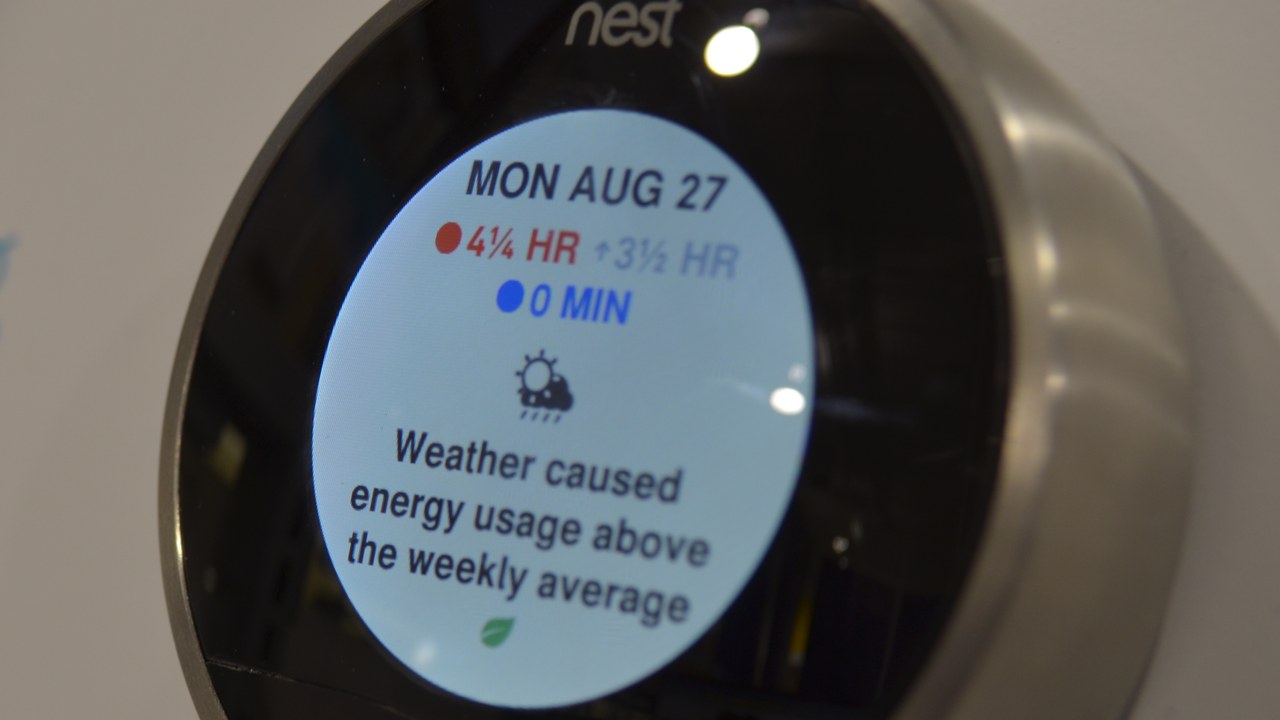
The Nest Learning Thermostat uses built-in motion sensors, temperature readings and a Home/Away Assist feature to build a picture of when a household is typically present, adjusting heating and cooling automatically and lowering energy use while everyone is out, a function detailed on the thermostat’s product page.
Owners can turn off the auto-schedule and Home/Away Assist features entirely and set temperatures manually instead, and the Nest app keeps a running history of temperature changes, schedule adjustments and away-mode activity tied to the device and the account it is registered to.
More from Morning Overview
- Four U.S. startups fired up their first small nuclear reactors, aiming to power AI data centers on-site
- 11 engines built to run well past 200,000 miles
- A handful of car transmissions are so tough that mechanics say they almost never die
- Card skimmers hidden on gas pumps are draining accounts, and there’s a quick way to spot them
