
Most modern SUVs and trucks trade their rear axle for independent suspension to smooth the ride, but a stubborn handful still hang the rear wheels on one rigid beam because it survives towing and off-road abuse better than the alternative. That live-axle layout spans everything from stripped-down pickups to six-figure luxury off-roaders. Here are nine SUVs and trucks that kept a solid rear axle instead of chasing a smoother ride.
1. Jeep Wrangler: Solid Axles At Both Ends
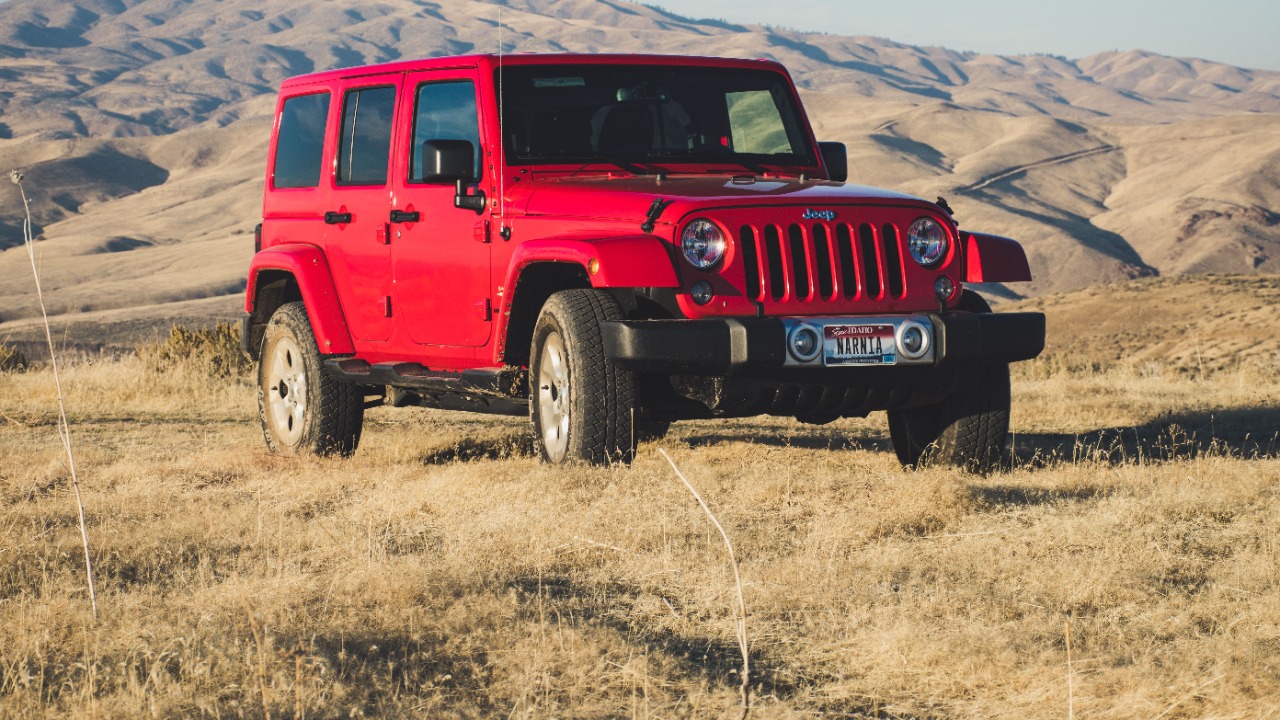
The Jeep Wrangler has run solid axles front and rear since the original YJ arrived in 1987, a layout the rest of the SUV market largely abandoned for independent front suspension decades ago. A solid axle keeps both wheels on one rigid beam, so wheel articulation over rocks and deep ruts stays predictable and alignment never shifts under hard use. Independent testers still track how the platform performs in crash safety evaluations, separate from its trail reputation.
The tradeoff shows up on pavement, where solid axles transmit more road noise and body lean into the cabin than an independent setup would, so daily commuters notice the difference the moment smooth asphalt turns to washboard gravel.
2. Ford Bronco: A Live Axle Under The Revival
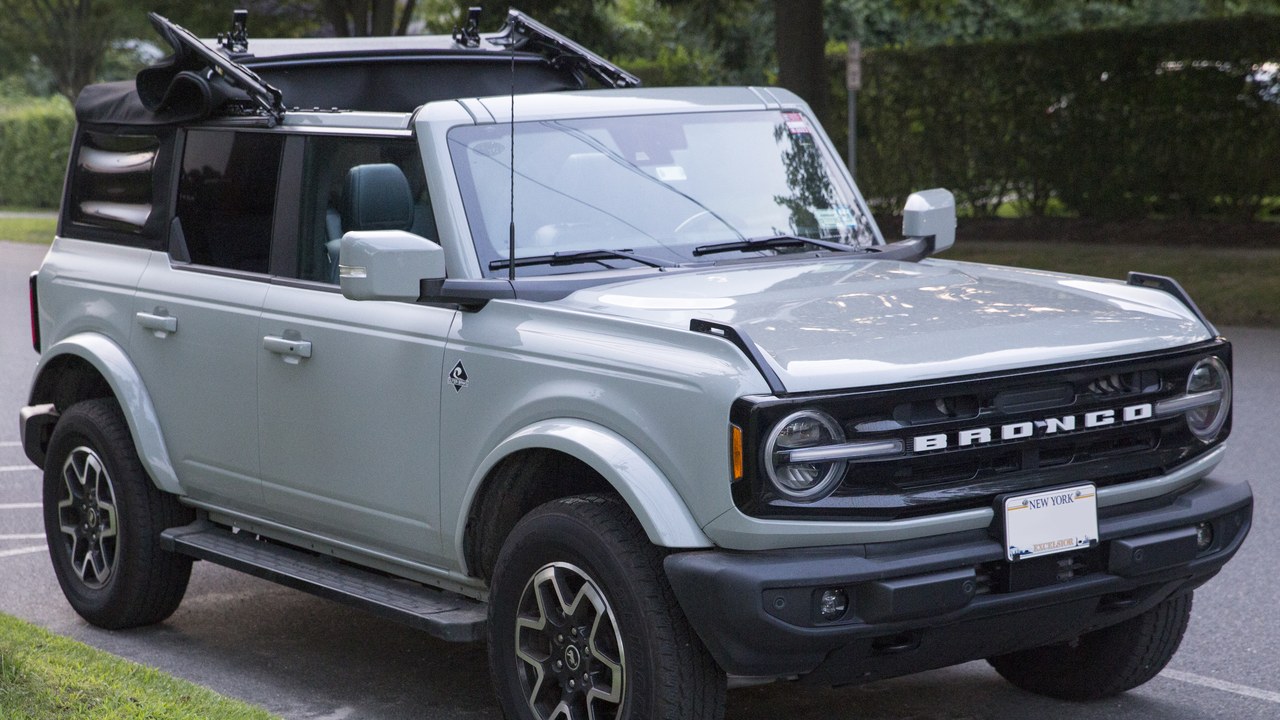
Ford brought the Bronco back with independent front suspension but kept a solid rear axle, a Dana unit hung under coil springs specifically to preserve articulation that a fully independent rear would sacrifice. The sixth-generation Bronco pairs that live rear axle with locking differentials and a two-speed transfer case on off-road trims, letting one rear wheel drop into a rut while the axle stays rigid.
That solid-rear layout let Bronco engineers promise crawl ratios that rival the Wrangler without redesigning the whole chassis, though the rear end also rides slightly firmer than a Bronco with full independent suspension would.
3. Toyota 4Runner: Body-On-Frame, Leaf-Sprung Rear
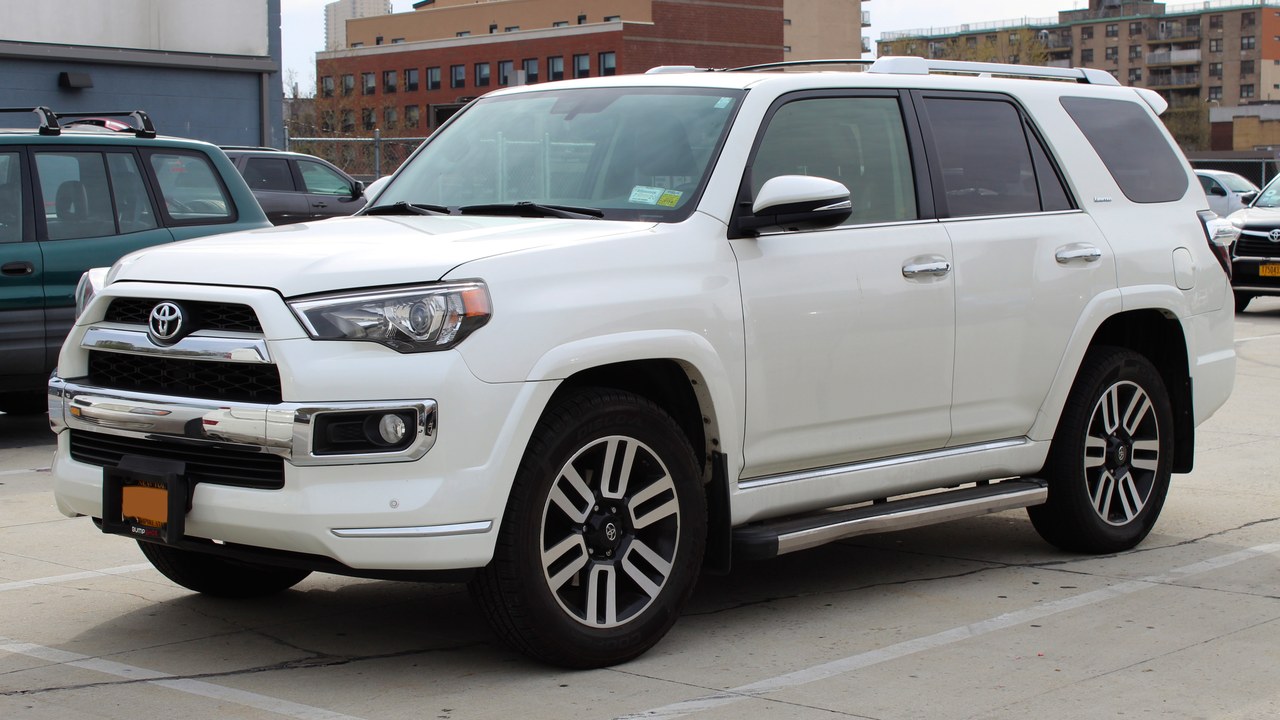
The Toyota 4Runner has stayed body-on-frame through every redesign, and that architecture comes paired with a solid rear axle riding on leaf springs rather than the independent rear suspension most crossover-based SUVs now use. Toyota’s own model history credits the layout with a reputation for shrugging off heavy loads and rough trails that would fatigue a unibody competitor.
Owners trade away some ride comfort and on-road refinement for that durability, since a leaf-sprung solid axle telegraphs bumps more directly into the cabin than coil-sprung independent geometry does.
4. Chevrolet Silverado 1500: A Half-Ton Built To Tow
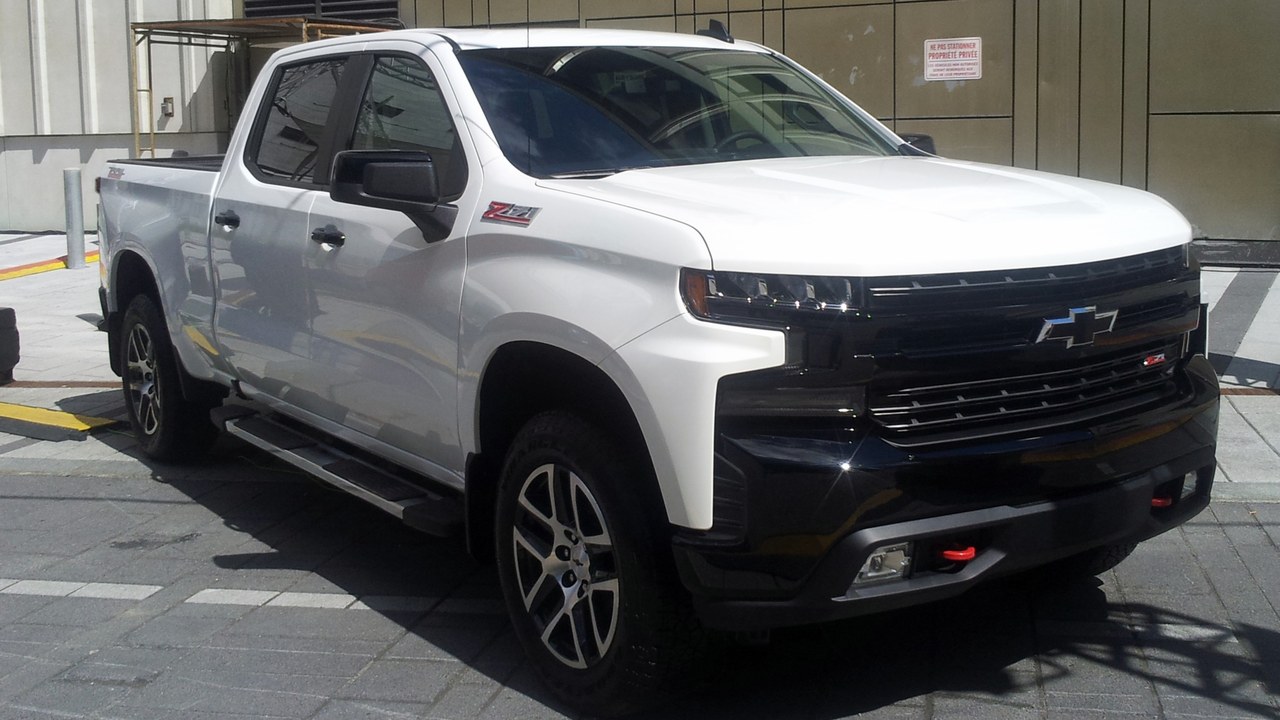
The Chevrolet Silverado 1500 pairs independent front suspension with a solid rear axle riding on leaf springs, the formula half-ton trucks have used for generations because it handles heavy, uneven towing loads without the cost of an independent rear differential. Chevrolet’s Silverado lineup keeps that live rear axle across regular-, double-, and crew-cab configurations alike.
It is a deliberate compromise: the solid axle can hop under hard acceleration on rough pavement, but it shrugs off the squat and axle wrap that a heavy trailer puts on a truck’s rear end.
5. Ram 1500: Coil Springs, Still A Live Axle
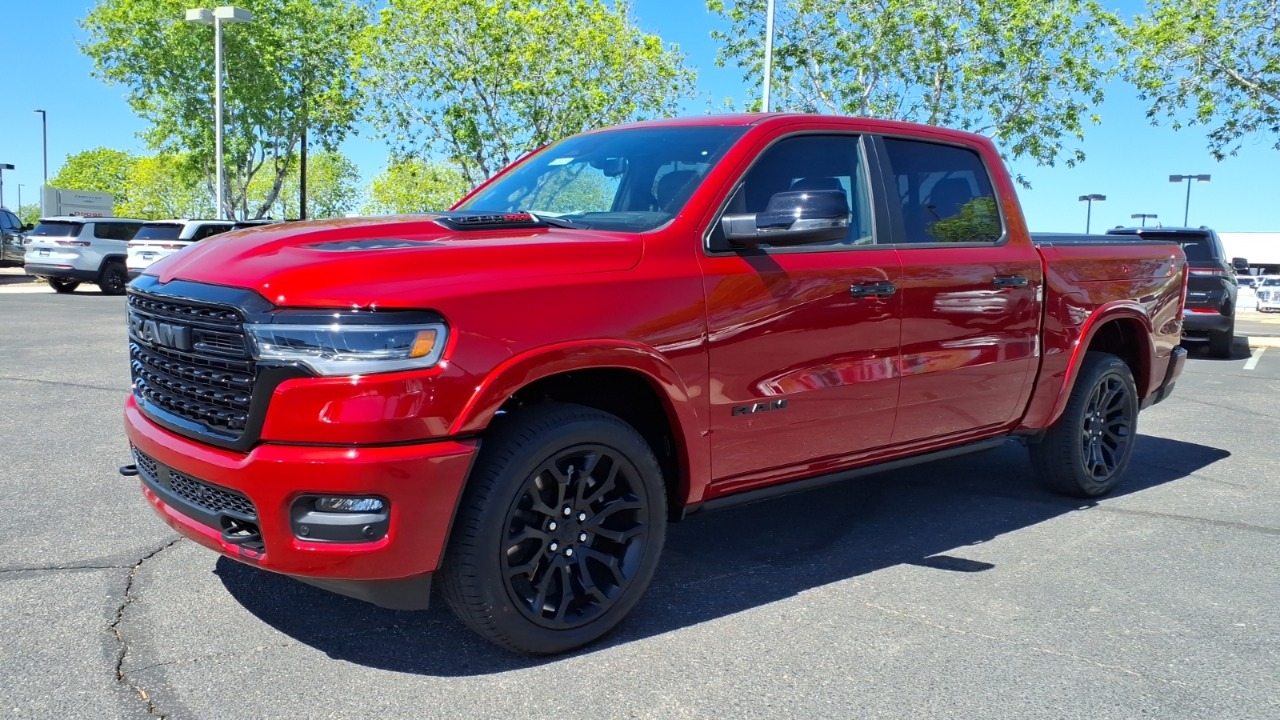
Ram set itself apart from other half-ton trucks by hanging its solid rear axle on coil springs and a multi-link setup instead of leaf springs, a change made to smooth out the ride without giving up the strength of a live axle. Ram’s 1500 lineup has kept that coil-sprung solid rear axle as a signature feature ever since the switch.
The result rides closer to an SUV over broken pavement, even though the axle underneath still behaves like any traditional truck’s the moment the bed gets loaded down with cargo.
6. Ford F-150: America’s Best-Seller Keeps It Simple
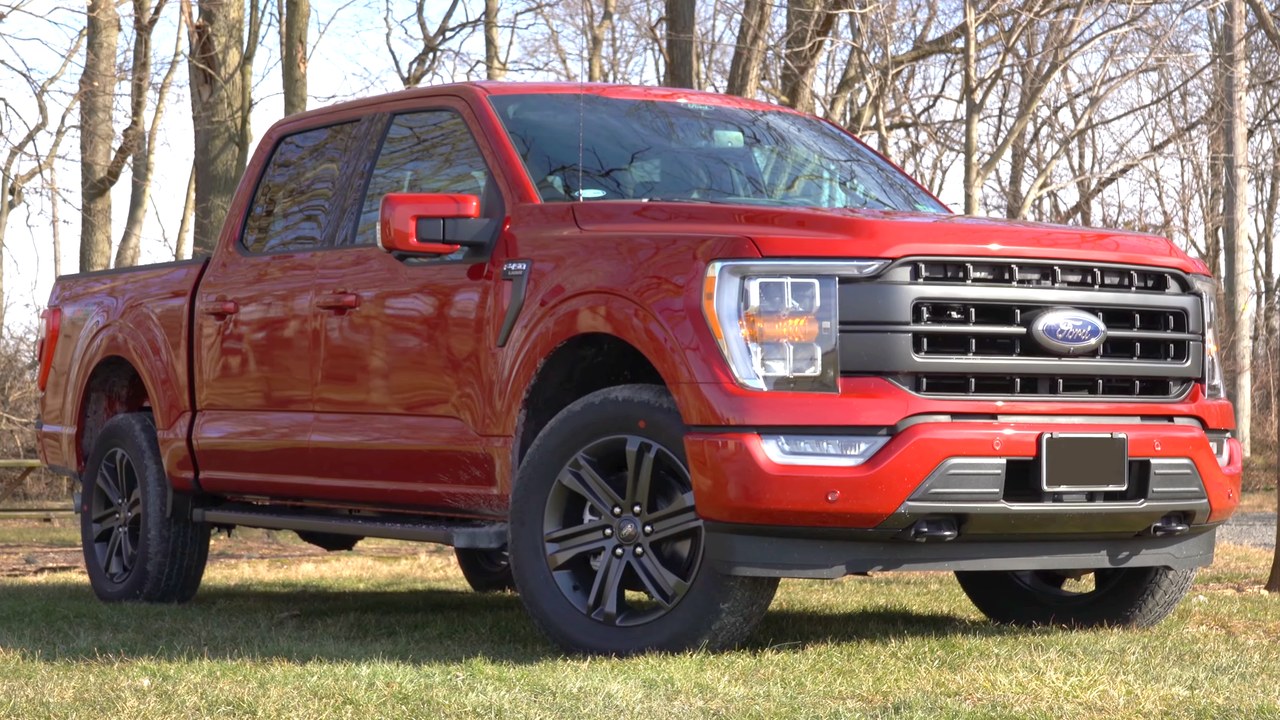
The Ford F-150 pairs independent front suspension with a solid rear axle on leaf springs, a setup Ford has refined rather than replaced through more than a dozen redesigns because it is cheap, strong, and easy to service in the field. The F-150’s design history shows that solid rear axle surviving even as cab styles, materials, and powertrains changed completely.
That consistency matters for fleets and tradespeople who need parts and repair knowledge to carry over from one model year to the next, something a more complex independent rear would complicate.
7. Jeep Gladiator: Wrangler’s Axles, Pickup Bed Attached
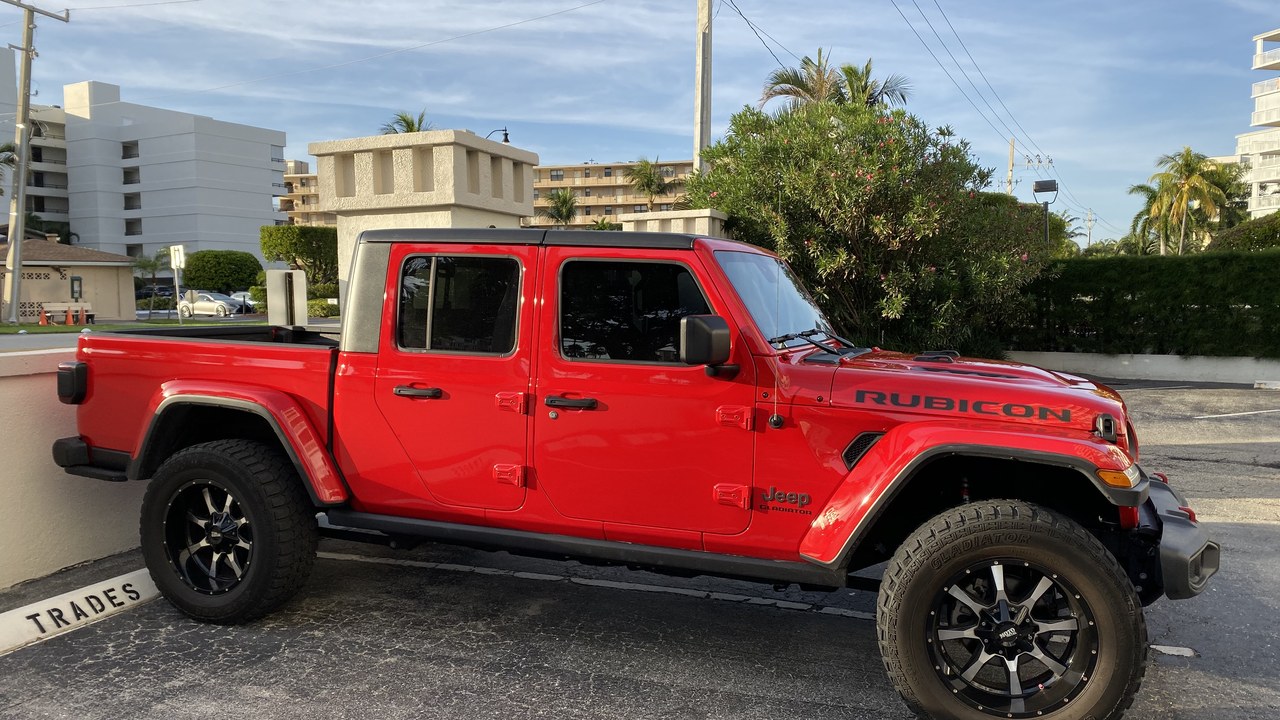
The Jeep Gladiator is built on a stretched Wrangler platform and carries over the same solid front and rear axles, giving the midsize pickup articulation numbers that rival much larger off-road trucks. The Gladiator’s JT platform pairs those axles with a longer wheelbase than the Wrangler, improving stability without sacrificing the rigid-axle geometry underneath.
The longer frame adds some flex over the largest obstacles compared with a two-door Wrangler, but the solid axles still let the Gladiator crawl terrain that would strand most independent-suspension trucks.
8. Toyota Tacoma: A Midsize Truck’s Rugged Rear
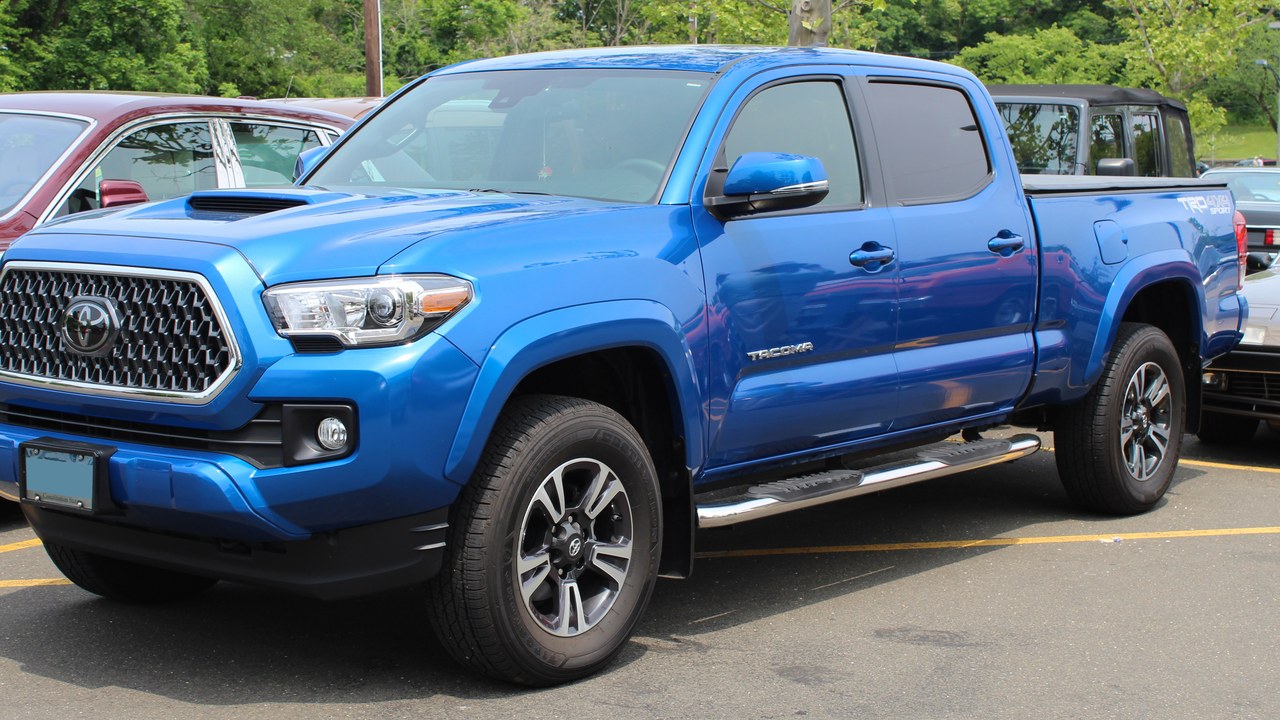
The Toyota Tacoma has always paired independent front suspension with a solid rear axle, though the spring hardware behind it varies by trim: most Tacomas ride on leaf springs, while newer off-road versions switch to a coil-sprung, multi-link take on the same live axle. Toyota’s Tacoma model history traces that live-axle rear end across every redesign since the truck replaced the Hilux-based pickup sold in the U.S.
Either way, the payoff stays the same: a solid rear axle handles overloading and off-road articulation better than an independent setup, which is why Toyota has never swapped it out.
9. Mercedes-Benz G-Class: A Luxury SUV That Stayed Rigid
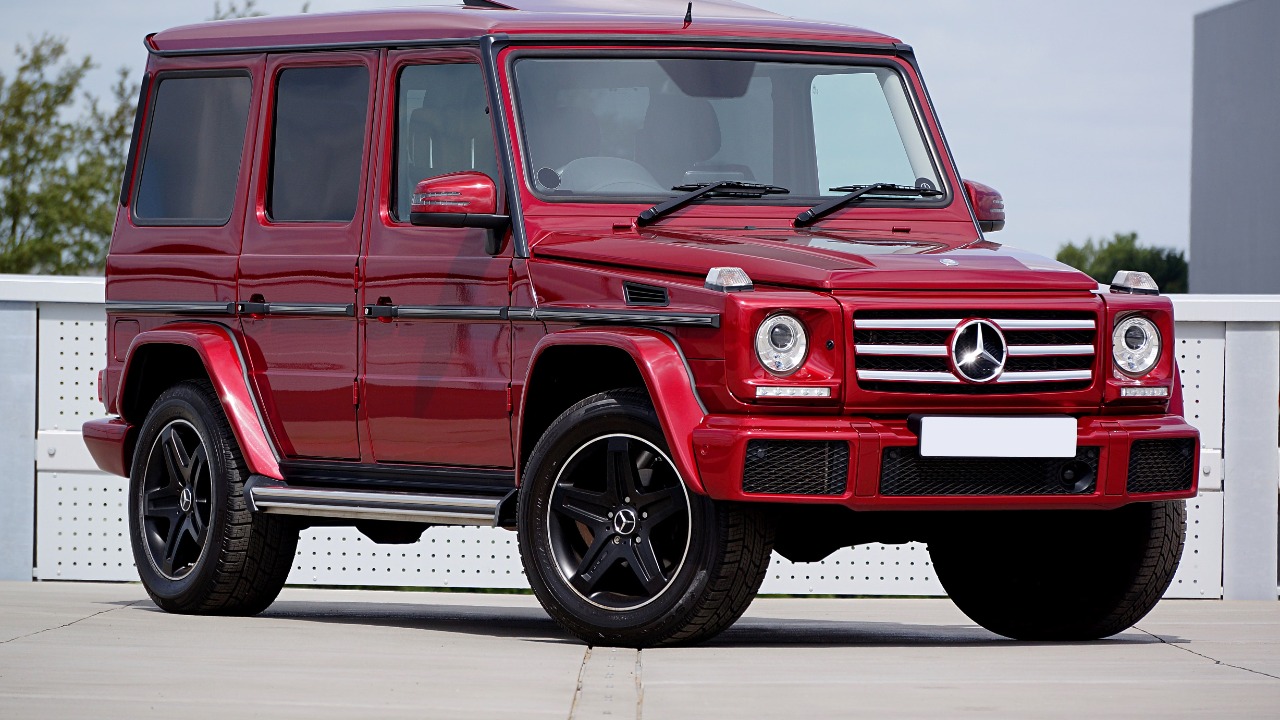
The Mercedes-Benz G-Class has kept solid axles at both the front and rear since its 1979 debut, a decision Mercedes has stuck with through every redesign, including the electric G580, specifically to preserve the wading depth and axle articulation that made the G-Wagen a favorite for military and expedition use. The G-Class’s model history shows three locking differentials working alongside those solid axles on later versions.
It is a rare case of a six-figure luxury SUV refusing to modernize its underpinnings, trading some on-road composure for off-road hardware that still outclasses nearly every independent-suspension rival.
More from Morning Overview
