
Full-size pickups carry outsized crash forces because of their height and weight, so independent testing matters more than marketing claims. Federal and industry testers have pushed several trucks through the same battery of frontal, side, and rollover evaluations, and the results separate strong structures from merely large ones. Here are nine full-size trucks that have posted standout results in that testing.
1. Ford F-150: A Track Record Across Trims
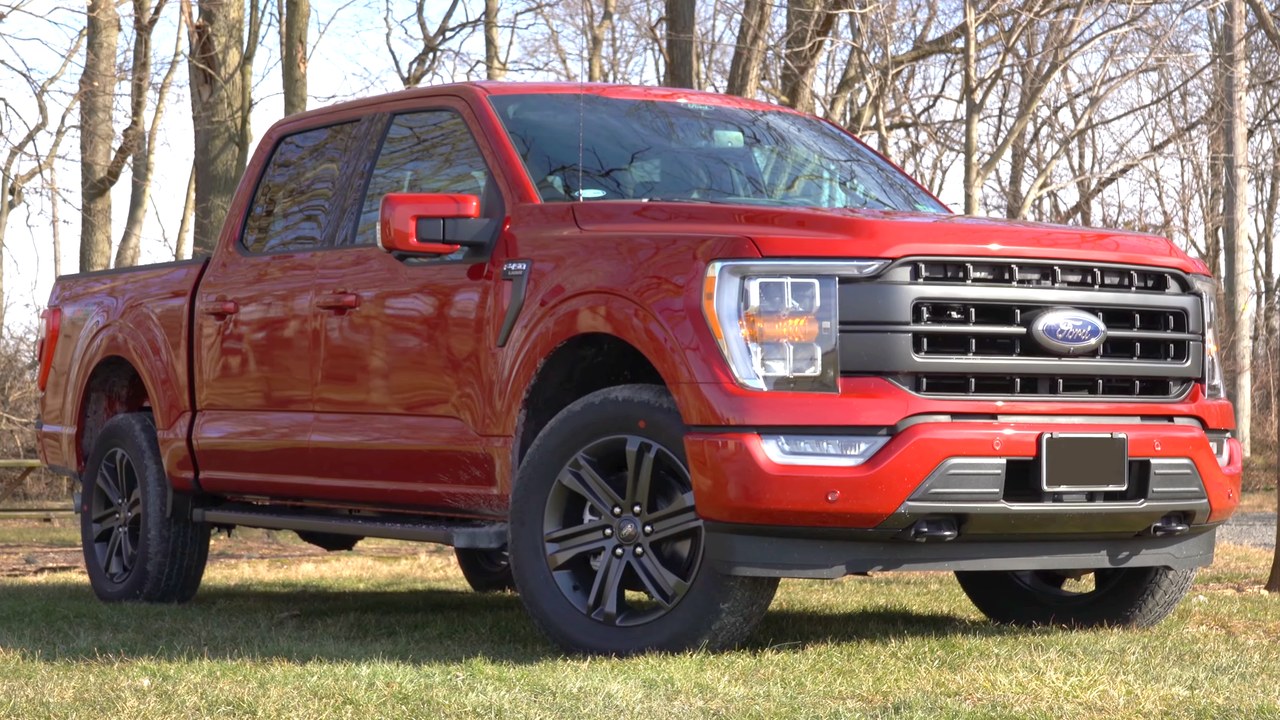
The F-150 SuperCrew earned a five-star overall rating from federal crash testers, and IIHS placed the 2021 SuperCrew models on its Top Safety Pick list when equipped with the available LED headlights. Regular-cab and SuperCab versions built on the same frame have not carried the identical result, since the shorter body changes how crash energy travels through the structure.
Shoppers cross-shopping cab styles gain more from that distinction than from the F-150 name alone: a crew cab ordered with the full driver-assist package has consistently outscored a bare-bones SuperCab on frontal and side tests, so configuration decides the outcome more than the model line does.
2. Rivian R1T: A Stiff Structure Built Around Batteries
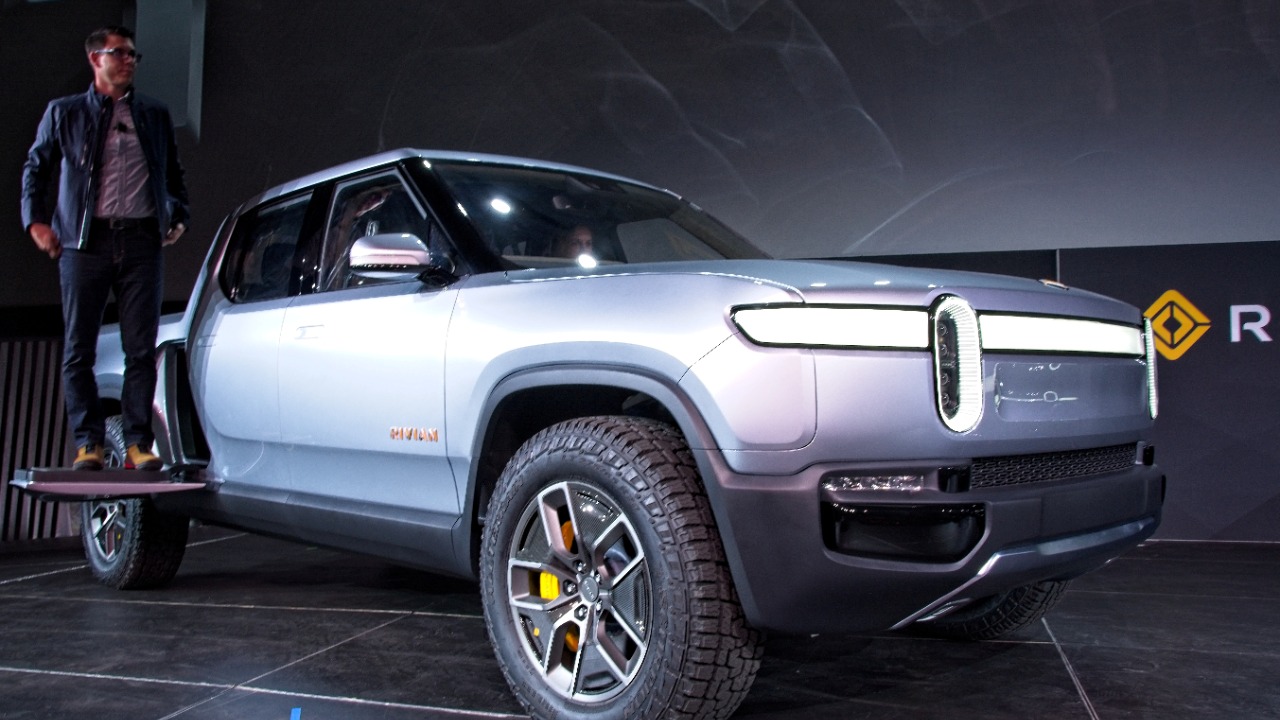
NHTSA gave the 2022 Rivian R1T a five-star overall crash rating, and IIHS testing of the R1T resulted in a Top Safety Pick+ award, the group’s highest distinction. The truck’s skateboard-style battery pack sits low between the axles, forming a rigid platform that keeps the cabin from deforming as much in a side impact.
That structure also protects the frunk area up front, so a moderate collision has less chance of pushing components into the footwell than in a traditional body-on-frame truck. Owners considering an electric pickup over a gas rival can weigh that stiffness against the R1T’s added weight, which changes stopping distance on wet pavement.
3. Toyota Tundra: A Redesign Built With Safety In Mind
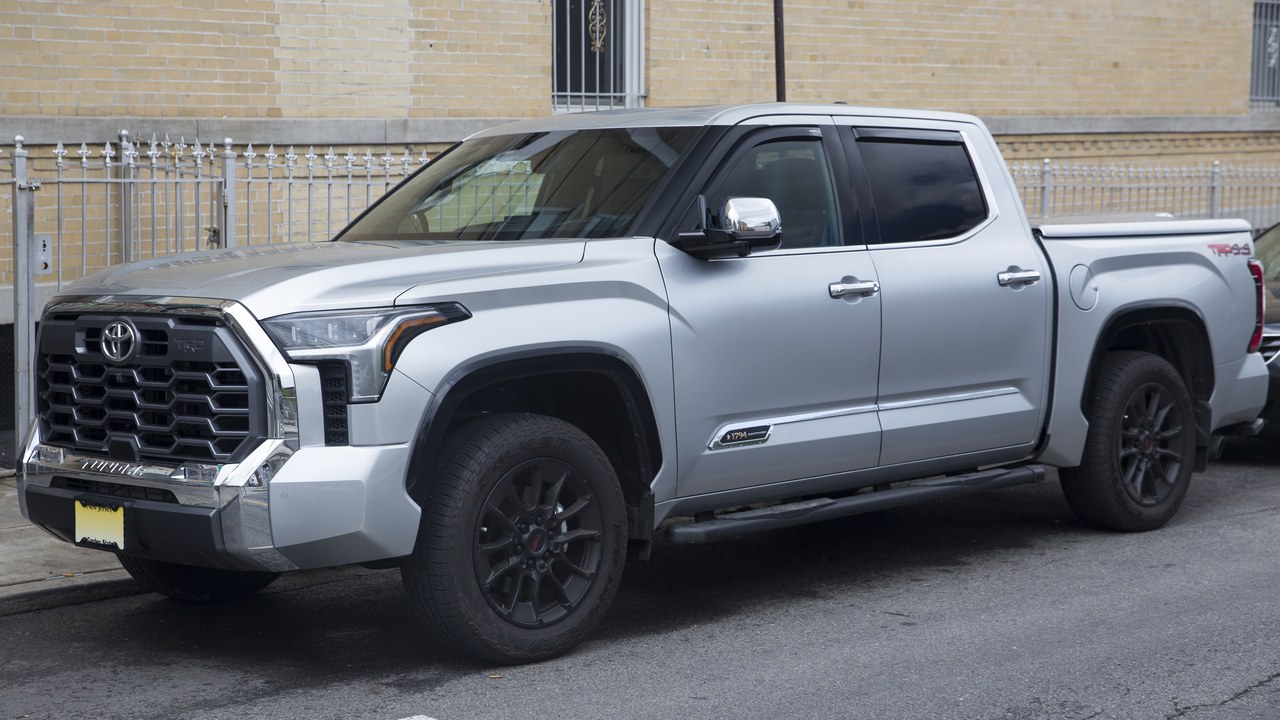
The redesigned 2022 Tundra CrewMax earned a Top Safety Pick award from IIHS crash evaluators when built with the available LED headlights, and NHTSA rated the same generation five stars overall. Toyota’s new frame uses more high-strength steel than the outgoing model, reducing how far the cabin intrudes during a frontal offset test.
Double Cab short-bed versions built on the same platform have not been tested as extensively, so a shopper comparing cab styles should not assume the CrewMax result carries over unchanged. The extra structure also helped Toyota close a longstanding gap with domestic rivals on frontal-crash scores.
4. Chevrolet Silverado 1500: Driver Aids Come Standard
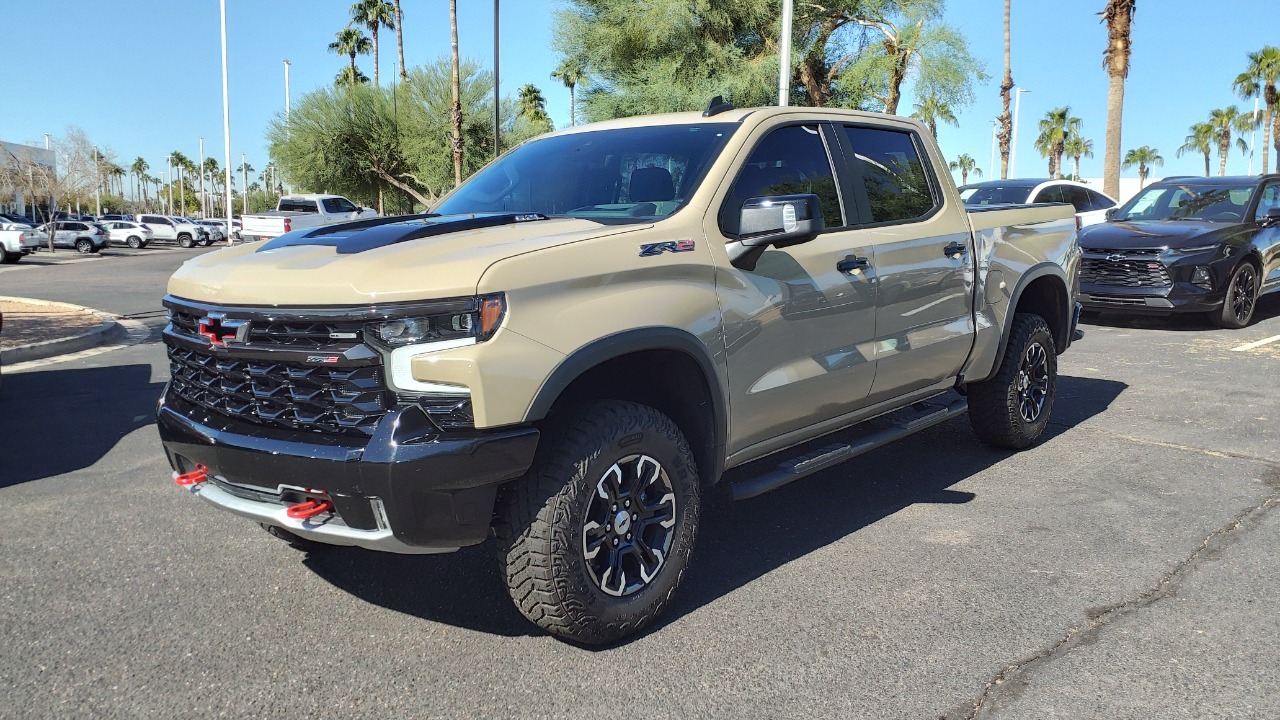
Chevrolet made its Safety Assist suite, bundling automatic emergency braking, forward-collision alert, and lane-keeping assist, standard equipment across the entire Silverado 1500 lineup starting with the 2022 model year, a step earlier trucks did not have. Crew-cab 4WD versions equipped that way have posted five-star overall marks in federal testing, though Chevrolet has not put every cab-and-bed combination through the same evaluation.
Buyers cross-shopping trims should note that a base Work Truck without the extended camera and radar package does not automatically inherit a loaded High Country’s result, since the hardware behind the rating is optional on the cheapest configurations.
5. GMC Sierra 1500: Shared Hardware, Shared Results
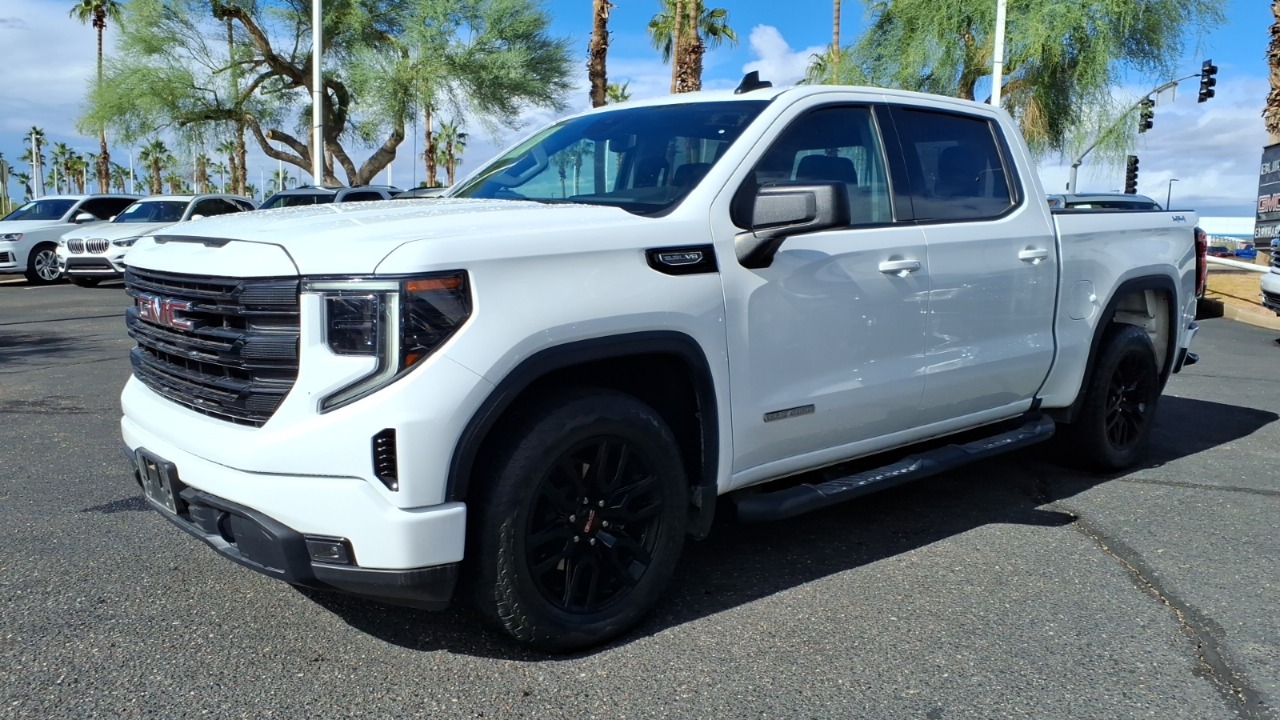
The Sierra 1500 rides on the same T1 platform as the Silverado, so the driver-assist hardware behind that truck’s five-star crew-cab rating, automatic emergency braking, forward-collision alert, and a shared frame architecture, carries over largely unchanged. GMC’s own Sierra history documents the badge-engineering relationship, down to the stamped body panels both trucks share with only trim-level differences.
Denali and AT4 trims add adaptive cruise control and a surround-view camera that base SLE models skip, so the two nameplates can diverge in a specific crash test even though the underlying cage and crumple zones are identical between them.
6. Ram 1500: Occupant Protection Sets It Apart
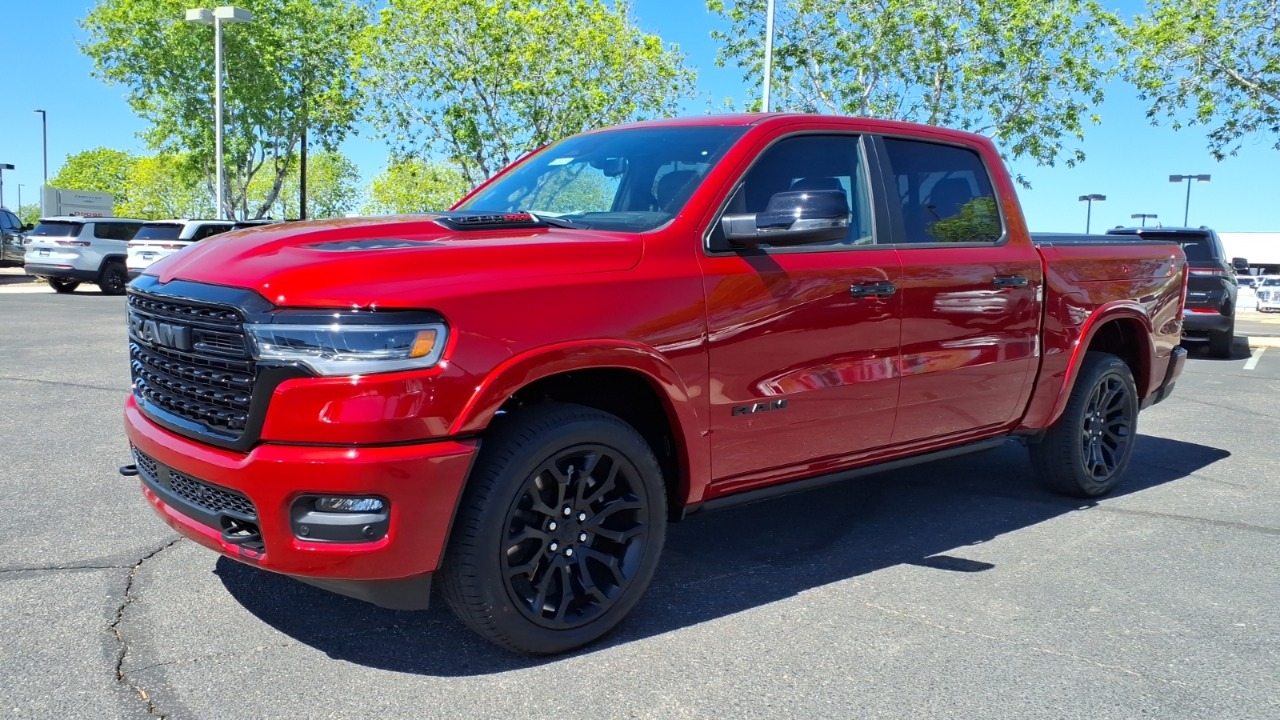
IIHS awarded the redesigned 2019 Ram 1500 Crew Cab a Top Safety Pick when it carried the optional LED headlights, and federal testers gave the same generation a five-star overall rating. The current-generation Ram 1500 uses a stiffer high-strength-steel frame than its predecessor, which independent reviewers credited with the improved occupant protection scores.
Quad Cab short-wheelbase versions built on a shorter frame have not matched that Crew Cab result in every category, so a shopper choosing the smaller cab for easier parking should expect a slightly different outcome than the flagship configuration earned.
7. Nissan Titan: The Quiet Full-Size Contender
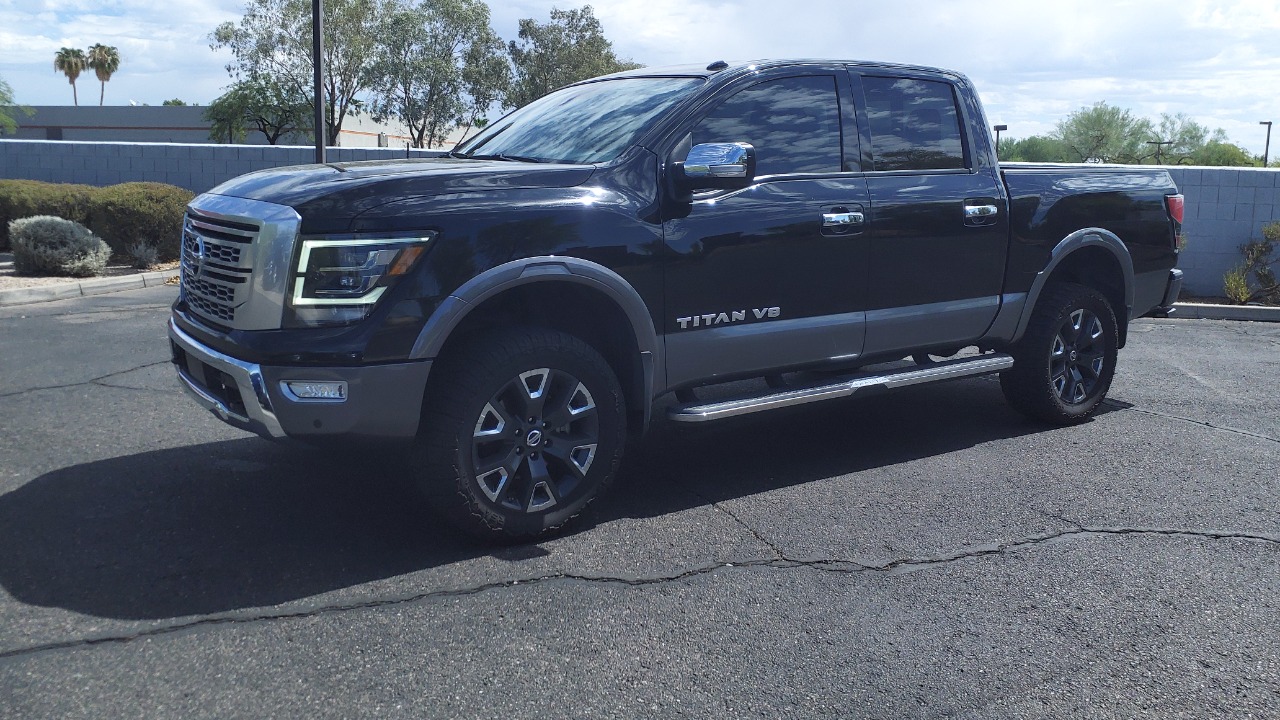
Nissan made its Safety Shield 360 suite, which includes automatic emergency braking, blind-spot warning, and rear cross-traffic alert, standard across every 2020-and-newer Titan trim, a broader standard package than some full-size rivals offer without an options box checked. The move followed a light refresh that also stiffened the cab structure around the doors.
The Titan has not drawn the same volume of independent crash-test attention as its Detroit rivals simply because far fewer are sold, so a shopper weighing it against a Silverado or F-150 is comparing a smaller test sample rather than a weaker truck.
8. Ford F-250 Super Duty: Built Heavy, Tested Differently
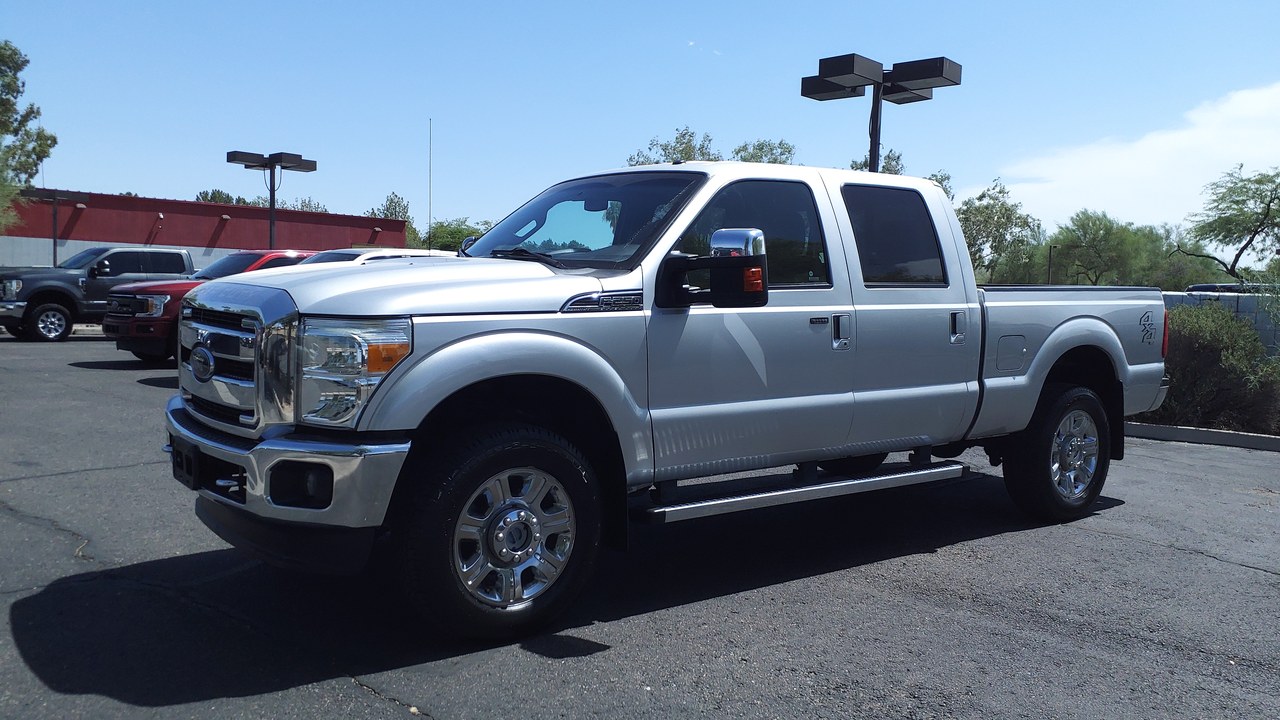
Heavy-duty pickups like the F-250 exceed the roughly 8,500-pound gross weight ceiling that both NHTSA’s five-star program and IIHS testing use to define a standard passenger vehicle, so neither agency crash-tests the Super Duty the way it tests a half-ton F-150. The Super Duty’s own design history instead centers on a fully boxed, high-strength-steel frame built for towing loads far beyond a half-ton’s capacity.
That means a shopper cannot point to a star rating or a Top Safety Pick badge for this class the way they can for a half-ton, and should instead judge the Super Duty on its frame gauge, cab reinforcement, and the size of its optional tow-focused safety features.
9. Honda Ridgeline: The Unibody Outlier
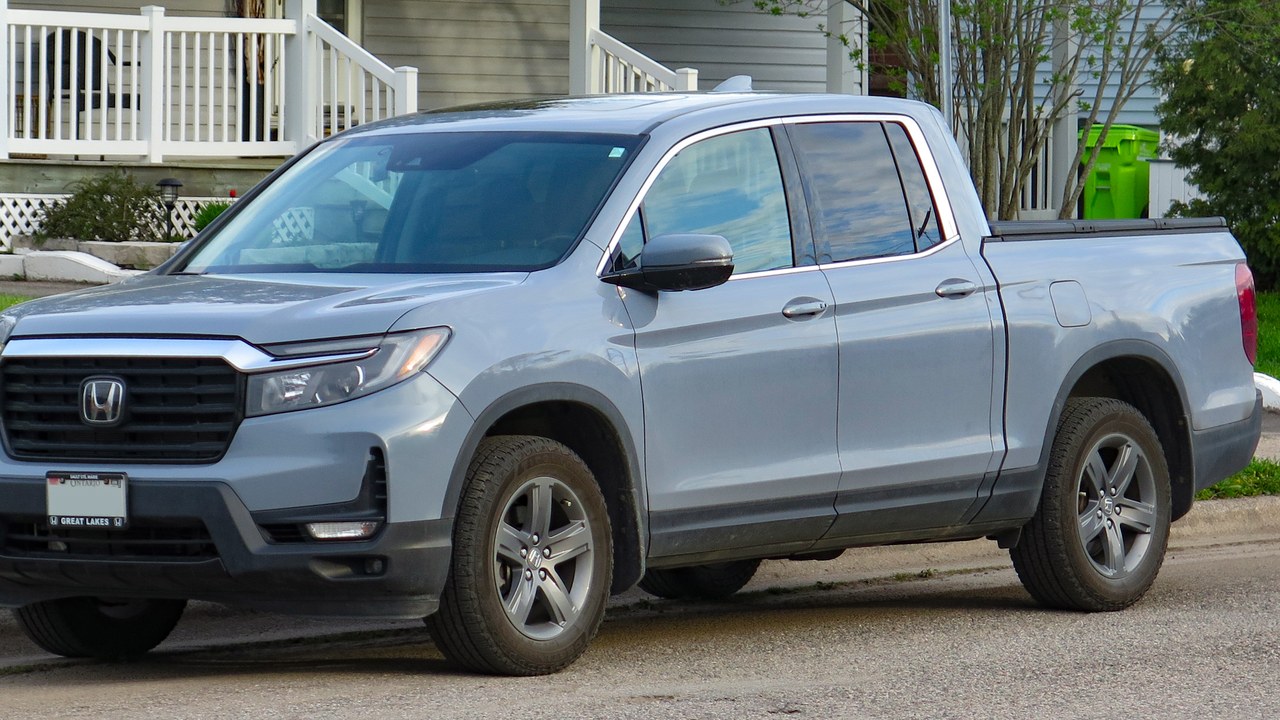
Because the Ridgeline shares its unibody structure with the Pilot SUV rather than sitting on a body-on-frame chassis, IIHS testing of the Ridgeline has awarded it Top Safety Pick status in multiple model years, and NHTSA rated it five stars overall. That construction spreads crash energy through a continuous cage rather than a separate bed and cab bolted to a ladder frame.
The tradeoff shows up in towing and off-road capability, where the Ridgeline lags body-on-frame rivals, so a buyer choosing it for the safety scores is trading some heavy-duty ability for a structure that behaves more predictably in a crash.
More from Morning Overview
- A granite sarcophagus surfaced in Egypt with its original lid still sealed
- The FBI tells phone owners to delete these toll-payment texts draining accounts nationwide
- Herbal supplements are landing Americans in the hospital with liver damage, doctors warn
- Long-term use of common heartburn pills is linked to kidney and dementia risk
