
Automatic emergency braking that reacts to a person stepping into the road is now a headline safety feature, yet the Insurance Institute for Highway Safety grades plenty of popular models short of its top mark. Some shortfalls are mild and some are severe, and they turn up on both family crossovers and work trucks. Here are nine SUVs and pickups that fall below Good at braking for a pedestrian.
1. Dodge Durango: Poor Marks From the Start
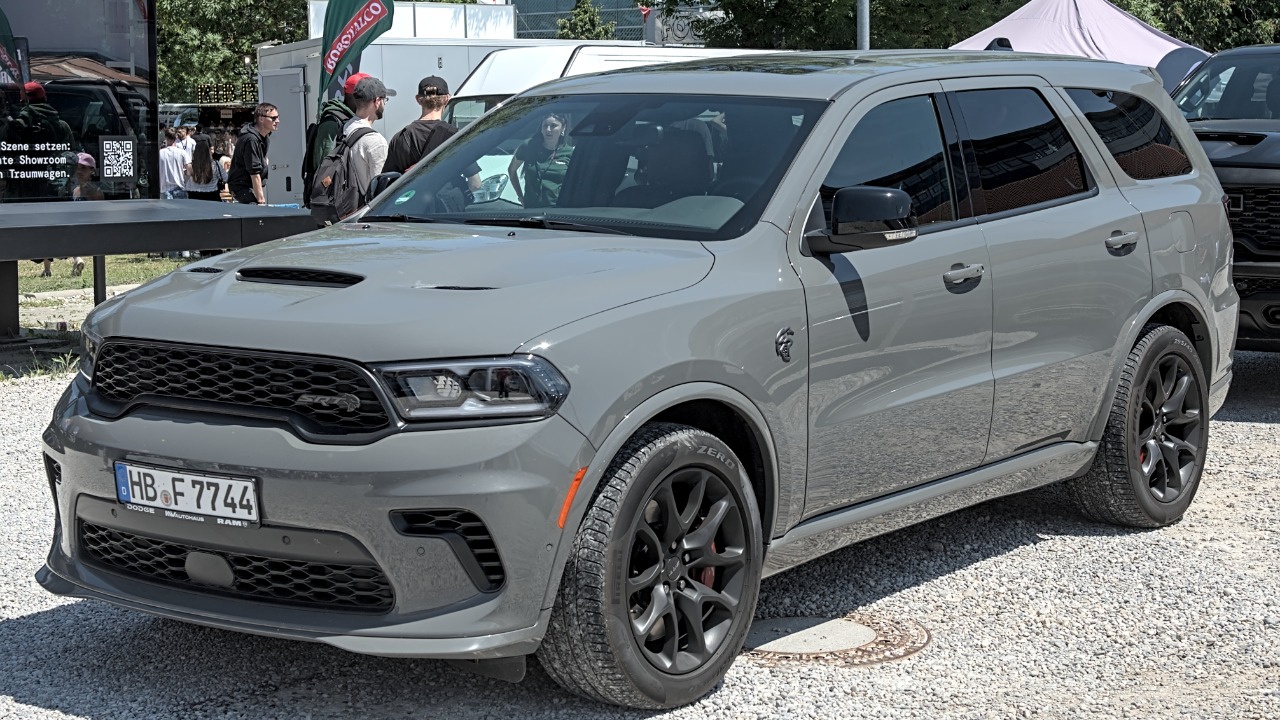
The Dodge Durango sits at the bottom of the scale in the IIHS pedestrian crash prevention rating, where it is rated Poor. That grade is the lowest IIHS hands out, meaning the system’s ability to detect a person and slow the vehicle before impact falls well short of what the institute wants to see.
Shoppers weighing the three-row Durango for family duty should treat the grade as a real gap in its driver-assistance package. Test the system on a drive, ask what it does at speed, and keep eyes up regardless, because the rating suggests the car cannot be trusted to rescue a distracted driver.
2. Honda Ridgeline: Another Poor Grade
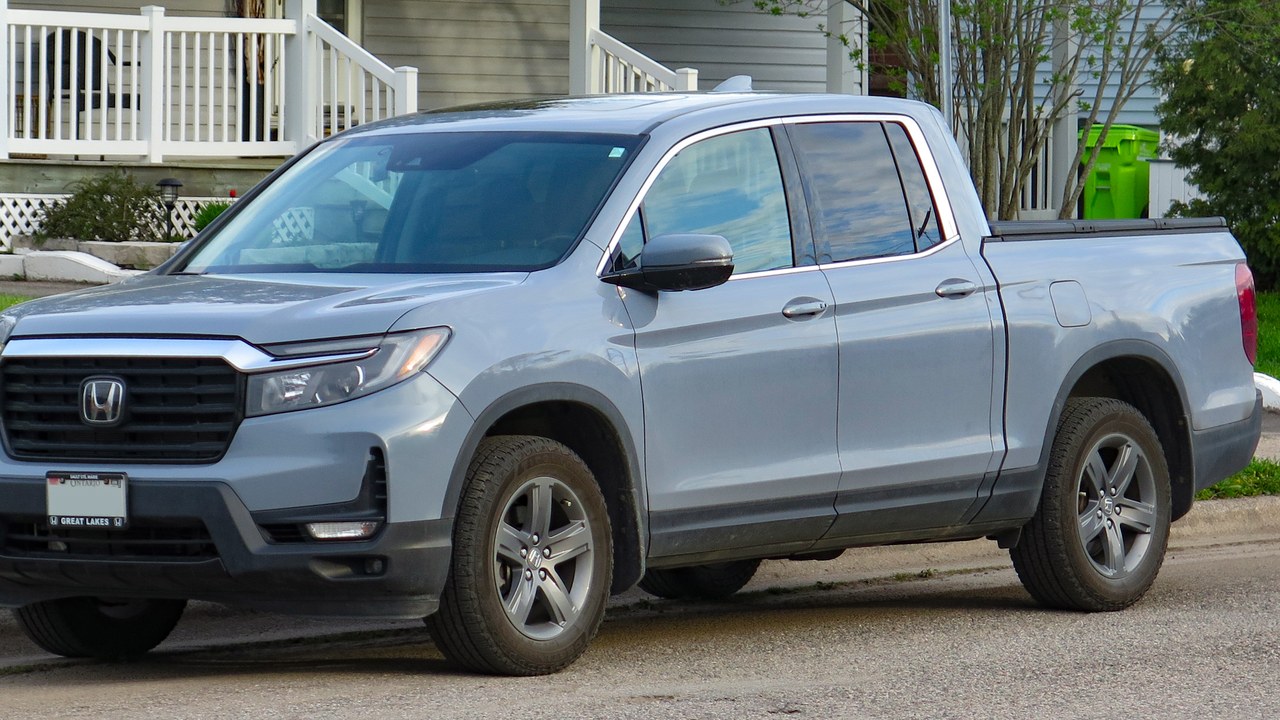
Pickup trucks are not exempt, and the Honda Ridgeline lands in the same bottom tier as the Durango. The IIHS Ridgeline pedestrian grade marks it Poor at detecting and braking for people on foot, an unwelcome result for a truck often chosen as a comfortable family vehicle.
Anyone who parks in busy lots, drives school routes or works around foot traffic should note that the Ridgeline’s automatic braking is not a safety net for pedestrians. Careful speeds and active scanning matter more than the feature does, and rivals with better grades deserve a look.
3. Chevrolet Trax: Marginal Out of the Gate
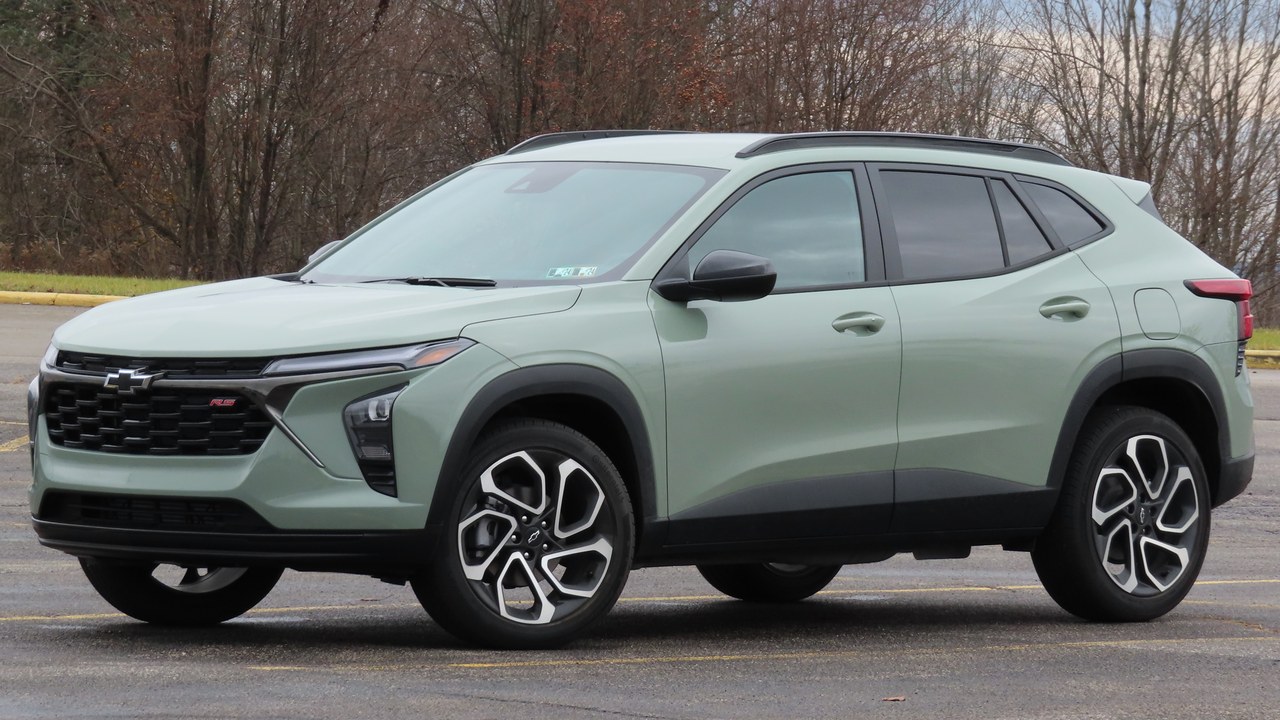
Chevrolet’s small crossover earns a Marginal in the Trax pedestrian crash grade, one step above Poor but still two steps beneath the Good rating the institute treats as the goal. Marginal signals a system that sometimes reacts and sometimes does not.
The Trax is an affordable commuter, and buyers at that price often rely on included safety tech. Here that reliance deserves caution. A driver who expects the car to stop for a person in the road may be disappointed, so attention behind the wheel remains the primary defense.
4. Chevrolet Trailblazer: Same Grade as Its Sibling
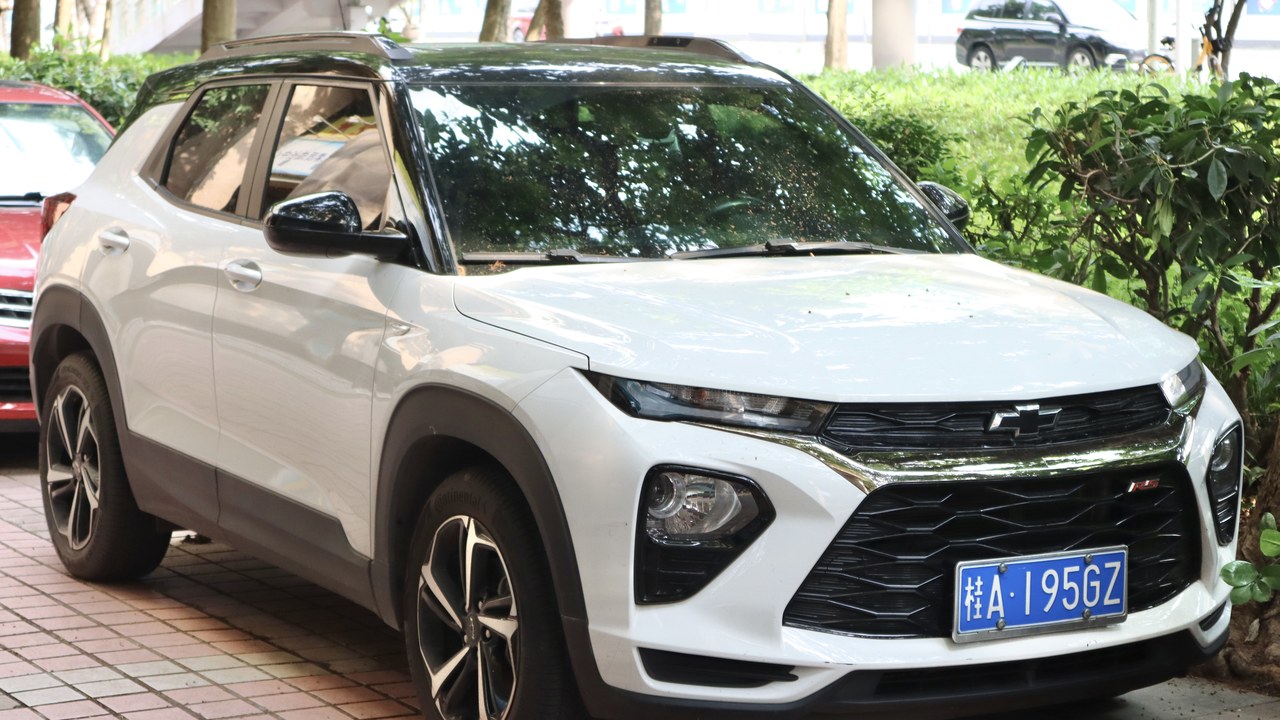
Corporate cousins often share hardware, and the Chevrolet Trailblazer shows it, scoring Marginal just as the Trax does. The Trailblazer IIHS evaluation puts the two vehicles in the same pedestrian-braking bracket, so neither stands out from the other.
For someone cross-shopping the pair, this grade is a wash and the decision falls to size, price and comfort. It also hints that the shared braking approach has room to improve, which makes it worth asking dealers about software updates and about competitors that earn higher marks.
5. Buick Encore GX: Detection Falls Short
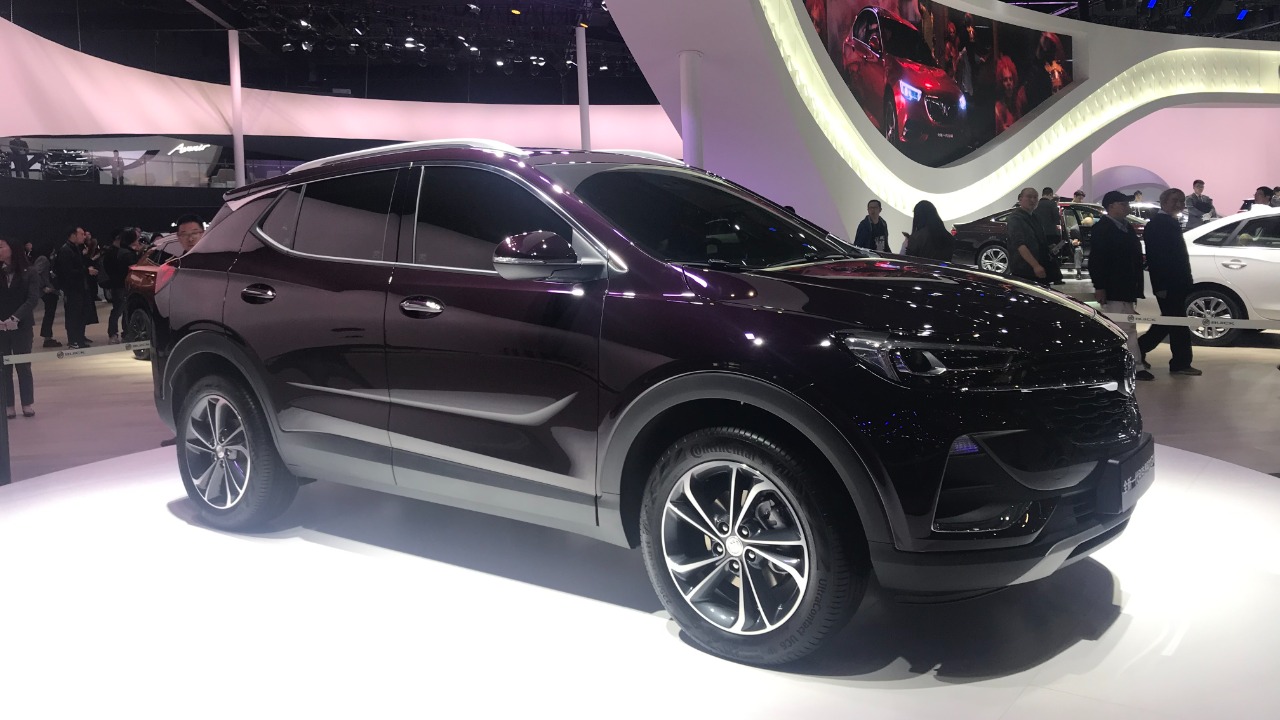
Luxury badges do not guarantee better pedestrian protection. The Buick Encore GX is graded Marginal in the Encore GX pedestrian rating, meaning its detection and braking for someone crossing ahead only partly meets the institute’s expectations.
The Encore GX appeals to buyers who want a quiet, upscale small crossover for city driving, exactly where pedestrians are most common. Those drivers should know that the Marginal result means the technology is only a partial safeguard, and that anticipating foot traffic themselves is still the dependable way to avoid a collision.
6. Volkswagen Taos: Two Weak Spots
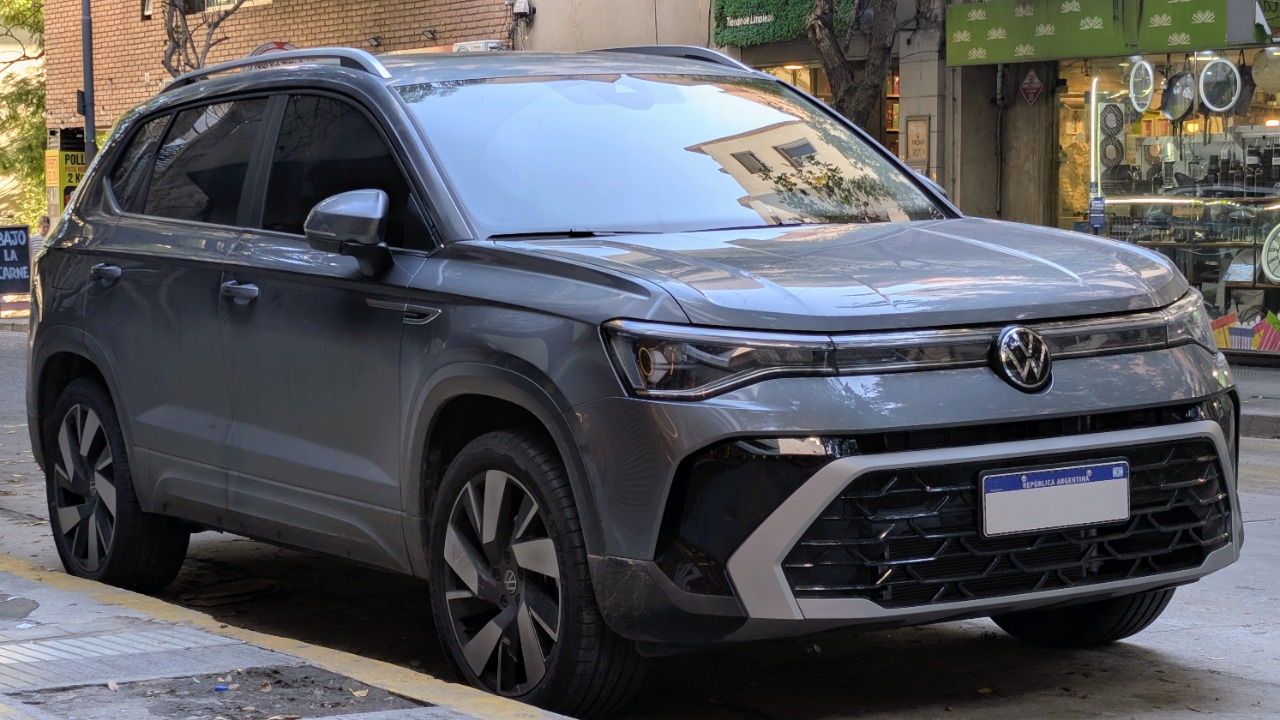
The Volkswagen Taos carries a Marginal pedestrian grade, and the Volkswagen Taos safety grades shows it also has Poor belt reminders. Two separate shortcomings in assistance features make the small crossover’s overall driver-aid story uneven.
Families who put children or passengers in the back will care about the seat belt reminder as much as the braking result. Shoppers comparing small crossovers should weigh both results together, since a car that is only Marginal at braking and Poor at reminding occupants to buckle up leaves less margin than rivals with cleaner records across the board.
7. Ford Bronco: Rugged but Marginal
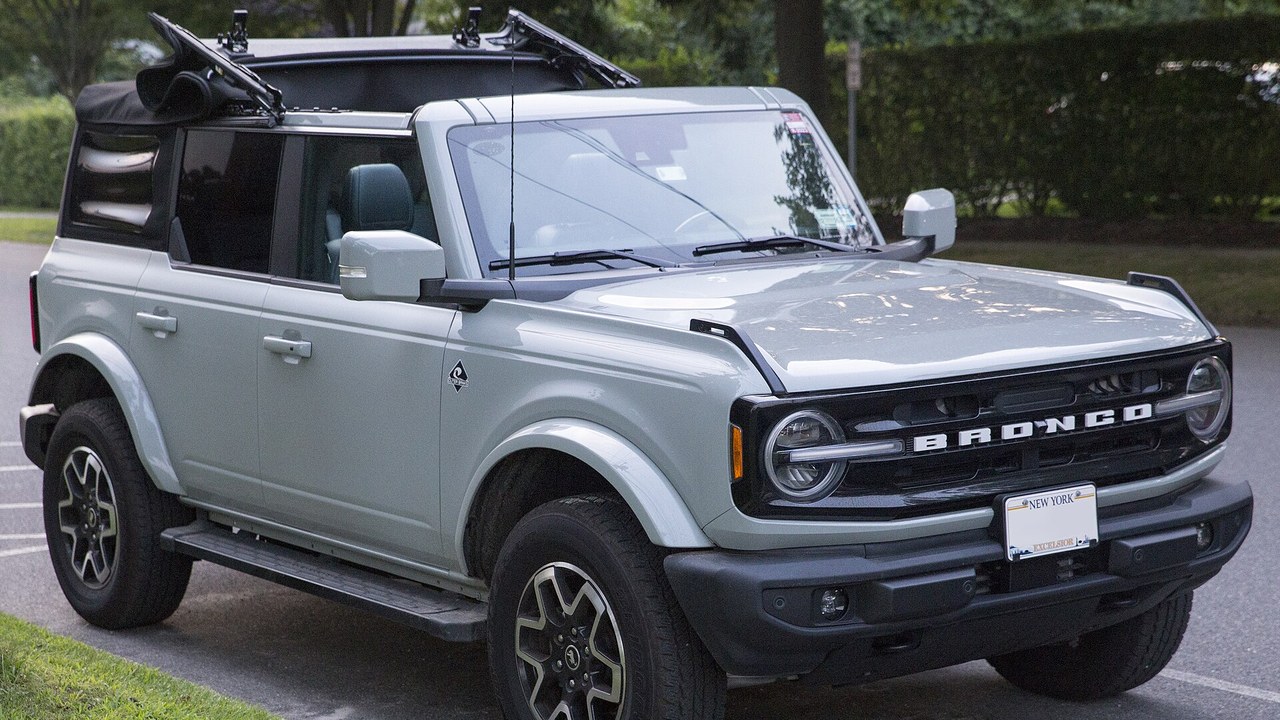
Off-road image is no help on pavement. The Ford Bronco is rated Marginal at stopping for a pedestrian in the Bronco braking performance, a middling result for a vehicle sold on capability and character.
Most Broncos spend their lives on ordinary roads and in parking lots, where walkers and cyclists appear unexpectedly. Buyers drawn by the trail credentials should remember that the automatic braking is only partly dependable, and drive accordingly in town, where the stakes for a missed detection are highest and the reaction time is shortest.
8. Honda CR-V: Best-Seller, Only Acceptable
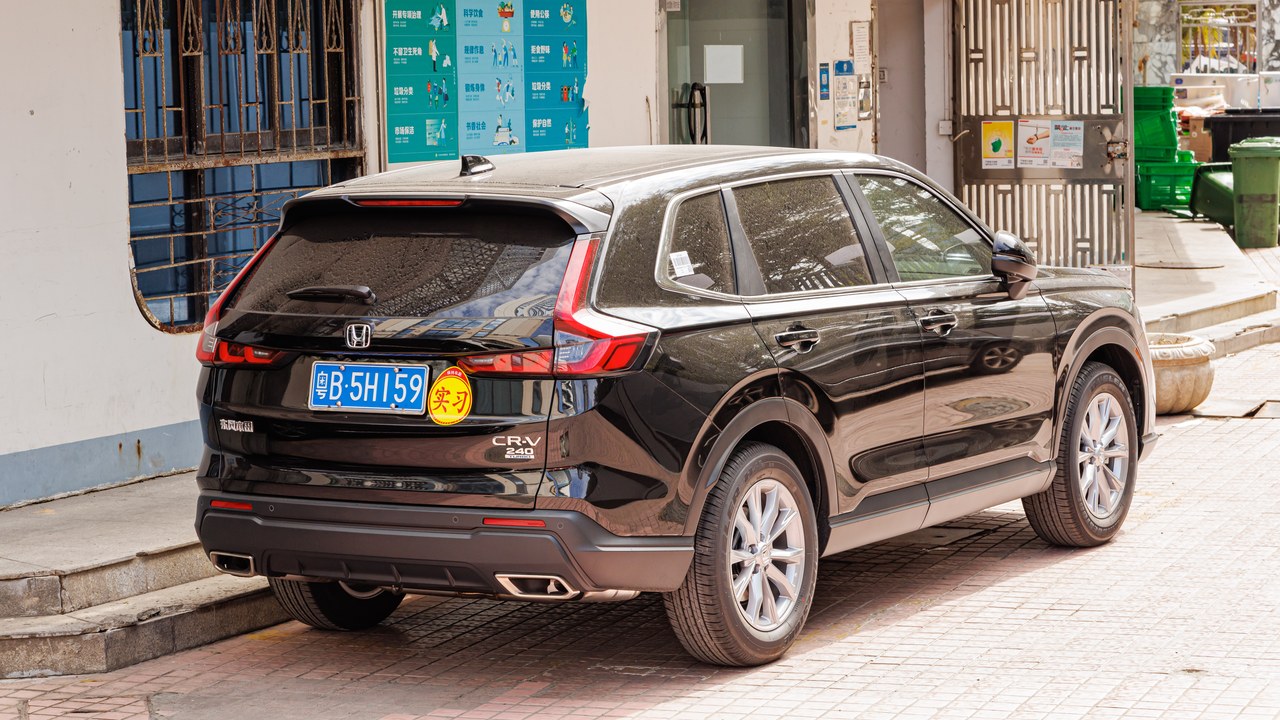
Even popular favorites miss the top mark. The Honda CR-V, one of America’s best-sellers, is rated Acceptable in the CR-V pedestrian result, which is the second-best grade but still below Good.
Acceptable is a respectable outcome, far from the Poor and Marginal grades elsewhere on this list. Buyers need not rule the CR-V out, though they should understand that a stronger system exists elsewhere and that the vehicle’s sales volume says nothing about how well it brakes for people. A test drive with that question in mind is worthwhile.
9. Toyota Tundra: Crew Cab Comes Up Short
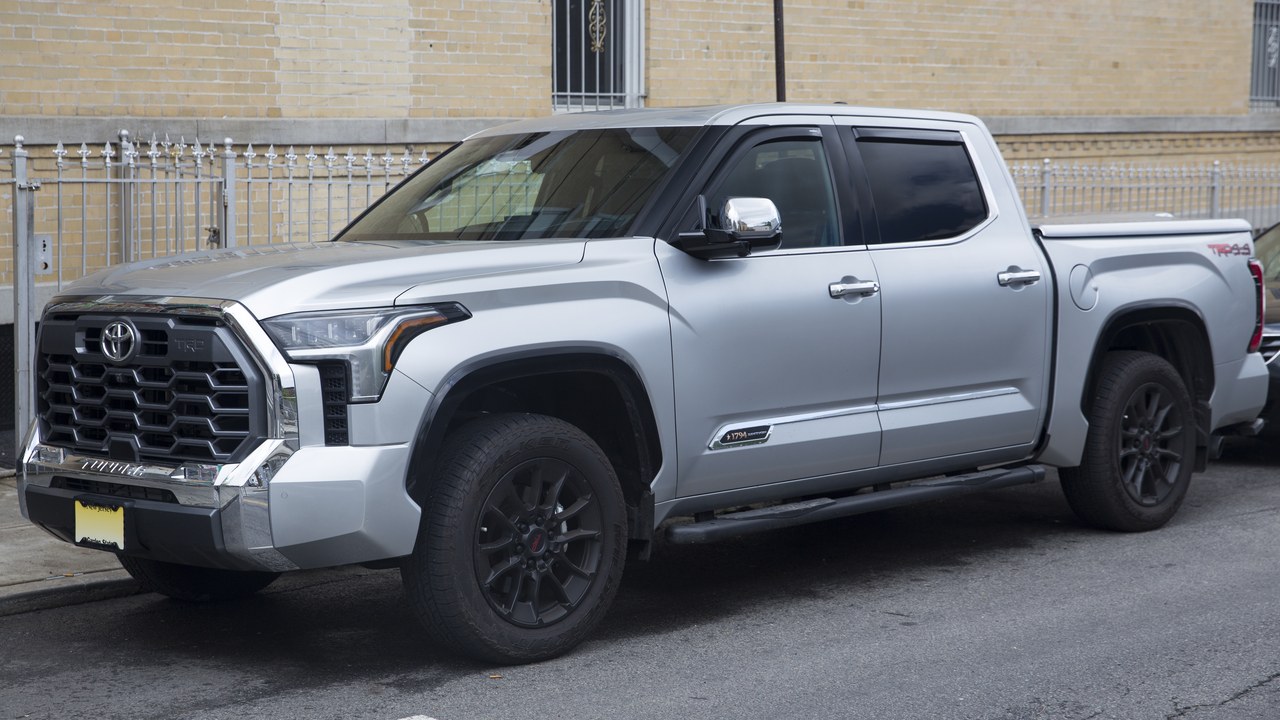
Full-size trucks are held to the same test, and the Toyota Tundra crew cab earns Acceptable rather than Good in the Tundra IIHS crew cab grade. It avoids the lower grades but stops one rung short of the best.
The Tundra’s result is among the milder on this list, so owners are not facing an alarming deficiency. Truck drivers still sit high with limited sightlines near the hood, which makes extra caution around pedestrians sensible in parking lots and at crosswalks, even when the braking system is working as designed.
More from Morning Overview
- Supplements now rank as the fifth-leading cause of death from liver disease.
- Herbal supplements are landing Americans in the hospital with liver damage, doctors warn
- General Motors is switching on cameras that record inside your vehicle by update
- A geomagnetic storm is forecast to hit Earth today, pushing the northern lights unusually far south
