
Scissor and butterfly doors turn an ordinary supercar reveal into a spectacle, swinging upward instead of out to clear tight paddocks and narrow curbs. The mechanism started as a practical fix for low, wide bodies before becoming a status symbol in its own right, copied by brands chasing the same theatrical unveiling. Here are nine cars that made dramatic doors part of their identity.
1. Lamborghini Countach: The Original Scissor Door
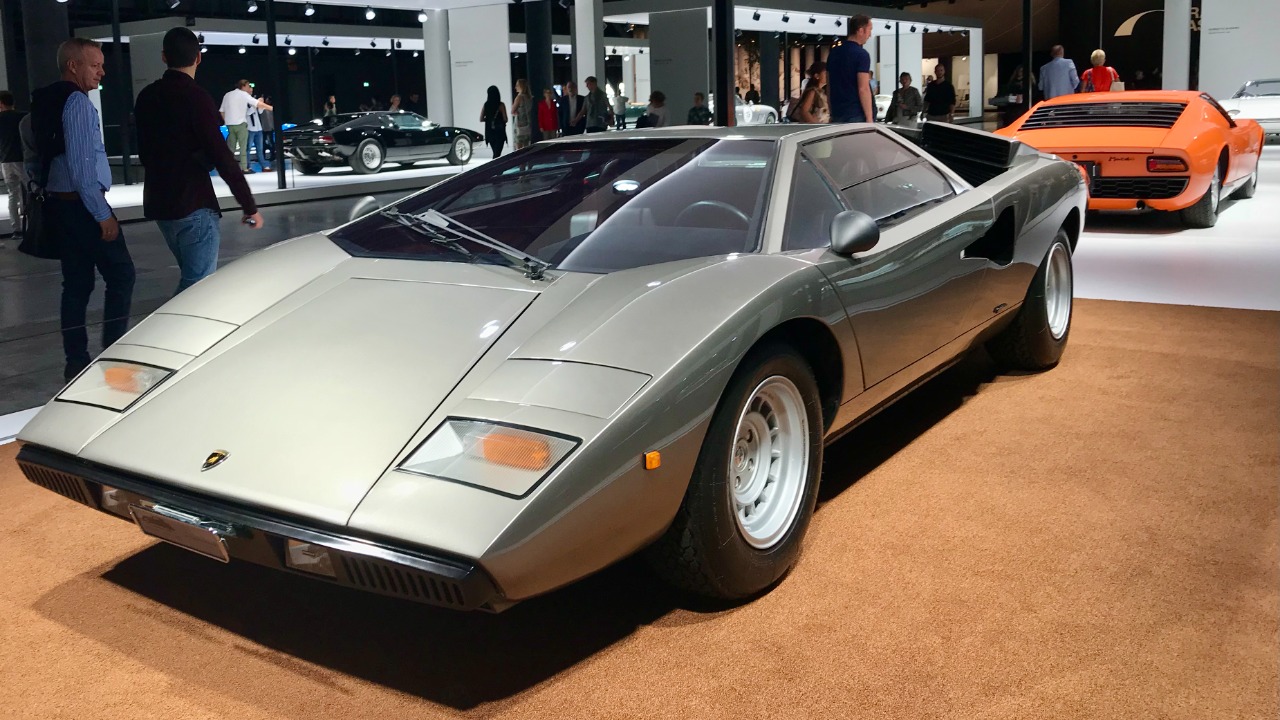
Marcello Gandini’s wedge-shaped Countach design was so low and wide that conventional doors could not swing open without hitting a curb or a neighboring car, so Lamborghini hinged the doors upward from the A-pillar instead. The fix became the car’s signature, turning a packaging problem into free advertising every time the doors went up in a parking lot.
Lamborghini kept the mechanism on every flagship that followed, and rival brands eventually borrowed it too, but the Countach is the reason scissor doors are read as a Lamborghini trait before anything else.
2. Lamborghini Diablo: Lamborghini’s First 200-MPH Car
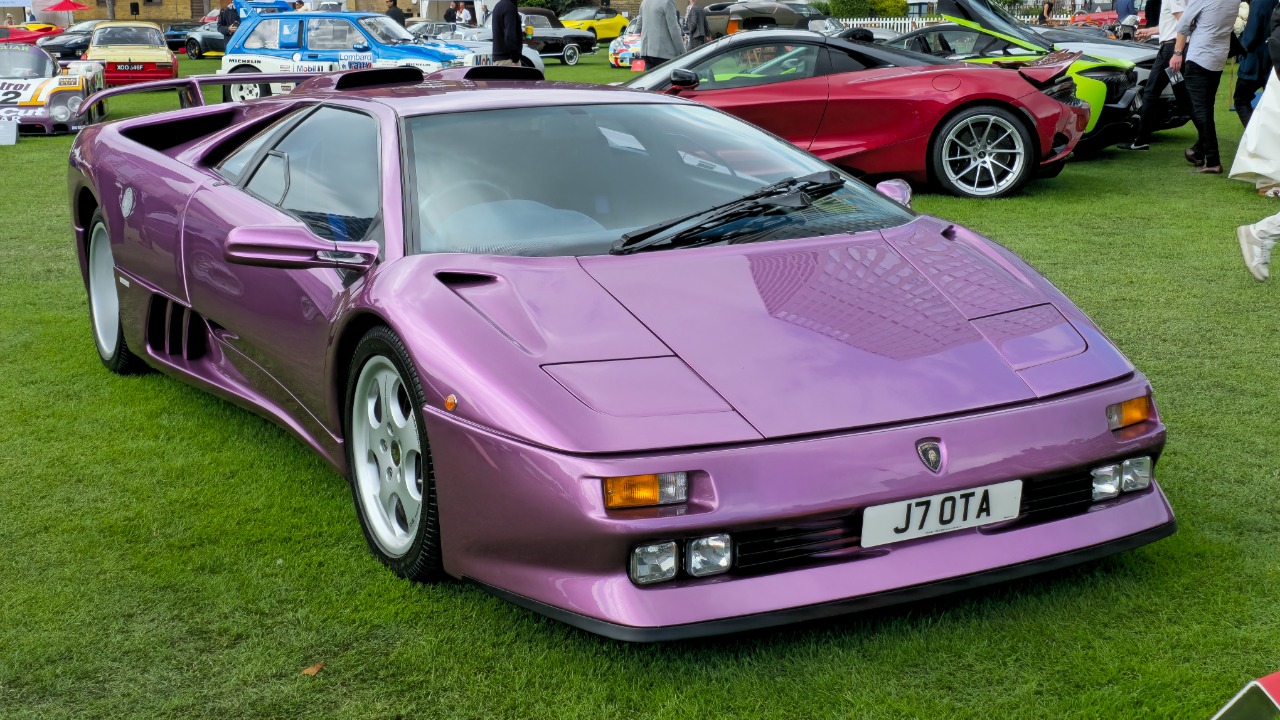
The Diablo’s V12 pushed the Countach’s scissor-door formula past 200 mph, a threshold no Lamborghini road car had reached before it arrived in 1990. Chrysler’s ownership softened Marcello Gandini’s original angular sketch into rounder bodywork, but the doors stayed vertical, hinged from the same A-pillar mounts as its predecessor, and the cabin sat only slightly higher off the ground than the car it replaced.
A four-wheel-drive VT variant later added grip for the extra power, and a targa-topped Roadster joined the lineup too, but the Diablo carried the scissor-door identity through the 1990s until Lamborghini’s next flagship took over the job.
3. Lamborghini Murciélago: Audi-Era Scissor Doors

The Murciélago’s side intakes fed a naturally aspirated V12 mounted behind the cabin, and it arrived in 2001 as the first Lamborghini flagship built under Audi ownership. Scissor doors carried over unchanged, proof that Volkswagen Group’s new engineering discipline was not going to touch the one detail buyers cared about most.
All-wheel drive became standard rather than optional, a shift from the Diablo era, and the car’s dramatic vertical doors kept doing the same job they had done since the Countach: announcing the car before the engine even started.
4. Lamborghini Aventador: The Modern Scissor-Door Flagship

The Aventador’s carbon monocoque replaced the Murciélago’s aluminum-and-carbon structure in 2011, pairing a 6.5-liter naturally aspirated V12 with scissor doors that had by then become non-negotiable for any Lamborghini flagship. Pushrod suspension borrowed from racing kept the body low enough that the doors still made engineering sense, not just theater.
Lamborghini built the Aventador for more than a decade before retiring it in 2022, and its hybrid successor kept the same door mechanism, confirming it as permanent Lamborghini brand language rather than a one-model gimmick.
5. BMW i8: A Hybrid With Butterfly Doors
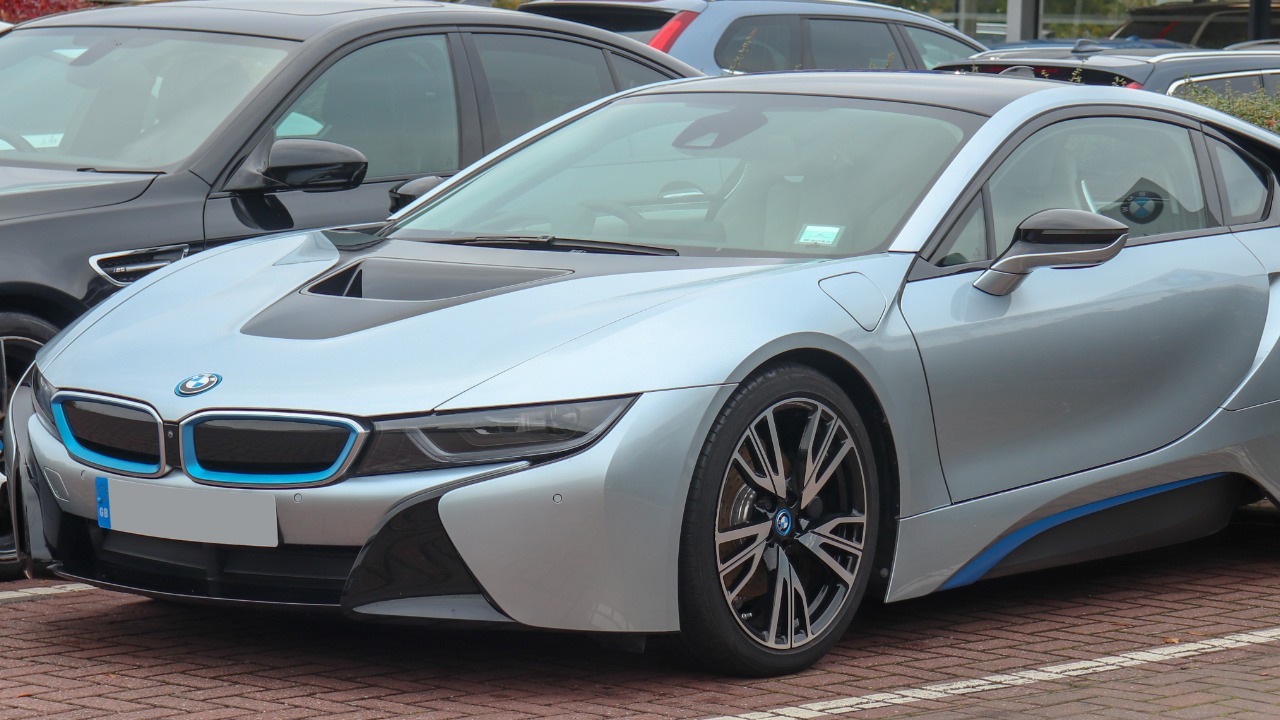
BMW built the i8’s carbon passenger cell around a plug-in hybrid drivetrain, pairing a turbocharged three-cylinder engine with an electric motor rather than the big naturally aspirated engines its scissor-door rivals used. Butterfly doors hinged forward and up, a styling cue borrowed from the supercar world and grafted onto a car built for efficiency, and the low, wide body made the wide-opening doors just as useful as they were dramatic.
The i8 proved dramatic doors were not exclusive to million-dollar exotics, and it remained BMW’s only production car to wear them, a rare styling swing for a company better known for conservative sedans, before the model was discontinued in 2020.
6. McLaren F1: A Three-Seat Legend
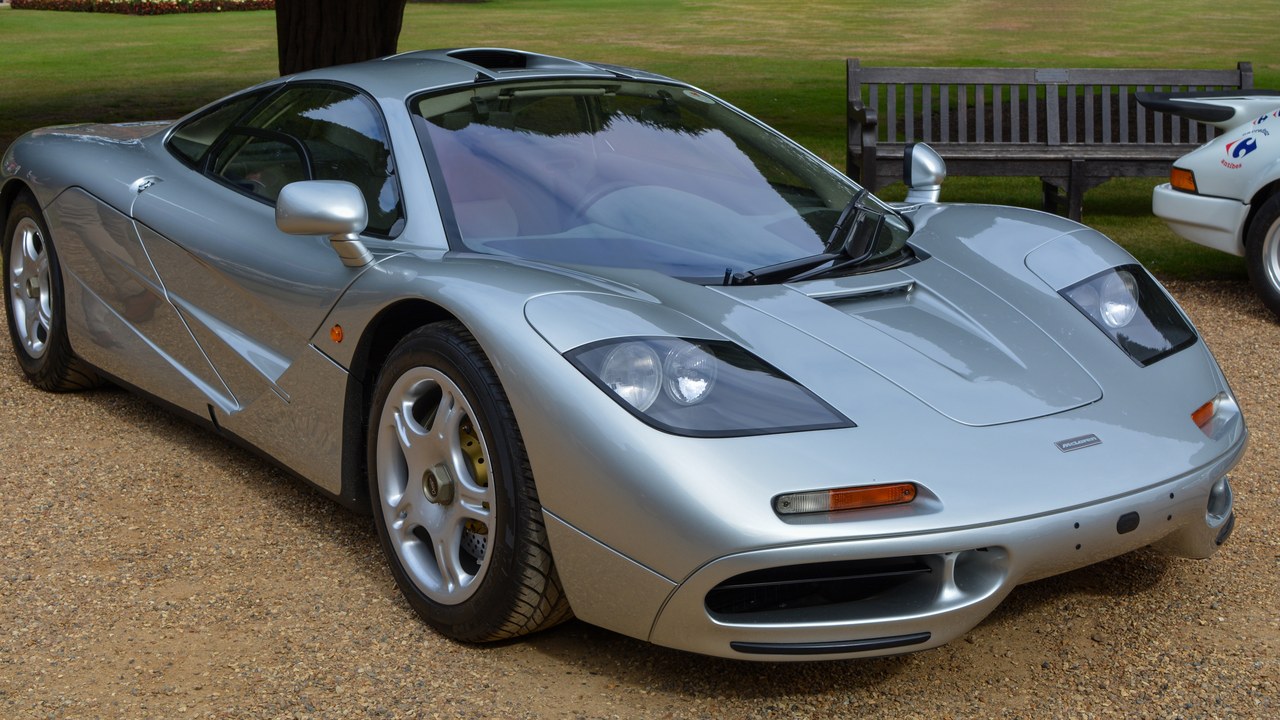
Gordon Murray built the F1’s central driving seat on the car’s centerline with two passenger seats set slightly behind it, and the dihedral doors swung upward to make that unusual three-across layout possible to enter. The car went on to set a 240-mph production-car speed record in 1998, a mark no other road car beat for seven years.
Only 106 examples were built in total across road and racing versions, and the F1’s doors are remembered today less as a gimmick than as a solution to a seating layout nobody else attempted.
7. Mercedes-Benz SLS AMG: Gullwing Doors, Revived
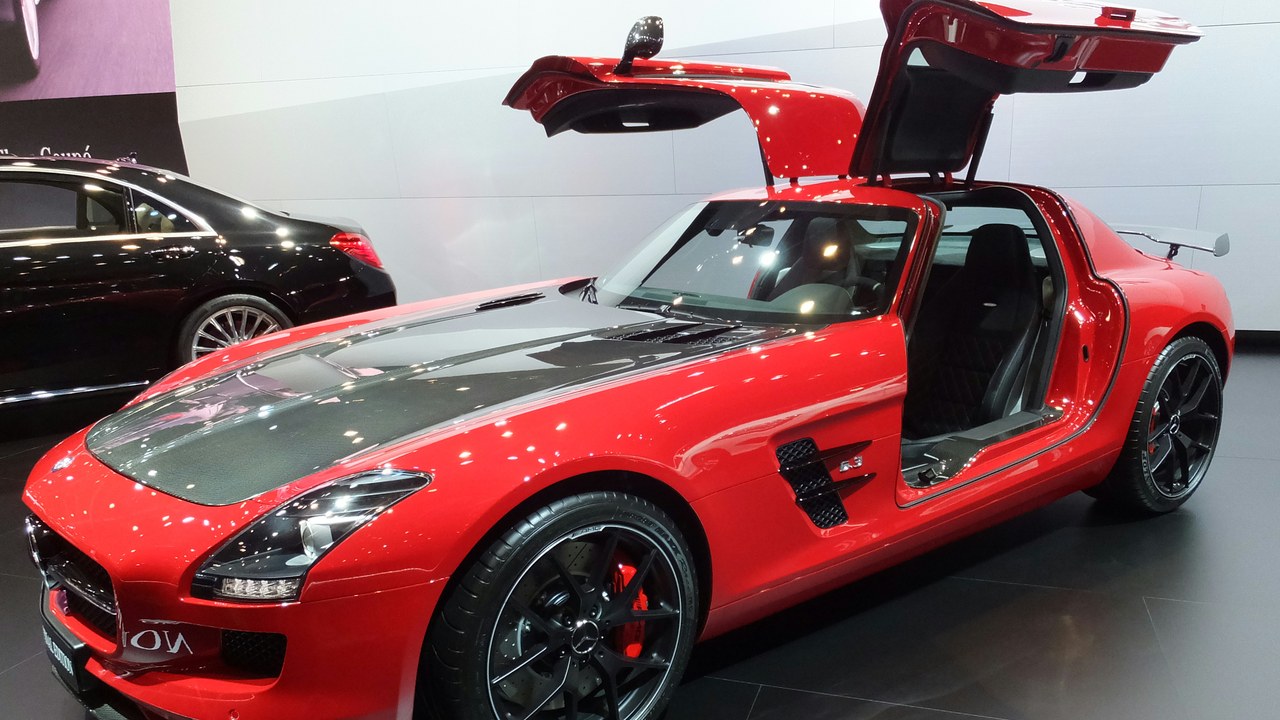
The SLS AMG’s gullwing doors hinged from the roofline rather than the A-pillar, a direct callback to the 1954 300 SL that made the mechanism famous decades before Lamborghini adopted scissor doors of its own. A naturally aspirated 6.2-liter AMG V8 sat behind the front axle, giving the revival a front-mid-engine layout closer to the original than a modern supercar norm.
Mercedes built the SLS through 2014 before retiring gullwing doors again, keeping the detail rare enough that each revival still reads as an event rather than a standard feature.
8. Toyota Sera: A Compact Coupe’s Big Surprise
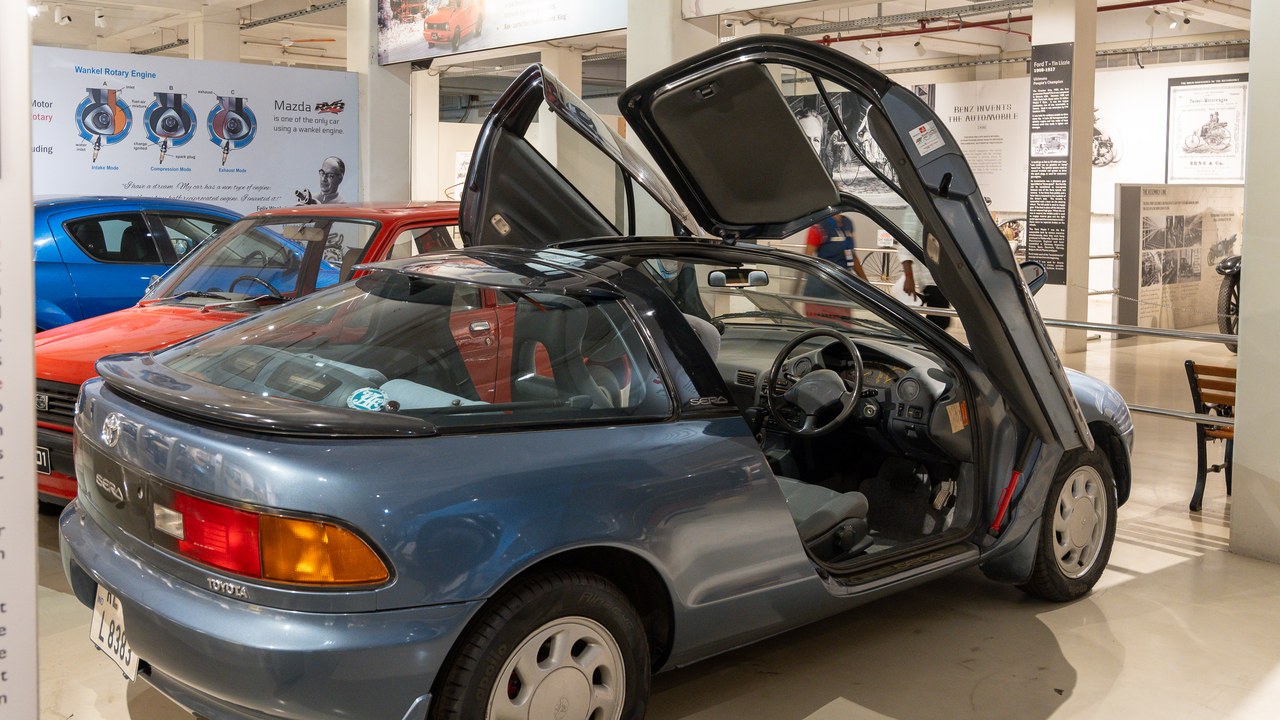
Toyota sold the Sera’s glass butterfly doors on a small Japan-market coupe built from Starlet economy-car underpinnings, proving the mechanism was not reserved for exotic flagships. Glass panels extended into the roof as well, wrapping the cabin in a canopy that made the compact car feel far more exotic than its modest four-cylinder engine suggested.
Toyota never exported the Sera in volume, so most examples stayed in Japan, and the car remains a reminder that dramatic doors can show up on an economy platform, not just a supercar.
9. Alfa Romeo 33 Stradale: A Limited-Run Revival
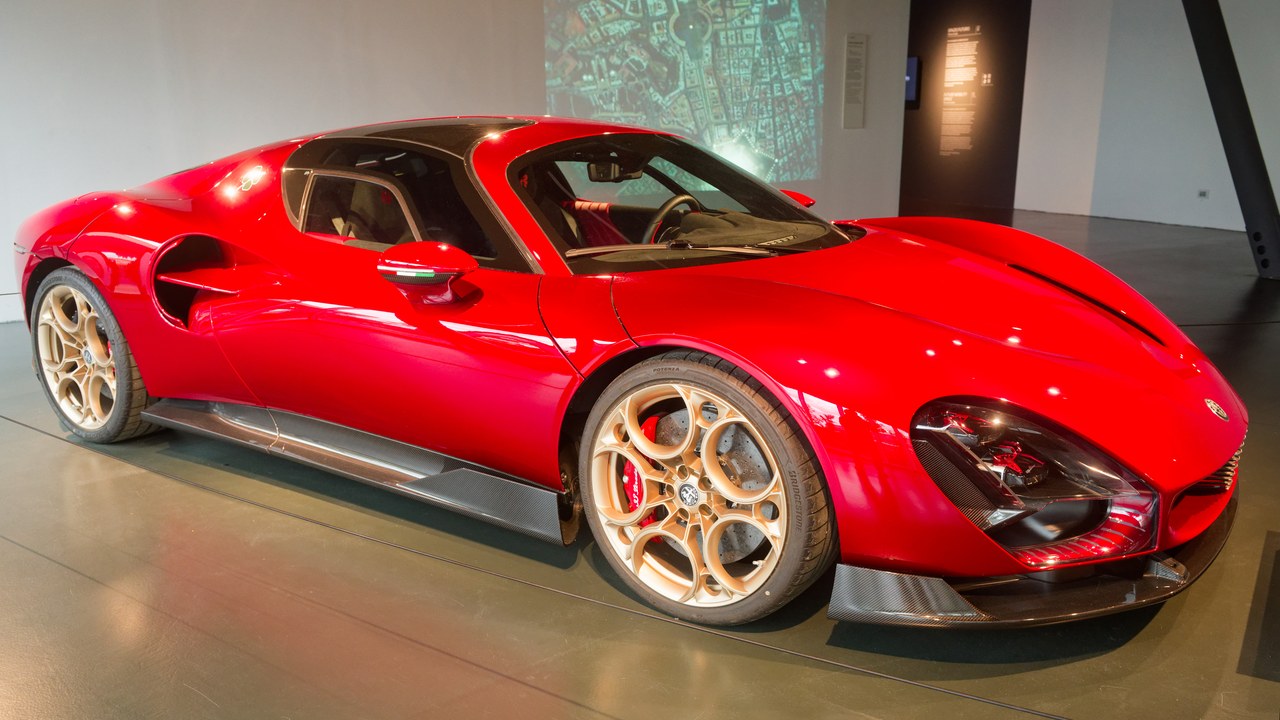
Alfa Romeo limited the 33 Stradale’s butterfly doors to just 33 examples, a direct nod to the 1967 original the new car was built to honor. Buyers could choose between a twin-turbo V6 gasoline engine or a fully electric powertrain, the first time Alfa Romeo offered both options on a single carbon-fiber-bodied model.
The doors carried over as one of the few details the 2023 car kept unchanged from six decades earlier, a deliberate link between the modern limited run and the original Stradale’s reputation.
More from Morning Overview
- Automakers are quietly dropping the stop-start feature many drivers love to hate
- A granite sarcophagus surfaced in Egypt with its original lid still sealed
- The FBI tells phone owners to delete these toll-payment texts draining accounts nationwide
- A second Maya city, hidden 2,500 years, has surfaced from Campeche’s forest on LiDAR maps
