
A basic pair of binoculars turns invisible patches of sky into sparkling star clusters and glowing clouds of gas, no telescope required. All it takes is a clear night, a few minutes for your eyes to adjust, and a general sense of where to look. Here are nine star clusters and nebulae bright enough to find with nothing more than a basic pair of binoculars.
1. Pleiades: The Seven Sisters Anyone Can Find
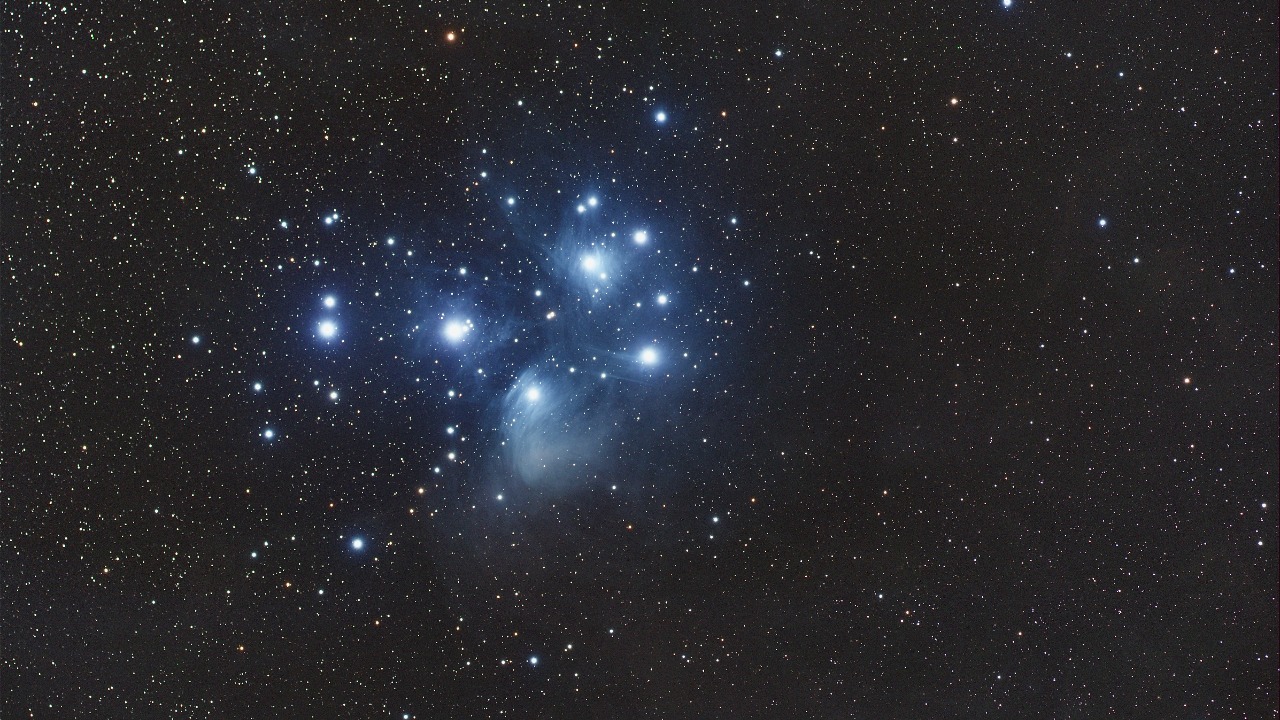
The Pleiades open cluster is the easiest deep-sky object on this list to find — six or seven stars are visible to the naked eye alone, tightly bunched in the shoulder of Taurus. Raise a pair of binoculars and that knot explodes into dozens of hot blue-white stars scattered across a field wider than the full moon, with fainter members fading in and out as your eyes adapt.
Look for it in Taurus, climbing highest in the evening sky from November through February, and easy to relocate once you’ve spotted its trademark cluster shape near Orion. Even suburban skies show the brightest stars, though a darker location brings out the fainter members between them.
2. Orion Nebula: A Stellar Nursery Visible to the Naked Eye
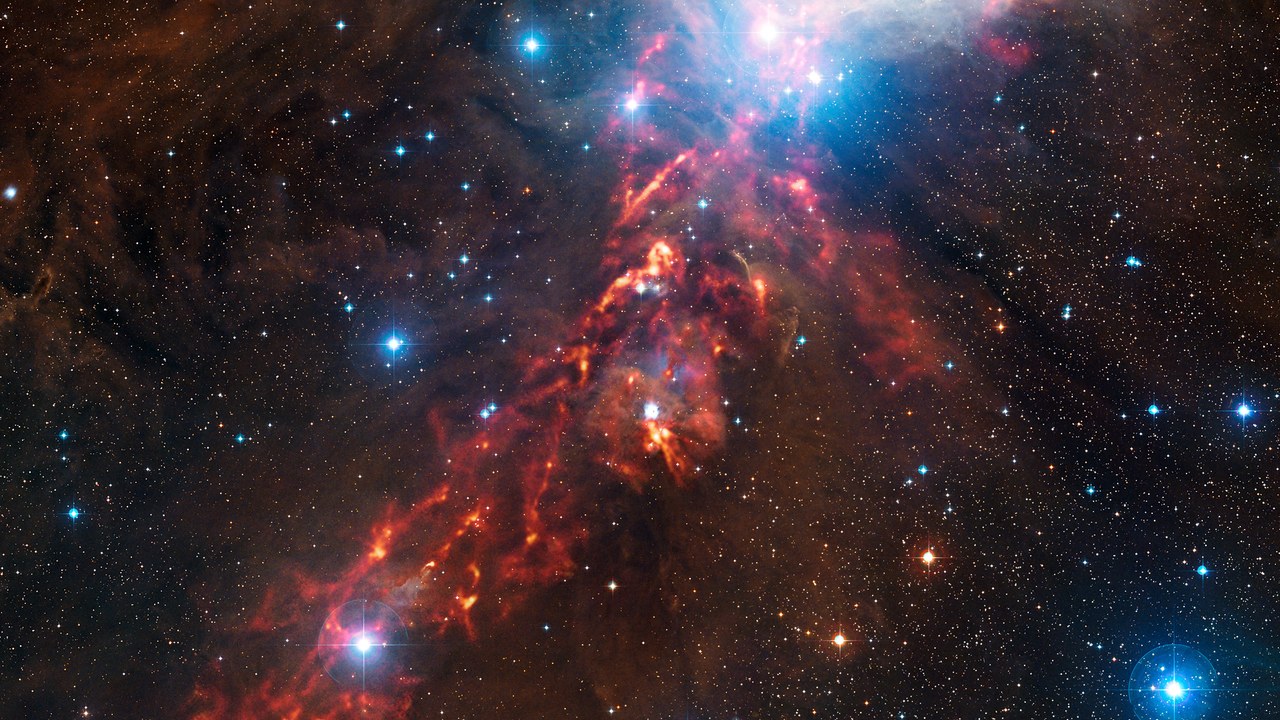
Just below the three stars of Orion’s Belt, the middle “star” of the sword isn’t a star at all — it’s a stellar nursery over 1,300 light-years away. To the naked eye it looks like a faint fuzzy patch; through binoculars it swells into a soft grey-green glow wrapped around a tight knot of newborn stars, with hints of wispy structure visible on steady nights.
Find it in Orion, highest in the evening sky from December through March, using the recognizable three-star belt as a signpost — the nebula sits just south of it. A dark, moonless night makes the surrounding glow noticeably larger and brighter.
3. Andromeda Galaxy: 2.5 Million Light-Years, No Telescope Needed
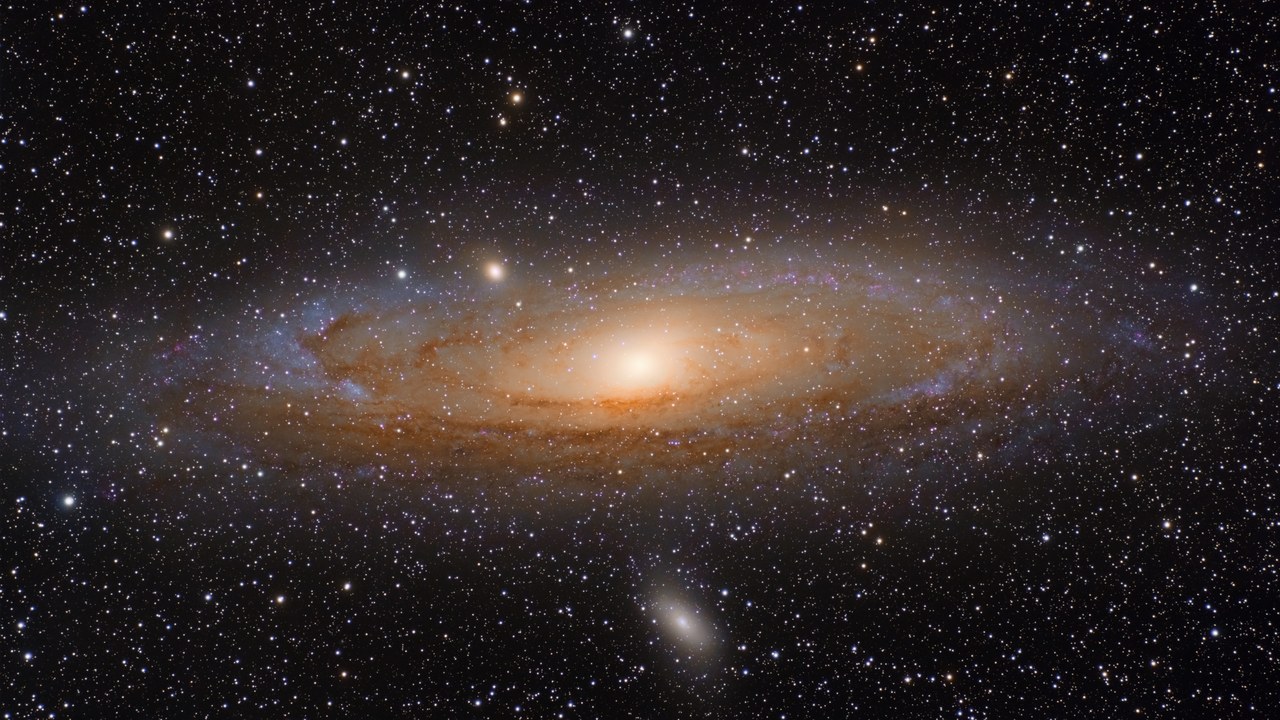
The Andromeda Galaxy is the most distant object most people will ever see without equipment, and under a reasonably dark sky it’s visible to the naked eye as a small, elongated smudge. Binoculars turn that smudge into a soft oval glow with a brighter, star-like core, though the spiral arms captured in long-exposure photos stay invisible — what you’re actually seeing is the galaxy’s bright central bulge.
Look for it in Andromeda, near Cassiopeia’s distinctive W shape, highest in the evening sky during autumn. Light pollution is the biggest obstacle here, more than for any other object on this list, so a genuinely dark site matters.
4. Beehive Cluster: A Swarm of Stars Hiding in Plain Sight
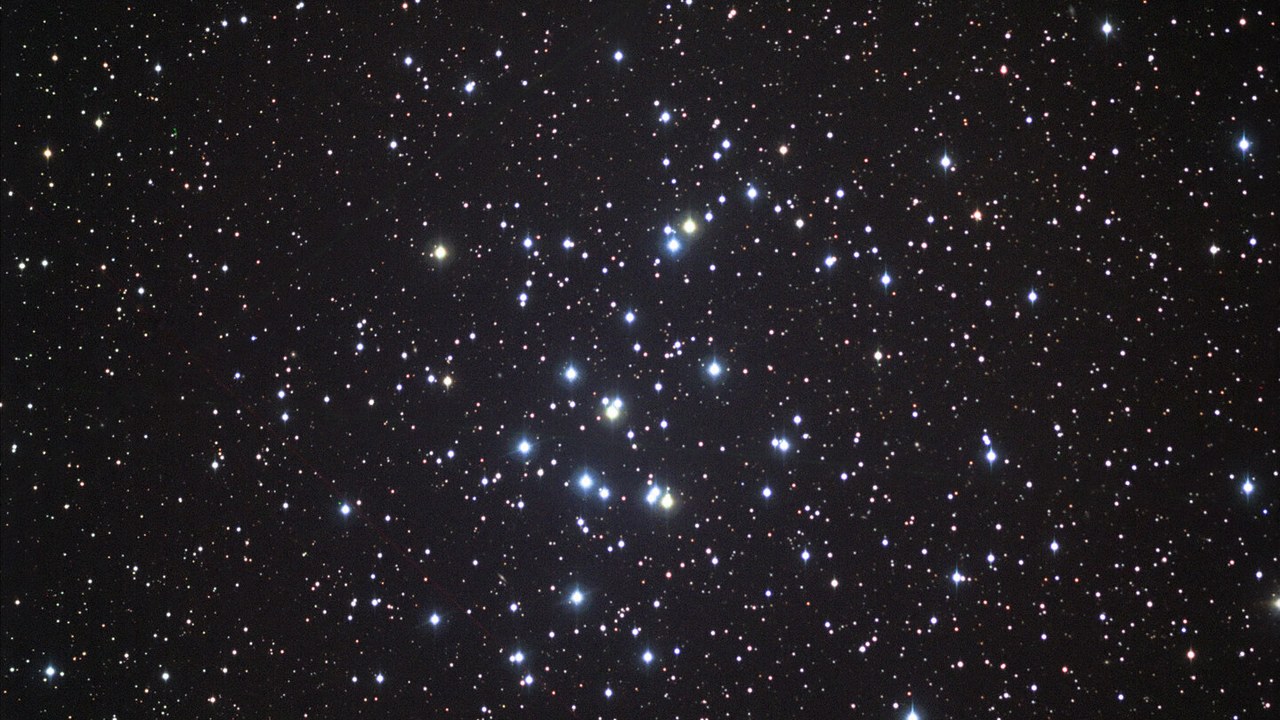
The Beehive Cluster looks like a faint, unremarkable haze to the naked eye, easy to miss unless the sky is dark. Binoculars change that instantly, resolving the haze into dozens of individual stars clustered together like a loose swarm, spread across a patch of sky roughly the width of three full moons side by side.
It sits in the faint constellation Cancer, best viewed on late winter and spring evenings when Cancer climbs high between Gemini and Leo. Because it’s a large, loose cluster, low-power binoculars actually show it better than a telescope would.
5. Hercules Cluster: A Globe of Stars Beyond Counting
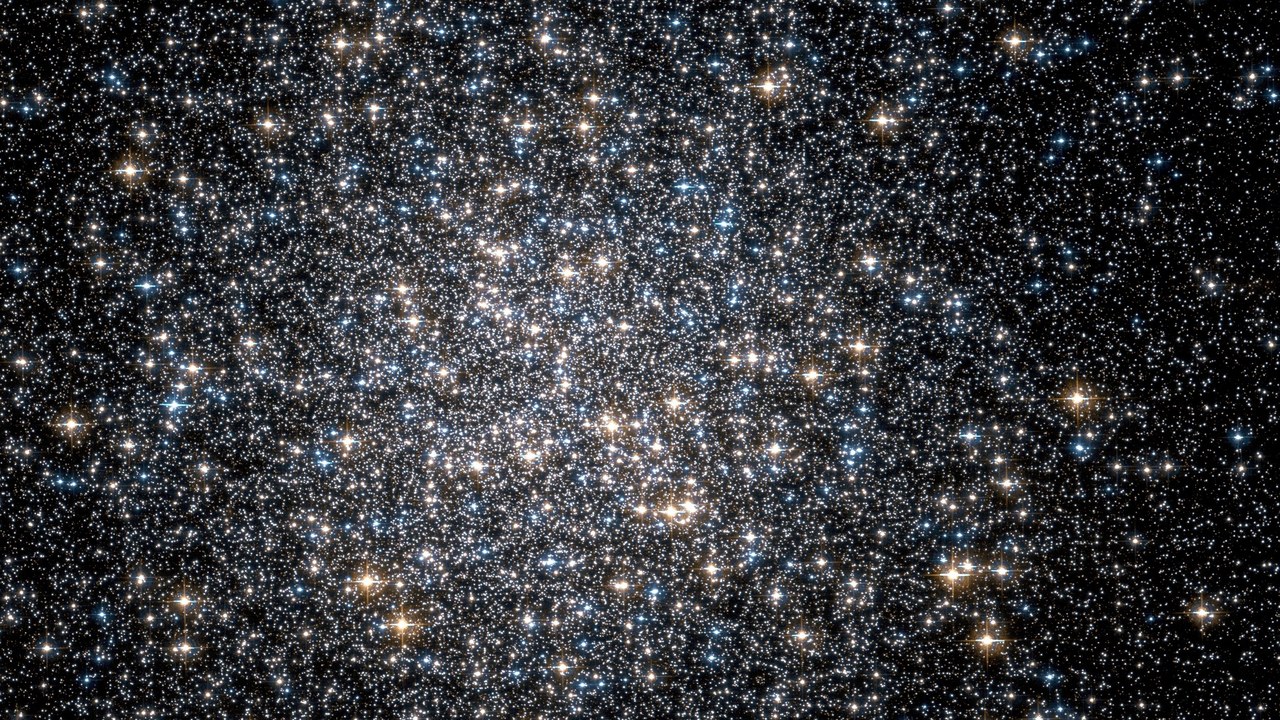
The Hercules Cluster, cataloged as Messier 13, is a tightly packed ball of several hundred thousand stars roughly 22,000 light-years away. Through binoculars it doesn’t resolve into individual stars — instead it appears as a small, round, softly glowing patch of light, distinctly brighter at the center than at its edges, unlike the flatter haze of a nebula.
Find it in the constellation Hercules, high overhead on summer evenings, between the stars Eta and Zeta Herculis. A telescope is needed to resolve individual stars at its edges, but binoculars are enough to spot the glow and confirm it’s a genuine globular cluster.
6. Double Cluster: Two Clusters for the Price of One
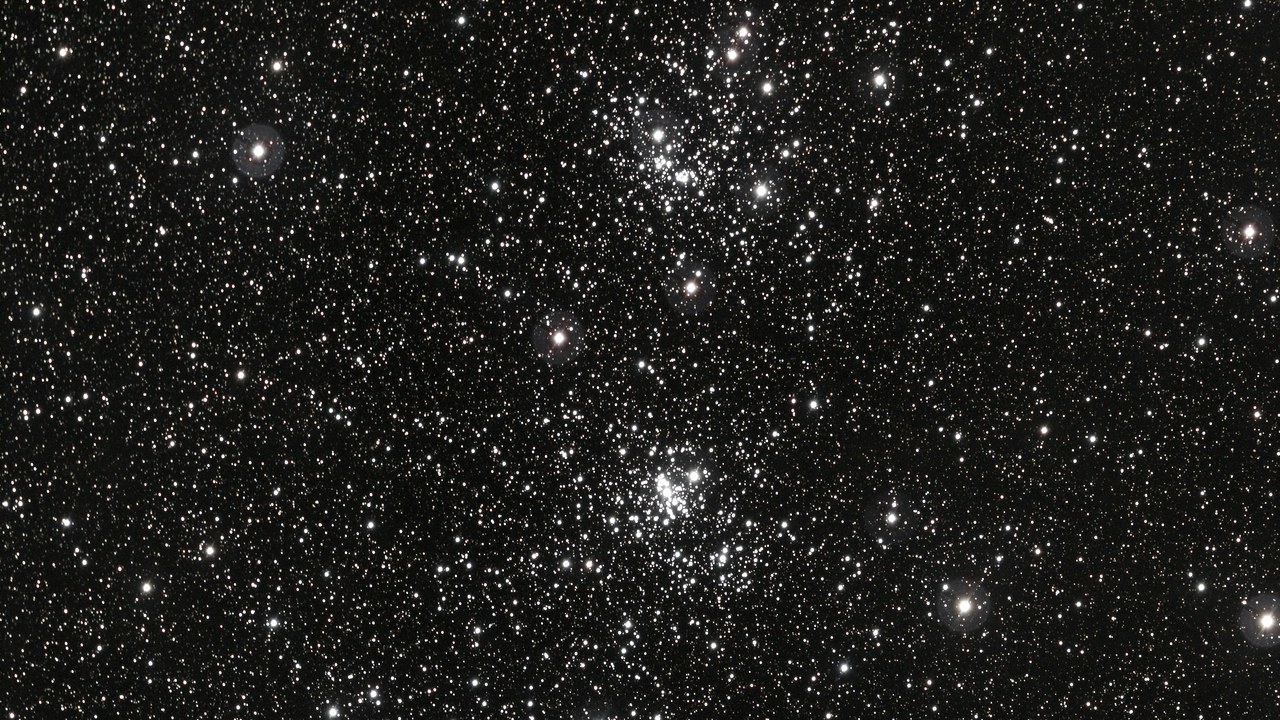
The Double Cluster is exactly what its name promises — two separate open clusters, NGC 869 and NGC 884, sitting close enough together to share a single binocular field of view. Each resolves into dozens of individual stars, with a scattering of noticeably orange-red stars adding color contrast against the whiter majority around them.
Look for it in Perseus, easiest to find by starting at Cassiopeia’s W and sweeping toward the constellation’s northern edge, well-placed on autumn and winter evenings. Because both clusters are large and loose, a wide field of view — like a standard pair of binoculars — actually frames them better than most telescopes.
7. Lagoon Nebula: A Cloud of Star-Birth Visible From Earth
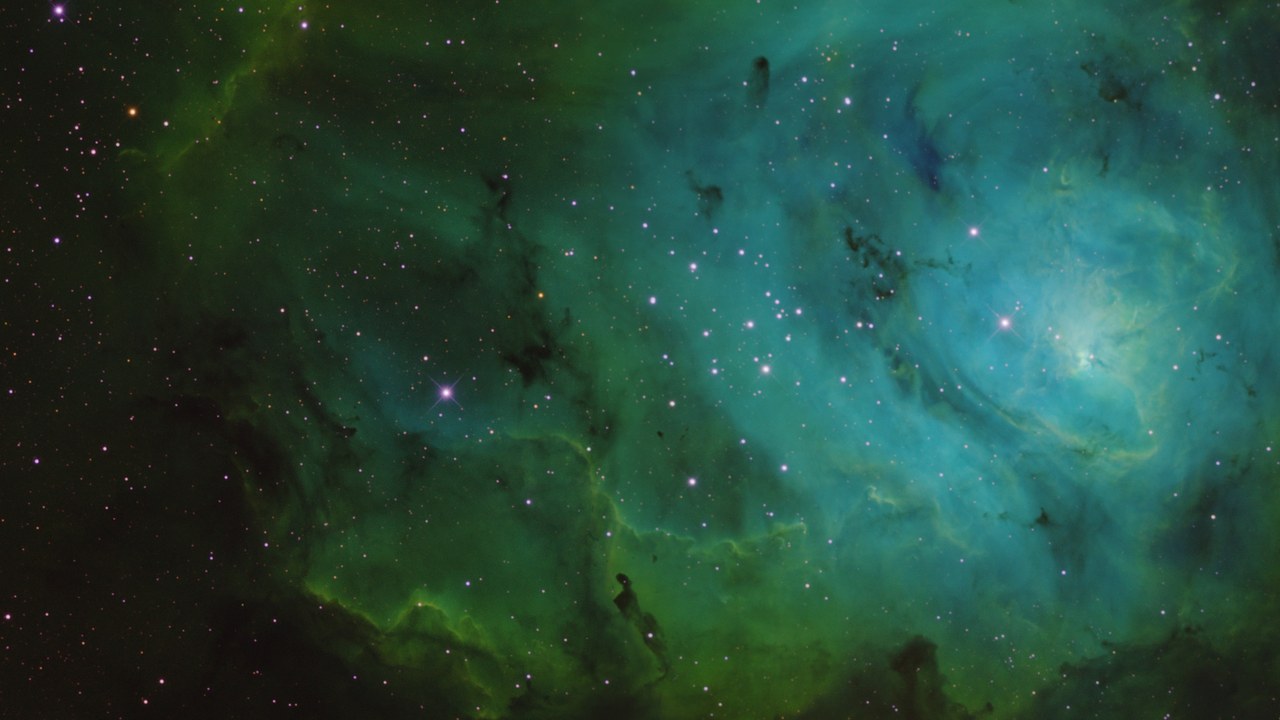
The Lagoon Nebula is a vast cloud of glowing gas roughly 4,000 light-years away, bright enough that binoculars reveal it as an elongated, misty patch with a denser, brighter knot where new stars are actively forming. It sits embedded in a rich field of Milky Way stars, so it can take a moment to distinguish the nebula’s soft glow from the surrounding star clutter nearby.
It lies low in the constellation Sagittarius, best seen from mid-northern latitudes on summer nights when it climbs a modest distance above the southern horizon; observers farther south get a noticeably higher, easier view. A dark horizon free of trees or buildings matters more here than for any other object on this list.
8. Ring Nebula: A Faint Target Worth the Search
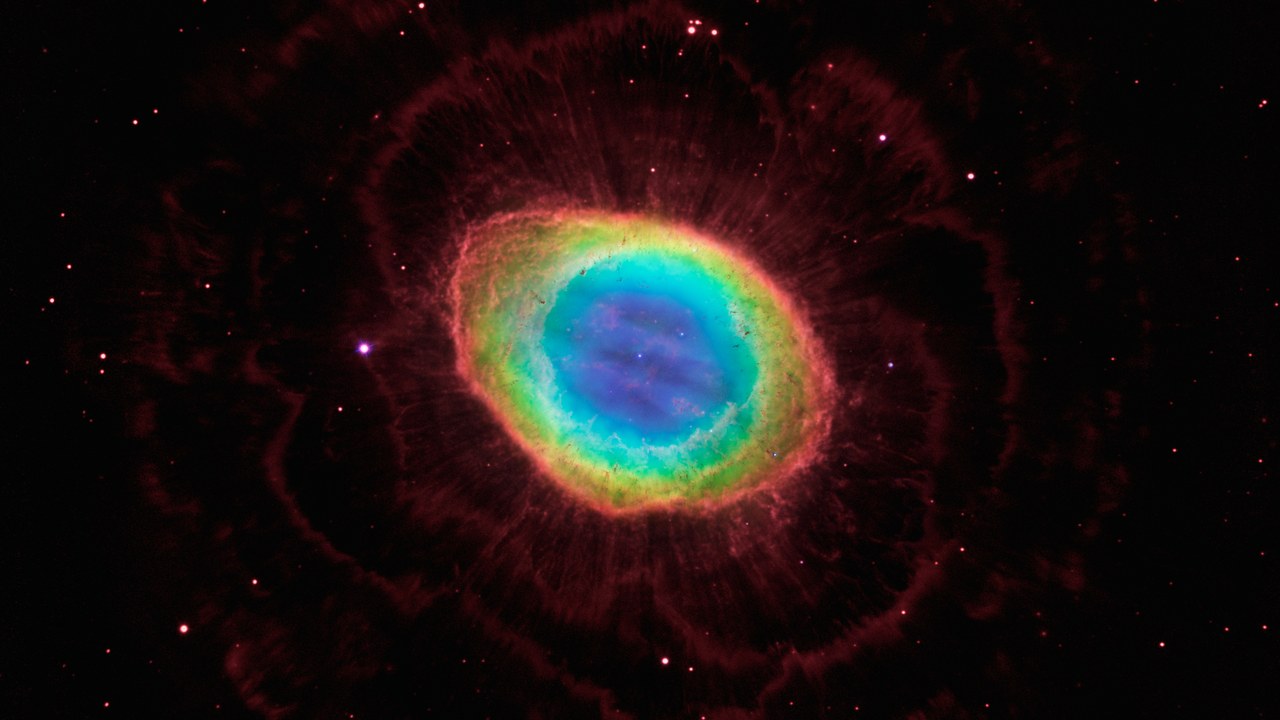
The Ring Nebula is the most demanding object on this list — in binoculars it doesn’t show a ring at all, just a tiny, faint, star-like point that’s easy to sweep past without noticing. The famous smoke-ring shape only emerges through a telescope at high magnification, so treat a binocular sighting as confirming you’ve found the right speck of sky, not as a look at its structure.
It sits in the small constellation Lyra, high overhead on summer and early autumn evenings, roughly halfway between the stars Beta and Gamma Lyrae. Larger binoculars, 10×50 or bigger, and a dark, steady sky make the difference between spotting it and missing it entirely.
9. Omega Centauri: The Sky’s Brightest Globular Cluster
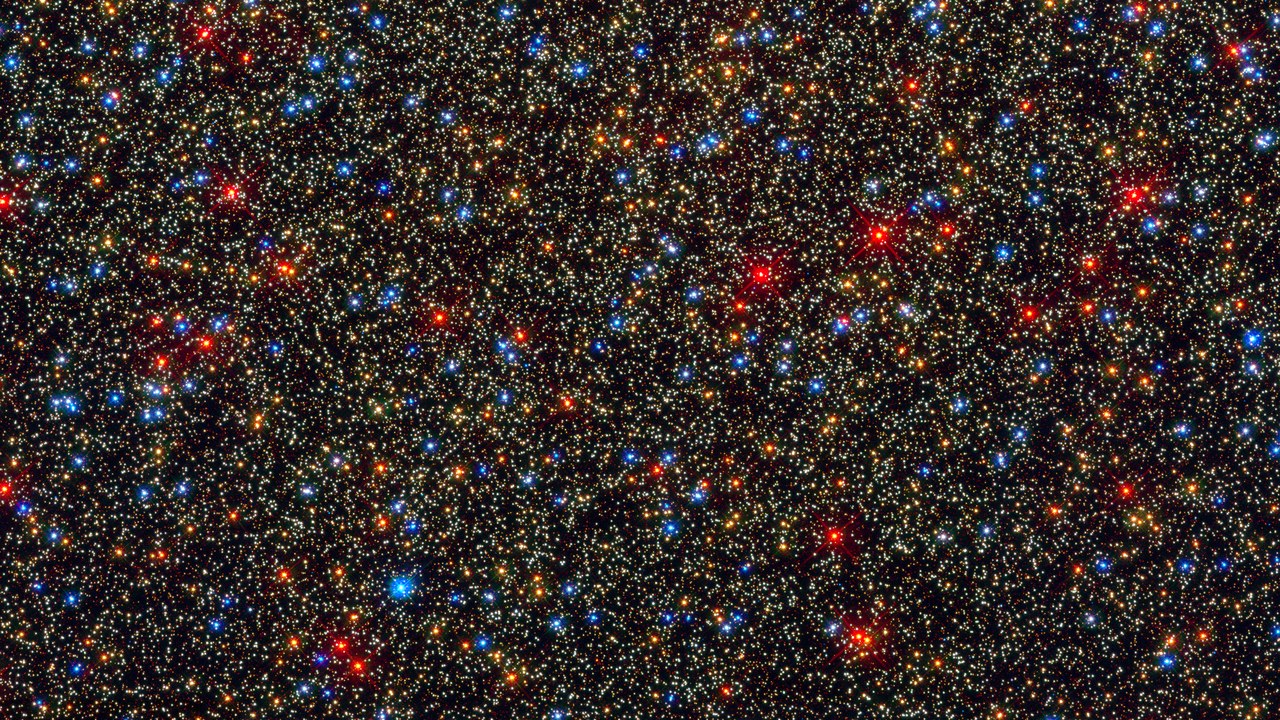
Omega Centauri is the brightest and largest globular cluster visible from Earth, bright enough to be visible to the naked eye as a fuzzy, slightly oval star under dark skies. Binoculars sharpen that into a distinctly round, glowing ball, though — like the Hercules Cluster — it takes a telescope to resolve the individual stars packed inside it.
It’s a target for southern-sky and low-latitude observers: from the constellation Centaurus, it rises well above the horizon south of about 33°N, but stays low or invisible for most of the continental United States and all of northern Europe. Observers in the southern U.S., Mexico, or points farther south get the best view, low in the sky on spring and early-summer evenings.
More from Morning Overview
- 12 most reliable SUVs you can buy for 2026
- Hunters pulled a 19-foot python from the Everglades at 1 a.m., the longest ever recorded in Florida
- Ancient DNA suggests Neanderthals and humans mixed for reasons that had nothing to do with attraction.
- Rare footage shows an orca tearing open a whale shark to feast on its liver
