
Decades after leaving Earth, a small fleet of robotic explorers is still hard at work in the farthest reaches of the solar system and beyond. Some have crossed into interstellar space, while others are only now cruising toward distant planets, moons and asteroids. These nine spacecraft are still gathering data at the frontiers of exploration.
1. Voyager 1: The Farthest Traveler
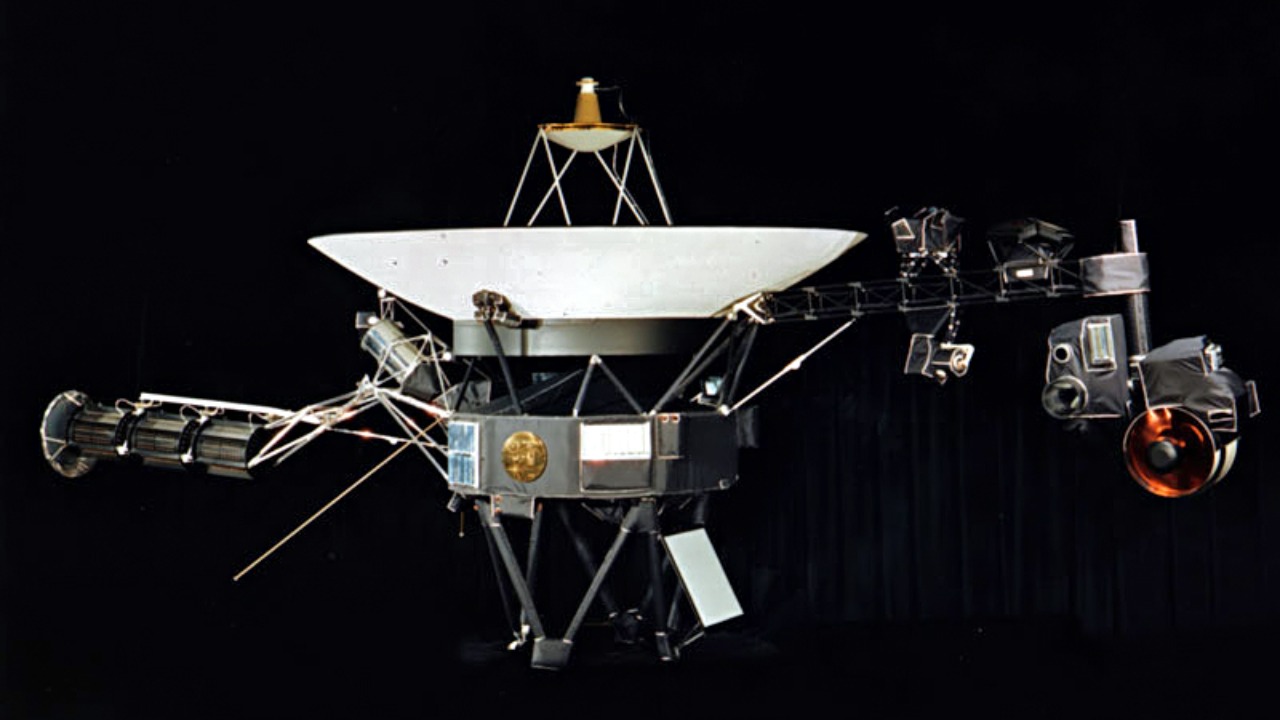
Launched in September 1977, Voyager 1 is the most distant human-made object ever built, now more than 15 billion miles from Earth and moving through interstellar space beyond the Sun’s protective bubble. In 2012 it became the first probe to cross the heliopause, and NASA’s interstellar Voyager mission still collects data on cosmic rays and magnetic fields.
Radio signals from the craft now take more than twenty-two hours to reach Earth. Its plutonium generator weakens yearly, so controllers keep shutting instruments off to stretch the remaining power into the 2030s.
2. Voyager 2: Grand Tour Survivor
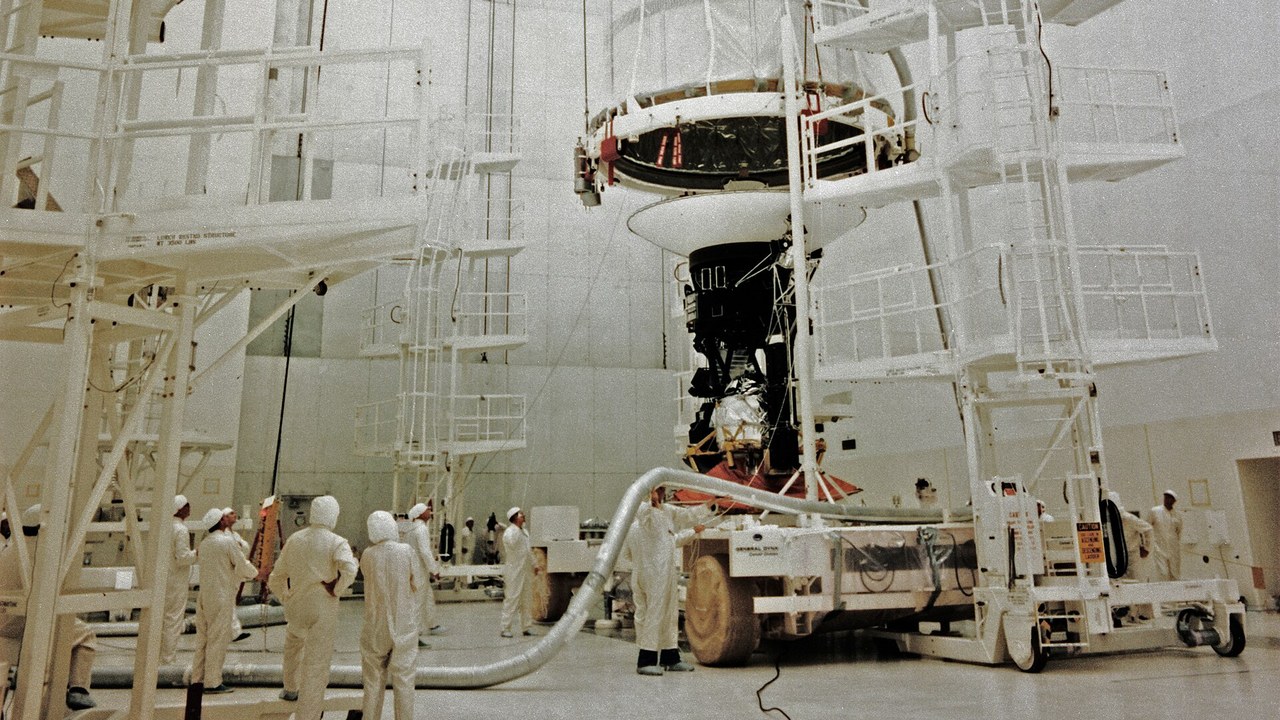
Voyager 2 launched a few weeks before its twin and remains the only spacecraft to have flown past all four giant planets, visiting Jupiter, Saturn, Uranus and Neptune between 1979 and 1989. It reached interstellar space in 2018, six years after Voyager 1, giving scientists a second vantage point on the edge of the Sun’s influence. The mission’s twin interstellar probes were never expected to last this long.
Now roughly 13 billion miles out, Voyager 2 still returns readings on the surrounding plasma, though its fading power supply means only a handful of instruments remain switched on.
3. New Horizons: Beyond Pluto
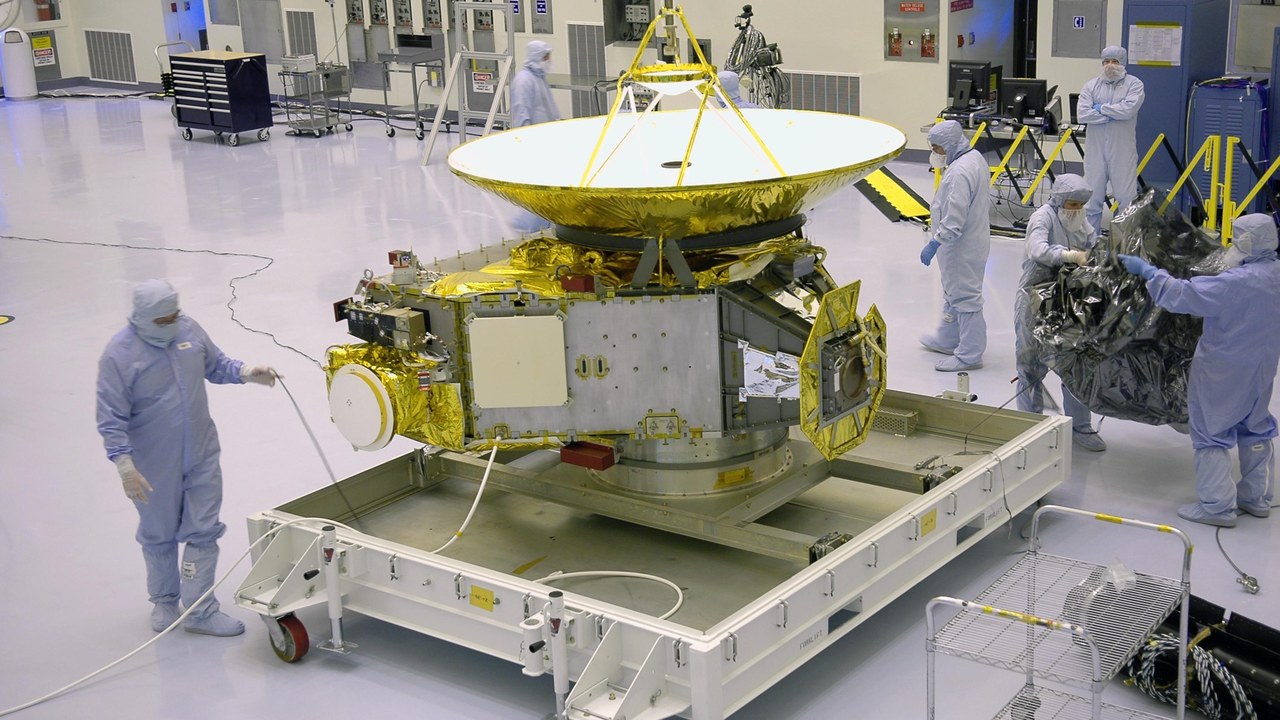
New Horizons made history in July 2015 when it swept past Pluto, delivering the first close-up images of the dwarf planet’s icy heart-shaped plain and its largest moon, Charon. The probe then pushed deeper into the Kuiper Belt, flying by the distant object Arrokoth on New Year’s Day 2019. NASA’s catalog of active missions lists it among the craft still operating far from the Sun.
Now billions of miles past Pluto, New Horizons continues measuring the dust and charged particles of the outer solar system as scientists hunt for another suitable target to visit.
4. Juno: Jupiter’s Polar Sentinel
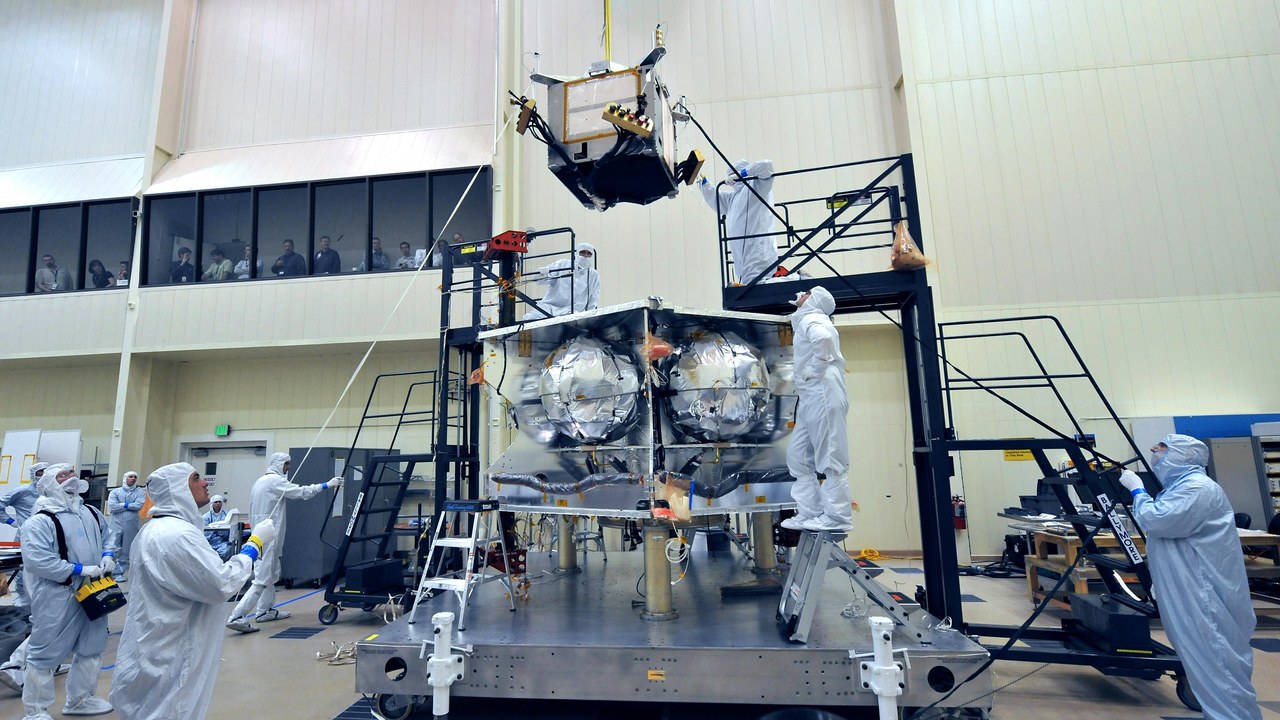
Juno reached Jupiter in July 2016 after a five-year journey and settled into a looping polar orbit that carries it close over the planet’s cloud tops. Its instruments have mapped Jupiter’s deep atmosphere, powerful magnetic field and swirling polar cyclones, while its camera has returned striking views of the giant world. The probe appears among NASA’s ongoing planetary explorers still transmitting from the outer solar system.
Once slated to end its mission by plunging into Jupiter, Juno has been extended to study the planet’s rings and several of its moons, including volcanic Io, before its eventual disposal.
5. Parker Solar Probe: Touching The Sun
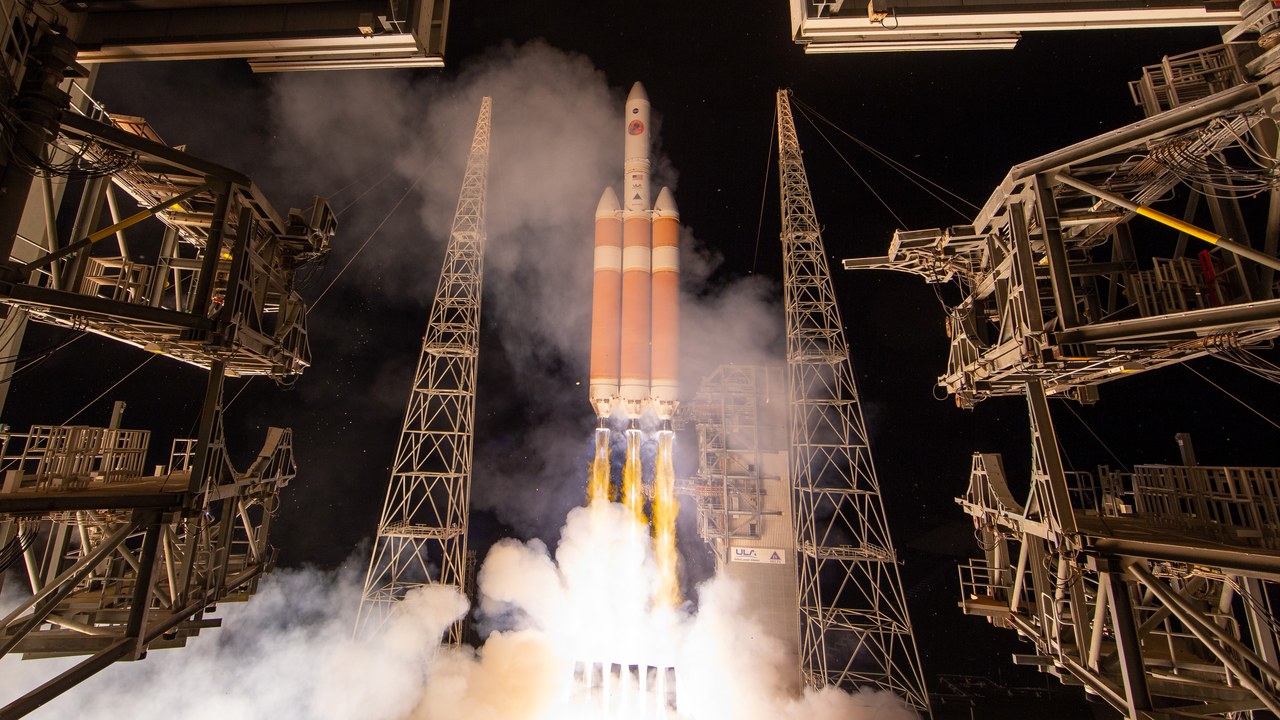
Parker Solar Probe launched in 2018 on a mission to fly closer to the Sun than any craft before it, protected by a thick carbon-composite heat shield that endures temperatures of thousands of degrees. Using repeated gravity assists at Venus, it has tightened its orbit to skim through the Sun’s outer atmosphere, or corona, at record speeds. Its series of solar flybys has carried it within a few million miles of the surface.
The probe samples the solar wind and magnetic activity at their source, helping researchers understand why the corona is far hotter than the surface below and how space weather forms.
6. Lucy: Chasing Ancient Asteroids
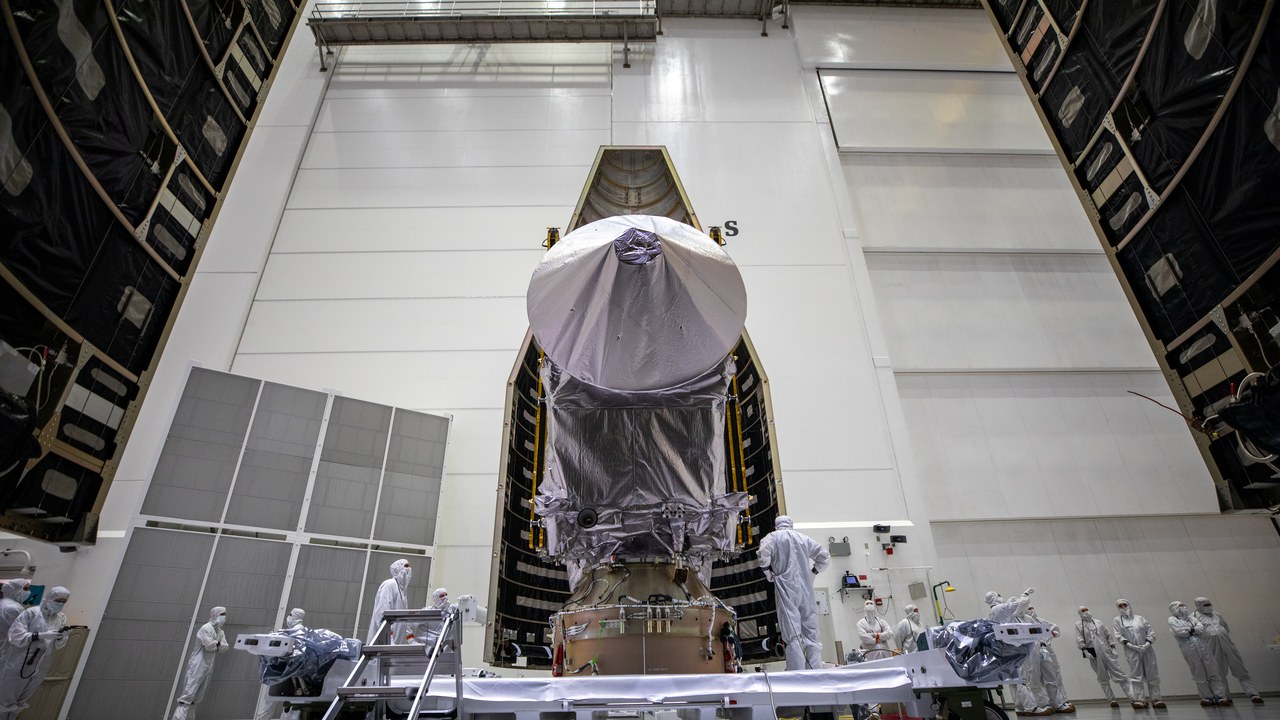
Lucy launched in 2021 on an ambitious twelve-year tour to study the Trojan asteroids, two swarms of ancient rocks that share Jupiter’s orbit around the Sun. No spacecraft had visited these bodies before, and researchers see them as fossils left over from the birth of the planets. In 2025 the mission’s record-setting asteroid tour made a close pass of the main-belt asteroid Donaldjohanson as a rehearsal.
Lucy is scheduled to reach the first Trojan swarm in 2027 and will eventually fly past a total of several asteroids, giving scientists an unprecedented look at the early solar system’s building blocks.
7. OSIRIS-APEX: Bound For Apophis
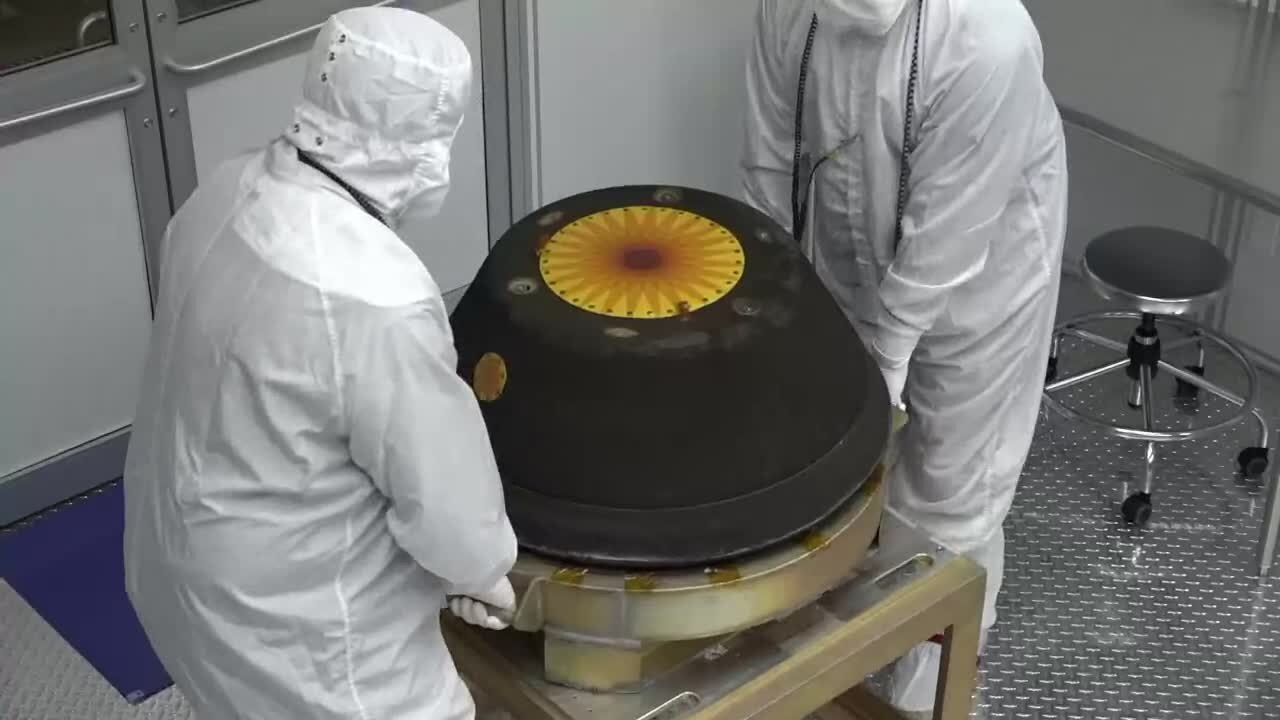
OSIRIS-APEX is the extended mission of the spacecraft formerly known as OSIRIS-REx, which in 2023 dropped a capsule of asteroid Bennu samples into the Utah desert. Rather than retire, the still-healthy probe was renamed and redirected toward Apophis, a stadium-sized asteroid that will pass unusually close to Earth in 2029. Its earlier work under the Bennu sample-return mission made it the first American craft to bring back pieces of an asteroid.
The spacecraft is set to reach Apophis shortly after that 2029 flyby, studying how a planet’s gravity can reshape an asteroid’s surface during a close encounter.
8. Europa Clipper: Hunting An Ocean World
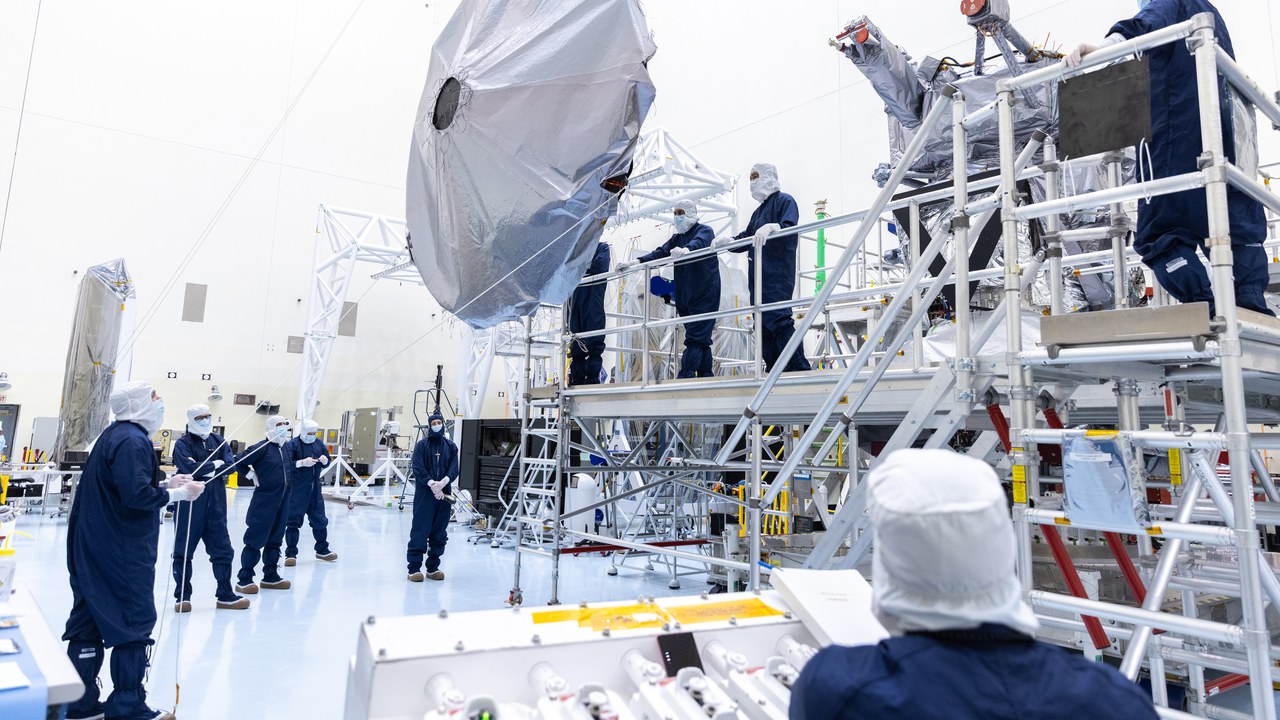
Europa Clipper launched in October 2024 as NASA’s largest spacecraft ever built for a planetary mission, bound for Jupiter’s ice-covered moon Europa. Scientists believe a vast salty ocean lies beneath the moon’s frozen crust, making it one of the most promising places to search for conditions suitable for life. The ocean-moon investigation will not orbit Europa directly but will make dozens of close flybys.
Expected to arrive around 2030, the craft carries cameras, radar and spectrometers to probe the ice shell and hidden sea, though it is designed to study habitability rather than detect life itself.
9. JUICE: Europe’s Jupiter Voyager
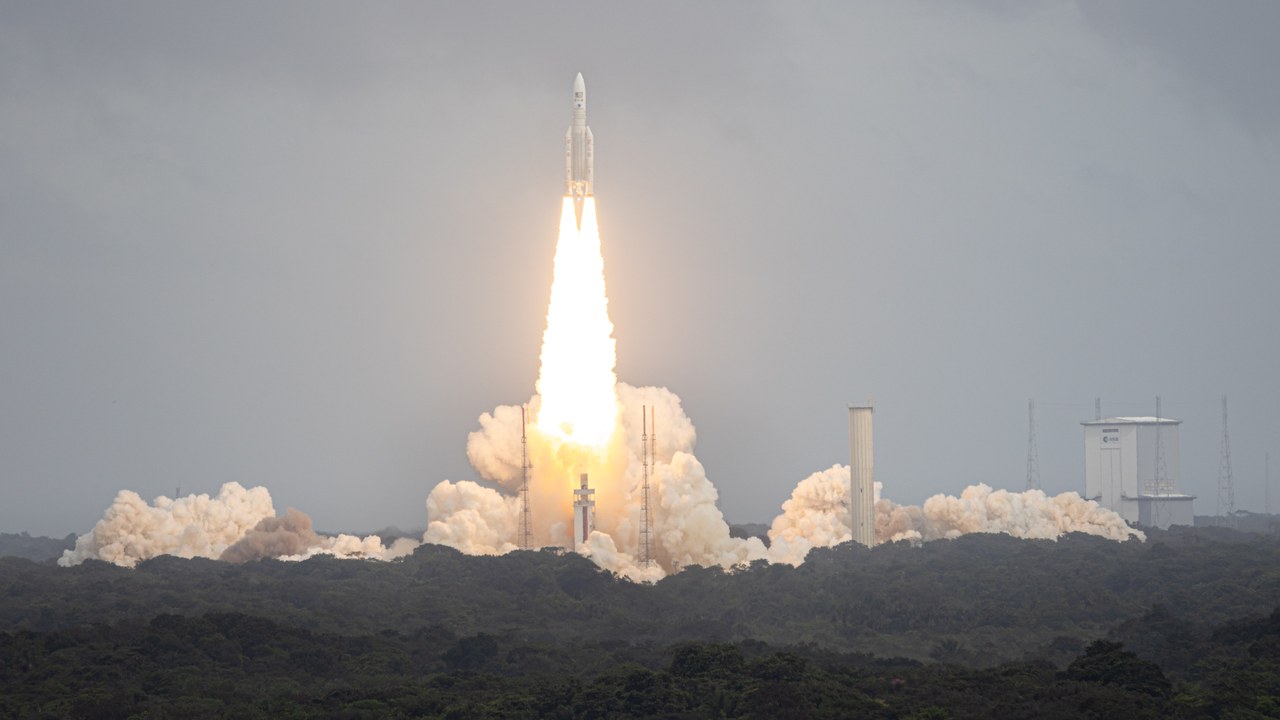
JUICE, the Jupiter Icy Moons Explorer, is the European Space Agency’s flagship probe to the outer solar system, launched in April 2023 aboard an Ariane 5 rocket. It is cruising toward Jupiter on a long, winding route that uses gravity assists from Earth and Venus to build up speed. The European mission to Jupiter is due to arrive in the early 2030s.
Once there, JUICE will make detailed studies of three of Jupiter’s largest moons, Ganymede, Callisto and Europa, all thought to hide oceans of liquid water beneath their icy shells.
More from Morning Overview
