
Space telescopes freed astronomy from the blur and noise of Earth’s atmosphere, letting instruments read light that never reaches the ground at all. Some sit in low orbit close to home, while others drift nearly a million miles out to a stable, sunlit vantage point. Together these nine telescopes reshaped how astronomers see the universe.
1. Hubble Space Telescope: Three Decades In Orbit
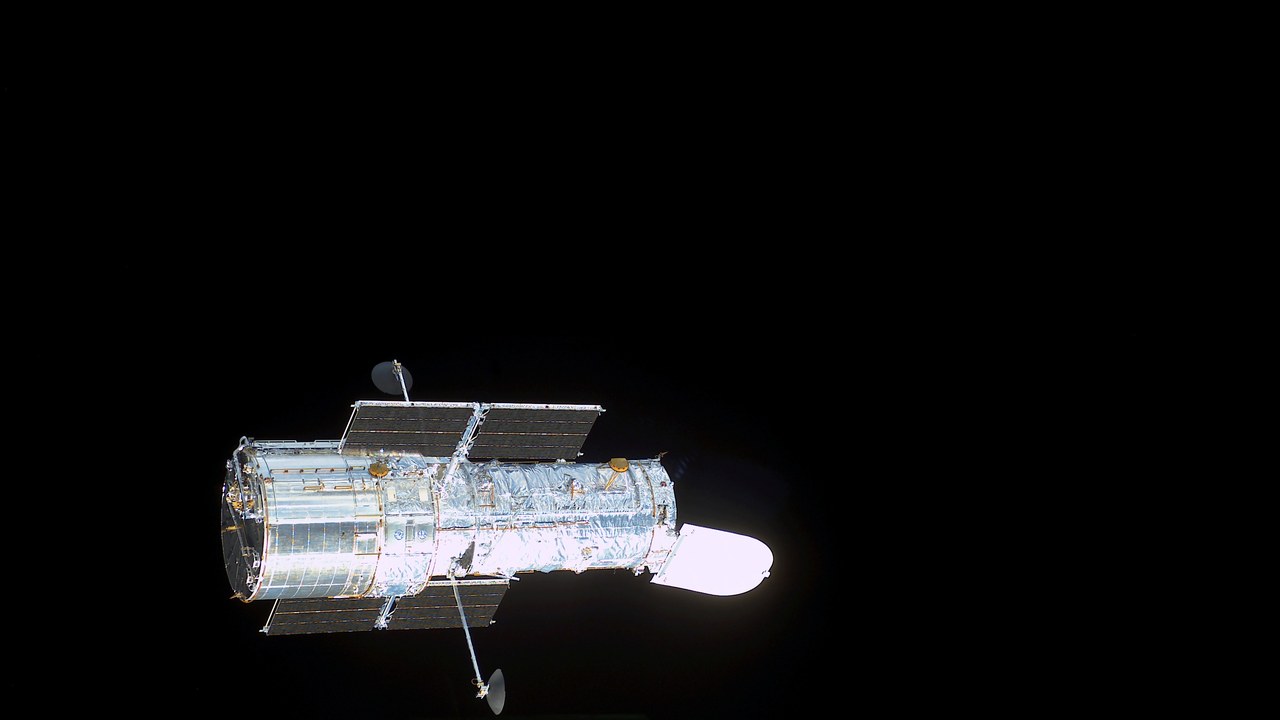
Launched in 1990 into low Earth orbit aboard the space shuttle Discovery, the Hubble Space Telescope spent its first years hampered by a flawed mirror, a problem astronauts corrected during a 1993 repair mission that turned it into one of the most productive scientific instruments ever built.
Its long-exposure images, including the original Deep Field, revealed thousands of galaxies in a patch of sky once assumed nearly empty. More than three decades and five shuttle servicing missions later, it still operates alongside newer infrared telescopes rather than being retired by them, still capturing crisp visible and ultraviolet light.
2. James Webb Space Telescope: Successor In Deep Space
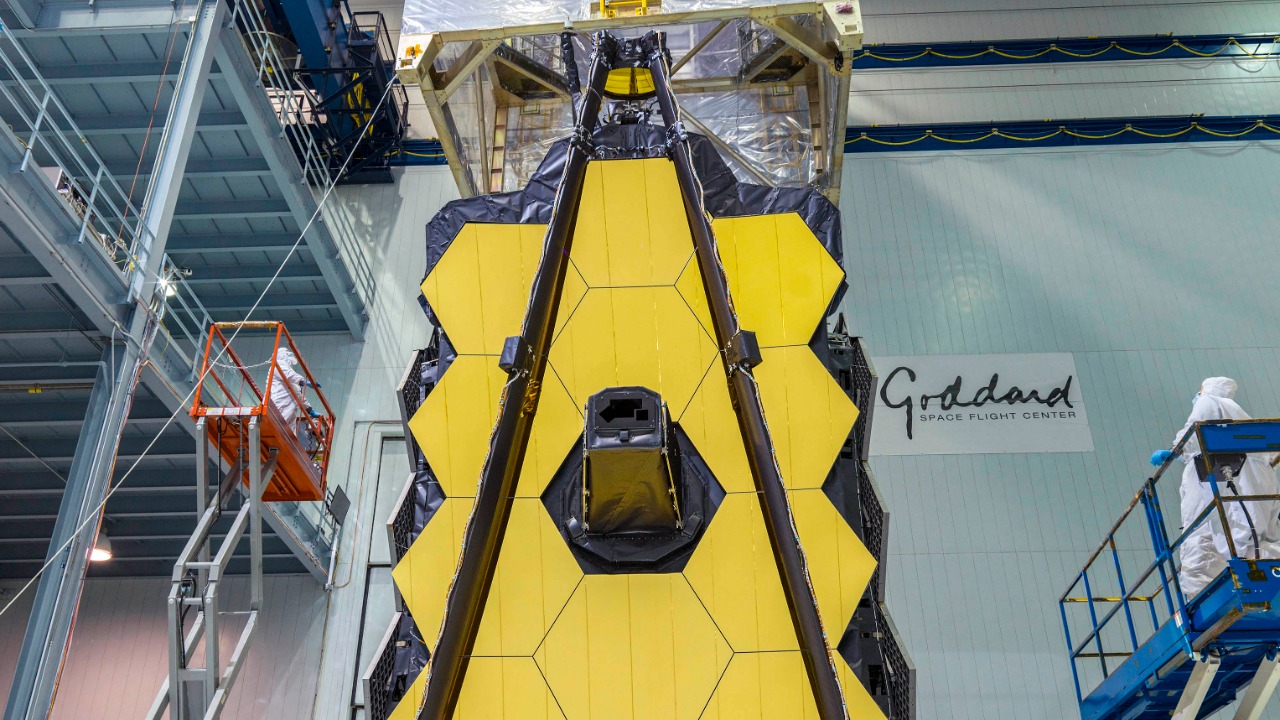
The James Webb Space Telescope launched in December 2021 and settled nearly a million miles from Earth at the Sun-Earth L2 point, far beyond the reach of any repair crew, folding out a 21-foot gold-coated mirror built from eighteen hexagonal segments once in space.
Tuned to infrared light, it can see galaxies whose light has traveled billions of years to reach us, pushing observations closer to the early universe than any earlier mission managed. Its remote orbit meant every fold-out mechanism and mirror segment had to work correctly the first time, with no chance of a rescue.
3. Spitzer Space Telescope: Two Decades In Infrared
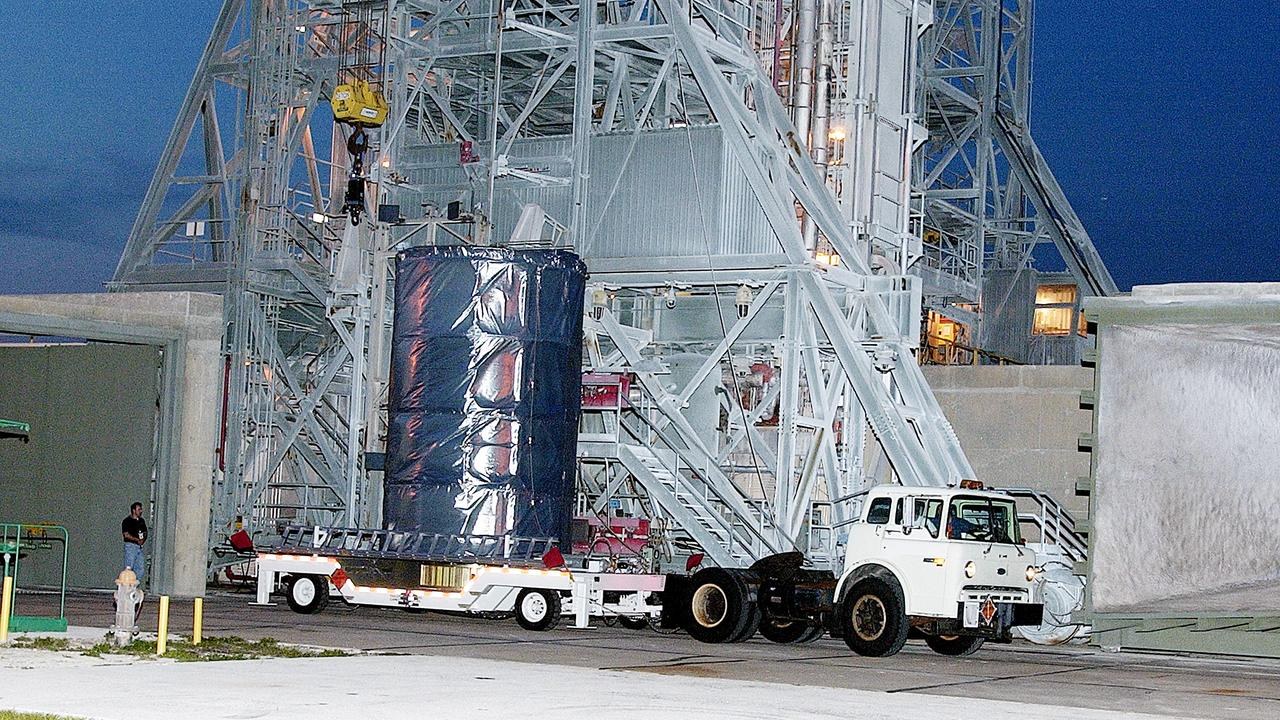
Launched in 2003, the Spitzer Space Telescope trailed Earth in its own orbit around the sun and spent more than sixteen years reading infrared light that dust and gas would otherwise block from ordinary view, following the planet at a growing distance.
That approach let it study the cool, hidden interiors of star-forming clouds and probe the atmospheres of distant exoplanets long before Webb existed to take over the work. It ran out of coolant years into the mission but kept working in a warmer mode until NASA finally retired it in 2020.
4. Kepler space telescope: The Planet Hunter
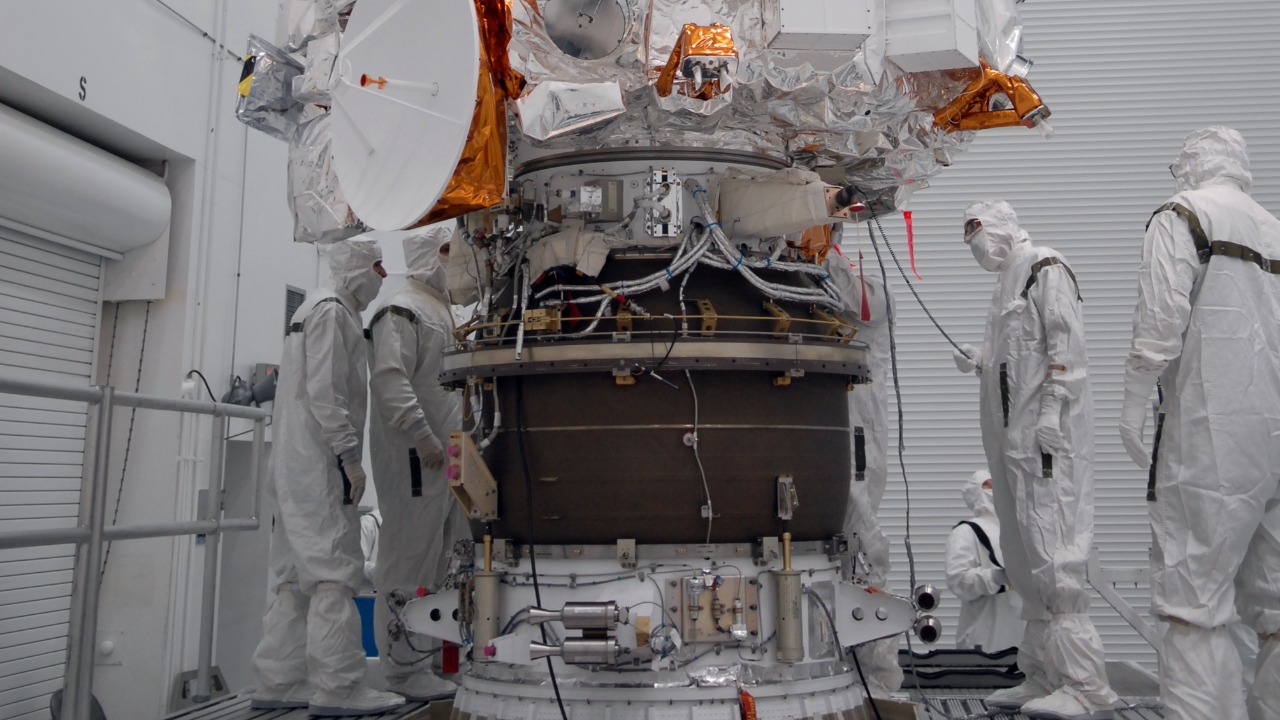
NASA’s Kepler space telescope launched in 2009 and stared continuously at one crowded patch of sky, watching for the tiny, repeating dips in starlight that occur whenever a planet crosses in front of its host star.
That single, patient method turned up more than 2,600 confirmed exoplanets, the bulk of everything astronomers currently know about worlds beyond our own solar system. A reaction-wheel failure limited its later years and forced a workaround mission, and the spacecraft finally ran out of fuel and was retired in 2018.
5. Chandra X-ray Observatory: Reading The Violent Sky
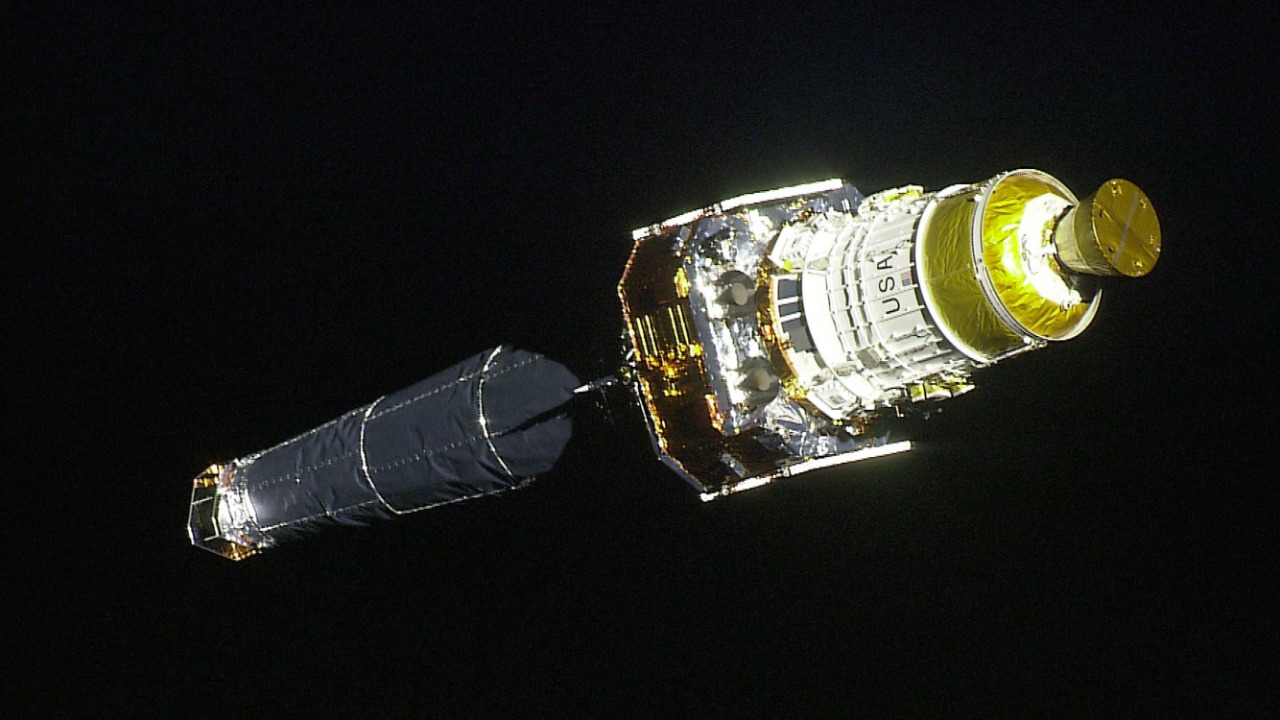
Carried into orbit by the space shuttle Columbia in 1999, the Chandra X-ray Observatory flies in a highly elliptical path that carries it nearly a third of the way to the Moon before looping back toward Earth.
From that vantage it detects X-rays from material superheated around black holes, the wreckage of exploded stars, and hot gas threading entire galaxy clusters, energy that ordinary visible light never shows astronomers. Ground-based telescopes cannot see these wavelengths at all, since Earth’s atmosphere absorbs X-rays long before they reach the surface.
6. Nancy Grace Roman Space Telescope: The Wide-Field Successor
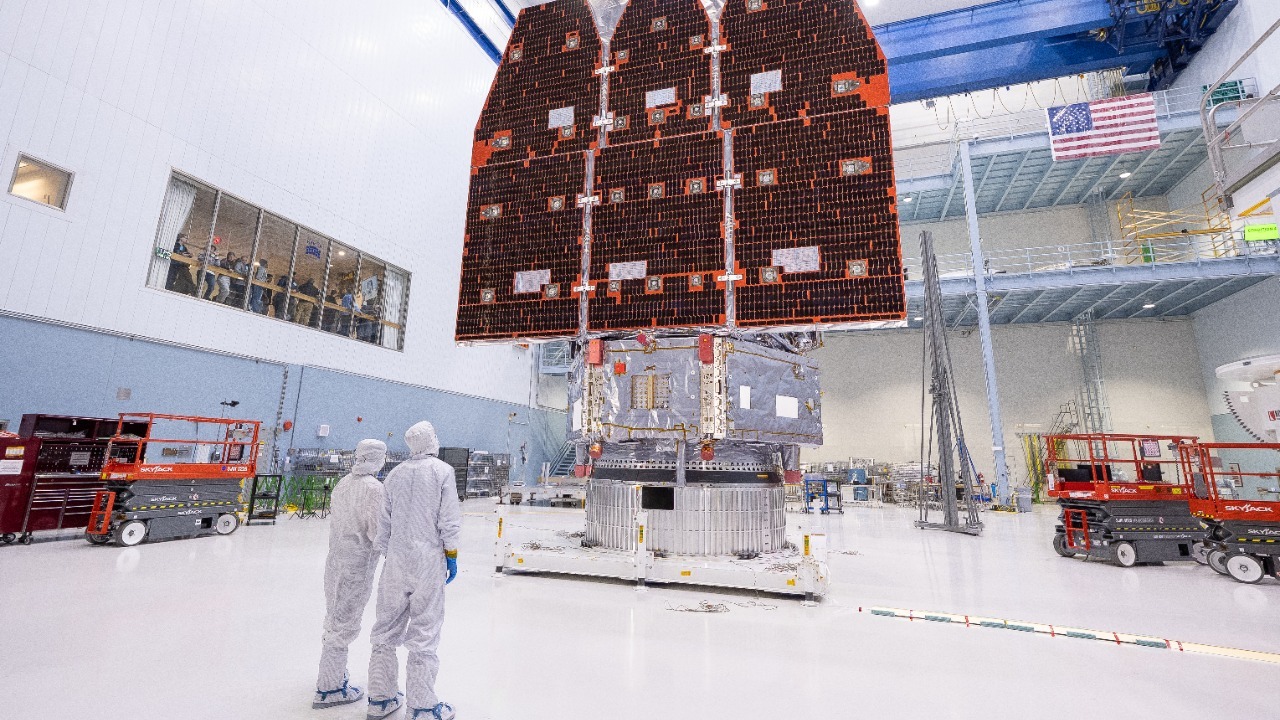
Still in development, the Nancy Grace Roman Space Telescope is built around a mirror the same size as Hubble’s but paired with a camera engineered to capture roughly a hundred times more sky in a single exposure than Hubble manages.
That wide field is meant to trace how dark energy has shaped the universe’s expansion over billions of years and to spot planets through gravitational microlensing, a technique existing telescopes rarely use at any real scale. NASA currently targets a launch before the end of the decade, pending final testing.
7. Gaia: Mapping A Billion Stars
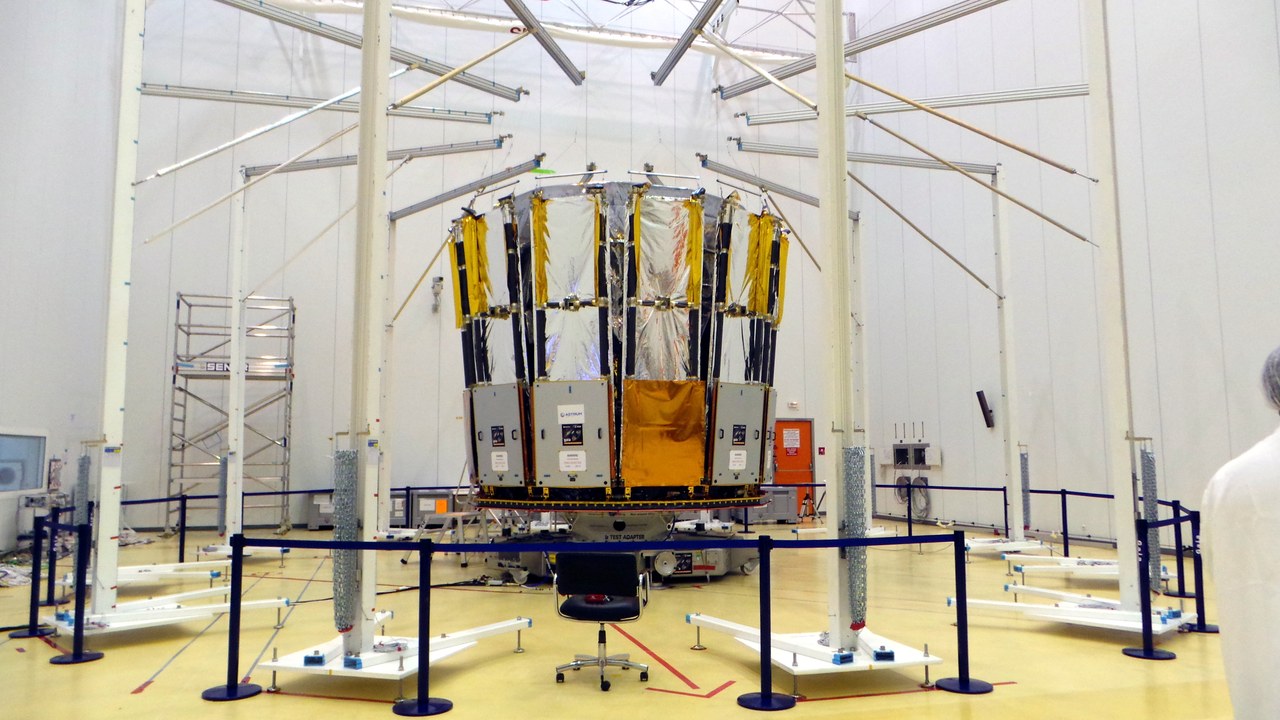
The European Space Agency’s Gaia spacecraft launched in 2013 and spent over a decade at the Sun-Earth L2 point repeatedly scanning the sky to measure the positions, distances, and motions of more than a billion individual stars across the galaxy.
Those repeated measurements let astronomers build the most precise three-dimensional map of the Milky Way ever assembled, showing how our galaxy formed and continues to shift and stretch over time. The mission’s main scanning phase wrapped up in 2025 after the spacecraft’s supply of cold gas thrusters finally ran low.
8. TESS: Kepler’s Sky-Wide Successor
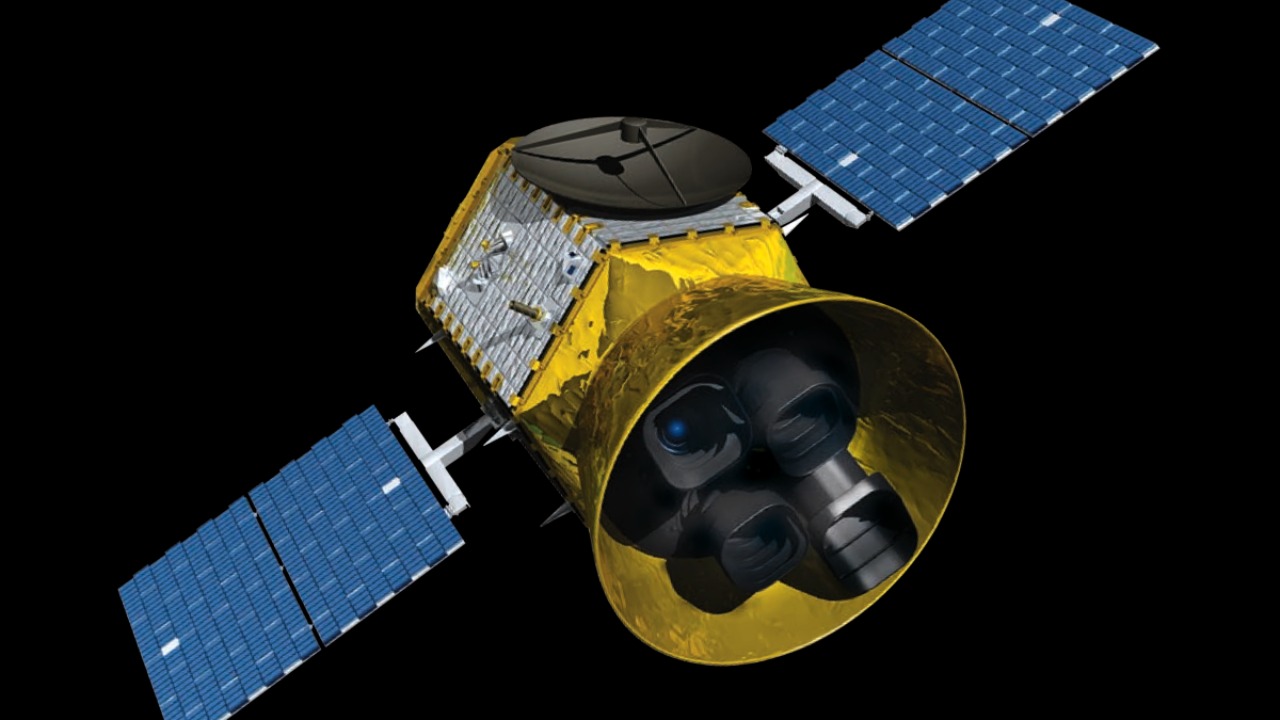
Launched in 2018, the Transiting Exoplanet Survey Satellite divided nearly the entire sky into overlapping sectors and swept through them one by one from a highly elliptical orbit tuned to Earth and the Moon’s combined gravity.
Unlike Kepler’s narrow, fixed stare at one region, TESS favors bright, nearby stars, turning up thousands of planet candidates that other telescopes can then study in far more detail afterward. Its wide reach makes it more of a discovery engine feeding other instruments than a single deep, fixed-target telescope.
9. Herschel Space Observatory: The Largest Mirror Flown
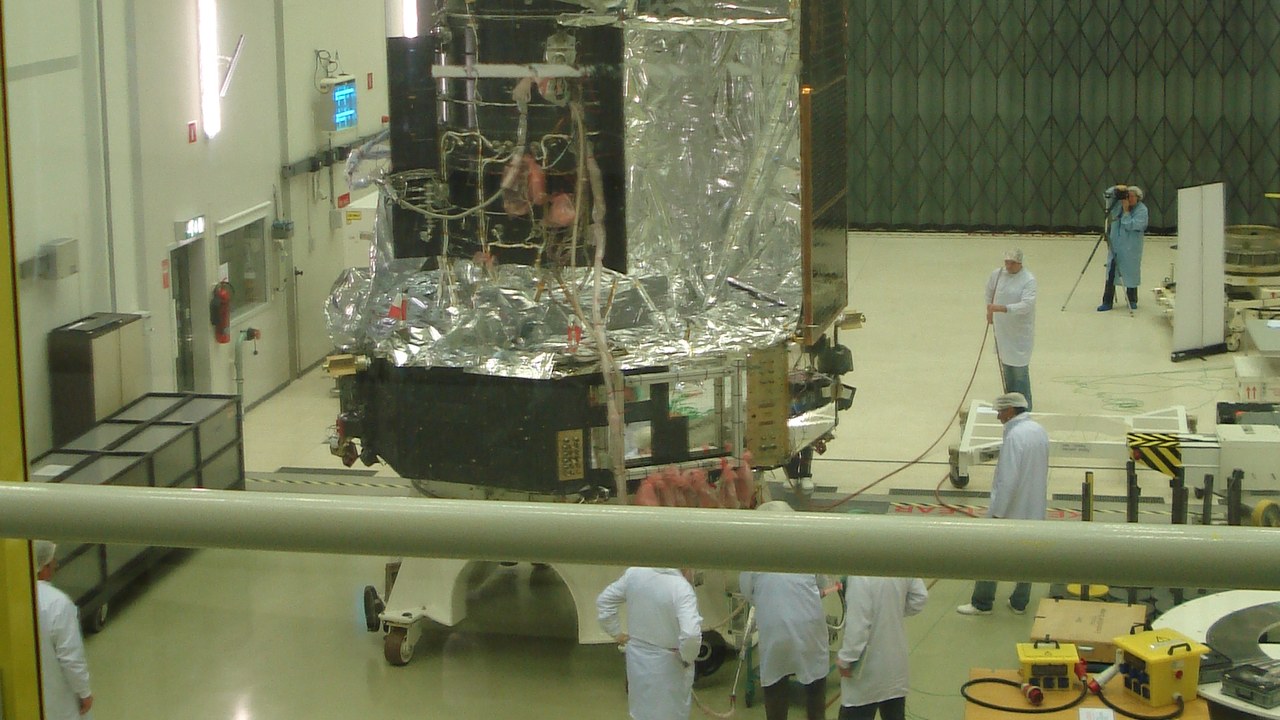
The European Space Agency’s Herschel Space Observatory launched in 2009 carrying a 3.5-meter mirror, the largest single mirror ever flown in space at the time, tuned specifically to far-infrared and submillimeter wavelengths of light.
That range let it study some of the coldest material in the universe, dense star-forming clouds and distant dusty galaxies that shine brightest in wavelengths ordinary telescopes simply miss entirely. Herschel carried a finite supply of liquid helium coolant, and the mission ended in 2013 once that supply finally ran out.
More from Morning Overview
- The FTC is warning about a scam quietly draining thousands from victims
- The NSA is again telling phone owners to switch off one location setting
- A handful of car transmissions are so tough mechanics say they almost never fail
- A handful of SUVs keep hitting 300,000 miles, and they share one engine trait
