
The Wankel rotary engine promised smooth power and a tiny footprint, and a handful of carmakers were bold enough to sell it to the public. Most attempts came from one determined Japanese company, though a German pioneer proved the idea could carry a luxury sedan too. Nine production and competition rotaries stand out as the ones that actually reached buyers and race grids.
1. Mazda RX-7: The Rotary Icon
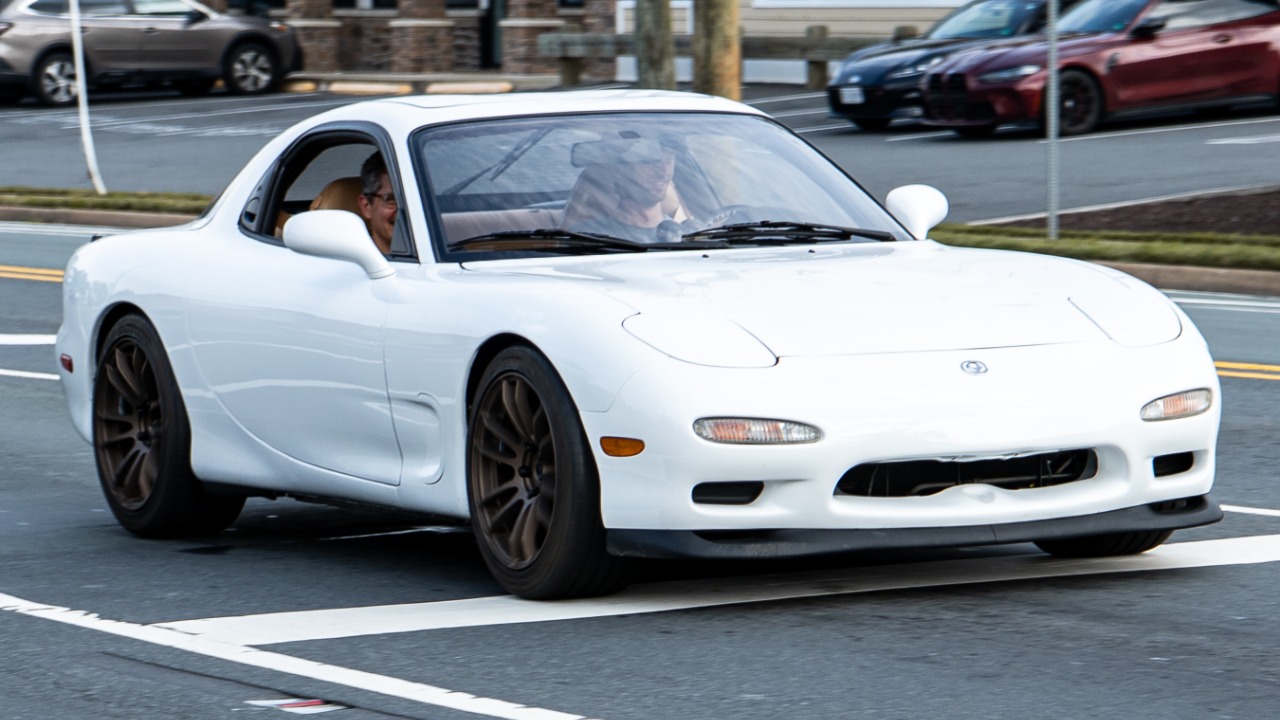
Few cars are as tied to the rotary story as the Mazda RX-7, a lightweight sports coupe that ran across three distinct generations from the late 1970s into the early 2000s. Its compact twin-rotor engine sat low behind the front axle, giving the car balance that reviewers loved. The final FD generation, seen here in white, paired sequential twin turbochargers with sleek curves and became a tuner favorite. The three-generation sports coupe remains the best-known Wankel machine ever sold.
Enthusiasts still chase clean examples, and tidy FD prices have climbed sharply. The rotary’s thirst for fuel and oil kept it a niche choice, yet its high-revving character and light weight explain why the RX-7 anchors the genre.
2. Mazda RX-8: Four Doors And A Redline
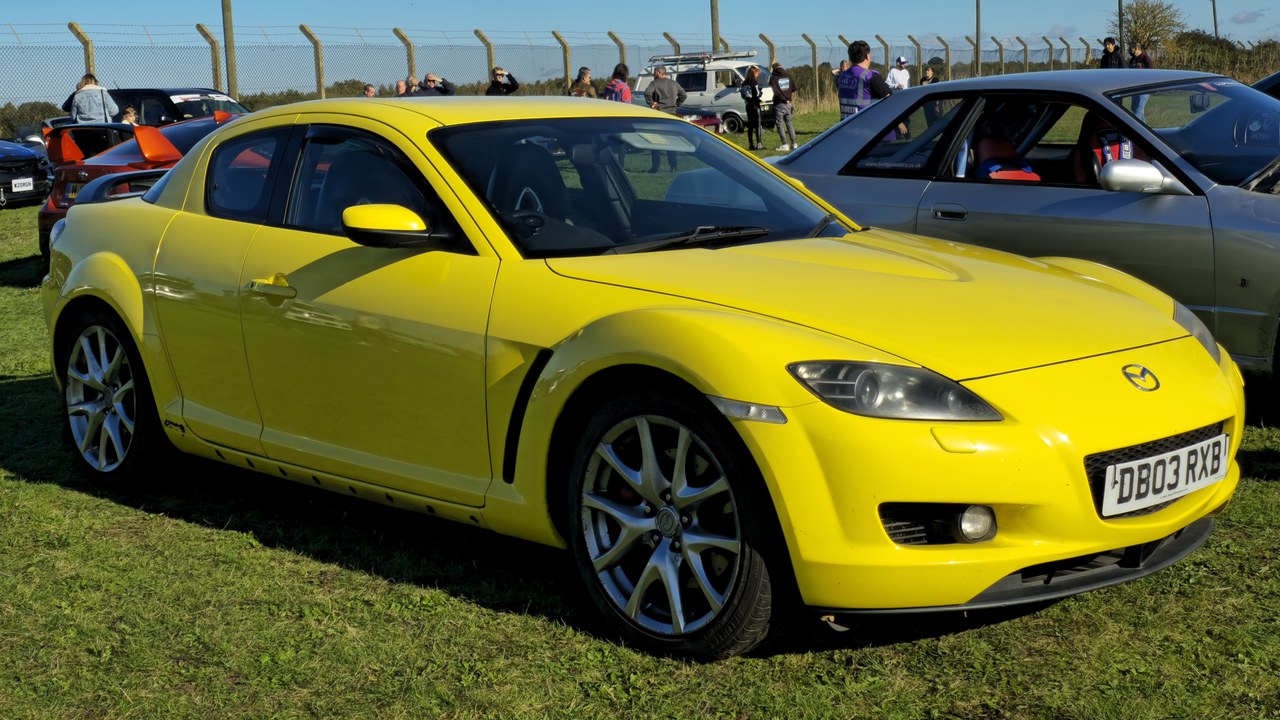
Replacing the RX-7 in the 2000s, the Mazda RX-8 took the unusual step of adding rear-hinged back doors while keeping a rotary heart. Its naturally aspirated Renesis engine spun to a dizzying redline and rewarded drivers who kept the revs high. Clever packaging let four people ride inside a car that still handled like a sports coupe. The bright yellow example pictured shows off the four-door rotary coupe and its distinctive suicide-door layout.
Reliability worries, particularly around apex seals and oil consumption, dogged the model and hurt resale values. Even so, the RX-8 stands as the last rotary passenger car Mazda sold, making it a bittersweet bookend to a bold engineering experiment that few rivals ever attempted.
3. Mazda Cosmo: Where It All Began
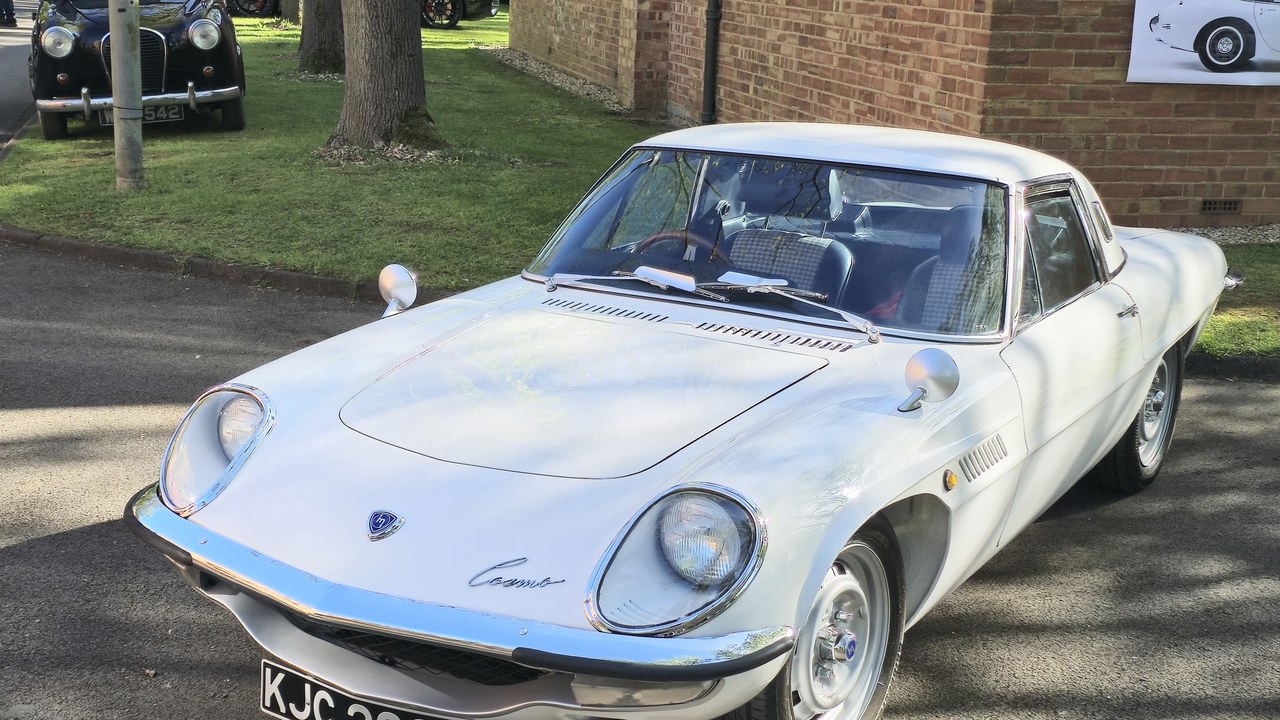
Long before the RX badge existed, the Mazda Cosmo launched in 1967 as the company’s rotary halo car and a statement of technical ambition. Its low, jet-age styling and delicate chrome details made it look like nothing else on the road. Built in small numbers, the early Cosmo Sport proved a twin-rotor engine could power a real production automobile. This graceful first rotary halo car set the template for everything that followed.
Surviving examples are rare and highly prized among collectors who understand the model’s place in history. The Cosmo name later returned on larger, more luxurious coupes, but the original remains the machine that launched Mazda’s decades-long commitment to the Wankel design.
4. Mazda RX-3: The Track Giant-Killer
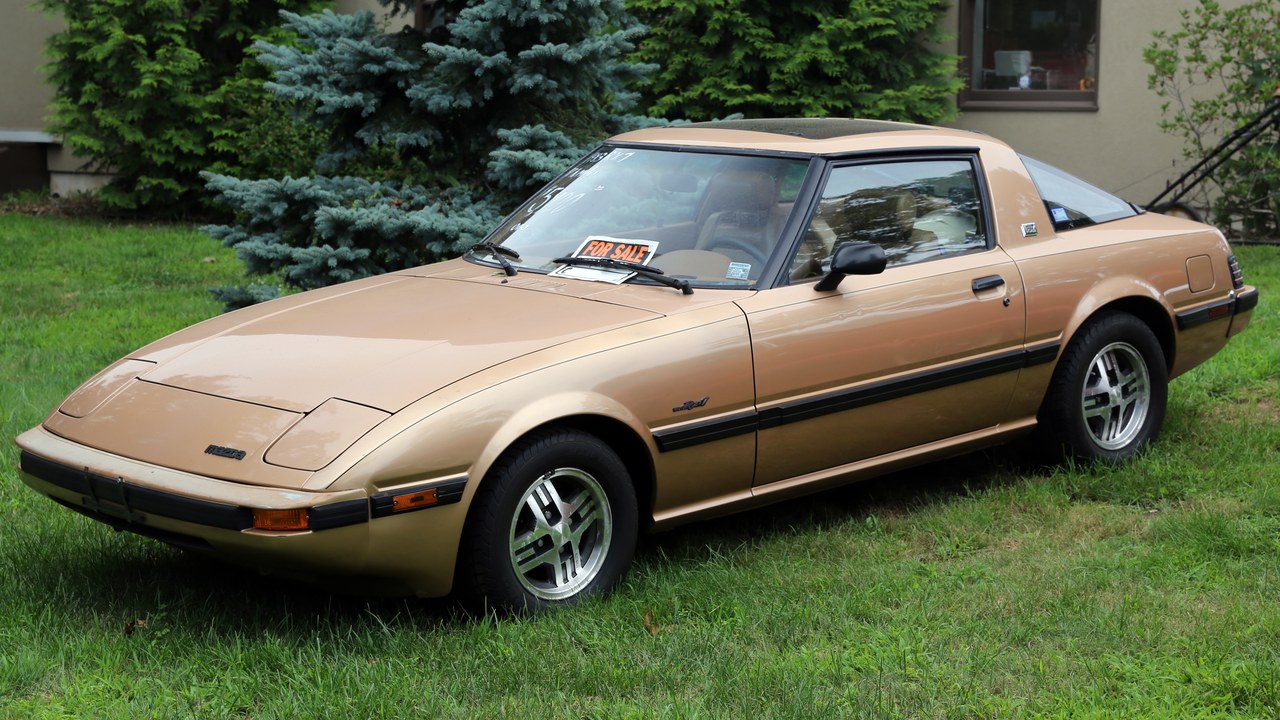
Compact and eager, the Mazda RX-3 arrived in the early 1970s as an affordable rotary coupe that punched far above its size. On circuits around the world it embarrassed larger, more powerful rivals thanks to its light body and free-revving engine. The gold example shown captures the tidy proportions that made it a favorite among privateer racers. Fans remember the compact rotary coupe for humbling far bigger machines.
Sold in coupe, sedan, and wagon forms, the RX-3 helped establish Mazda’s motorsport reputation early in the rotary era. Clean survivors now command strong money, a reflection of both nostalgia and the giant-killing legend the little car built on track.
5. Mazda RX-2: The Early Rotary Everyman
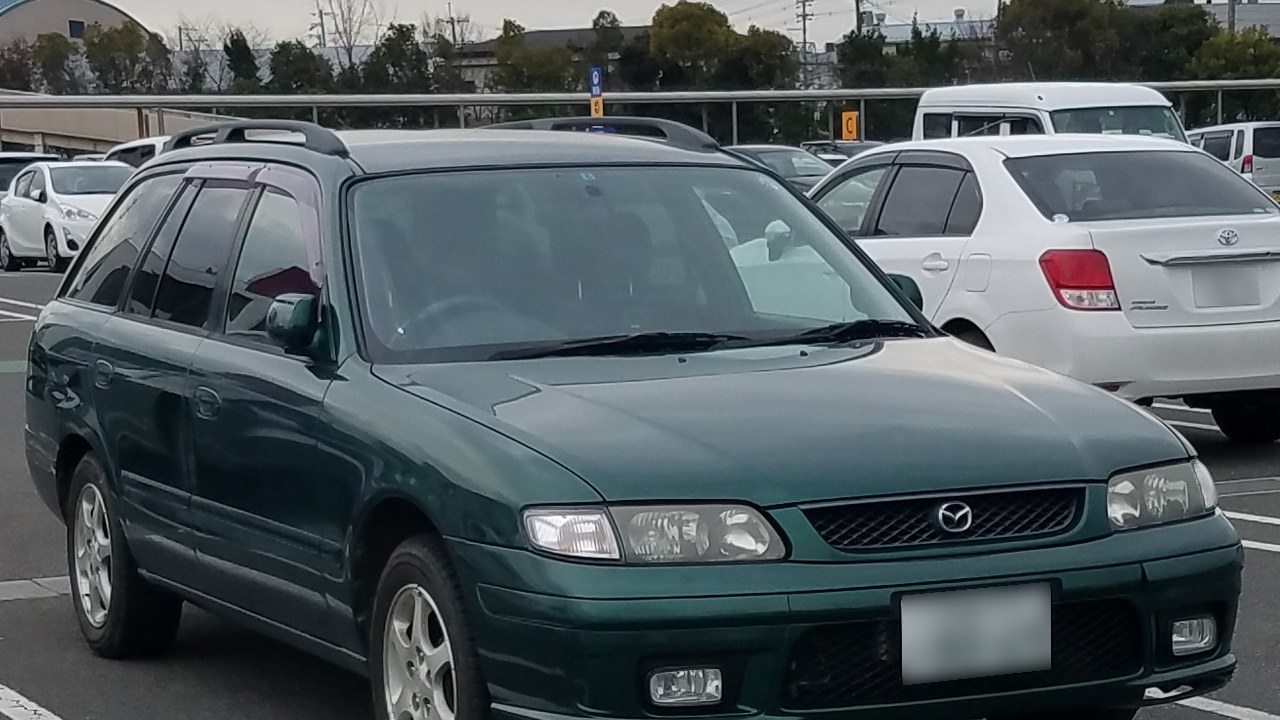
Among Mazda’s first wave of rotary models, the Mazda RX-2 brought Wankel power to buyers wanting a practical coupe or sedan in the early 1970s. Its twin-rotor engine delivered lively performance in a body sized for everyday use. The green wagon pictured reflects the family-friendly variants that broadened the rotary’s appeal beyond pure sports cars. This early rotary sedan helped normalize the engine for mainstream drivers.
By blending unusual technology with familiar bodywork, the RX-2 made the rotary feel approachable rather than exotic. It rarely grabs headlines today, yet it played a quiet role in proving Mazda could build and sell Wankel-powered cars in real volume.
6. Mazda Luce: The Rotary Luxury Play
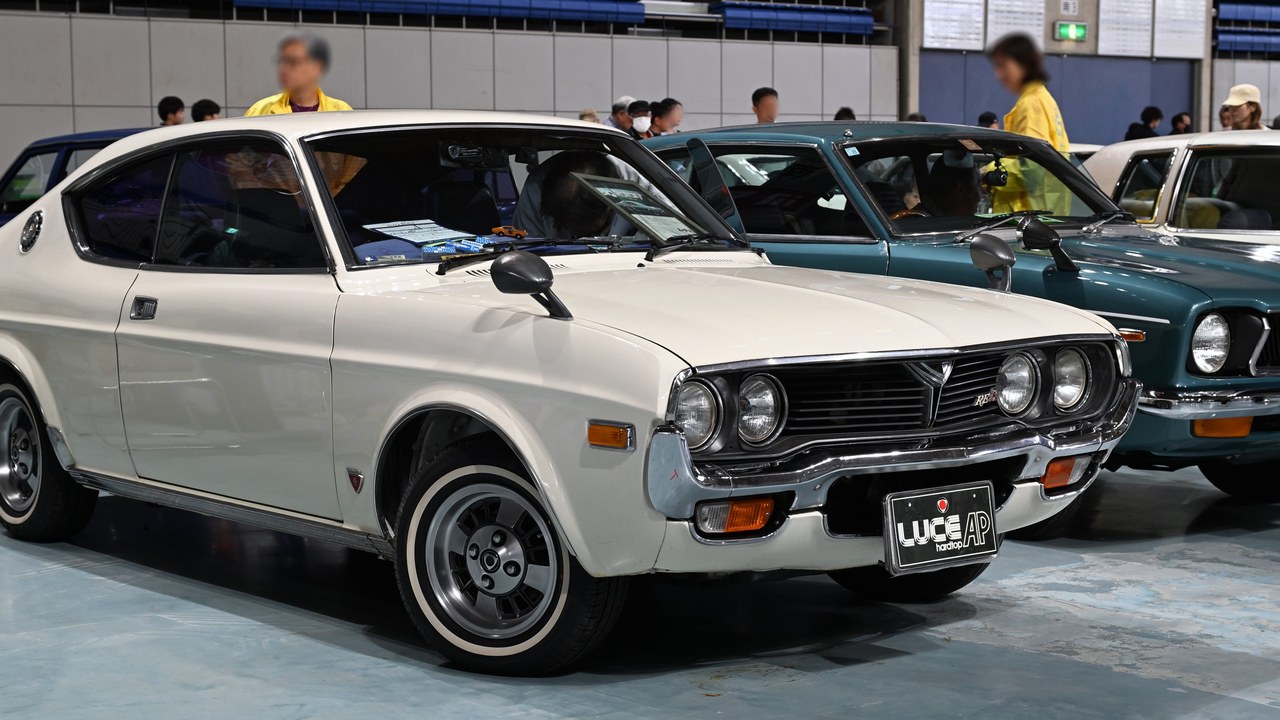
Positioned upmarket, the Mazda Luce aimed to wrap rotary power in a more luxurious package than the sporty RX cars. One rare early version even paired the Wankel engine with front-wheel drive, an unusual combination for the period. The elegant coupe shown highlights the model’s cleaner, more formal styling. Collectors prize the rotary luxury sedan for its scarce front-drive layout.
The Luce sold in various markets under different names and body styles over its long life. Its blend of comfort and rotary smoothness showed Mazda believed the engine belonged in refined cars, not just lightweight sports coupes chasing lap times.
7. NSU Ro 80: The German Trailblazer
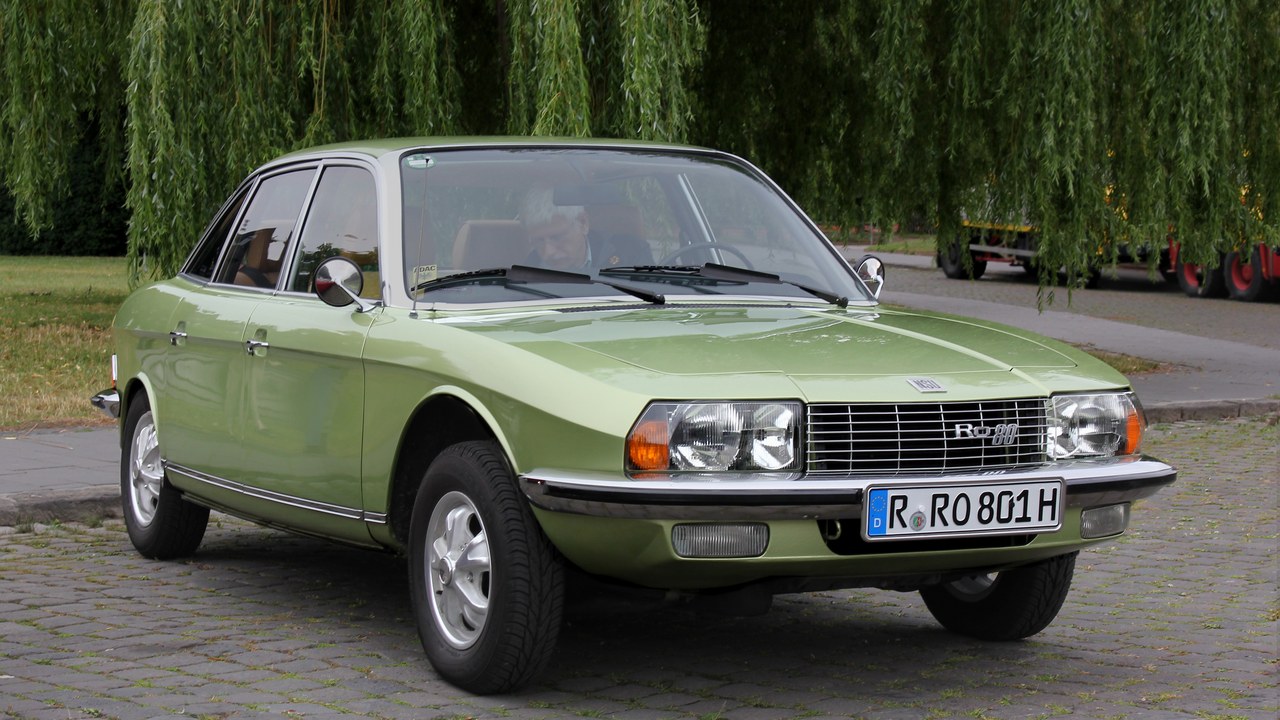
Not every rotary came from Japan, and the NSU Ro 80 proved the point with a strikingly modern German sedan. Launched in the late 1960s, its aerodynamic shape and twin-rotor engine earned it European Car of the Year honors. The green example pictured still looks contemporary decades on, a testament to its forward-thinking design. Judges crowned the Car of the Year sedan for its bold engineering.
Early engine sealing troubles damaged the model’s reputation and strained NSU’s finances badly. Despite that, the Ro 80’s clean styling influenced later sedans, and it endures as proof that the rotary dream reached well beyond Hiroshima.
8. Mazda 787B: The Le Mans Slayer
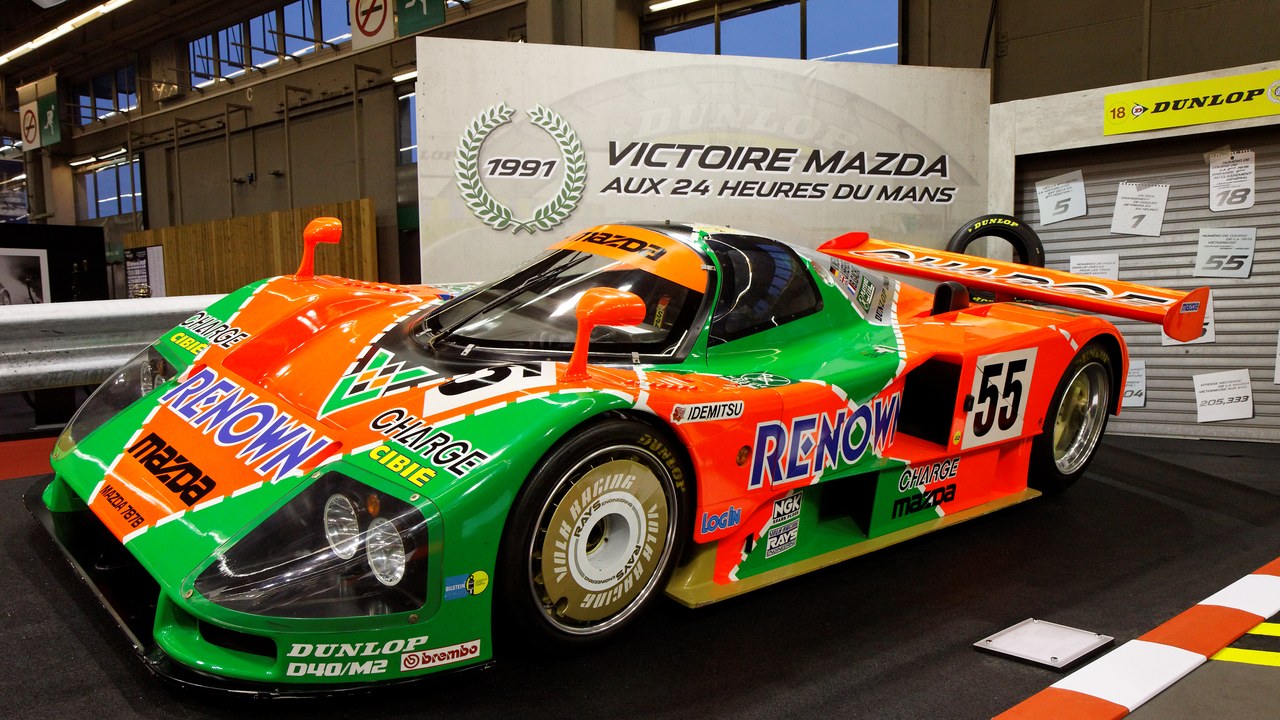
The Mazda 787B turned rotary ambition into a landmark victory, winning the grueling 24 Hours of Le Mans in 1991. Its four-rotor engine screamed a sound like nothing else in the field and ran reliably through the night. Painted in famous orange and green livery, the car pictured beat established piston-powered rivals outright. That triumph made the rotary Le Mans winner a motorsport legend.
It remains the only rotary-powered car and, for decades, the only Japanese entry to win the endurance classic outright. Rule changes soon banned the rotary, freezing the 787B in history as a singular, unrepeatable achievement for Mazda’s engineers.
9. Mazda Savanna: The Home-Market Name
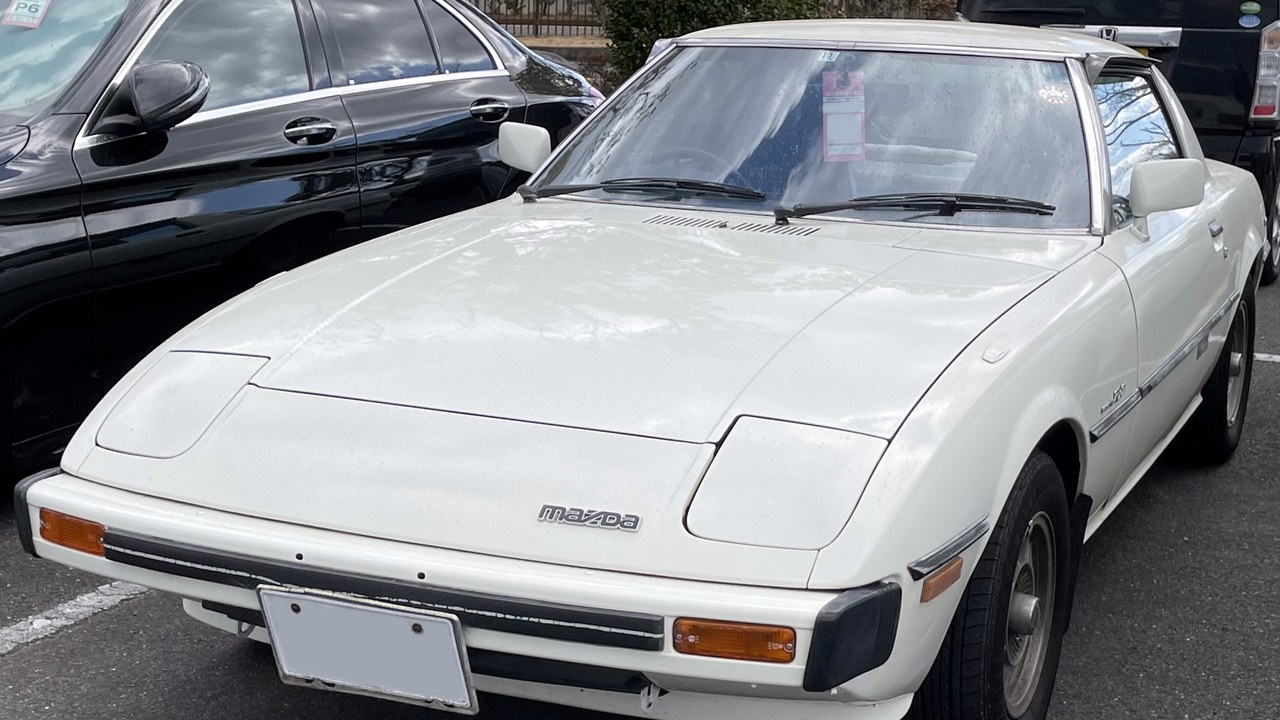
In Japan, several of Mazda’s early rotary coupes wore the Savanna badge rather than the export RX names familiar elsewhere. The nameplate covered sporty models that raced hard and sold well on the home market during the 1970s. The white coupe shown reflects the crisp lines of these domestic rotary machines. Enthusiasts trace the JDM rotary coupe name back through Mazda’s competition history.
Because the badge stayed largely within Japan, many overseas fans know the same cars only by their RX designations. The Savanna label underscores how central the rotary was to Mazda’s identity in its own backyard, where the engine earned a devoted following.
More from Morning Overview
