
Most modern cars put the engine up front and send power to whichever axle is convenient, but a small line of production models kept it behind the rear wheels instead. Porsche turned the layout into a signature, Volkswagen and Fiat used it to build cheap people’s cars, and Renault revived it decades later for the same city-car packaging reasons. This gallery rounds up nine cars built that way.
1. Porsche 911: Unchanged Since 1963
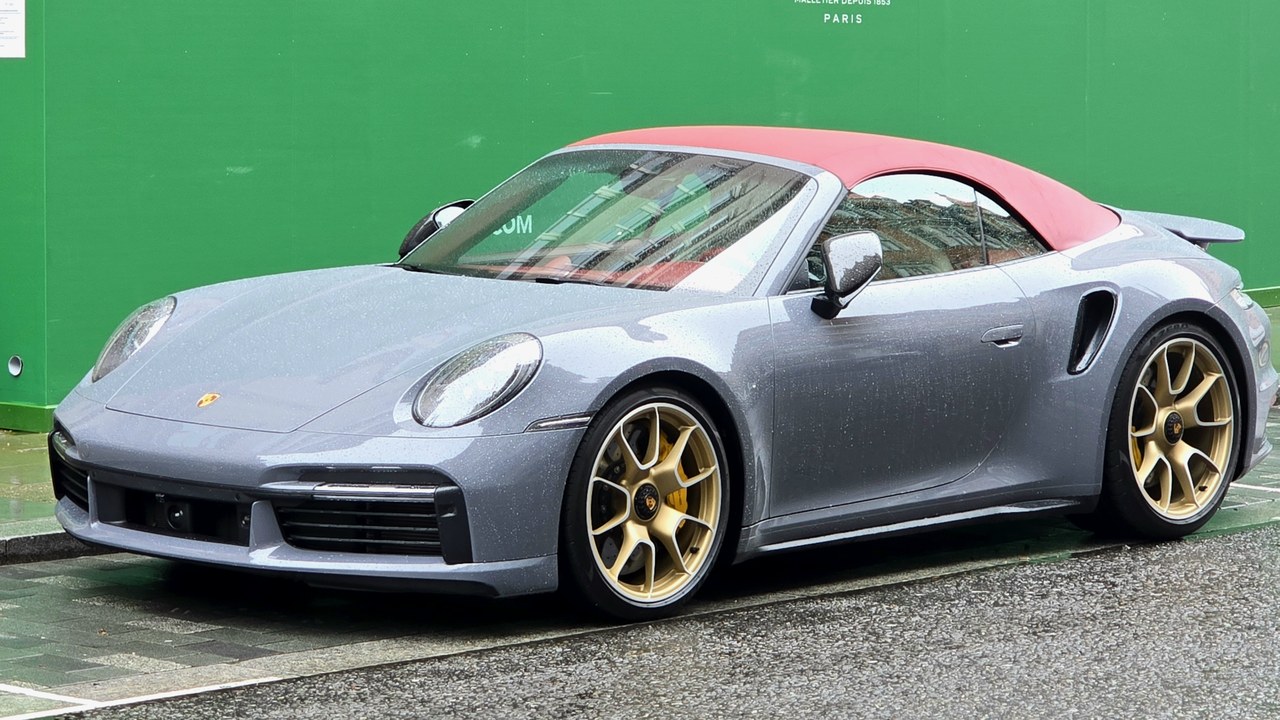
Porsche’s own site states the standard 911 has kept its flat-six mounted behind the rear axle in every generation since the car launched in 1963, per Porsche’s explainer on the layout, even as the body grew wider and the horsepower climbed into the hundreds.
Every rival that tried the same layout eventually gave it up for a mid- or front-engine design; Porsche just kept refining the traction and handling quirks instead of walking away from them. Six decades of the same basic layout is now as much a brand promise as a technical choice.
2. Volkswagen Beetle: Twenty-One Million Rear-Engine Cars
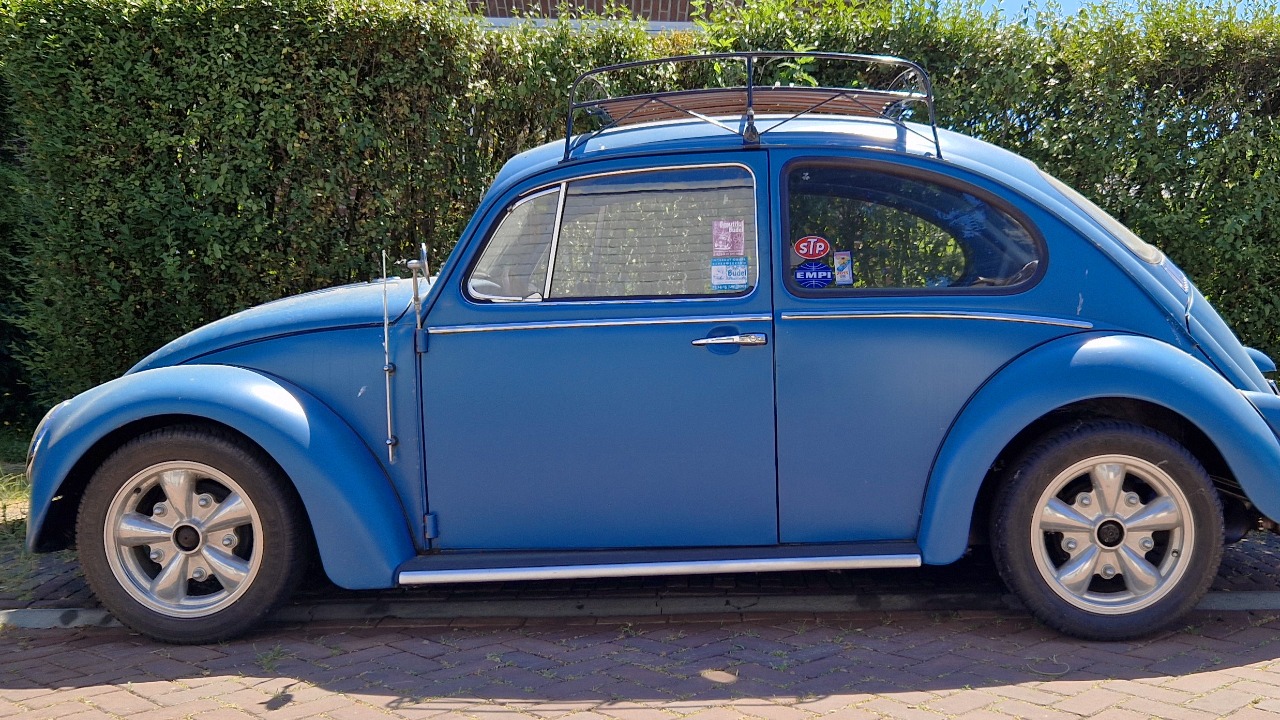
More than 21 million original Beetles left factories worldwide with the same rear-mounted, air-cooled flat-four, a total Hagerty’s buyer’s guide calls the best-selling single car design in history.
That production run stretched across five decades and multiple continents, proving a rear-engine economy car could scale into a genuinely global product rather than a regional curiosity. Factories in Mexico and Brazil kept building the original design long after Germany had moved on to front-engine hatchbacks, and the very last example rolled off a Puebla assembly line in 2003.
3. Chevrolet Corvair: Detroit’s Answer To The Beetle
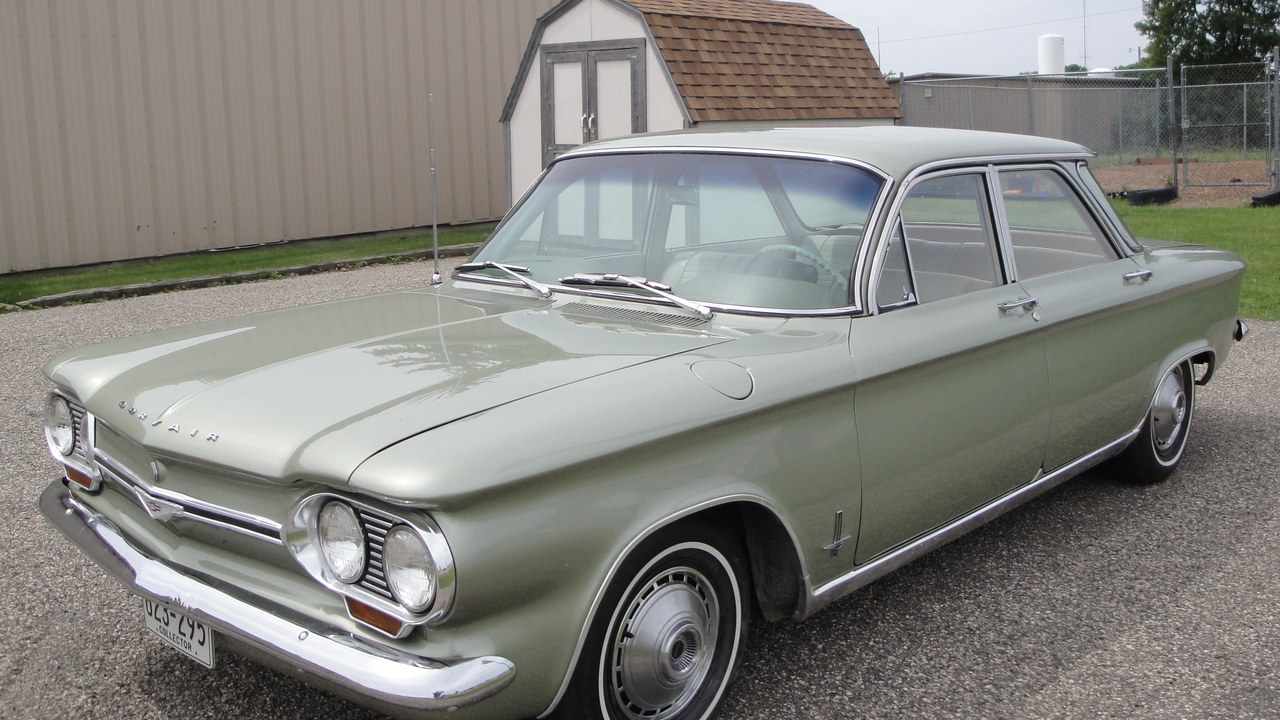
General Motors built the Corvair as an air-cooled, rear-engine compact meant to undercut the Beetle on its own terms, a strategy Hagerty’s profile of the car traces back to internal GM engineering studies.
The layout made the Corvair unlike anything else in a Chevrolet showroom, and that unfamiliarity is part of why the car still draws a stubborn following among collectors. GM never repeated the experiment once the Corvair left production, returning every later compact to a conventional front-engine layout instead of defending the unconventional one it had just built.
4. DMC DeLorean: A V6 Behind The Axle
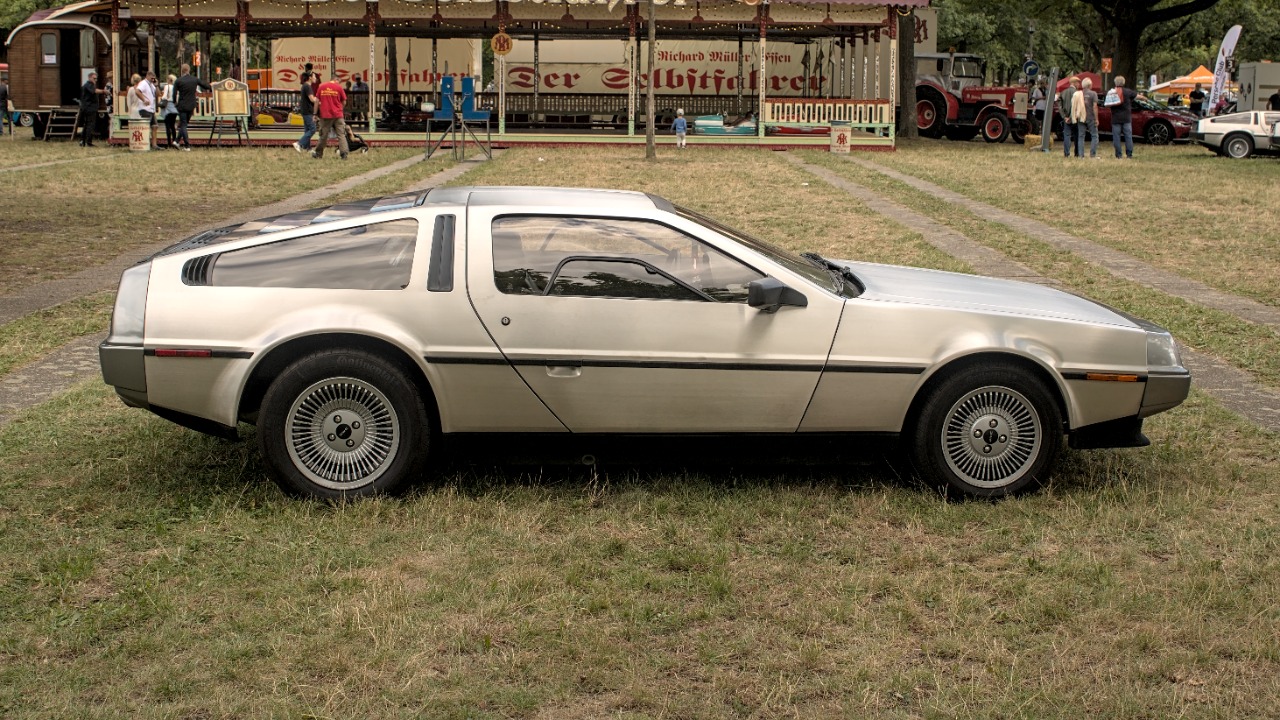
The DMC-12 carried its 2,849 cc PRV V6 in the rear, positioned behind the rear axle rather than amidships, a distinction Hagerty’s market report spells out for buyers who assume it drives like a mid-engine sports car.
That placement shifted more weight over the rear wheels than a true mid-engine layout would, which shaped both the DeLorean’s handling and its now-famous stability at speed. Enthusiasts still argue over the tradeoff, since the same layout that hurt cornering balance also gave the car a planted, high-speed feel.
5. Porsche 356: The Car That Set The Formula
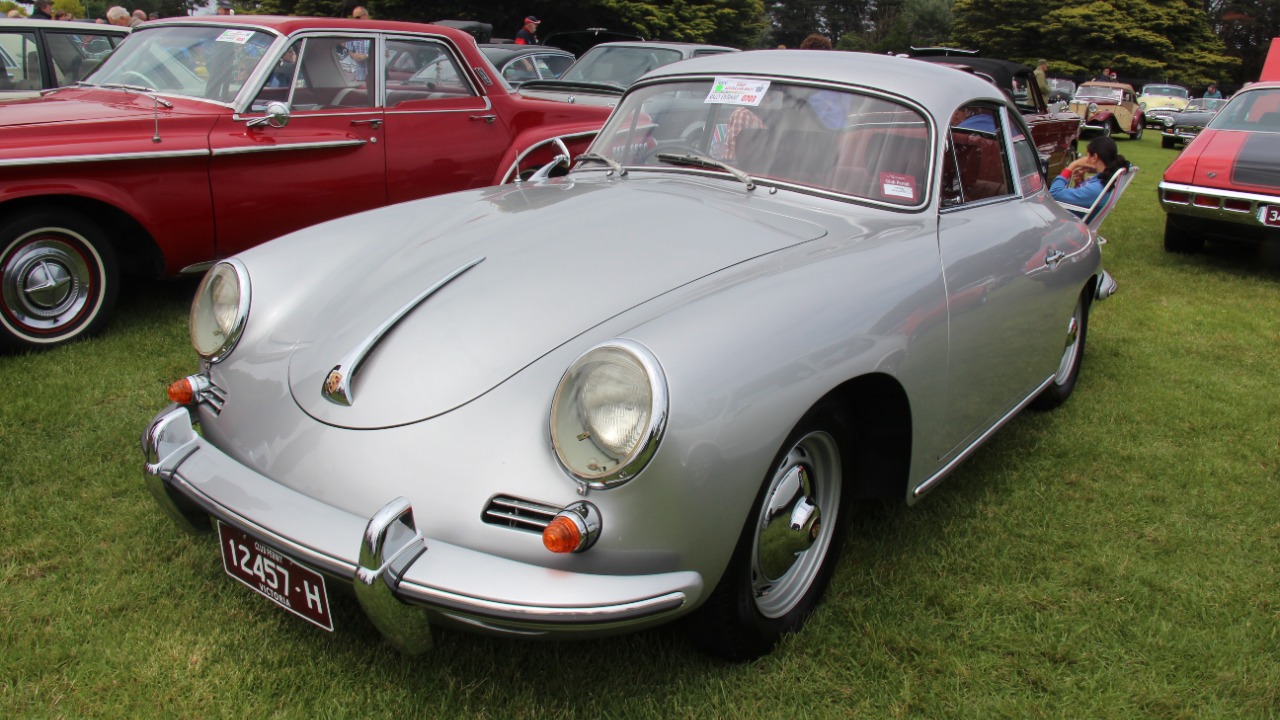
Porsche’s first production model established the flat-four-behind-the-axle formula the 911 would inherit, a lineage the 356’s Wikipedia entry traces directly from Beetle-based engineering to Porsche’s own chassis.
Every quirk people associate with rear-engine Porsches, from the pendulum weight bias to the distinctive exhaust note, started on this car before the 911 ever existed. Ferdinand Porsche’s own company effectively rented Volkswagen’s mechanicals to build its first product, then spent the rest of its history refining what began as a borrowed layout into a badge of its own.
6. Fiat Nuova 500: Italy’s People’s Car, Tail Engine
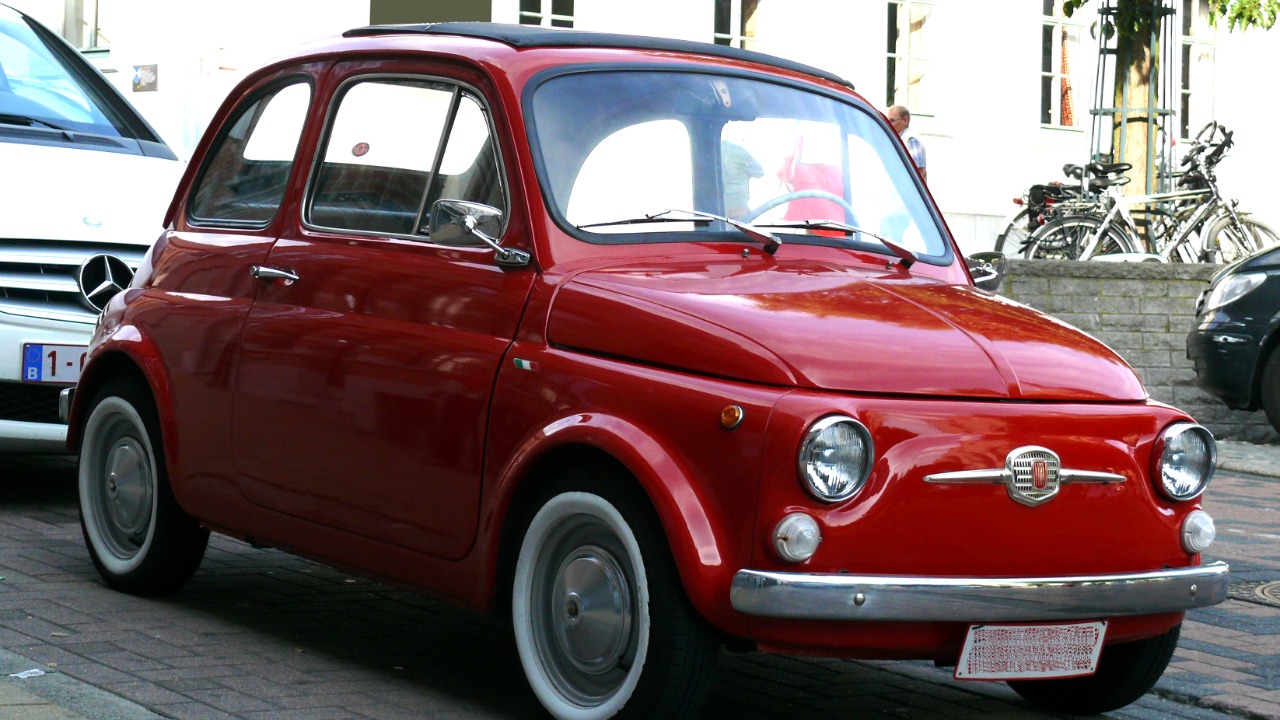
Fiat tucked a tiny air-cooled twin into the tail of the 1957 Nuova 500, a layout the car’s Wikipedia page credits with freeing up cabin space in a car barely ten feet long.
The engine’s small size meant the packaging trick worked without the cooling and handling headaches that plagued bigger rear-engine cars of the same decade. Fiat sold the formula as affordable transport for postwar Italy, not as a sports car, even though the layout underneath was identical to Porsche’s own more expensive approach.
7. Smart Fortwo: An Engine Under The Trunk
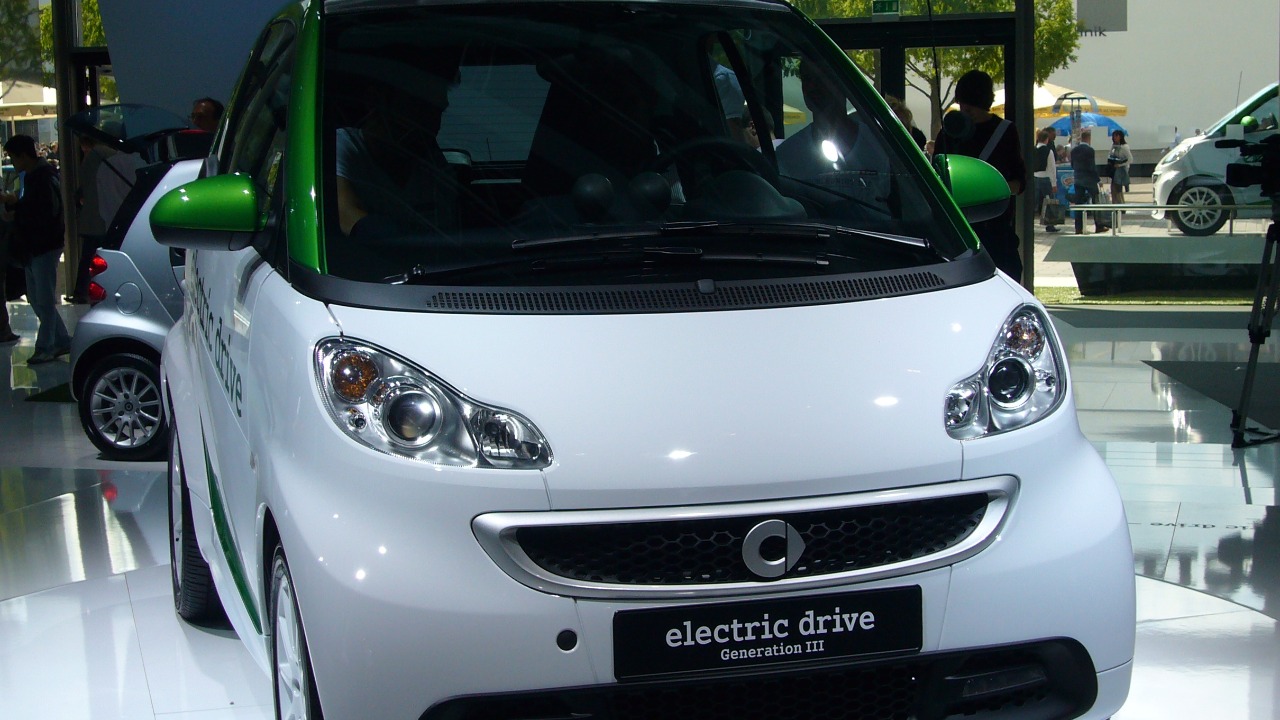
The Fortwo hides its engine beneath the rear cargo floor, a layout the car’s Wikipedia entry says lets the city car keep an unusually short nose for its tiny footprint.
Smart borrowed the rear-engine idea less for handling and more for packaging, squeezing a full driveline into a car short enough to park nose-in to a curb. The tradeoff is a tiny trunk sitting above the engine bay, which owners quickly learn to work around when loading groceries, luggage, or anything larger than a backpack.
8. Tata Nano: A Rear Twin For India
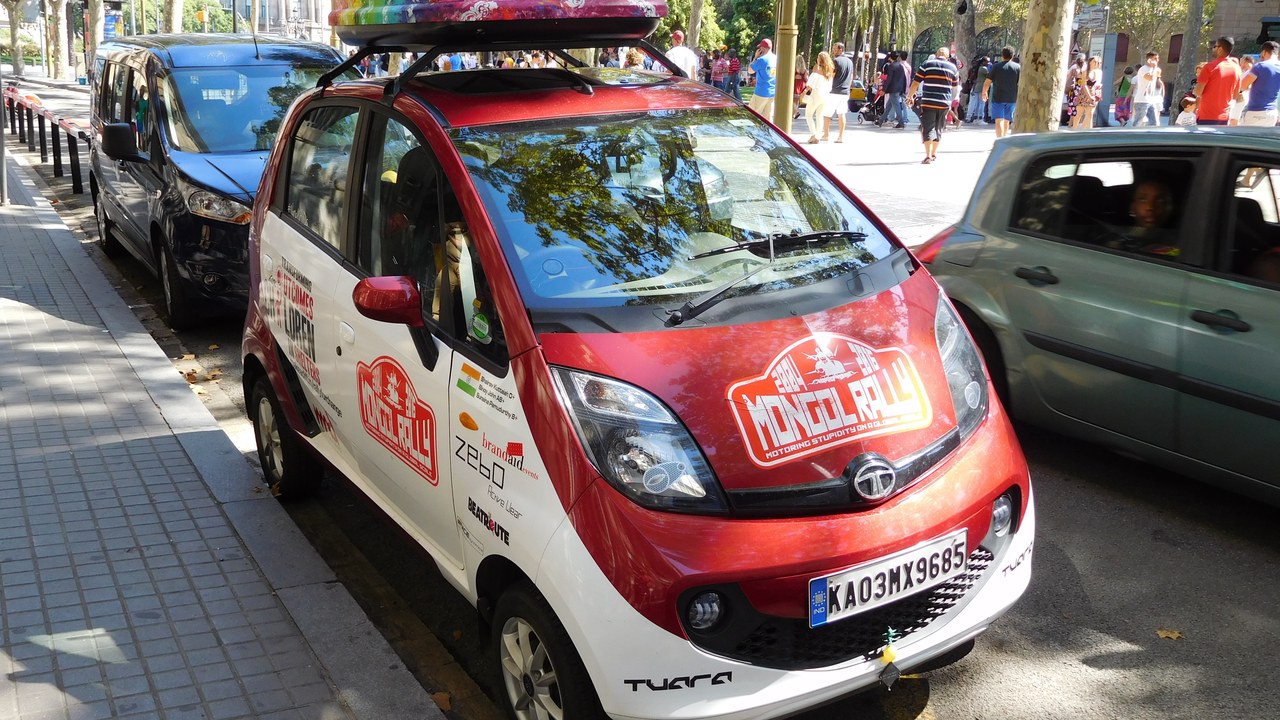
Tata mounted a compact two-cylinder engine in the rear of the Nano, a decision the car’s Wikipedia page ties to keeping the whole package as minimal, and as cheap, as possible.
Every dimension of the Nano was built around a price target first, and the rear engine let Tata skip the driveshaft and front subframe a conventional layout would have needed. The approach echoed Fiat and Volkswagen’s oldest economy-car logic, applied to a brand-new market roughly six decades after Turin and Wolfsburg first tried the same trick.
9. Renault Twingo III: The Layout Comes Back
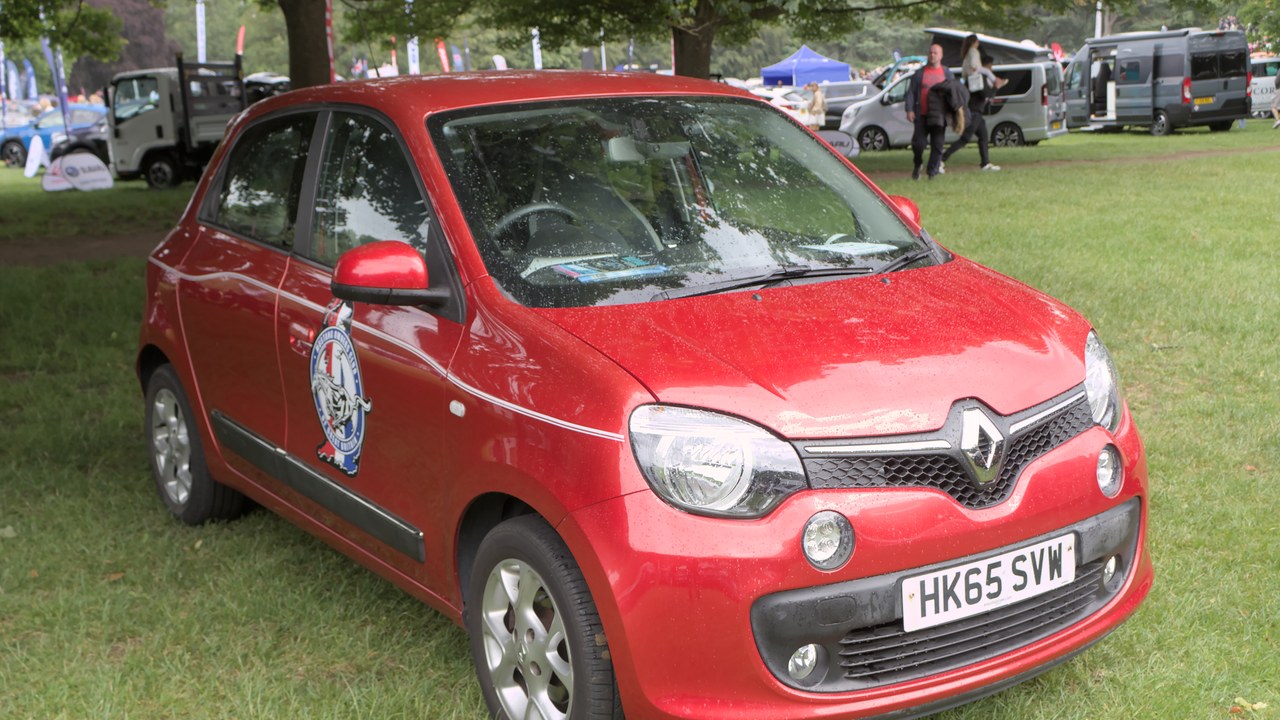
Renault revived the rear-engine layout in 2014 on the third-generation Twingo, sharing hardware with Smart on a platform the car’s Wikipedia entry describes as a joint development.
Reviving a layout most automakers had abandoned decades earlier was a bet on tight urban turning circles over any nostalgia for the format’s air-cooled past. Sharing the platform with Smart also split the engineering cost between two manufacturers instead of leaving either one to shoulder the whole bill alone, and it let both brands sell a genuinely different city car.
More from Morning Overview
- Consumer Reports names the 2026 models it expects to break down the most
- Supplements now rank as the fifth-leading cause of death from liver disease.
- The NSA is again telling phone owners to switch off one location setting
- Four U.S. startups fired up their first small nuclear reactors, aiming to power AI data centers on-site
