
Used-car prices move at very different speeds depending on the model, and market data from 2026 shows a clear split between vehicles holding steady and vehicles losing value fast. Electric SUVs, a hybrid crossover and several depreciation-prone luxury models all posted double-digit declines within the past year or over a five-year span. Here are ten used cars whose prices are falling fastest right now.
1. Volkswagen ID.4: The Steepest Drop Yet
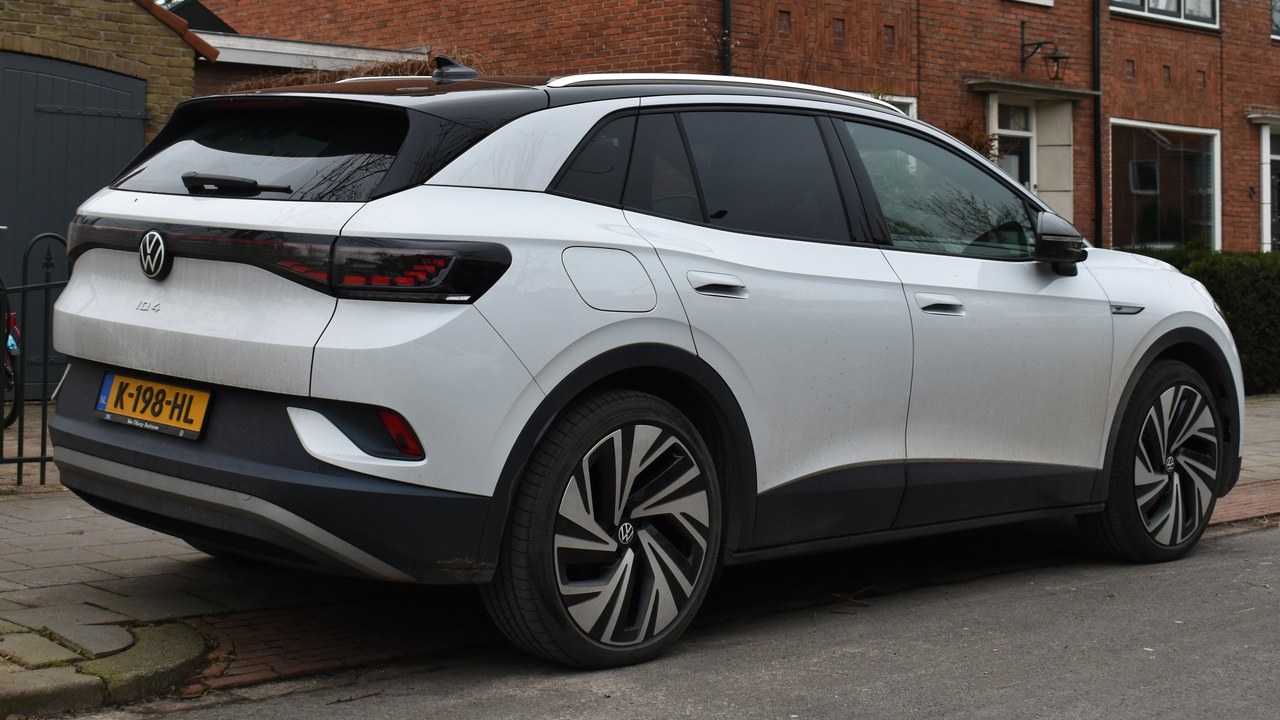
The Volkswagen ID.4’s average resale price fell 13.2% year over year as of March 2026, the steepest drop of any one-to-five-year-old used vehicle in the iSeeCars market study. No other model in the report posted a faster year-over-year decline, gas or electric.
For a shopper, that swing makes a low-mileage ID.4 one of the cheaper ways into a modern electric SUV, while an owner trying to sell or trade one faces a steeper hit than almost any other used vehicle currently on the market. A double-digit drop over a single year points to demand for compact electric SUVs cooling faster than the broader used-vehicle market.
2. Genesis GV80: Nearly Five Grand Gone
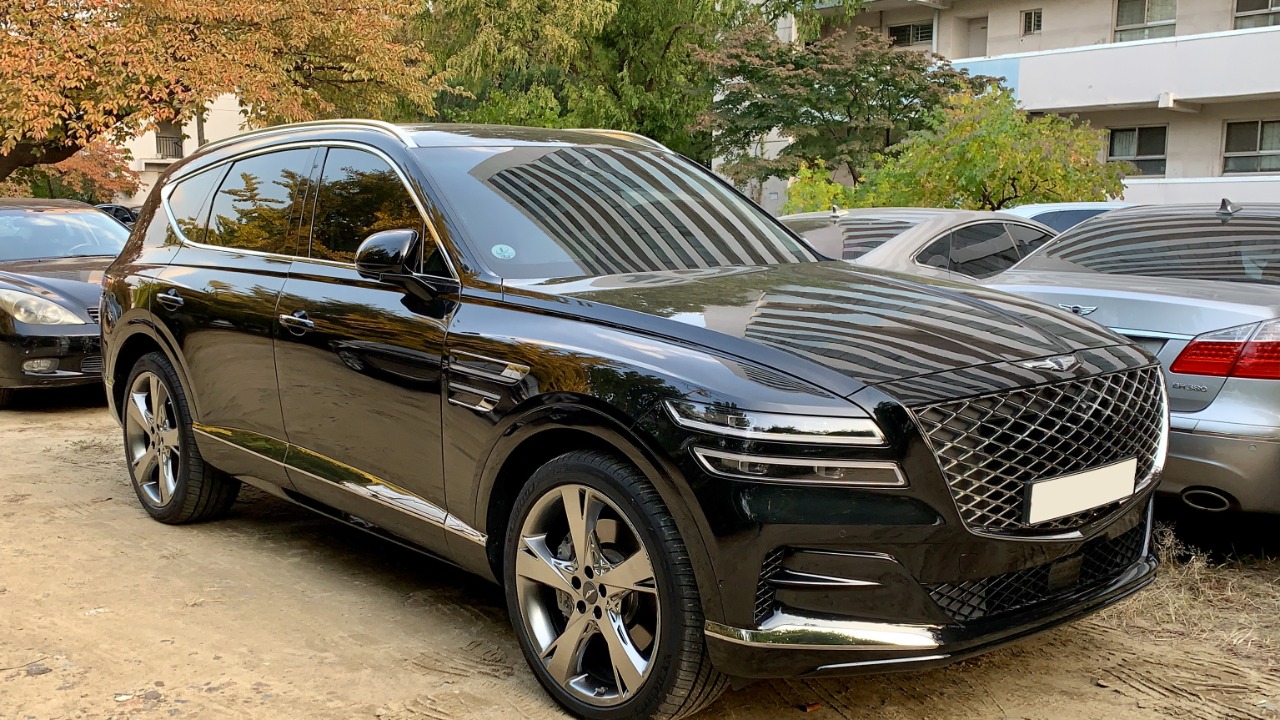
The Genesis GV80’s average price dropped 10.1% year over year, a loss of $4,848 in just twelve months, according to the iSeeCars pricing study. That dollar loss ranks among the largest the study recorded for any luxury SUV.
The decline gives buyers a shot at a near-luxury three-row SUV well below its original price, but it also means owners who financed near sticker price are likely underwater sooner than expected on a vehicle still under warranty. A near-$5,000 swing in a single year is a meaningful gap for anyone budgeting a trade-in around the original purchase price.
3. Ford Mustang Mach-E: Ford’s EV Slide
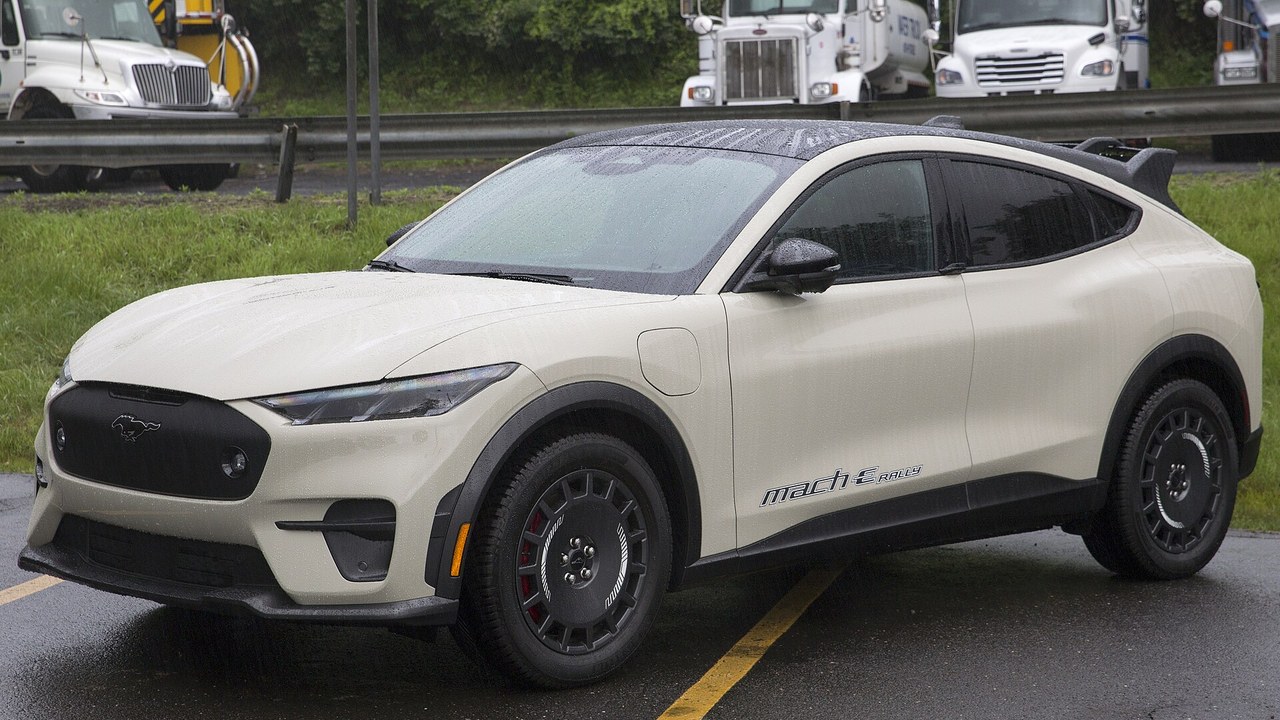
The Ford Mustang Mach-E posted a 9.5% year-over-year price drop as of March 2026, down $3,076 on average, per the iSeeCars study data. The decline places Ford’s electric crossover among the fastest-depreciating vehicles the study measured this cycle.
A cheaper used Mach-E lowers the entry price into Ford’s electric lineup for a next buyer, though the pace of the drop suggests demand for the model cooled faster than for most gas-powered crossovers in the same size class. Buyers cross-shopping electric and gas crossovers now find the Mach-E priced closer to comparable gas models than it was a year ago.
4. Nissan Leaf: Cheapest Way Into Electric
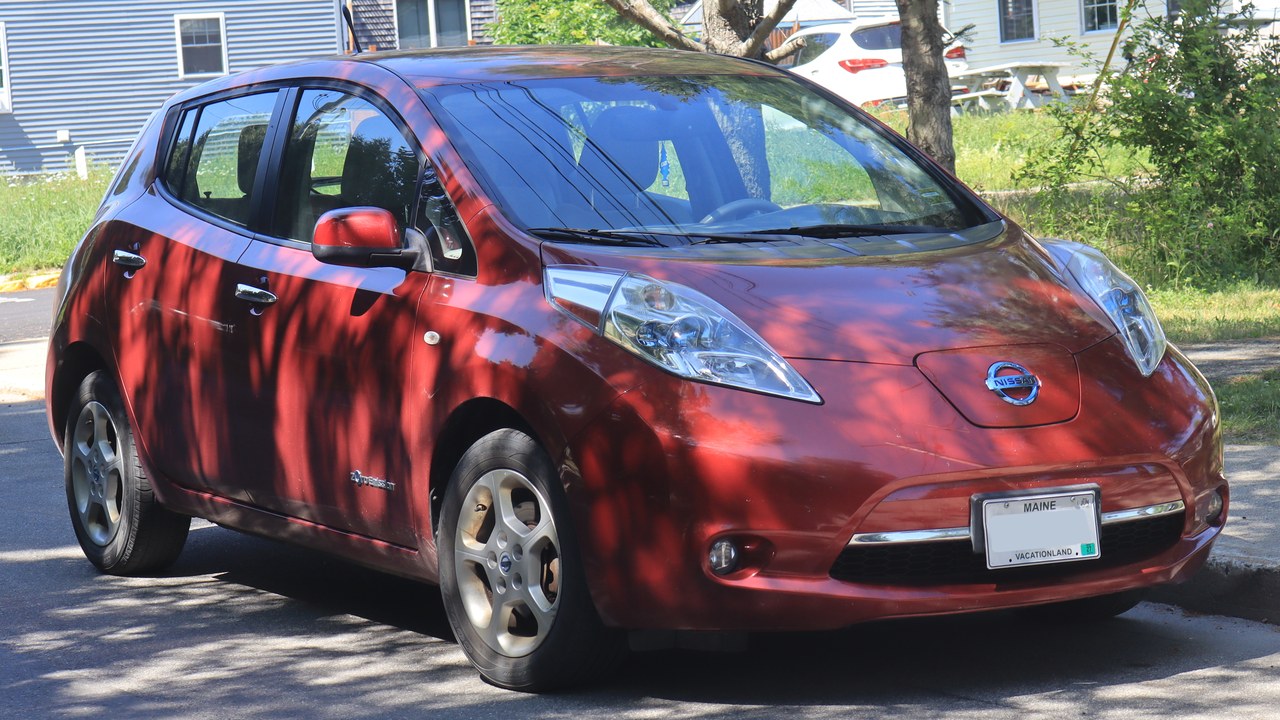
The Nissan Leaf’s average price fell 8.9% year over year, placing it among several electric vehicles leading the market’s declines in the iSeeCars market data. Electric models dominated the steepest-falling end of the list the study compiled.
The drop makes a used Leaf one of the least expensive electric cars available, a plus for a budget-minded buyer, but it also signals the model’s resale value is sliding faster than most compact cars on used lots today. With electric models making up much of the steepest-falling group, the Leaf’s decline fits a pattern rather than standing alone.
5. Lincoln Corsair: The Fastest Faller
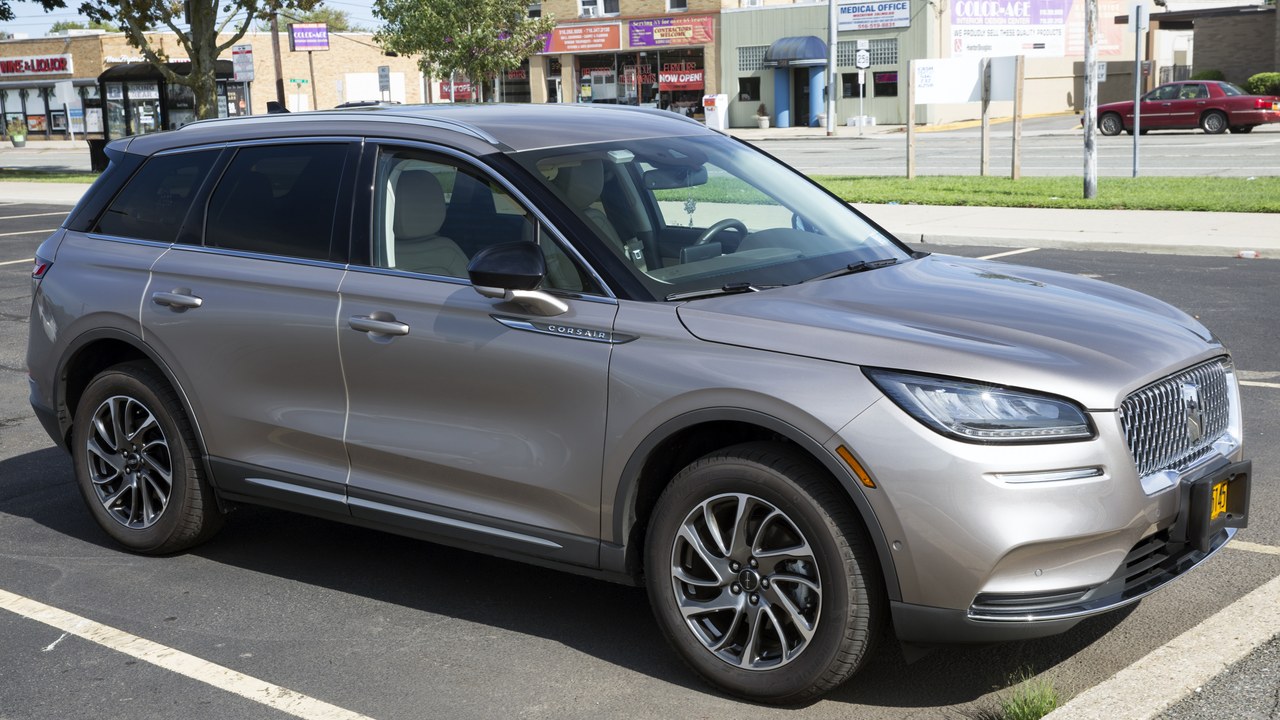
The Lincoln Corsair hybrid is down 14.7% year over year through June 2026, a $6,454 drop that made it the fastest-falling model in the MoneyTalksNews price report. No other vehicle the outlet reviewed lost value at that pace this year.
That decline hands a secondhand buyer a hybrid luxury crossover at a steep discount to its original sticker price, while an owner planning to trade one in should expect an offer well under what it would have brought a year earlier. Topping the outlet’s entire list marks the Corsair hybrid as the single fastest-depreciating vehicle it tracked this cycle.
6. Porsche 911: A Premium Price Cut
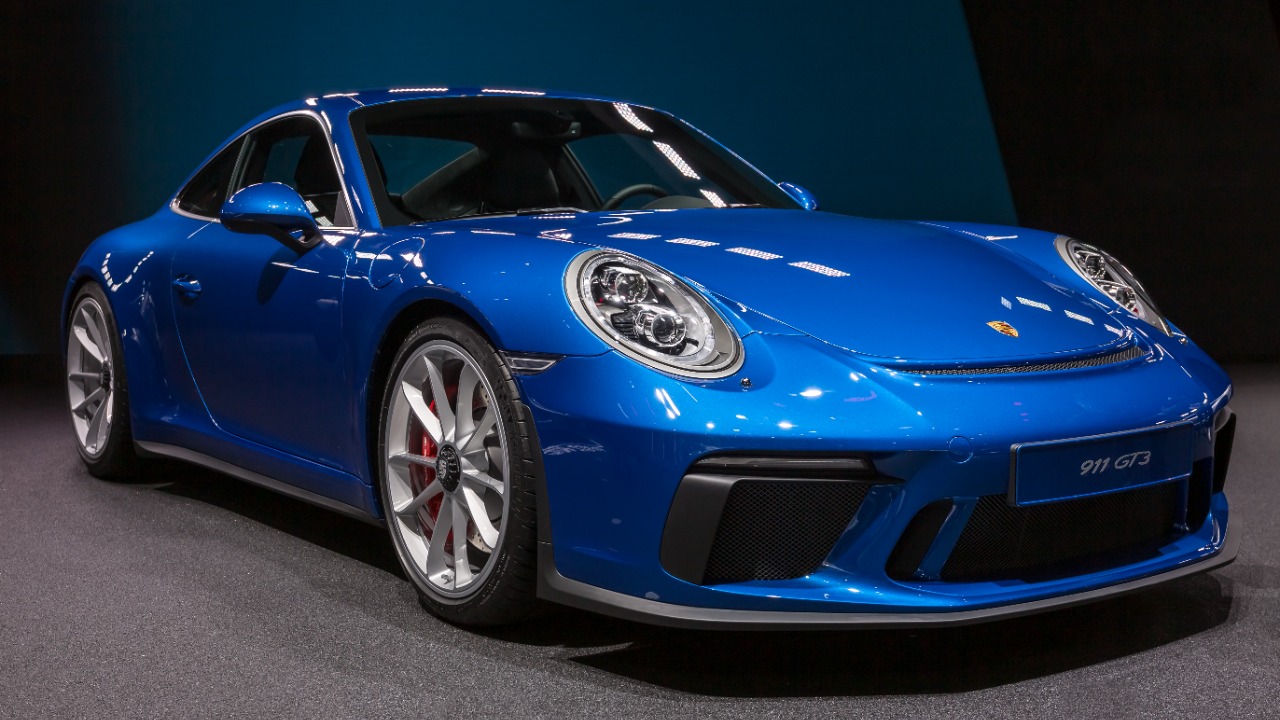
The Porsche 911 is down 10.6% year over year through June 2026, an average price drop of $14,063, according to the same MoneyTalksNews pricing report. That dollar figure was among the largest drops the outlet listed for any model.
Even discounted, a 911 remains a premium purchase, but the decline puts a newer used example within closer reach of buyers who were priced out a year ago, while resale-focused owners face one of the steepest dollar losses on the list. A $14,063 swing on a single sports car dwarfs the dollar drop recorded for most mainstream models in the same report.
7. Mercedes-Benz G-Class: Losing Its Value Edge
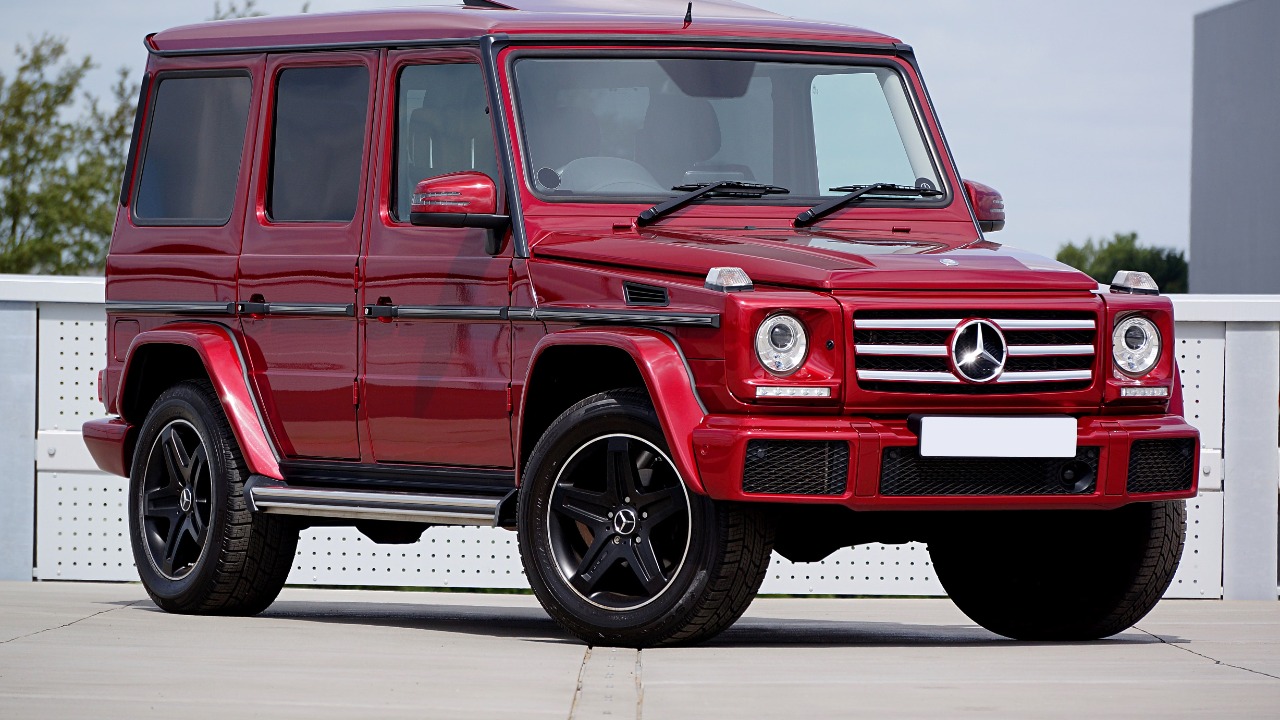
The Mercedes-Benz G-Class saw its average price fall 7.2% year over year through June 2026, a $9,927 drop noted in the MoneyTalksNews used-car report. The G-Class had long held its value better than most luxury SUVs before this stretch.
A nearly $10,000 swing still leaves the G-Class among the pricier used SUVs on the market, but the pace of the drop marks a shift for a model whose resale strength was previously one of its main selling points. Buyers who assumed the G-Class would hold value the way it always had now have a wider price gap to negotiate.
8. Infiniti QX80: Second-Fastest to Depreciate
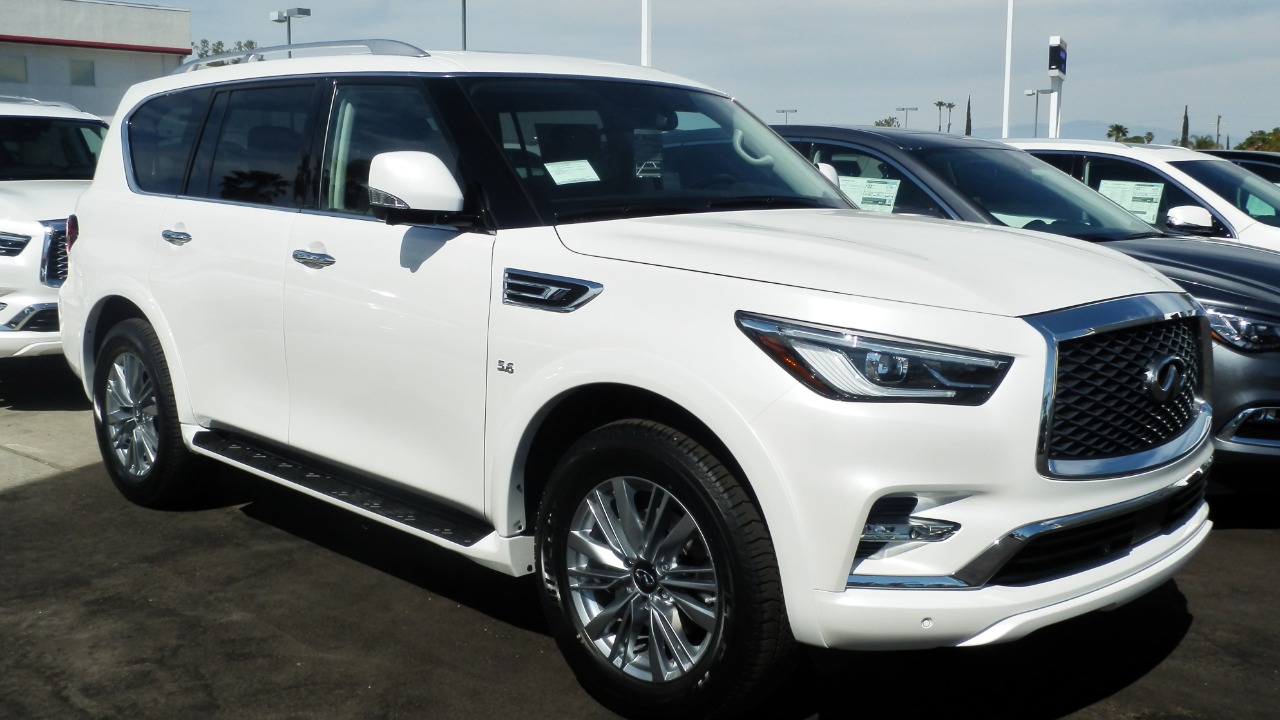
A five-year depreciation study found the Infiniti QX80 loses 62.8% of its value, the second-fastest rate of any vehicle the researchers tracked, according to the five-year depreciation study. Only one other model in the full-size SUV class fell faster over that span.
Losing nearly two-thirds of its value in five years makes a used QX80 a relative bargain for a buyer chasing a full-size luxury SUV, though it also means the original owner absorbed one of the steepest five-year losses the study recorded. Ranking second among more than 950,000 transactions in the study underscores how sharply full-size luxury SUVs can lose ground.
9. BMW 7 Series: A Flagship’s Fast Fade
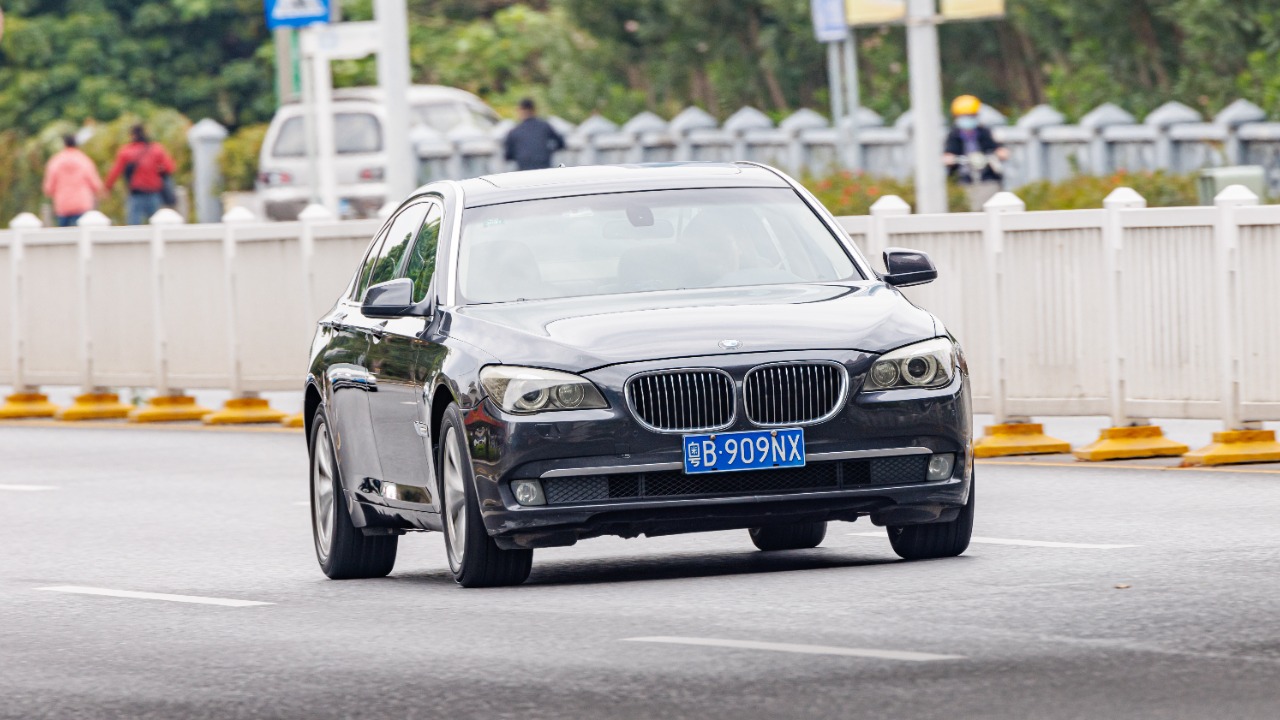
The BMW 7 Series loses 61.6% of its value after five years, per the same study of more than 950,000 transactions covering the depreciation study rankings. That places BMW’s flagship sedan just behind the QX80 among the fastest-depreciating vehicles measured.
For a buyer, a five-year-old 7 Series becomes a comparatively affordable way into a full-size luxury sedan, while the depreciation curve underscores why leasing rather than buying remains the more common route into this segment. Losing well over half its value in five years leaves the flagship sedan trading for a fraction of what it cost new.
10. Infiniti QX60: Rounding Out the Top Ten
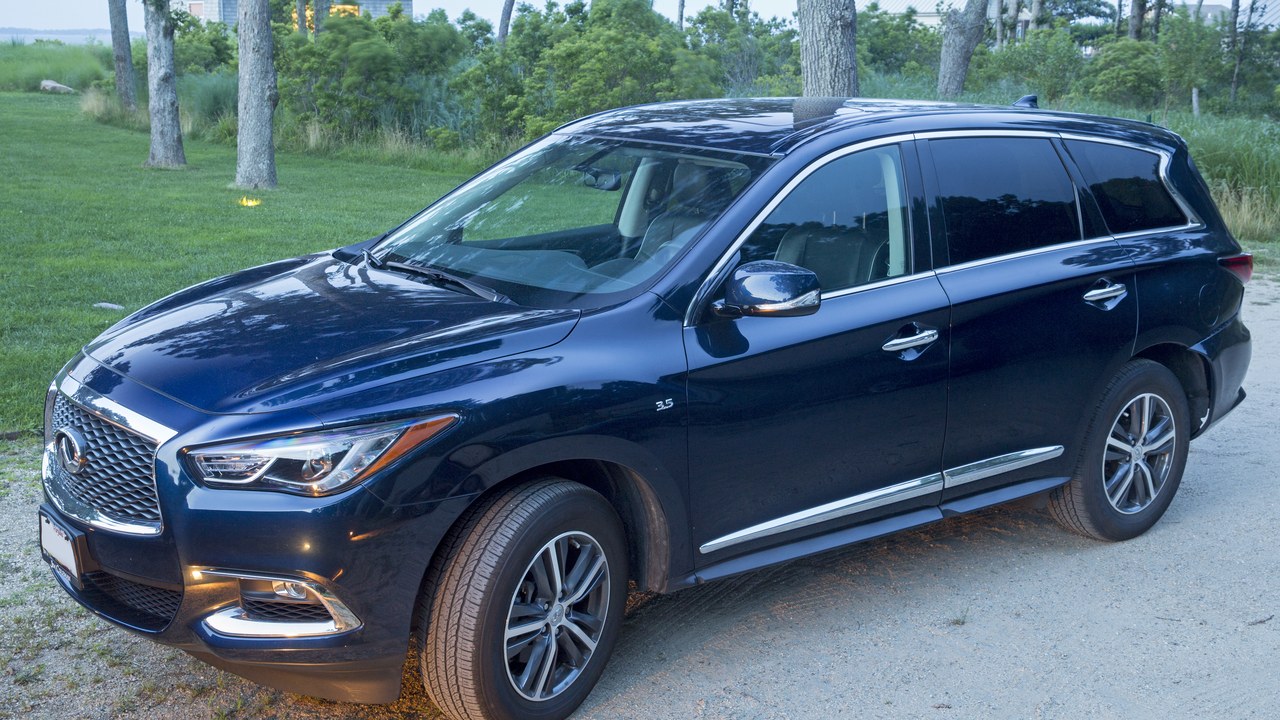
The Infiniti QX60 rounds out the fastest-depreciating top ten, losing 58.3% of its value after five years in the five-year depreciation data. Two Infiniti models landing in the same top-ten list points to a broader pattern across the brand’s SUV lineup.
A used QX60 at that discount gives a family-SUV buyer significant savings over the original sticker price, though the repeated appearance of Infiniti models on the list may give a prospective owner pause about long-term resale value. Two Infiniti SUVs among the ten fastest-depreciating vehicles suggests the brand’s resale weakness extends beyond a single model.
More from Morning Overview
- The NSA is again telling phone owners to switch off one location setting
- Four U.S. startups fired up their first small nuclear reactors, aiming to power AI data centers on-site
- 11 engines built to run well past 200,000 miles
- A handful of car transmissions are so tough that mechanics say they almost never die
