
Long before crossovers blurred the line, automakers were already putting cargo beds on passenger-car platforms. The idea began in Detroit, spread to Japan and has returned in recent years with unibody construction. Here are nine pickups that started life as cars, each tied to the sedan, coupe or wagon underneath.
1. Ford Ranchero: The Long-Bed Wagon Idea
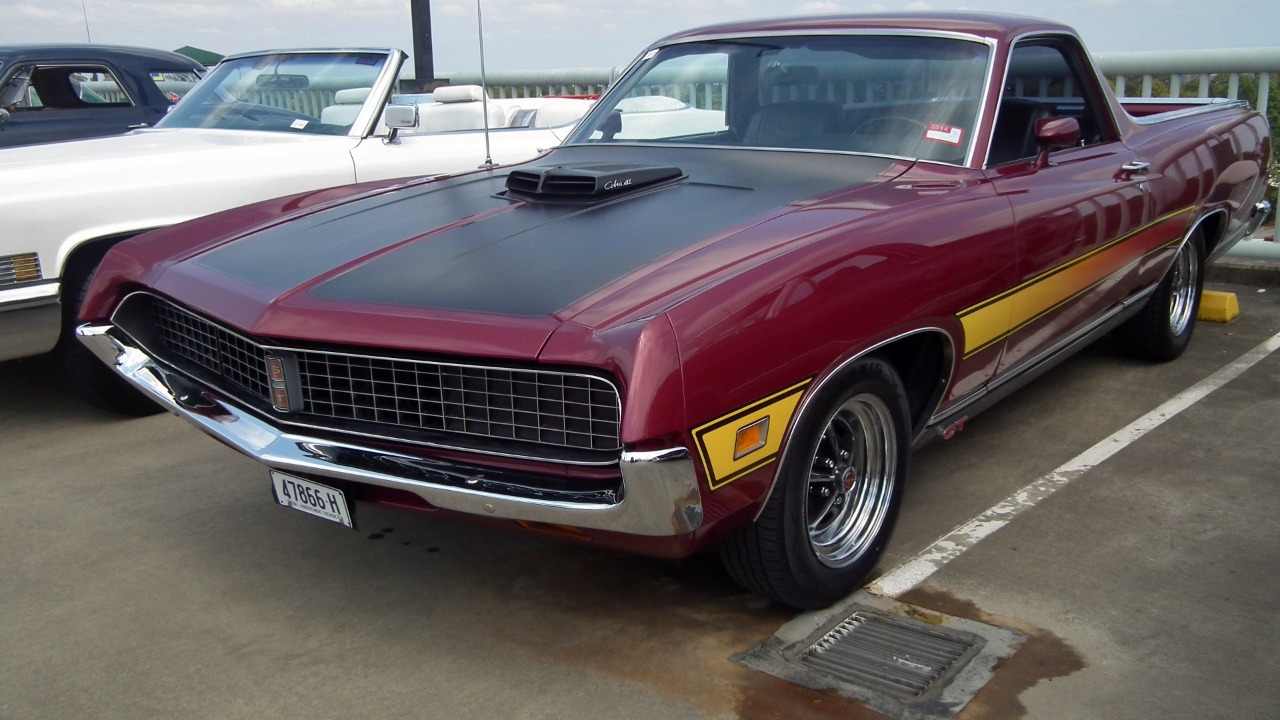
Ford introduced the first American car-based pickup in 1957, building it on a two-door station wagon body. The Ranchero that followed stayed true to that formula for more than two decades, shifting to Falcon, Torino and LTD II underpinnings before production ended in 1979. Each change tracked whichever passenger platform Ford was using at the time.
Because the Ranchero shared its running gear with ordinary family cars, it drove and rode like one. That lineage set the template that rivals copied, and it explains why the nameplate is remembered as a car with a bed rather than a truck. Later generations kept the same logic, which is part of why collectors treat the whole run as one family.
2. Chevrolet El Camino: Chevrolet Fires Back
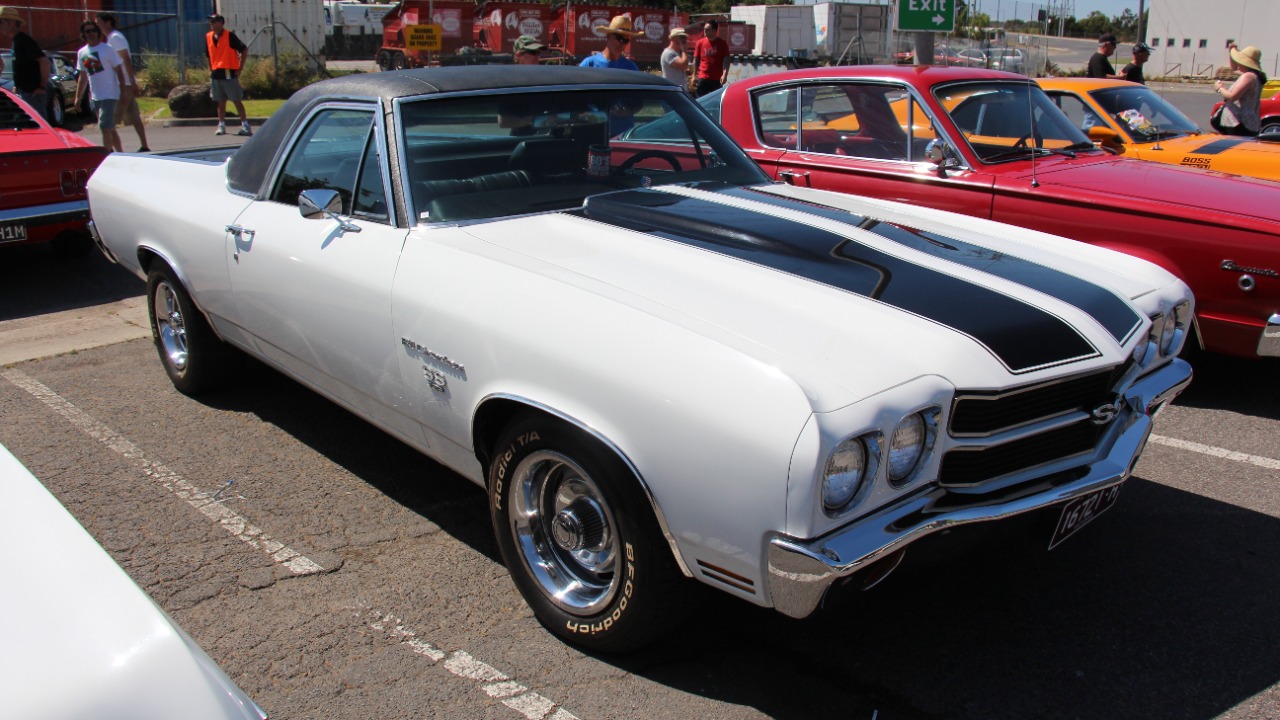
Chevrolet’s answer to the Ranchero arrived for 1959, and the El Camino used the full-size passenger-car platform rather than a truck chassis. The move put General Motors directly into a segment Ford had opened two years earlier, and it gave buyers a pickup with car-style trim and comfort.
The El Camino later became the best-known name in the category, outlasting most competitors. Its history is a useful reminder that the idea behind the car-pickup was always to blend everyday driving with an open cargo bed in one body. That shared car basis is also why it attracts the same enthusiasts who follow the muscle-car era, since the two overlap heavily.
3. GMC Caballero: The El Camino Twin
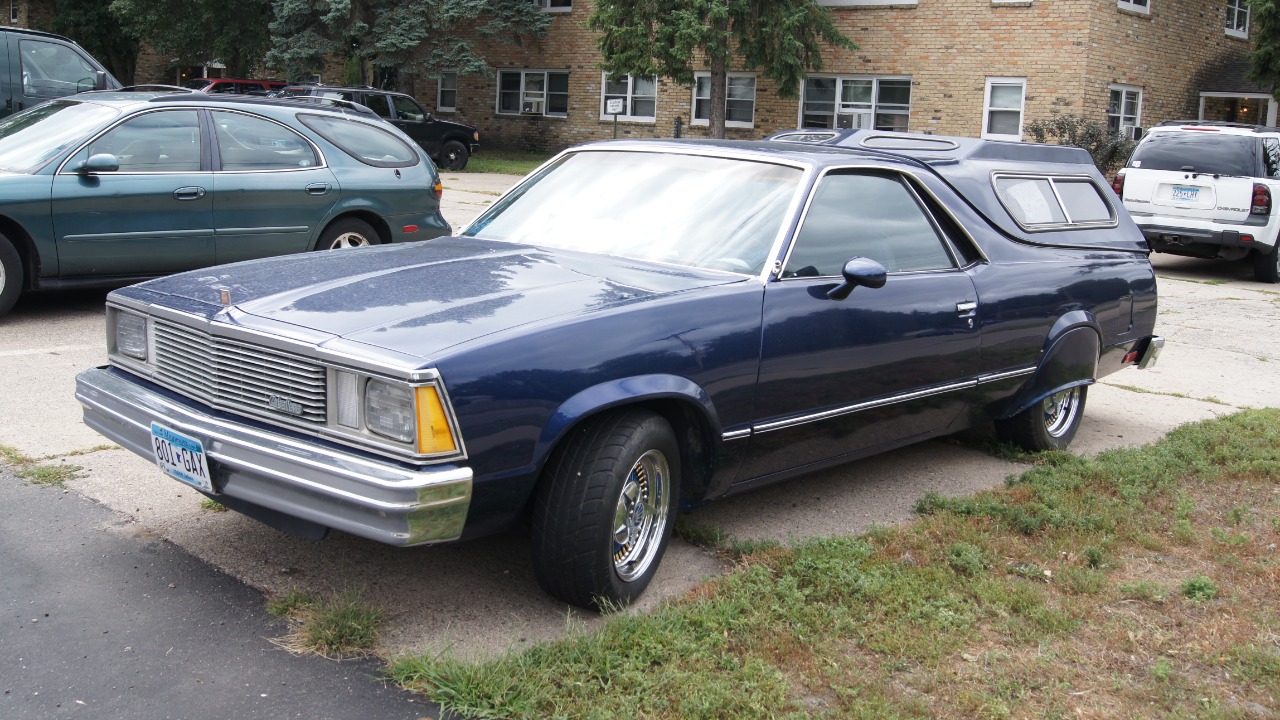
General Motors also sold a badge-engineered sibling through its truck-focused division. The Caballero began life as the Sprint in 1971 and took the Caballero name in 1978, remaining a close relative of the Chevrolet El Camino throughout.
Sharing a body and chassis with the better-known model made it a lower-volume alternative at GMC dealers. Shoppers comparing the two will find the differences mostly in trim and grille details, since both rode on the same car-derived underpinnings. Sellers and collectors often mention the pair together, because the shared bodywork makes the GMC version easy to overlook beside its Chevrolet sibling.
4. Subaru BRAT: A Seat In The Bed
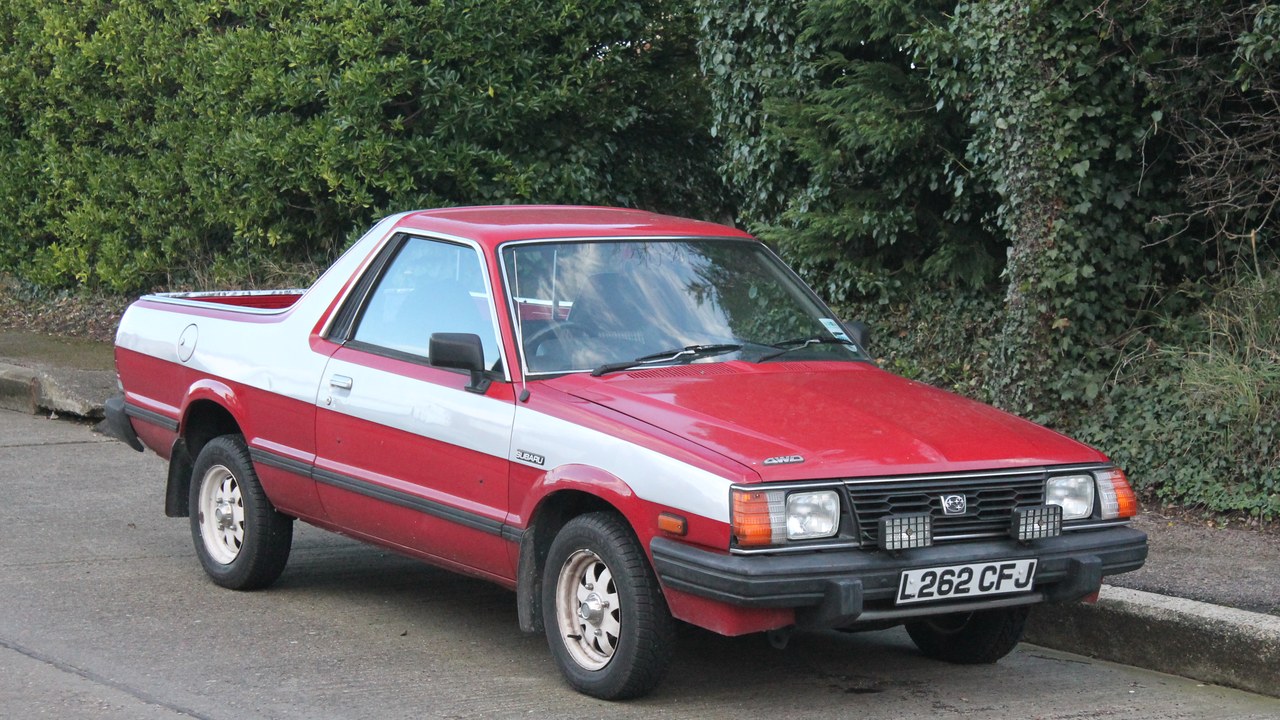
Subaru built the BRAT on the Leone station wagon, and its cargo bed carried two rear-facing plastic seats. Those seats mattered for trade reasons: they let the BRAT avoid the 25 percent chicken tax on light trucks and pay the 2.5 percent tariff applied to cars.
The loophole turned a tiny four-wheel-drive pickup into a regulatory workaround as much as a vehicle. Few car-based trucks show so plainly how import rules, rather than engineering alone, shaped what showed up in showrooms. Few vehicles of the period were designed so openly around a customs rule, and the BRAT remains the standard example of the trick.
5. Dodge Rampage: Chrysler Goes Small
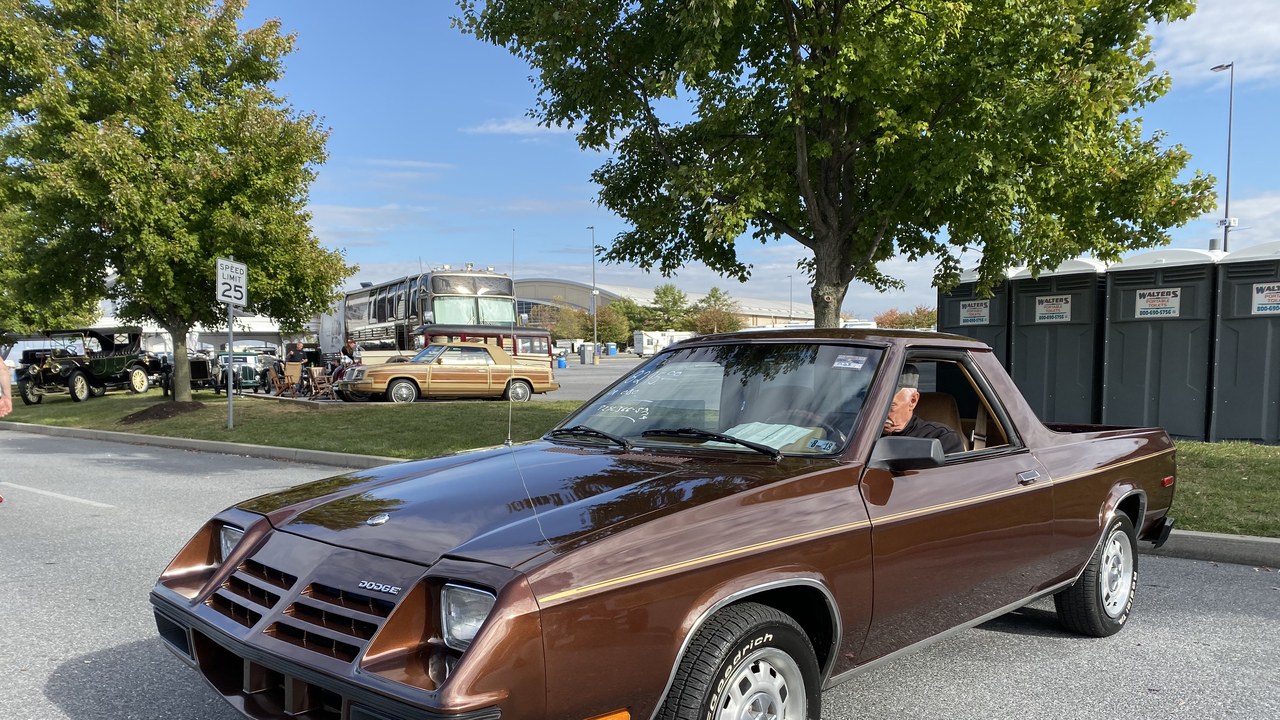
Chrysler built the Rampage on the L-body platform shared with the Dodge Omni 024 coupe. Despite its compact footprint, the Rampage was rated for a 1,145-pound payload, and 17,636 were sold in 1982, its first year on sale.
That payload figure gave it a claim to half-ton capability on paper, which was unusual for a front-drive car-based truck. Sales were strong at launch, though the model did not stay in the lineup for long afterward. For a small car-based truck, that combination of compact size and rated capacity explains the attention it still draws among Chrysler fans today.
6. Plymouth Scamp: One Model Year Only
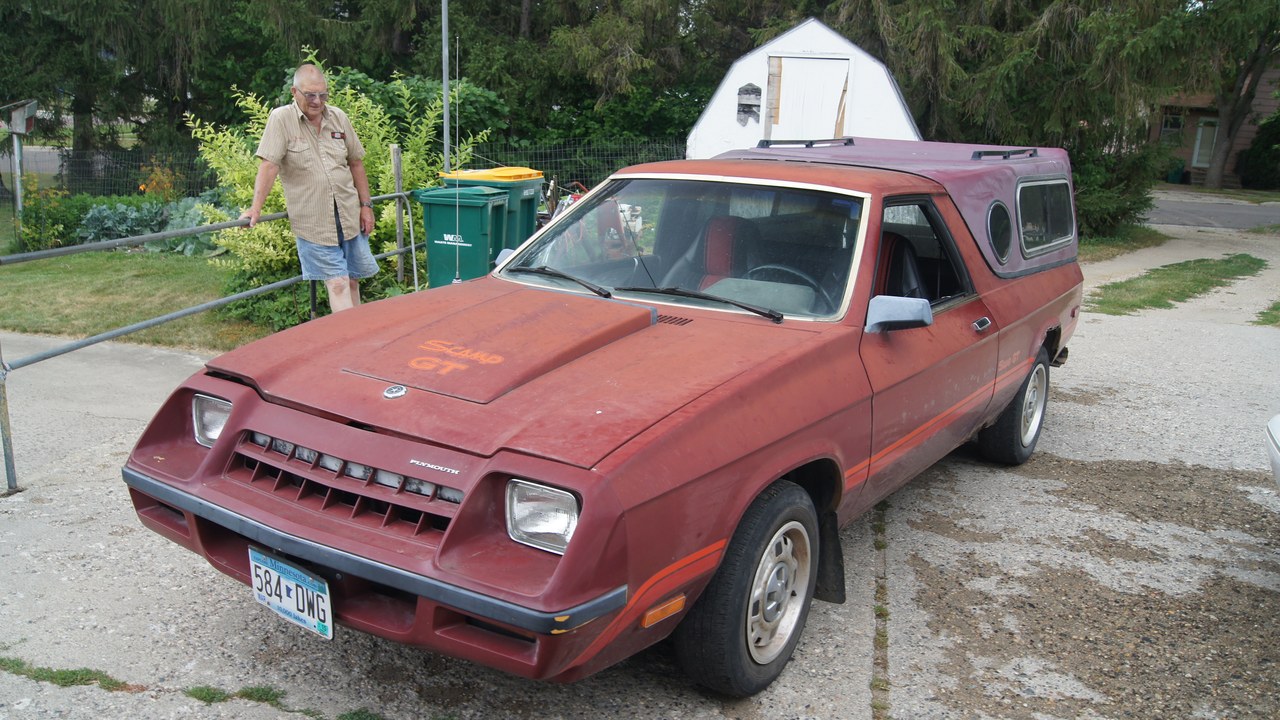
Plymouth marketed a twin of the Rampage, built on the same Omni 024 platform. The Scamp was sold for the 1983 model year only, making it far rarer than its Dodge counterpart.
The short run explains why the Scamp pickup is seldom seen today. The nameplate also had an earlier life on a Valiant-based coupe, which makes the pickup version easy to confuse with that older car. Collectors who hunt for the pair tend to find the Dodge far more often, and the Plymouth version stands out for that scarcity alone.
7. Subaru Baja: Outback With An Open Bed
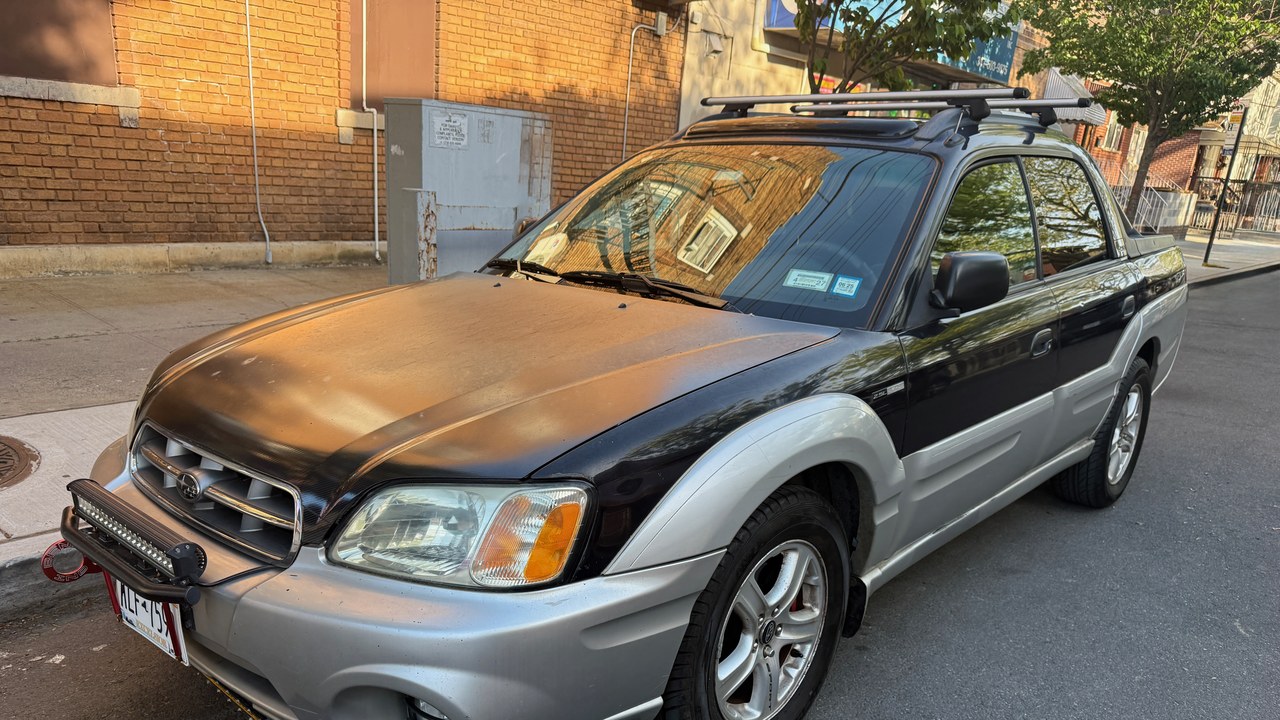
Subaru returned to the idea in the 2000s, building the Baja from July 2002 to April 2006 on the Legacy and Outback wagon platform. The Baja measured about six inches longer than an Outback and swapped the cargo area for an open bed.
Its all-wheel-drive car underpinnings kept the Baja closer to a wagon than a work truck. The short production window shows how limited the market proved for a modern pickup built directly on a passenger-car platform. That combination of wagon comfort and a bed appealed to a niche of buyers, though the vehicle is now remembered chiefly as a short-lived experiment.
8. Ford Maverick: Unibody Pickup Returns
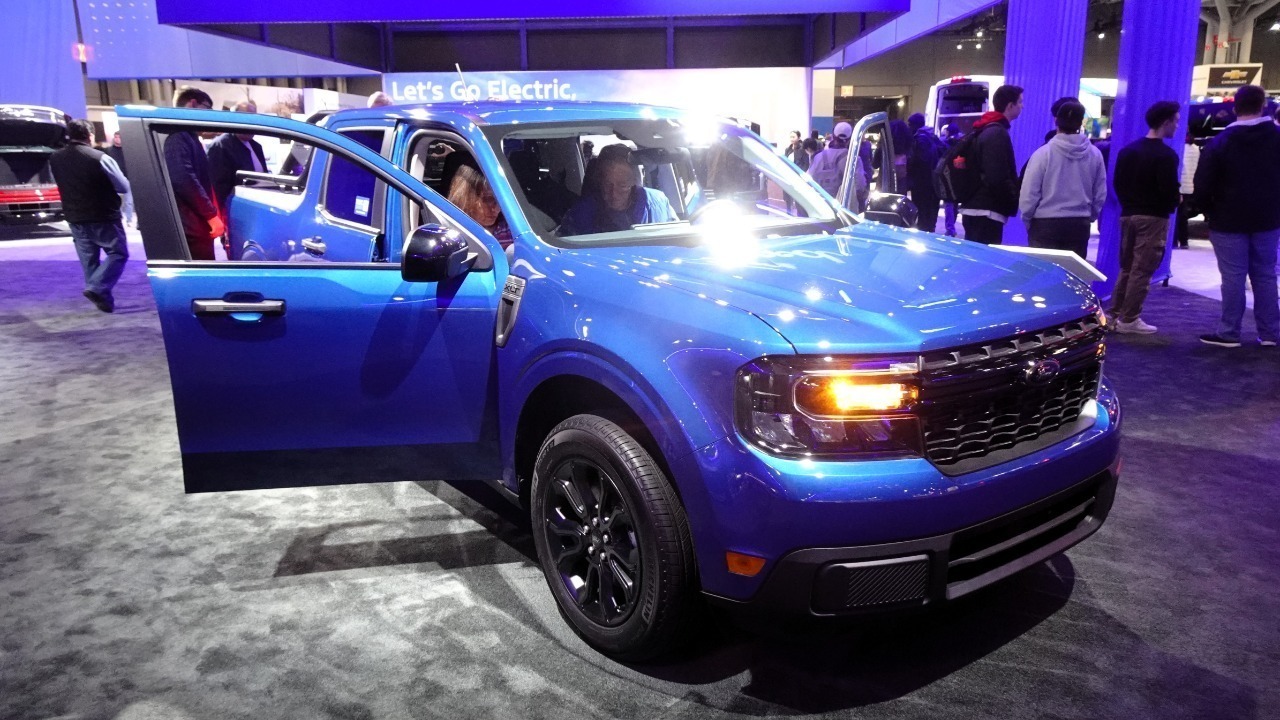
Ford’s modern comeback in the segment is the Maverick, a unibody four-door pickup on the C2 platform that also underpins the Escape and Bronco Sport. The unibody Maverick in hybrid form is rated at 40 mpg, and its base price was about $20,000.
Pairing car-style construction with low running costs revived a small-pickup niche that had been empty for years. It is the clearest current example of the car-platform approach that began with the Ranchero. Its shared platform with two Ford crossovers also means parts and engineering are drawn from a high-volume family rather than a dedicated truck line.
9. Hyundai Santa Cruz: Crossover Style With A Bed
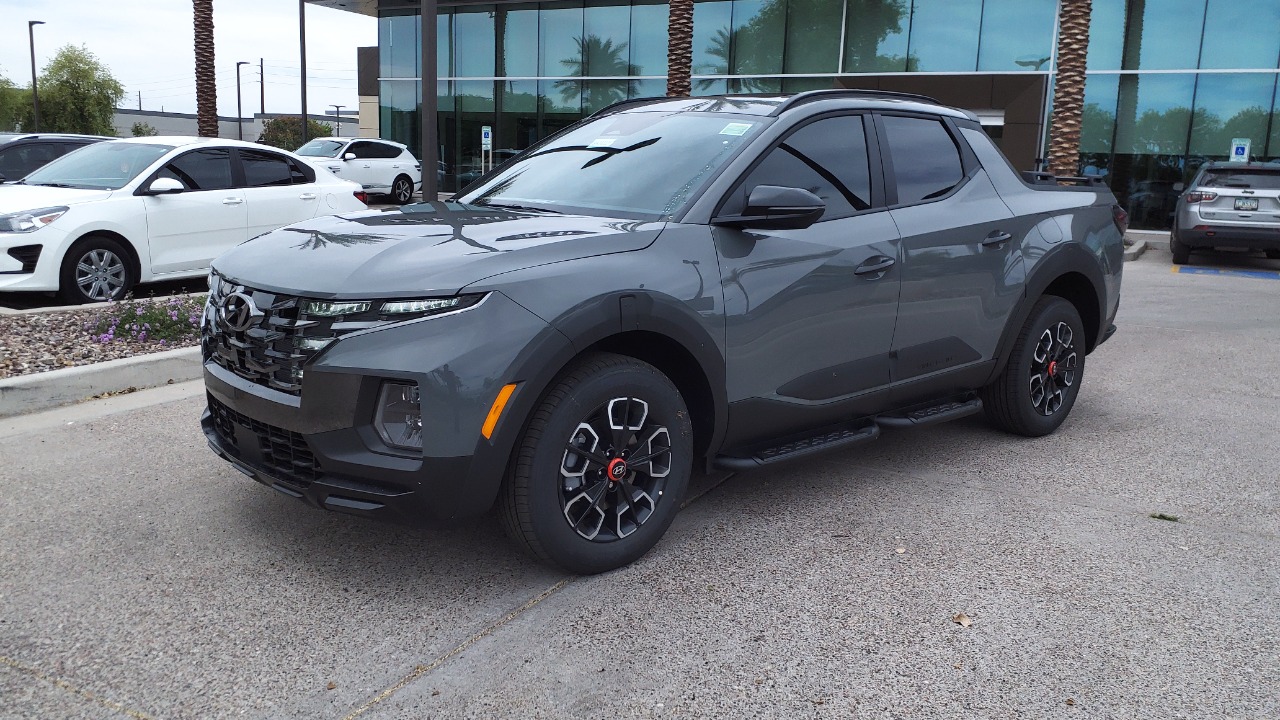
Hyundai entered the car-platform pickup field with the Santa Cruz, a compact crossover-style truck sold from 2022 to the present. The Santa Cruz treats the bed as an add-on to a crossover-like body instead of a separate truck design.
Its closest rival in spirit is the Maverick, and the pair shows that the car-based pickup has returned as a current category. Buyers choosing between them are weighing styling and features more than traditional towing or hauling ability. The two models take different approaches to styling, but both build on a passenger-vehicle foundation instead of a body-on-frame truck chassis.
More from Morning Overview
- Hurricane Hunter radar shows four warning signs that a tropical cyclone is about to strengthen, a University of Miami study found
- Tropical Storm Rachel is dumping up to 12 inches on four Mexican states on its way to major hurricane strength
- The FTC says Lens.com doubled the price shoppers saw in Google ads
- Common allergy, bladder and sleep pills tied to sharply higher dementia odds
