
Most of the cars sold today will be scrap within a few decades, but a handful of vehicles from the earliest days of motoring have survived largely intact. Several still run under their own power, hauled out for parades, museum demonstrations or the occasional anniversary drive. Here are nine of the oldest surviving automobiles, spanning steam wagons from the 1770s to the gasoline-powered machines of the early 1900s.
1. Cugnot fardier à vapeur: France’s Original Steam Wagon
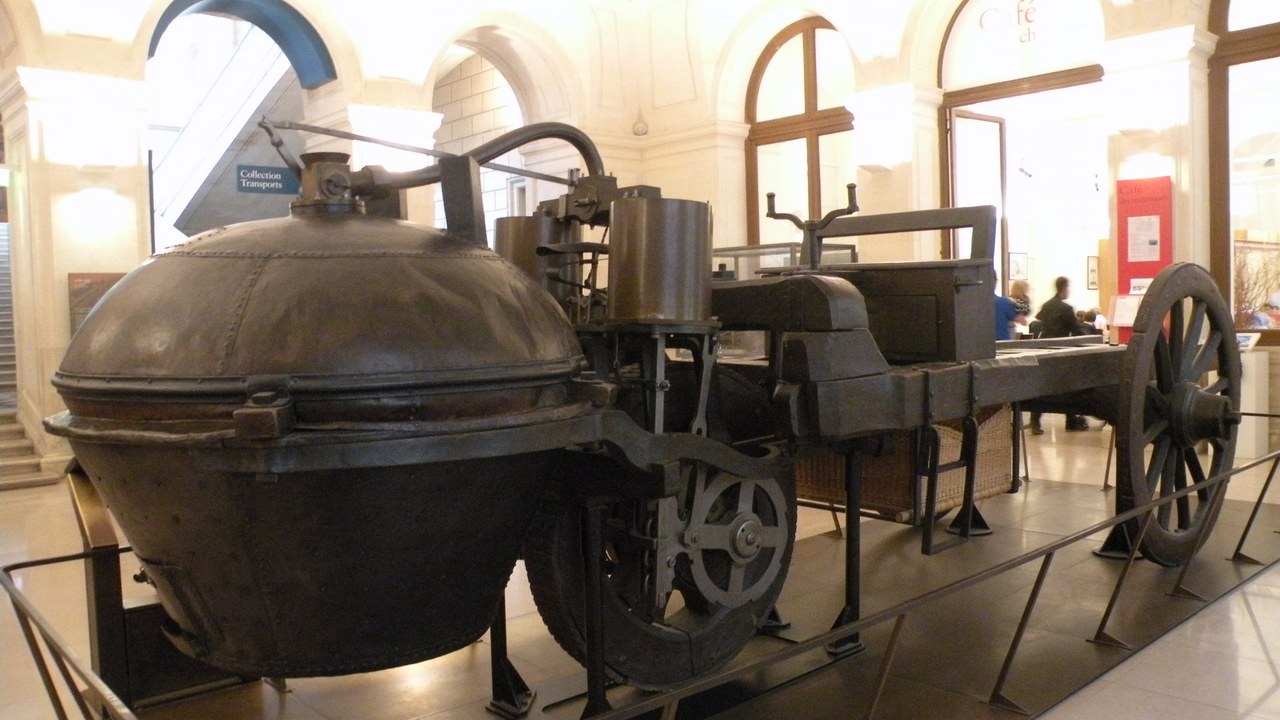
Nicolas-Joseph Cugnot built his steam-powered fardier in 1770 as a heavy artillery tractor, and the machine survived intact, making it one of the oldest self-propelled vehicles anywhere still in existence today.
It now sits in the Musee des Arts et Metiers in Paris, preserved as a static exhibit rather than a running machine, but still recognizable as the mechanical ancestor of every car later built. Few 18th-century machines of any kind have survived this completely, let alone one built specifically to move under its own power without horses.
2. Grenville steam carriage: Oldest Carriage Still Working
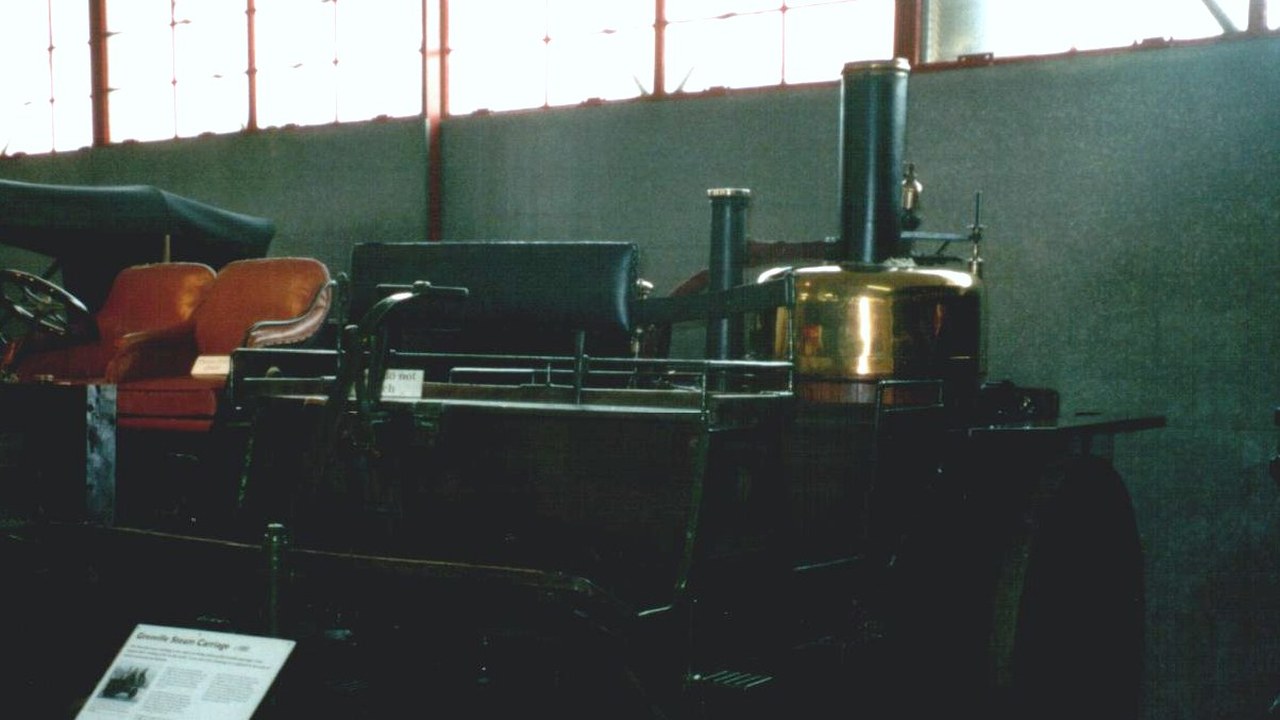
Built in 1875, the Grenville steam carriage is thought to be the oldest self-propelled passenger vehicle still in working order anywhere in the world, decades older than most cars people picture when they hear the phrase.
Unlike many of the museum pieces on this list, it can still be fired up and driven under its own steam, a distinction that separates it from vehicles preserved only as static displays behind glass. That distinction has kept the carriage in demand for anniversary drives and museum demonstrations rather than permanent storage, a rare fate for anything built in the 1870s.
3. La Marquise: Millions At Auction
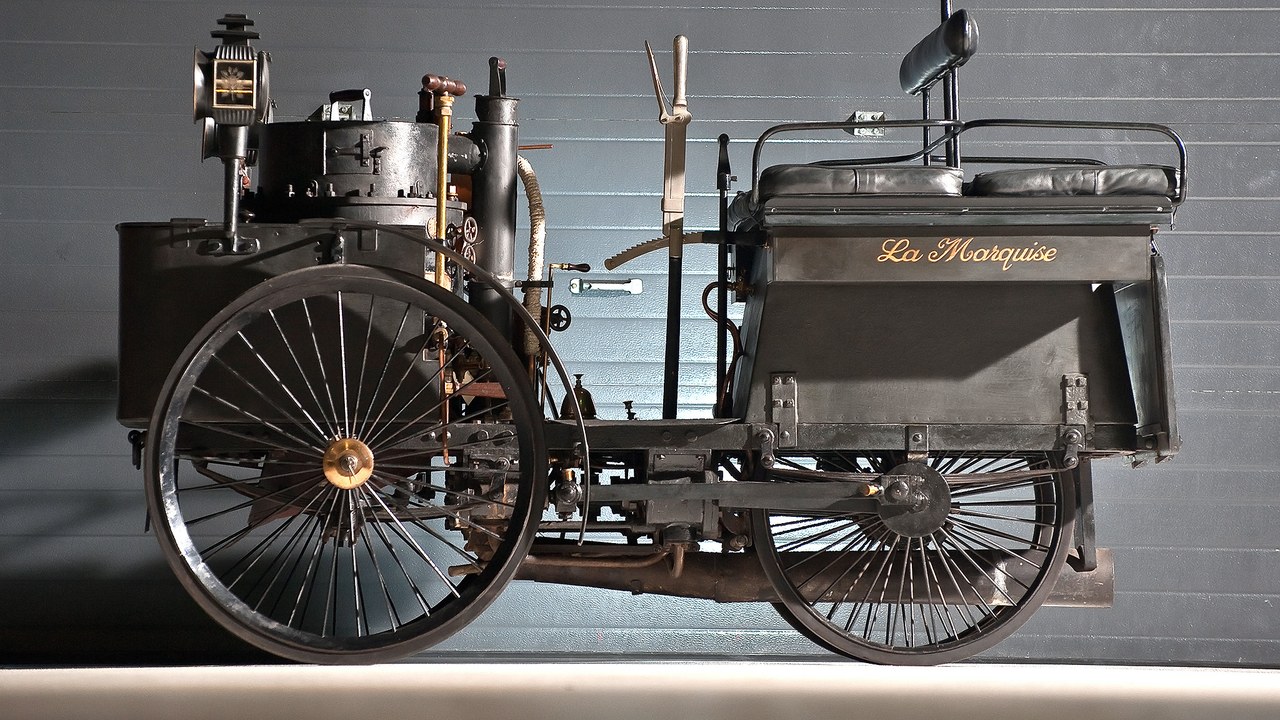
Guinness World Records recognizes the 1884 De Dion-Bouton steamer known as La Marquise as the world’s oldest car, and the four-seat steamer still runs today rather than sitting as a museum piece.
It sold at auction in 2007 for $3.52 million, a price that reflects both its rarity and its working condition, since most surviving vehicles this old can no longer move under their own power at all. Bidders competing for a vehicle that old are effectively paying for a machine that can still be started, fueled and driven exactly as it was in the 1880s.
4. Benz Patent-Motorwagen: First Gasoline Car
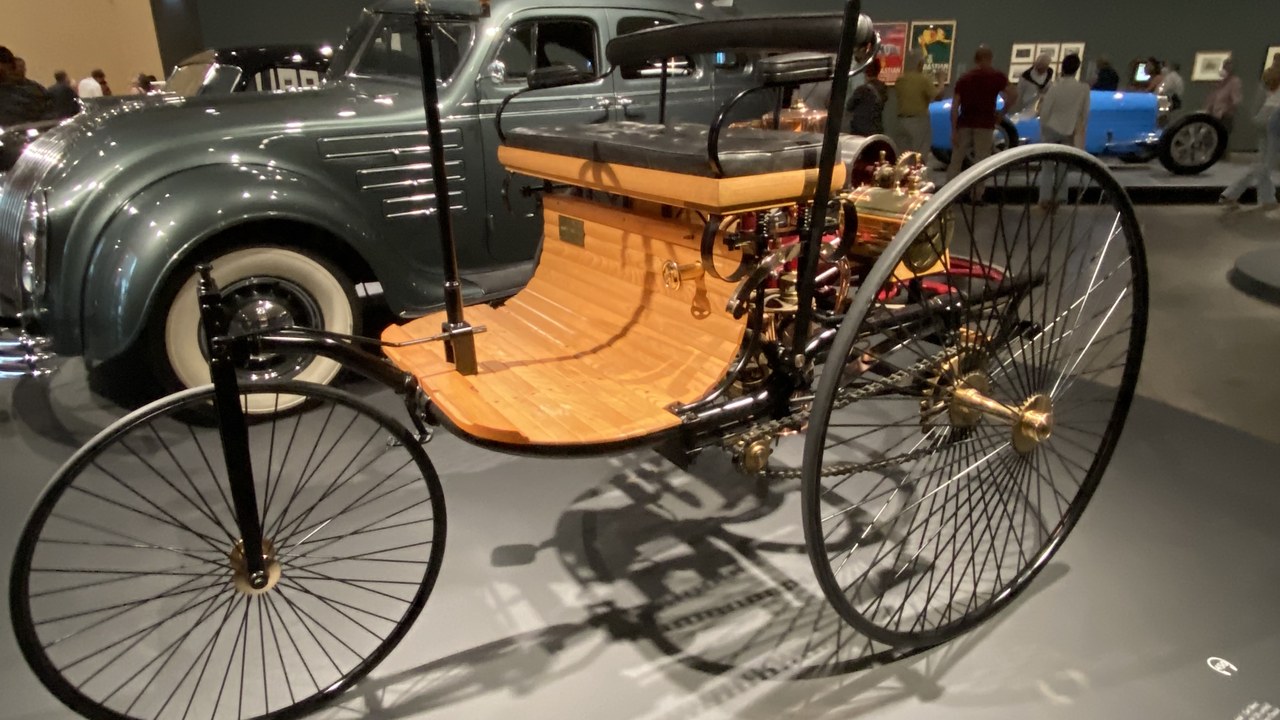
Carl Benz patented his three-wheeled Motorwagen in 1886, and the Deutsches Museum credits it as the first automobile with a gasoline engine, a design that displaced steam within a single generation of carmakers.
The museum still displays the vehicle among its mobility exhibits, a fitting home for the car most historians treat as the true starting point of the modern automobile industry rather than a mere curiosity. Visitors touring the exhibit can trace a direct line from Benz’s patent application to the gasoline engines that still power the overwhelming majority of cars built today.
5. Hammel car: Denmark’s Lone Survivor
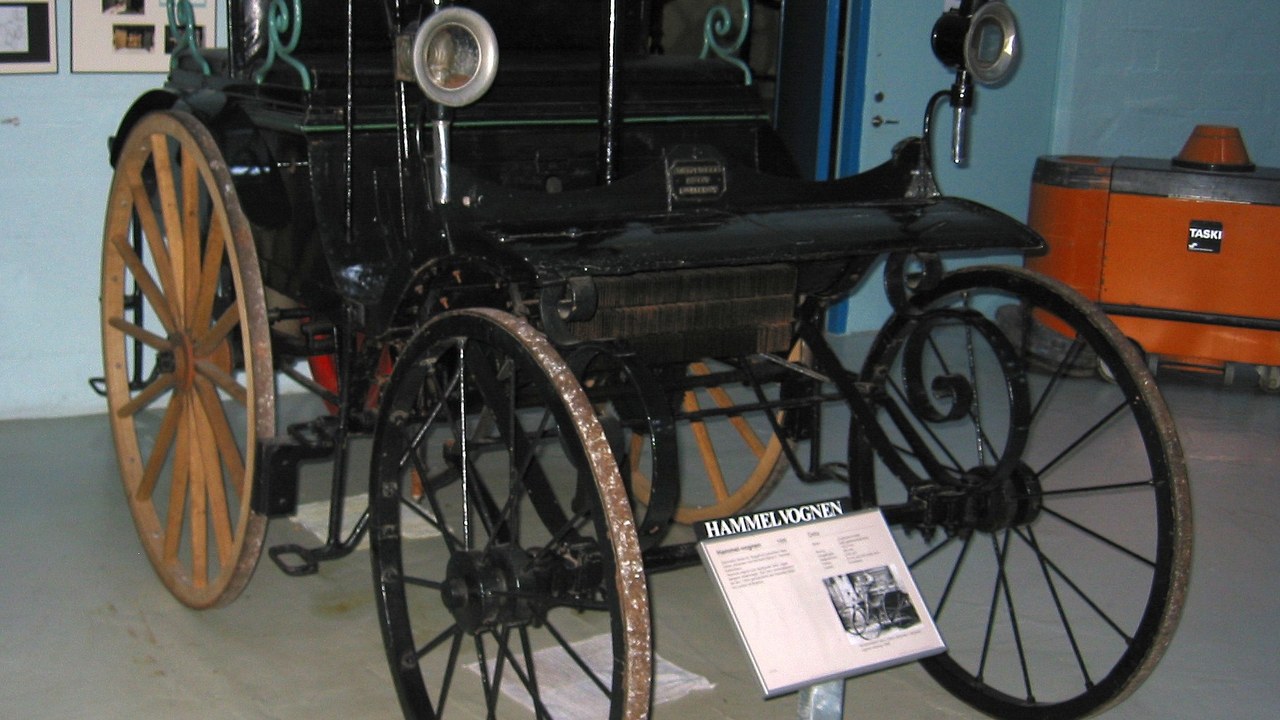
Denmark’s one-off Hammel car, built sometime around 1886 to 1890, is a single surviving example with no known siblings, and its museum claims it remains operational more than a century later.
That museum calls it the world’s oldest running automobile, a title contested by several other vehicles on this list, though the Hammel’s claim rests on a design unlike anything else built in that era. Because no second Hammel car was ever built, the vehicle’s survival depended entirely on one museum’s decision to keep a single, irreplaceable machine running rather than mothballed.
6. Oldsmobile Curved Dash: America’s First Bestseller
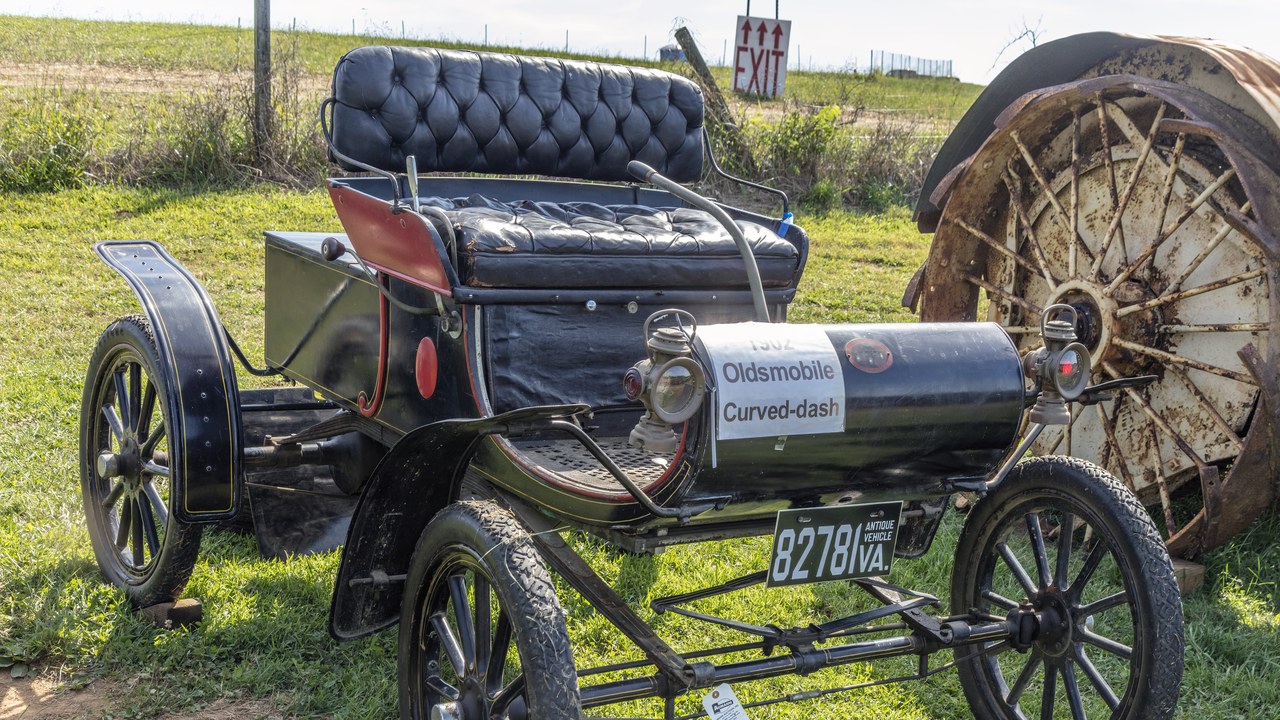
The Henry Ford museum’s 1903 Oldsmobile Curved Dash was the bestselling car in America from 1902 to 1905, and it sits on permanent display in the museum’s Driving America exhibition. It ran on a single-cylinder engine of 95 cubic inches that made 4.5 horsepower, paired with a two-speed transmission, and sold for $650.
That price equaled roughly 16 months of an average 1903 wage, yet about 4,000 Oldsmobiles still found buyers that year. Horse-drawn carriages outsold them by more than 900,000, a reminder of how new the idea of owning a car still was when these survivors rolled off the line.
7. Haynes automobile, 1894: Rival First-Car Claim
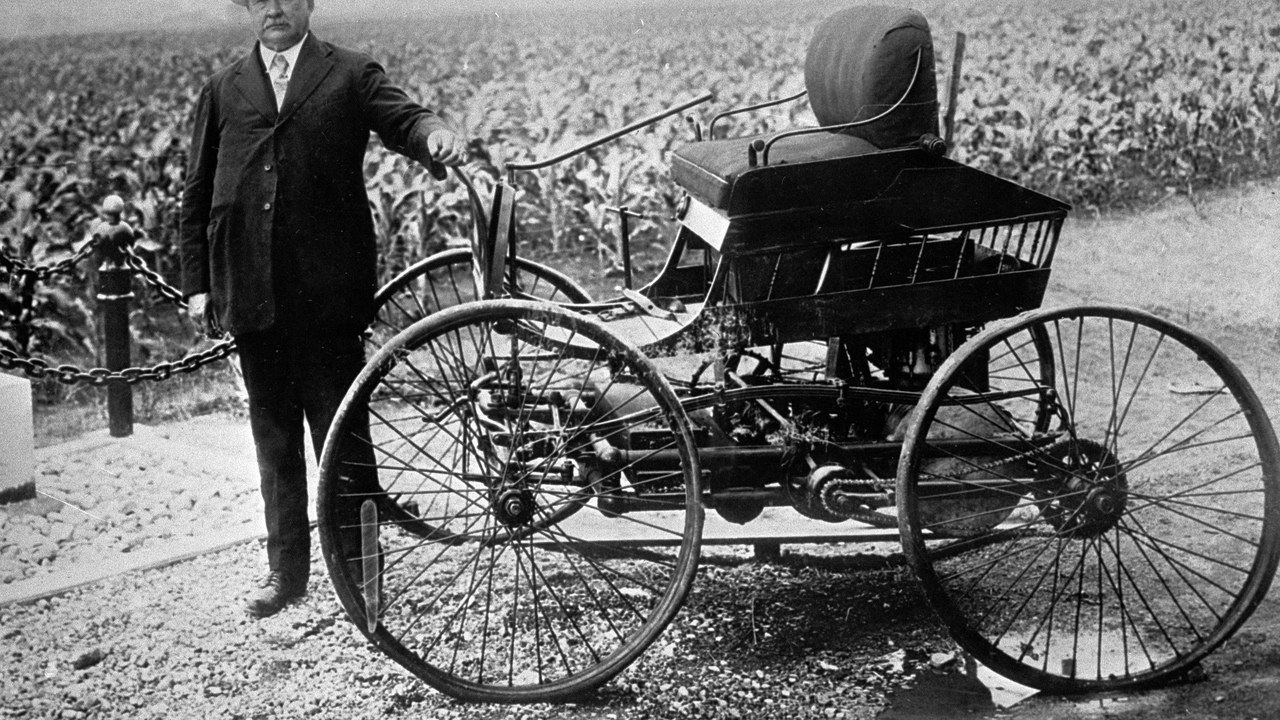
Elwood Haynes built his 1894 automobile as the Smithsonian’s rival contender for the title of first American car, and the museum still preserves the vehicle as part of its permanent collection today.
The dispute over which vehicle actually deserves the first-car title has never fully settled, and the Smithsonian’s decision to hold onto Haynes’s car keeps that rivalry part of the historical record rather than closing the question. Both vehicles predate the mass-produced assembly-line cars that followed by more than a decade, making the rivalry a footnote to how quickly the industry then took off.
8. Benz Velocipede, 1893: Chicago World’s Fair Debut
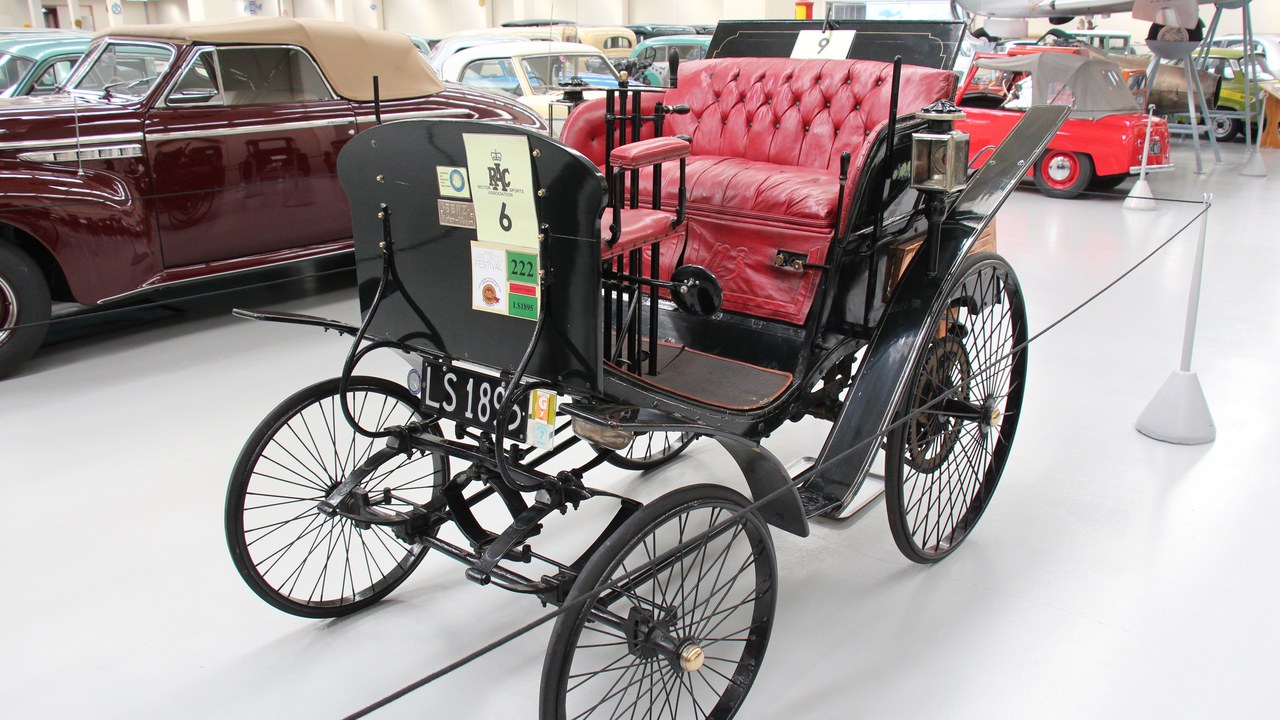
Karl Benz’s 1893 Velocipede appeared at the 1893 World’s Columbian Exposition in Chicago, and many historians describe the little Velo as the first production car ever built anywhere.
Benz built more than 1,200 Velocipedes between 1894 and 1902, each fitted with a water-cooled engine, a carburetor, a gearbox and a rear-axle differential, though the example once held by The Henry Ford is not currently on public display. Its production run, large by the standards of any 1890s automaker, still fell far short of the mass manufacturing that later automakers would eventually perfect.
9. Ford Quadricycle: Ford’s First Build
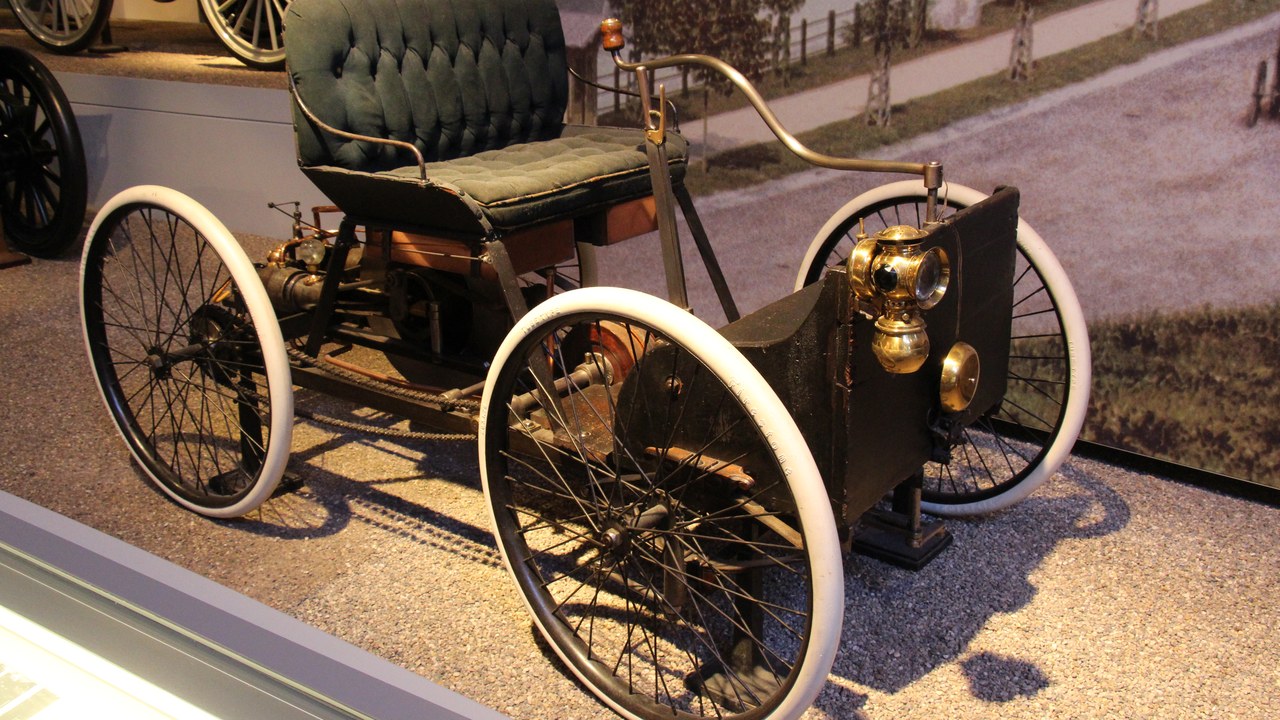
Henry Ford built his 1896 Quadricycle as his very first car, a simple frame mounted on four bicycle wheels, and the vehicle survives today at The Henry Ford museum in Michigan.
It bears little resemblance to the assembly-line Model T that would later make Ford’s name, but it marks the starting point of a company that went on to reshape how cars were designed and built worldwide. That gap between a single hand-built vehicle and the same company’s later assembly line captures how quickly the automobile industry transformed itself in just a few decades.
More from Morning Overview
