
Scientists rarely find a birth certificate for the planet’s oldest living things, so they lean on tree rings, growth bands and radiocarbon dating instead. The results include solitary giants, a shark that predates modern nations, and root systems that count as a single organism spanning acres. Here are nine organisms that have outlasted nearly everything else alive on Earth.
1. Methuselah bristlecone pine: A Pine Older Than The Pyramids
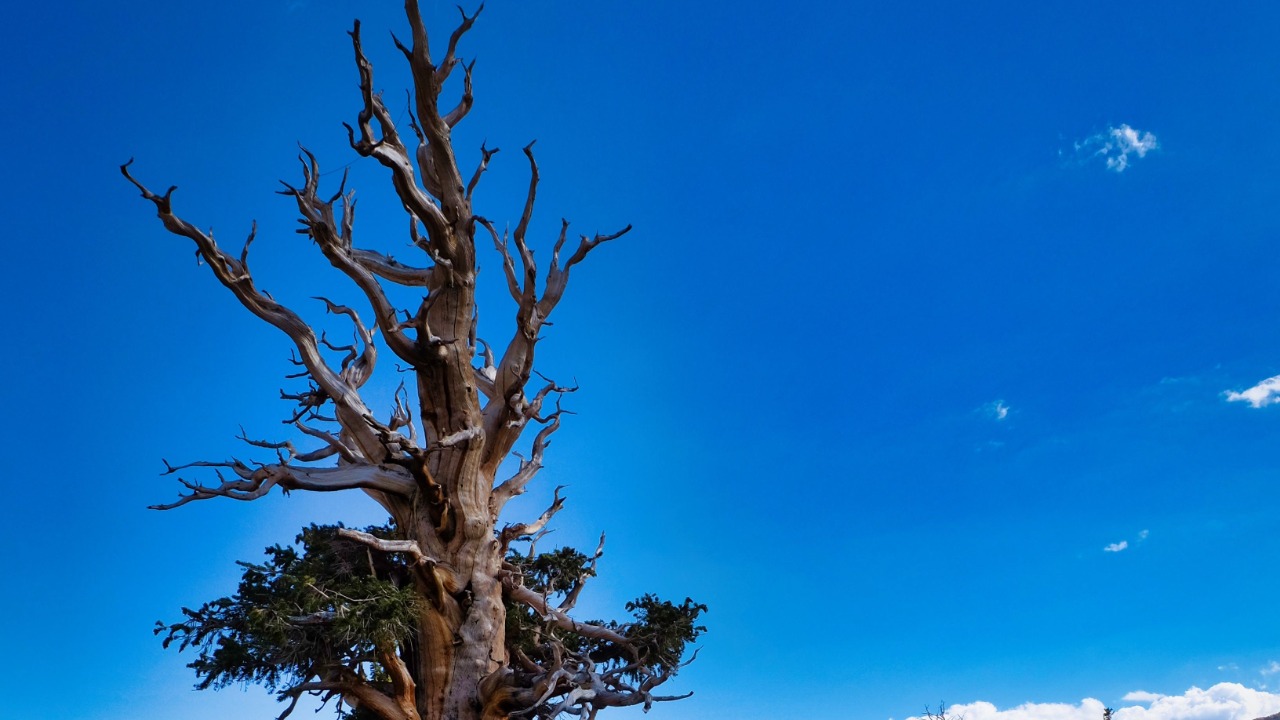
A Great Basin bristlecone pine growing at nearly 10,000 feet in California’s White Mountains has been core-sampled and ring-counted to an age past 4,800 years, making it one of the oldest known non-clonal organisms on record.
Its exact location is kept secret by park officials, since a similar tree nearby was felled by a curious researcher decades ago, and researchers say the tree’s slow growth in thin, dry mountain air, combined with dense, resin-rich wood, helps explain why bristlecones outlast almost every other conifer species studied so far.
2. Pando aspen colony: One Root System, A Whole Forest

In Utah’s Fishlake National Forest, roughly 47,000 genetically identical aspen trunks share one root system that botanists classify as a single clonal organism covering about 106 acres, making Pando the heaviest living thing yet documented.
Estimating its age is harder than measuring its footprint, since the stems above ground are far younger than the root system beneath them; some researchers place the clone’s origin in the thousands of years, though the true number is still debated and may never be pinned down exactly given how slowly an underground clone reveals its own history.
3. General Sherman sequoia: The Biggest Living Thing By Volume

Rising more than 275 feet in Sequoia National Park, General Sherman is a giant sequoia whose trunk volume makes it the largest known tree by volume on Earth, with a base circumference exceeding 100 feet and a canopy that still adds wood every year.
Ring counts and growth-rate models put its age at roughly 2,200 years, though sequoias can be hollowed by fire scars that erase the earliest rings, so foresters treat any figure for the tree’s precise birth year as an informed estimate rather than a fixed fact.
4. Greenland shark: A Predator From Before The Enlightenment

Radiocarbon dating of eye lens proteins from Greenland sharks caught as bycatch let researchers estimate that the species can live for at least two centuries, with the oldest studied individual placed at roughly 392 years, though the method carries a wide margin of error.
The slow-moving Arctic predator does not reach sexual maturity until around age 150, and its longevity is thought to come from an extremely low metabolism suited to near-freezing water, a pace of life that leaves scientists still refining exactly how old any single shark really is.
5. Ocean quahog: A Clam Older Than The United States
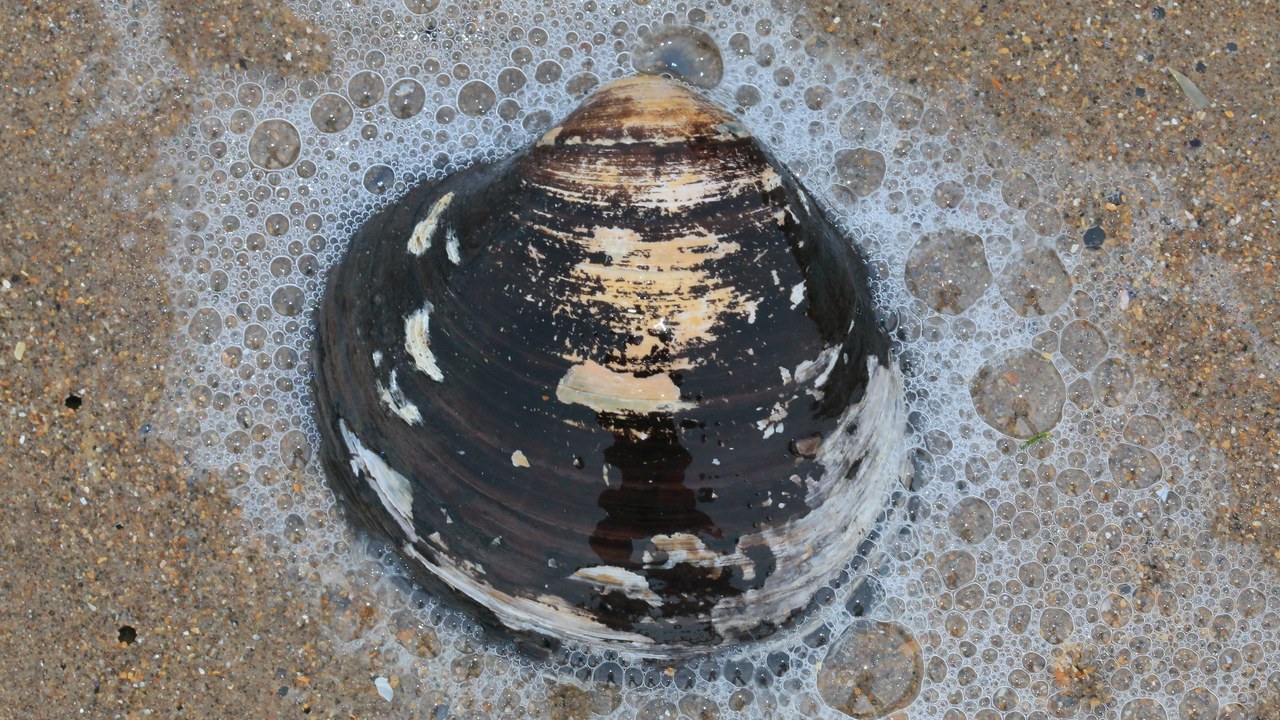
Marine biologists age ocean quahogs by counting growth bands in their shells much like tree rings, and one Icelandic specimen nicknamed Ming was found to be more than 500 years old before its shell was collected and examined in a lab.
Researchers initially miscounted Ming’s rings and later revised the figure upward after a second review, a reminder that even careful shell-based aging can shift as techniques improve, and that a slow metabolism in cold seawater appears to be the clam’s real secret to outliving nearly every other animal alive.
6. Jonathan the tortoise: A Tortoise That Predates Photography
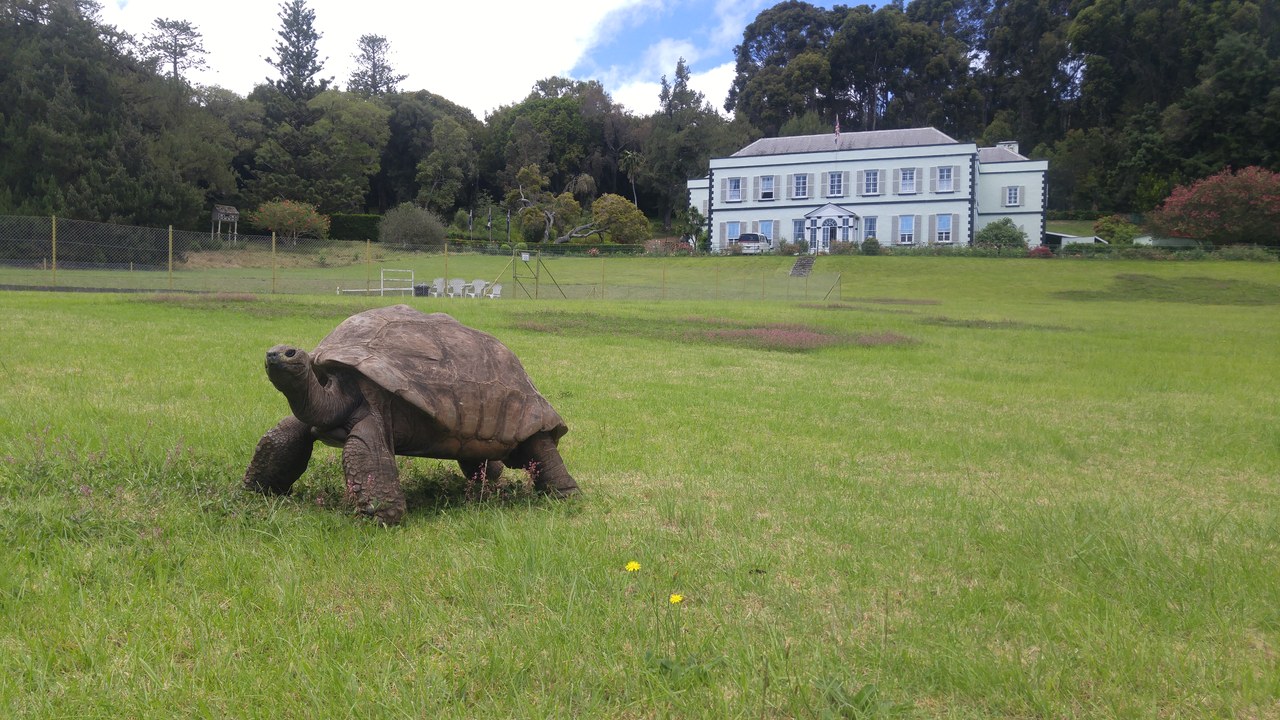
Jonathan the Seychelles giant tortoise lives on the grounds of Plantation House on the remote South Atlantic island of Saint Helena, and wildlife officials estimate his age using an arrival record from 1882, when he was already a fully mature adult.
That puts his likely hatching year around 1832, which would make him roughly 194 years old and, by most accounts, the oldest known living land animal on the planet, though because no birth record exists, his precise age remains an educated estimate rather than a documented fact.
7. Welwitschia: Two Leaves For A Thousand Years
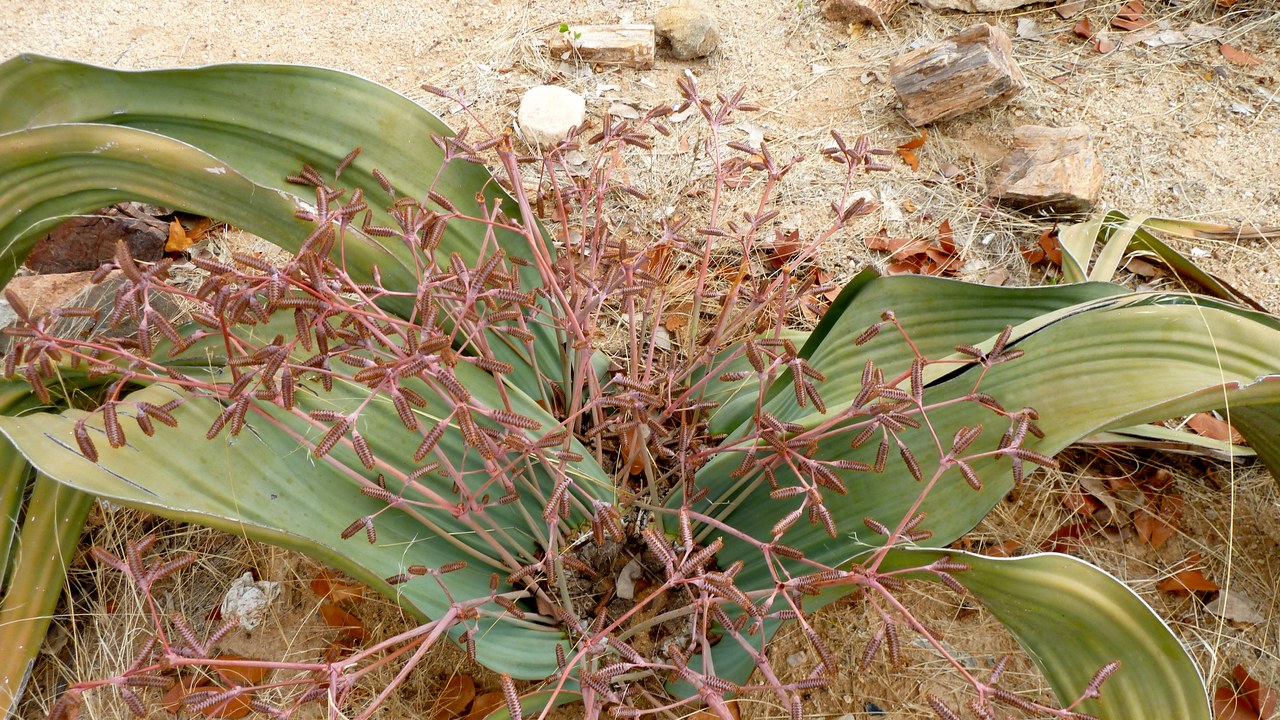
Native to the Namib Desert of Namibia and Angola, Welwitschia mirabilis grows only two leaves for its entire life, and botanists have used growth-ring counts in its woody stem to estimate that some individuals are more than 1,000 years old.
Those two original leaves never fall off; instead they split and fray into long ribbons over centuries of desert wind, and the plant survives on fog and sparse rainfall, a strategy so slow and efficient that some researchers suspect certain plants could be even older than current estimates suggest.
8. Jurupa Oak: A Shrub Clone From The Ice Age
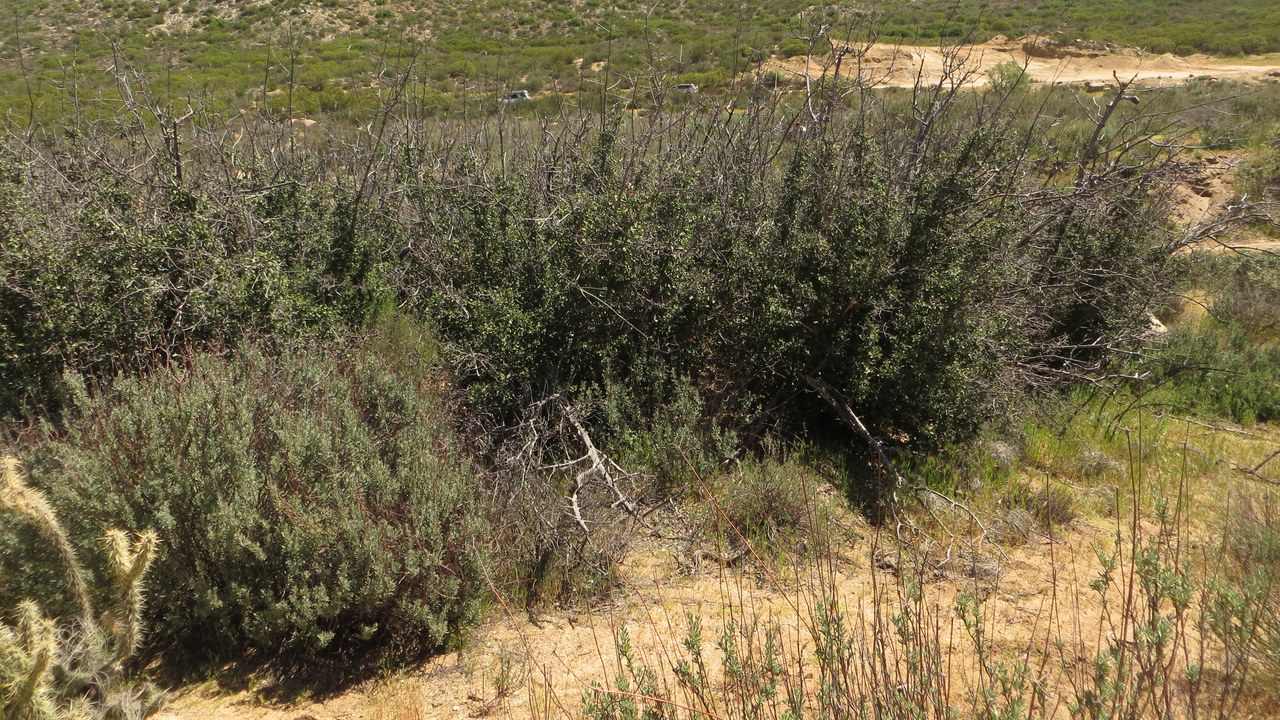
Riverside County, California hides a low, sprawling thicket of Palmer’s oak that turns out to be a single clone, and researchers who examined its growth rate and genetics concluded the plant could be roughly 13,000 years old, among the oldest ages ever proposed for a living plant.
That would make the Jurupa Oak’s root system older than the last ice age’s retreat from California, though because the estimate rests on modeled growth speed rather than a countable ring or a datable fragment, scientists describe the figure as a plausible range rather than a settled number.
9. Llangernyw Yew: A Yew Older Than The Village Church

In the churchyard of St Digain’s in the Welsh village of Llangernyw, an ancient European yew has grown so hollow at its core that arborists cannot count its rings directly, so experts rely on trunk girth and growth rates to estimate its age instead.
Those methods put the tree at somewhere between 4,000 and 5,000 years old, which would mean it was already centuries old when Wales’s earliest recorded history began, though yew researchers caution that hollow, multi-stemmed trees like this one are notoriously difficult to date with any real precision.
More from Morning Overview
- A handful of car transmissions are so tough that mechanics say they almost never die
- Card skimmers hidden on gas pumps are draining accounts, and there’s a quick way to spot them
- The NSA warns one messaging setting can clone your texts to a stranger
- Security experts still urge phone owners to switch off one location-tracking setting
