
The ocean hides its most dangerous animals in plain sight, disguised as rocks, drifting bubbles or ornamental shells. Each of the species below is venomous rather than poisonous: it injects its toxin through a spine, a barb, a tooth or a stinging cell, usually when a swimmer or a fisherman strays too close. Here are nine of the sea’s most venomous inhabitants.
1. Box jellyfish: A Sting That Reaches the Heart
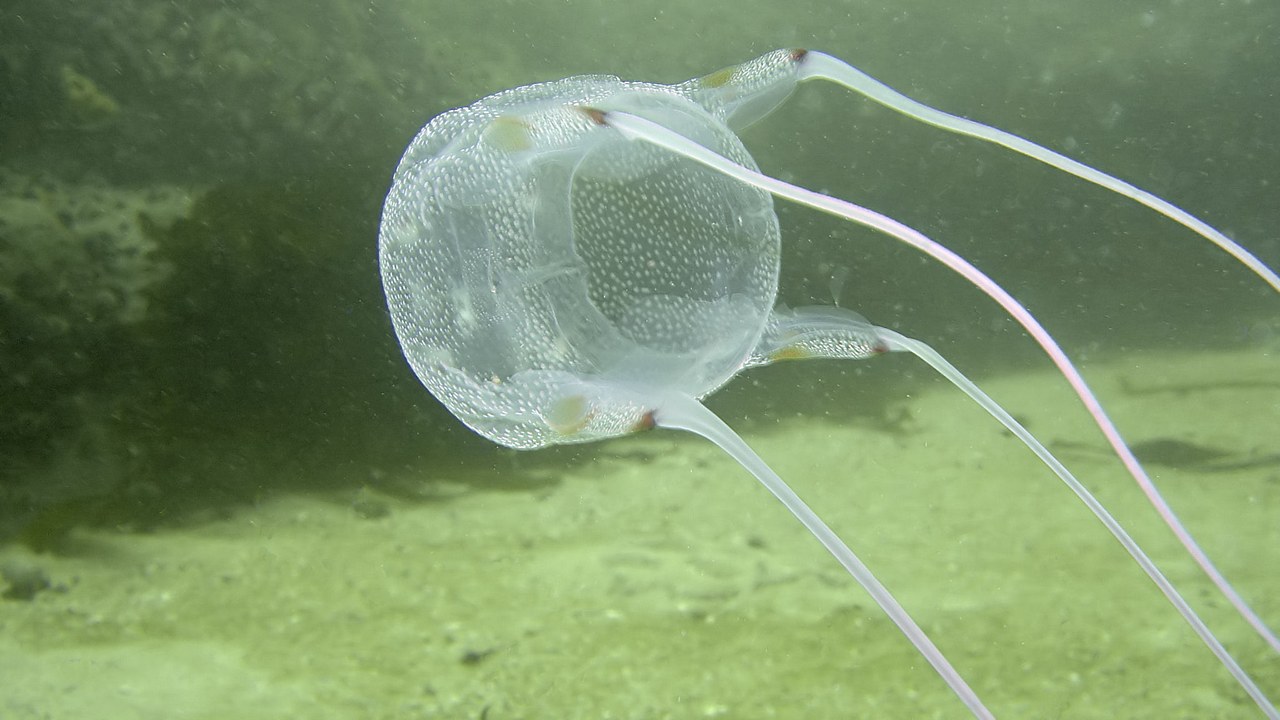
The cube-shaped bell that gives box jellyfish their name trails tentacles from each of its four corners, and the Australian species Chironex fleckeri is the one that earns the group its reputation. Its venom strikes heart muscle, skin and nerve cells at the same time, and a heavy sting from a large animal can bring on cardiac collapse within minutes. Fatalities are documented in northern Australia and across the wider Indo-Pacific.
Stinging cells fire on contact, not on command, so brushing a trailing tentacle is enough. Vinegar deactivates the cells that have not yet discharged, and an antivenom is stocked by hospitals in the region. Australian beaches string stinger nets and post seasonal closures each summer for the same reason.
2. Blue-ringed octopus: No Antivenom Exists
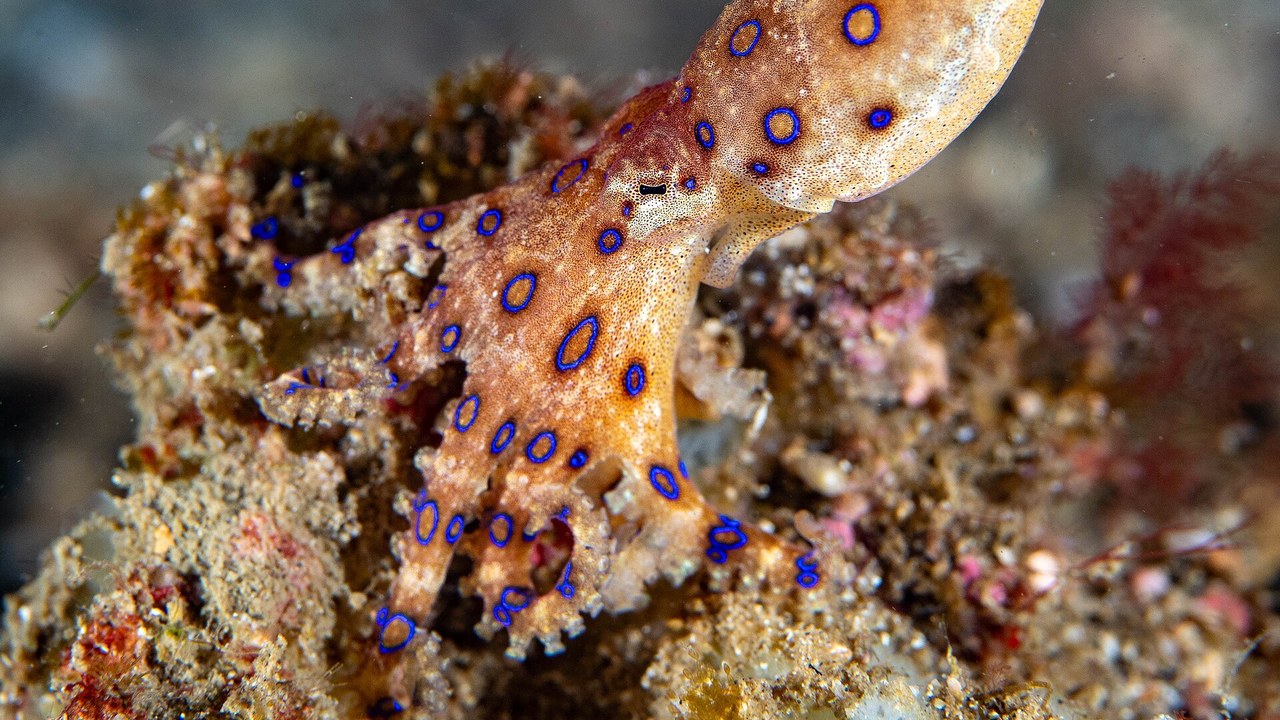
Small enough to sit in a cupped palm, the blue-ringed octopus carries tetrodotoxin, the same compound found in pufferfish, produced by bacteria living in its salivary glands. The bite is often so slight that it goes unnoticed, and the first sign of trouble tends to be numbness around the mouth followed by spreading paralysis.
No antivenom exists for tetrodotoxin. Treatment is mechanical rather than chemical: rescue breathing and, in hospital, a ventilator, sustained until the body clears the toxin, which paralyses muscle without damaging the mind. The vivid rings are a warning display that flares only when the animal is alarmed, so a resting octopus in a rock pool can look entirely unremarkable.
3. Reef stonefish: A Rock That Stings Back
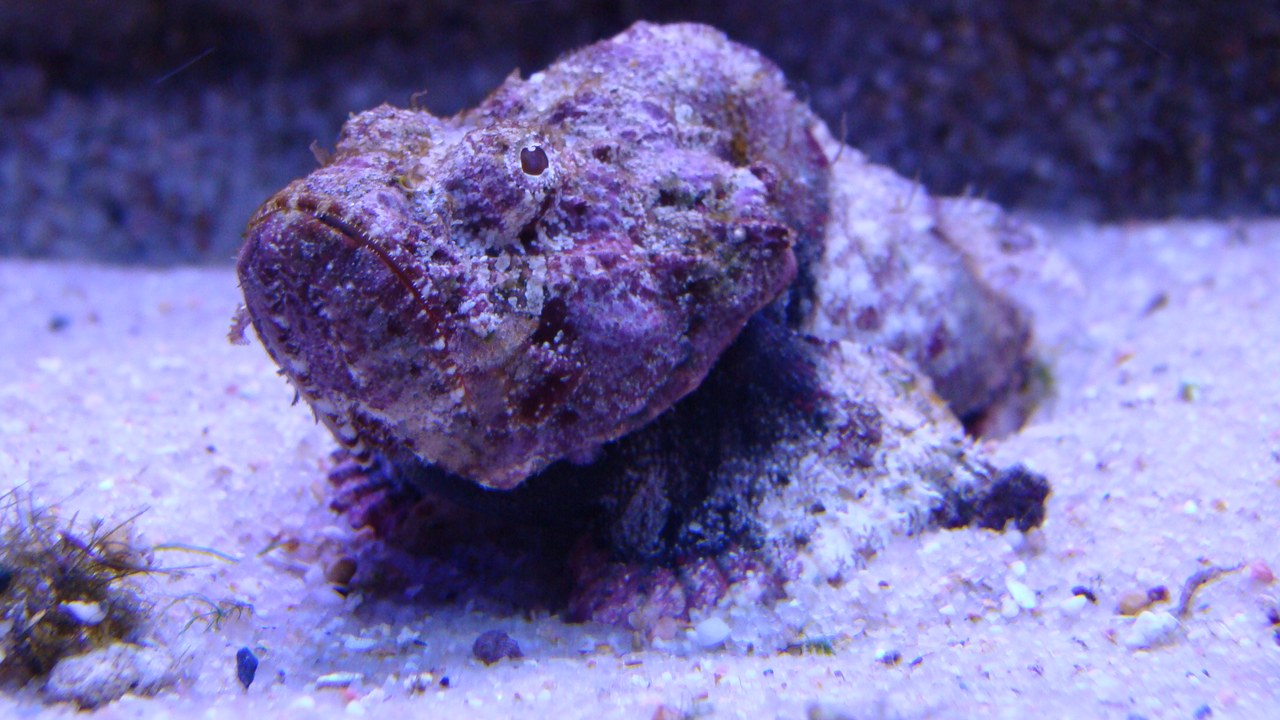
Members of the genus Synanceia sit motionless on reef flats, encrusted with algae and all but indistinguishable from coral rubble until a foot comes down. Thirteen dorsal spines each sit above paired venom glands, and pressure from above drives the toxin deep into the wound. Reported pain is severe enough to cause fainting, with swelling that can travel the length of a limb.
Hot-water immersion, as hot as the skin will tolerate, degrades components of the venom and remains the standard field response, with antivenom held for serious cases. Deaths are rare where medical care is close at hand, but the camouflage keeps injuries common in shallow tropical water, which is why reef walkers are urged into stiff-soled footwear.
4. Geographer cone snail: A Harpoon in a Pretty Shell
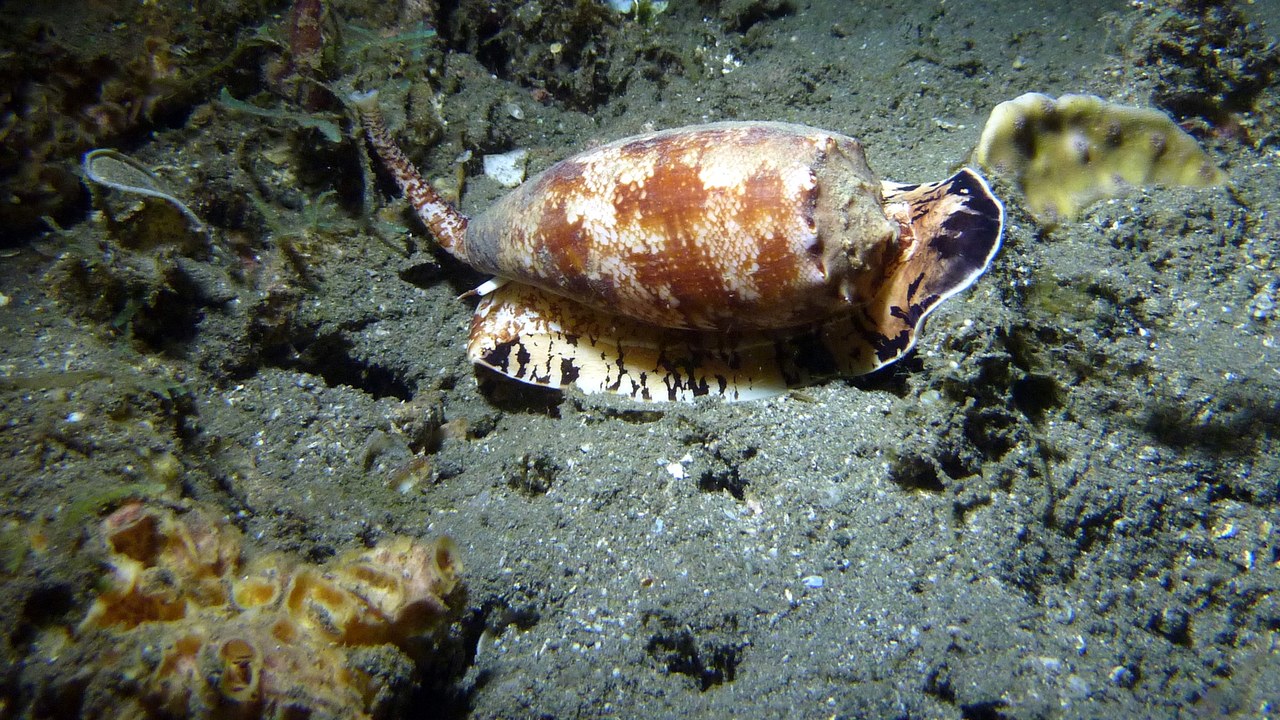
Fish are the usual prey of the geography cone, which fires a hollow, harpoon-shaped tooth from an extendable proboscis and floods the victim with conotoxins that shut down movement almost instantly. Shell collectors who lift a live animal off the sand can be stung through a glove, and this genus is among the few marine invertebrates tied to documented human deaths.
There is no antivenom; care is supportive, keeping the airway open until paralysis passes. That same chemistry has proved medically valuable, since a synthetic version of a cone snail peptide is licensed as a non-opioid drug for severe chronic pain. For beachcombers the rule is simple: a cone shell still housing its occupant should never be picked up.
5. Portuguese man o’ war: Not a Jellyfish at All
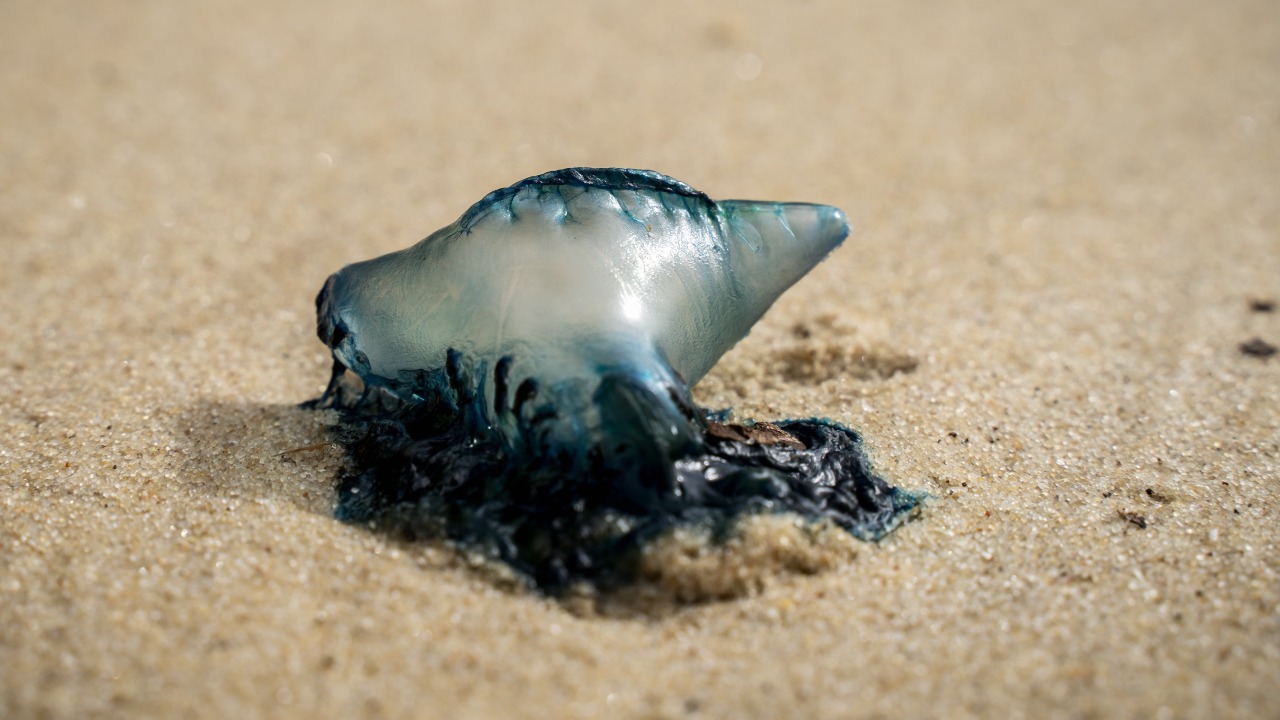
Appearances mislead here: the Portuguese man o’ war is not a jellyfish but a siphonophore, a floating colony of specialised individuals that cannot survive apart. A gas-filled float catches the wind while tentacles trail beneath, commonly around ten metres and occasionally much longer, studded with stinging cells that raise whip-like welts across skin.
Stings bring intense pain and can trigger fever or breathing difficulty, though deaths are rare. The colony cannot steer, so prevailing winds push entire flotillas onto beaches, and a stranded specimen stays dangerous: tentacle fragments broken off in the sand will still fire their stinging cells hours after the animal itself has died.
6. Beaked sea snake: Bites That Follow the Nets
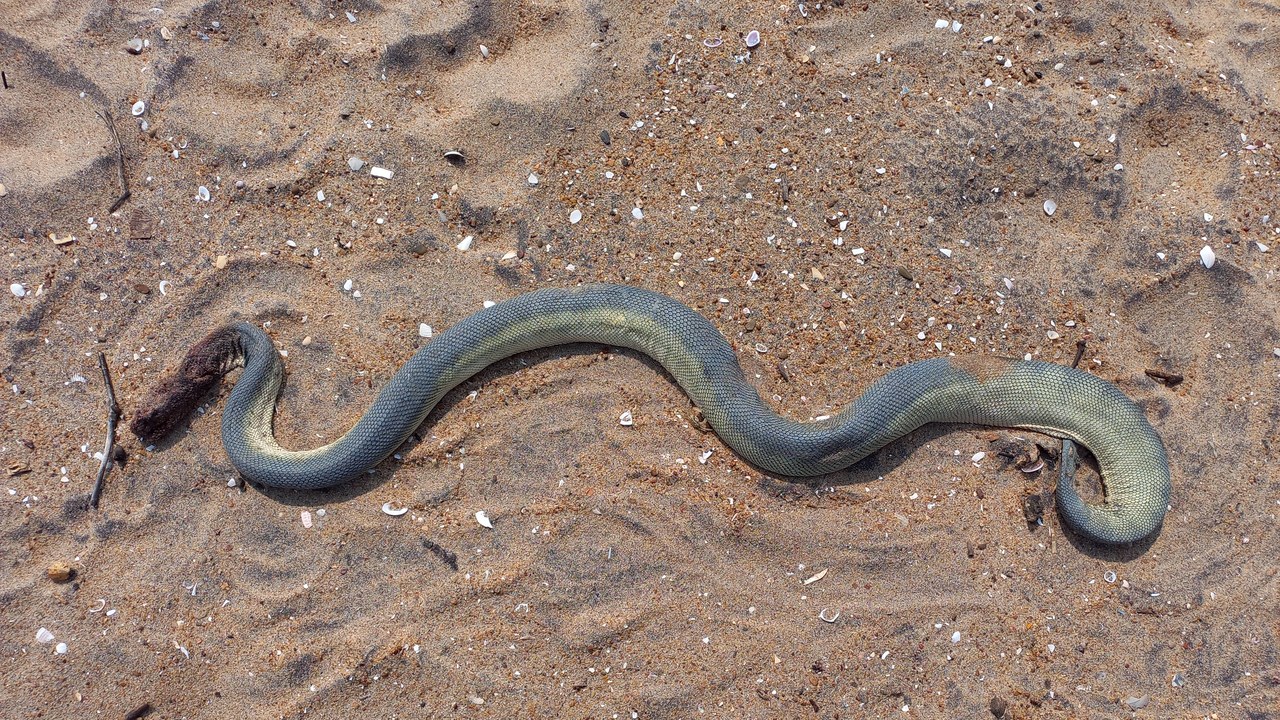
Once classified as Enhydrina schistosa, the beaked sea snake accounts for a large share of sea snake bites across South and Southeast Asia, largely because it shares shallow, muddy coastal water with net fishermen. Its venom pairs nerve toxins with muscle toxins, and serious envenomation brings paralysis, breakdown of muscle tissue and kidney damage.
The bite itself is easy to miss, with small fangs and little immediate pain, so symptoms may be the first real warning hours later. Antivenom works when given early, and polyvalent products cover the species. These snakes are not aggressive in open water, and most injuries happen while a catch is being sorted by hand.
7. Red lionfish: Beauty With Thirteen Spines
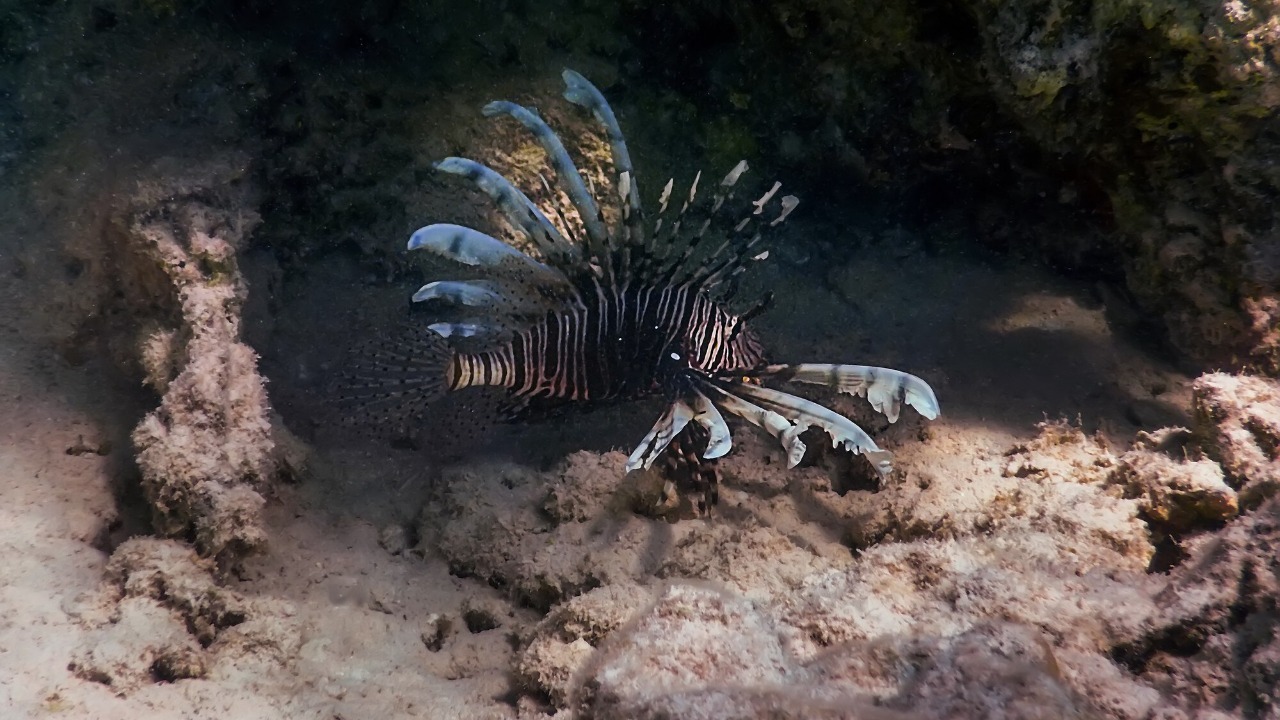
That fanned display on a red lionfish advertises exactly what it carries: thirteen dorsal spines, plus pelvic and anal spines, each grooved and served by venom glands. A puncture produces immediate throbbing pain, swelling and sometimes nausea or breathing difficulty, though a healthy adult rarely faces a life-threatening outcome.
First aid is hot-water immersion and thorough cleaning, because fragments of spine sheath left in the wound invite infection. The larger story is ecological. First recorded off Florida in the mid-1980s, the species now ranges from the American seaboard through the Caribbean, preying on reef fish with no evolved defence against it, and divers who cull them are stung routinely.
8. Flower sea urchin: Danger in the Blossoms
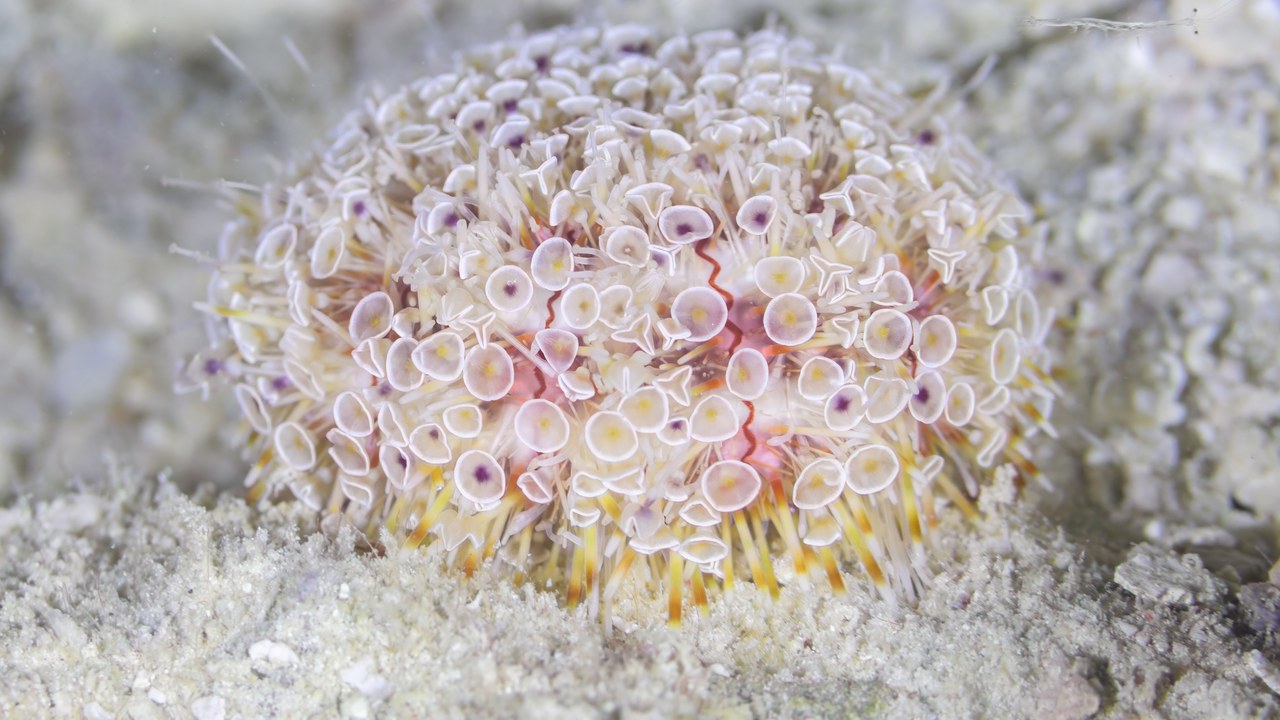
Short spines are not the hazard on a flower sea urchin; the pincer-like pedicellariae scattered between them are, each shaped like a tiny blossom and tipped with venom glands. They clamp onto skin, detach and keep injecting, and a Japanese researcher who recorded his own envenomation in 1930 described faintness with paralysis of the lips, tongue and eyelids lasting roughly an hour.
Guinness World Records lists it as the most dangerous sea urchin, although confirmed deaths are hard to find in the medical literature. Treatment turns on removing every attached pedicellaria, since the detached organs go on working independently of the animal. On Indo-Pacific rubble slopes it hides beneath shell fragments and weed, which is how most encounters begin.
9. Crown-of-thorns starfish: Spines That Snap Off Inside
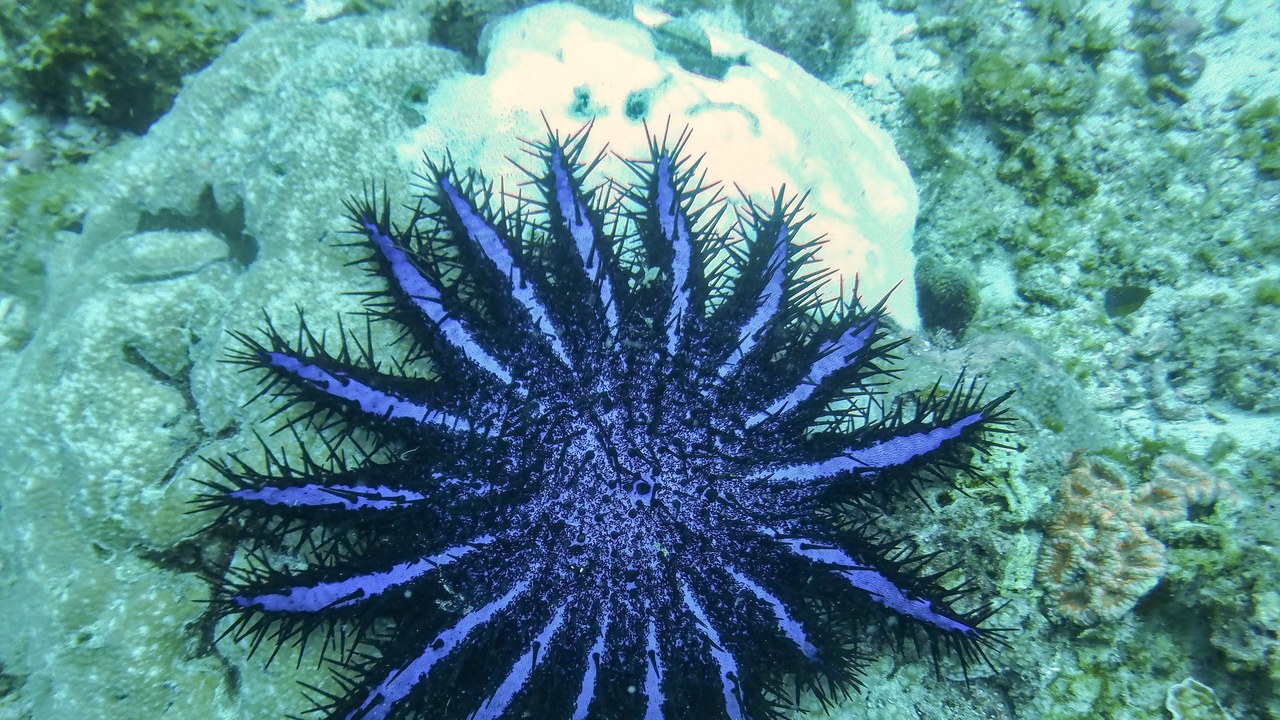
Thorn-like spines several centimetres long cover the crown-of-thorns starfish, sheathed in a venom that turns a puncture into hours of intense pain, swelling and nausea. The tips are brittle and snap off inside the wound, where they seed infection or provoke a lingering inflammatory reaction that occasionally has to be cleared surgically.
Injuries usually follow a hand placed on the wrong stretch of reef, or handling during control programmes. Those programmes exist because the animal is a voracious coral predator whose periodic population outbreaks have stripped large sections of the Great Barrier Reef, making it as much a reef management problem as a hazard for swimmers.
More from Morning Overview
