
Venom evolved again and again across the animal kingdom, arming snakes, spiders, fish, and marine invertebrates with chemistry potent enough to disable prey far larger than themselves. Scientists measure that potency in different ways, and rankings shift depending on whether the yardstick is drop-for-drop toxicity, the volume delivered, or documented human deaths. These nine animals rank among the most venomous known to science.
1. Inland taipan: The Land’s Deadliest Drop
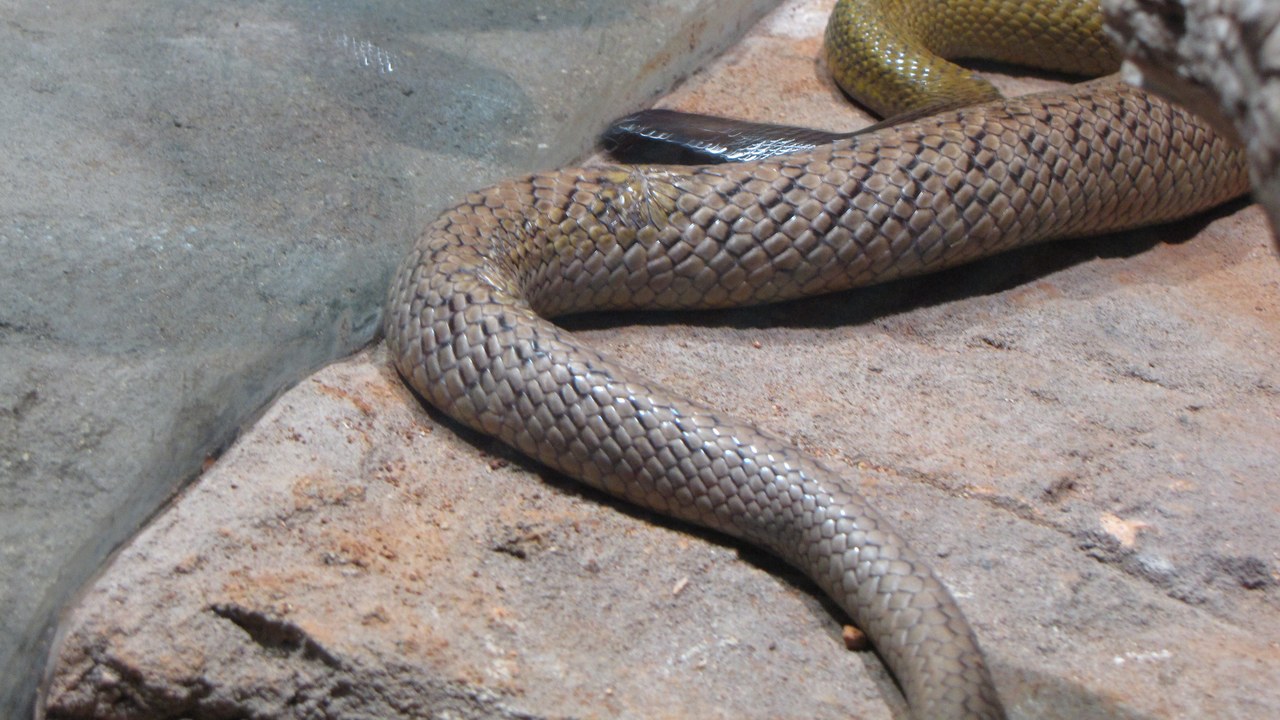
Native to the arid channel country of central Australia, the inland taipan is widely described as the most venomous snake on land, drop for drop. A single bite delivers a highly toxic mix of neurotoxins and enzymes that can, in laboratory terms, exceed the lethal dose for many adults. Its venom acts quickly on the nervous system and blood.
Despite that reputation, recorded bites on people are extremely rare. The snake lives in a remote, sparsely populated region and is generally shy, retreating rather than confronting intruders. Effective antivenom exists, and with prompt treatment, bites are survivable. Its lethality reflects laboratory potency rather than a real-world death toll, a reminder that ranking venom by toxicity alone can mislead.
2. Box jellyfish: A Sting That Stops Hearts
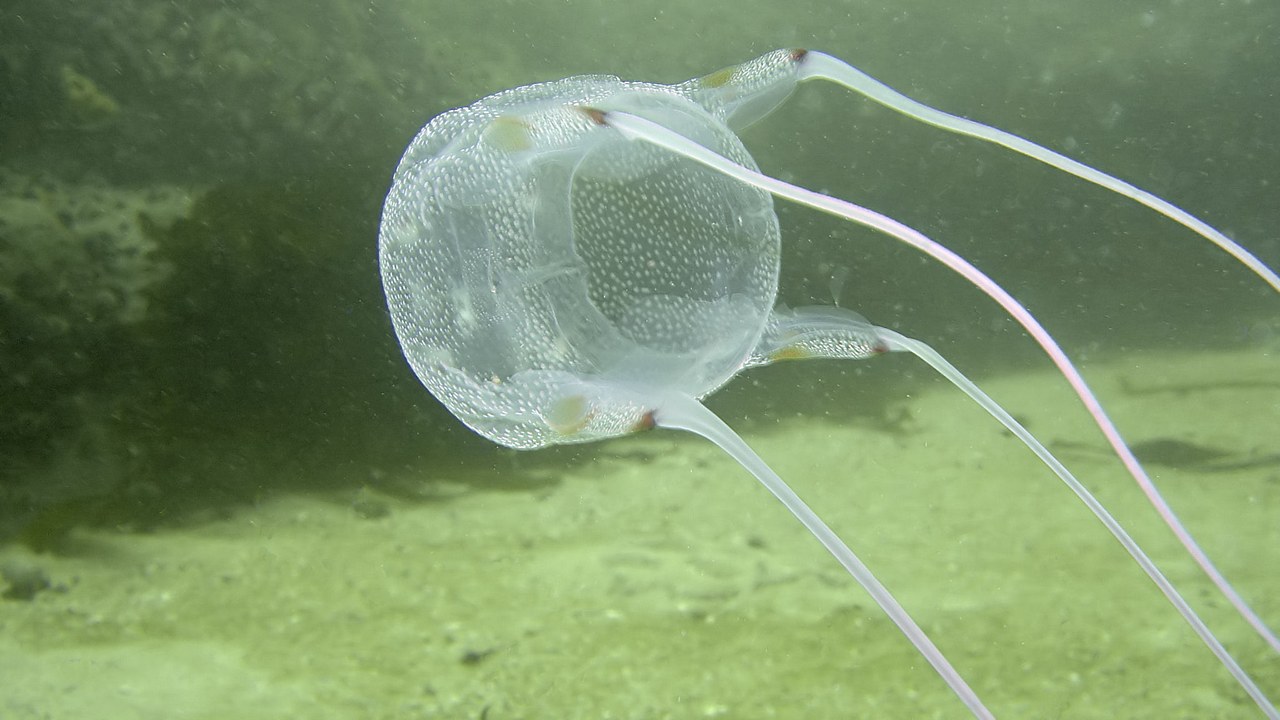
Named for their cube-shaped bells, box jellyfish trail tentacles lined with millions of stinging cells, and the venom of species such as Chironex fleckeri is among the most dangerous in the sea. In severe cases, a sting can stop a human heart within minutes by attacking the cardiovascular system, nervous system, and skin cells simultaneously.
These animals drift in coastal waters across parts of the Indo-Pacific, and their near-transparent bodies make them hard to spot before contact. Vinegar can help neutralize undischarged stinging cells, and antivenom exists, but the speed of severe reactions makes prevention crucial. Protective clothing and heeding beach warnings during jellyfish season remain the most reliable defenses against one of the ocean’s most feared invertebrates.
3. Blue-ringed octopus: Small Body Big Threat
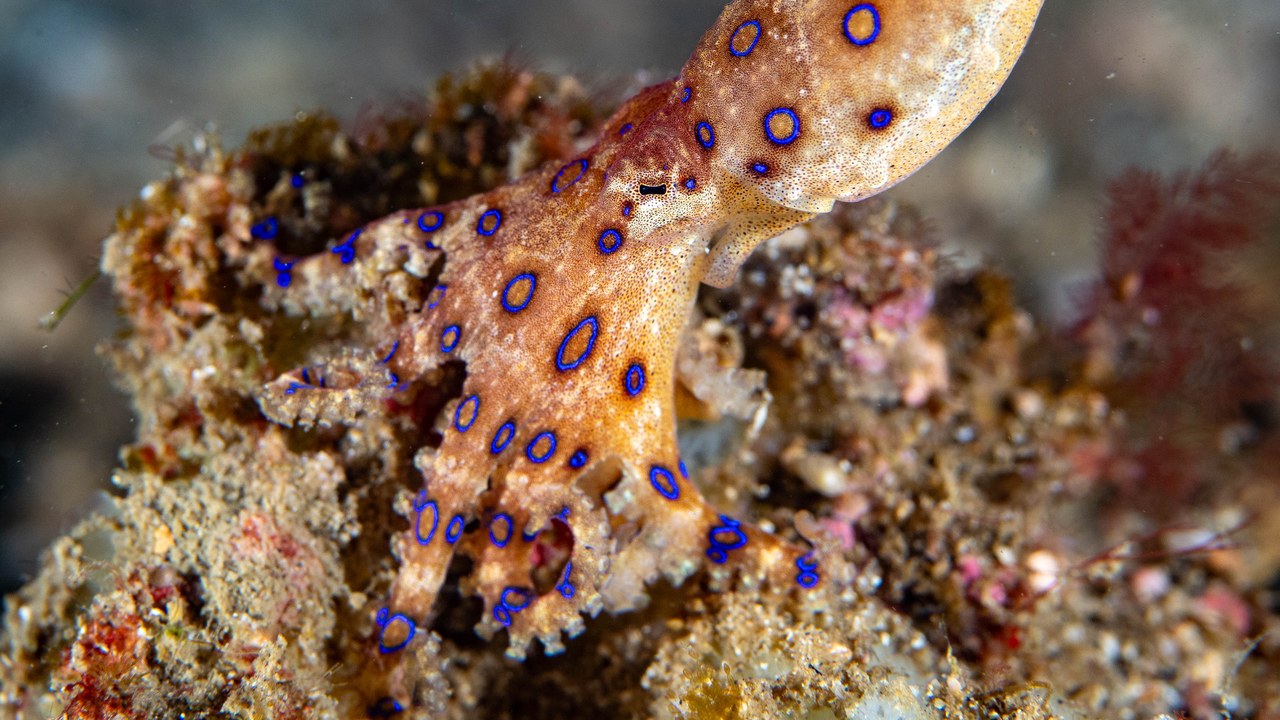
No larger than a golf ball, the blue-ringed octopus flashes iridescent rings as a warning when disturbed, and its bite carries tetrodotoxin, the same potent neurotoxin found in pufferfish. A single animal reportedly carries enough venom to kill several adults, and the bite itself can be nearly painless, delaying recognition of the danger.
The toxin blocks nerve signals and can cause paralysis of the muscles used for breathing, so the primary risk is respiratory failure rather than tissue damage. There is no antivenom, and treatment relies on supported breathing until the toxin clears, which victims can survive with prompt medical care. Found in tide pools and shallow reefs of the Pacific and Indian oceans, it is best admired without handling.
4. Cone snail: The Harpoon In A Shell
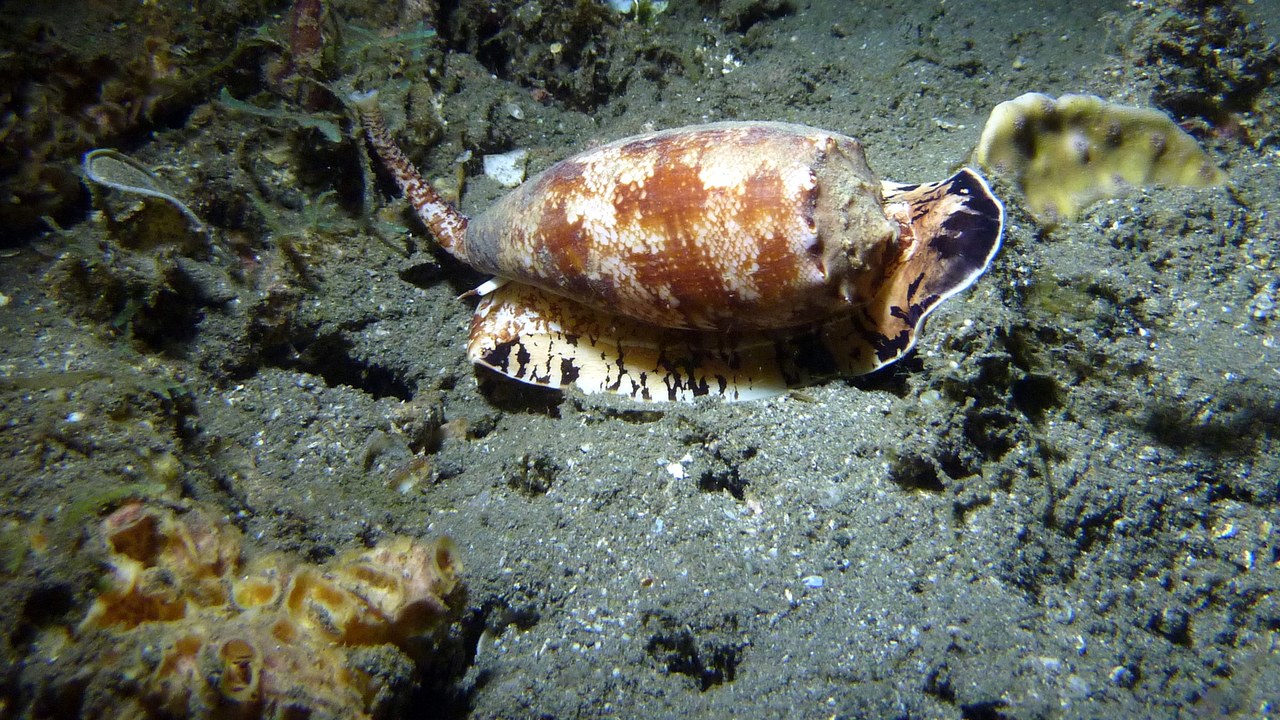
Prized by shell collectors for their intricate patterns, cone snails are predatory marine mollusks that hunt with a modified tooth. The geography cone, Conus geographus, fires a venomous harpoon loaded with a cocktail of compounds called conotoxins, and it is considered strong enough to kill an adult human.
The venom rapidly interferes with nerve signaling and can lead to paralysis, and there is no specific antivenom, so care focuses on supporting the patient. Most incidents involve people picking up the attractive shells without realizing the animal inside can strike. Ironically, the same conotoxins that make these snails dangerous are studied intensively for medicine, having inspired powerful non-opioid painkillers derived from their complex venom.
5. Stonefish: Camouflaged On The Reef
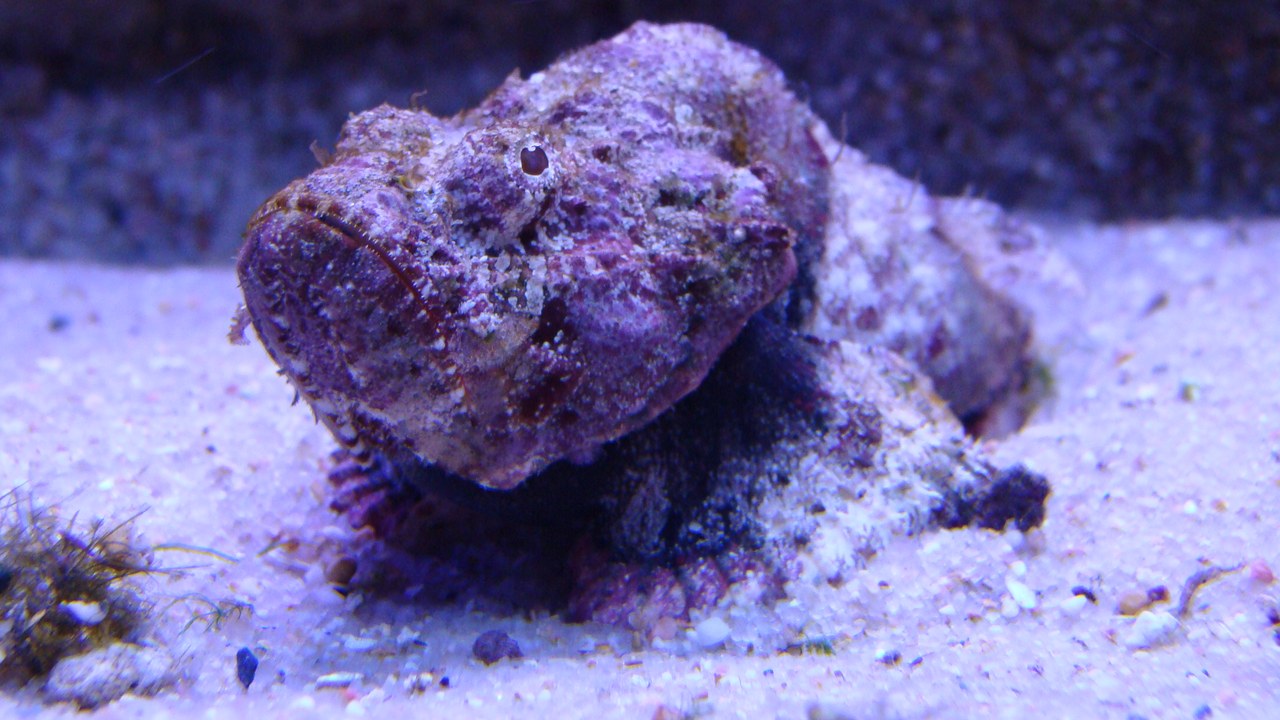
The reef stonefish is often called the most venomous fish in the world, and its mottled, lumpy body blends almost perfectly with coral rubble and rock on the seafloor. Along its back stand rigid spines connected to venom glands, and stepping on a hidden stonefish drives those spines into the foot, injecting a toxin that causes excruciating pain and swelling.
Severe stings can affect the heart and prove life-threatening, though deaths are uncommon where antivenom is available. Immersing the wound in hot water can help break down the venom and ease pain while help is sought. Because the fish is so well camouflaged and does not flee, most injuries happen accidentally in shallow water, making sturdy footwear a sensible precaution.
6. Deathstalker scorpion: The Desert’s Pale Hunter
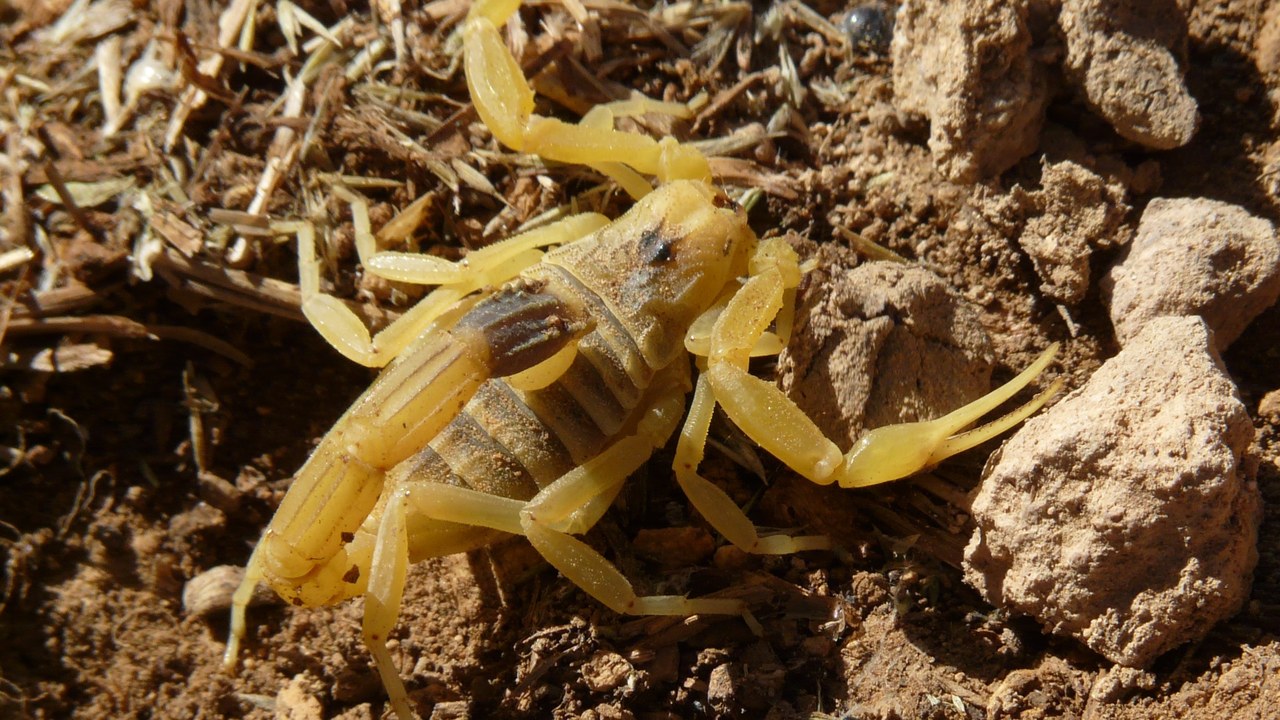
Pale yellow and roughly palm-sized, the deathstalker roams deserts and scrublands from North Africa to the Middle East, and it is regarded as one of the deadliest scorpions alive. Its sting delivers a potent blend of neurotoxins that can cause intense pain, and in serious cases affect the heart and lungs, with children especially vulnerable.
Healthy adults usually survive a sting with medical support, but the reaction can be severe enough to require intensive care in the worst cases. Like the cone snail, the deathstalker has drawn scientific interest for its venom, which contains compounds studied for imaging tumors. In the wild it is nocturnal and defensive, stinging when cornered rather than seeking out people.
7. Brazilian wandering spider: The Roaming Night Prowler
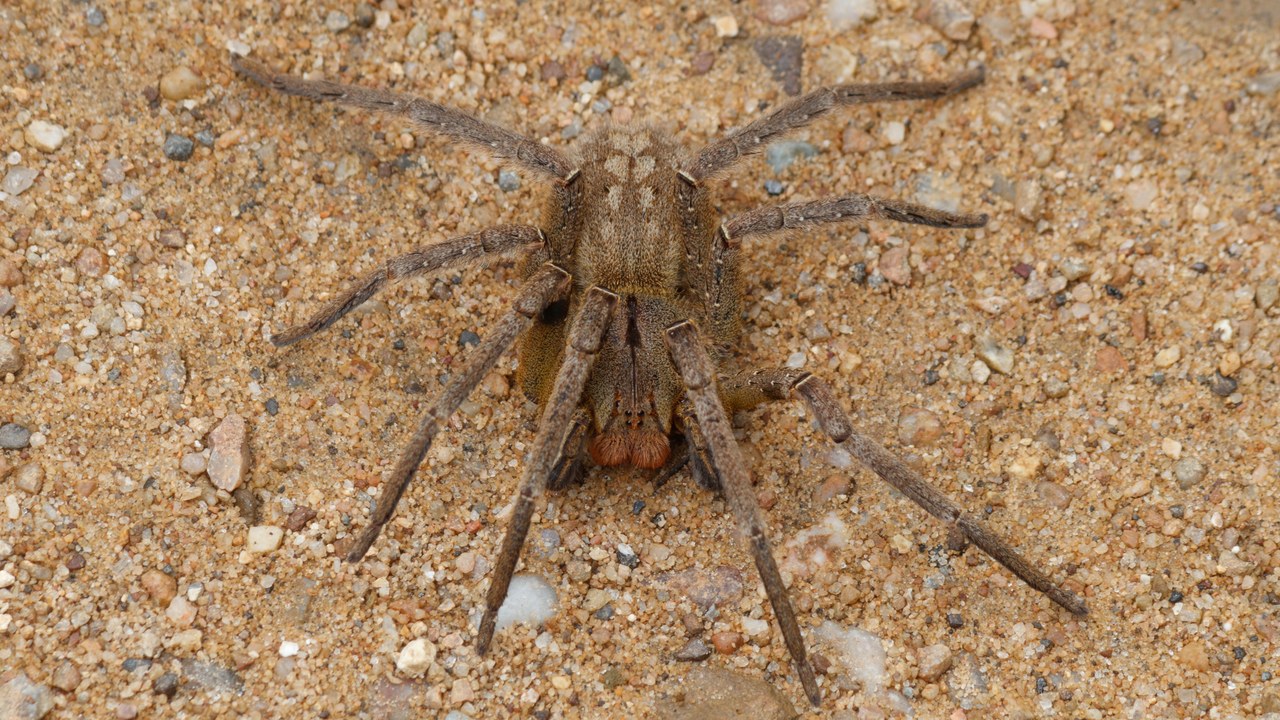
Named for its habit of prowling the forest floor at night instead of building a web, the Brazilian wandering spider of the genus Phoneutria is counted among the most venomous spiders on Earth. Its bite can deliver a neurotoxin that causes intense pain, sweating, and in severe cases dangerous effects on the heart and breathing.
Serious envenomations are treatable with antivenom, and many bites deliver little venom, so fatalities are rare where care is accessible. The spiders sometimes hide in clothing, shoes, or shipments of bananas, which occasionally brings them into contact with people far outside their native range. When threatened, a wandering spider may raise its front legs in a defensive display before striking, a warning worth heeding.
8. King cobra: The World’s Longest Venomous Snake
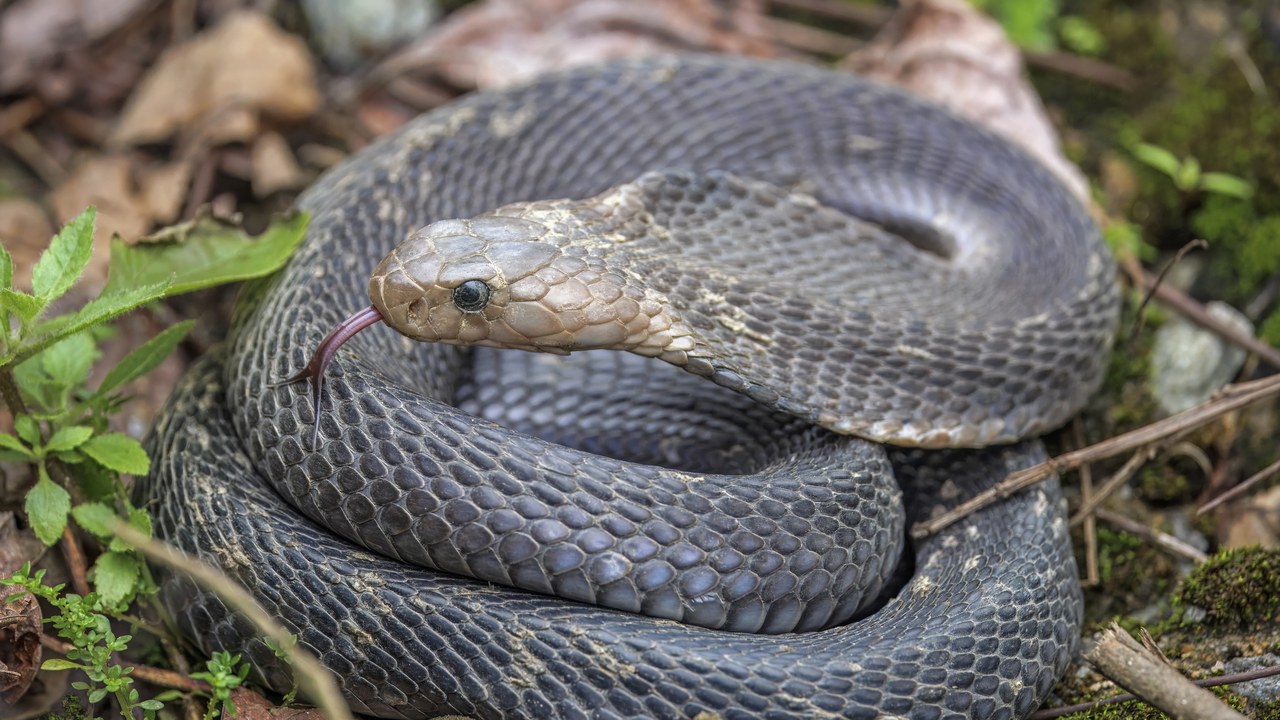
The king cobra is the world’s longest venomous snake, capable of growing well over ten feet, and a single bite can deliver enough neurotoxin to kill an elephant or bring down a person quickly. It injects a large volume of venom that attacks the nervous system, and can rear up to look a standing human in the eye when confronting a threat.
Despite its fearsome reputation, the king cobra is generally reclusive and prefers to avoid people, feeding mainly on other snakes in the forests of South and Southeast Asia. Antivenom exists and prompt treatment greatly improves outcomes, though bites remain emergencies. Habitat loss has made the species increasingly vulnerable, and it is now protected in parts of its range.
9. Indian red scorpion: A Small Sting With Big Consequences
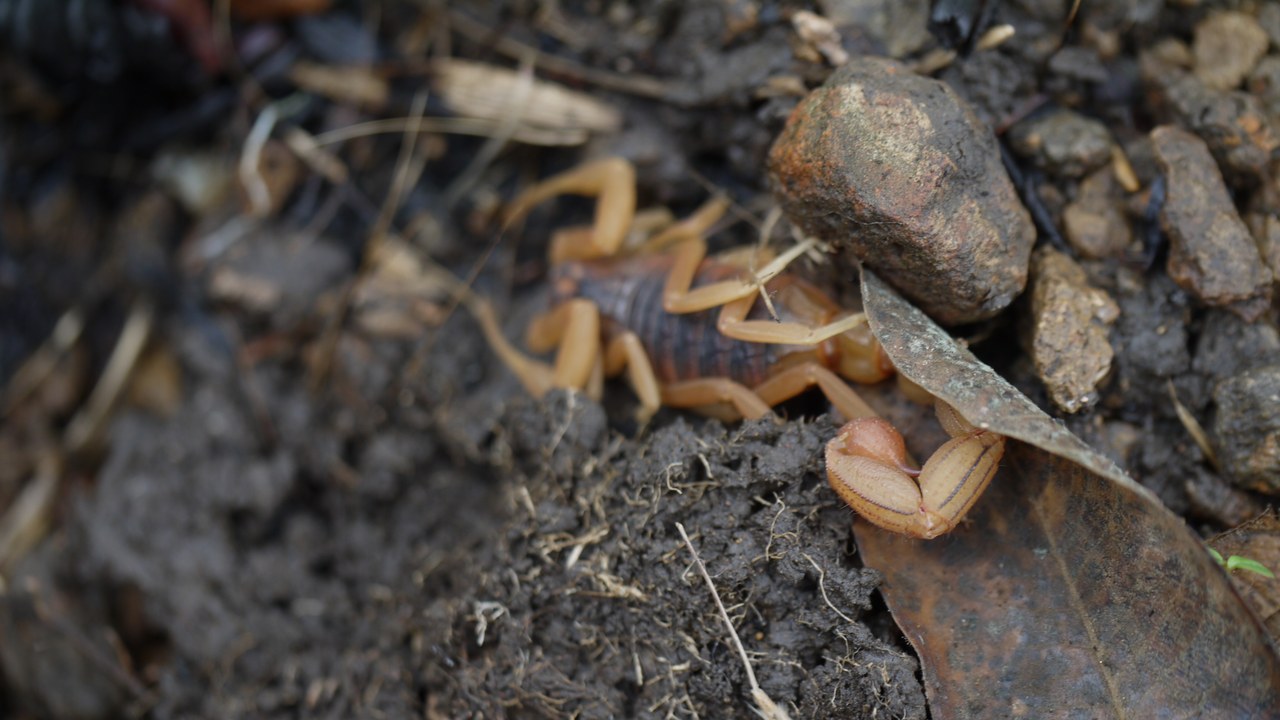
Small and reddish-brown, the Indian red scorpion is often described as the most lethal scorpion to humans, with a sting that can trigger a cascade of dangerous effects. Its venom can cause severe pain, vomiting, and in serious cases a buildup of fluid in the lungs and strain on the heart, particularly in young children.
Found across the Indian subcontinent, the scorpion frequently comes into contact with people in rural areas, which raises the real-world toll compared with more toxic but isolated species. Treatment has improved markedly, with antivenom and a drug called prazosin sharply reducing deaths when given early. Its danger shows how proximity to people, not just venom potency, shapes which animals cause the most harm.
More from Morning Overview
- The FTC is warning about a scam quietly draining thousands from victims
- The NSA is again telling phone owners to switch off one location setting
- A handful of car transmissions are so tough mechanics say they almost never fail
- A handful of SUVs keep hitting 300,000 miles, and they share one engine trait
