
Raw liftoff thrust is the crudest measure of a launch vehicle, and also the most revealing one. It sets the ceiling on how much mass a rocket can shove off the pad and how far that mass can travel afterward. Here are nine of the most powerful rockets ever launched, from Cold War moonshots to the machines flying today.
1. Saturn V: Still The Apollo Benchmark
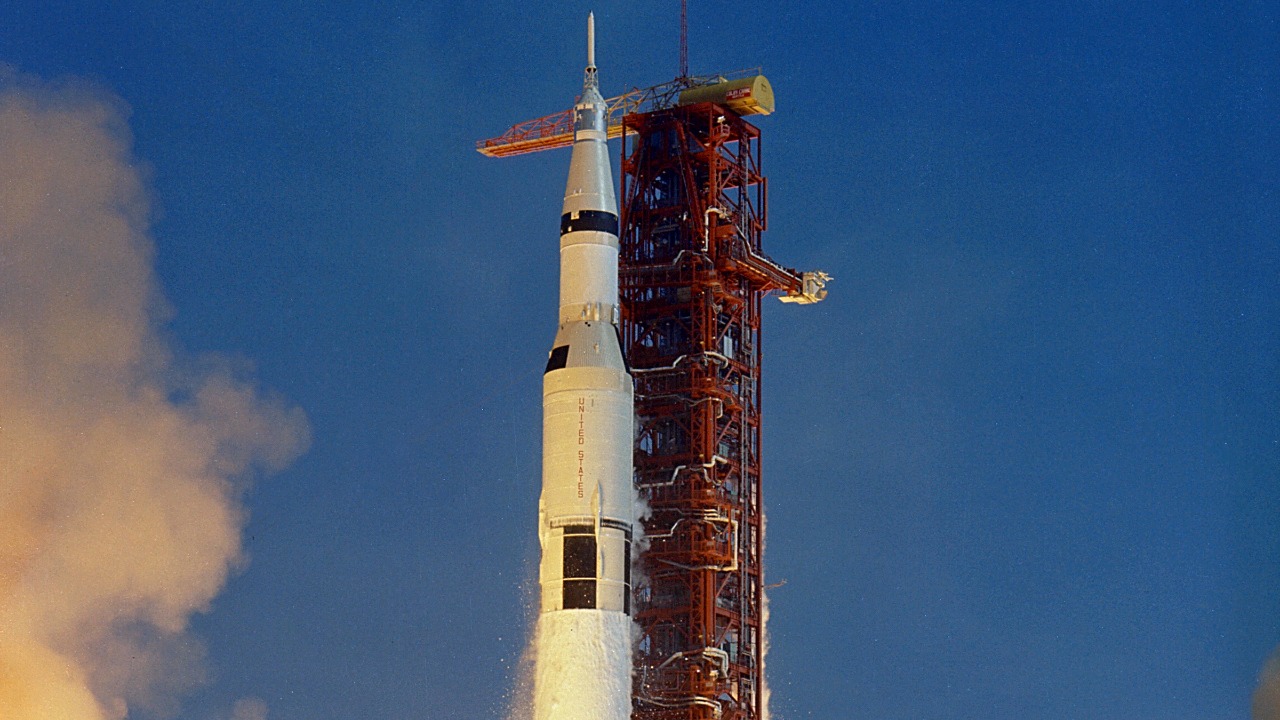
Five clustered first-stage engines gave the Saturn V rocket 7.6 million pounds of liftoff thrust, the force that pushed Apollo crews off the pad and onto a lunar trajectory. Nothing else in the American inventory approached that figure while the program ran, and for decades after the last flight no operational vehicle matched it either.
Raw power was not the whole story. The rocket was designed around one narrowly defined job, delivering a crewed Moon stack, and it was never adapted into a routine cargo carrier. The program ended with flight-ready hardware still unused, which is why complete Saturn V stages sit horizontally in museums today rather than in a launch queue.
2. SpaceX Starship: The Current Thrust Record
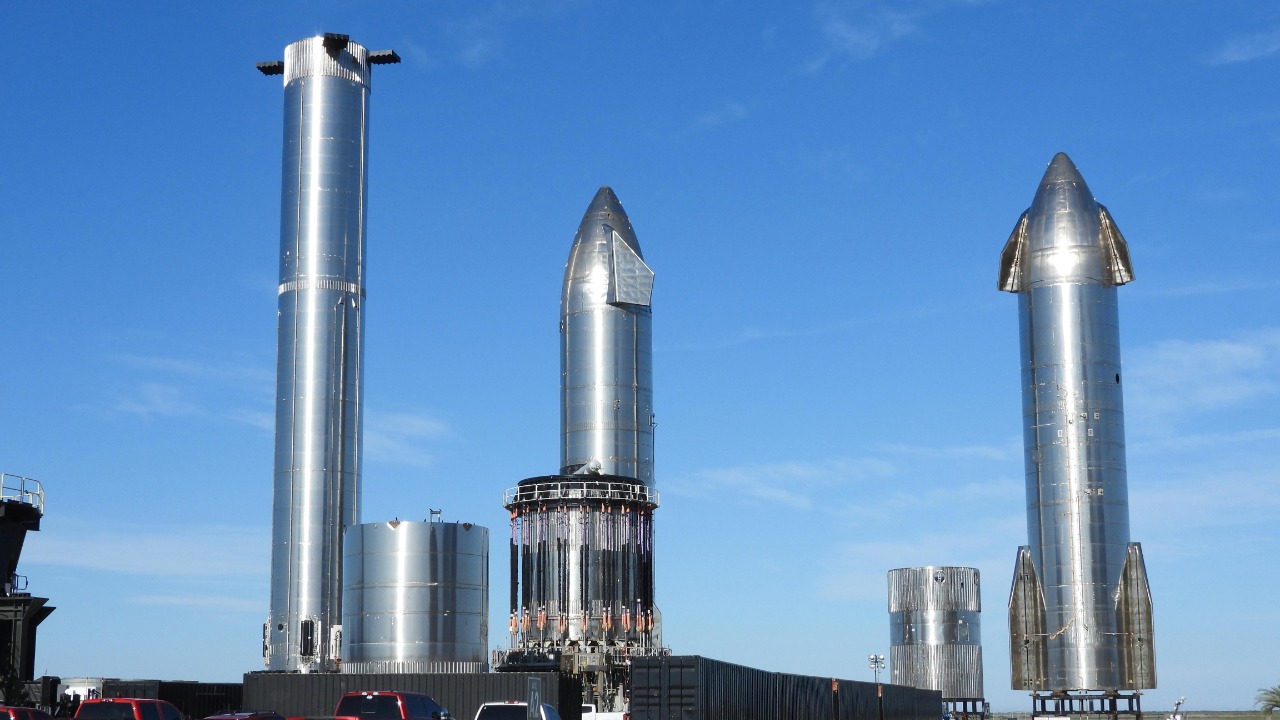
No launch vehicle has ever left the ground harder. SpaceX Starship is the most powerful rocket ever flown, topping 16 million pounds of thrust, more than double the number the Saturn V generated. That total is built from a large cluster of engines firing in unison rather than from a handful of enormous ones.
Holding a thrust record is not the same as being operational. The vehicle is still working through a flight-test campaign, so the headline number describes what the hardware can do at liftoff rather than a delivery record accumulated over years of routine service. The distinction matters when comparing it against rockets that flew dozens of missions.
3. NASA Space Launch System: Artemis Takes The Crown
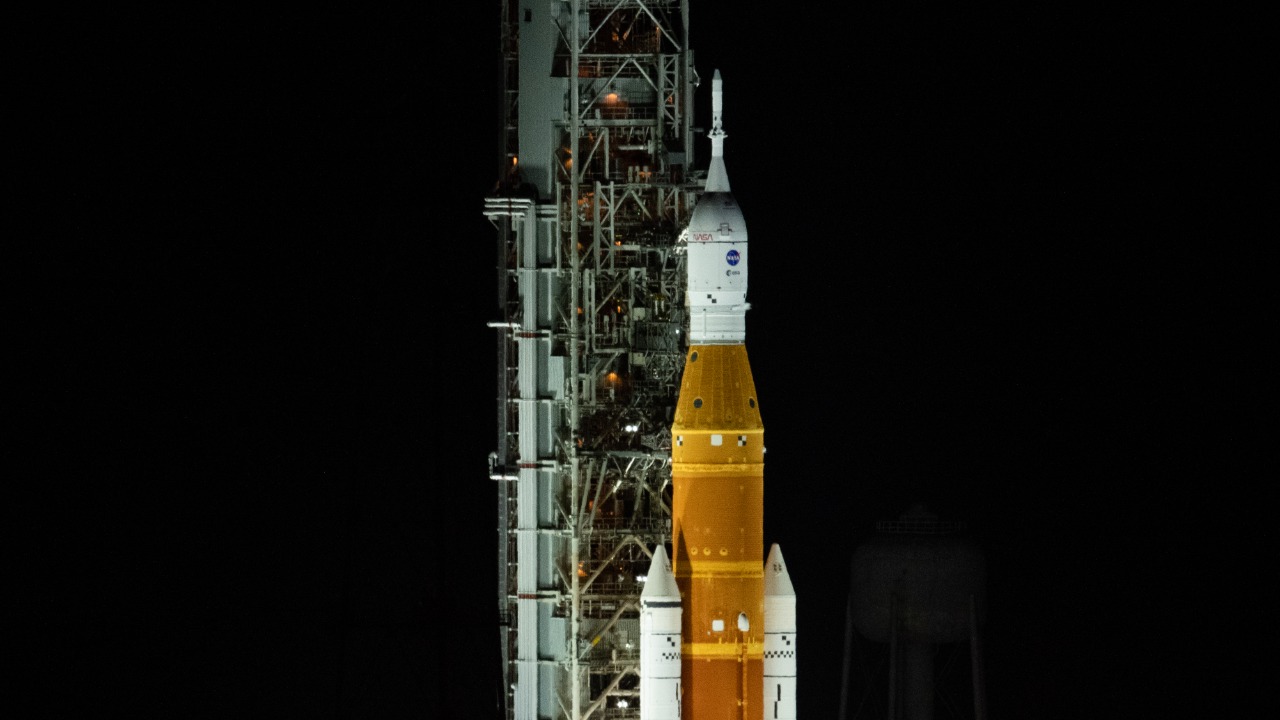
NASA’s Artemis Moon rocket, the Space Launch System, is more powerful than the Saturn V it effectively replaces. That places it above the vehicle that has anchored every heavy-lift comparison since the 1960s, and it does so using a core stage flanked by strap-on solid boosters rather than a single towering kerosene stage.
The lineage is deliberate. Much of the design borrows from hardware and engine technology proven on earlier NASA programs, a choice that shortened development arguments but tied the rocket to an expendable architecture. Every stage is discarded after use, so the cost profile looks nothing like that of a reusable competitor.
4. Falcon Heavy: Three Cores, One Launch
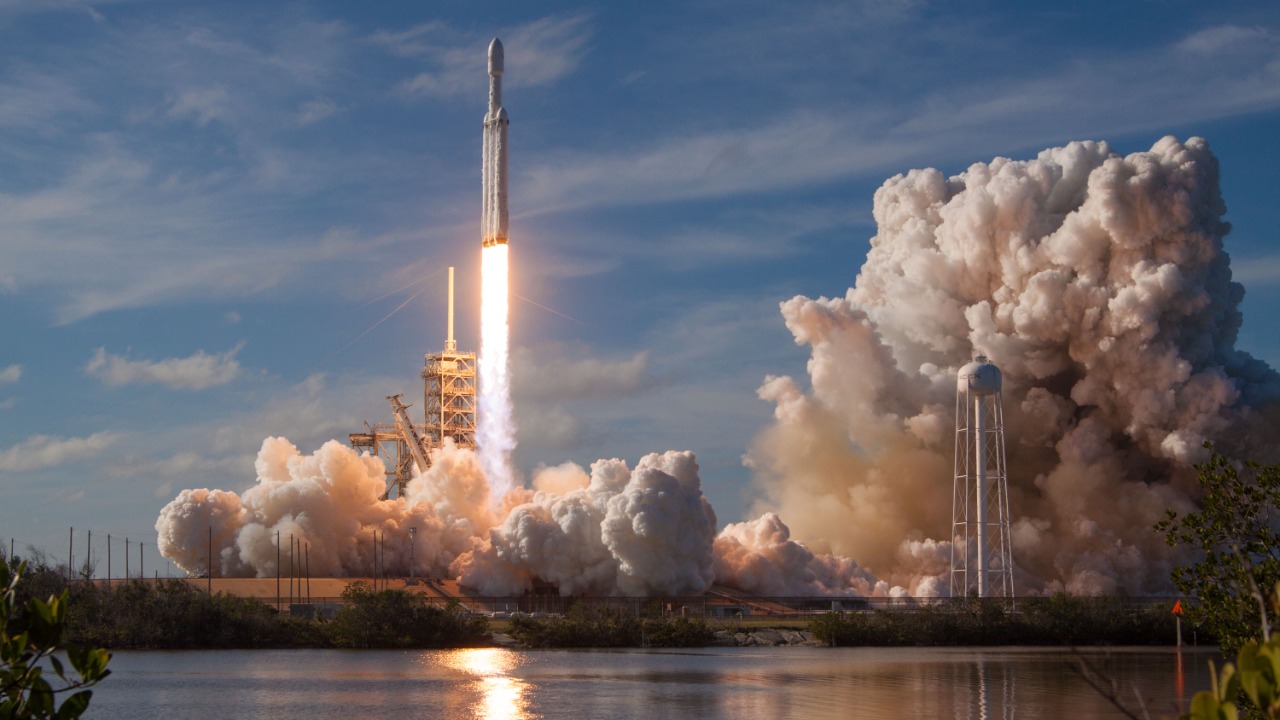
Strapping two extra boosters to a proven single-stick rocket produced the Falcon Heavy, SpaceX’s triple-core heavy-lift workhorse. All three cores light together at liftoff, which is why the vehicle sits well above the company’s standard rocket on any thrust ranking without requiring an entirely new engine.
The configuration also explains its economics. The two side boosters are designed to fly back and land for reuse, something no expendable heavy-lift design can offer, and that recovery step is what keeps the rocket competitive for large commercial and government payloads rather than reserved for rare showpiece missions.
5. Space Shuttle: A Stack That Rivaled Apollo
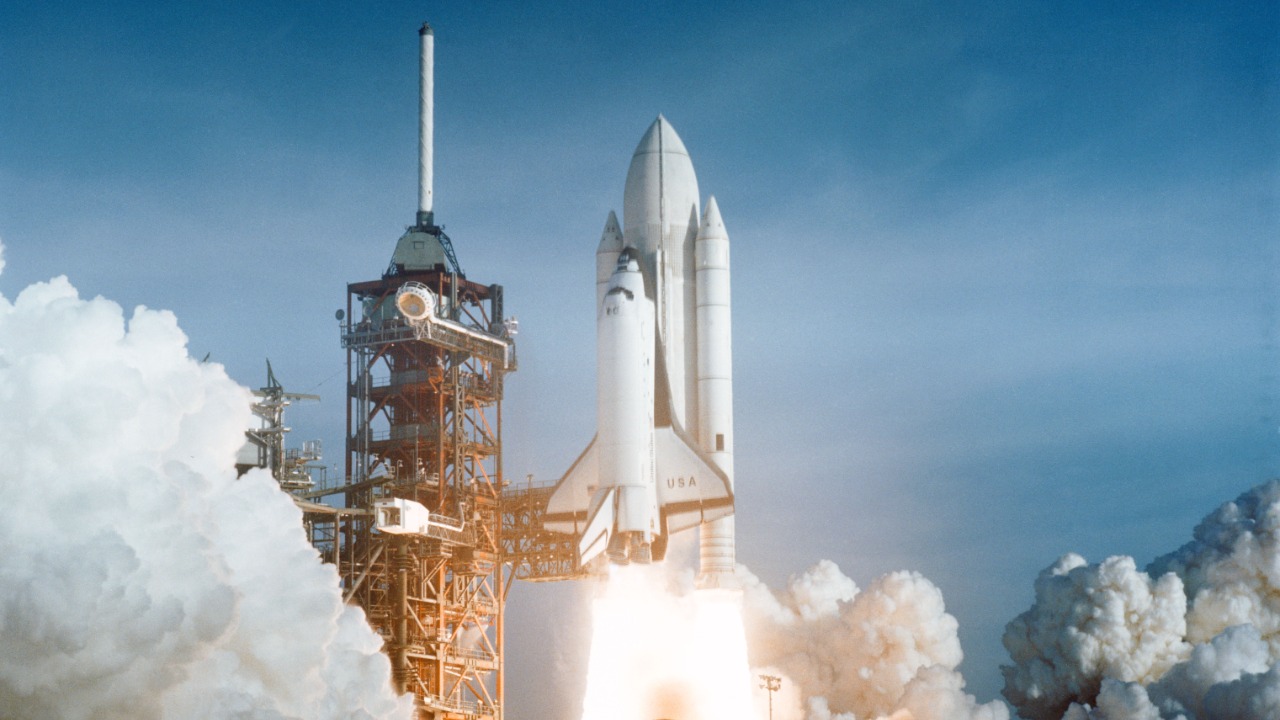
People remember the winged orbiter, but the thrust came from what surrounded it. The Space Shuttle stack combined twin solid boosters with a cluster of liquid-fuelled main engines, and together they rivaled the Saturn V at the moment of liftoff.
The catch is where that power went. A large share of the capability was spent lifting the orbiter itself, a reusable spaceplane weighing far more than the cargo tucked inside it, so the useful payload never reflected the total force at the pad. The fleet has since been retired without a direct replacement.
6. Blue Origin New Glenn: Seven Engines, One Core
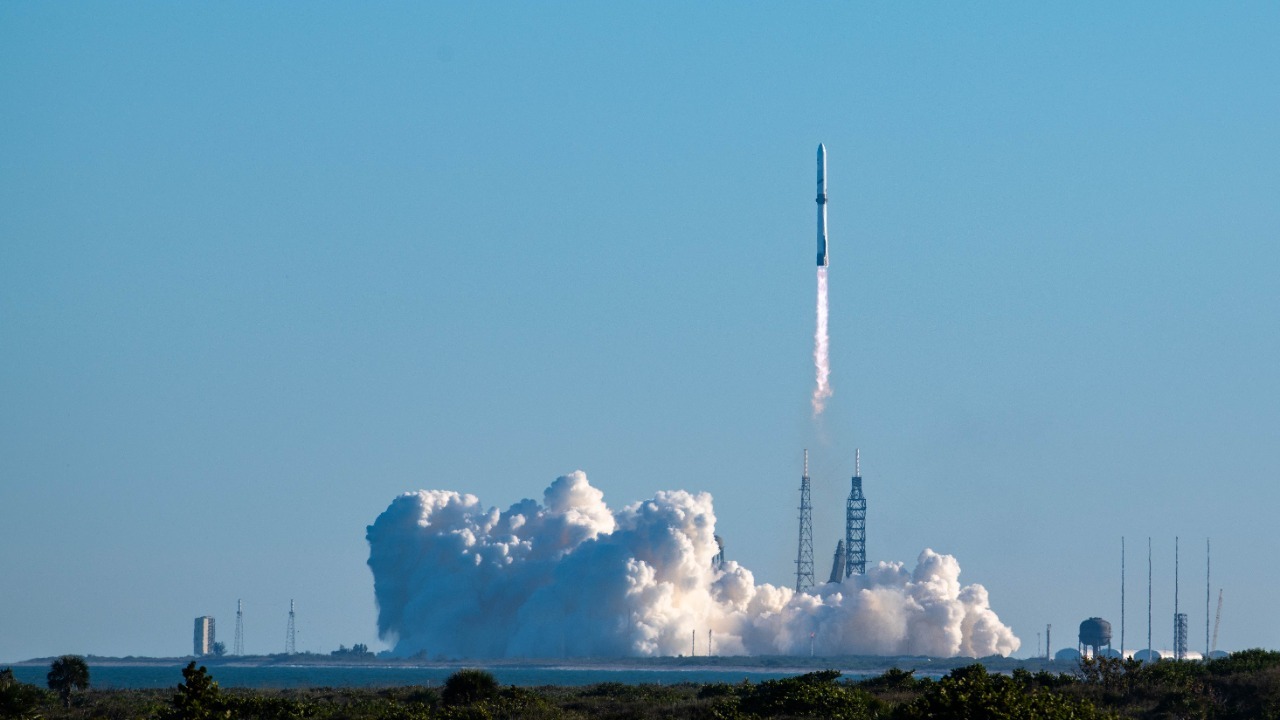
Blue Origin approached heavy lift from the engine outward. New Glenn is a heavy-lift booster powered by seven BE-4 engines, a cluster arrangement that puts the entire first stage on one common powerplant rather than a mix of solid strap-ons and a liquid core.
Clustering carries trade-offs. Seven engines mean seven sets of hardware that must light and keep burning in unison, a coordination problem that designs built around a few large chambers avoid. The upside is manufacturing: one engine line can supply every booster, favouring production rate over the simplicity of a small engine count.
7. Delta IV Heavy: Hydrogen From The Pad Up
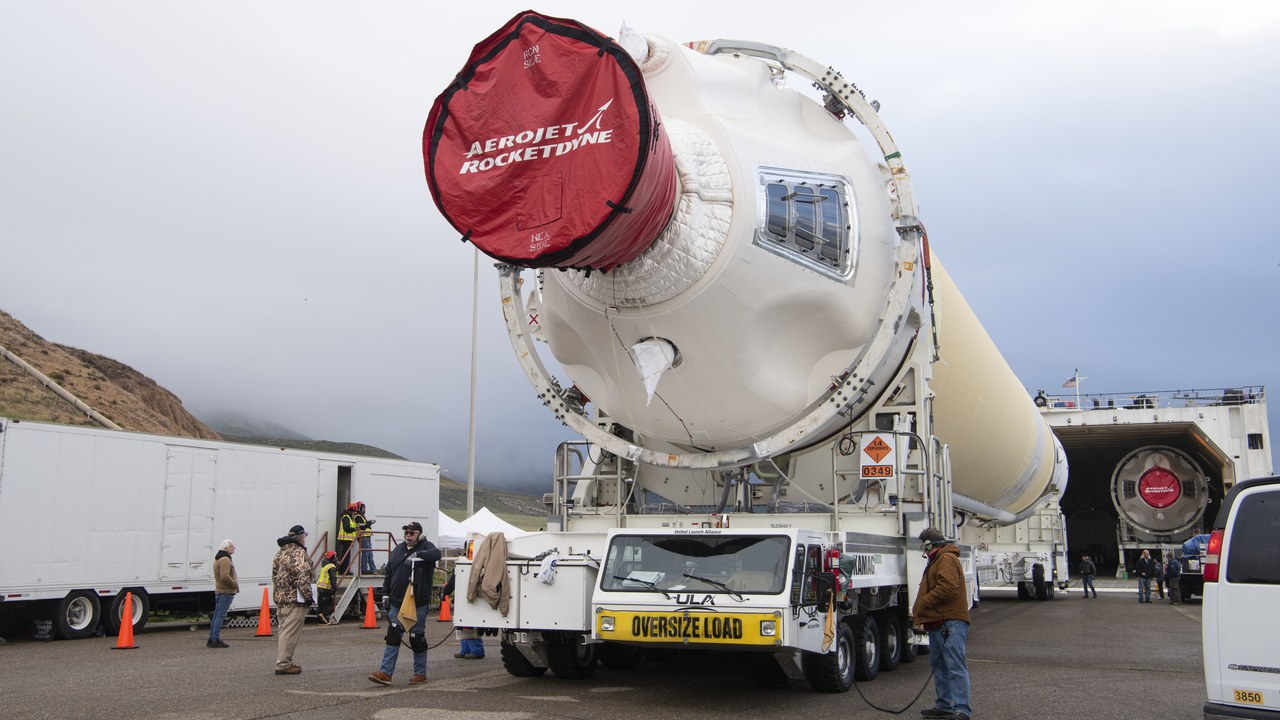
Most heavy lifters reach for solid boosters or kerosene at liftoff. Delta IV Heavy did not, standing out as a high-thrust hydrogen-fuelled heavy-lift rocket that burned the same cryogenic propellant from the first second of flight to orbit.
That choice bought efficiency at the cost of complexity. Liquid hydrogen is bulky and difficult to handle, which made the rocket expensive to prepare and to fly, and the vehicle spent its career carrying high-value national-security payloads rather than competing for routine commercial launches. It has now been retired from service.
8. Ariane 5: Europe’s Webb Delivery
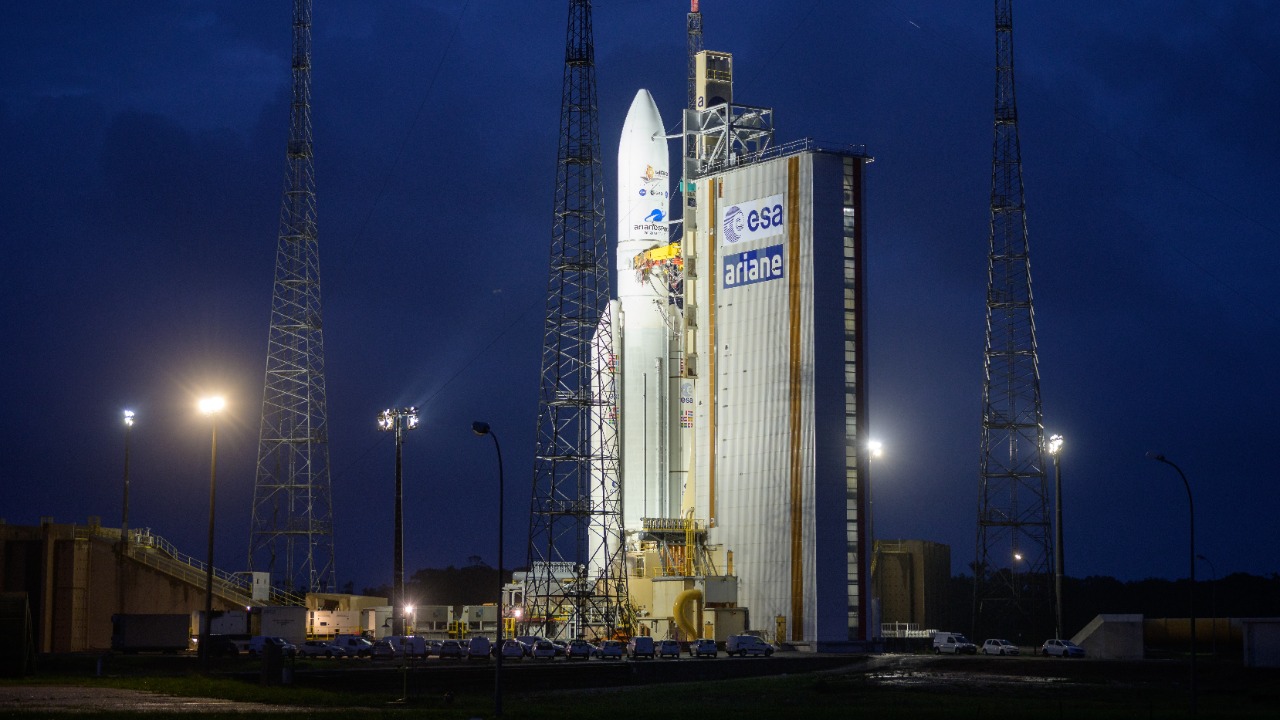
Europe put its heaviest payloads on one launcher for a generation. The Ariane 5 served as the continental heavy-lift workhorse, and its most consequential assignment was sending the James Webb Space Telescope on its way, an irreplaceable observatory with no possibility of a second attempt.
Reliability, not peak thrust, is what earned that contract. The rocket ranks below the American super-heavy vehicles on power, yet a long record of successful commercial flights made it the safe choice for a mission that could not be repeated. A newer European launcher has since taken over the role.
9. Long March 5: China’s Heavy Lifter
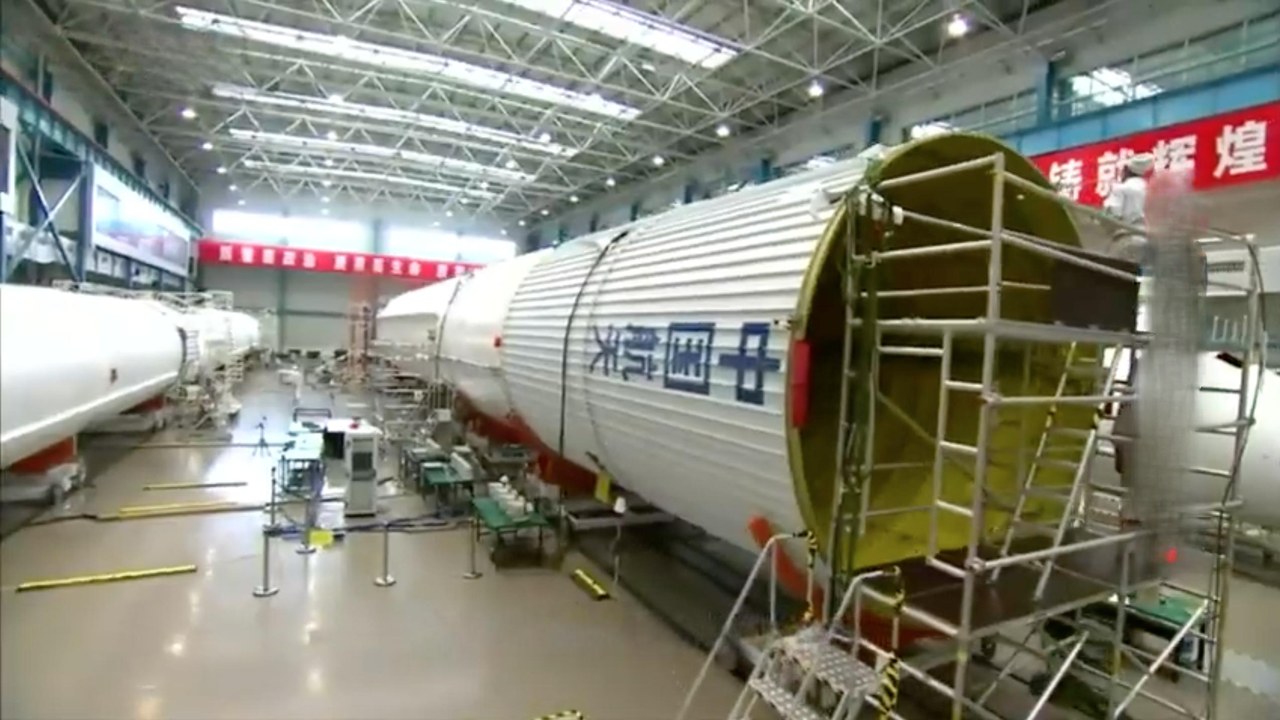
China built a wide-body launcher to escape the limits of its older, narrower rockets. Long March 5 is the most powerful operational vehicle in that national fleet, and it carries the assignments no smaller member of the family can handle.
Its schedule reveals the strategy. The rocket is the one used for the largest orbital modules and for missions heading beyond low orbit, which makes every flight a milestone rather than a routine cargo run. Larger successors are under development, but until they fly this remains the ceiling.
More from Morning Overview
- The NSA is again telling phone owners to switch off one location setting
- A handful of car transmissions are so tough mechanics say they almost never fail
- A handful of SUVs keep hitting 300,000 miles, and they share one engine trait
- Supplements now rank as the fifth-leading cause of death from liver disease.
