
Beneath a handful of limestone massifs, water has carved shafts that plunge more than a mile below the surface. Reaching the bottom of one can take a team weeks of rigging, camping and hauling gear through cold, flooded passages. Gathered below are nine such systems, each depth pinned down by survey rather than legend.
1. Veryovkina Cave: The Deepest Yet Surveyed
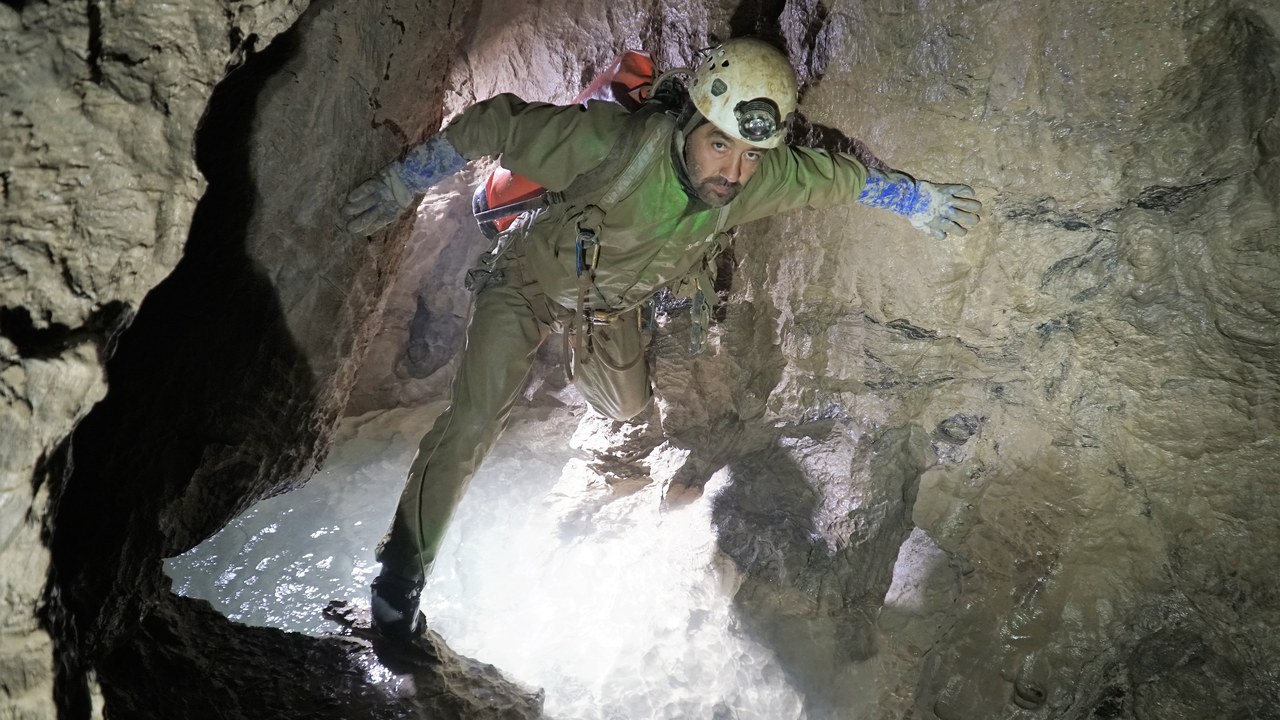
Veryovkina drops through the Arabika Massif in Abkhazia, in the western Caucasus, and stands as the deepest cave currently known. Expeditions by the Perovo speleological club pushed its surveyed depth past 2,200 meters in 2018, ending at a sump where the passage floods to the ceiling. Reaching it means a chain of vertical pitches, underground camps and days without daylight.
The figure is a survey result, not a fixed property of the mountain, and teams have revised it as new passages opened. Flash flooding is a constant hazard; a 2018 surge trapped a party that escaped by climbing above the rising water.
2. Krubera Cave: First Past Two Thousand Meters
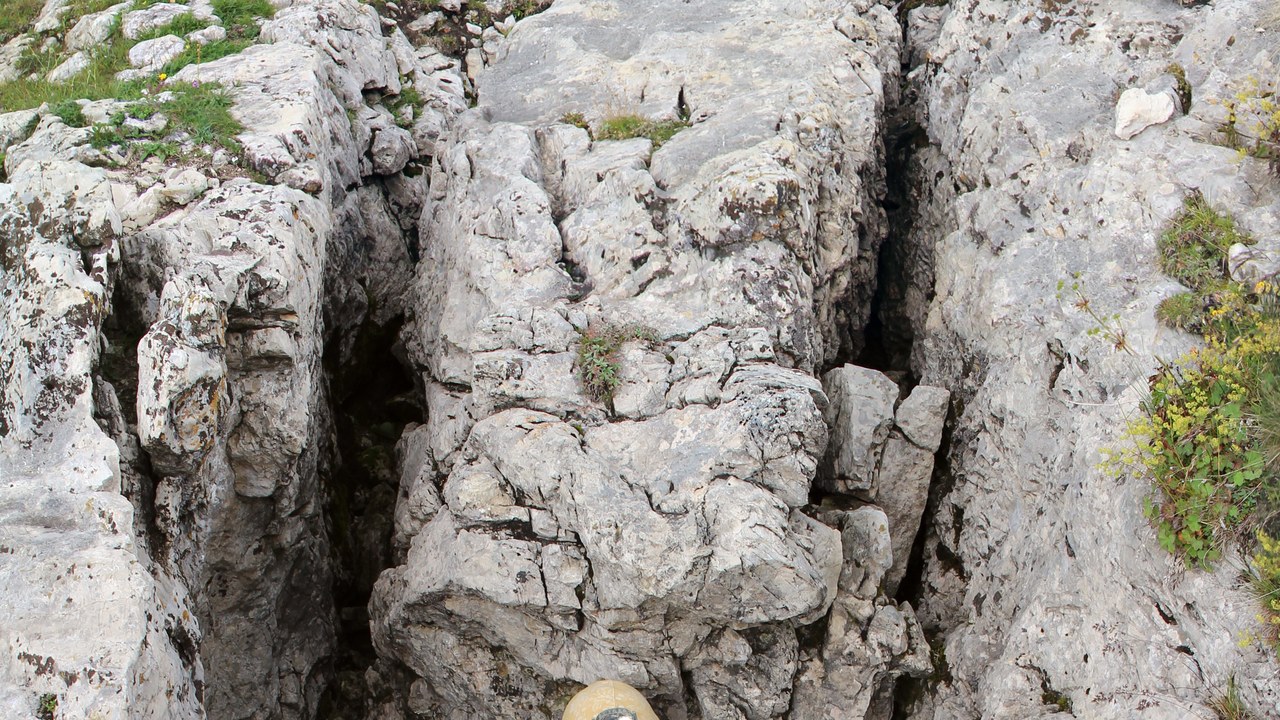
Krubera, also called Voronya, sits in the same Arabika Massif and was the first cave anywhere confirmed deeper than 2,000 meters, reached by a Ukrainian-led expedition in 2004. Later pushes, including a 2012 dive at the terminal sump by Gennadiy Samokhin, extended the recorded depth to roughly 2,197 meters.
For close to fifteen years Krubera held the title of deepest known cave, until Veryovkina, a short distance away, was surveyed deeper. The ranking changed because exploration continued, not because either cave shifted. Both descend through the same block of limestone, which is why the two have traded places on the list.
3. Sarma Cave: Another Arabika Descent
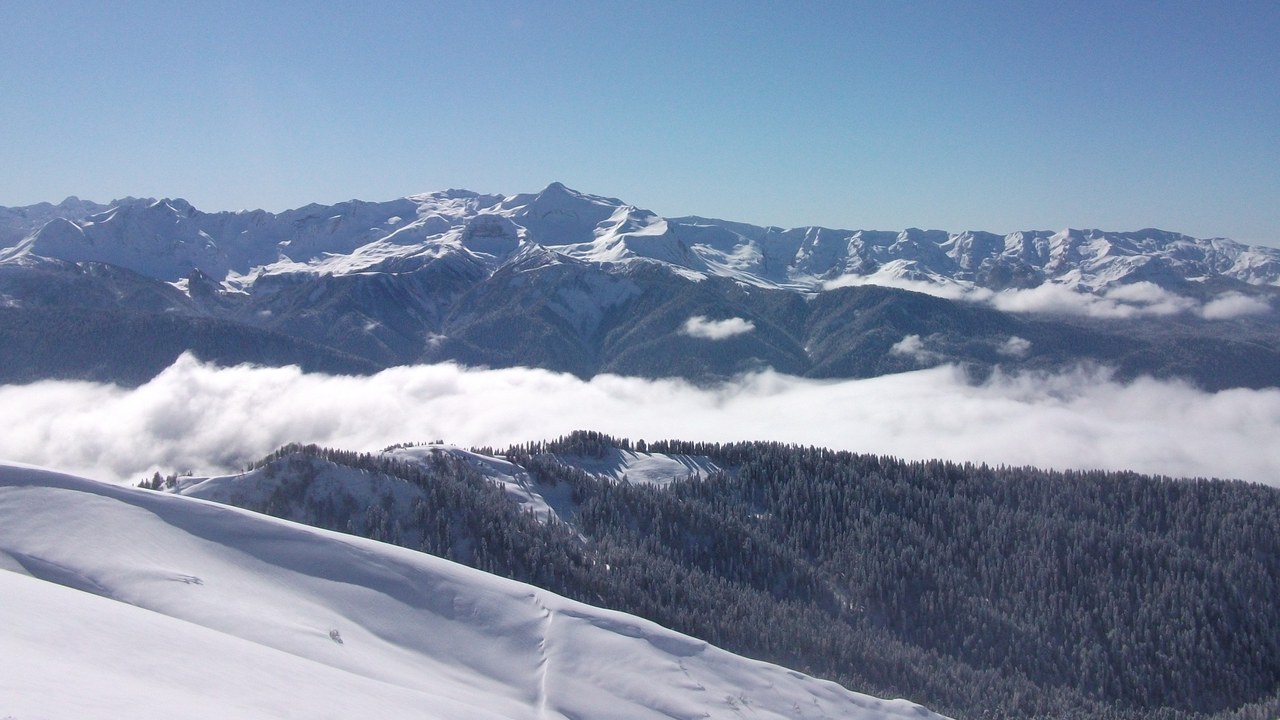
Sarma opens on the Arabika Massif as well, a short distance from the other two, and its surveyed depth runs past 1,800 meters. Russian teams pushed it through the 2000s, working down a series of shafts and meanders toward a terminal sump. The entrance sits high on an alpine plateau of bare grey karst, so an expedition starts with a long walk-in before anyone drops underground.
Three of the deepest caves on record lie within that one limestone block, drained by the same water. Dye tracing has shown that water sinking on Arabika resurges near the Black Sea coast far below. Whether the systems link underground remains an open question.
4. Cave of Swallows: A Free Fall Into Daylight
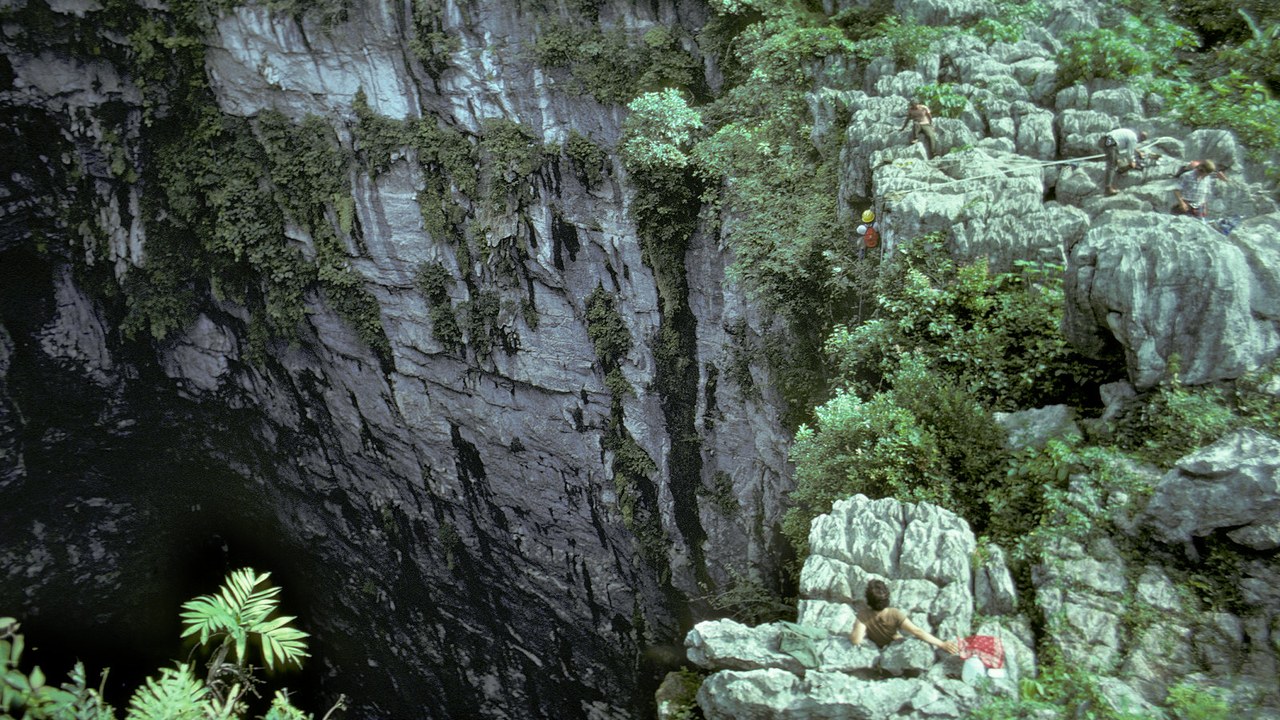
This Mexican pit near Aquismon, in San Luis Potosi, is known for a single uninterrupted drop rather than total depth: the floor lies roughly 333 meters below the low side of the opening and about 370 below the high side. A rope descent takes several minutes of free hanging, and climbing back out on ascenders can take an hour or more.
The name comes from the birds, white-collared swifts and green parakeets, that spiral out of the shaft at dawn in a slow rising column and drop back in at dusk. Access is controlled by the local community that owns the land, and the site has long drawn rappellers rather than deep-cave expeditions.
5. Lamprechtsofen: Explored From The Bottom Up
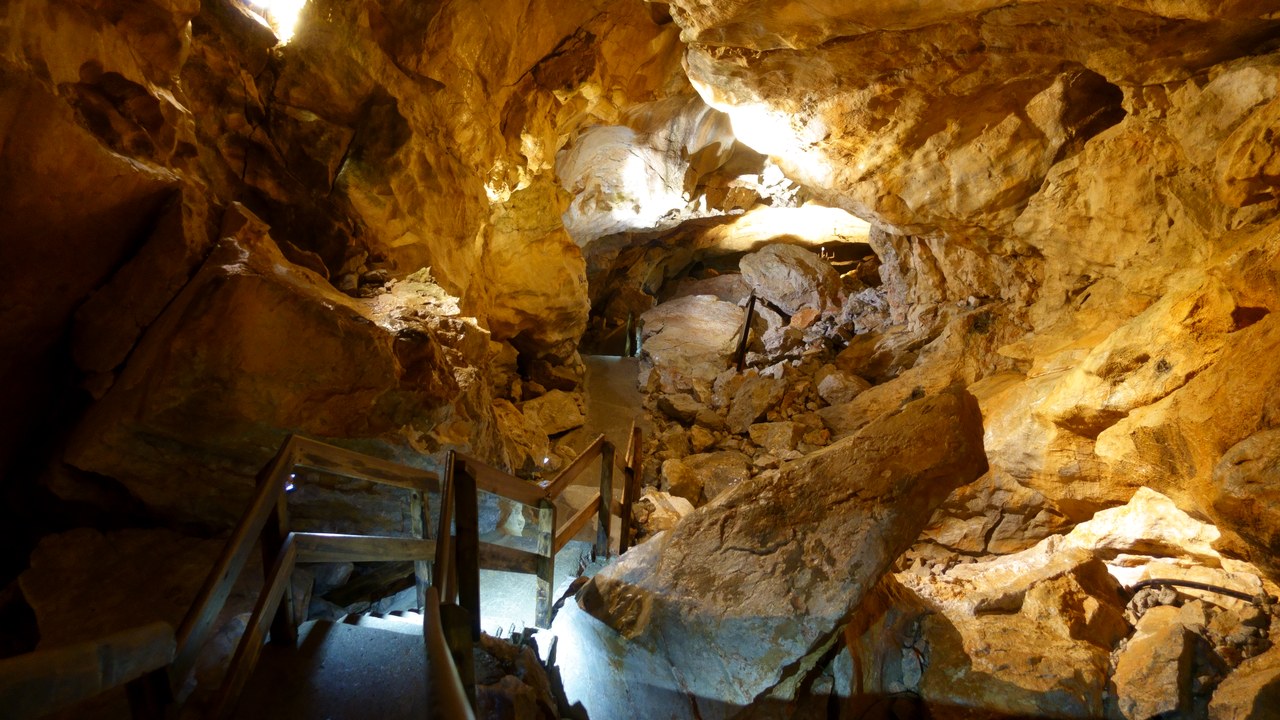
Lamprechtsofen runs through the Leoganger Steinberge in Salzburg, Austria, and is unusual because much of it was explored upward from a low entrance rather than descended from above. Polish cavers climbed the system to a higher entrance in 1998, and further connections extended the surveyed depth to roughly 1,735 meters.
For a period after that breakthrough it stood as the deepest known cave in the world, before deeper systems in the Caucasus overtook it. The lower reaches are also a show cave, so a short lit section of one of Europe’s deepest systems is open to walking visitors while the rest stays the preserve of rigged expeditions.
6. Gouffre Berger: The First Thousand-Meter Cave
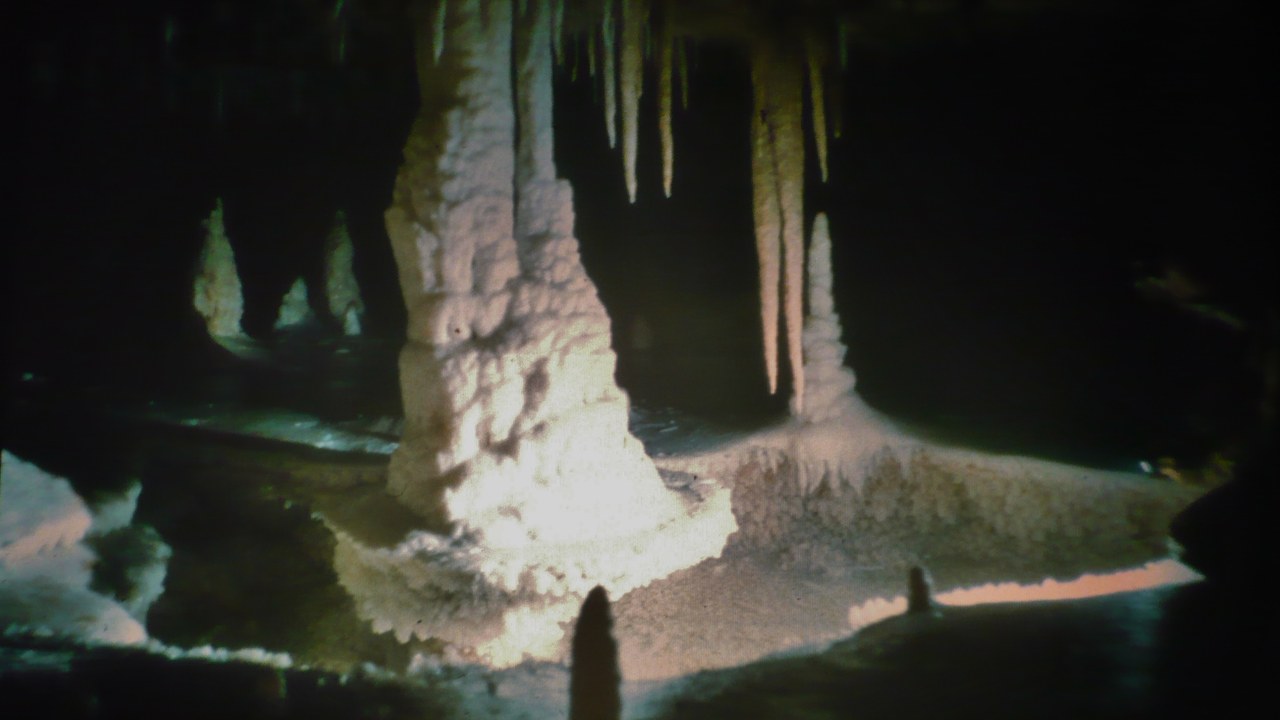
Discovered in the Vercors massif of southeastern France in 1953, the Berger produced the first thousand-meter descent on record, when a 1956 expedition reached about 1,122 meters below the entrance. Later exploration carried the surveyed depth to roughly 1,320 meters at a terminal sump.
It held the world depth record only until the early 1960s, but its reputation outlasted that. The cave takes a stream, and heavy rain on the plateau can turn the lower galleries into a flooded trap; cavers have died there, and modern trips watch the forecast as closely as the rigging.
7. Sistema Huautla: Deepest In The Americas
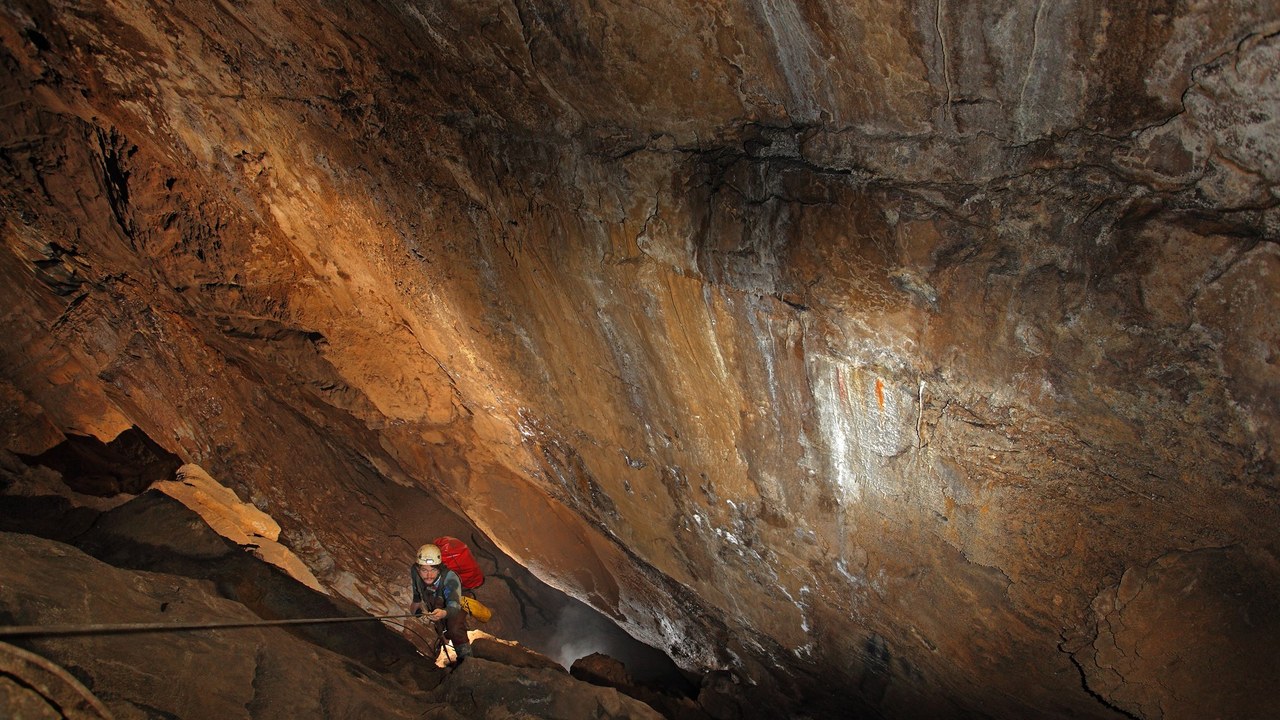
In the Sierra Mazateca of Oaxaca, Mexico, Huautla is a network of connected entrances whose measured depth reaches roughly 1,560 meters, the greatest yet recorded in the Western Hemisphere. Reaching the bottom is an expedition rather than a trip, with underground camps and, beyond a certain point, sumps that must be dived.
American-led teams have worked the system since the 1960s, and progress has come in decades-long increments as new pits were connected to the main network. Depth gains have often depended on diving through flooded passage, which is why the total has been revised upward several times rather than settled once.
8. Ellison’s Cave: Fantastic Pit In Georgia
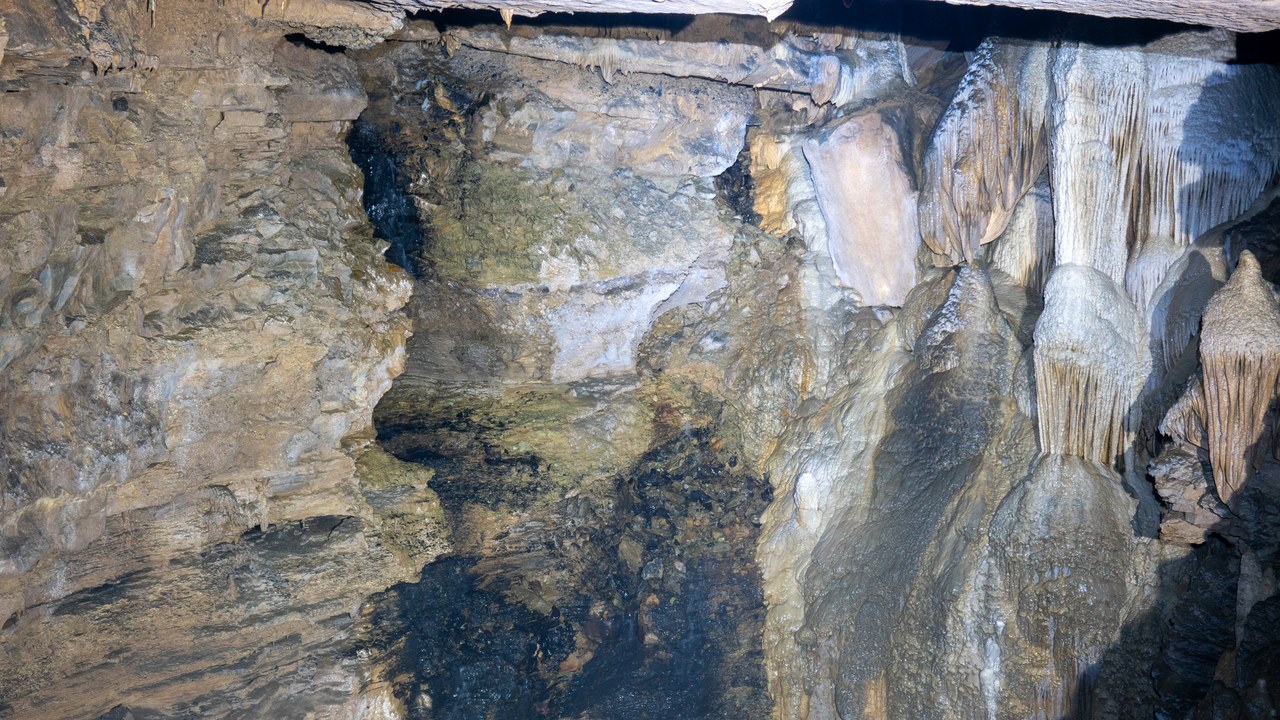
Ellison’s Cave runs under Pigeon Mountain in northwest Georgia and is known less for its total depth, around 324 meters, than for a single shaft inside it. Fantastic Pit drops roughly 179 meters in one unobstructed fall, long cited as the deepest free-fall pit in the continental United States, with a second shaft nearby dropping about 134 meters.
A rappel of that length is a serious undertaking on rope alone, and the cave has a record of accidents and fatalities. Water pours down parts of the shaft, so cold compounds the problem for anyone stalled partway, and access is controlled rather than open.
9. Reseau Jean Bernard: A Record Held And Lost
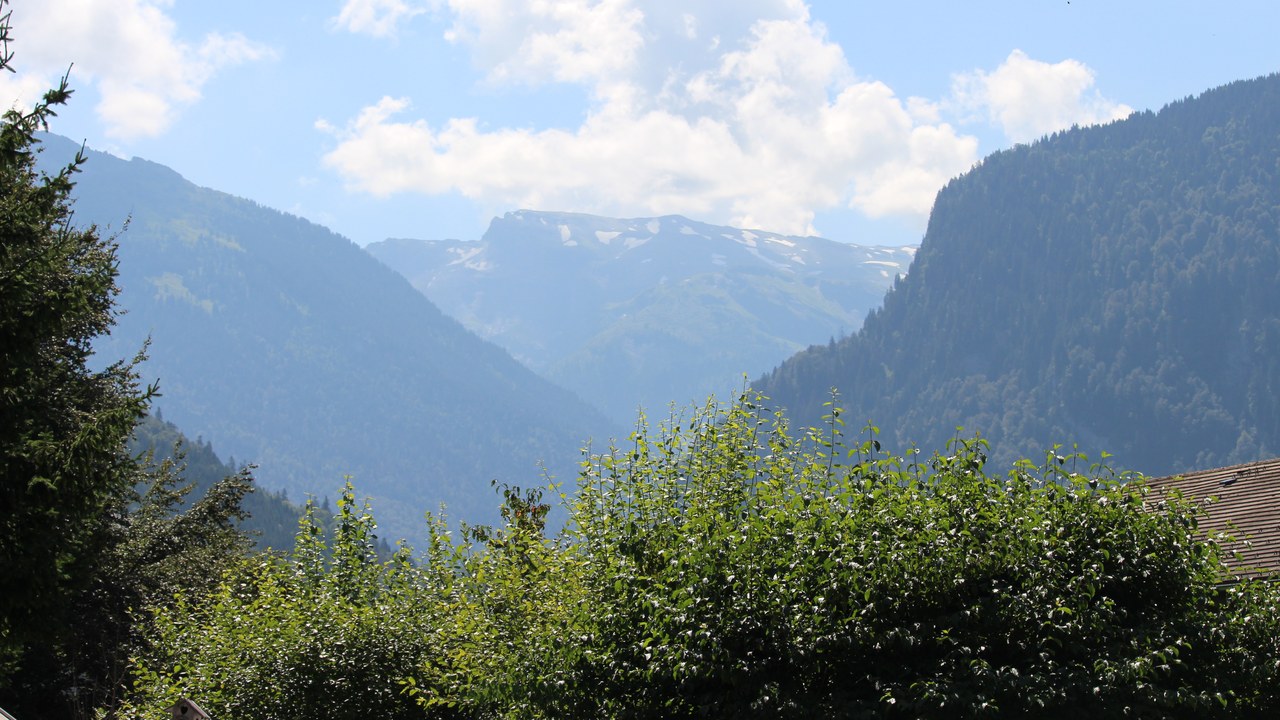
This French system lies under the mountains above Samoens, in the Haute-Savoie near the Swiss border, and links several entrances into one network reaching roughly 1,600 meters below its highest opening. The full traverse involves days underground, long cold passages and a considerable amount of rigging.
For a stretch of the 1980s it was recorded as the deepest known cave on Earth, before systems in Austria and the Caucasus were pushed further. Its depth figure has itself been restated as surveys were redone, which is the ordinary condition of these numbers: they describe how far a passage has been measured, not how far it goes.
More from Morning Overview
- A handful of SUVs keep hitting 300,000 miles, and they share one engine trait
- Supplements now rank as the fifth-leading cause of death from liver disease.
- A study names the one SUV most likely to reach 250,000 miles
- More than 60,000 people flee the Spokane area as complex fires overrun 600 structures
