
Military contracts have quietly produced some of the most recognizable trucks and off-roaders ever sold to civilians, from scout jeeps to alpine troop carriers. Engineers built these vehicles for mud, sand and mountain trails long before any dealership ever touched them, and the toughness that got soldiers home later sold itself to ranchers, collectors and weekend explorers. Here are nine military vehicles that eventually parked in ordinary driveways.
1. Willys MB: The Original 4×4
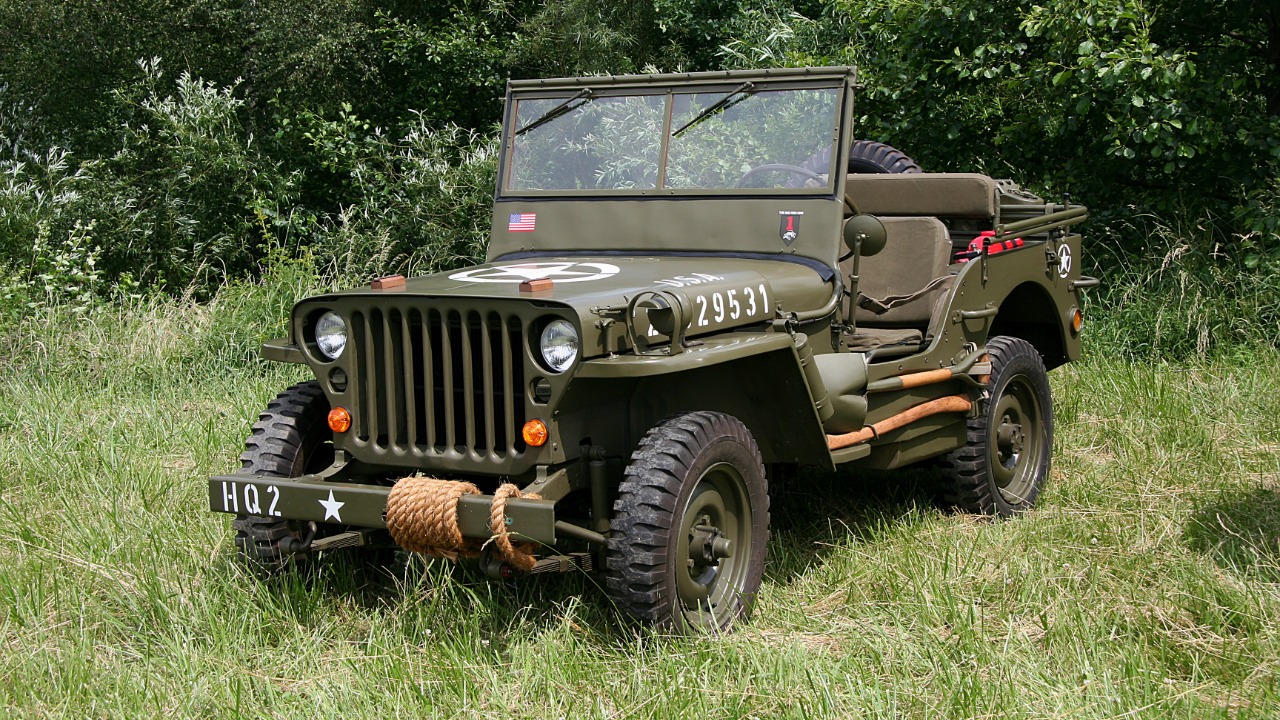
The Willys MB was the scout and reconnaissance vehicle the U.S. Army standardized in 1941, prized for its compact size and dependable four-wheel drive across rough terrain. After the war, Willys-Overland adapted the design into the 1945 CJ-2A, the first mass-produced civilian four-wheel-drive vehicle sold in the United States.
Farmers and returning veterans bought the CJ-2A for its low cost and go-anywhere gearing, and the layout it established, a boxy body over a simple ladder frame, shaped nearly every Jeep model that followed for the rest of the twentieth century.
2. Dodge WC series: Farm Truck With Dog Tags
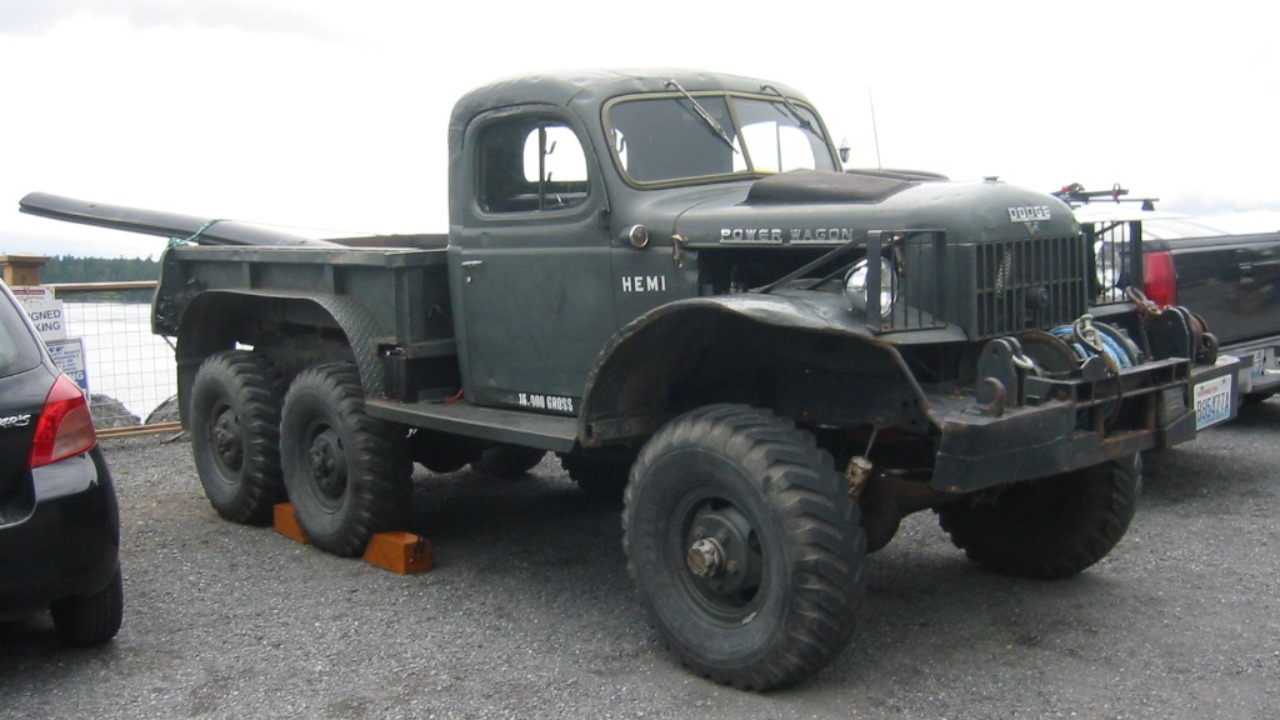
The Dodge WC series carried troops and cargo as a three-quarter-ton four-wheel-drive truck built for the Army starting in 1942, valued for its low gearing and open-frame simplicity in mud and sand. In 1946 Dodge adapted the platform for dealership lots as the Power Wagon, one of the first civilian trucks descended directly from a military design.
Ranchers and utility crews bought it for the same low-range gearing that got soldiers through mud, and the Power Wagon name stuck around on Dodge and later Ram trucks for decades after the original stopped rolling off the line.
3. HMMWV: From Convoy To Cul-De-Sac
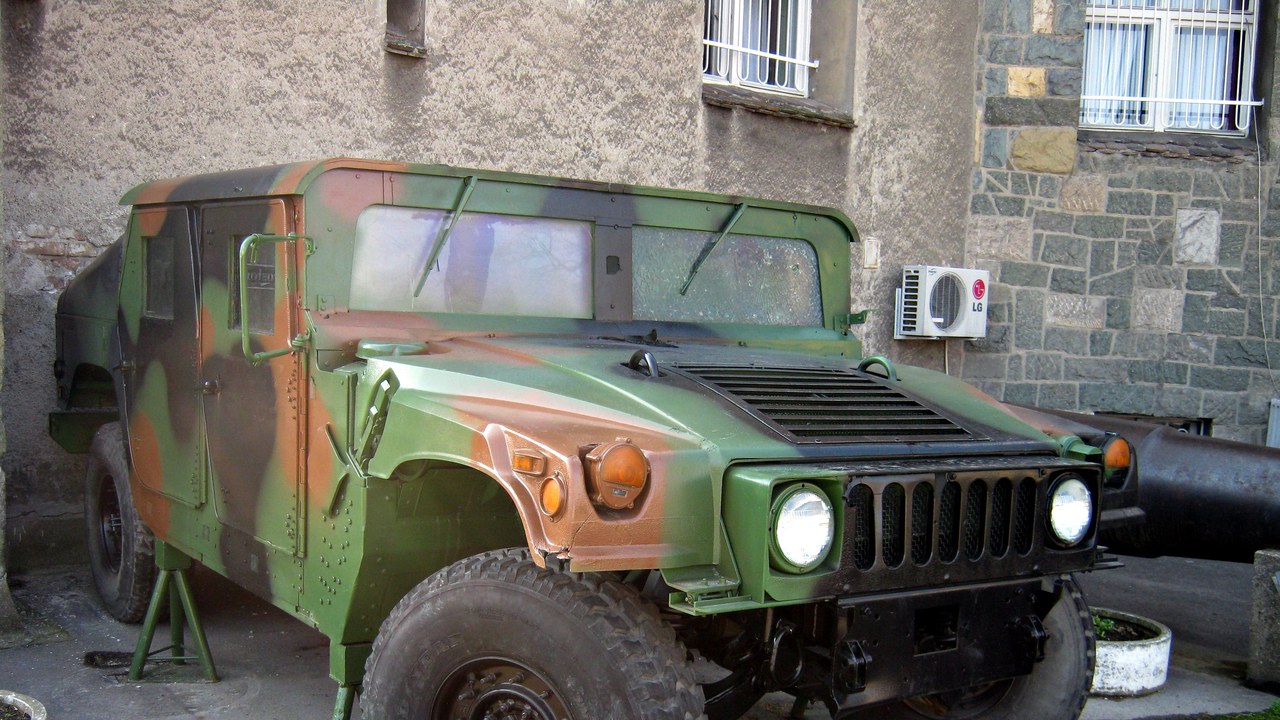
AM General built the HMMWV, better known as the Humvee, for the Pentagon starting in 1983 as a replacement for the aging Jeep-based trucks then hauling troops and equipment. In 1992 the company adapted the design for private buyers as the Hummer H1, selling the same boxy width and portal axles under a civilian badge.
The H1 cost more than a house in some markets and got worse mileage than most trucks on the road, but its sheer size and military pedigree made it an instant status symbol long before the smaller H2 and H3 arrived to chase a wider audience.
4. Volkswagen Type 181: Germany’s Answer To The Jeep
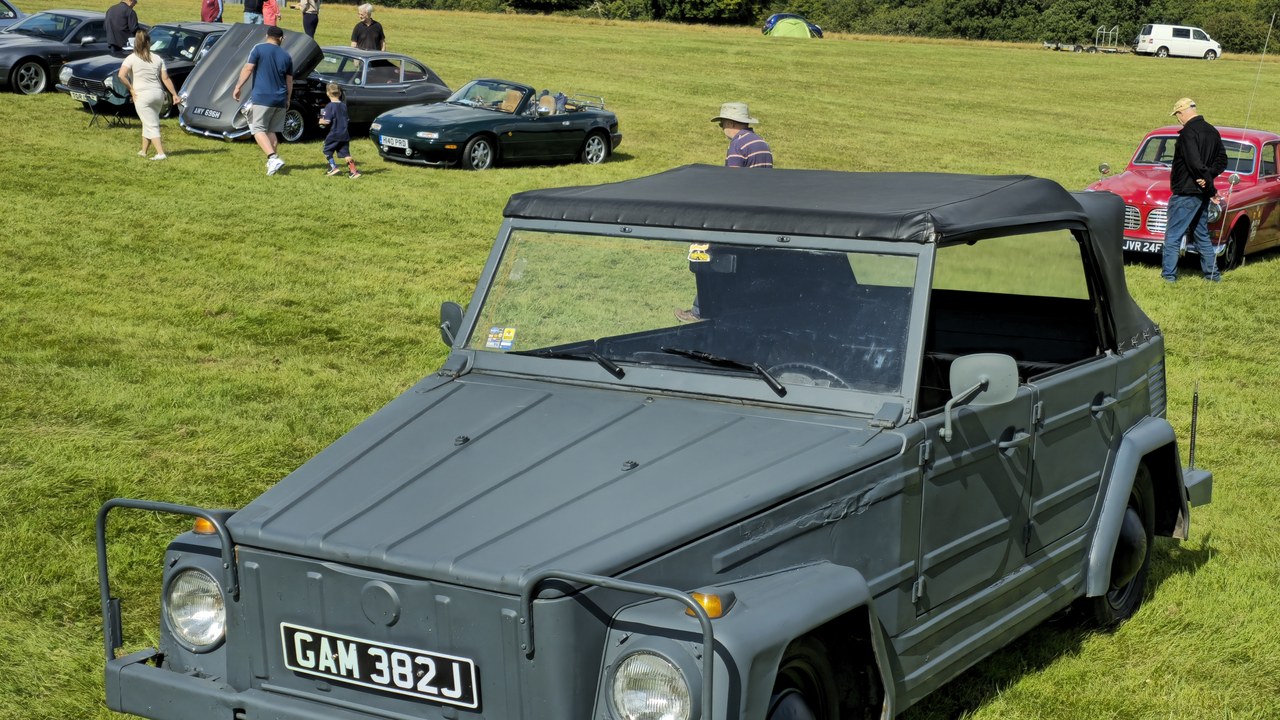
Volkswagen designed the Type 181 for the West German military starting in 1969, a flat-sided open utility vehicle built on Beetle mechanicals for easy field repair. American dealers imported the same vehicle for 1973 and 1974 model years, marketing it to civilian buyers as the Thing.
Safety-standard changes forced Volkswagen to pull it from the U.S. lineup after only two model years, which turned surviving Things into a niche collector favorite prized for their removable doors and folding windshield rather than any real off-road pedigree.
5. Mercedes-Benz 250 GD Wolf: The Wolf In Civilian Clothes
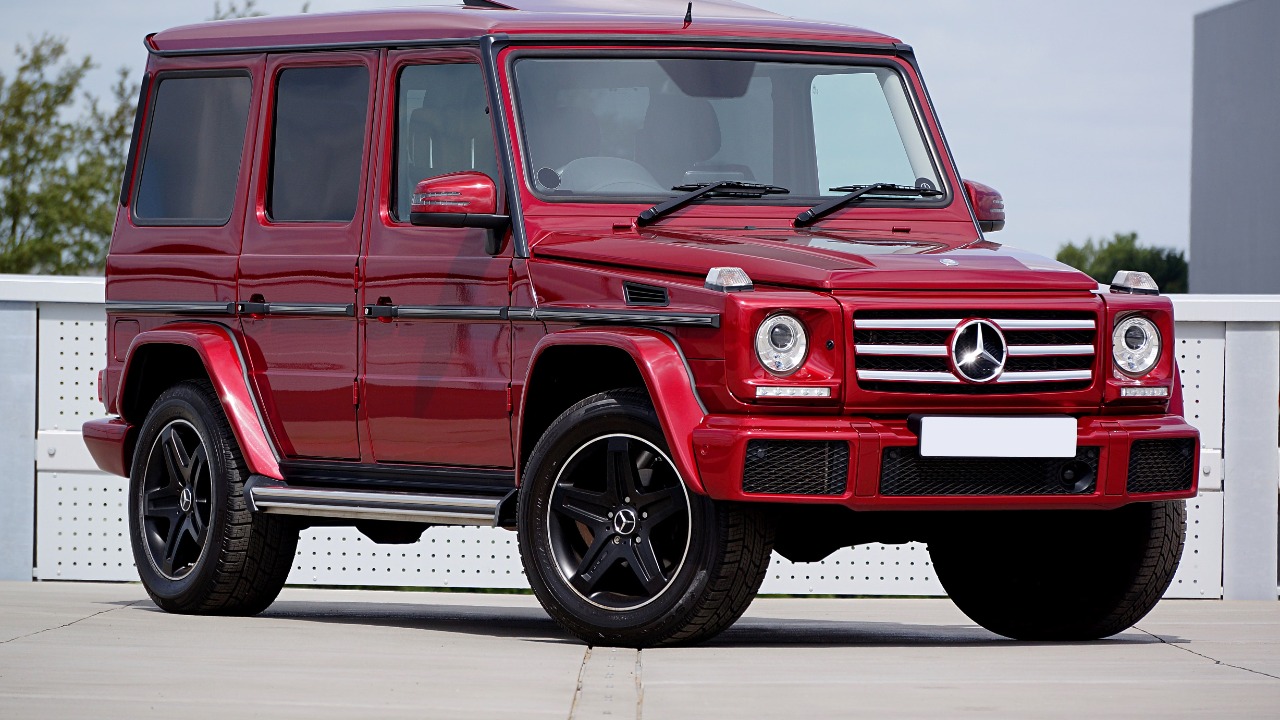
The Bundeswehr ordered the diesel-powered 250 GD, known internally as the Wolf, as its rugged Gelaendewagen for reconnaissance and transport duty. Mercedes-Benz offered the same boxy chassis to private buyers starting in 1979 as the G-Class, sharing its ladder frame and three locking differentials with the military trucks.
Decades of steady updates turned the once-spartan military hauler into a six-figure luxury icon, though the current G-Class still rides on the same portal-free live-axle architecture that let its Bundeswehr ancestor climb terrain a typical sedan could never touch.
6. Toyota Jeep BJ: Japan’s First Off-Roader
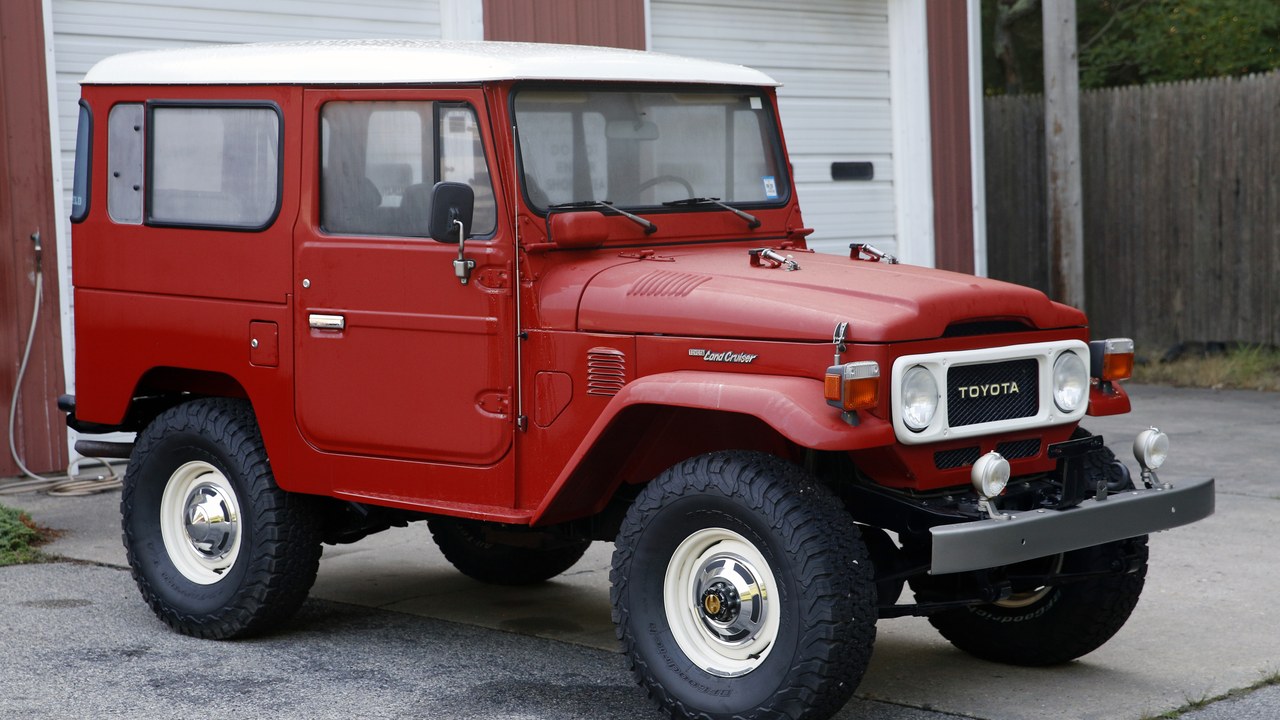
Toyota built the Jeep BJ prototype in 1951 to compete for a contract supplying Japan’s National Police Reserve, fitting a truck chassis with a six-cylinder engine strong enough to climb the slopes of Mount Fuji. The design that resulted was renamed and sold worldwide as the Land Cruiser, a nameplate Toyota still builds today.
What began as a rejected military bid turned into Toyota’s longest-running model line, exported to farmers, aid workers and armies across Africa, the Middle East and South America long after the original police contract fell through.
7. Steyr-Puch Pinzgauer 710M: Alpine Troop Carrier Gone Civilian
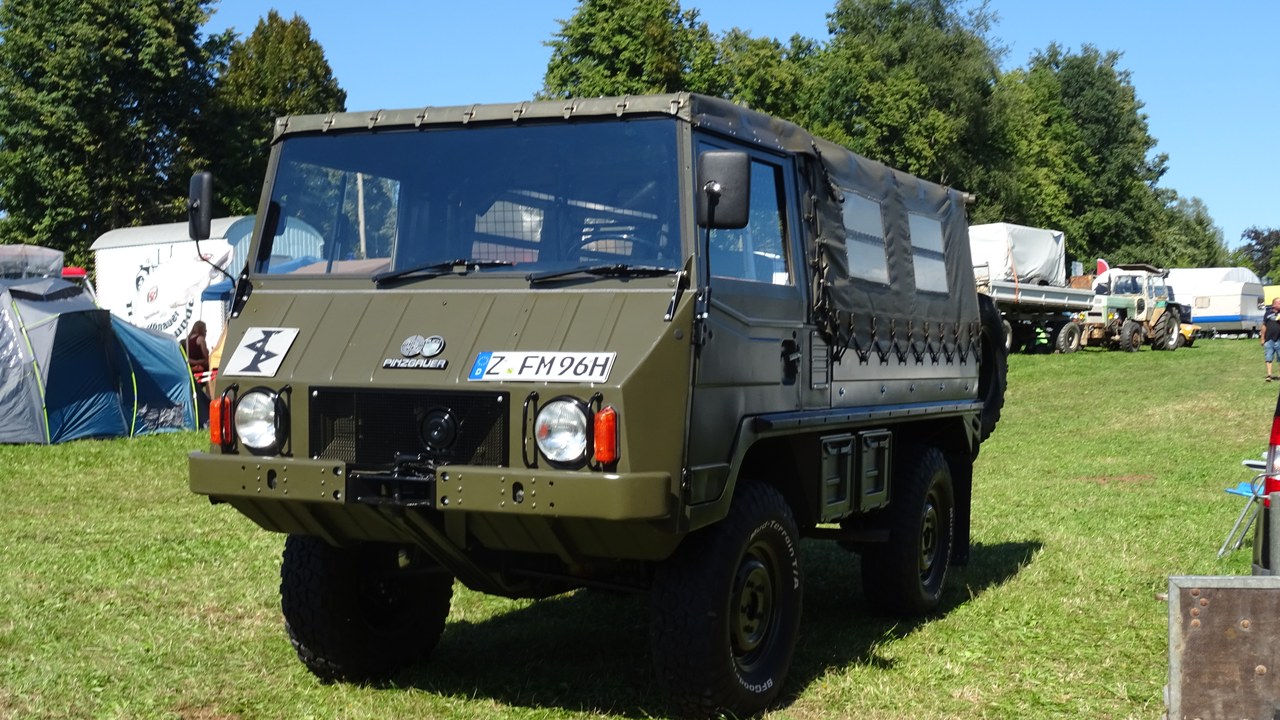
Steyr-Daimler-Puch built the Pinzgauer 710M starting in 1971 as an Austrian army truck designed to climb steep alpine trails other four-wheel-drive vehicles could not manage. The company produced 18,349 first-generation Pinzgauers between 1971 and 1985, selling a share of them to farmers, ski resorts and expedition outfitters alongside military customers.
Its portal axles keep the drivetrain high above the ground, a feature that still draws overlanders and mountain rescue services long after Austria’s own army moved on to newer trucks. The centrally mounted engine and permanent all-wheel drive also made it a favorite base for snowcat conversions and expedition campers built by private owners across Europe.
8. Chevrolet M1009 CUCV: The Army’s Diesel Blazer
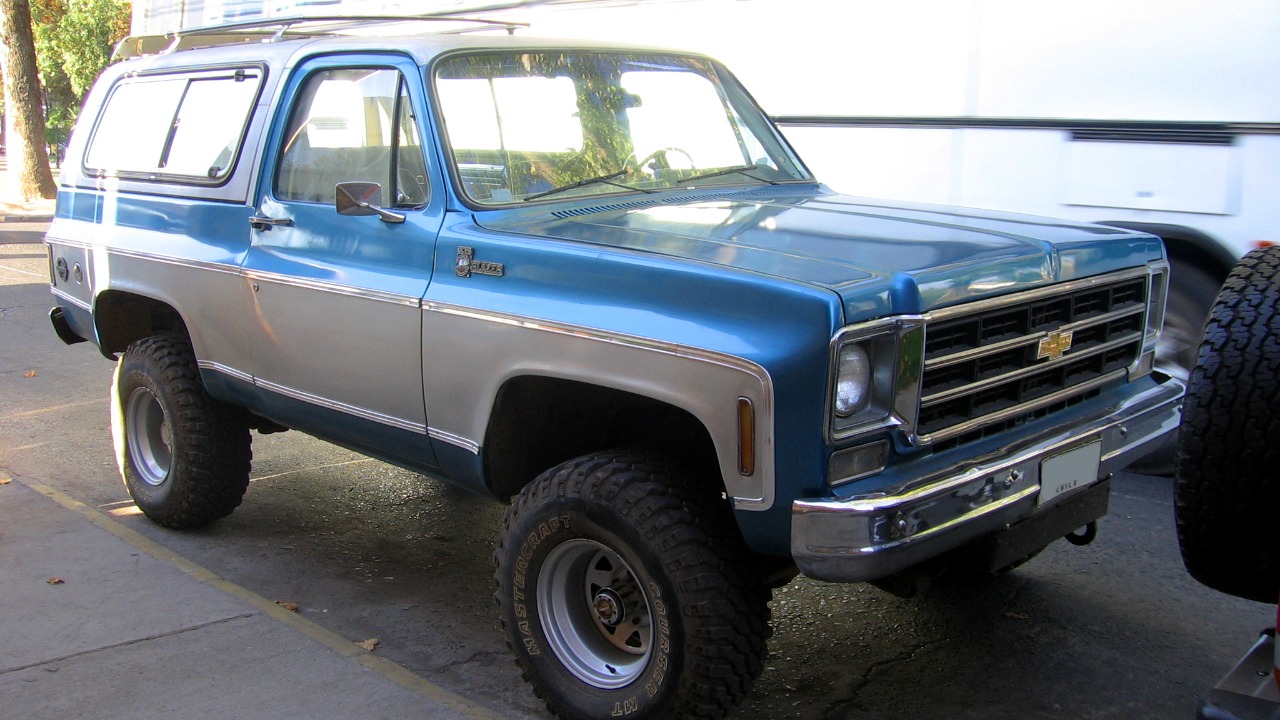
General Motors built the M1009 as a diesel-powered military version of the civilian K5 Blazer, part of the Commercial Utility Cargo Vehicle program the Army used to field trucks based on existing production lines. Roughly 70,000 were built between 1983 and 1987 before the Pentagon began selling the aging trucks off as surplus.
Buyers who picked up a surplus M1009 got a stripped, no-frills Blazer with a slow but famously reliable diesel engine, and the trucks remain a budget favorite among off-road and overland builders shopping for a cheap diesel platform.
9. M35A2 cargo truck: The Deuce And A Half
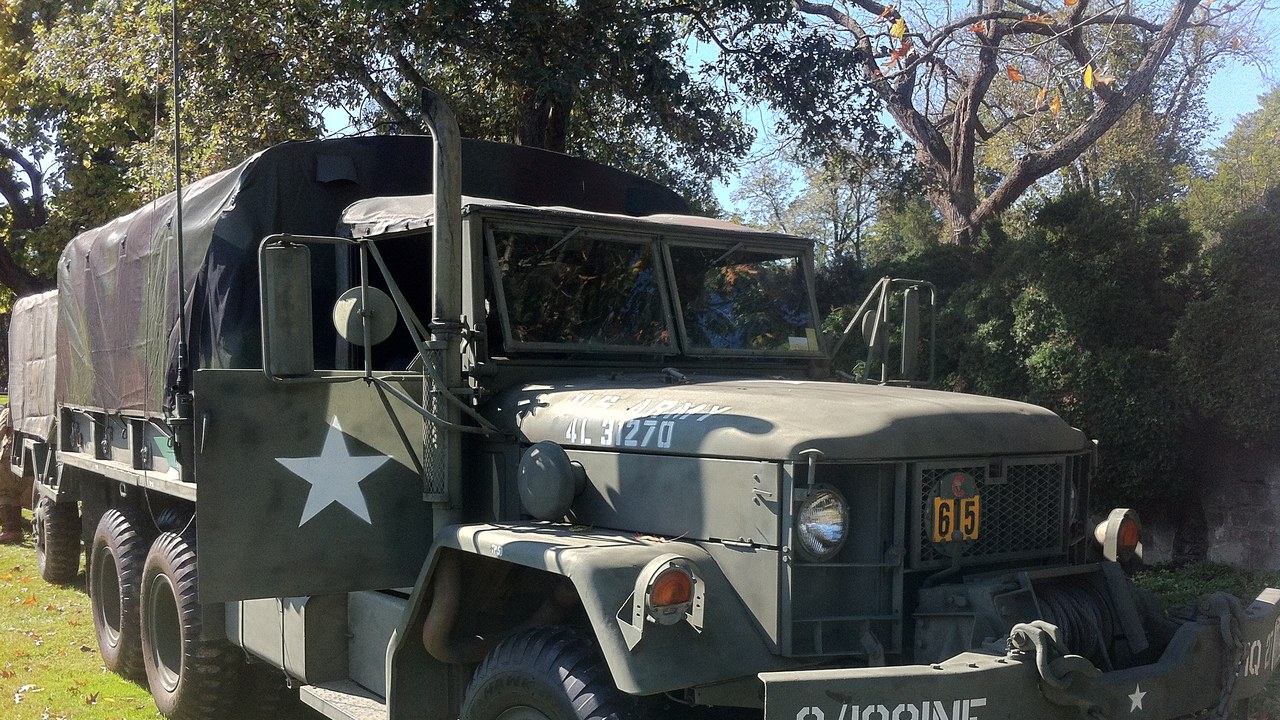
The M35A2, nicknamed the deuce and a half for its rated 2.5-ton cargo capacity, hauled troops and supplies for the Army across six-wheel-drive terrain no ordinary truck could cross. Decades of surplus sales sent the trucks to collectors, farmers and volunteer fire departments long after their active service ended.
Its multi-fuel engine can run on diesel, kerosene or jet fuel with only minor adjustment, a trait that keeps the old trucks running in remote areas where reliable gasoline supply is not guaranteed. Auctioneers still move surplus deuce-and-a-halfs by the hundreds each year, and their simple mechanical layout makes them easier for a home mechanic to keep alive than most modern diesel trucks.
More from Morning Overview
- A California supervolcano has bulged upward about two and a half feet since 1978
- The FTC is warning about a scam quietly draining thousands from victims
- The NSA is again telling phone owners to switch off one location setting
- A handful of car transmissions are so tough mechanics say they almost never fail
