
Coil springs remain the default almost everywhere, but a handful of luxury and electric sedans still ship with air suspension as standard equipment, not an options-list upcharge. Air springs let a car raise for clearance, drop for stability at speed, and adjust firmness at each corner independently. Here are nine cars that make air ride standard rather than a costly add-on.
1. Mercedes-Benz S-Class: The Car That Made It Standard
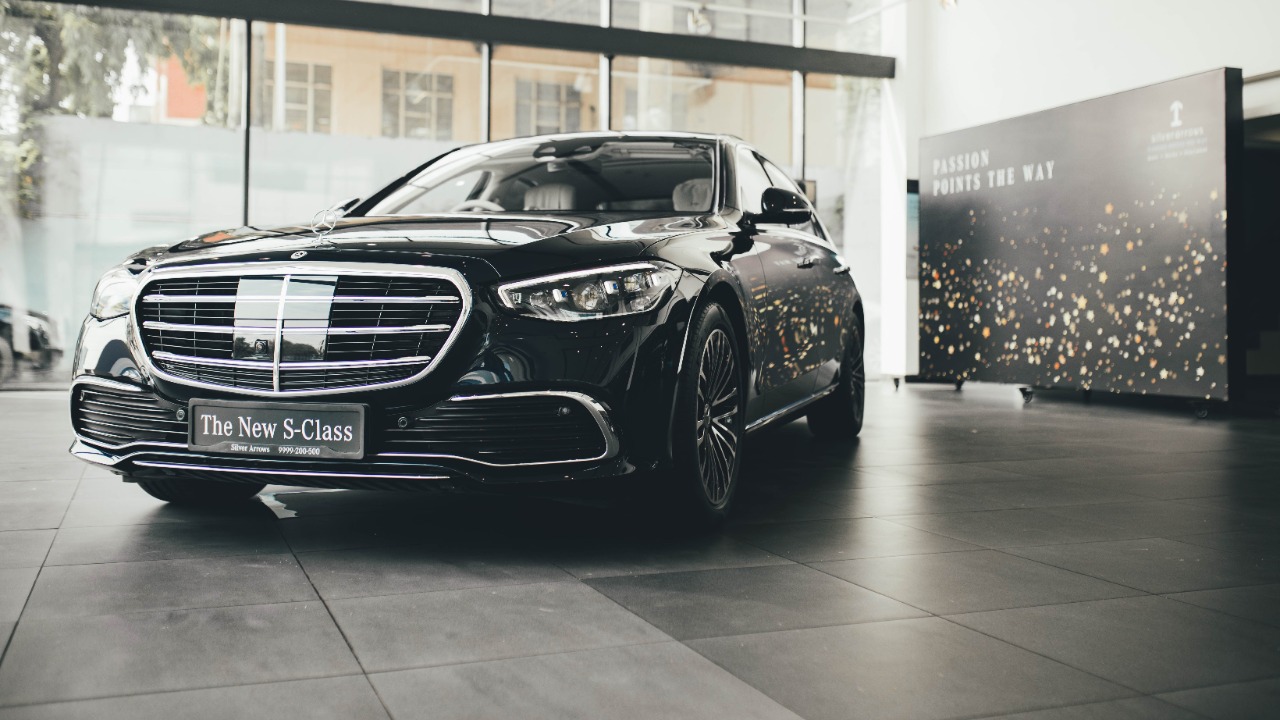
The S-Class is the flagship that turned air suspension from a novelty into a mainstream expectation, pairing air springs with electronically controlled dampers across the current Mercedes-Benz lineup. The system continuously reads body motion and wheel position, adjusting each corner independently rather than reacting after the fact once a wheel has already dropped.
That constant correction is why the S-Class has long set the comfort benchmark rival flagships get measured against. Owners feel the difference most on broken pavement, where the body stays level instead of pitching over every seam or expansion joint.
2. BMW 7 Series: Self-Leveling For A Floating Ride
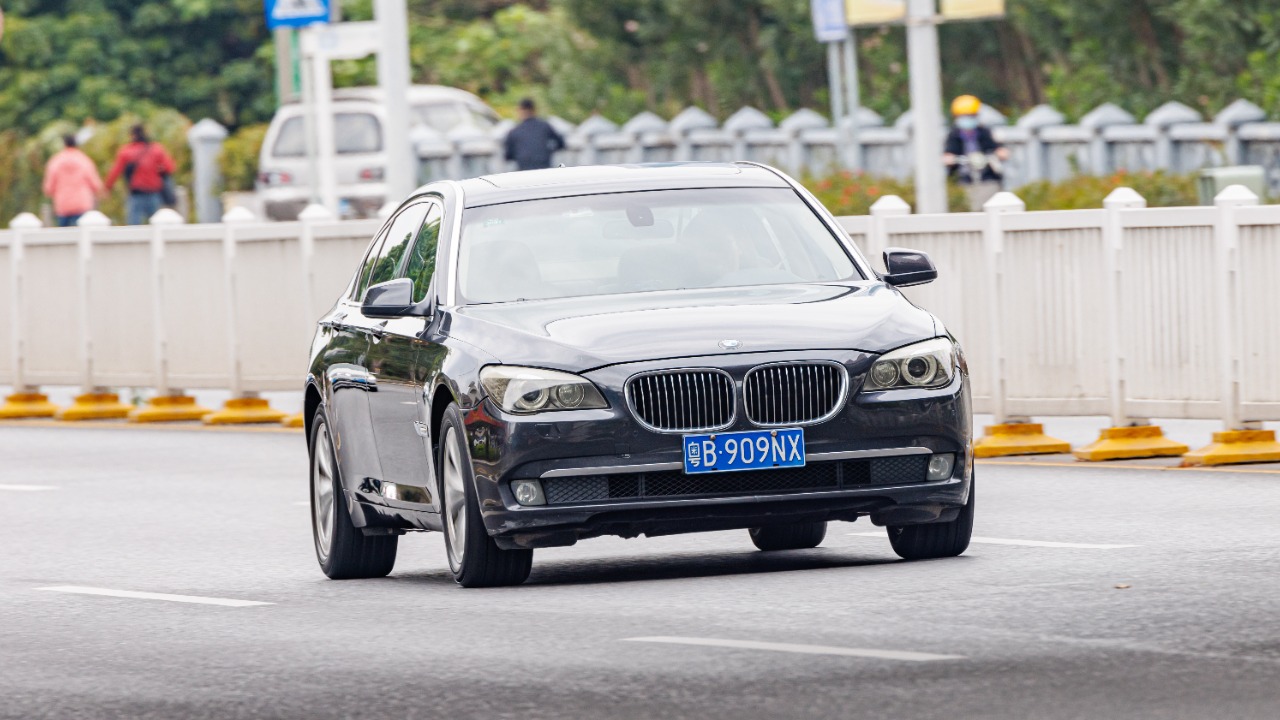
BMW built self-leveling air springs into the 7 Series rear axle generations ago, and newer versions extended air control to all four corners of the car. The system automatically compensates for passenger and cargo load, keeping ride height constant whether the trunk is empty or fully packed for a trip.
That leveling matters most for a big sedan carrying uneven weight, since a sagging rear end throws off both handling and headlight aim on the road ahead. Keeping the body flat under load is a quieter trick than flashier suspension tech, but drivers notice it every trip.
3. Audi A8: Air Springs That Anticipate A Crash
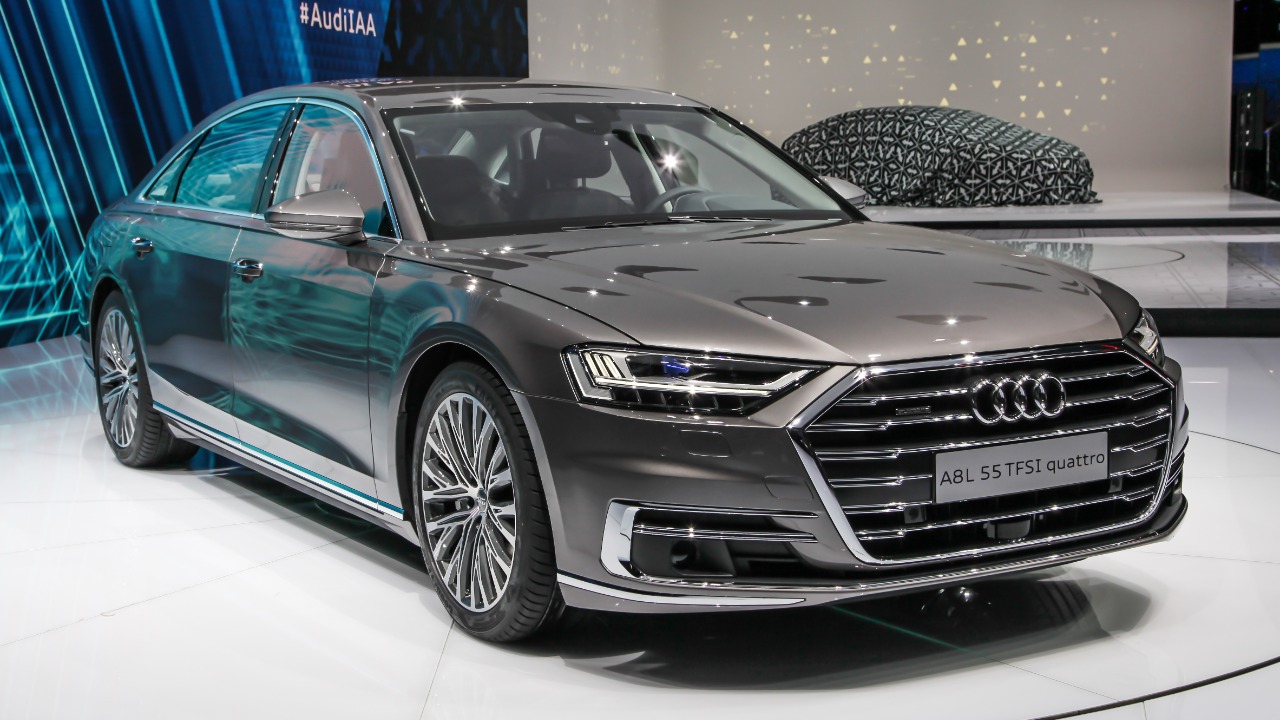
The Audi A8 pairs its standard adaptive air suspension with a pre-sense system that can raise the body just before an anticipated side impact. Lifting the car changes where crash structures make contact, aiming to redirect energy away from the passenger cell before impact occurs.
It is a rare case of a comfort feature doing double duty as a safety system, since the same air springs that smooth out potholes are the hardware that executes the raise. Few flagship sedans give suspension hardware that kind of dual job to perform.
4. Range Rover: Air Ride For Road And Trail
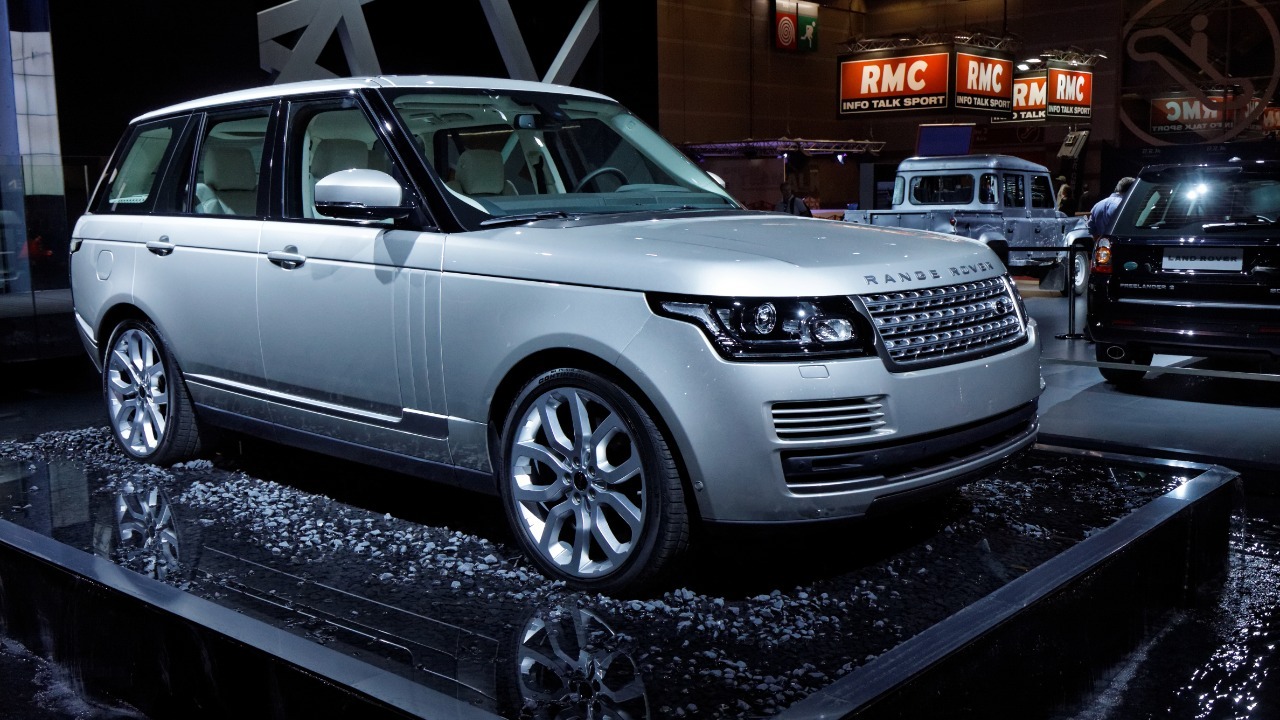
The current Range Rover uses height-adjustable air springs that raise for off-road clearance and drop at highway speed to cut drag and improve stability at pace. The same hardware that smooths pavement also lifts the body over rocks, ruts and steep approach angles on a trail.
That dual-purpose range is why Range Rover has kept air suspension standard across decades of redesigns rather than treating it as an upscale option reserved for higher trims. Few SUVs are asked to be equally composed on a motorway and a gravel track.
5. Rolls-Royce Ghost: Suspension That Reads The Road Ahead
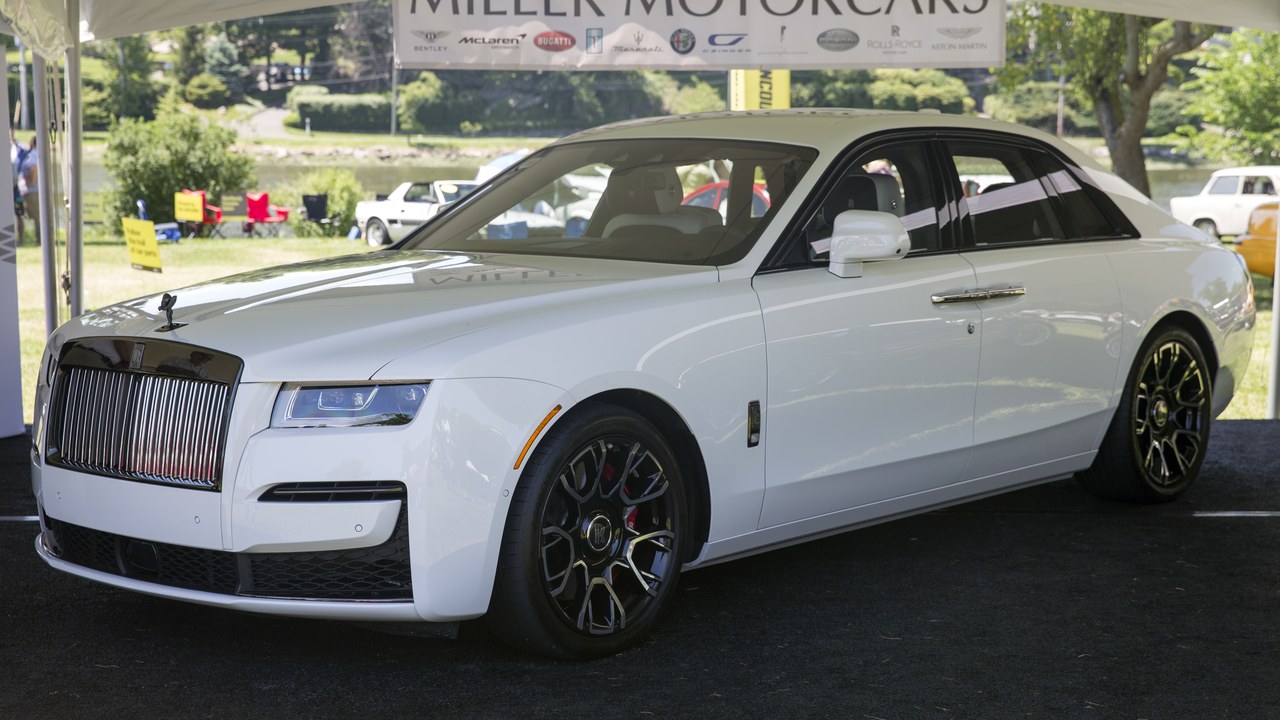
Rolls-Royce built a camera-based system into the Ghost that scans the road ahead and pre-adjusts the air springs before the wheels reach a bump in the pavement. The brand calls the resulting sensation “magic carpet ride,” a description built directly into its own marketing materials.
Reacting before impact, rather than after, is what separates this system from a conventional adaptive setup that only responds once a wheel has already moved over a surface. It is one reason the Ghost remains a reference point for ride isolation among ultra-luxury sedans.
6. Bentley Flying Spur: A 48-Volt System That Fights Lean
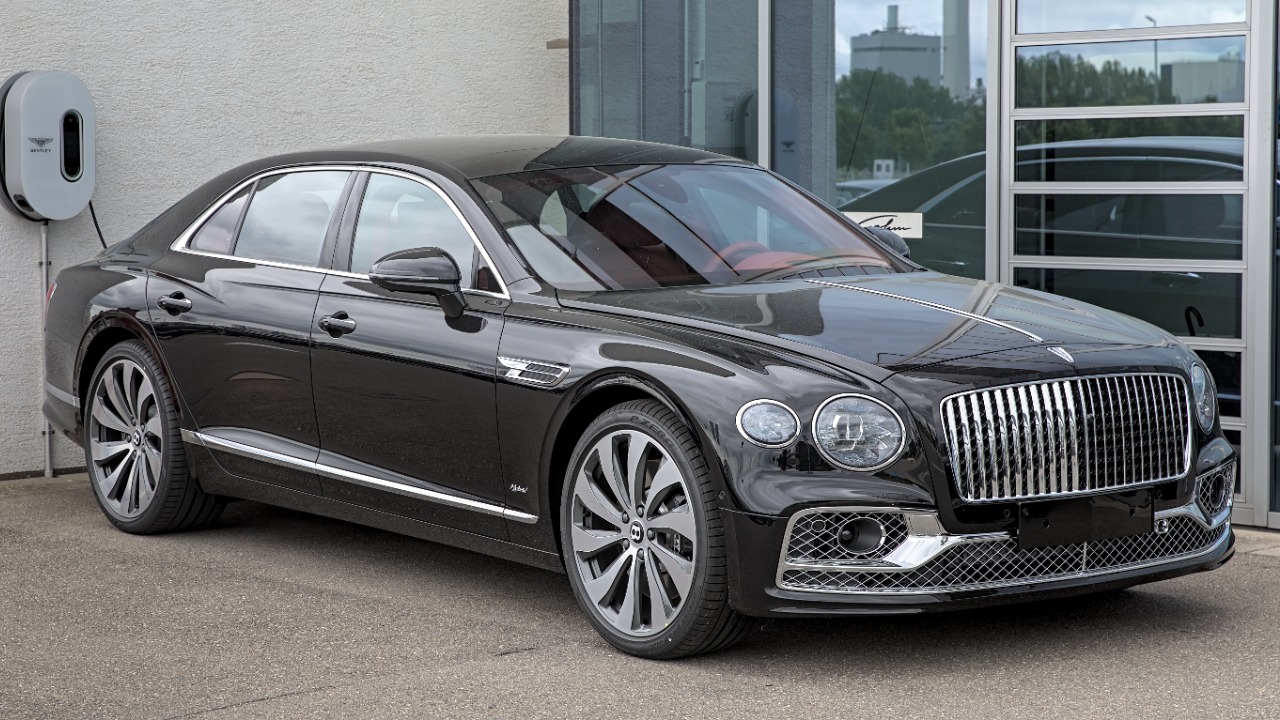
The Flying Spur combines standard air suspension with a 48-volt active anti-roll system that can apply counter-torque at each axle within milliseconds of detecting lean. The pairing keeps a nearly two-and-a-half-ton sedan flat through corners it has no business taking calmly.
That flatness matters because a heavy luxury sedan without active roll control tends to lean hard and unsettle passengers mid-corner on a twisting road. Bentley’s answer is to let the air springs handle vertical compliance while the 48-volt hardware manages lateral body control separately.
7. Tesla Model S: Lowering Itself At Highway Speed
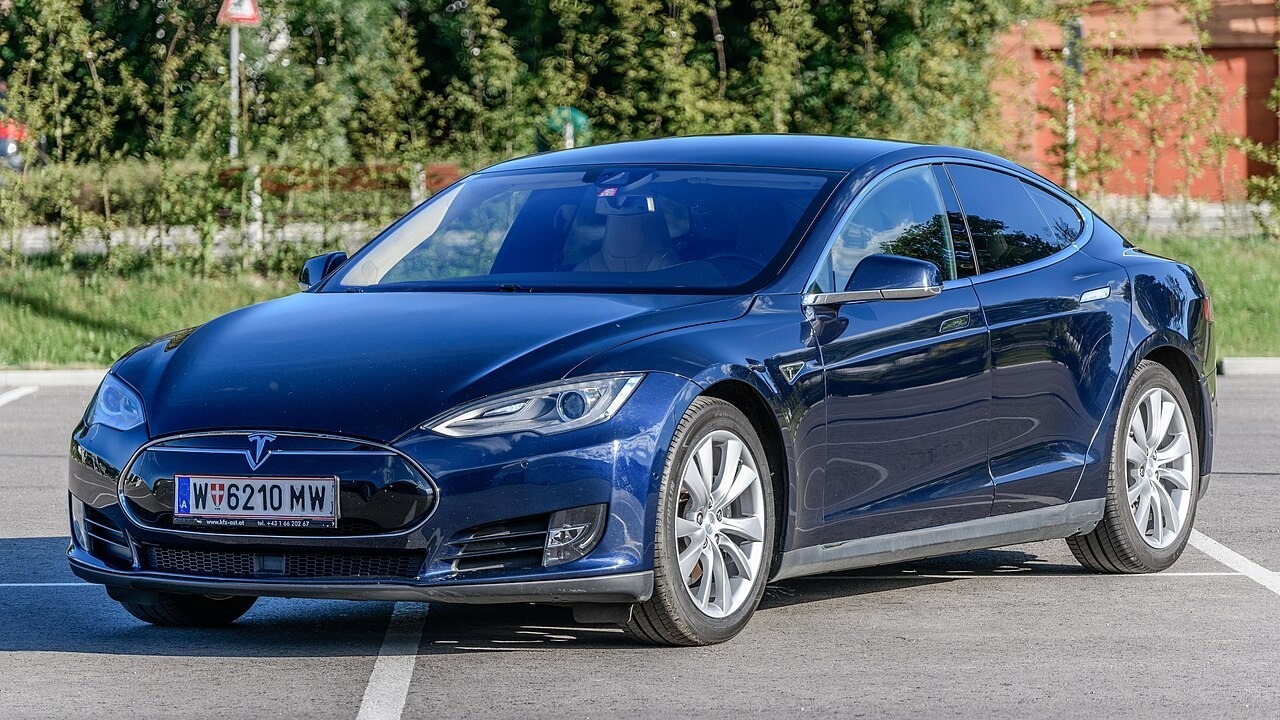
The Model S ships with adaptive air suspension that automatically lowers ride height once the car passes a set speed threshold, trimming aerodynamic drag at pace. At low speed the same system raises the nose to clear steep driveways and curbs without scraping.
That range extends beyond comfort into efficiency, since a lower stance at highway speed measurably cuts the drag that eats into an EV’s usable range over a long trip. Few automakers tie air suspension directly to a stated range number the way Tesla does.
8. Lucid Air: Air Springs Tuned For Range
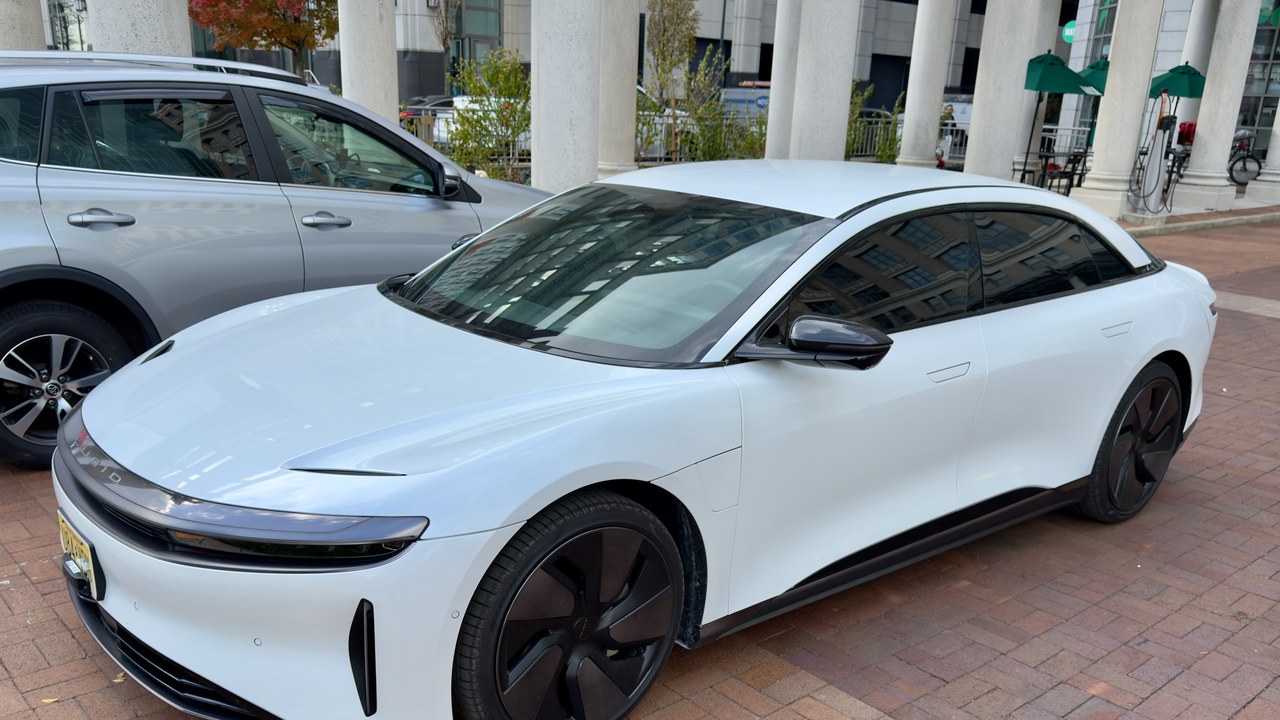
Lucid built adaptive air suspension into every Air trim, tuning the system to hold a low, drag-reducing stance at speed without sacrificing everyday ride comfort around town. The setup adjusts damping firmness independently of ride height at each corner.
For an EV sedan built around maximizing range per charge, shaving aerodynamic drag through ride height is a quieter, less visible lever than simply fitting a bigger battery pack. It is part of why the Air posted some of the longest EPA-rated ranges in its class at launch, ahead of several established rivals.
9. Cadillac Escalade: Leveling A Full-Size SUV
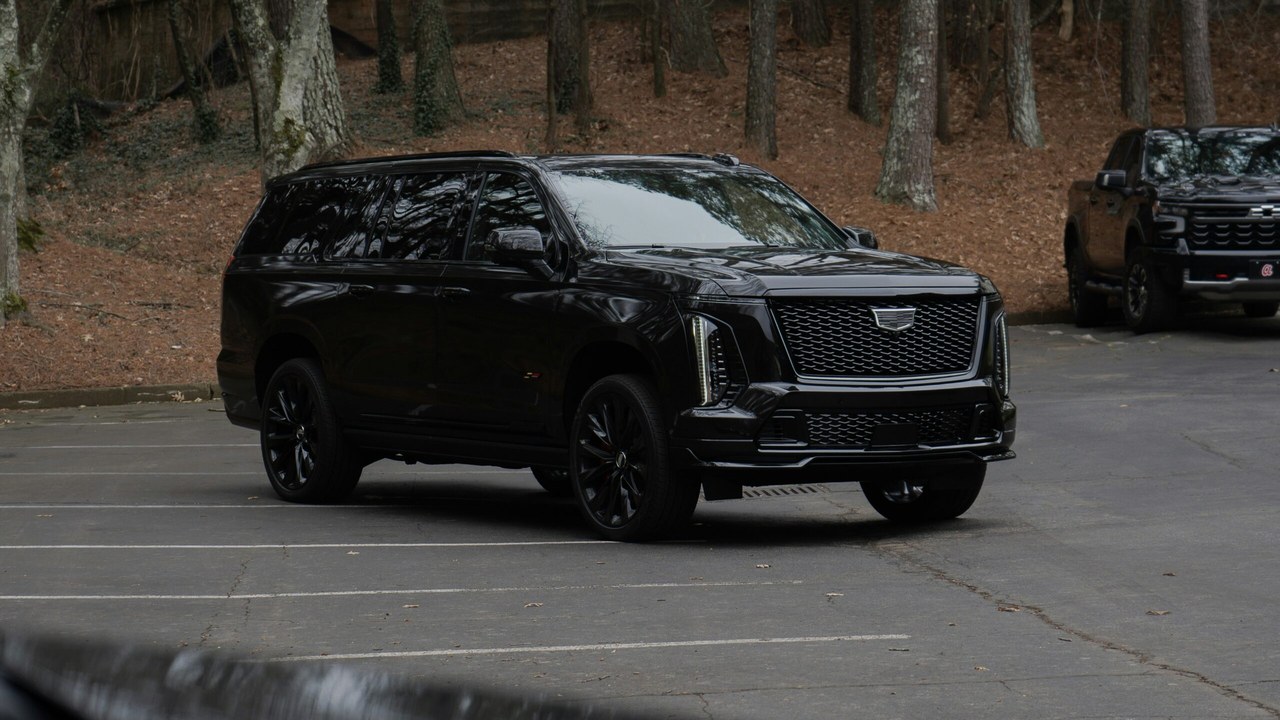
The Escalade carries standard air ride suspension that keeps a full-size SUV level under heavy trailer tongue weight or a fully loaded third row of seats. The system continuously adjusts each corner rather than relying on fixed spring rates that sag under load.
That leveling is less about isolating potholes and more about keeping a two-and-a-half-ton SUV predictable when it is towing or fully loaded with passengers and cargo for a trip. Cadillac has kept it standard rather than bundling it into an options package.
More from Morning Overview
- The FBI tells phone owners to delete these toll-payment texts draining accounts nationwide
- A second Maya city, hidden 2,500 years, has surfaced from Campeche’s forest on LiDAR maps
- Doctors are rethinking who actually benefits from a daily low-dose aspirin
- Older Teslas are wearing out in ways early owners never saw coming
