
Ancient civilizations built capitals that outlasted the empires that raised them, only to be emptied by conquest, drought, or shifting rivers. Some vanished from memory for centuries before explorers, farmers, or archaeologists stumbled back onto their walls. Here are nine cities the ancient world left behind, from desert trade hubs to jungle-covered temple complexes.
1. Pompeii: Buried Alive by Vesuvius
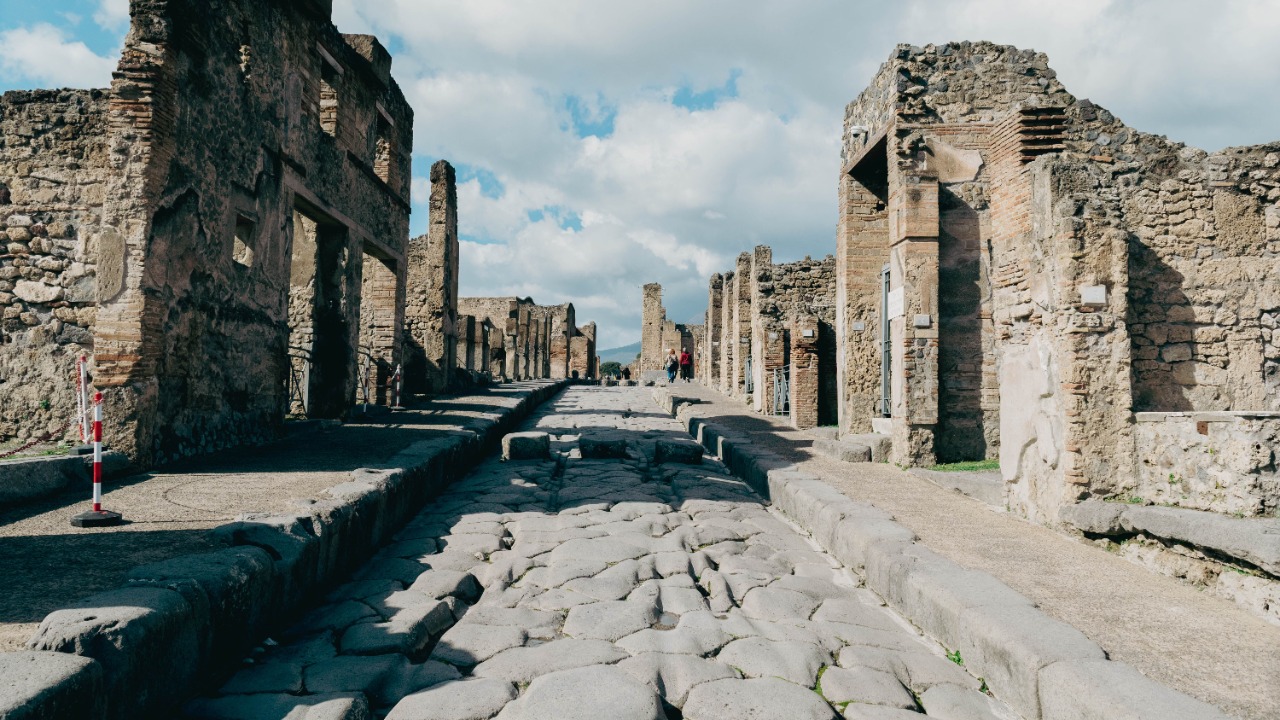
Pompeii sat quietly at the base of Mount Vesuvius until a single day in AD 79 sealed the Roman city under nearly twenty feet of ash and pumice. The eruption killed thousands but froze streets, villas, and bakeries in place, giving the ancient Roman resort city an almost photographic afterlife.
Excavations beginning in the 18th century uncovered forums, bathhouses, and wall paintings still holding their original color, work that continues today as archaeologists open sealed rooms for the first time in nearly two thousand years.
2. Petra: Carved Into Rose-Red Stone
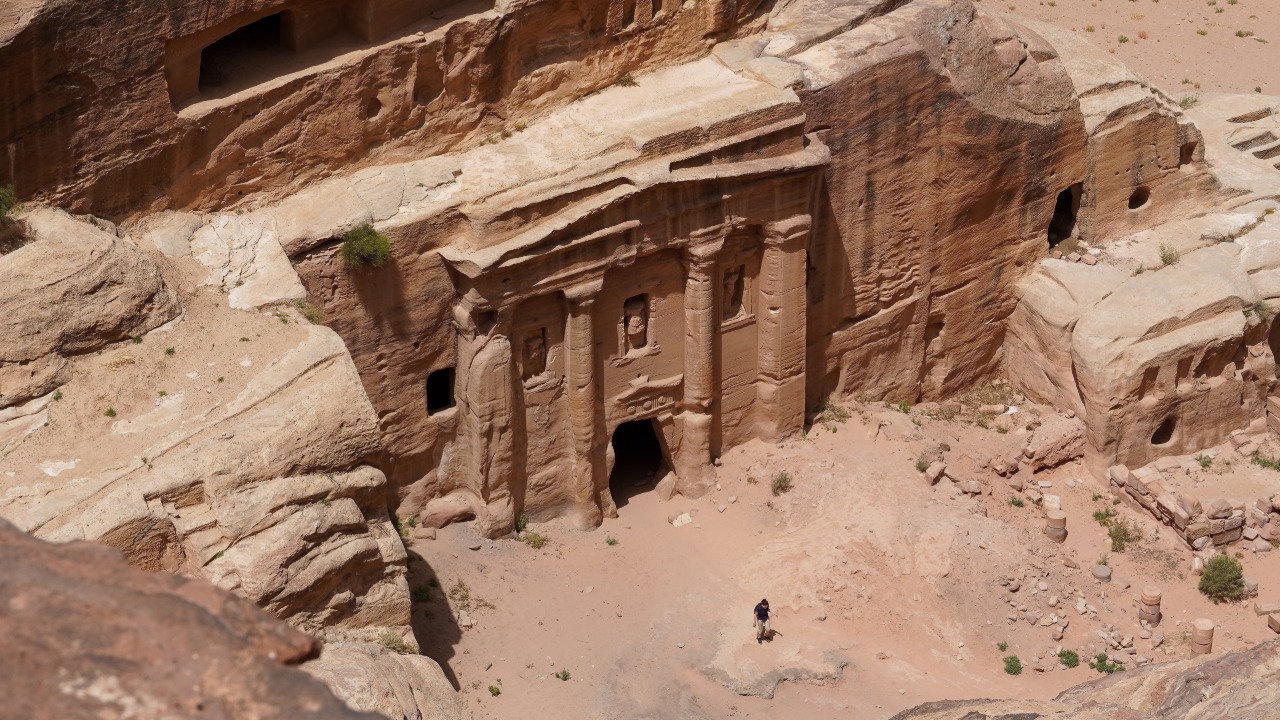
Petra rose from the Jordanian desert as the capital of the Nabataean traders, who carved temples and tombs directly into sheer sandstone cliffs more than two thousand years ago. Wealth from incense and spice routes financed the rock-cut Nabataean capital‘s elaborate facades before Roman annexation gradually pulled trade elsewhere.
The city slipped into obscurity for outsiders after the seventh century, known mainly to local Bedouin until a Swiss explorer talked his way past guides in 1812 and reintroduced it to the wider world, where parts of it remain unexcavated.
3. Machu Picchu: An Inca Retreat in the Clouds
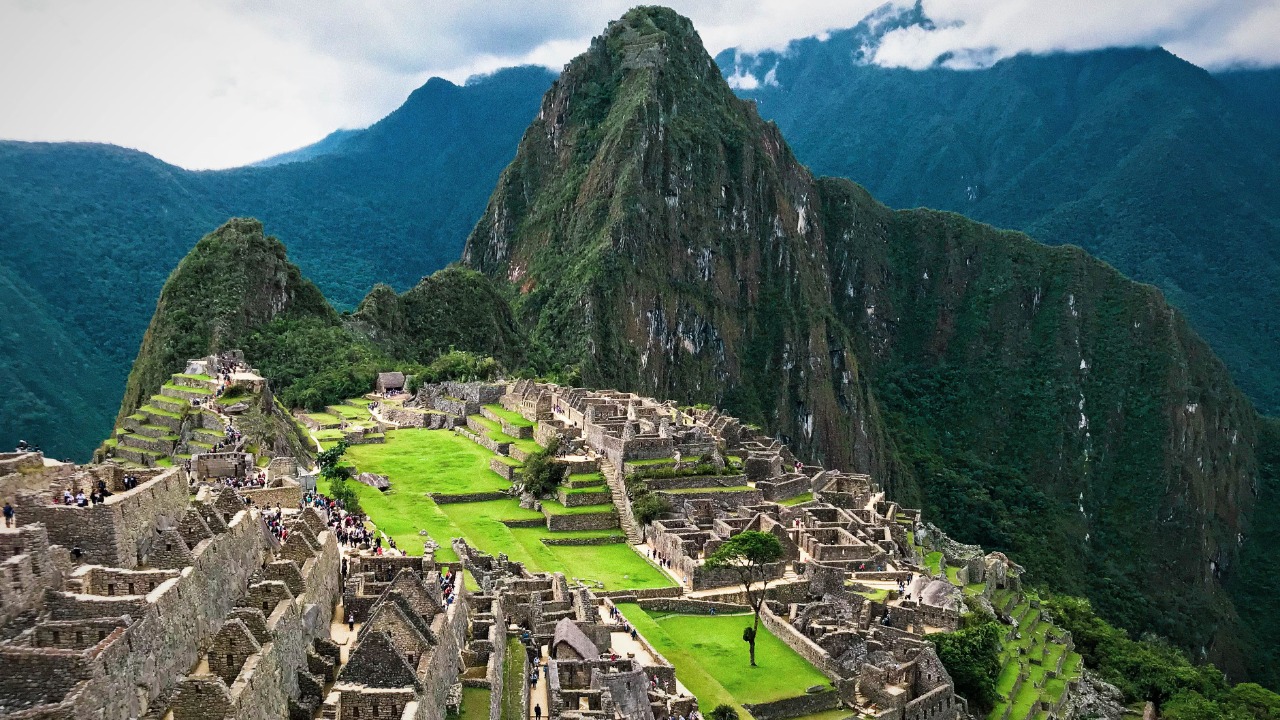
Machu Picchu was built by the Inca in the fifteenth century as a royal estate perched on a narrow ridge high in the Peruvian Andes, its terraces and temples fitted from granite blocks without mortar. Spanish conquistadors never found the mountaintop Inca estate, so it escaped the destruction that leveled other imperial sites.
Local farmers still knew of the ruins when an American historian arrived in 1911 guided to the site, and his published account brought the citadel international fame, though the Inca themselves left no written record of its original purpose.
4. Angkor: A Jungle-Swallowed Khmer Capital
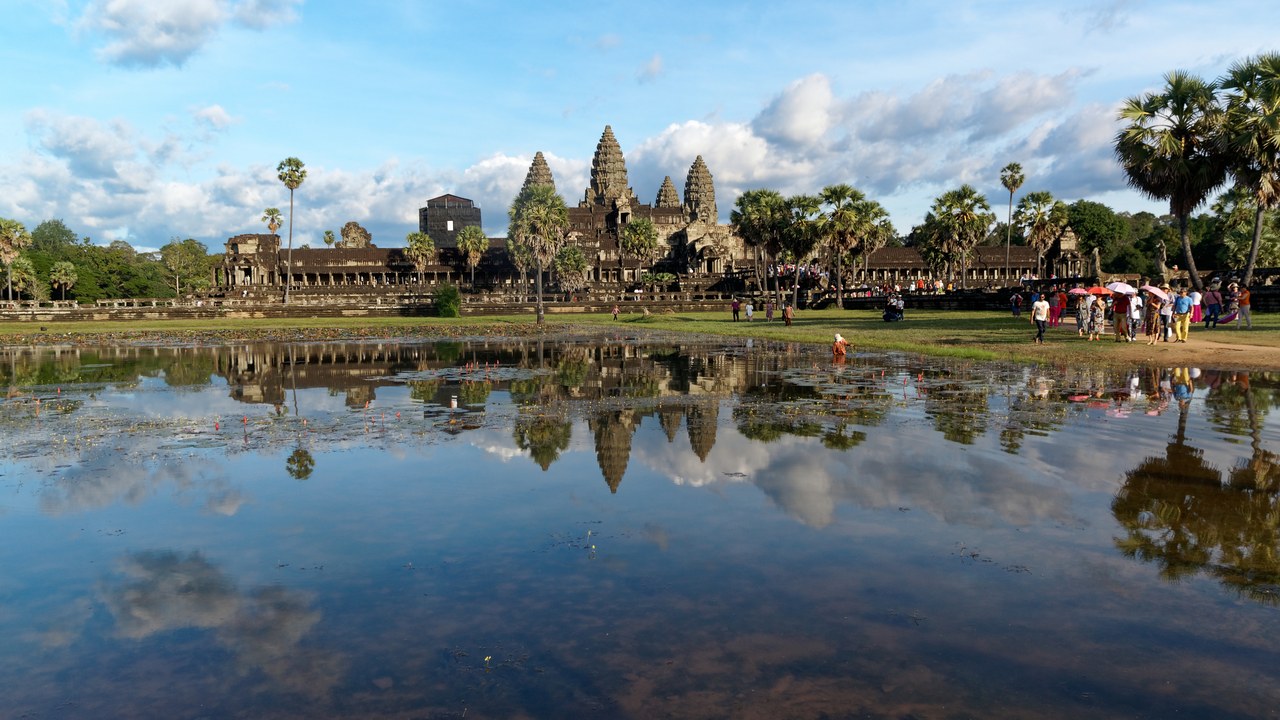
Angkor served as the capital of the Khmer Empire for roughly five centuries, growing into one of the largest pre-industrial urban centers on Earth around its famous temple complex. Sandstone towers and moats defined the sprawling Khmer capital, which depended on an intricate network of reservoirs and canals to feed its population.
Shifts in that water system, alongside warfare and a weakening monarchy, pushed the royal court to abandon the capital by the fifteenth century, and encroaching forest slowly overtook the temples until French-led surveys began clearing them in the nineteenth century.
5. Troy: The City Homer Made Legend
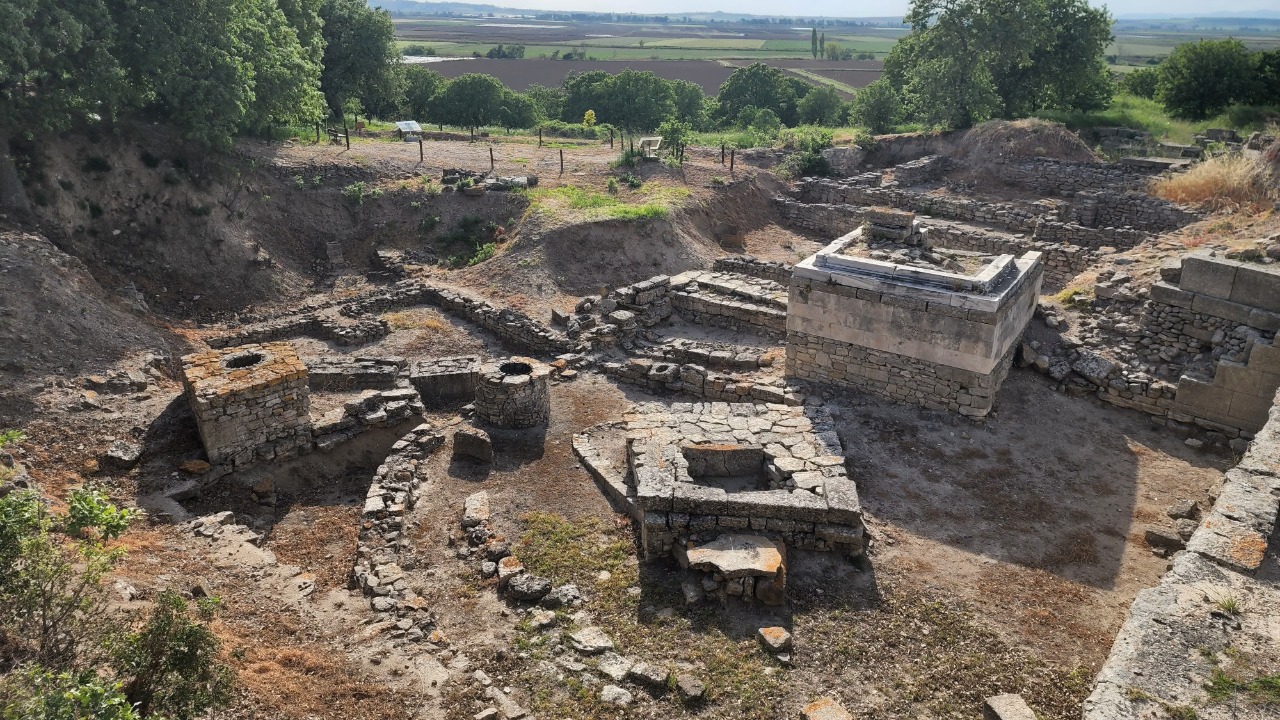
Troy existed for centuries as a real settlement on the northwestern coast of Anatolia, its layered ruins showing repeated destruction and rebuilding long before Homer turned its final siege into epic poetry. A German-born businessman excavated the ancient Anatolian city in the 1870s, convinced its walls matched the setting of the Iliad.
Archaeologists have since identified at least nine successive cities stacked on the same mound, spanning the Bronze Age through Roman times, and the site is now studied mainly for its trade links across the Aegean rather than for proving any single legend true.
6. Mohenjo-daro: A Grid-Planned Bronze Age Marvel
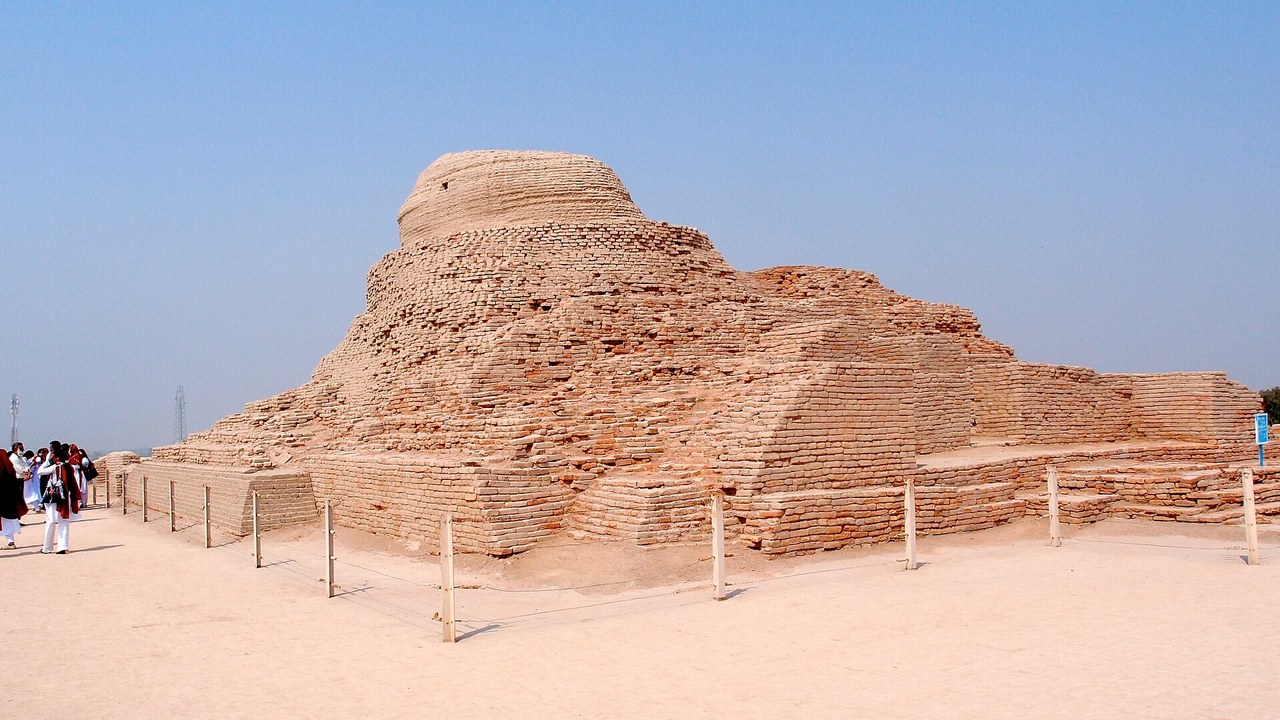
Mohenjo-daro rose along the Indus River around 2500 BC as one of the largest settlements of the Indus Valley Civilization, laid out on a precise street grid with baked-brick housing and covered drains. Engineers behind the planned Indus Valley city built a citadel with a large public bath decades before comparable sanitation appeared elsewhere.
The civilization declined for reasons still debated among researchers, including shifting river courses and climate change, and the script its residents used on seals and tablets remains undeciphered, leaving much of daily life at the site open to interpretation.
7. Palmyra: Colonnades of a Desert Crossroads
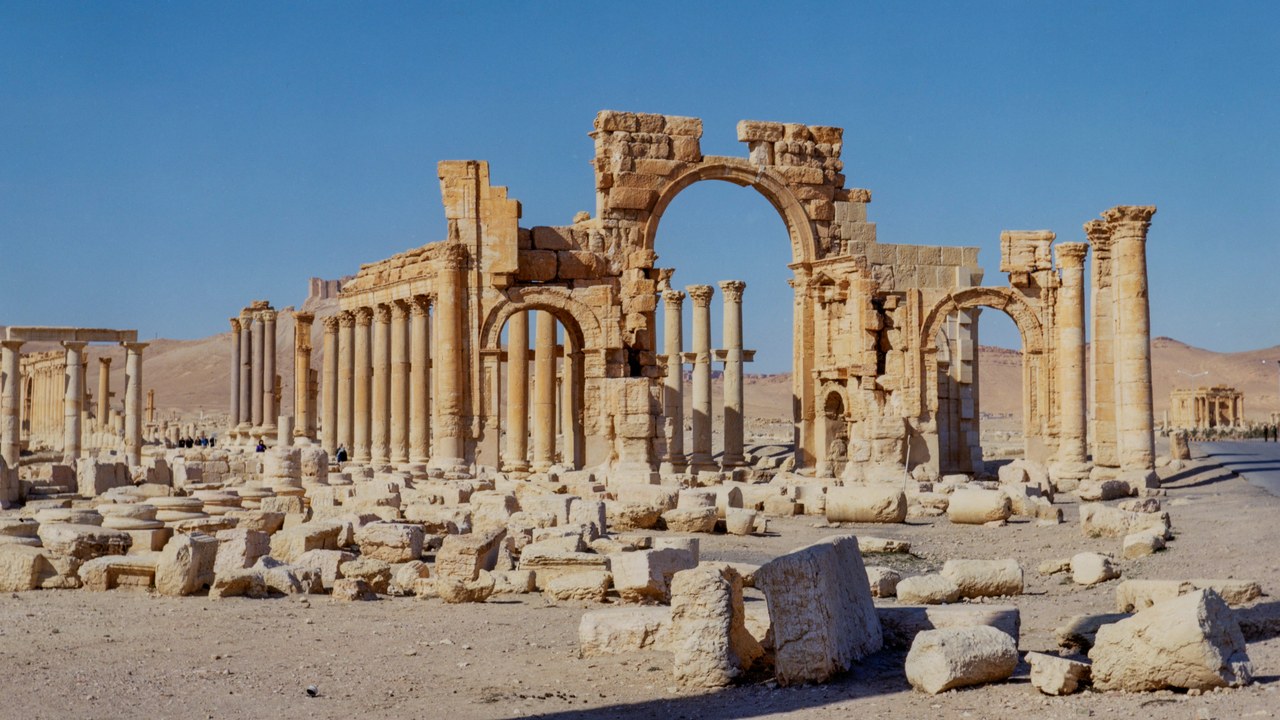
Palmyra flourished as a wealthy caravan city in the Syrian desert, its position on trade routes between Persia, India, and the Mediterranean paying for miles of towering limestone colonnades and monumental tombs. Queen Zenobia briefly led the desert trade city in a revolt against Rome before imperial forces reconquered and diminished it in the third century.
The ruins stood largely intact for centuries afterward and drew European travelers by the 1700s, though militant occupation in 2015 destroyed several temples and monuments, prompting an ongoing international effort to document and eventually restore what survived.
8. Great Zimbabwe: Stone Walls Without Mortar
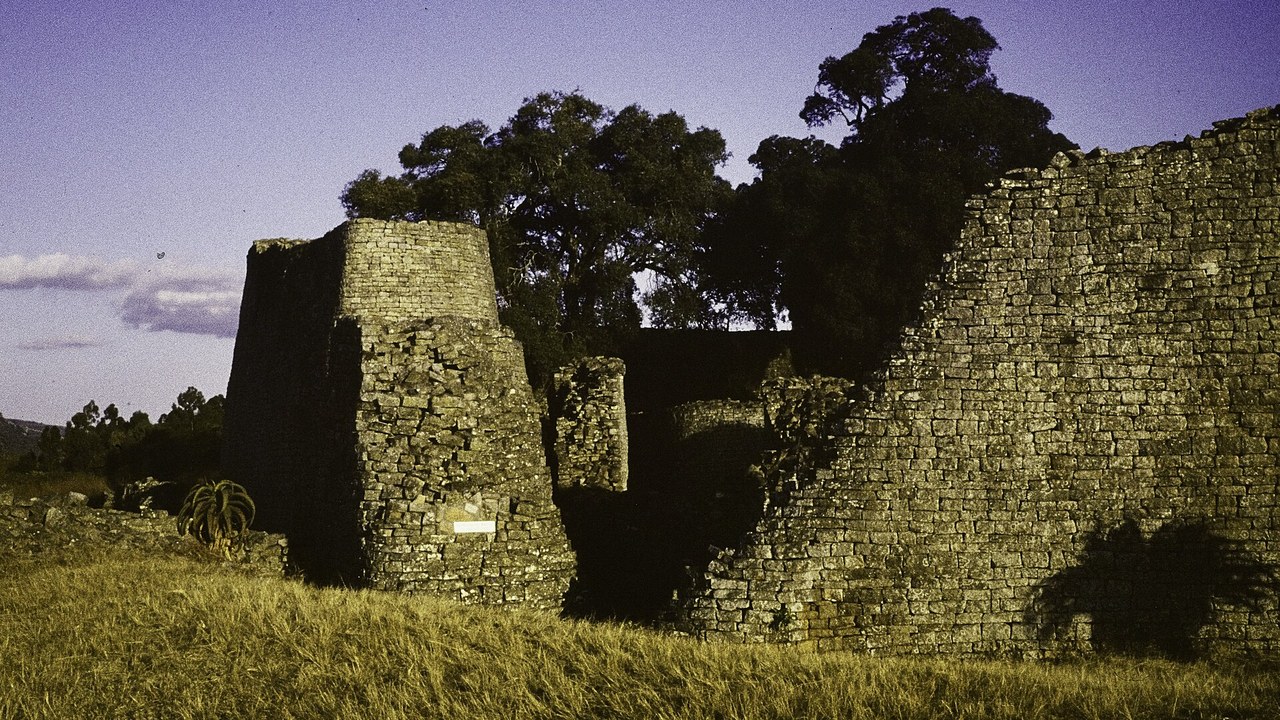
Great Zimbabwe grew between the eleventh and fifteenth centuries into a major trading capital in southern Africa, its rulers overseeing cattle herds and gold routes that reached as far as the Swahili coast. Builders raised the stone-walled African capital‘s curved granite enclosures without any mortar, fitting blocks so precisely they still stand today.
Colonial-era officials refused for decades to credit African builders with the site, instead crediting outside civilizations, a claim modern archaeology has thoroughly disproven through excavated pottery, tools, and construction techniques traced directly to local Shona ancestors.
9. Teotihuacan: Pyramids Whose Builders Vanished
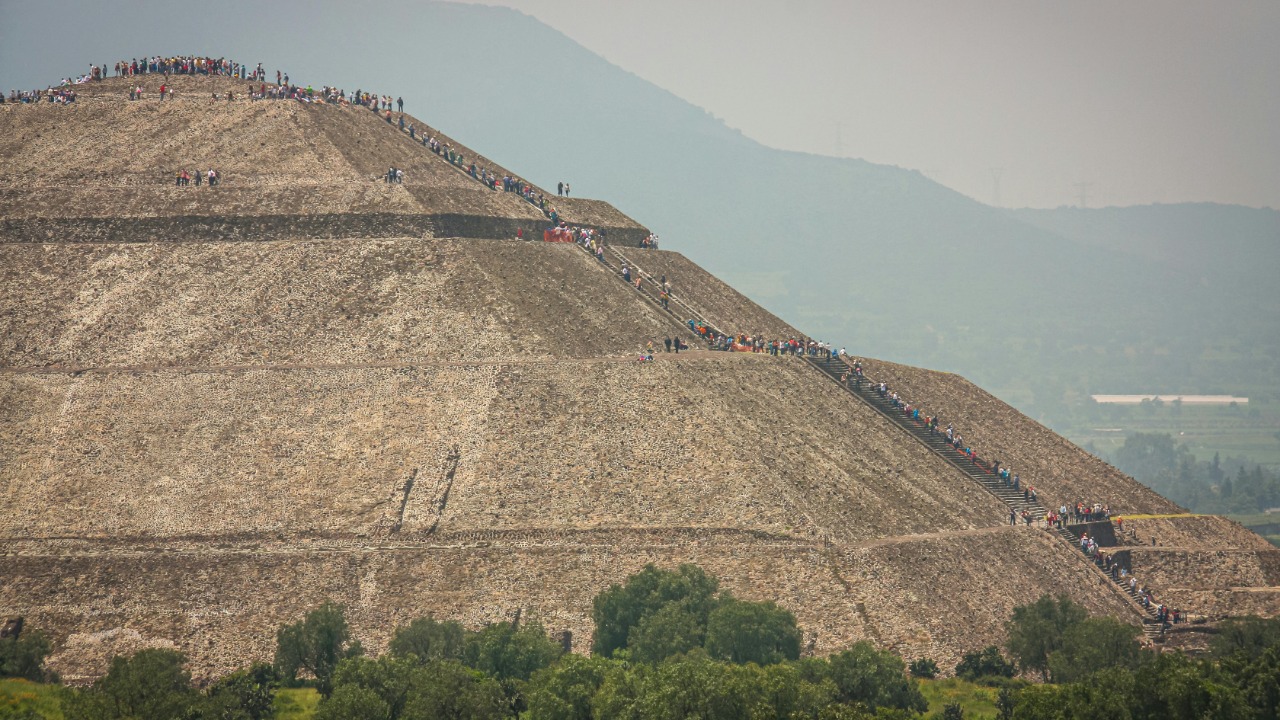
Teotihuacan grew into one of the largest cities in the ancient Americas, home to more than one hundred thousand people surrounding its towering Pyramid of the Sun northeast of modern Mexico City. Even the Aztecs who later revered the pyramid metropolis’s ruins did not know who had built it or what its inhabitants called themselves.
The city collapsed and was largely abandoned around the seventh century after apparent internal upheaval, and researchers still rely on murals, burials, and apartment compounds rather than written records to reconstruct how its multiethnic population once lived.
More from Morning Overview
- The NSA is again telling phone owners to switch off one location setting
- A handful of car transmissions are so tough mechanics say they almost never fail
- A handful of SUVs keep hitting 300,000 miles, and they share one engine trait
- Supplements now rank as the fifth-leading cause of death from liver disease.
