
Lakes are supposed to be permanent features on a map, yet several of the planet’s biggest have shrunk to a fraction of their former size within a single lifetime. Diverted rivers, drought, and heavy groundwater pumping have turned open water into dry, cracked lakebed in disturbingly little time. This gallery looks at nine lakes that have nearly disappeared before the eyes of people who once lived along their shores.
1. Aral Sea: A Sea Reduced to Sand
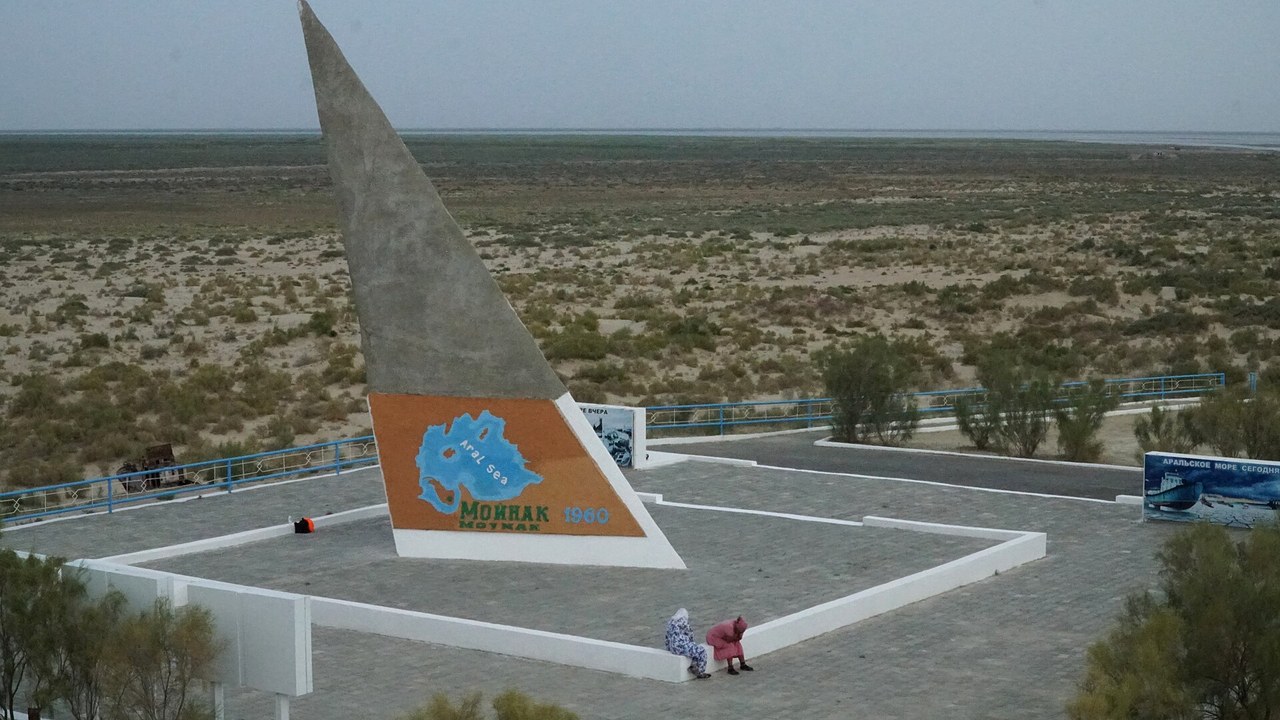
The Aral Sea once ranked as the fourth-largest lake on Earth, spanning a huge stretch of Central Asia before Soviet-era irrigation projects began diverting the rivers that fed it during the 1960s. Within a few decades the Aral Sea’s basin had shrunk into isolated remnants surrounded by miles of newly exposed seabed.
Fishing towns that once sat on the shoreline, like Moynaq, now stand stranded kilometres from any water, their rusting boat hulls left behind on sand where waves used to break, a stark marker of how quickly a sea this size can vanish.
2. Lake Chad: Four Countries, One Vanishing Lake
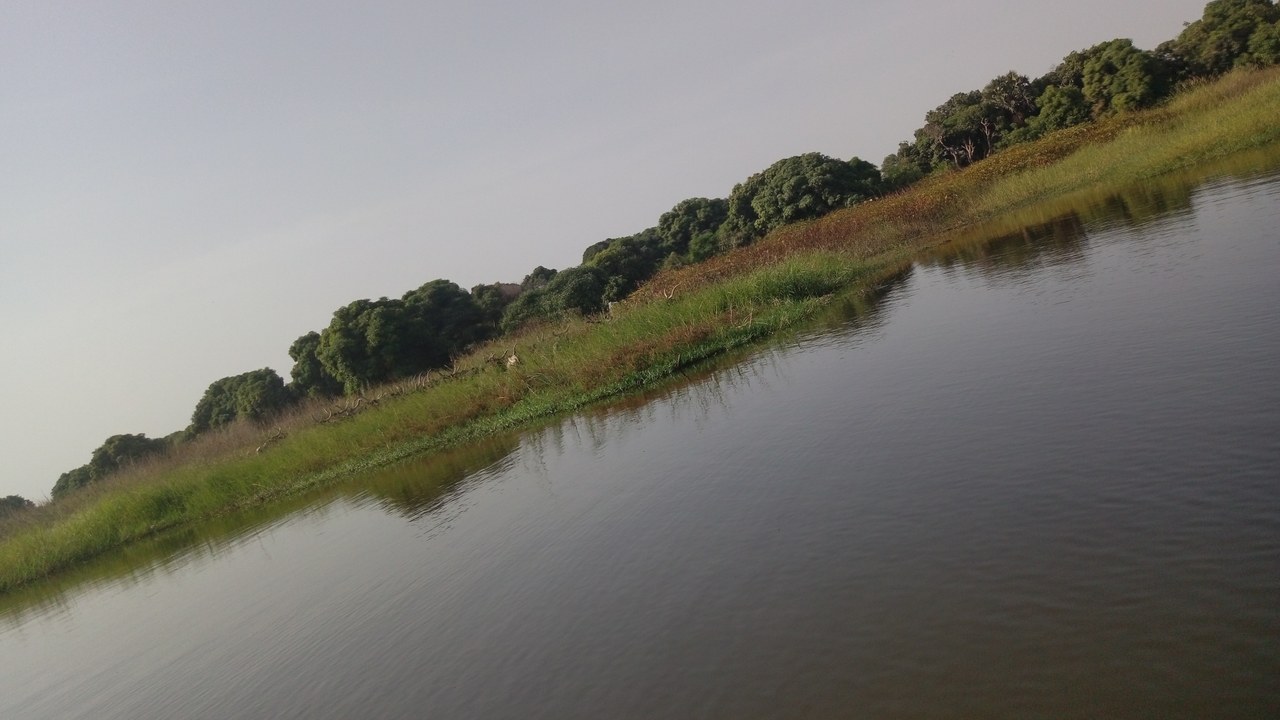
Lake Chad shrank by roughly 90 percent between the 1960s and the 1990s as rainfall declined and rising demand for irrigation water pulled down the rivers that once refilled it. What used to be open water shared by four countries has become, according to the Lake Chad record, a patchwork of marsh, islands, and dry ground.
Millions of people around the lake still depend on its remaining water and fisheries for their livelihoods, so the decades-long contraction has fed regional food and water insecurity well beyond the shrinking shoreline itself.
3. Lake Urmia: A Salt Scar Visible From Orbit
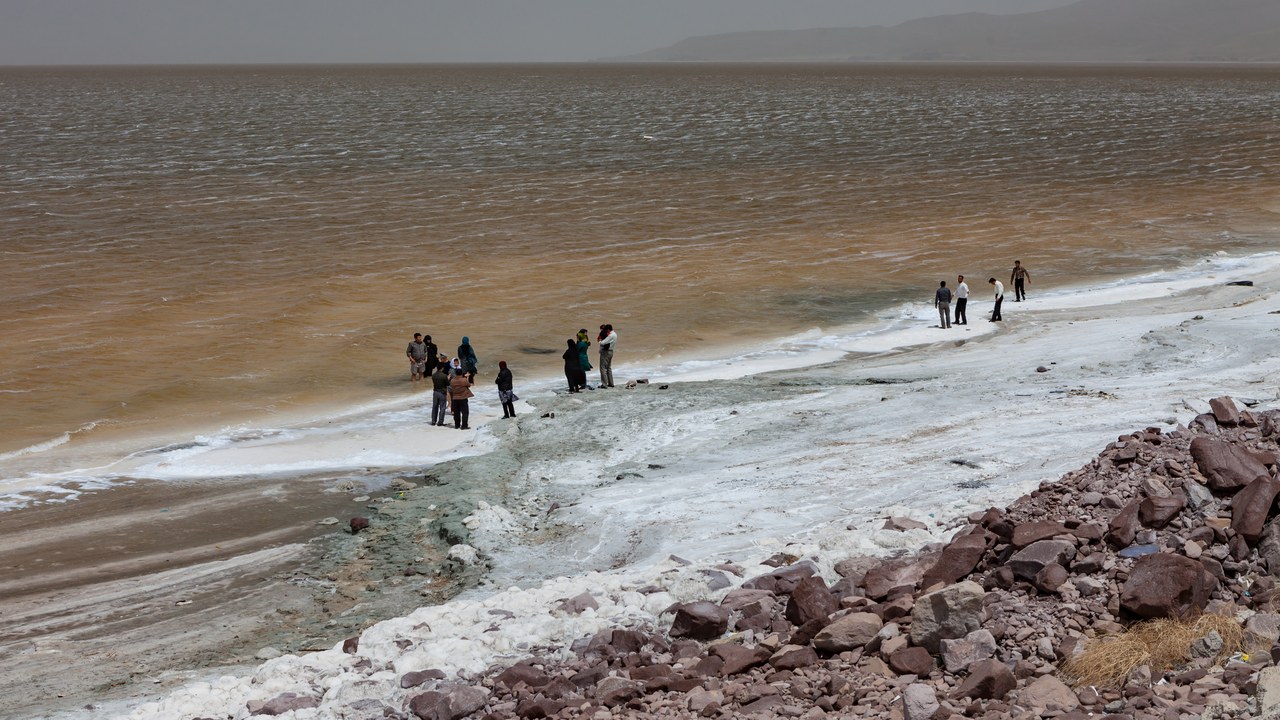
Lake Urmia, once one of the largest salt lakes in the Middle East, lost most of its water after upstream dams and heavy agricultural pumping cut off the rivers that had long sustained it. Wide salt flats now surround what is left of Lake Urmia, visible even from orbit as a pale scar across northwestern Iran.
A causeway built across the lake decades ago is often blamed for accelerating the decline by restricting water circulation between its two halves, on top of the demand from farms that expanded steadily around its shrinking shoreline.
4. Lake Poopó: Declared Evaporated in 2015
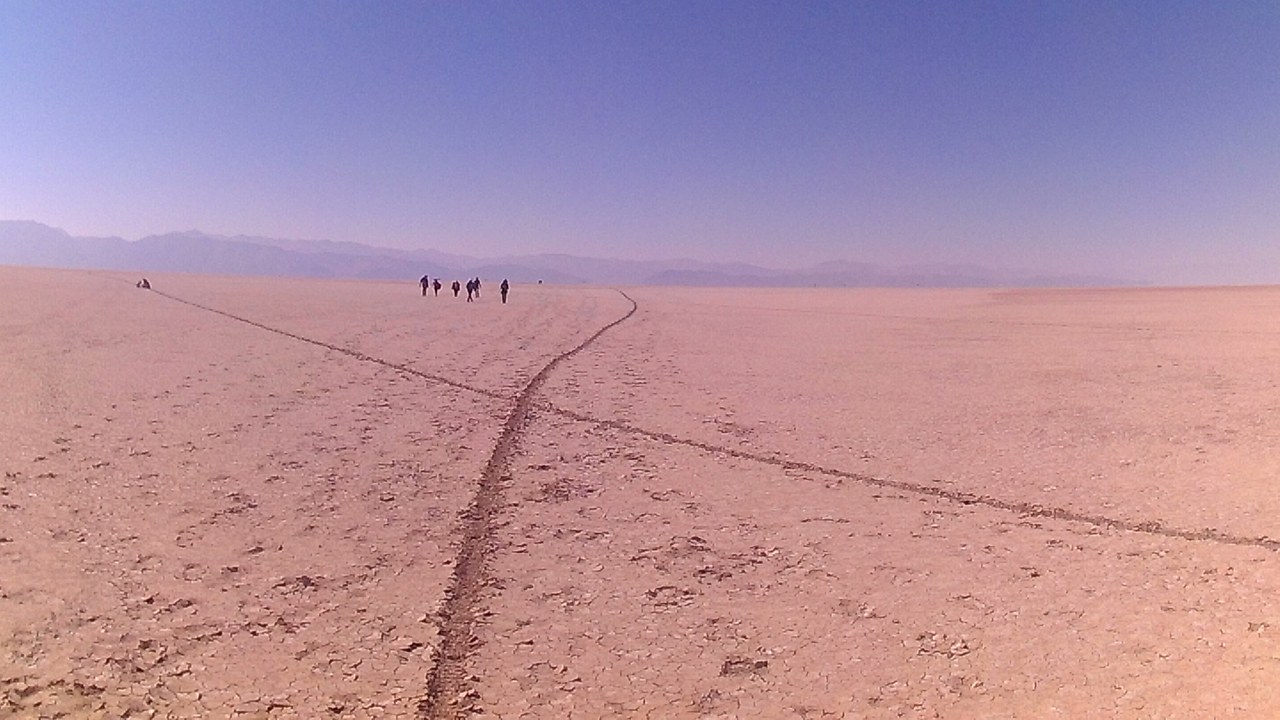
Lake Poopó, once Bolivia’s second-largest lake, was officially declared evaporated in 2015 after a long drought combined with upstream water diversions for mining and farming. What had been a broad, shallow body of water across the Poopó basin turned into cracked, salt-crusted flats within only a few dry years.
Local fishing communities that had depended on the lake for generations lost their main source of food and income almost overnight, and the lake has only partially and briefly refilled during the wettest seasons since then.
5. Owens Lake: Drained in Thirteen Years Flat
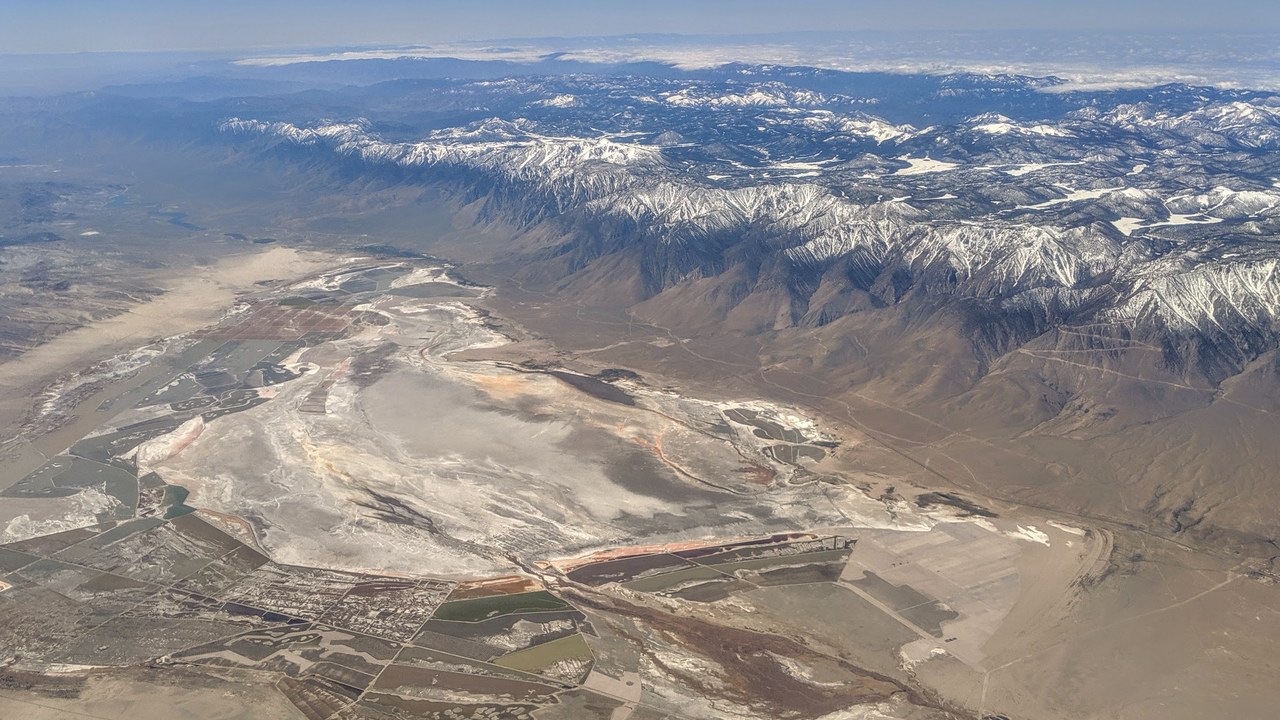
Owens Lake in California drained within about thirteen years after Los Angeles diverted the Owens River into its aqueduct in 1913 to supply the city’s growing population. The lake that once filled the valley floor of the Owens Valley was reduced to a dry, alkaline basin.
The exposed lakebed became one of the largest single sources of dust pollution in the United States for decades afterward, eventually forcing costly, large-scale dust-control projects that today still cover much of the old lake floor with shallow water and gravel.
6. Salton Sea: California’s Shrinking Accidental Lake
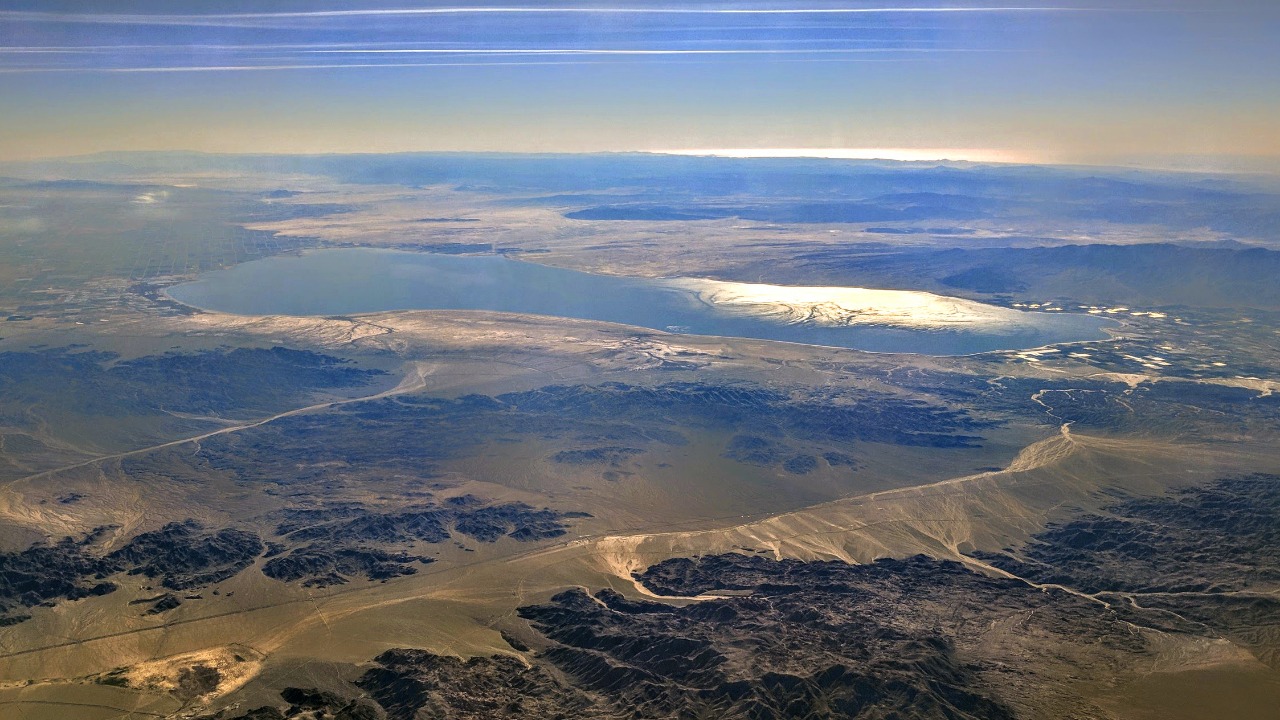
The Salton Sea, California’s largest lake, keeps shrinking as the agricultural runoff that once sustained it declines, exposing more of its dust-emitting playa every year. Studies from the U.S. Geological Survey track the retreating shoreline and the salt crust left behind as the water keeps pulling back.
The shrinking lake has become a growing public health concern for nearby communities, since windblown dust lifted off the newly dry lakebed carries fine particles and residue from decades of agricultural chemical runoff into the surrounding desert air.
7. Great Salt Lake: A Record Low With No Outlet
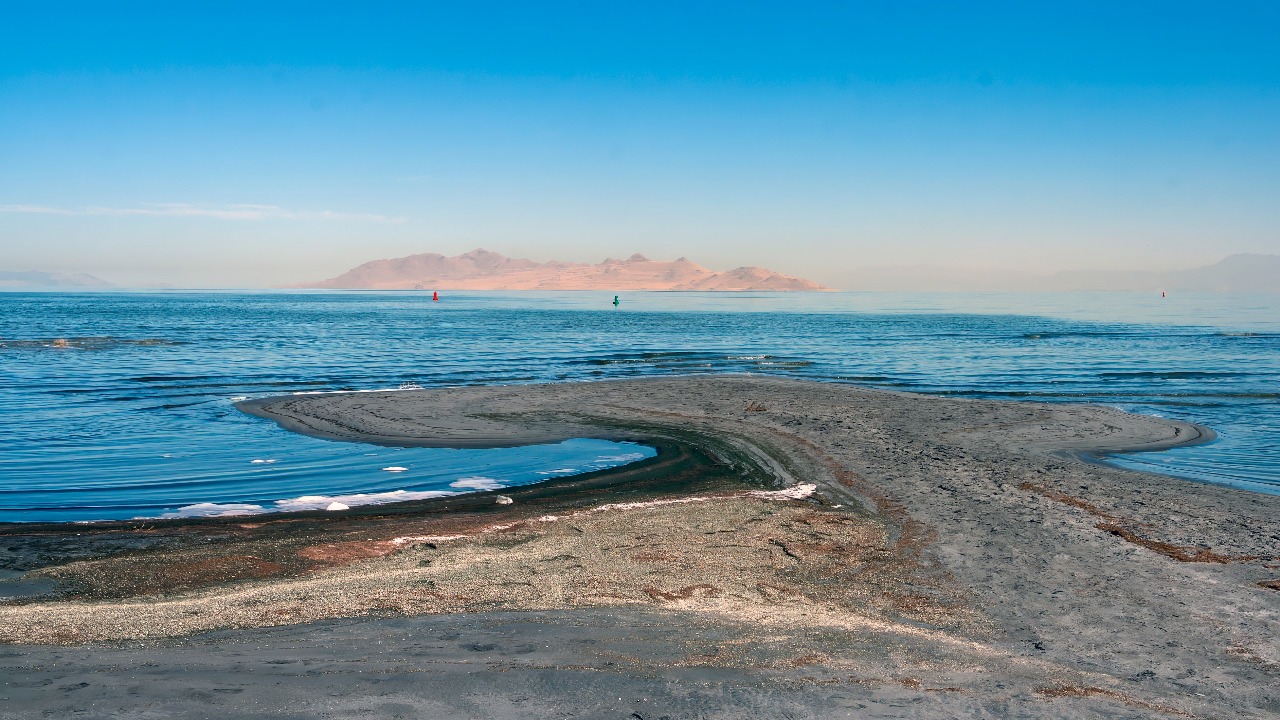
The Great Salt Lake fell to a record low elevation in November 2022, exposing miles of newly dry lakebed around its edges after years of drought and heavy upstream water use. Researchers at the Utah Water Science Center have tracked the decline closely as the shoreline keeps retreating.
Because the lake has no natural outlet, everything left behind as it dries becomes concentrated on the exposed bed, raising concern among scientists about dust laced with naturally occurring metals blowing off the flats toward nearby population centers.
8. Sawa Lake: Gone Within a Single Dry Stretch
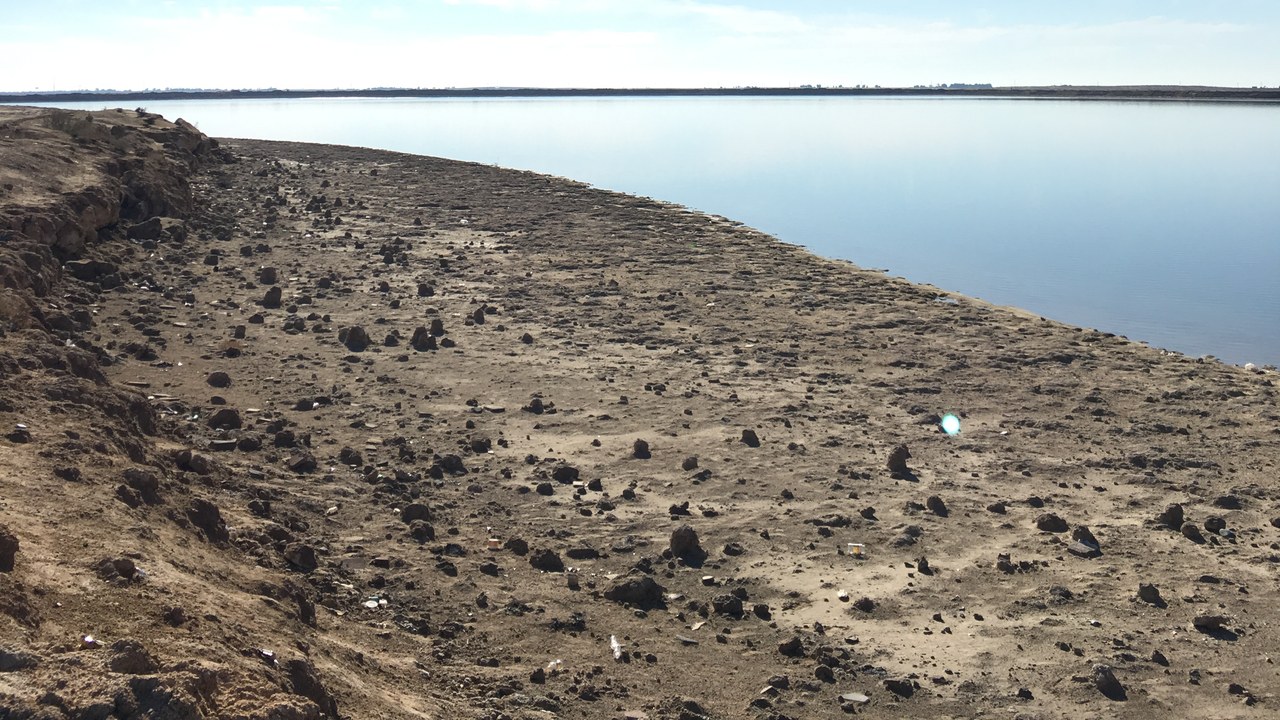
Sawa Lake in southern Iraq dried out completely in 2022 after decades of groundwater pumping and drought stripped away the springs that had fed it for centuries. The Sawa Lake basin, a rare landlocked salt lake with no rivers running in or out, was left as bare, cracked ground.
Because the lake had survived for centuries on underground springs alone, its sudden disappearance surprised researchers who had expected a slow, gradual decline rather than a lake vanishing almost completely within a single dry stretch of years.
9. Mar Chiquita Lake: Widening Flats on South America’s Largest Salt Lake
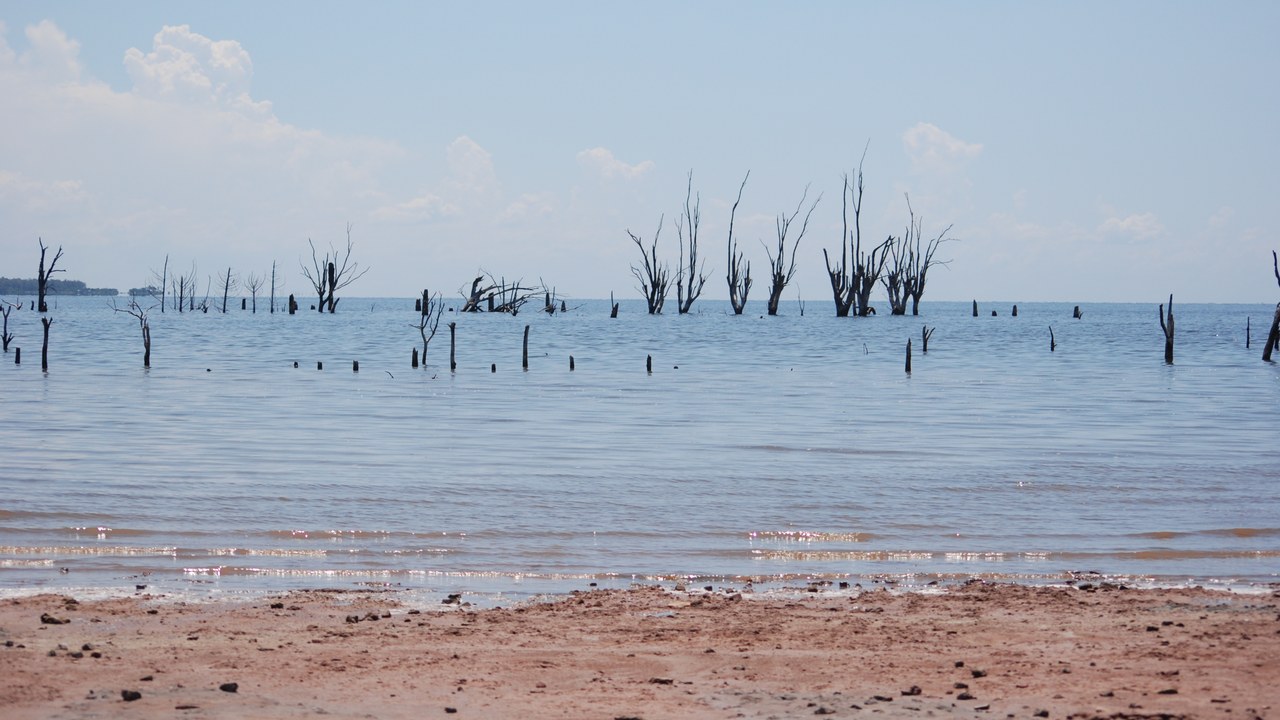
Mar Chiquita Lake, Argentina’s largest salt lake, has dropped sharply since the 1970s, widening the salt flats that ring its shrinking shoreline. Dead trees now stand stranded in shallow water at the edges of the Mar Chiquita basin, marking where the lake once reached.
The lake still supports one of South America’s largest flamingo populations, so its long-term water levels are watched closely by biologists as well as the farming and fishing communities that depend on the surrounding basin for their livelihoods and drinking water.
More from Morning Overview
- Card skimmers hidden on gas pumps are draining accounts, and there’s a quick way to spot them
- The NSA warns one messaging setting can clone your texts to a stranger
- Security experts still urge phone owners to switch off one location-tracking setting
- Automakers are quietly dropping the stop-start feature many drivers love to hate
