
America has spent the last two decades tearing down dams instead of building them, as engineers conclude that many aging structures now do more harm than good. Removing a dam can reopen a river to migratory fish blocked for a century, while draining reservoirs that were quietly filling with sediment. This gallery covers eight dams the country has removed to bring its rivers back to life.
1. Iron Gate Dam: The Last of Four to Fall
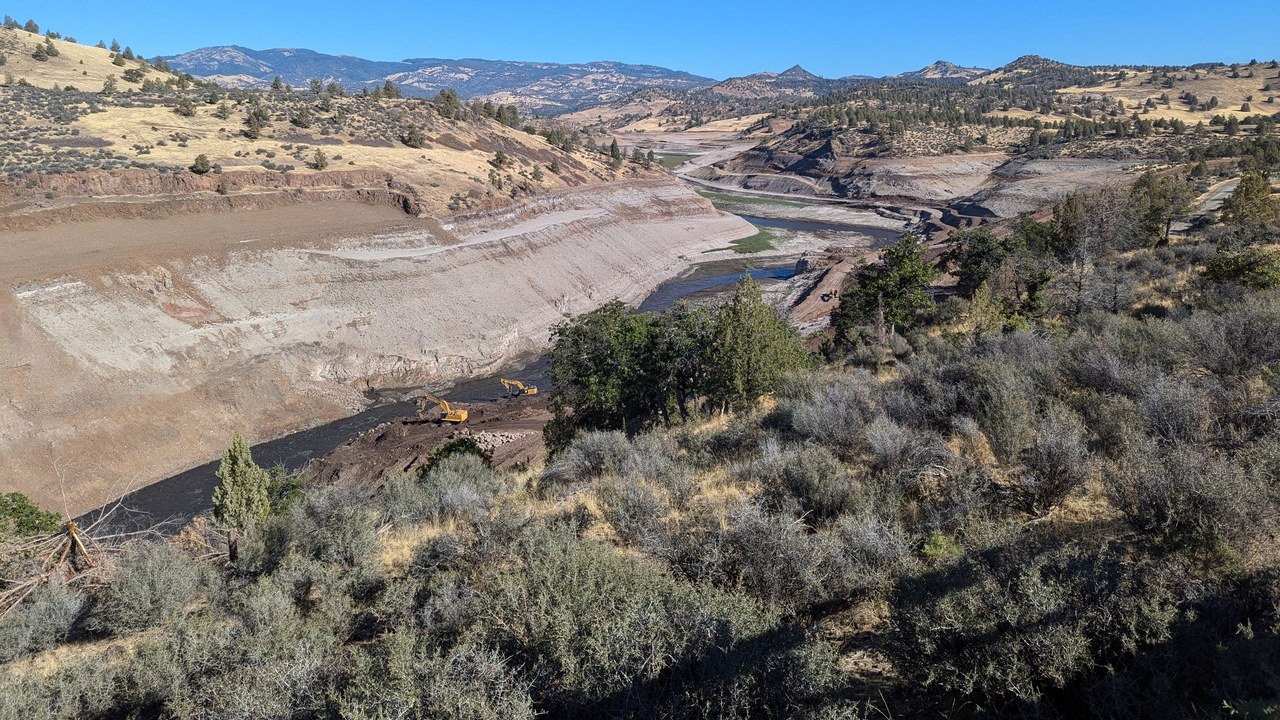
Iron Gate Dam was the last of four dams removed from the Klamath River in 2024, completing the largest dam-removal project in United States history. Engineers dismantled the structure as part of a broader plan documented by the U.S. Geological Survey to reopen hundreds of miles of the Klamath watershed to migrating salmon.
The reservoir behind Iron Gate had trapped sediment and warmed the water for decades, conditions that favored toxic algae blooms and hurt fish downstream, so its removal was framed as much as a water-quality fix as a fisheries one for the whole river system.
2. Marmot Dam: A Research Benchmark for Every Dam Since
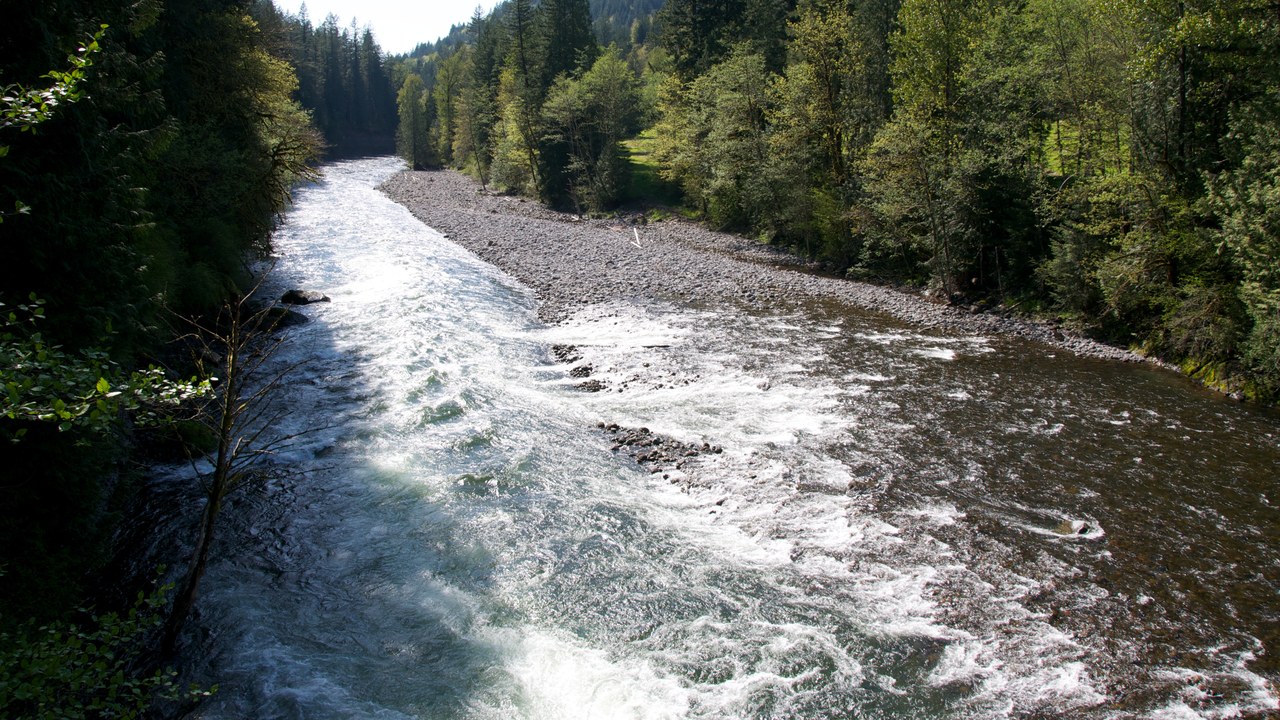
Marmot Dam, a 47-foot structure on Oregon’s Sandy River, was blasted apart in July 2007 in one of the most closely studied dam removals ever carried out in the United States. Scientists tracked how sediment trapped for decades moved downstream after crews breached the Marmot Dam site, turning the project into a widely cited research benchmark.
Because researchers had instrumented the river both before and after the breach, the Marmot removal became a reference case that later Klamath and Elwha planning teams drew on when estimating how quickly sediment would move once their own much larger dams came down.
3. J.C. Boyle Dam: Furthest Upstream, Last Piece of the Puzzle
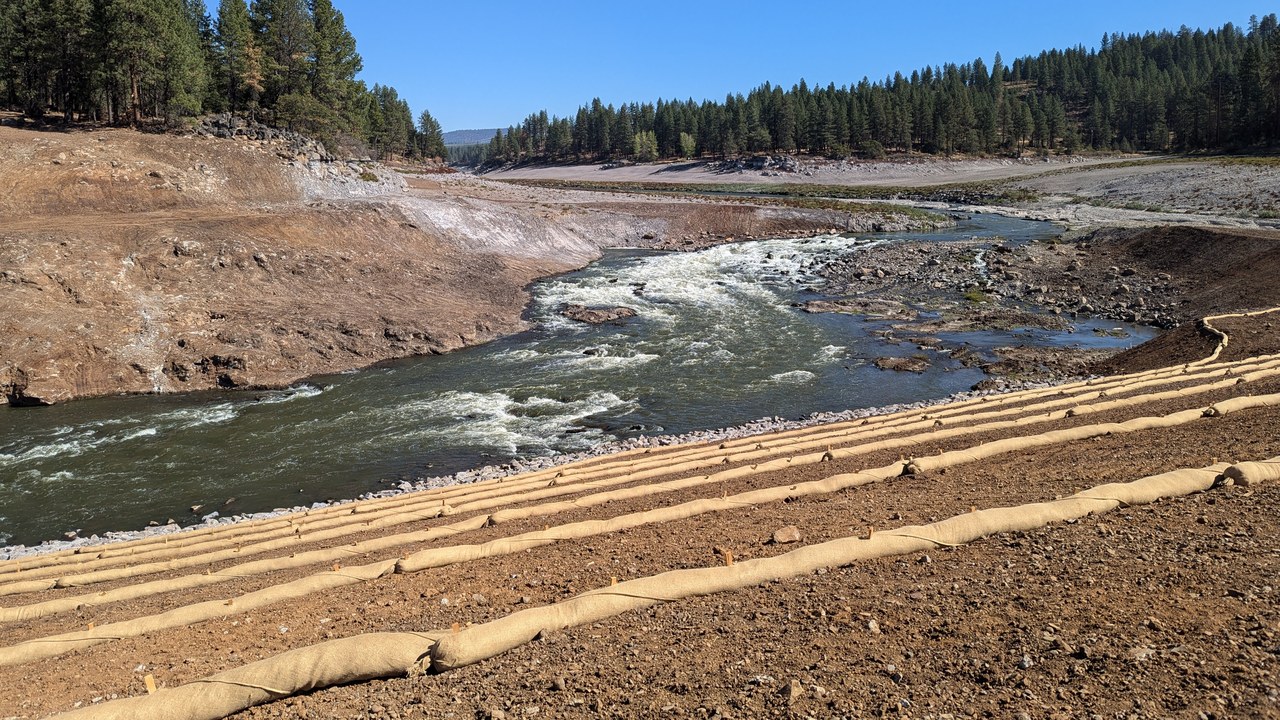
J.C. Boyle Dam, the Oregon dam among the four removed from the Klamath River, was dismantled in 2024 to reopen upstream salmon habitat that had been blocked off for generations. Crews drained its reservoir and removed the structure as part of the same John C. Boyle Dam project that also took out Iron Gate and Copco No. 1.
Because it sat furthest upstream of the four Klamath dams, its removal was considered essential to actually reconnecting the whole river system rather than leaving one remaining barrier that migrating fish still could not swim past.
4. Elwha Dam: A Century of Blocked Salmon, Undone
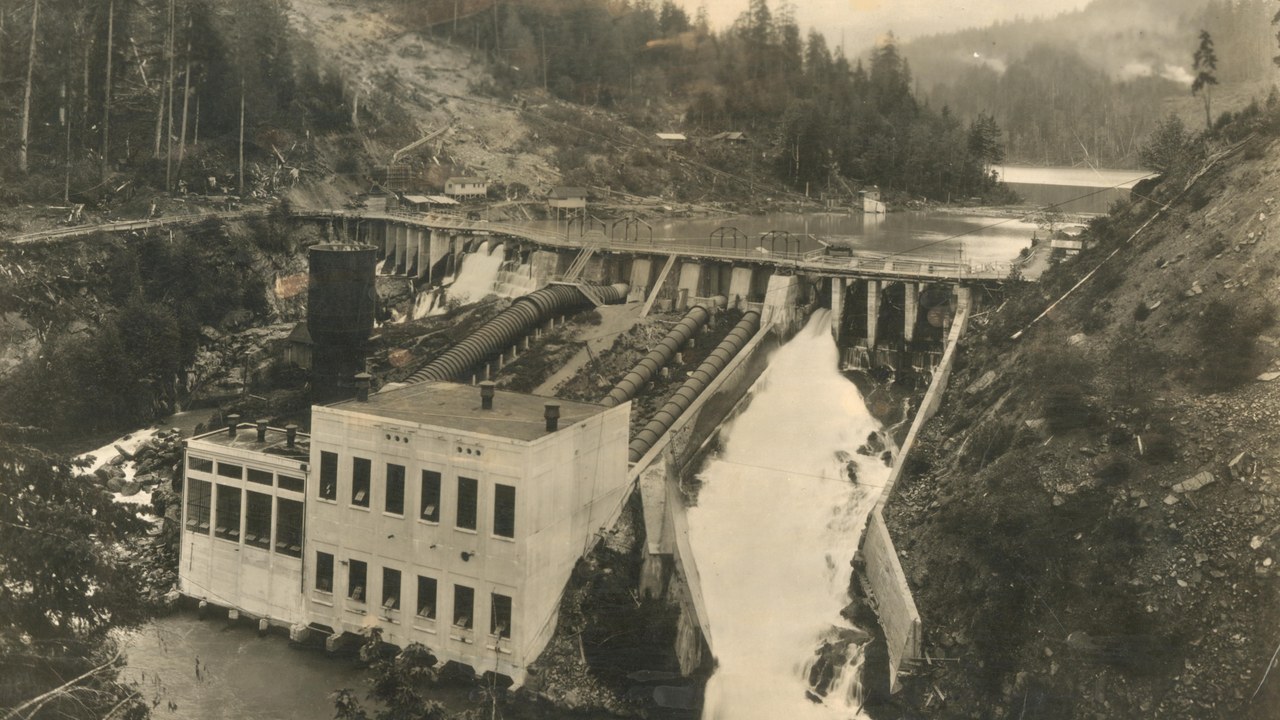
Elwha Dam on Washington’s Olympic Peninsula was removed in 2011 and 2012 after blocking salmon runs on the Elwha River for roughly a century. The National Park Service documented the teardown of the Elwha Dam as part of the largest dam-removal and river-restoration project attempted in the country up to that point.
Salmon began returning to stretches of the river they had not reached in generations almost as soon as the dam came down, giving biologists an unusually fast and visible payoff from years of restoration planning and construction work.
5. Glines Canyon Dam: The Tallest Dam Ever Removed
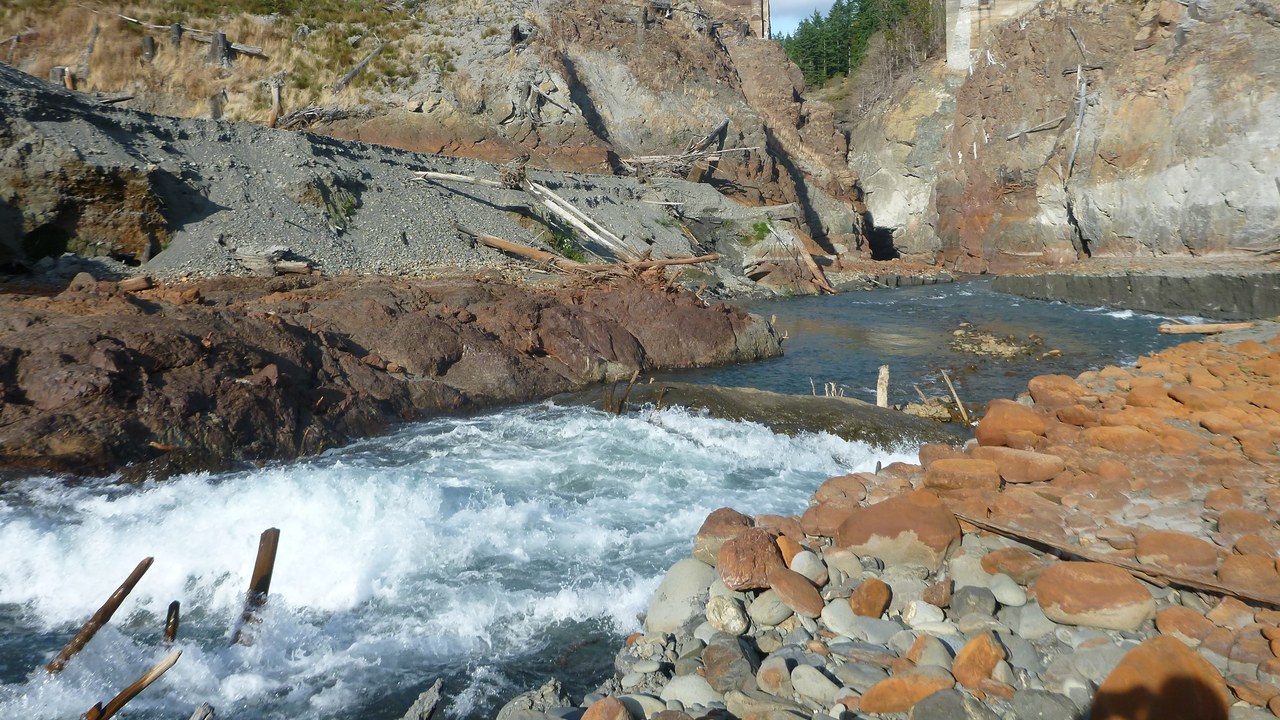
Glines Canyon Dam, at 210 feet, was the tallest dam ever removed when its demolition finished in 2014 as the second half of the Elwha River restoration. The National Park Service tracked the teardown of the Glines Canyon Dam alongside the smaller Elwha Dam further downstream on the same river.
Its height meant the removal had to happen in carefully engineered stages over roughly three years rather than a single demolition, since draining the reservoir too quickly risked releasing decades of trapped sediment in one destructive pulse downstream toward salmon habitat.
6. Edwards Dam: Removed Over the Owner’s Objections
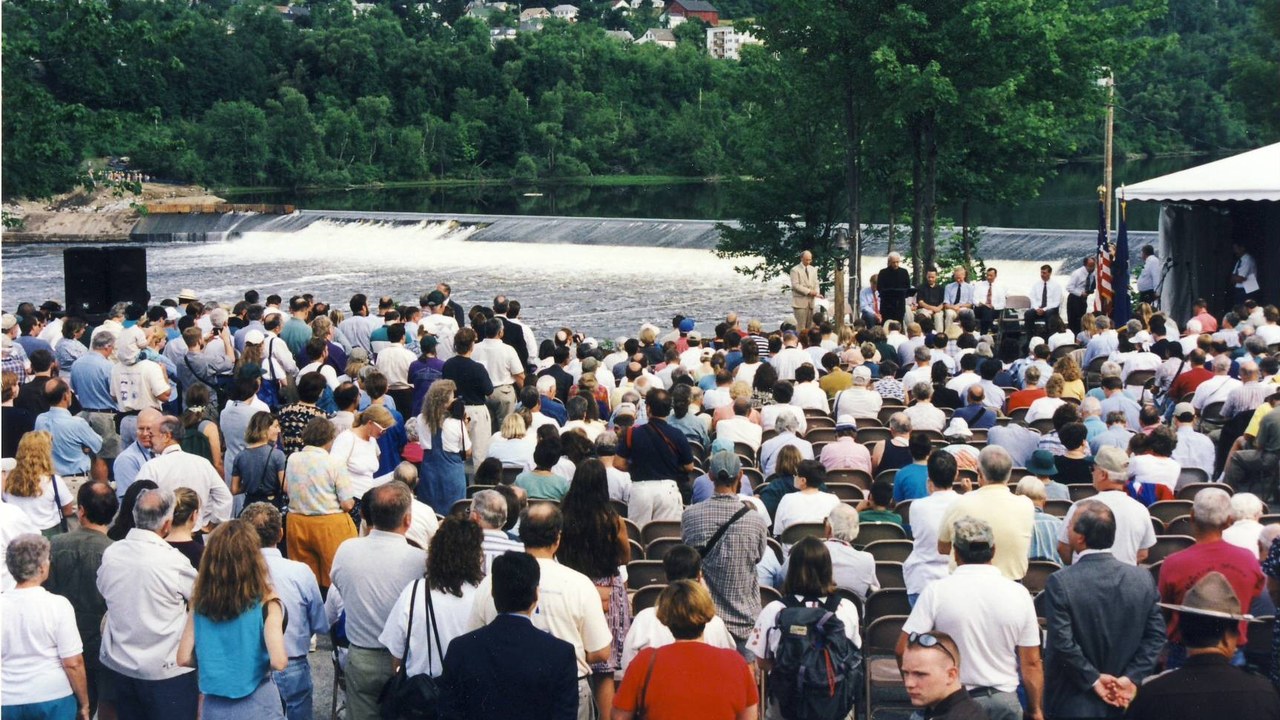
Edwards Dam on Maine’s Kennebec River was breached on July 1, 1999, becoming the first dam in the country ordered removed by federal regulators over its owner’s objections. The Edwards Dam case set a legal precedent that fisheries benefits could outweigh a dam’s ongoing hydropower value.
Sea-run fish such as alewives and shad returned to the Kennebec in large numbers within just a few years of the breach, and the case became a widely cited legal and scientific reference point for later dam-removal fights in many states well beyond Maine itself.
7. Great Works Dam: The First of Two on the Penobscot
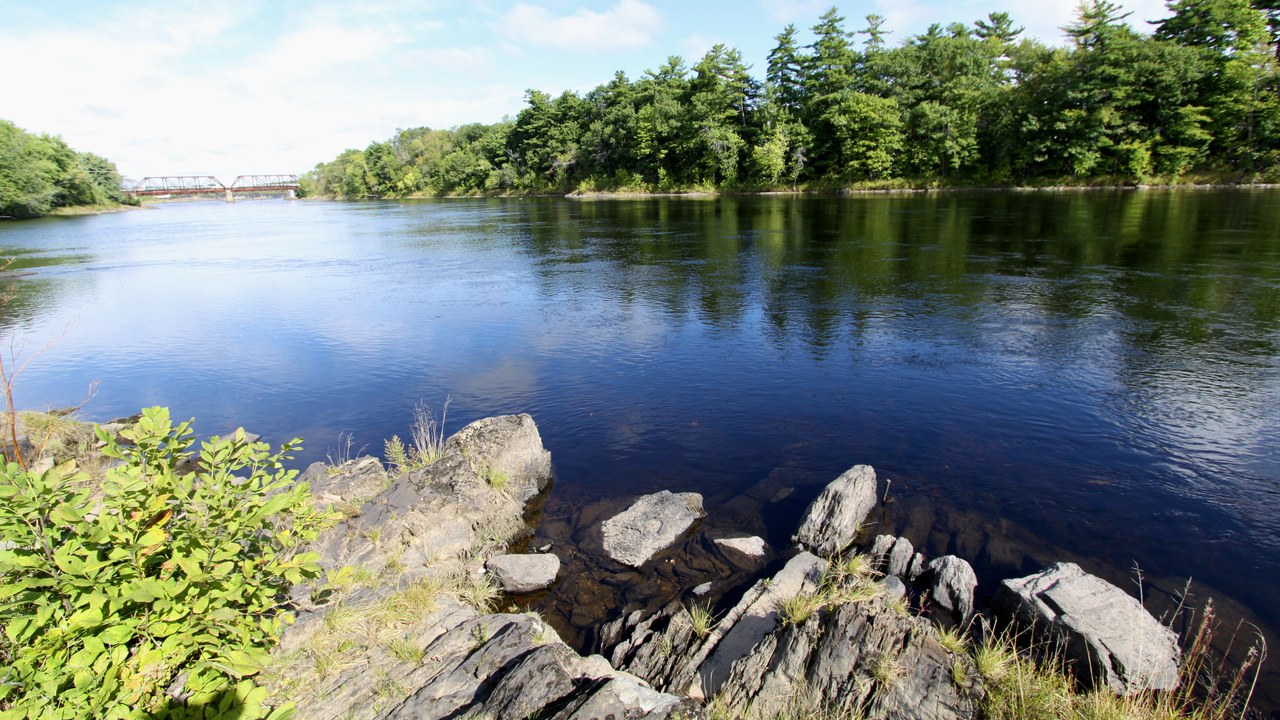
Great Works Dam on Maine’s Penobscot River was removed in 2012, the first of two dams taken out under a broader plan to restore sea-run fish to the watershed. The stretch once backed up by the dam is documented by the Great Works Dam record as historic shad and salmon habitat.
Its removal was paired with a fish bypass built at a second, larger dam further upstream, a negotiated compromise that let river advocates restore fish passage across the Penobscot without tearing out every hydropower structure on the entire river system.
8. Bloede Dam: A Safety Hazard That Became a Restoration Win
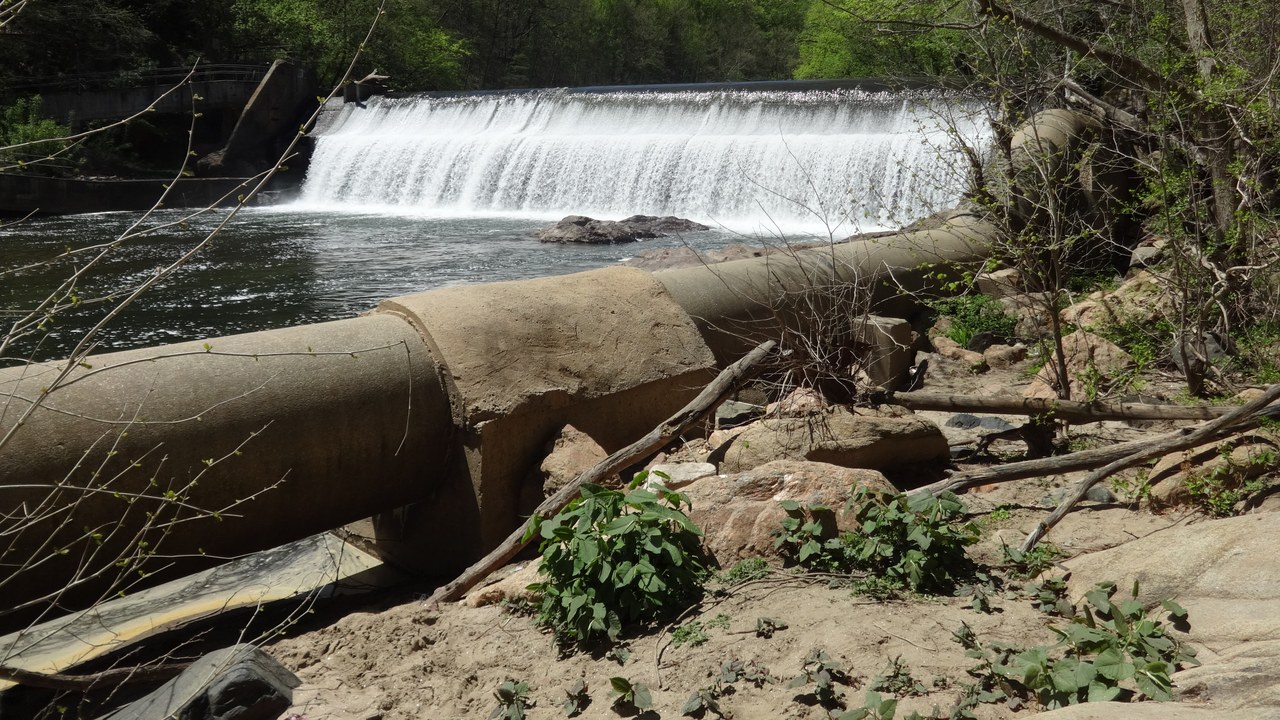
Bloede Dam on Maryland’s Patapsco River was removed in 2018 after decades as a notorious drowning hazard, its underwater hydraulics having killed multiple people who ventured too close to its base. The U.S. Fish and Wildlife Service marked the Bloede Dam removal as a milestone for both public safety and river restoration.
Removing the dam reopened dozens of miles of the Patapsco to migratory fish for the first time in more than a century, while also eliminating a hazard that local rescue crews had struggled to manage safely for years.
More from Morning Overview
- The NSA warns one messaging setting can clone your texts to a stranger
- Security experts still urge phone owners to switch off one location-tracking setting
- Automakers are quietly dropping the stop-start feature many drivers love to hate
- A granite sarcophagus surfaced in Egypt with its original lid still sealed
