
Hybrid powertrains have moved from a novelty option to a mainstream choice across pickup trucks and SUVs, with automakers pairing electric motors to gas engines for more power, not just better mileage. Toyota, Ford, Honda and Jeep now sell hybrid or plug-in hybrid versions of some of their most popular nameplates, from full-size trucks to three-row family haulers. Here are nine hybrid pickups and SUVs on sale for 2026.
1. Ford F-150 PowerBoost: Full-Size Power On Tap
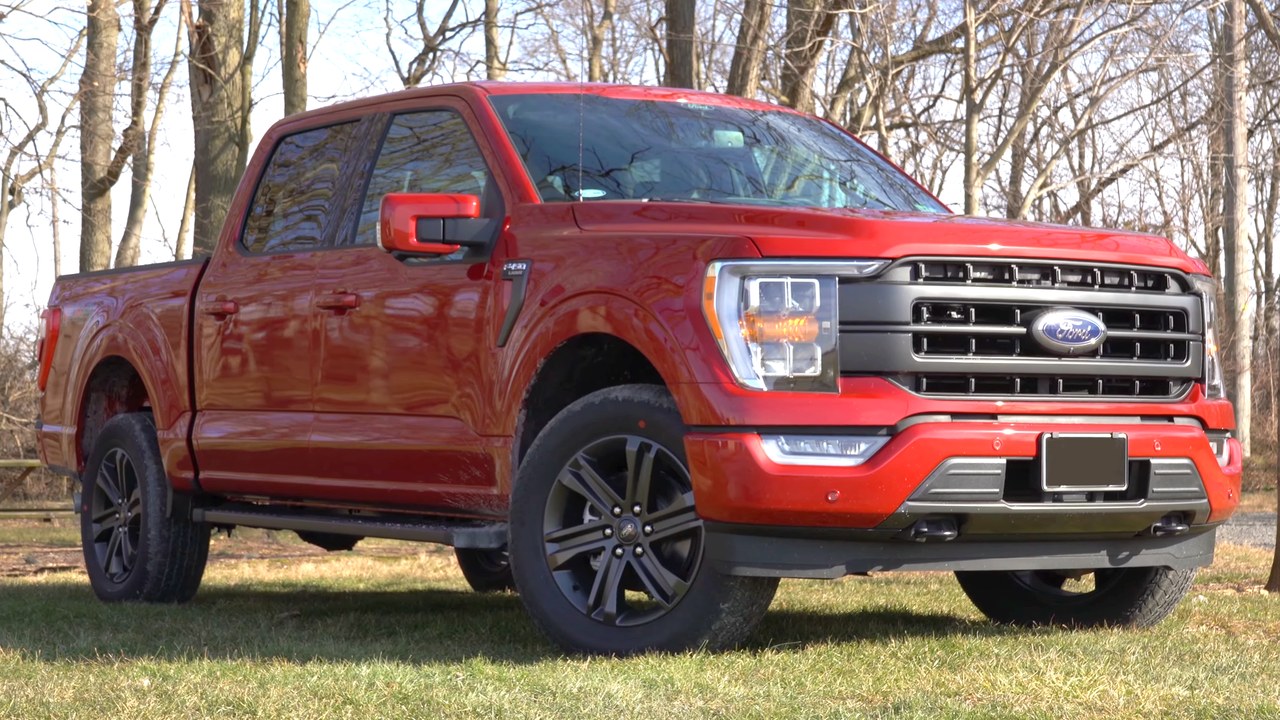
The F-150 PowerBoost pairs a twin-turbocharged 3.5-liter V6 with an electric motor, producing up to 430 horsepower and 570 lb-ft of torque, according to Edmunds’ hybrid truck rankings. Ford also builds in Pro Power Onboard, an onboard generator that can output as much as 7.2 kilowatts through bed-mounted outlets.
That combination lets tradespeople run saws, welders or lights straight off the truck at a job site instead of hauling a separate generator. Towing and payload ratings stay in line with gas-only F-150 trims, so the hybrid adds capability rather than trading it away.
2. Ford Maverick Hybrid: Compact Truck, Big Mileage
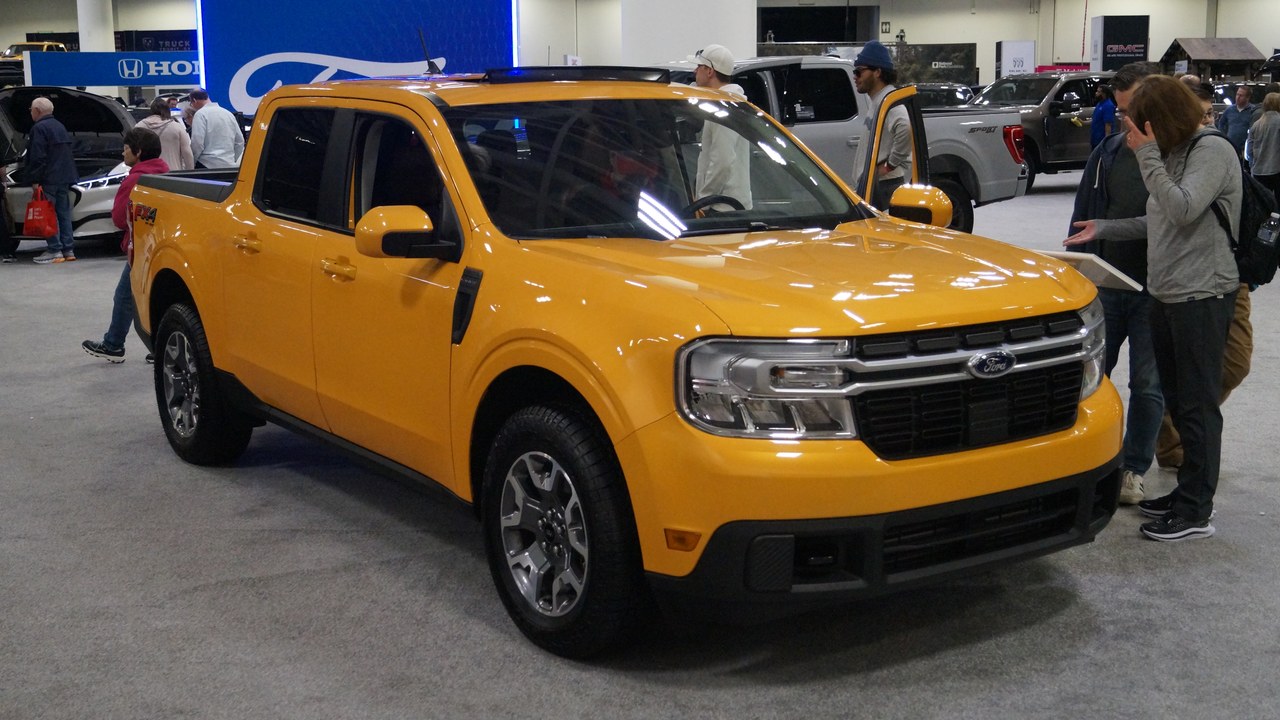
Ford builds the Maverick Hybrid with a standard 2.5-liter four-cylinder hybrid powertrain, no plug required, and rates the front-wheel-drive version at roughly 42 mpg in city driving, per Carfax’s hybrid truck comparison. It remains the lowest-priced hybrid truck sold in the United States, undercutting every midsize and full-size competitor.
For commuters who still want a truck bed, that mileage rivals many compact sedans while keeping the ability to haul mulch, lumber or a weekend’s worth of gear. The hybrid system is standard rather than an upgrade, so buyers do not pay extra to get it.
3. Toyota Tundra i-Force Max: 437 Horsepower Hybrid V6
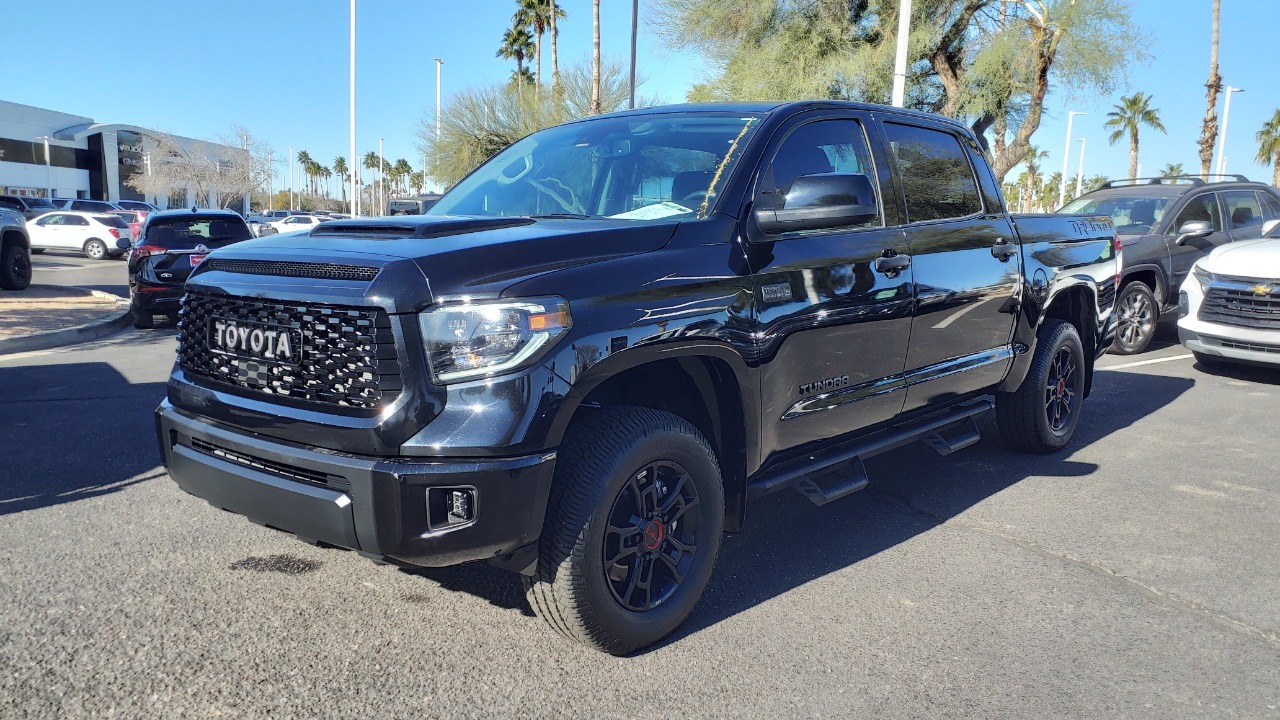
Toyota’s i-Force Max hybrid V6 in the Tundra pairs twin turbochargers with an electric motor to produce 437 combined horsepower and 583 lb-ft of torque, according to Edmunds’ pickup buying guide. That output tops every V8 Toyota has offered in a full-size truck.
The extra torque arrives low in the rev range, which matters most when a loaded Tundra is pulling a trailer up a grade or hauling a full bed of gear. Toyota positions i-Force Max as the performance choice in the lineup, not just the efficient one, replacing the discontinued V8 entirely.
4. Toyota Tacoma: Midsize Truck Goes Hybrid
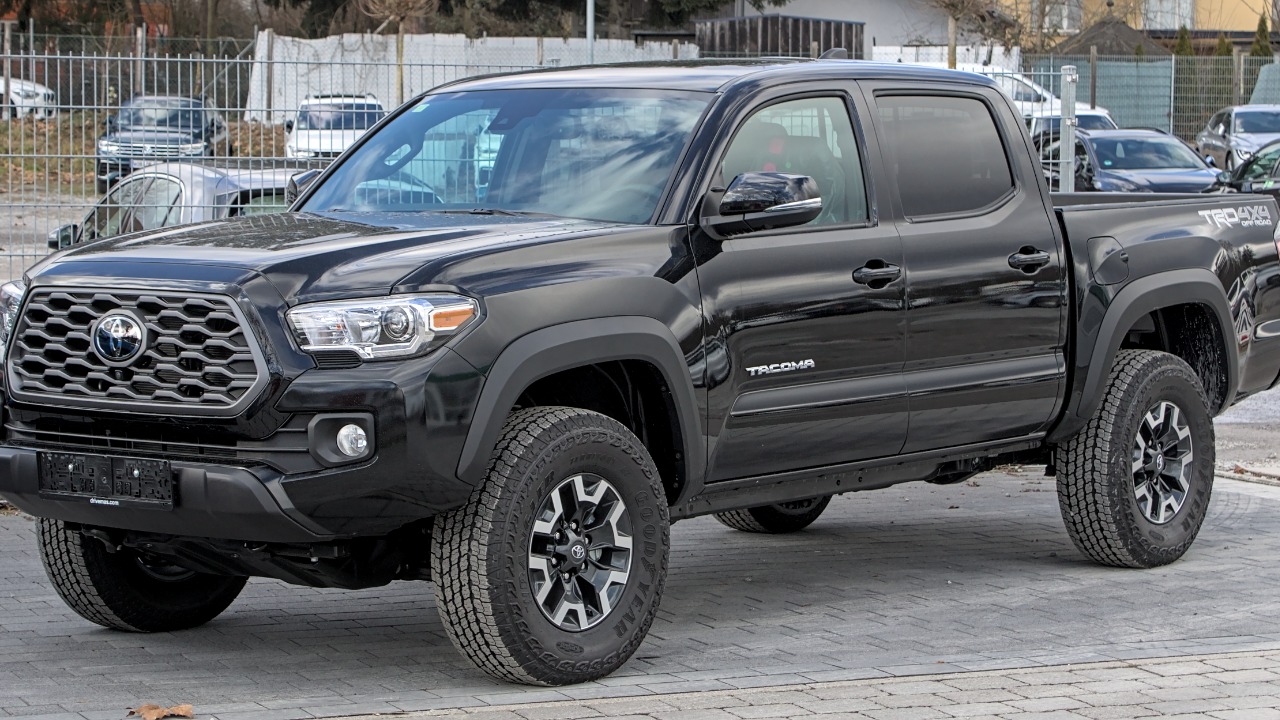
Toyota added the i-Force Max turbocharged hybrid four-cylinder to the current-generation Tacoma, its first electrified powertrain, producing up to 326 combined horsepower on the top TRD Pro and Trailhunter trims, per Toyota’s Tacoma model history. The setup borrows its architecture from the larger Tundra and Sequoia.
Midsize buyers who wanted electrified power previously had to step up to a full-size truck. Now the Tacoma offers stronger low-end torque for towing and off-roading while returning noticeably better fuel economy than the outgoing V6 it replaces across the lineup.
5. Toyota Highlander Hybrid: Three-Row Efficiency Pick
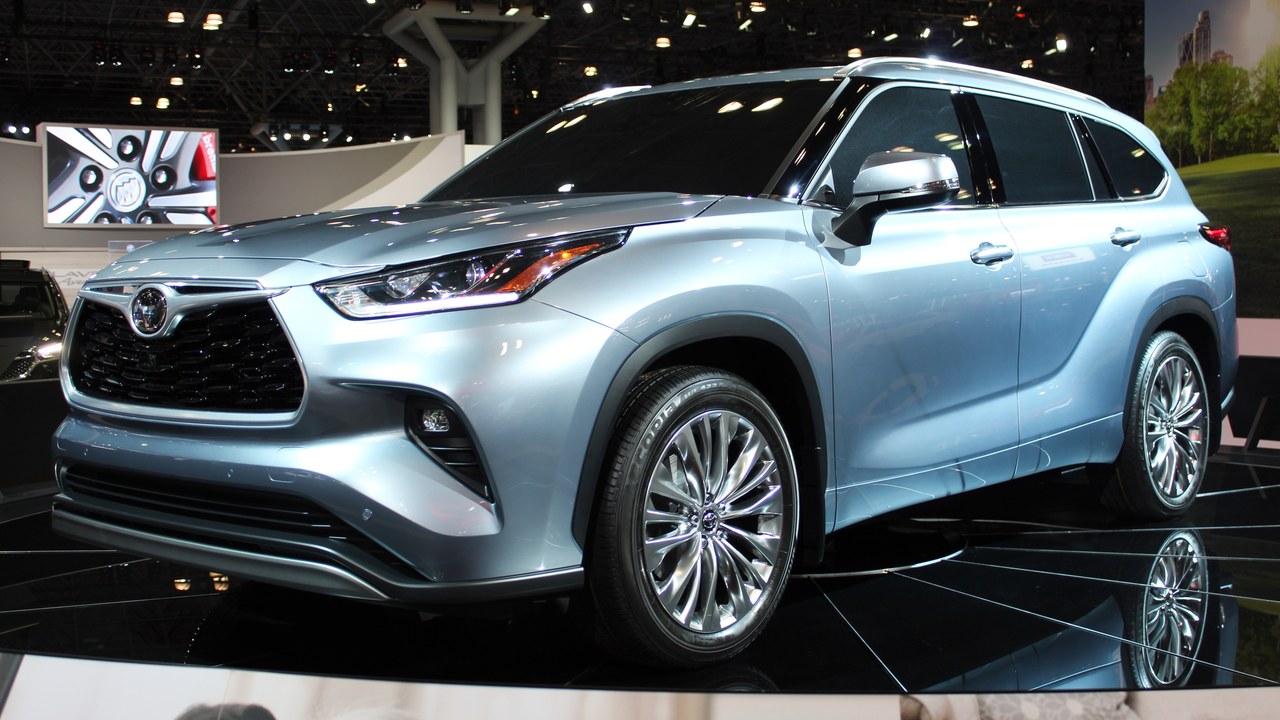
Toyota builds the Highlander Hybrid around a 2.5-liter four-cylinder paired with electric motors, delivering standard all-wheel drive and EPA ratings near 35 mpg combined, according to Toyota’s Highlander overview. The three-row SUV seats up to eight depending on configuration, and the hybrid variant carries no cargo-space penalty compared with the standard gas model.
That mileage beats the gas-only Highlander by a wide margin without shrinking cargo or passenger room. Families cross-shopping minivans get comparable seating capacity with SUV ground clearance and all-wheel-drive traction built in as standard equipment rather than an optional extra.
6. Toyota RAV4 Hybrid: Best-Selling Hybrid Crossover
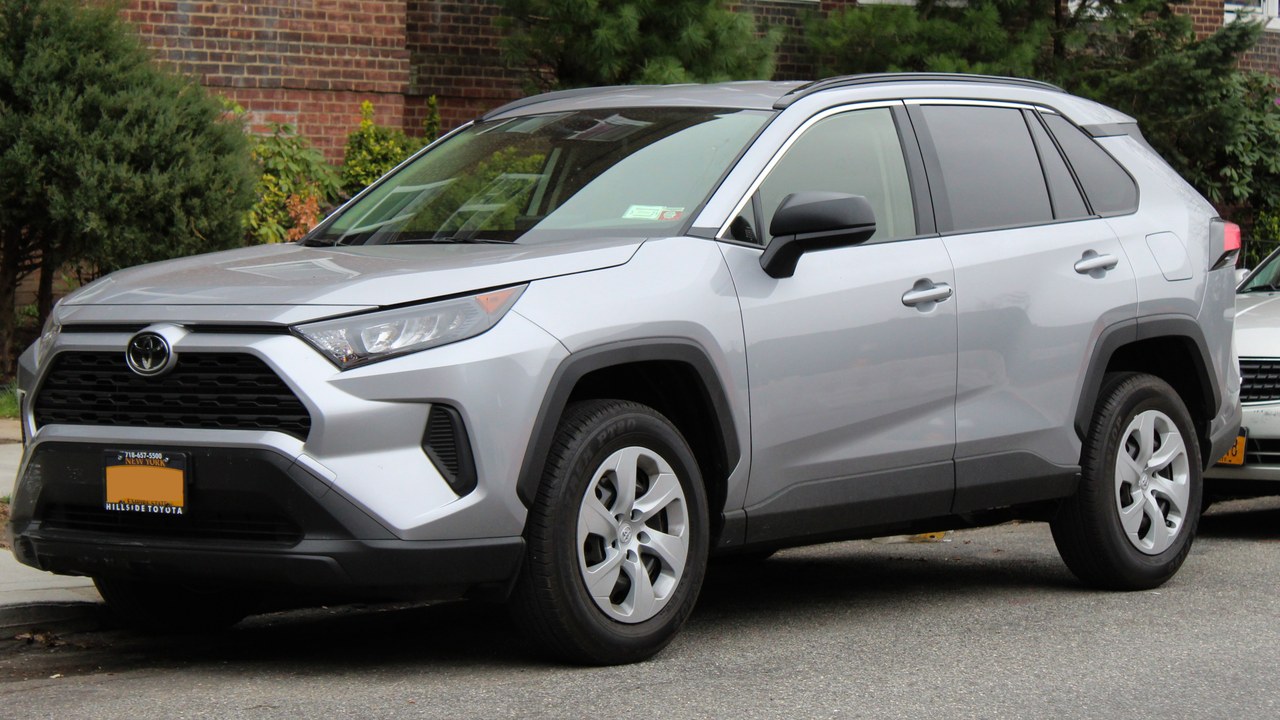
The RAV4 Hybrid is the best-selling hybrid crossover in the United States, combining a 2.5-liter four-cylinder engine with electric motors for standard all-wheel drive and roughly 40 mpg combined, per Toyota’s RAV4 reference page. It outsells every rival hybrid compact SUV by a wide margin.
That sales volume means strong resale value and wide parts and service availability at dealers nationwide. Buyers get compact-SUV practicality with fuel costs closer to a hybrid sedan than a traditional crossover, plus a reputation for low long-term ownership costs built over more than a decade on sale.
7. Honda CR-V Hybrid: Two-Motor Compact Hybrid
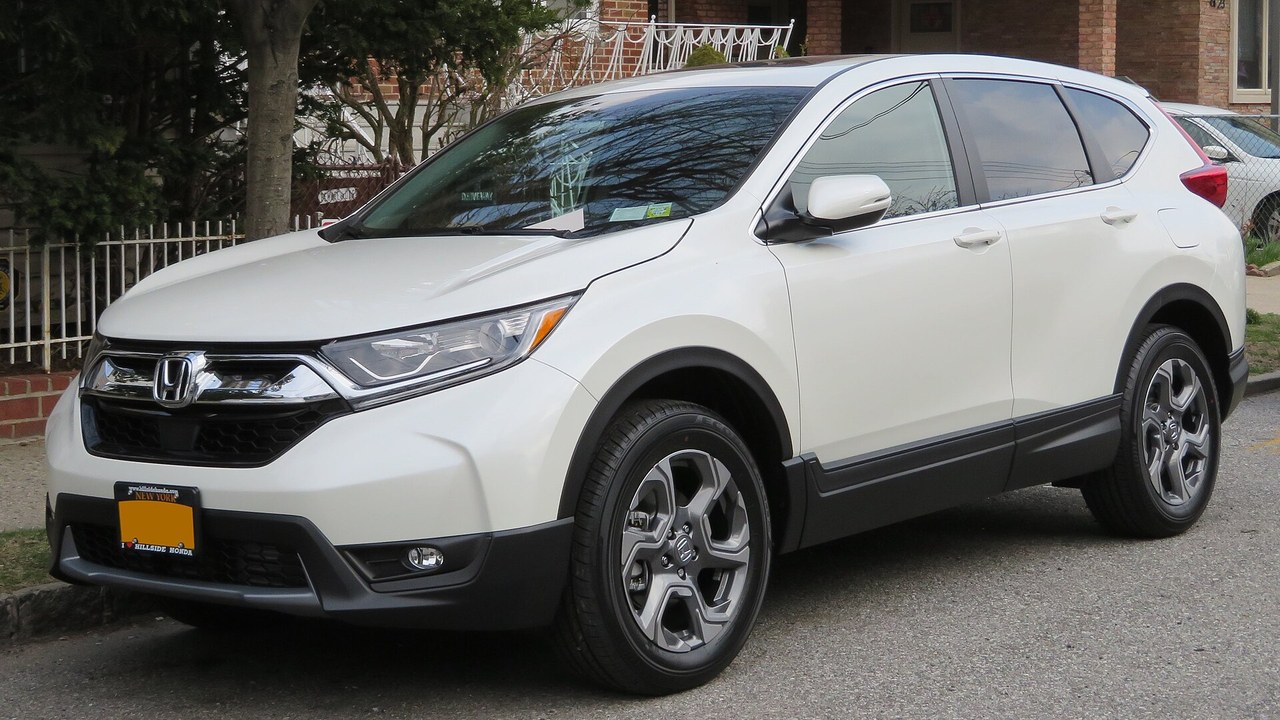
Honda’s CR-V Hybrid uses a two-motor hybrid system pairing a 2.0-liter engine with electric motors, returning about 40 mpg combined with available all-wheel drive, according to Honda’s CR-V reference entry. The system lets the engine act mainly as a generator at lower speeds.
That layout gives the CR-V Hybrid smoother, quieter power delivery than a conventional four-cylinder, especially around town and at stoplights. It competes directly with the RAV4 Hybrid on mileage while offering a different driving feel and a roomier, more upright cabin than some rivals offer.
8. Jeep Wrangler 4xe: Plug-In Power For The Trail
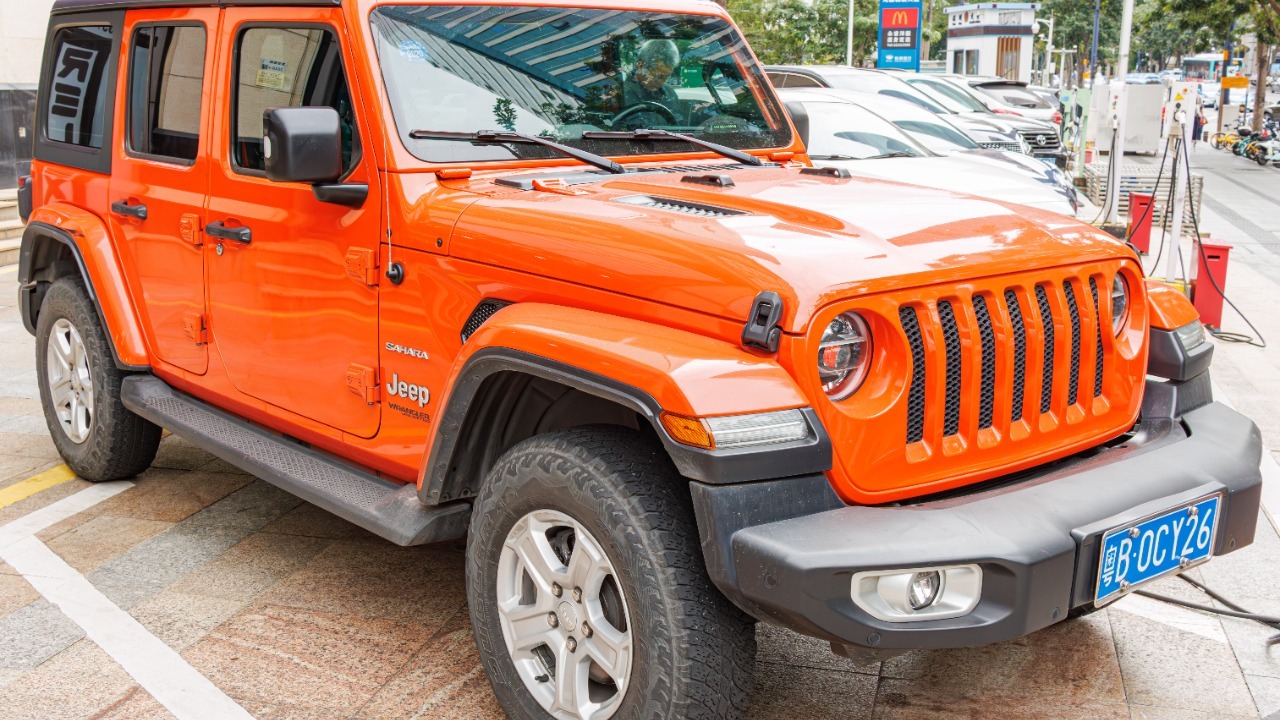
The Wrangler 4xe pairs a turbocharged four-cylinder engine with two electric motors for plug-in hybrid capability, delivering about 21 miles of electric-only range and more than 375 combined horsepower, per the Wrangler’s model reference. It remains available with removable doors, a fold-down windshield and a detachable roof.
On trails, the electric motors let drivers crawl over obstacles silently without engine noise spooking wildlife or announcing the Jeep’s approach. On the highway, the combined output gives it stronger passing power than the four-cylinder-only Wrangler, without sacrificing the V6’s low-end grunt off-road.
9. Ford Explorer Hybrid: Three-Row SUV On Electrified Platform
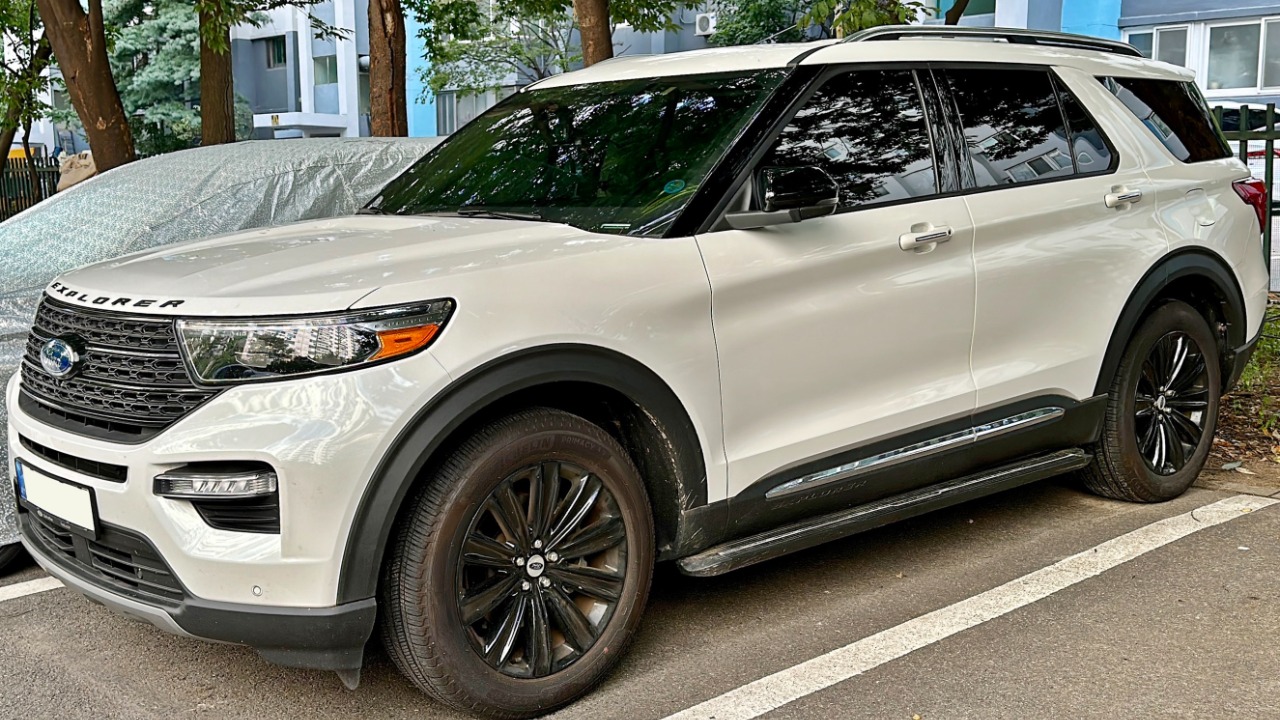
Ford built the sixth-generation Explorer Hybrid on a rear-wheel-drive-based platform shared with the Police Interceptor Utility, pairing a V6 hybrid system for a meaningful towing and efficiency edge over four-cylinder Explorer trims, according to the Explorer’s platform history. The layout also underpins the Lincoln Aviator.
That platform gives the Explorer Hybrid better weight distribution and towing manners than a front-wheel-drive-based three-row competitor. Families get seven-passenger space with fuel economy gains over the standard gas engine, without sacrificing the towing capacity that drew many buyers to the Explorer nameplate in the first place.
More from Morning Overview
- The NSA warns one messaging setting can clone your texts to a stranger
- Security experts still urge phone owners to switch off one location-tracking setting
- Automakers are quietly dropping the stop-start feature many drivers love to hate
- A granite sarcophagus surfaced in Egypt with its original lid still sealed
