
From frozen mountaintops to deep space, humanity’s most ambitious eyes are trained on the cosmos at this very moment. Each instrument gathers light that left its source millions or billions of years ago, turning faint whispers into discovery. Here are nine giants scanning the sky right now.
1. James Webb Space Telescope: The most powerful eye ever launched
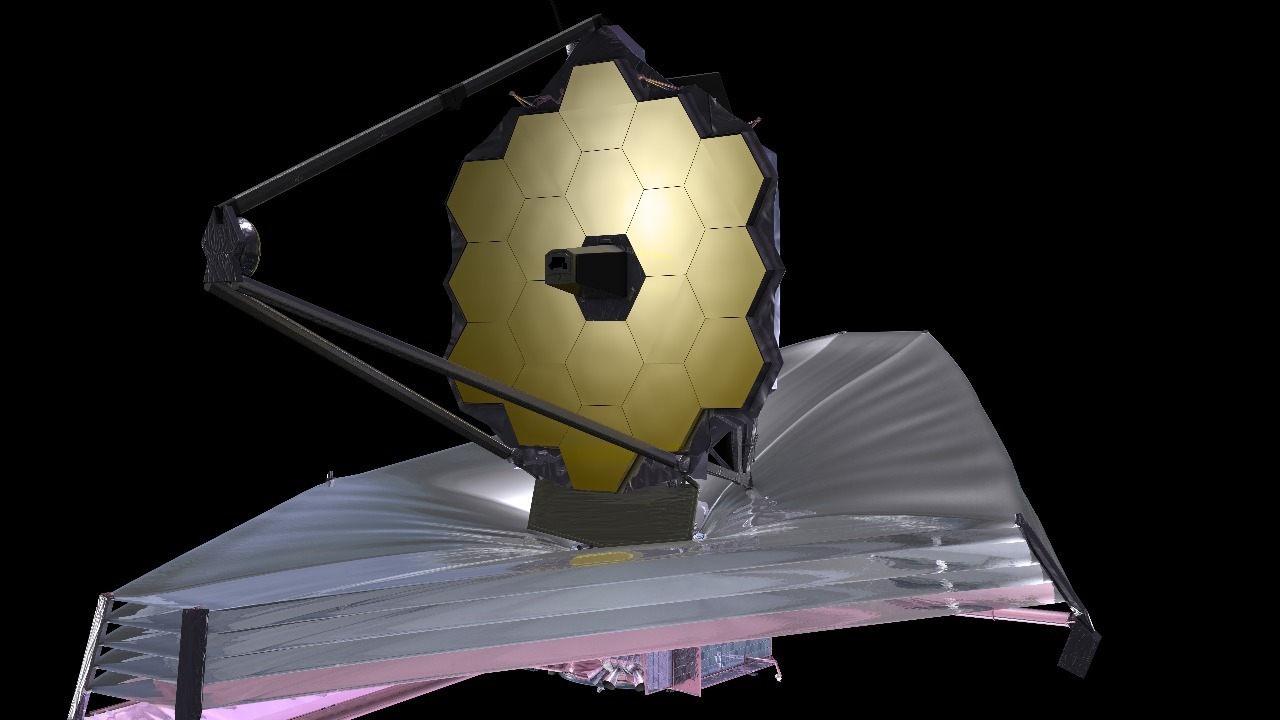
Roughly a million miles from Earth, the Webb space telescope unfolds a gold-coated mirror wider than a school bus. Its infrared vision pierces dust clouds that hid earlier discoveries, revealing newborn galaxies from the universe’s first hundreds of millions of years.
A five-layer sunshield the size of a tennis court keeps its detectors colder than most anything nearby, so faint heat from distant worlds is not drowned out. Since 2022 it has delivered images of forming planets, ancient light, and atmospheres on planets orbiting other stars, reshaping what astronomers thought possible.
2. Hubble Space Telescope: Still working after three decades
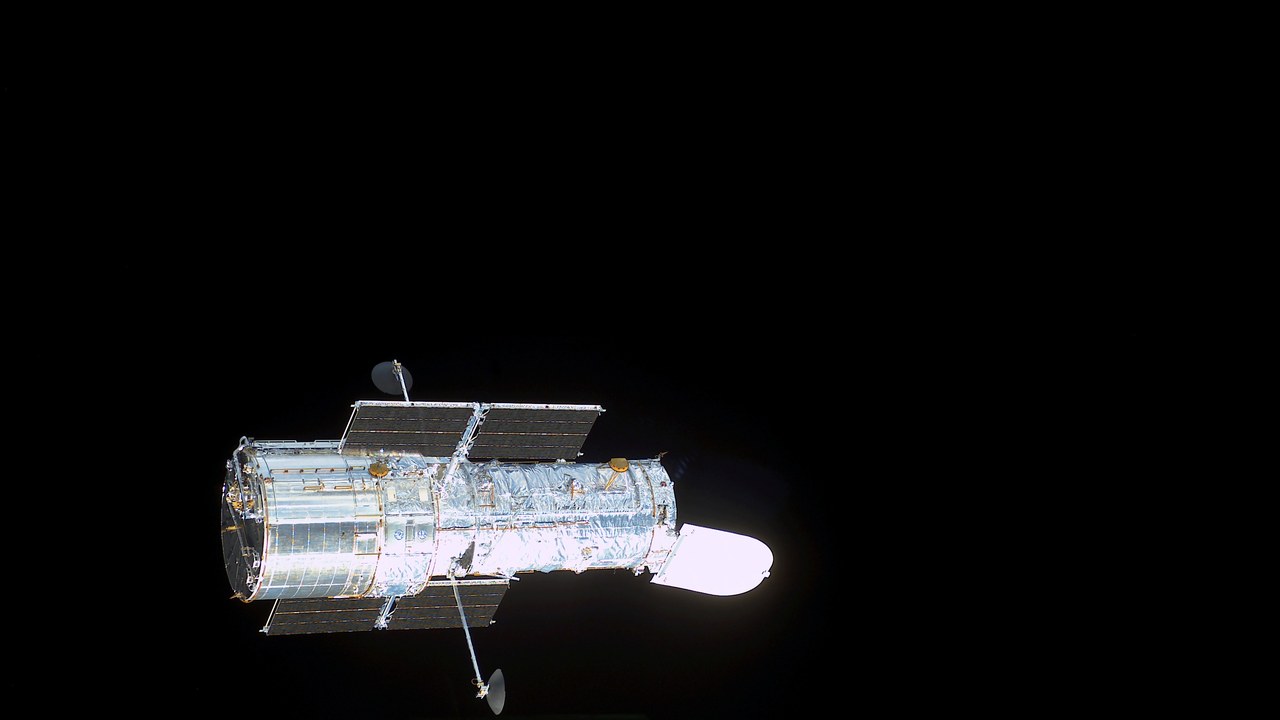
Circling a few hundred miles overhead, the venerable Hubble telescope has photographed the heavens since 1990. Astronauts serviced it five times, swapping instruments and correcting a famously flawed mirror that once threatened the entire mission.
Its sharp visible and ultraviolet views measured the expansion of the universe, tracked storms on distant planets, and produced deep-field portraits packed with thousands of far-off galaxies scattered across a single frame. Decades on, it continues to feed research papers and public wonder alike, working alongside newer observatories rather than being retired by them, a testament to careful engineering and repeated repairs.
3. Vera C. Rubin Observatory: About to map the whole sky
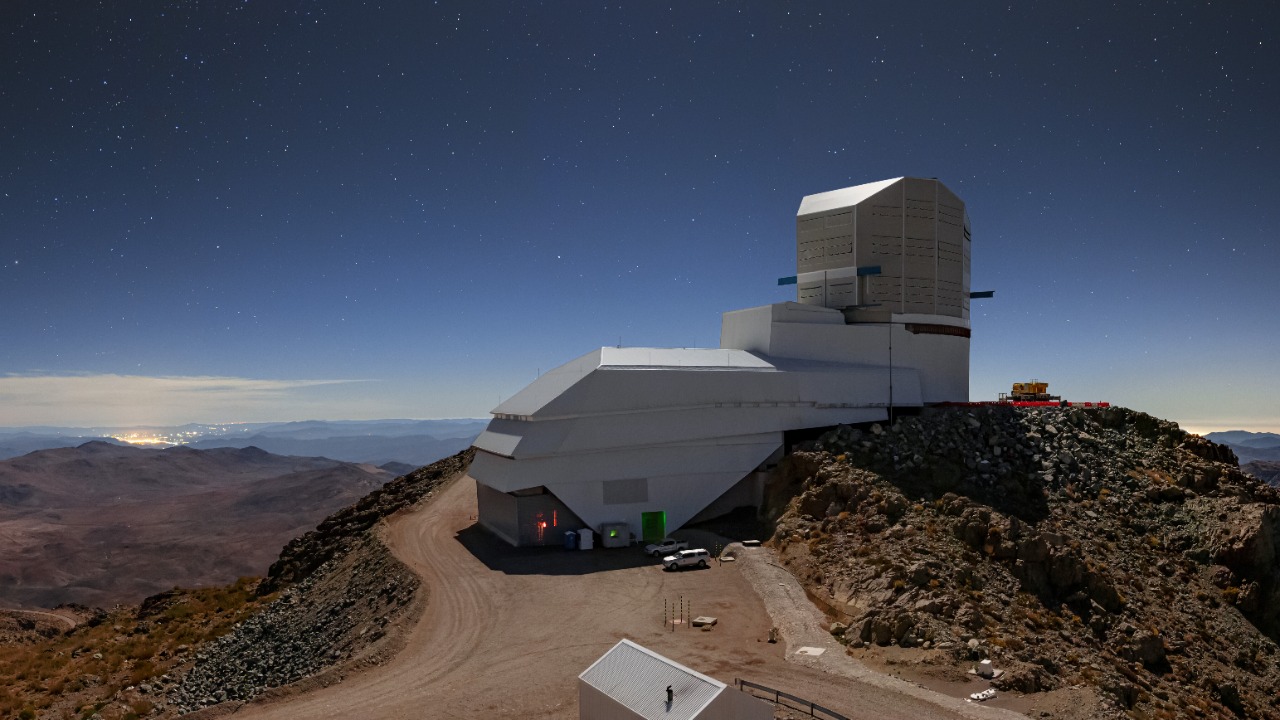
High on a Chilean ridge, the Rubin Observatory pairs an 8.4-meter mirror with the largest digital camera ever built for astronomy. It is designed to photograph the entire southern sky every few nights, over and over.
That relentless cadence powers a ten-year survey that will catalog billions of galaxies and flag anything that moves or flickers, from asteroids to exploding stars. Named for the scientist whose work pointed to dark matter, the facility aims to turn the changing night sky into a searchable, time-lapse record.
4. Extremely Large Telescope: A 39-meter giant taking shape
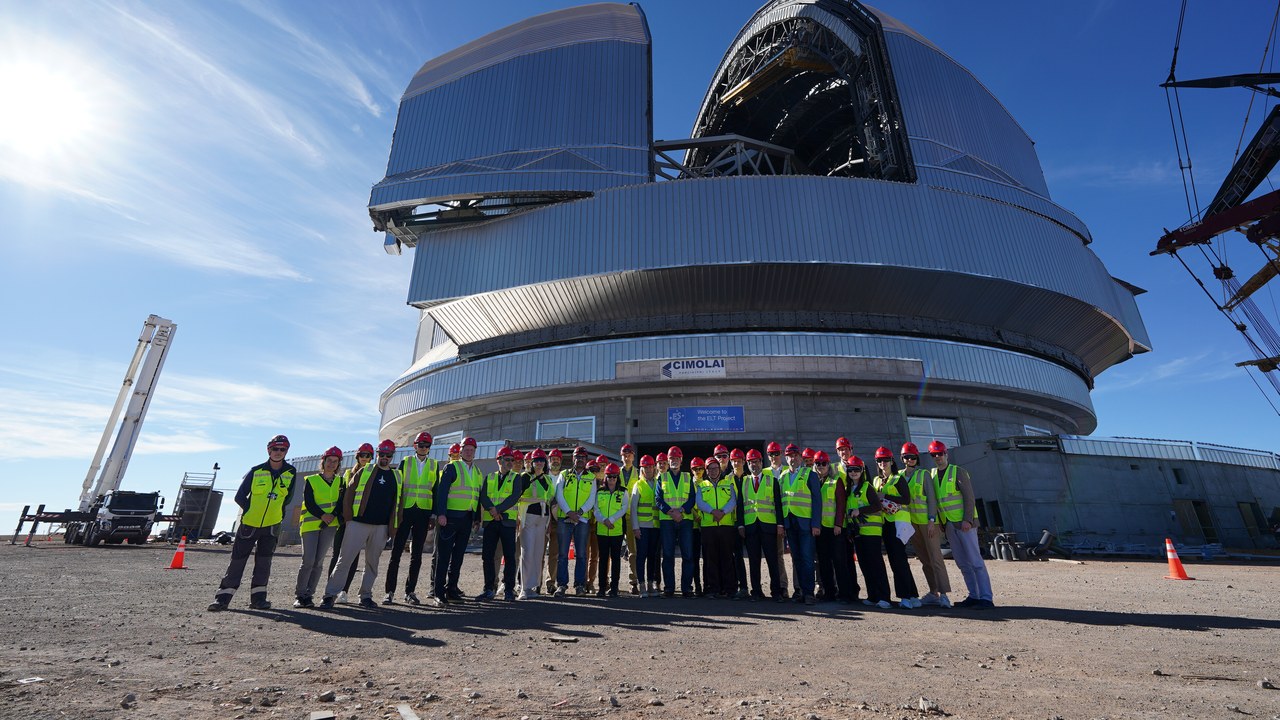
Rising atop a leveled mountaintop in Chile’s Atacama Desert, the Extremely Large Telescope will carry a segmented primary mirror nearly 39 meters across, dwarfing every ground-based optical scope before it.
Its 798 hexagonal segments will act together as one enormous eye, gathering more light than all the world’s existing large telescopes combined. Astronomers expect it to image planets around other stars directly and probe the faint atmospheres of distant worlds for possible signs of life. When finished, its rotating dome will stand among the largest structures ever built for scientific research.
5. Very Large Telescope: Four scopes acting as one
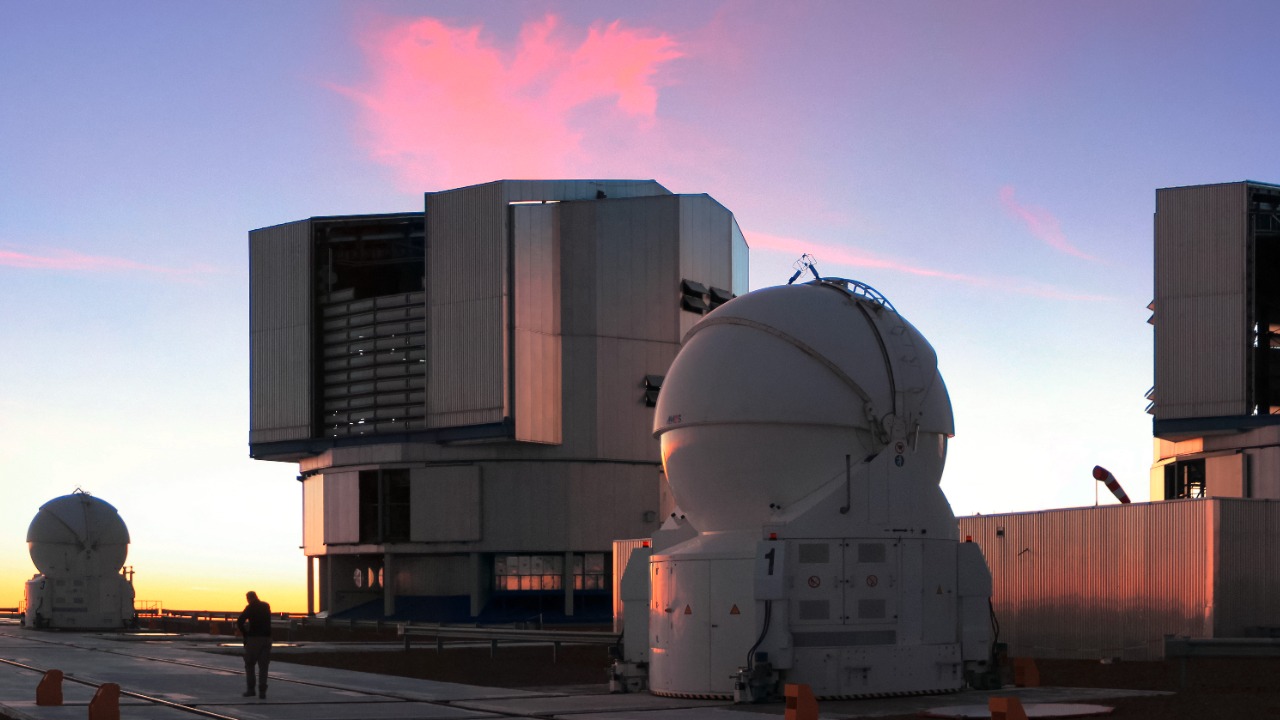
On Cerro Paranal in northern Chile, the Very Large Telescope lines up four 8.2-meter units that can observe separately or combine their light into a single, far sharper virtual instrument.
Linked together, the units resolve detail fine enough to have captured the first direct image of a planet beyond our solar system and to have tracked stars whipping around the black hole at the galaxy’s center. The dry, dark desert air above Paranal, far from city lights, makes it one of the finest observing sites found anywhere on the planet.
6. Keck Observatory: Twin giants on a Hawaiian summit
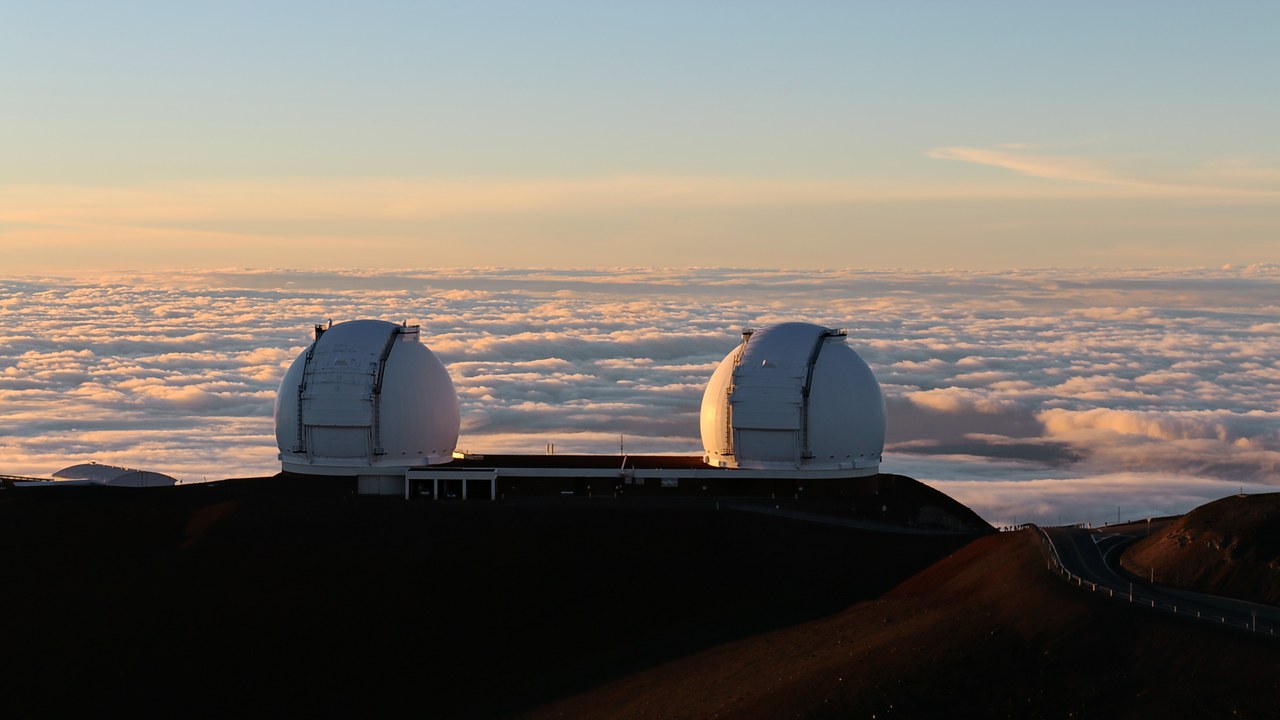
Near the summit of Mauna Kea, the Keck Observatory houses two ten-meter telescopes whose mirrors are each built from 36 hexagonal segments, a design that pioneered today’s giant segmented scopes.
Standing nearly 14,000 feet above the Pacific, the twin domes sit above much of the atmosphere’s blur, delivering remarkably crisp views of faint and distant objects. Keck data helped confirm the accelerating expansion of the universe and continues to weigh distant galaxies, hunt exoplanets, and study the supermassive black hole anchoring the center of the Milky Way today.
7. Atacama Large Millimeter Array: Dozens of dishes on a high plateau
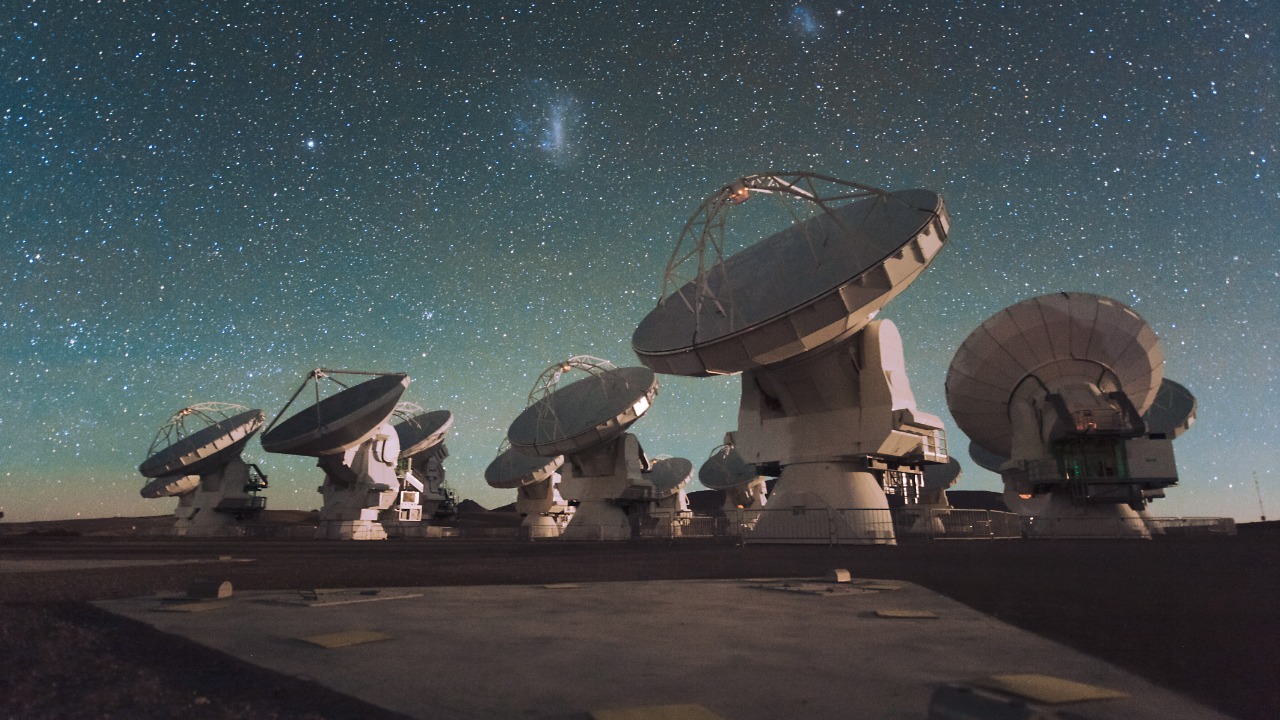
Spread across a windswept plateau more than 16,000 feet up, the Atacama array links 66 movable dishes to observe faint millimeter-wavelength light invisible to the eye.
By working together as one instrument, the antennas reveal cold clouds of gas and dust where new stars and planets are being born, scenes hidden entirely from ordinary telescopes. The extreme, bone-dry altitude keeps atmospheric water vapor from swallowing those delicate signals. Its images of dusty disks encircling young stars have transformed how scientists picture the birth of planetary systems.
8. Green Bank Telescope: The largest steerable dish anywhere
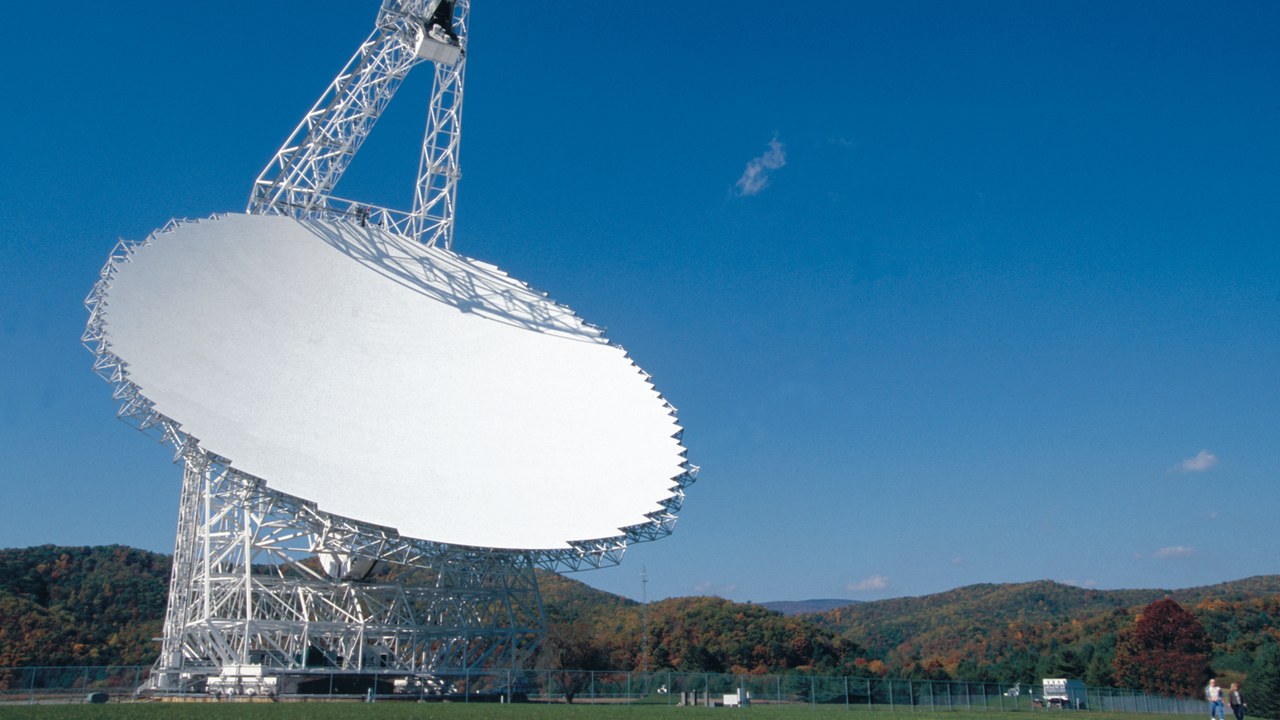
Tucked into a quiet West Virginia valley, the Green Bank Telescope swings a dish more than 100 meters wide, making it the largest fully steerable radio antenna on Earth.
It sits inside a legally protected radio-quiet zone where cellphones and Wi-Fi are restricted, so it can catch the faintest cosmic radio whispers without interference. The instrument studies rapidly spinning pulsars, maps interstellar gas across the galaxy, and lends its enormous ear to searches for signals from possible distant civilizations, listening carefully where optical telescopes simply cannot see.
9. Five-hundred-meter Aperture Spherical Telescope: A dish nestled in a natural bowl
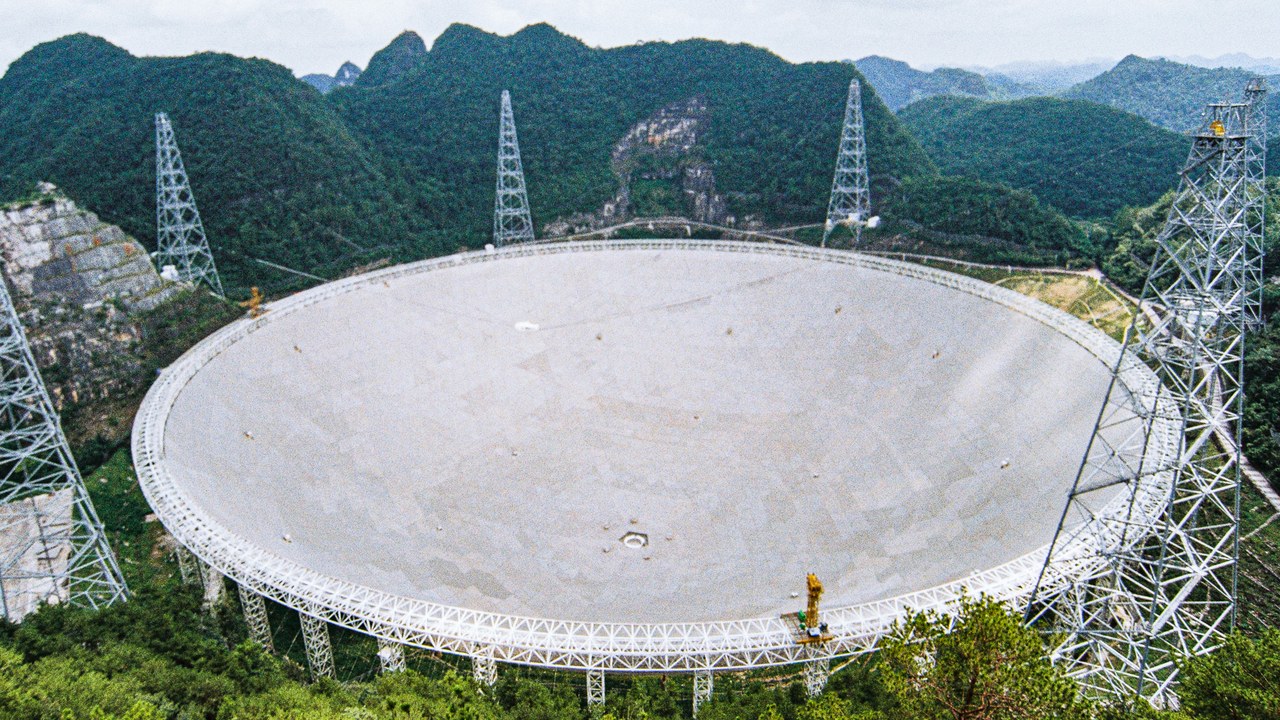
Cradled in a natural sinkhole in southwestern China, the FAST radio telescope spans 500 meters, making it the largest single-dish radio observatory ever constructed.
Thousands of movable panels reshape its curved surface to focus signals from different patches of sky, while a receiver suspended on cables hovers high above the giant reflector. Since it began full operation, the dish has discovered hundreds of previously unknown pulsars and probed mysterious fast radio bursts, patiently listening for some of the universe’s most fleeting and deeply puzzling signals yet detected.
More from Morning Overview
- A skeleton beneath Petra’s Treasury was found clutching a chalice that resembles the Holy Grail
- 8 SUVs mechanics are quietly steering buyers away from in 2026
- Researchers pulled 8,080 pounds of invasive python from one Florida county
- A G3 solar storm could push the northern lights into 26 states tonight
