
For centuries, some of history’s most famous ships vanished without a trace, their fates argued over in newspapers and naval records long after the search parties gave up. Sonar, submersibles, and painstaking archival work have since pulled many of them back into view, from a doomed ocean liner to a Bronze Age trading vessel. Here are nine shipwrecks that explorers eventually tracked down.
1. RMS Titanic: Found After 73 Years
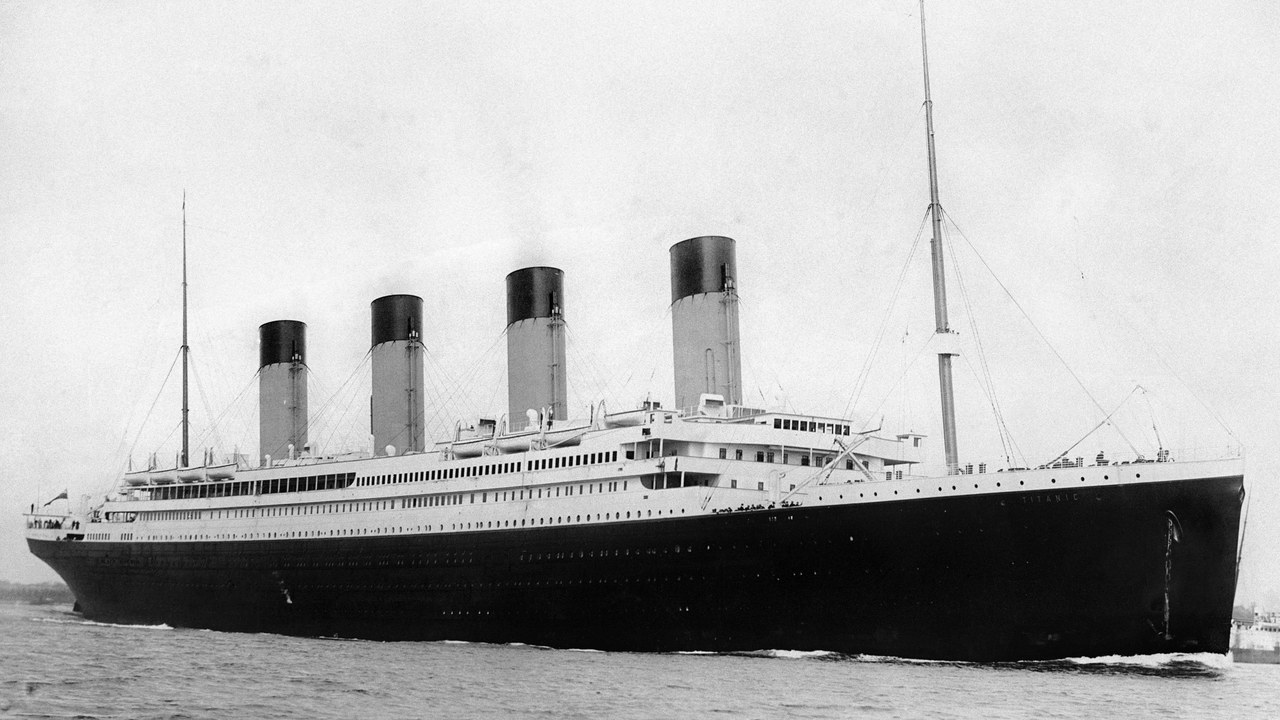
The White Star liner sank in the North Atlantic in 1912 after striking an iceberg during its maiden voyage, with heavy loss of life among the passengers and crew aboard. A joint American-French expedition led by oceanographer Robert Ballard located the wreck in 1985, split into two sections resting nearly 2.5 miles below the surface.
The wreck now sits within a protected zone recognized by international agreement, and metal-eating microbes are slowly consuming the hull, turning each return expedition into a race to document what remains before the ship disintegrates further.
2. Endurance (1912 ship): Shackleton’s Ship Reappears
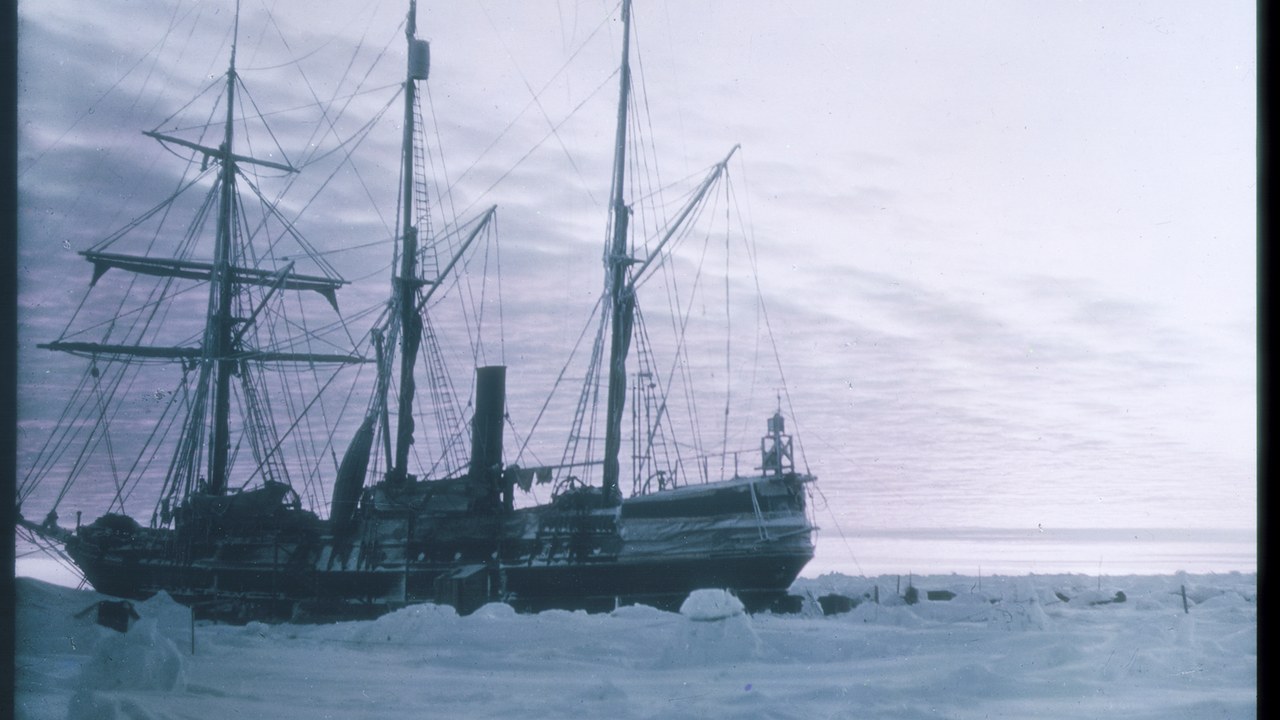
Ernest Shackleton’s polar expedition ship was crushed by pack ice and sank in the Weddell Sea in 1915, forcing his crew onto the ice for a harrowing trek back to safety. A search team located the wreck in March 2022, resting upright on the seafloor beneath the Antarctic ice not far from where it went down.
More than a century underwater, the ship’s timber and even the name painted across its stern had survived largely intact, preserved by the frigid, low-oxygen water, and the site is now protected as a historic monument under the Antarctic Treaty.
3. German battleship Bismarck: The Flagship’s Final Position
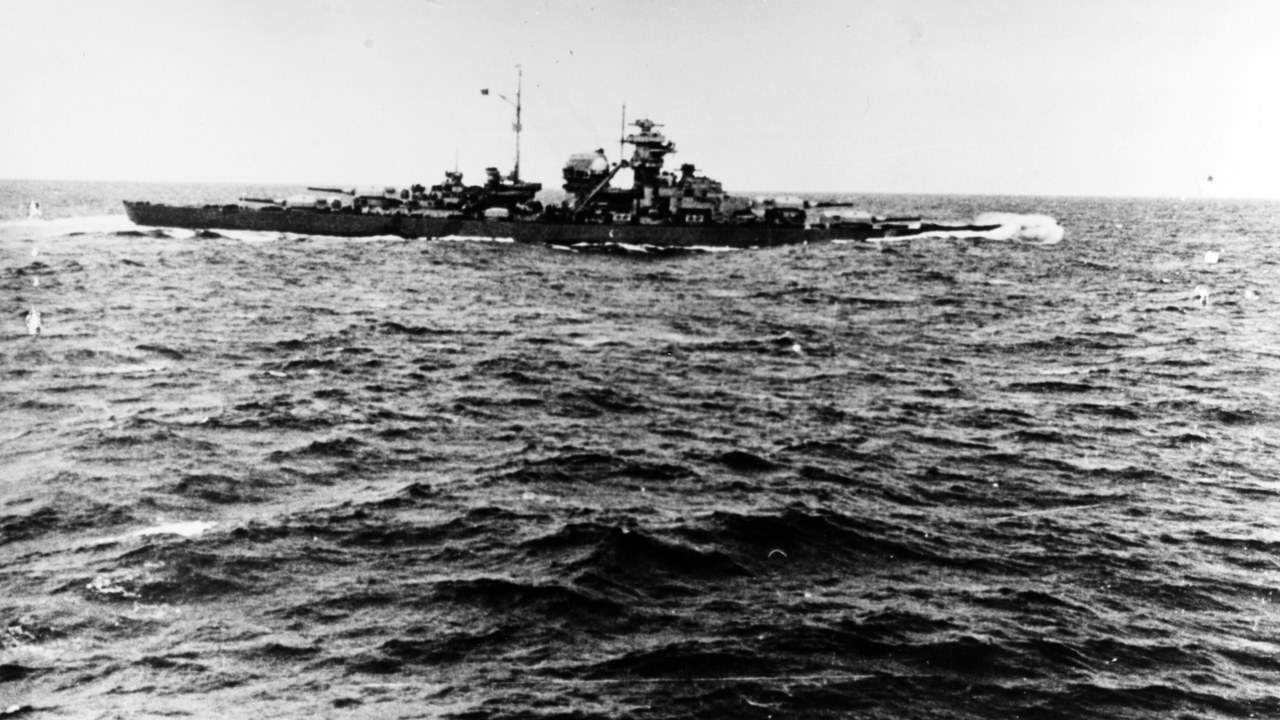
The German navy’s largest warship was sunk by British forces in the North Atlantic in May 1941 after a running battle that followed the earlier sinking of HMS Hood. Oceanographer Robert Ballard’s team found the wreck in 1989, sitting upright on the Atlantic floor more than three miles down.
Whether the crew scuttled the ship or British torpedoes finished it off has remained disputed since the discovery, since the hull shows heavy damage but the footage has not settled which blow proved fatal, leaving historians to keep re-examining the same dive footage decades later.
4. USS Indianapolis: Lost Cruiser Located At Last
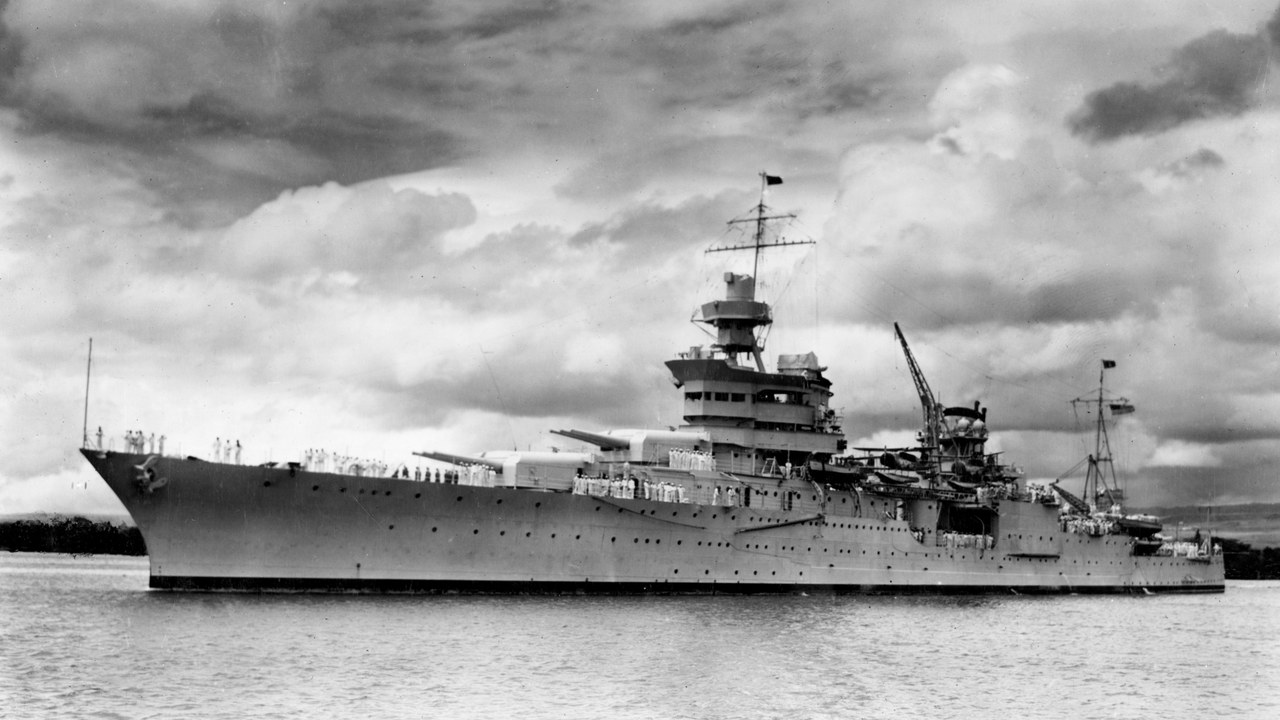
The Navy cruiser was torpedoed by a Japanese submarine in the Philippine Sea in July 1945, days after delivering components for the atomic bombs later used against Japan, and sank within minutes. A privately funded search team located the wreckage in 2017, more than three miles beneath the surface.
Survivors had spent days adrift in open water awaiting rescue after the sinking, and the eventual discovery finally gave historians a confirmed resting place following decades of searches built on imprecise wartime coordinates recorded amid the chaos of the attack.
5. Mary Rose: Henry VIII’s Warship Resurfaces
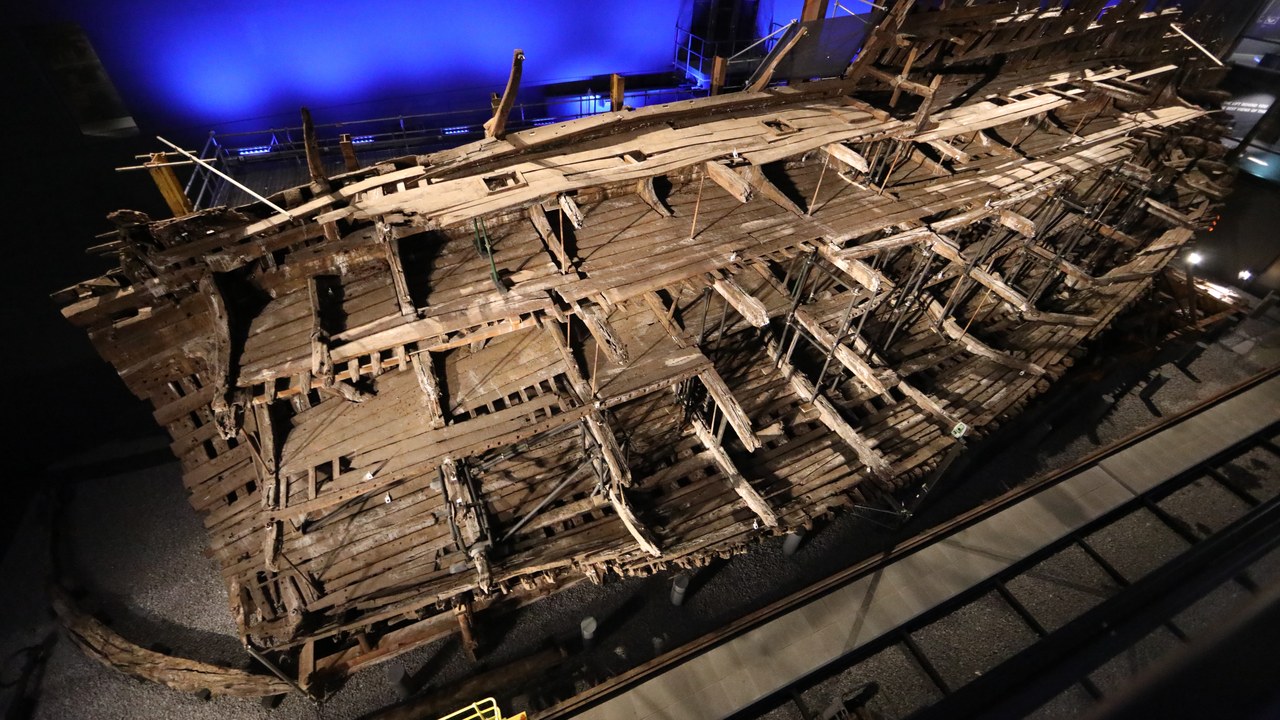
The English warship served King Henry VIII’s navy for decades before capsizing and sinking in the Solent in 1545 while sailing out to engage a French fleet. Archaeologists spent years excavating the site before divers raised the surviving hull in 1982, lifting it intact from the seabed.
The ship is now displayed in a purpose-built museum in Portsmouth alongside thousands of recovered artifacts, offering a rare, near-complete picture of a Tudor-era fighting vessel, its crew, and the everyday tools and weapons the sailors carried aboard it.
6. Vasa (ship): Sunk On Its First Voyage
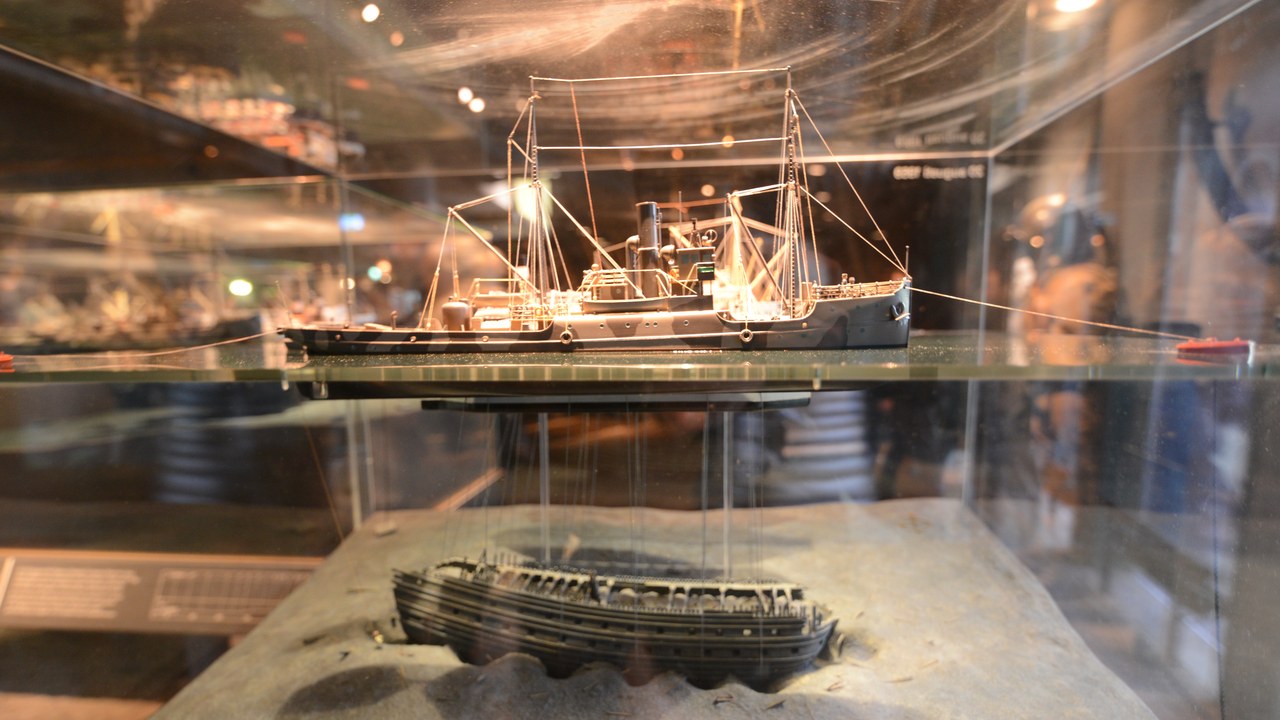
The Swedish warship sank in Stockholm harbor in 1628 on its maiden voyage, capsizing within minutes after a gust of wind exposed a design flaw that left it dangerously top-heavy. Salvage crews raised the ship nearly intact in 1961, more than three centuries after it went down.
Preserved by the harbor’s cold, low-salinity water, the ship’s timber survived remarkably intact, making it one of the most complete seventeenth-century warships ever recovered, and it now anchors its own dedicated museum in Stockholm that draws visitors from around the world.
7. USS Yorktown (CV-5): Carrier Sunk At Midway
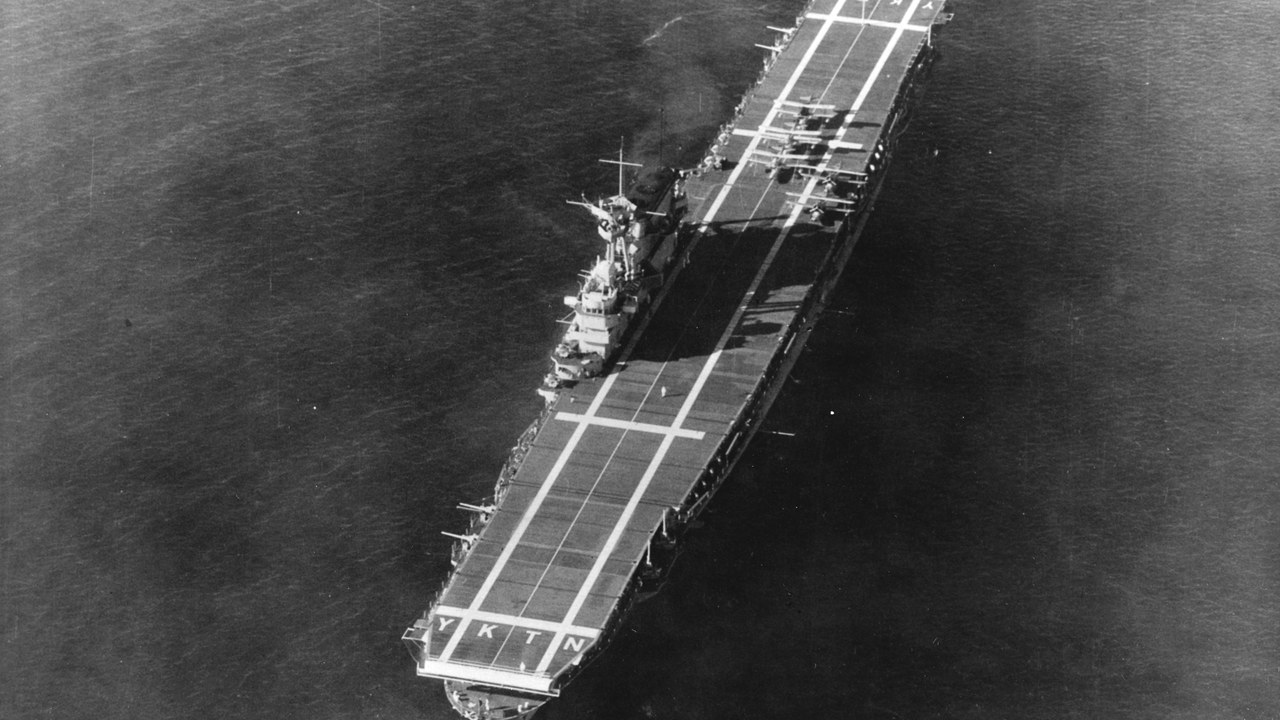
The aircraft carrier USS Yorktown was badly damaged during the Battle of the Coral Sea in May 1942, then rushed back to Pearl Harbor for emergency repairs completed in just days. Weeks later, at the Battle of Midway, Japanese carrier aircraft struck the ship again, and a Japanese submarine torpedoed it as crews worked to save it, and Yorktown sank.
Oceanographer Robert Ballard’s expedition located the wreck in 1998, resting roughly three miles beneath the Pacific surface. Sonar and video surveys found the hull still largely intact, a rare and sobering glimpse of a carrier lost in one of the Pacific War’s defining battles.
8. Antikythera wreck: A Computer From Antiquity
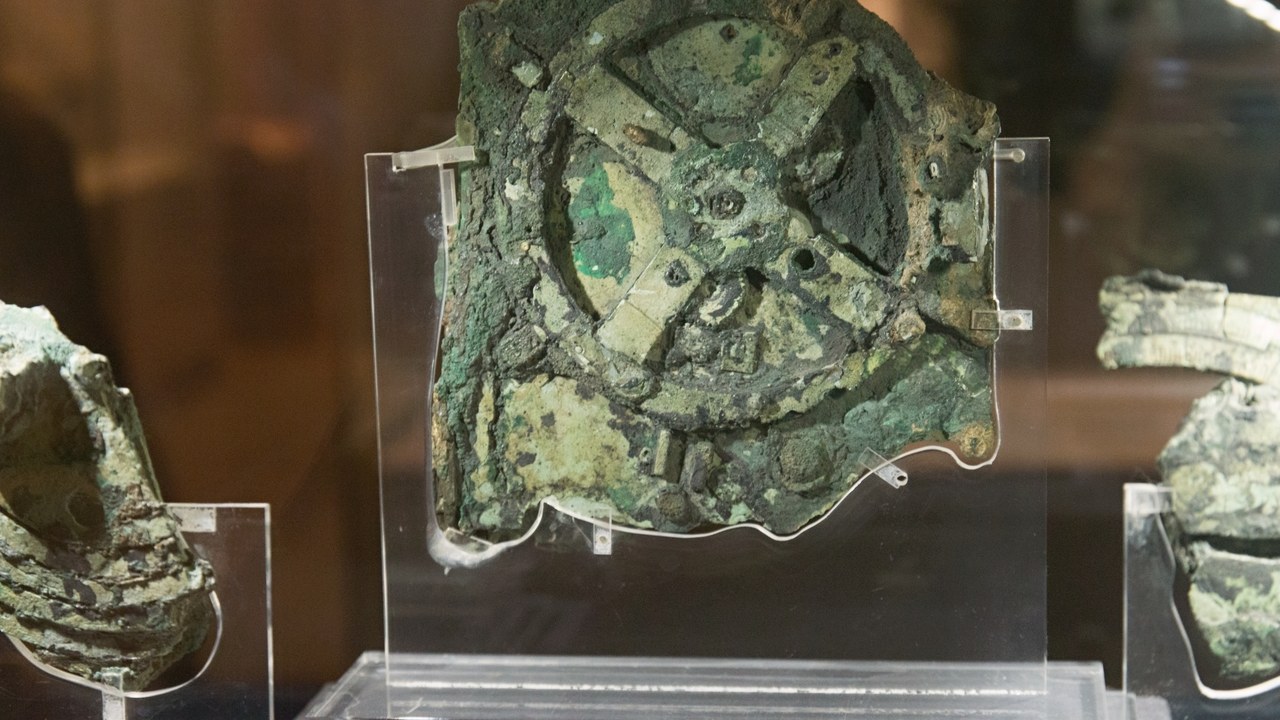
A Roman-era cargo ship sank off the Greek island of Antikythera more than two thousand years ago, carrying bronze and marble statues along with other treasures bound across the Mediterranean. Sponge divers first found the site in 1900, and later excavations recovered the corroded bronze mechanism now known as the Antikythera device.
The device turned out to be a geared instrument for tracking astronomical cycles, and researchers still study the wreck today, believing the surrounding seabed holds further pieces of the ship and its cargo.
9. HMB Endeavour: Captain Cook’s Ship Identified
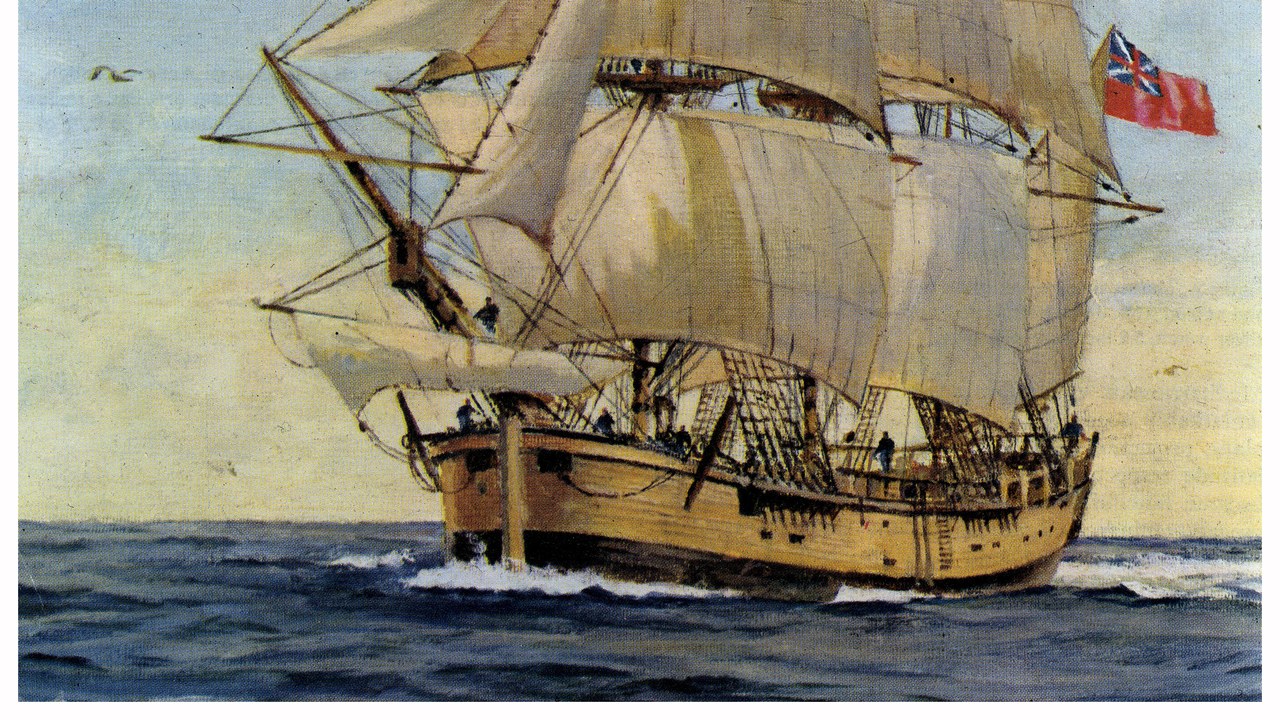
The vessel carried Captain James Cook on his first Pacific voyage before it was later renamed, scuttled, and sunk off Rhode Island during the American Revolutionary War. Maritime archaeologists spent decades investigating a cluster of wrecks in Newport Harbor before formally identifying the remains as the ship.
The identification drew on historical shipping records along with timber and construction details matched against the vessel’s original plans, though some researchers have continued to debate how conclusive the physical evidence really is given the ship’s many later alterations.
More from Morning Overview
- A handful of SUVs keep hitting 300,000 miles, and they share one engine trait
- Supplements now rank as the fifth-leading cause of death from liver disease.
- A study names the one SUV most likely to reach 250,000 miles
- More than 60,000 people flee the Spokane area as complex fires overrun 600 structures
