
Most production engines line their cylinders up in a row, but a handful of cars rejected that formula entirely. Spinning Wankel rotors and flat opposed boxer layouts changed the sound, the balance and the reliability story of each vehicle they powered. Here are nine cars that built their entire identity around one of these unconventional engines.
1. Mazda RX-7: A Quarter Century Without Pistons

Mazda built the RX-7 around a compact Wankel rotary engine for its entire production run, from 1978 through 2002, never switching to a conventional piston layout the way most sports coupes eventually do. Instead of pistons moving up and down in cylinders, a triangular rotor spins inside an oval housing, producing power through rotation alone.
That spinning-rotor design paired with a front mid-engine, rear-wheel-drive chassis to keep the car light, compact and low to the ground, giving the RX-7 a smoother, higher-revving character than piston rivals of similar size. The tradeoff was a reputation for burning oil and needing more frequent maintenance than a conventional four-cylinder engine.
2. Mazda RX-8: A 1.3-Liter Twin-Rotor Trick
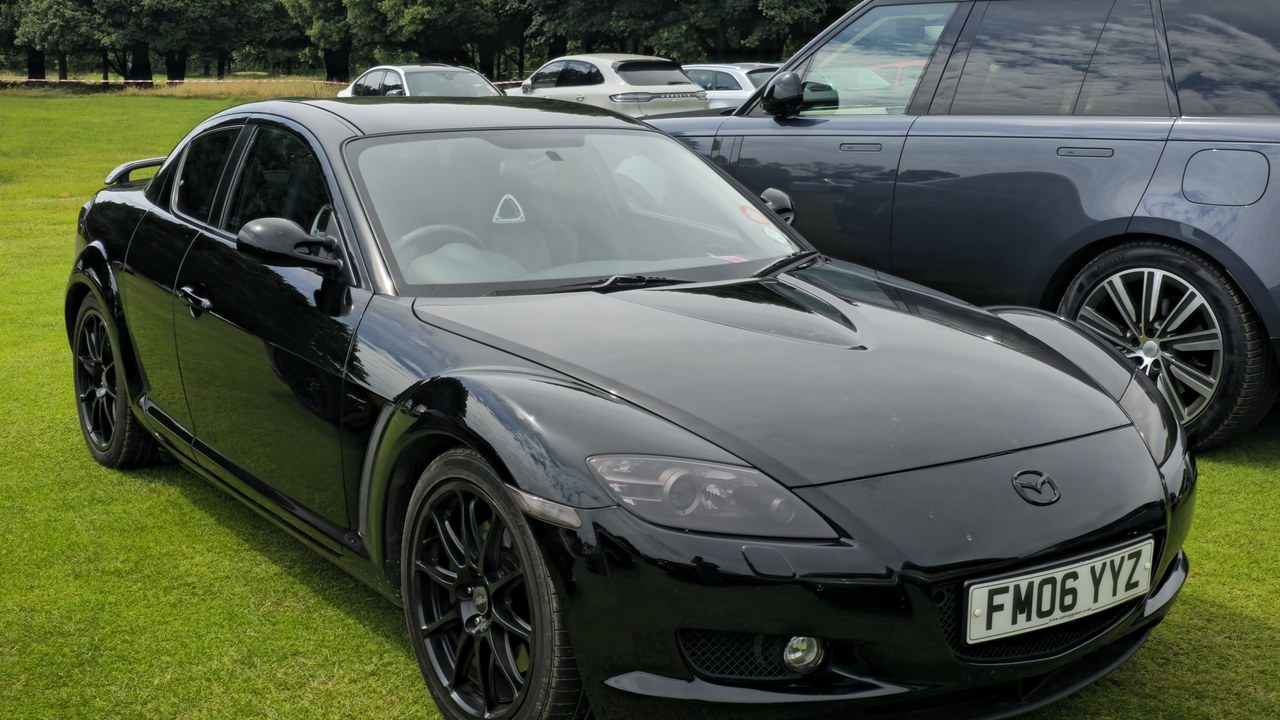
The RX-8 replaced its predecessor’s engine with the RENESIS 13B-MSP engine, a two-rotor Wankel unit that displaced just 1.3 liters yet still pulled the coupe to a high redline. Mazda mounted the ports on the rotor housing’s sides rather than its periphery, a change meant to cut the emissions and fuel-economy problems that had long dogged earlier rotary engines.
That tiny displacement let Mazda tuck the engine low and far back in the chassis, sharpening handling and balance in a way a larger piston four rarely allows. The same side-port design that boosted output also made the RX-8 thirstier and harder on oil than piston-engine competitors, and it needed frequent, attentive maintenance to stay reliable.
3. Mazda Cosmo: Japan’s First Rotary Production Car
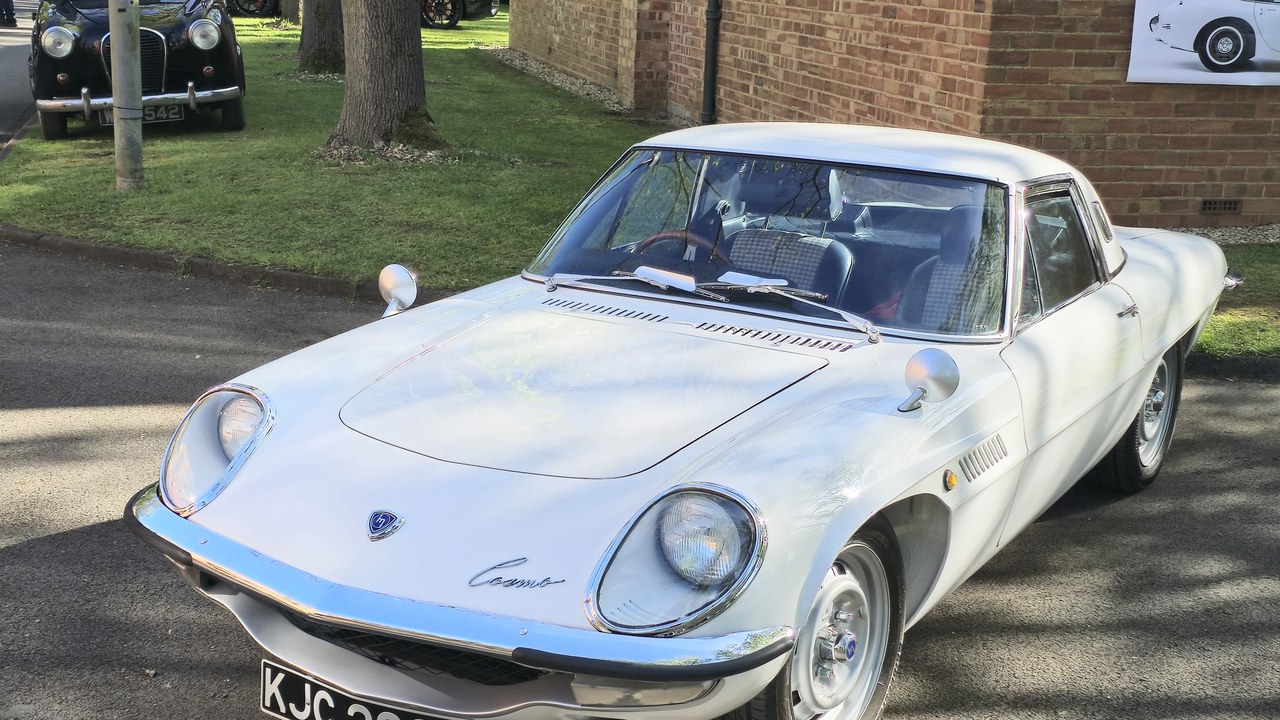
Launched in 1967, the Mazda Cosmo became one of the first production cars anywhere to run a 2-rotor Wankel engine, putting Mazda years ahead of rivals still refining conventional piston designs. A single triangular rotor spinning inside each housing replaced the pistons, connecting rods and valve gear that a normal engine of the same output would have needed.
The Cosmo’s success proved the rotary could survive daily use outside a lab, and it set a template every later Mazda rotary car, from the RX-7 to the RX-8, would follow for decades. Its low, swept-back body previewed the sports-car styling Mazda would keep pairing with rotary power for years afterward.
4. NSU Ro 80: Front-Wheel Drive, Twin-Rotor Power
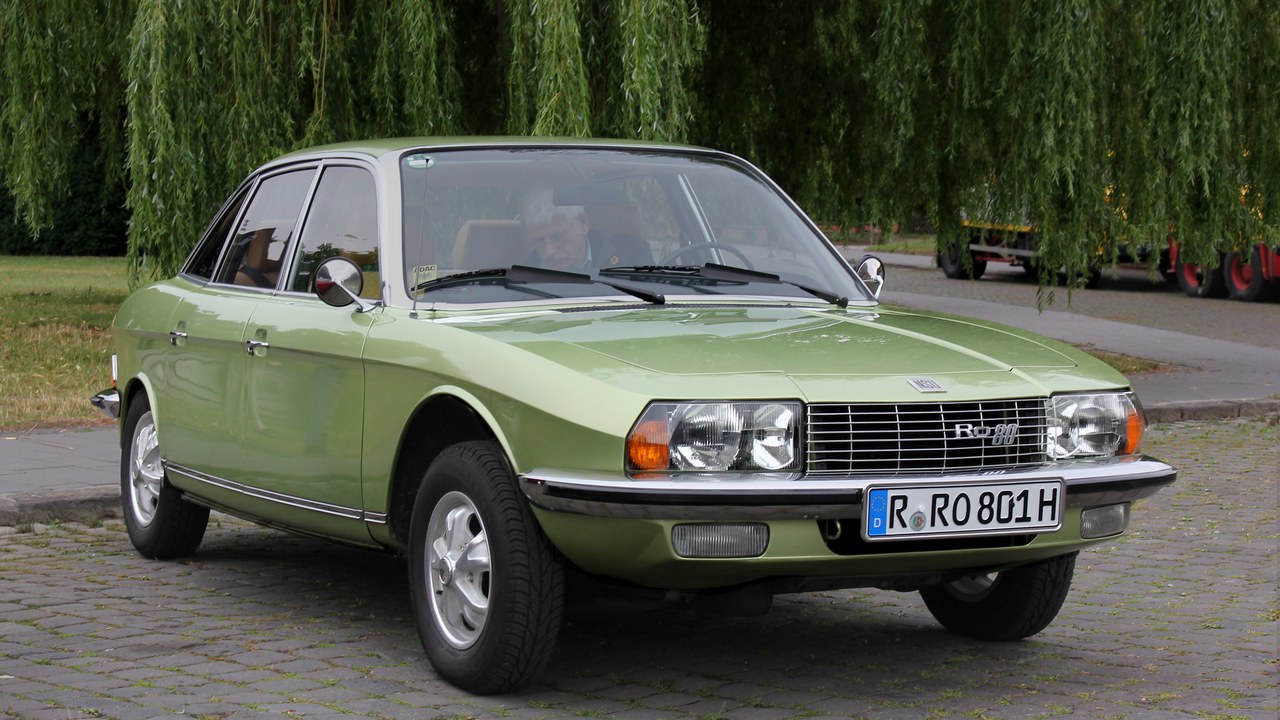
Germany’s NSU Ro 80 paired front-wheel drive with a 995cc twin-rotor Wankel engine making 113 brake horsepower, a combination few manufacturers of the late 1960s dared to build. Two triangular rotors spun inside epitrochoid-shaped housings instead of pistons sliding in cylinders, giving the small engine unusually smooth, vibration-free power delivery for a car of its size.
The sedan’s aerodynamic shape and rotary smoothness made it look decades ahead of its time, previewing design cues later production sedans would adopt. Early rotor-seal wear problems became so costly to fix under warranty that they helped push financially strained NSU into a merger with Audi.
5. Subaru WRX: The Boxer Four Rivals Skip
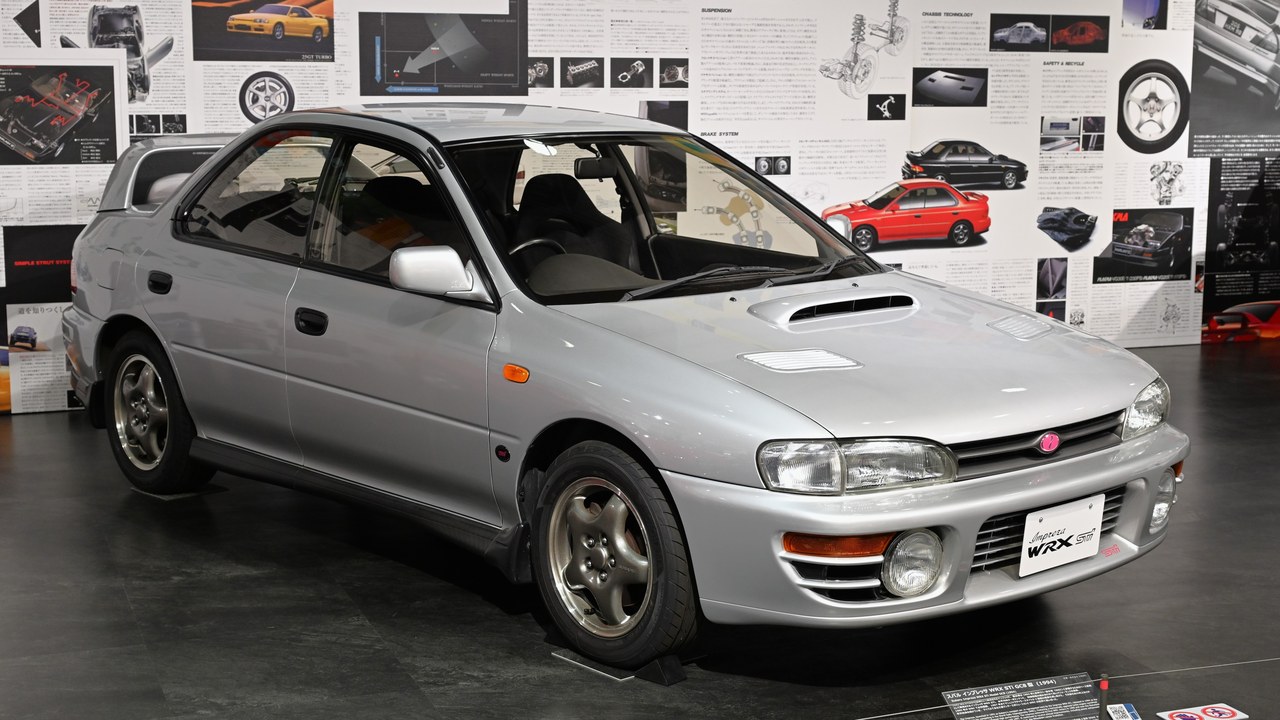
Where most sport sedans use an inline four, the Subaru WRX runs a turbocharged horizontally opposed boxer engine, the FA24F 2.4-liter, sending power to all four wheels. In a boxer layout, pistons on opposite sides of the crankshaft move outward and inward together, canceling much of the vibration a conventional inline engine produces.
Mounting the cylinders flat instead of upright lowers the WRX’s center of gravity and cuts vibration, a packaging trick almost no other mainstream rival sedan bothers to build around. That low, wide engine placement also helps the car feel planted through corners where taller inline-four competitors tend to lean more.
6. Subaru Outback: A Wagon Built Around Flat Cylinders
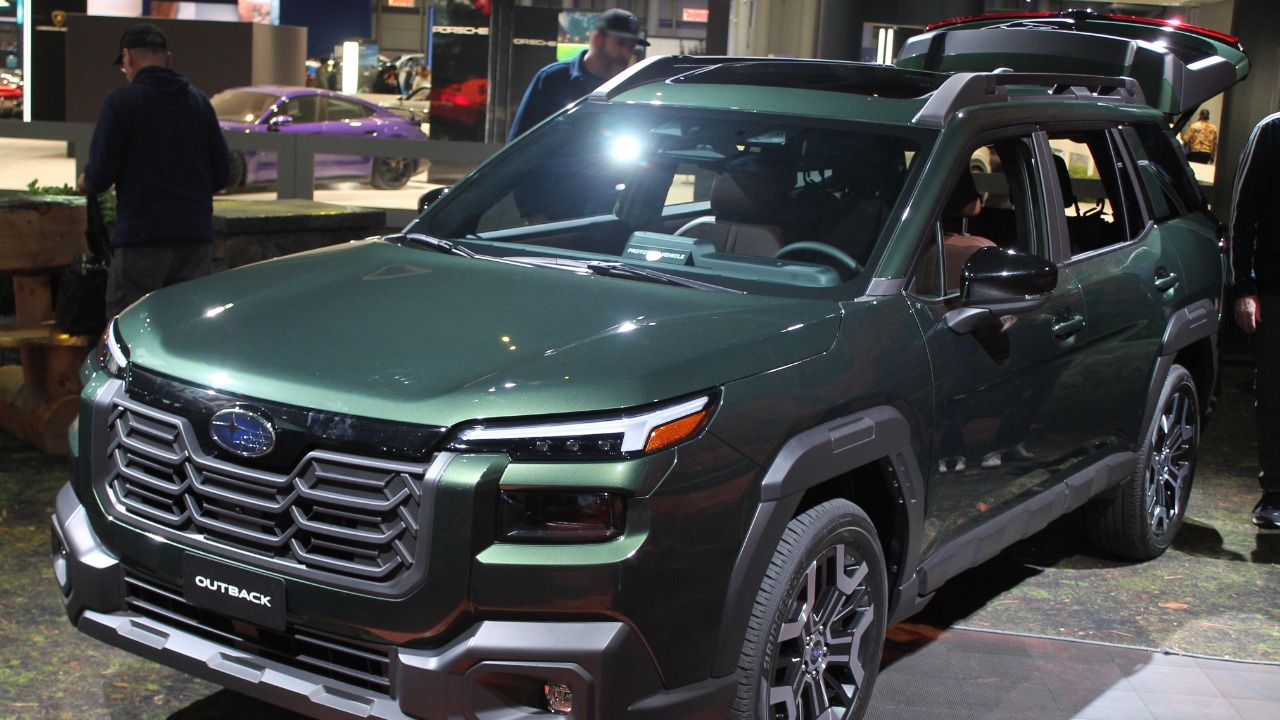
Every generation of the Subaru Outback has run a horizontally opposed boxer four-cylinder, a naturally aspirated 2.5-liter base unit with a turbocharged 2.4-liter version offered on the XT and Wilderness trims. Spreading the cylinders out flat instead of stacking them upright keeps the engine short and low, which suits a wagon built for both pavement and light off-road trails.
That flat-engine layout keeps weight low in the chassis, an unusual choice among mainstream wagons and crossovers, most of which mount conventional upright four- or six-cylinder engines instead. Owners have long pointed to the boxer’s distinctive burble at idle as one of the small details that sets an Outback apart from a typical crossover.
7. Porsche 911: Six Decades, One Flat-Six
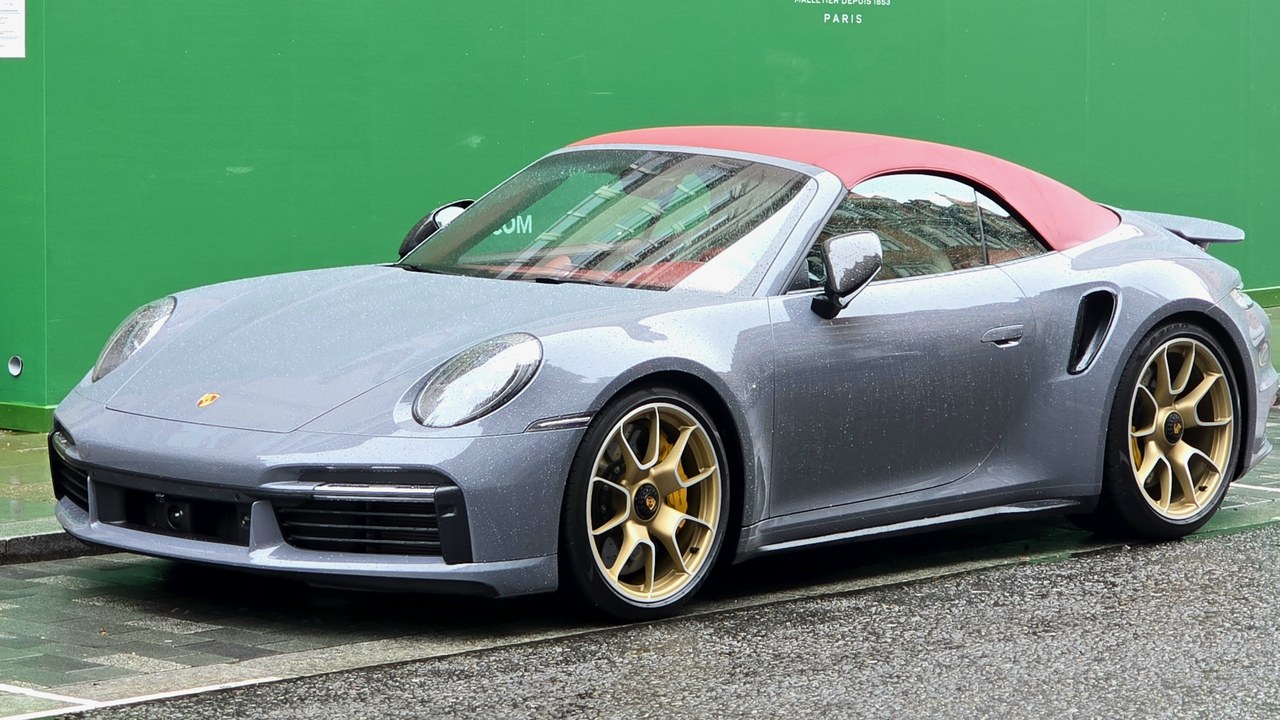
Porsche has never fitted the 911 with anything but a rear-mounted flat-six engine, a layout the model has carried unbroken since its debut more than six decades ago. Hanging six horizontally opposed cylinders out behind the rear axle is a packaging choice almost no other sports-car maker has kept for so long.
That layout gives the 911 its signature growl and its tail-heavy weight balance, a formula rivals have copied but never fully replicated. Engineers have had to work around the physics of a rear-mounted engine on every generation, tuning suspension and aerodynamics to tame handling traits a mid- or front-engine car would not face.
8. Volkswagen Beetle (original): The Air-Cooled Formula That Defined It
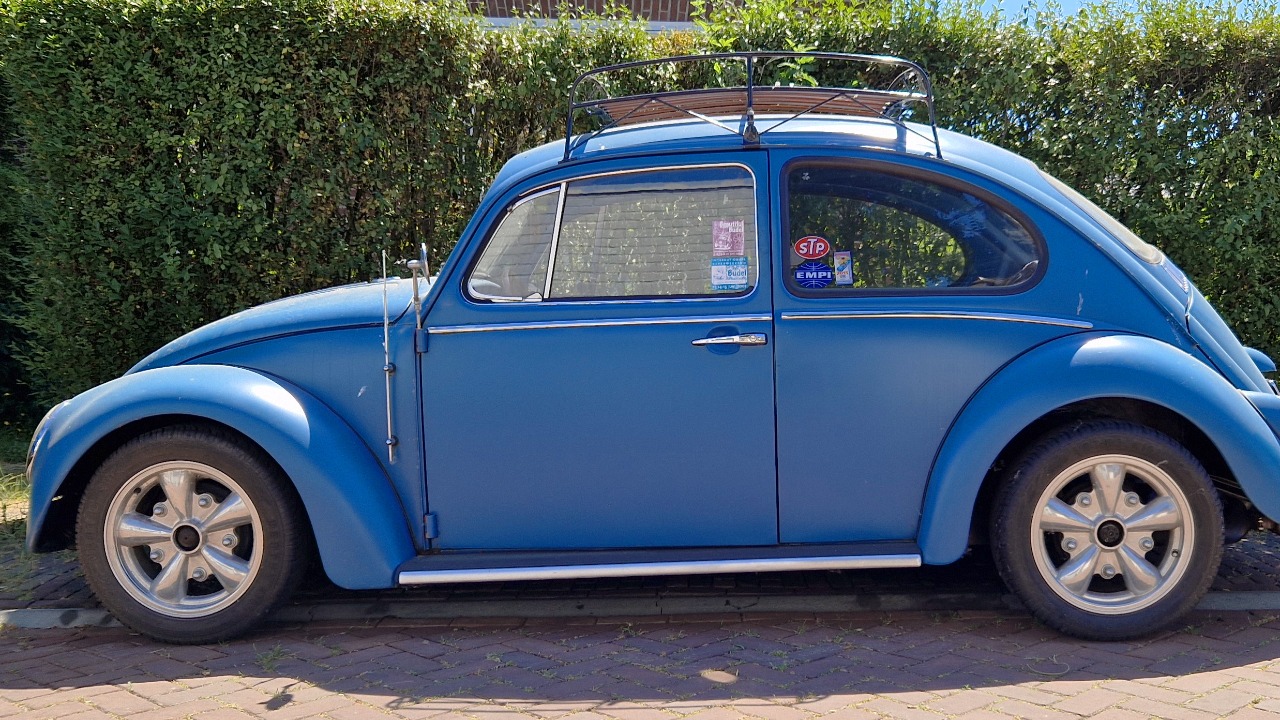
The original Volkswagen Beetle carried a rear-mounted, air-cooled flat-four engine driving the rear wheels, a boxer layout that stayed largely unchanged across decades of worldwide production. With no radiator, hoses or coolant to manage, the design gave owners one less system to maintain and freeze-proofed the car for cold climates.
Skipping a radiator and coolant lines simplified the car and kept manufacturing costs down, helping the Beetle become one of the best-selling cars in history despite its unconventional engine placement. The rear-engine, boxer layout also shaped the car’s rounded silhouette, since there was no need for a long hood to cover a front-mounted engine.
9. Chevrolet Corvair: America’s Lone Flat-Six Experiment
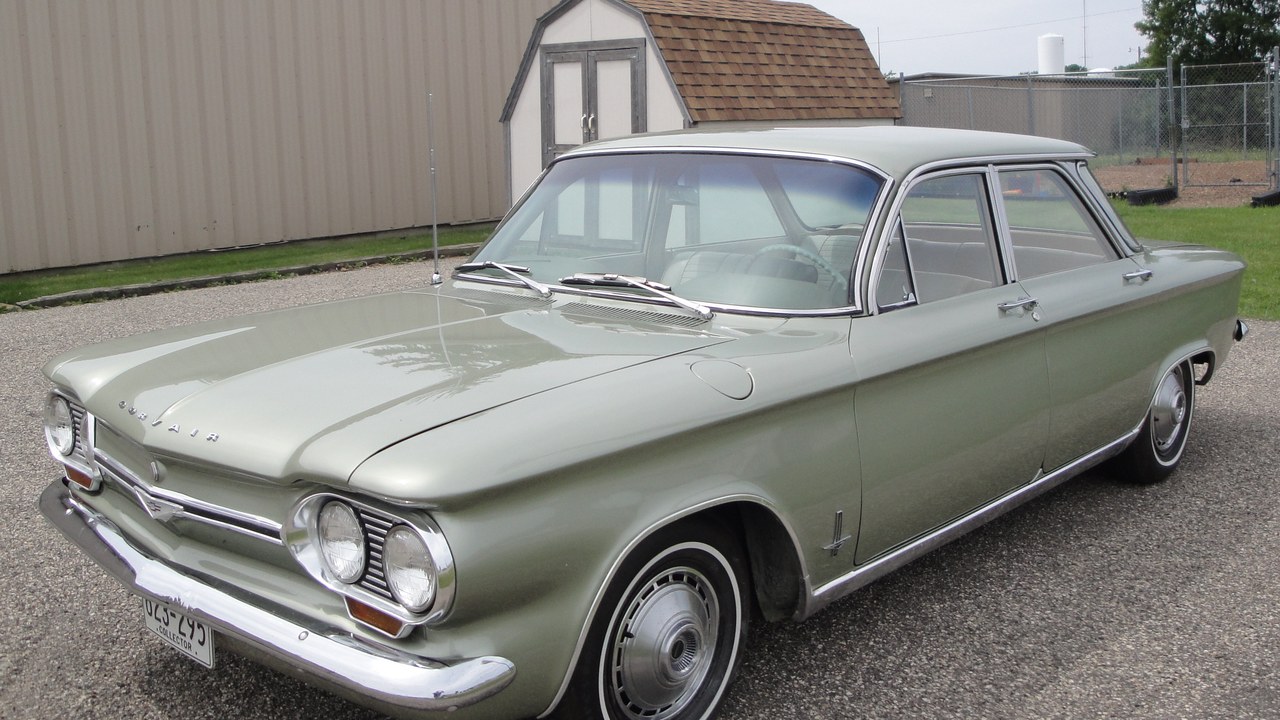
General Motors gave the Chevrolet Corvair an air-cooled flat-six engine, making it the only mass-produced American car built around a horizontally opposed six-cylinder with major aluminum components. Mounting the engine flat over the rear axle, rather than upright under a front hood, was a radical departure from every other Detroit sedan of the era.
That rear-engine, boxer-six layout made the Corvair unlike anything else Detroit built at the time, trading a conventional front-engine, rear-drive setup for one borrowed more from European small cars. Its unusual weight distribution and handling characteristics later drew scrutiny that helped reshape how American automakers approached vehicle safety.
More from Morning Overview
