
The grocery staples that fill ordinary shopping carts rest on a narrow band of climate, and that band is moving. Rising heat, erratic rainfall, thirsty soils, and stressed pollinators are already nudging familiar crops toward tighter, pricier harvests. Warming does not erase these foods overnight, but it steadily squeezes the places that can still grow them, and these nine show the strain.
1. Coffee: A Shrinking Bean Belt
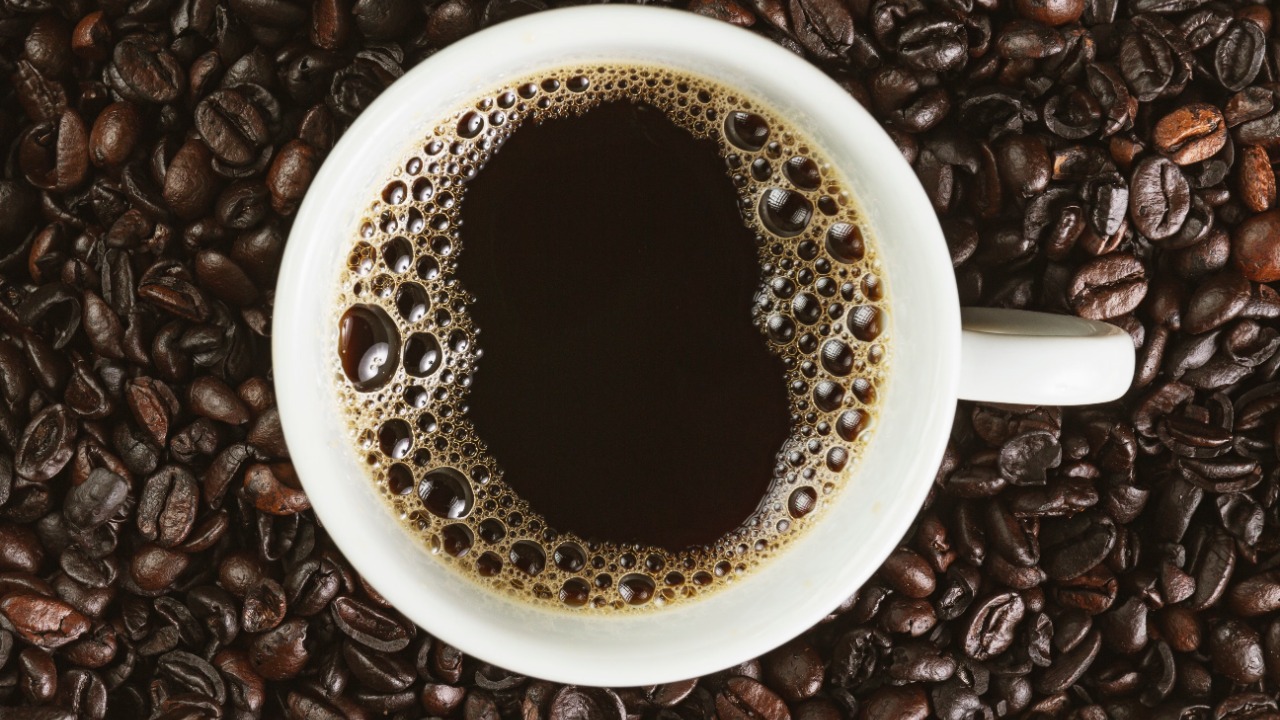
Coffee grows well only within a narrow tropical band, and that comfort zone is contracting as temperatures climb. A review of climate-threatened crops warns that up to 60 percent of wild coffee species face extinction, while the arabica beans behind most cups tolerate an even tighter range of heat and rainfall.
Suitable highland acreage across Latin America could fall sharply by mid-century, pushing farms uphill and pressuring both yields and prices. Robusta offers a hardier fallback, yet its coarser flavor keeps many specialty roasters from fully embracing it.
2. Cocoa bean: Chocolate Under Heat
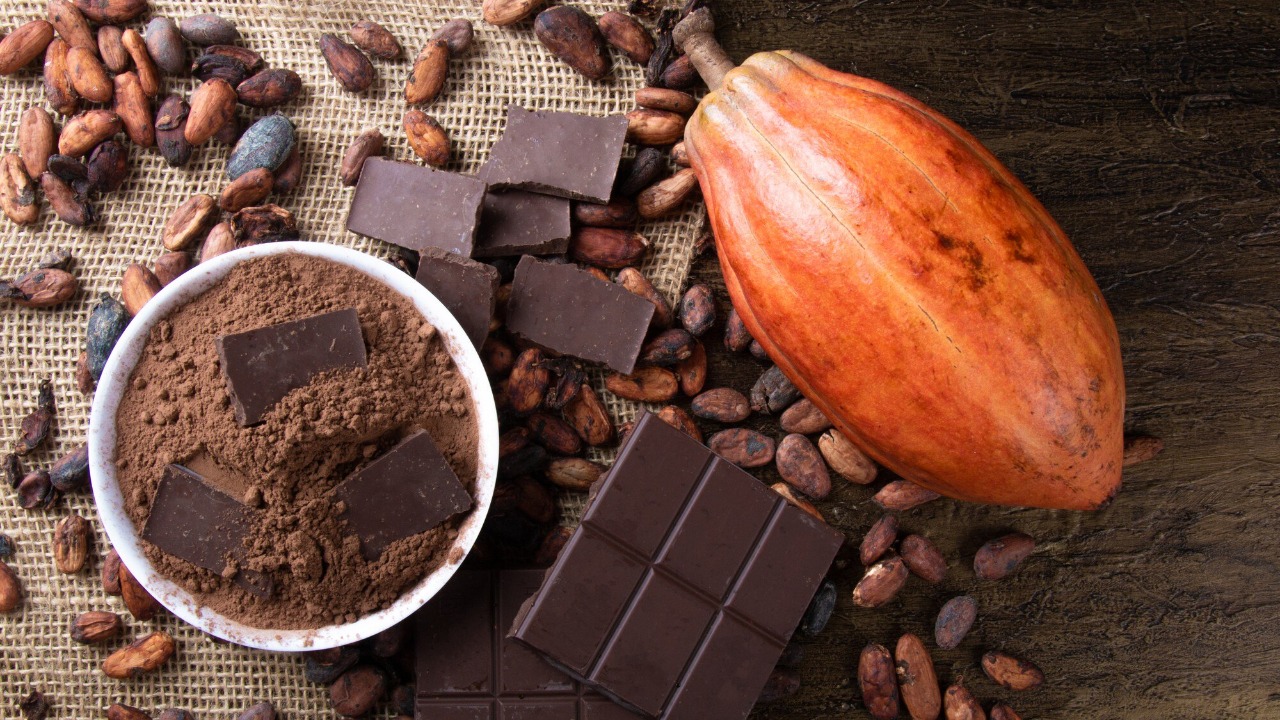
Cacao demands steady warmth, deep shade, and reliable moisture, a combination that West Africa’s dominant growing belt may struggle to keep. Conservation groups tracking foods threatened by warming caution that roughly a third of today’s cacao trees could die out by 2050 as suitable zones shift to higher, cooler ground.
Much of that terrain sits inside protected forest, so replacing lost groves risks clearing habitat rather than simply relocating farms elsewhere. Rising demand for chocolate collides with a slow-growing plant that cannot easily follow the climate uphill.
3. Banana: One Variety, One Threat
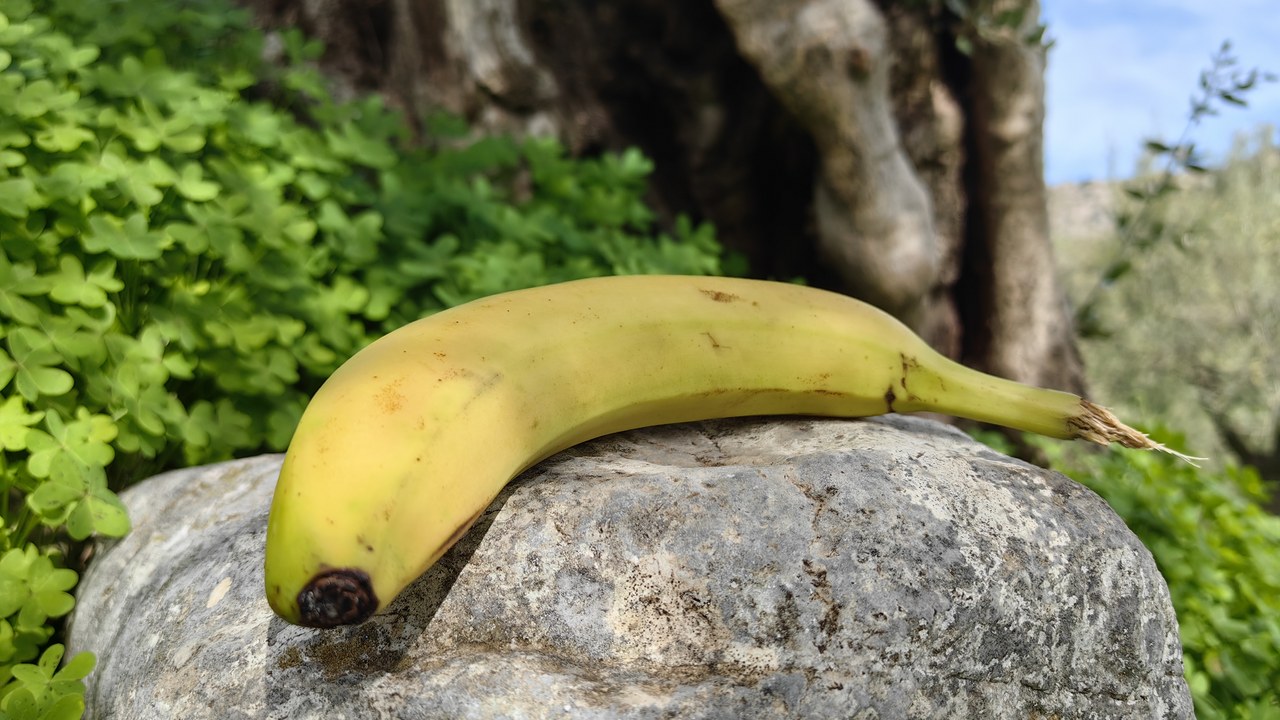
Nearly all exported bananas are a single clone, the Cavendish, which leaves the global supply dangerously uniform. Analysts cataloging crops endangered by climate change note that warmer, wetter conditions help spread a soil fungus known as Panama disease, which has no reliable cure and moves quietly through entire plantations.
Because every Cavendish plant shares the same genetics, a single pathogen that fells one can eventually fell them all. Breeders are hunting resistant varieties, though a true replacement for the ubiquitous supermarket banana has yet to reach commercial scale.
4. Wine: Vineyards On The Move
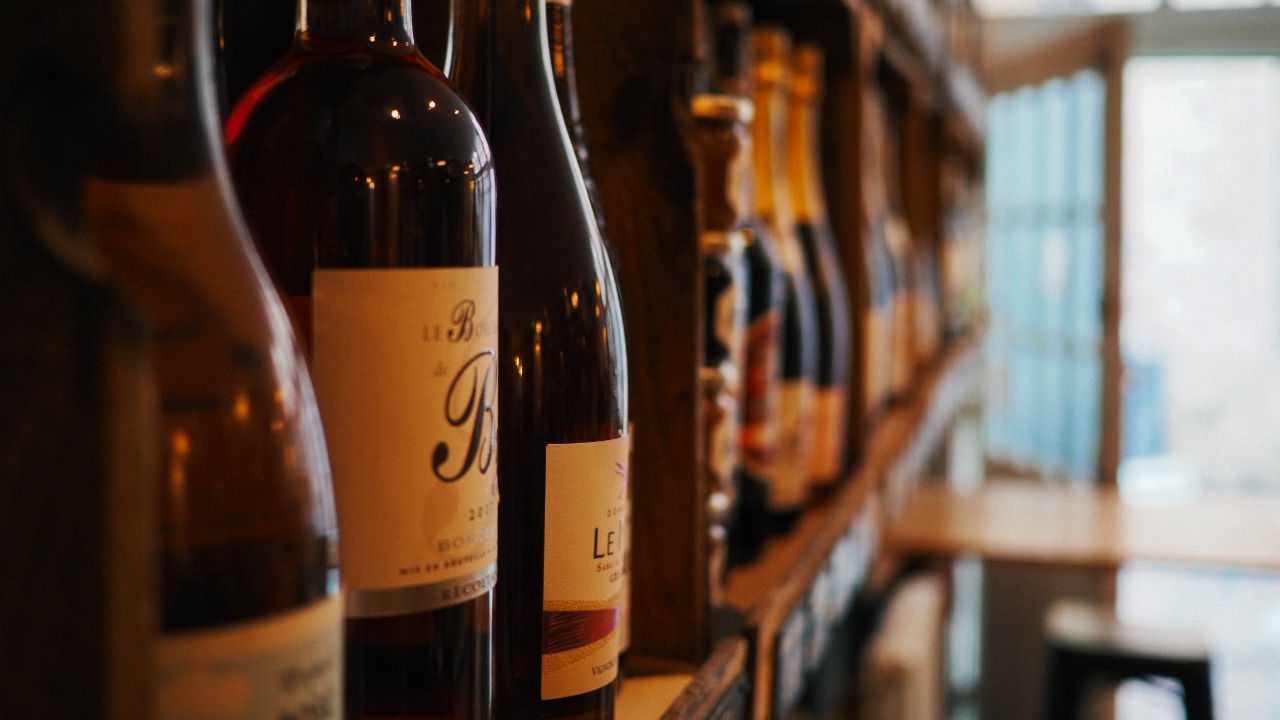
Wine grapes ripen within a fussy temperature window, and even a single degree of warming can reshape where they thrive. Surveys of climate pressure on beloved foods project that established regions across France, Spain, and California could lose large shares of suitable land as cooler zones farther north gain ground.
Warmer seasons push sugars up and acidity down, altering the delicate balance that defines a region’s signature style. Growers can adapt with new varieties and shade cloth, yet centuries of local identity remain difficult to transplant elsewhere.
5. Honey: Pollinators Under Pressure
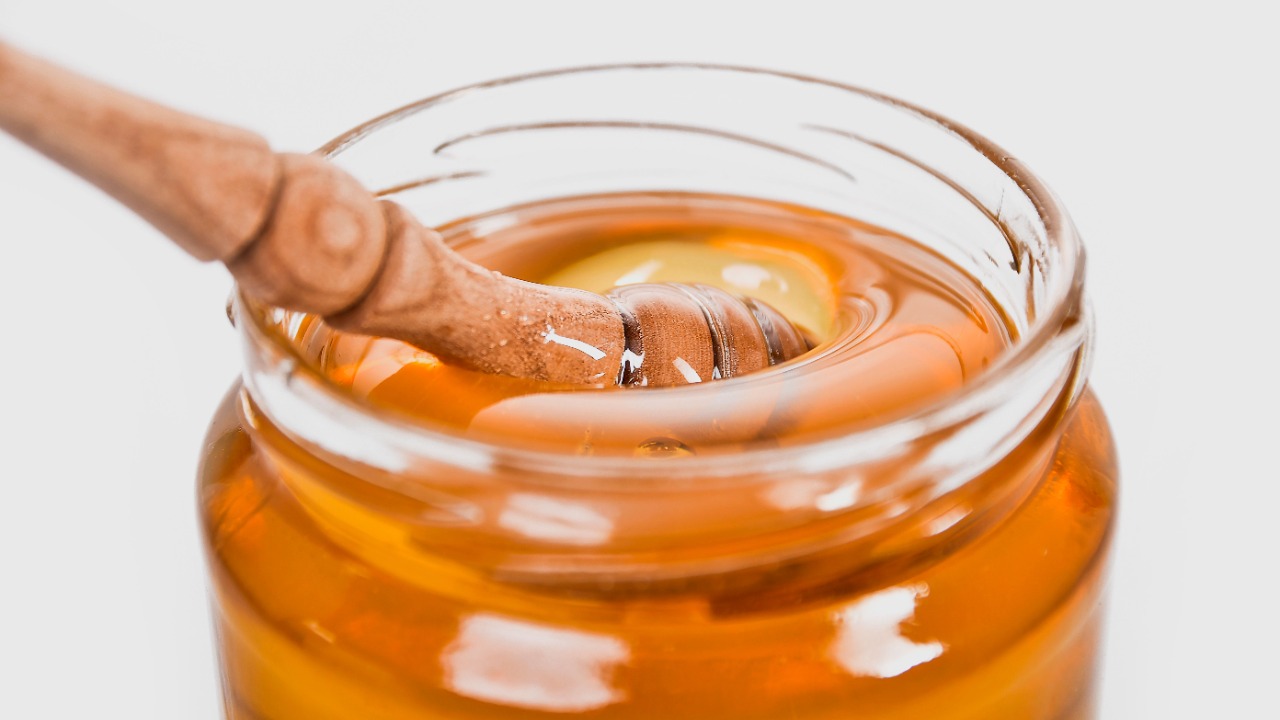
Honey depends on the health of bees, and those pollinators are straining under heat, drought, and disrupted bloom timing. Groups documenting threats to favorite foods point to colony stress and mismatched flowering seasons that leave hives with fewer blooms to work when they need them most.
When nectar sources thin out, colonies weaken and honey output drops, rippling through the many crops that also rely on bee visits. Beekeepers can supplement feeding, but they cannot manufacture the abundant wild forage a stable climate once provided.
6. Almond: Thirsty Orchards
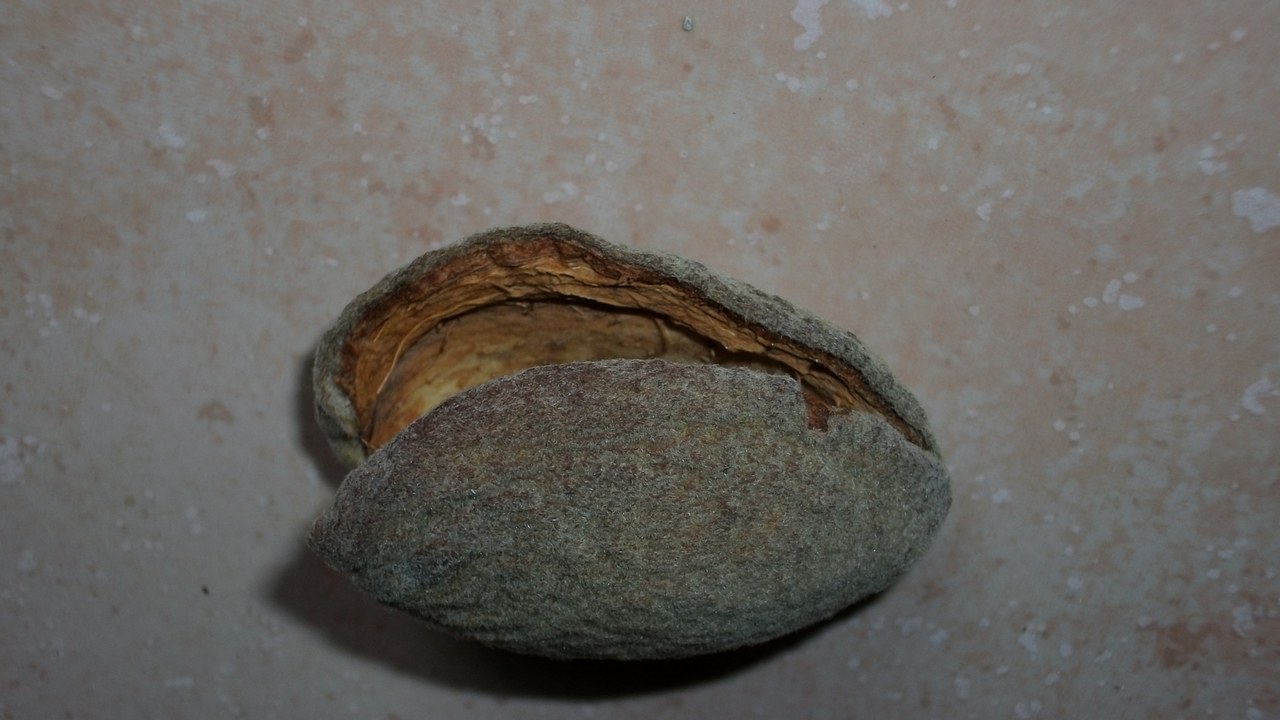
Almonds carry a heavy water footprint, and most of the world’s supply grows in drought-prone California. Reviews of foods at risk from a warming planet flag the crop’s reliance on irrigation drawn from shrinking snowpack and stressed aquifers, a supply that grows less dependable as dry years lengthen.
Prolonged drought forces growers to fallow acreage or pull mature trees that take years to replace, tightening a global market. Warmer winters add a second problem by cutting the chill hours that almond blossoms need to set fruit properly.
7. Maple syrup: A Shorter Sugaring Season

Maple syrup depends on the freeze-and-thaw rhythm of late winter, when cold nights and mild days push sap up through the trees. Accounts of warming’s reach into the pantry describe a tapping window drifting earlier and growing shorter across the Northeast as winters soften and reliable cold retreats.
A compressed season leaves less time to collect sap and can lower its sugar content, forcing far more boiling for each finished jar. Sugar maples themselves may gradually shift northward, carrying much of the industry toward Canada over the coming decades.
8. Avocado: Water-Hungry Groves
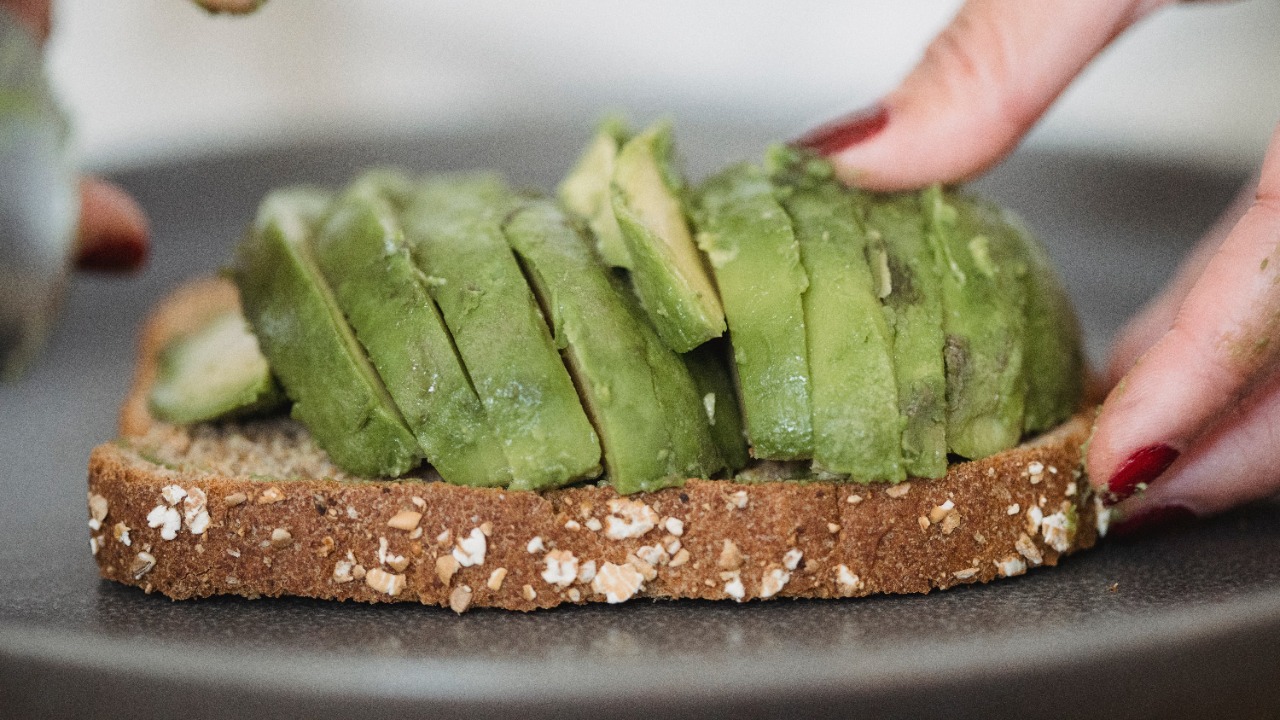
Avocados are famously thirsty, requiring large volumes of water to bring each single fruit to market. Organizations mapping climate strain on staple foods highlight how longer, deeper droughts in key regions such as Mexico and California squeeze the groves and drive costs steadily upward for a now-global fruit.
Water scarcity can push cultivation into new areas, sometimes at the expense of forests cleared to plant additional trees. Heat spikes during flowering also knock down fruit set, adding fresh volatility to markets and already tight global supplies.
9. Atlantic salmon: Warming Rivers, Fewer Runs

Atlantic salmon need cold, oxygen-rich rivers to spawn and cool ocean waters to mature, and both are steadily warming. Assessments of species pressured by climate change tie rising stream temperatures, altered river flows, and shifting ocean conditions to shrinking wild runs already thinned by dams and overfishing.
Warmer water holds less oxygen and stresses migrating fish, weakening the populations that sustain both river ecosystems and coastal fisheries. Farmed salmon fills much of the gap, yet it carries its own persistent concerns over disease and escapes.
More from Morning Overview
- The NSA is again telling phone owners to switch off one location setting
- A handful of car transmissions are so tough mechanics say they almost never fail
- A handful of SUVs keep hitting 300,000 miles, and they share one engine trait
- Supplements now rank as the fifth-leading cause of death from liver disease.
