
Automakers retire nameplates for reasons that make sense on a spreadsheet and almost none that make sense in a garage. Decades later, the models that vanished still fill auction listings, forum threads and rising price guides, because nothing currently on sale quite replaces them. Here are nine departed models that keep topping revival wish lists.
1. Ford Crown Victoria: The Last Body-On-Frame Sedan
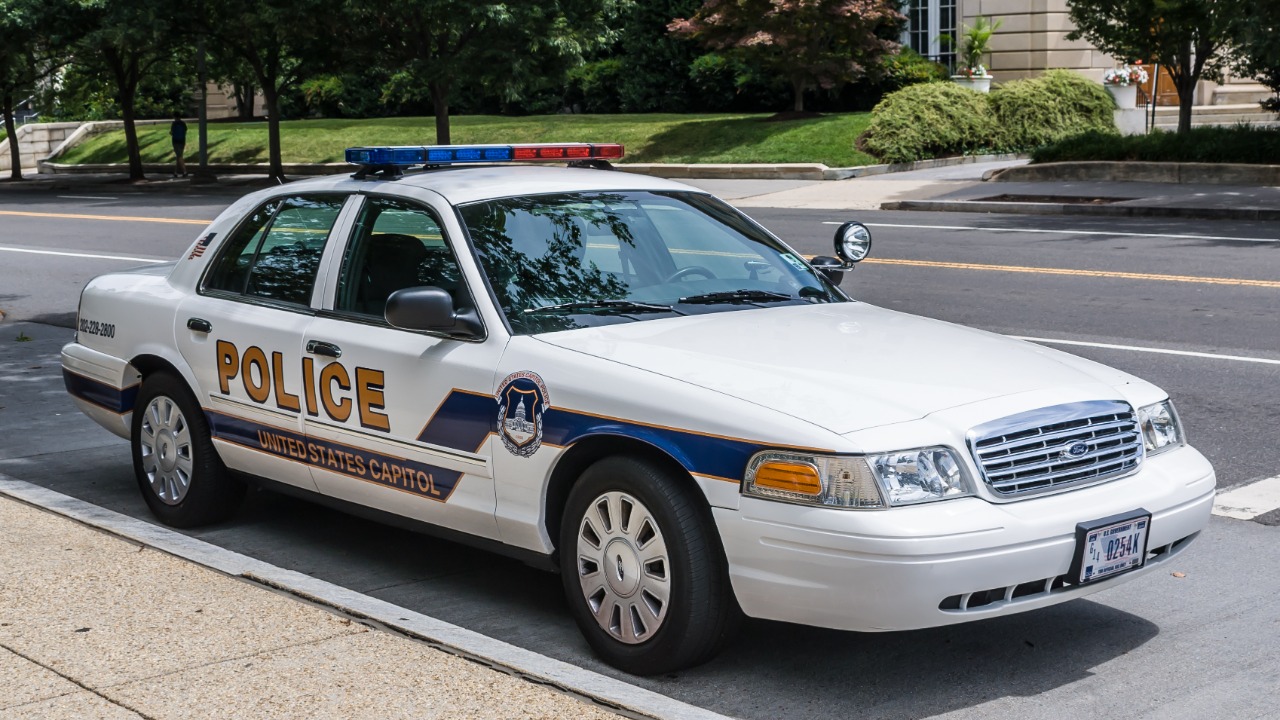
Ford built the Crown Victoria on a full ladder frame with rear-wheel drive and a V8 long after every rival sedan had moved to front-drive unibody construction. That architecture is why police departments, taxi fleets and livery operators kept ordering them: a bent panel or a tired suspension could be replaced without disturbing the structure underneath. Production of the Panther platform sedan ended in 2011.
Used examples still circulate as cheap, durable transport, and the parts supply remains deep after decades of fleet duty. What no dealer can offer is a new one, because the full-size, rear-drive, body-on-frame sedan has no successor in North America. That empty slot is exactly what the revival campaigns are pointing at.
2. Pontiac Firebird: A Nameplate Killed With Its Brand
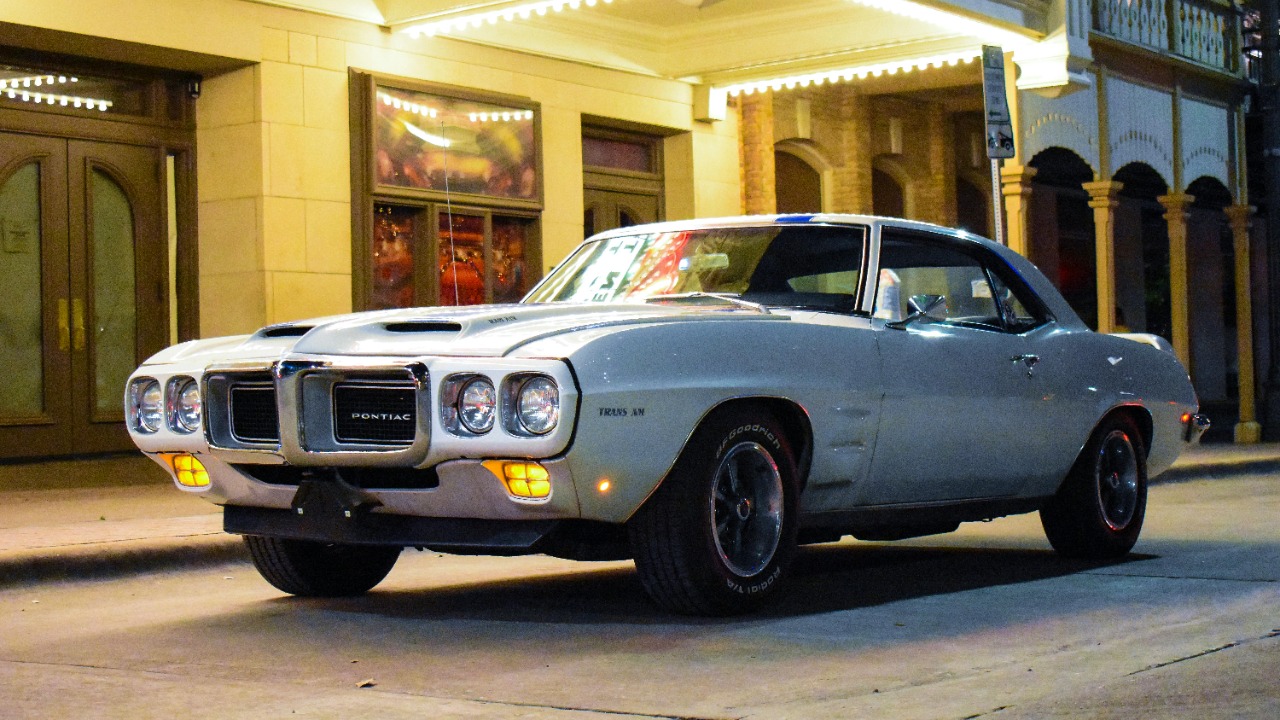
The Firebird ran four generations as Pontiac’s pony car, sharing a platform with the Chevrolet Camaro while keeping its own nose, tail and Trans Am halo trim. The coupe was discontinued after the 2002 model year, and Pontiac itself was wound down later that decade, which left the Trans Am badge without a corporate home. The Camaro eventually returned to showrooms; its Pontiac twin did not.
That asymmetry is the source of the enthusiasm. Fourth-generation Trans Ams and their hood decals have become collector items, and specialist shops now convert modern Camaros into Firebird tributes because no factory version exists. A genuine revival would mean reviving a defunct brand, which is the practical reason it has not happened.
3. Toyota MR2: Mid-Engine Layout At Economy-Car Money
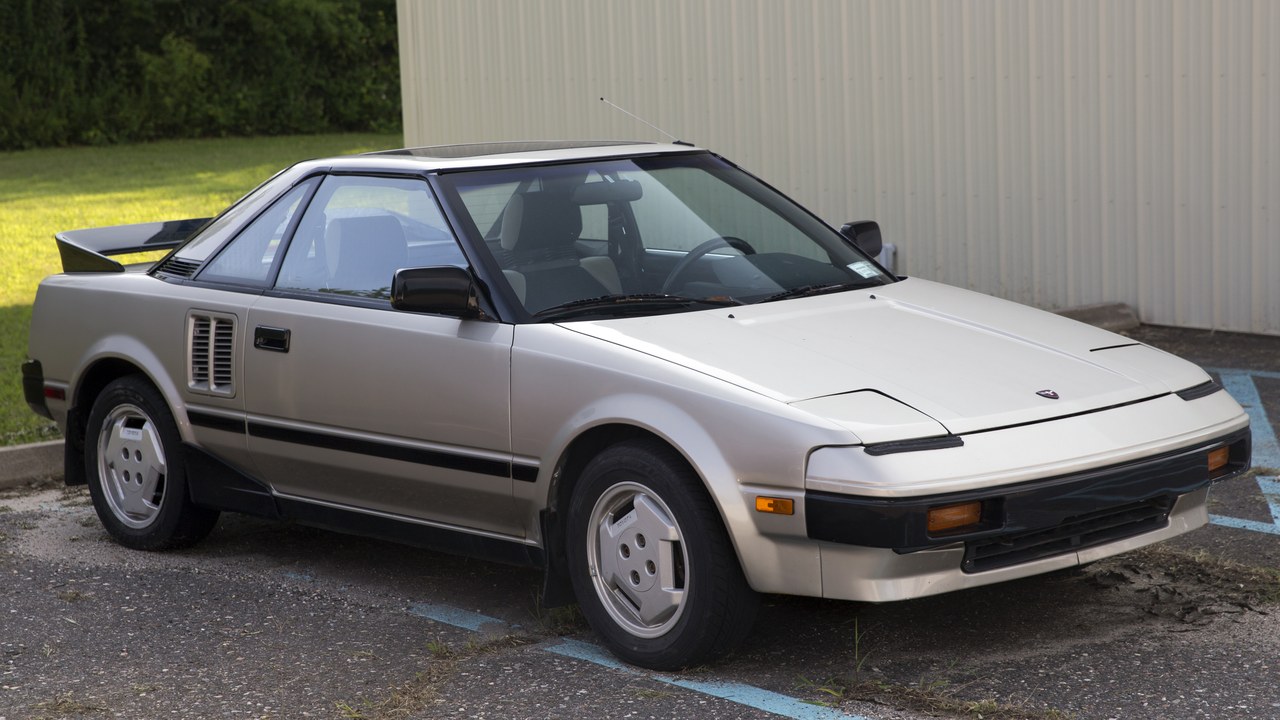
Toyota sold three generations of a transverse mid-engine two-seater, from the angular first car through the rounded second generation to the open-topped Spyder that closed the run. The layout normally belongs to exotics, yet the mid-engine Toyota was priced against ordinary coupes and reached that figure by using mass-market engines, gearboxes and switchgear.
The current Toyota sports car range sits entirely at the front-engine end of the catalogue, so the cheap mid-engine formula has no in-house replacement. Asking prices for clean cars have climbed accordingly, especially for turbocharged second-generation examples. Any revival would have to justify a bespoke chassis for a low-volume model, which is why the wait has been long.
4. Honda S2000: A Redline Nobody Has Matched
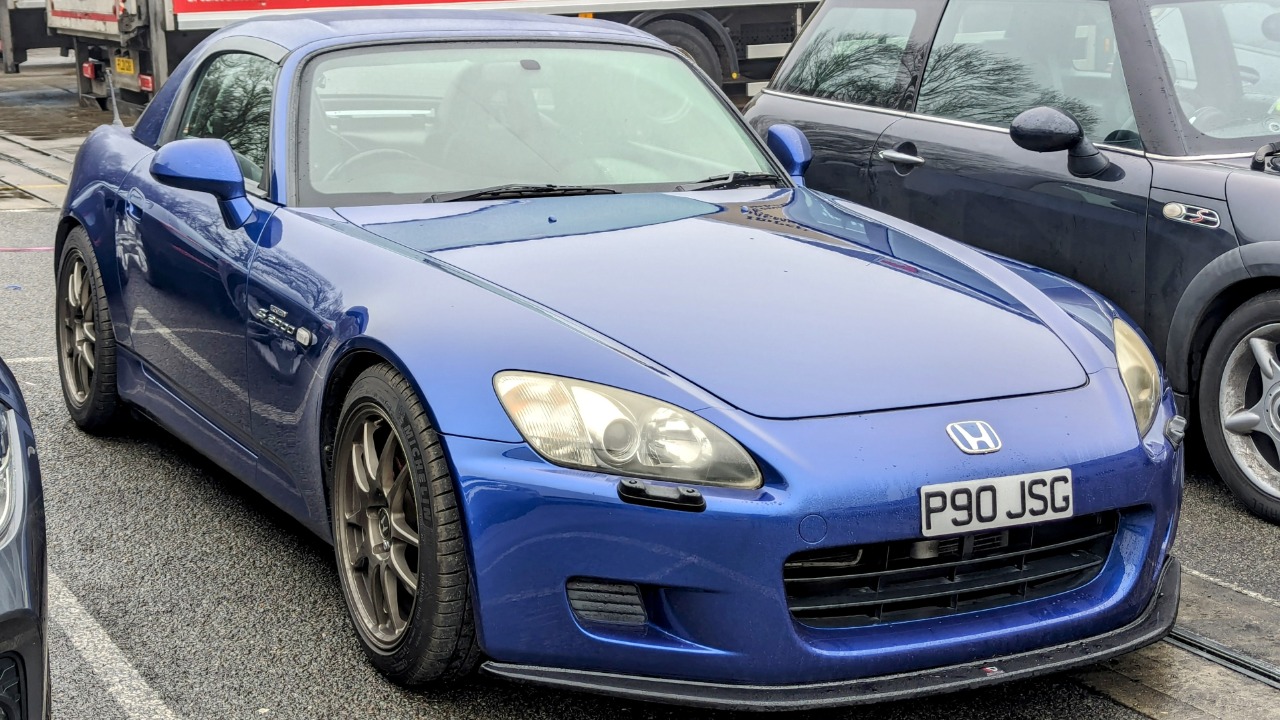
Honda’s front-engine, rear-drive roadster paired a high-revving naturally aspirated four-cylinder with a short-throw six-speed manual and a folding fabric roof. The redline sat far above what mainstream road cars use, and the specification included no turbocharger, no automatic option and few electronic buffers between the driver and the rear axle. Production of the S2000 roadster ended in 2009.
Nothing in the lineup replaced it. Honda’s later performance models moved to turbocharging and, in the case of its supercar, hybrid assistance, trading throttle response and engine noise for outputs. Values have risen steadily since, and the roadster now appears on almost every list of models buyers want reissued unchanged.
5. Nissan 240SX: The Drifter’s Entry-Level Chassis
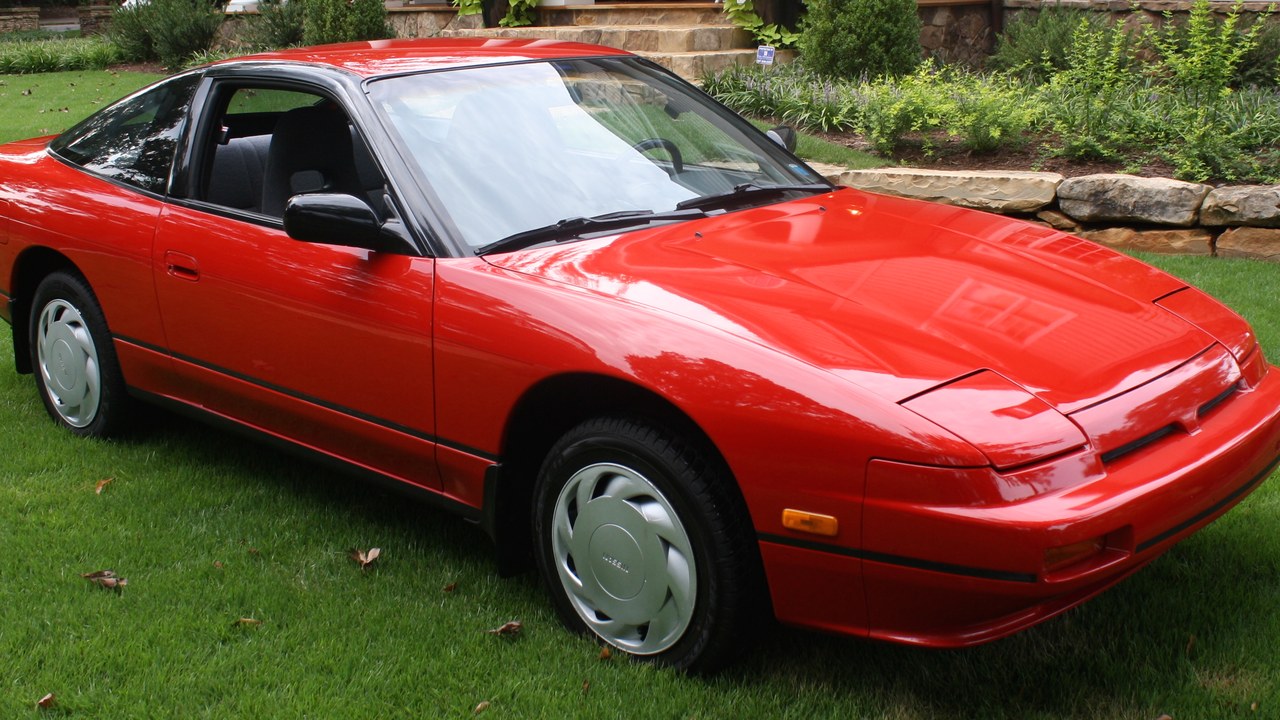
The 240SX arrived in North America as a light rear-drive coupe and hatchback with a modest four-cylinder and independent suspension at both ends. Those ingredients made the S-chassis coupe the default starter car once drifting reached the United States, helped by a deep aftermarket and by the ease of dropping in Japanese-market engines.
Demand outlived supply. Two decades of hard use, crash damage and engine swaps thinned the surviving population, and asking prices for unmodified cars now sit far above what a used commuter coupe once cost. Nissan’s current rear-drive coupe is larger, heavier and considerably more expensive, leaving the cheap and tossable slot unfilled.
6. Mazda RX-7: The Rotary Sports Car Still Missing
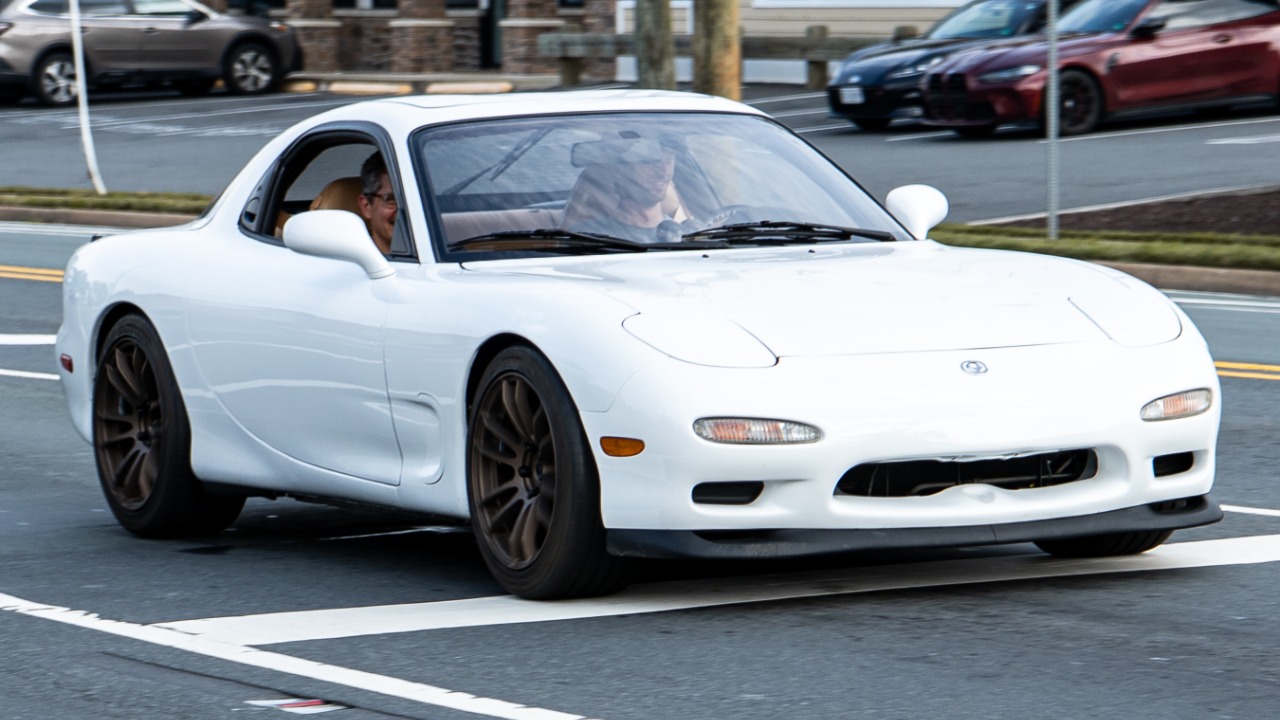
Rotary power defined all three RX-7 generations, ending with a sequentially turbocharged twin-rotor coupe that weighed little and revved hard. Wankel engines are compact and smooth but consume oil by design and struggle against modern emissions and fuel-economy rules, which is the practical reason the rotary sports coupe was retired rather than updated.
Mazda has kept rotary engineering alive, most visibly by fitting a small rotary as a generator for an electrified model rather than as a driven engine, and by showing sports car concepts without committing to production. Neither counts as a successor. Clean final-generation cars now trade at figures their original buyers would not recognise.
7. Chevrolet El Camino: Half Sedan, Half Pickup
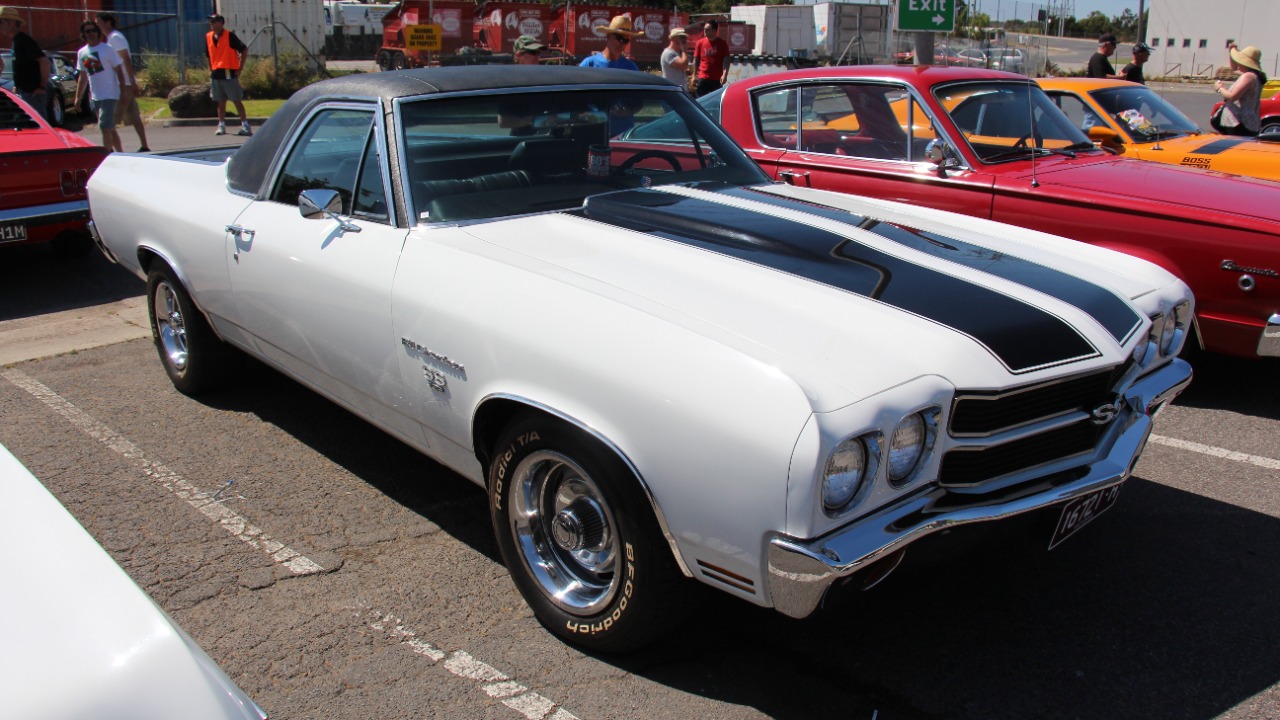
The El Camino married a passenger-car cabin and ride to an open cargo bed, riding on Chevrolet’s mid-size car platform rather than a truck frame. Buyers got sedan seating, sedan handling and, during the muscle era, big-block engines, plus a bed that could take a load. The coupe utility body style ran in two separate stints before ending in the late 1980s.
The format outlived it in Australia, where car-based utes stayed on sale for decades longer, but no manufacturer offers a comparable new vehicle in the United States, where compact pickups absorbed the utility role. A distinct niche is therefore empty: something low and car-based that hauls without a truck’s height, weight or thirst.
8. Dodge Viper: Ten Cylinders, Few Apologies
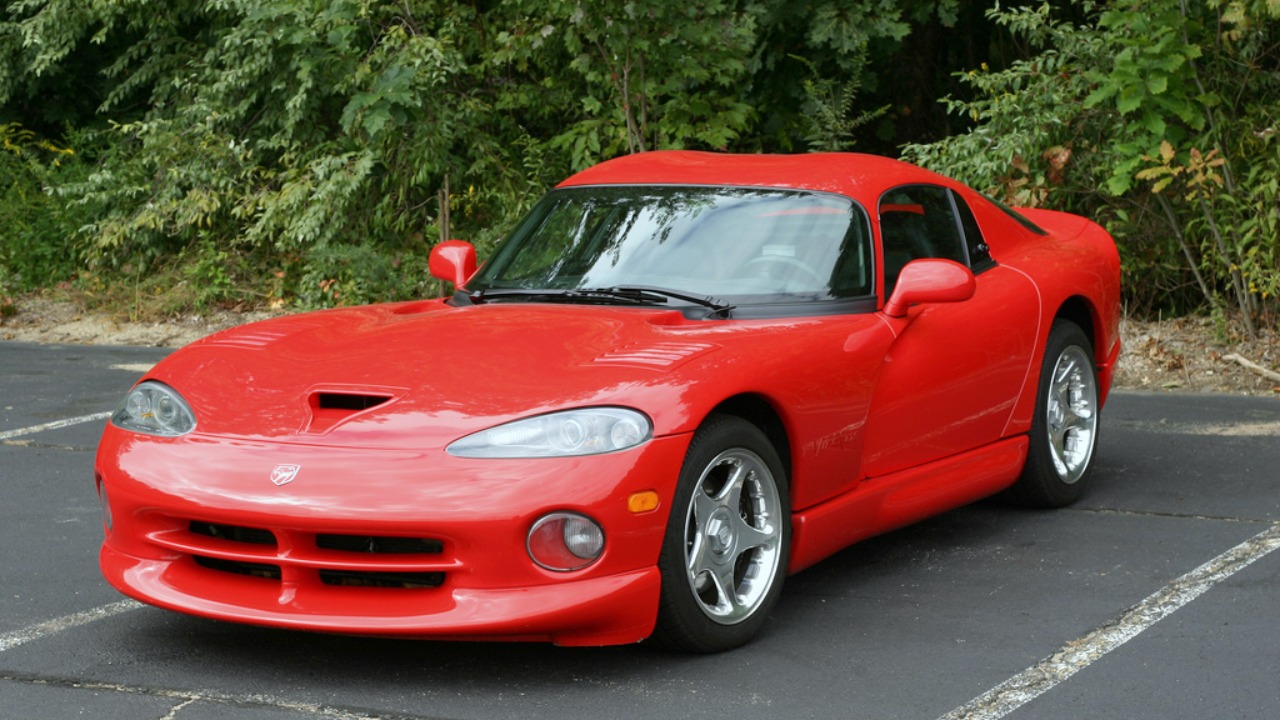
Chrysler built the Viper around a large naturally aspirated V10 driving the rear wheels through a manual gearbox, with the earliest cars omitting anti-lock brakes, exterior door handles and conventional side windows. Later versions added refinement and track hardware but kept the engine and the manual-only policy. The V10 halo car left production in 2017 after a run of farewell special editions.
Thin sales and tightening safety regulation made another generation difficult to justify for a hand-built car sold in small numbers. Performance spending has since gone to supercharged V8 muscle cars and electrified platforms. No American manufacturer currently sells a low-volume ten-cylinder sports car, which keeps this one near the top of revival lists.
9. Plymouth Barracuda: A Legend Without A Brand
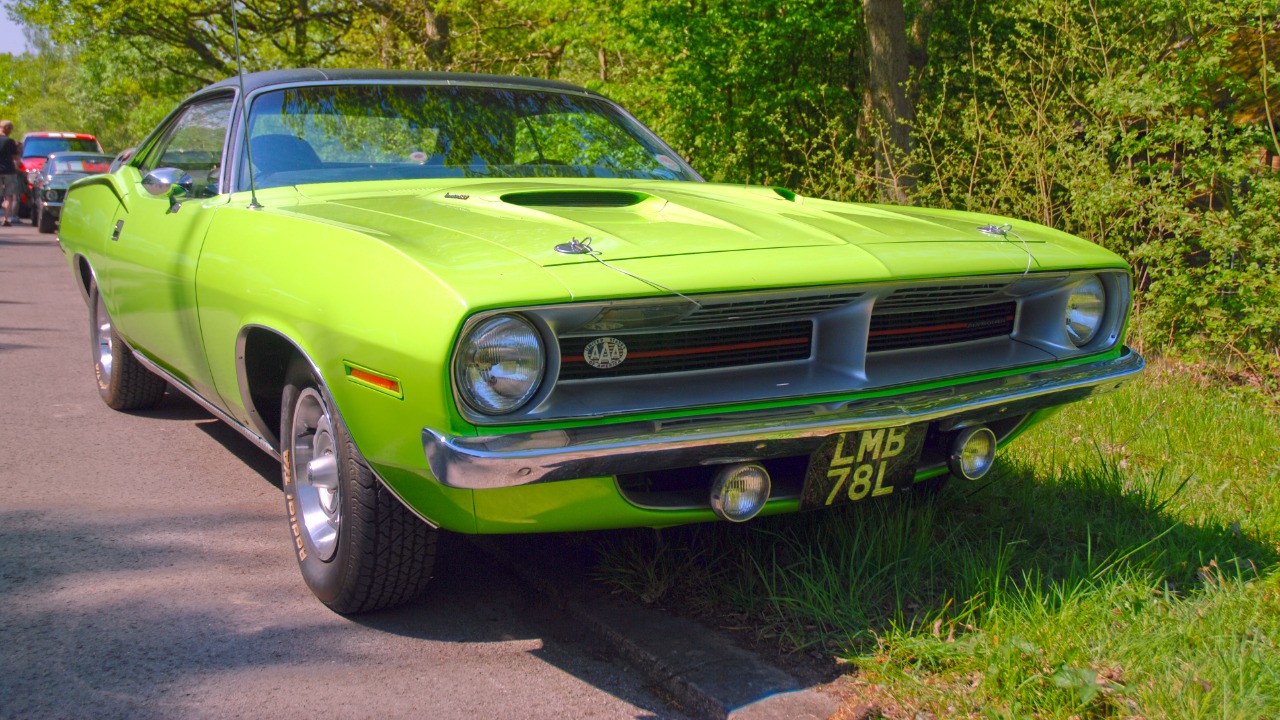
The Barracuda began as a fastback derivative of a compact Plymouth and became, in its third generation, a purpose-built muscle car able to swallow the largest engines Chrysler made. Production stopped in the mid-1970s as insurance costs and emissions rules closed the era, and Plymouth was shut down in 2001, leaving the Barracuda nameplate without a marque to carry it.
Dodge has fielded the Challenger in the interim, and speculation about a Barracuda-badged sibling has surfaced repeatedly without a production car following. The 1970 and 1971 cars, meanwhile, have set auction records that put genuine examples out of reach for nearly everyone who wants one.
More from Morning Overview
