
Horsepower numbers vary wildly across today’s coupes and roadsters, from supercharged V8s built for outright speed to naturally aspirated four-cylinders tuned for balance and weight. Engine layout, displacement and forced induction all shape where each model lands, and the spread between the most and least powerful entries here is dramatic. Here are nine coupes and roadsters ranked by horsepower, from the most powerful to the least.
1. Ford Mustang: The 815-Horsepower GTD
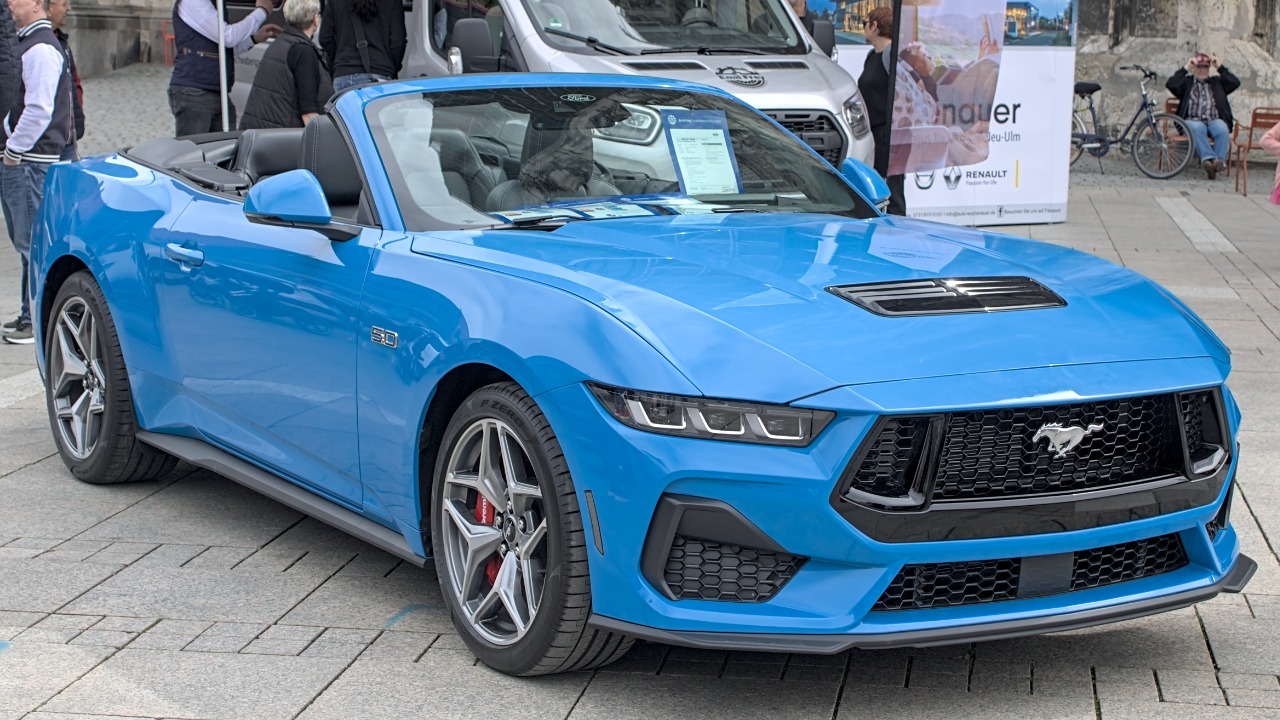
The GTD variant of the Ford Mustang produces 815 horsepower from its supercharged 5.2-liter V8, the highest figure in this ranking of coupes and roadsters. No other model on this list comes close to matching that output from a factory-built engine, and the margin over the next-highest entry is substantial.
That power places the GTD in company usually reserved for exotic supercars, built around a chassis first developed for a mainstream pony car. Buyers shopping this trim are paying for track-bred hardware, not just a badge, and running costs climb accordingly. Among every nameplate in this ranking, the GTD stands furthest apart from its own lower trims.
2. Dodge Challenger: Redeye’s 807 Horsepower
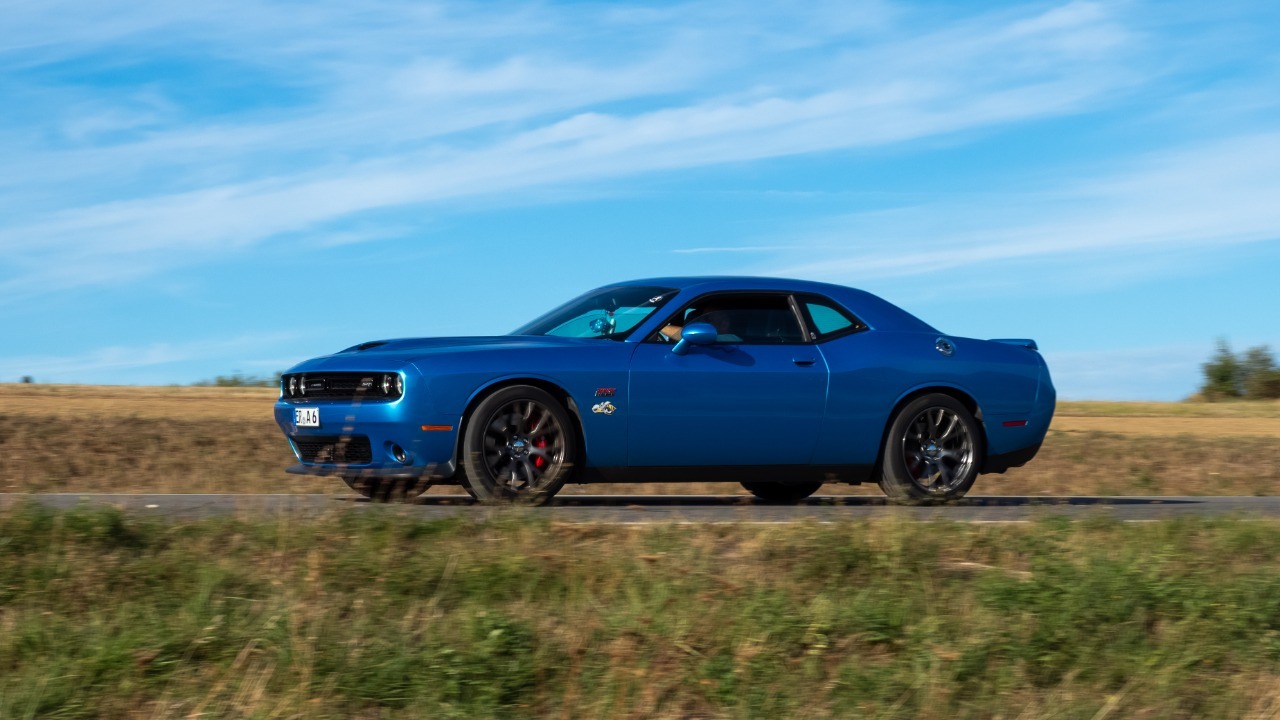
The Dodge Challenger’s Hellcat Redeye trim delivers 807 horsepower from its supercharged 6.2-liter Hellcat V8, second only to the Mustang GTD on this list. The Redeye’s supercharger pushes far more air through the engine than the standard Hellcat setup found in lesser Challenger trims.
Nearly matching the class leader, the Challenger swaps outright top-end power for a more attainable price and a longer production history behind it. Its low-slung roofline and massive engine keep it firmly in muscle-car territory rather than sports-car finesse. Few rivals on this list pair that much displacement with forced induction the way the Redeye does.
3. Chevrolet Camaro: The Supercharged ZL1
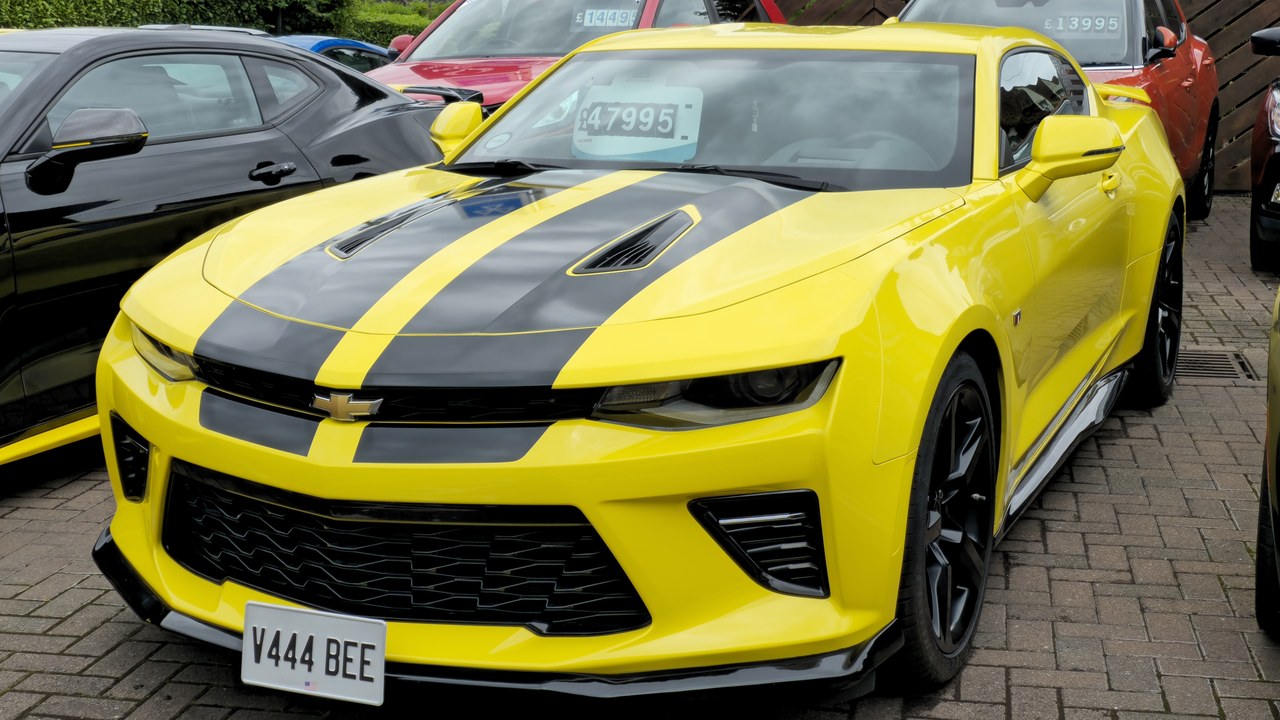
The Chevrolet Camaro’s ZL1 trim makes 650 horsepower from its supercharged 6.2-liter V8, placing it third on this list behind the Mustang GTD and Challenger Redeye. That output comes from the same supercharged V8 family used across Chevrolet’s performance lineup, tuned specifically for the ZL1’s track-oriented mission.
A gap of more than 150 horsepower separates the ZL1 from the two cars ranked above it, though it still outguns every turbocharged or naturally aspirated rival further down this list. The supercharged V8 remains the loudest, most attention-grabbing choice in a lineup that otherwise leans on smaller, forced-induction engines.
4. Dodge Charger: Scat Pack’s Twin-Turbo Six
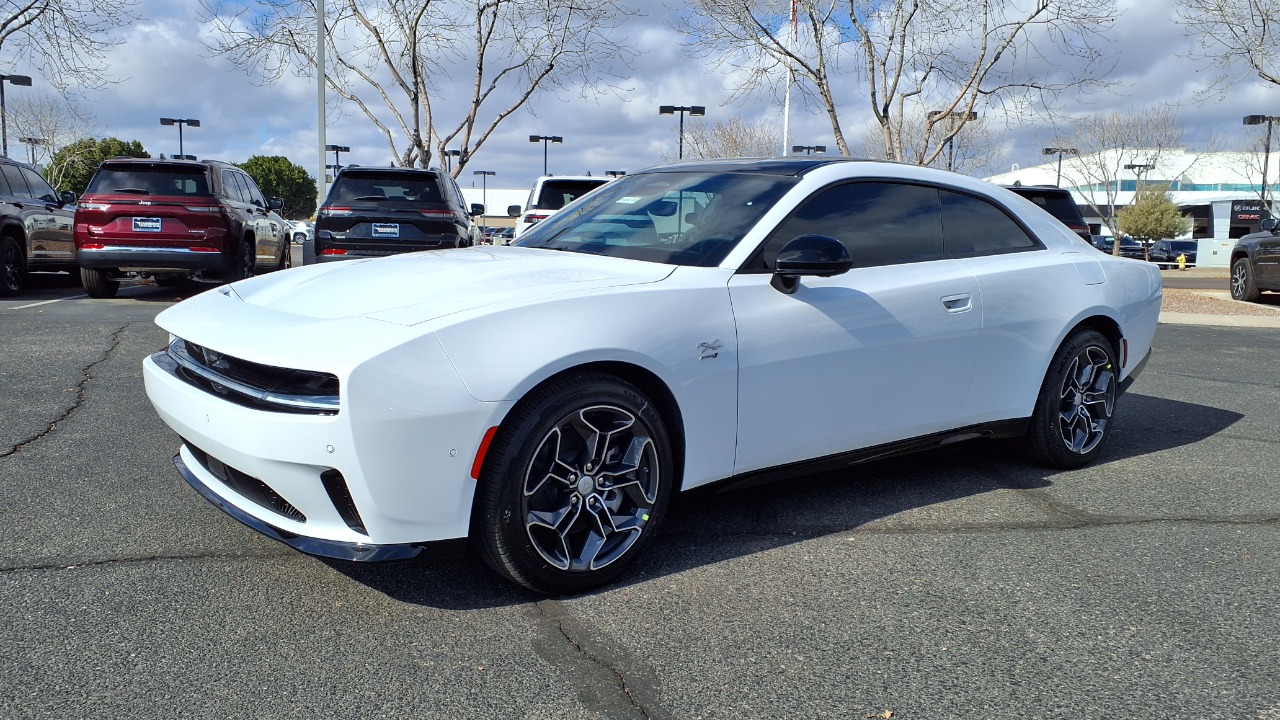
The Dodge Charger’s Scat Pack trim produces 550 horsepower from a twin-turbo 3.0-liter inline-six, a sharp departure from the V8 engines that once defined the nameplate. That figure lands the Charger fourth on this list, well behind the supercharged V8 trio ranked above it, yet still ahead of every remaining entry.
Forced induction from twin turbochargers lets the smaller six-cylinder engine chase V8-rivaling numbers without the extra weight sitting over the front axle. The shift marks a generational change in how the Charger reaches its performance figures, trading cylinder count for boost pressure to close most of the gap.
5. Nissan Z: Nismo’s Twin-Turbo Edge
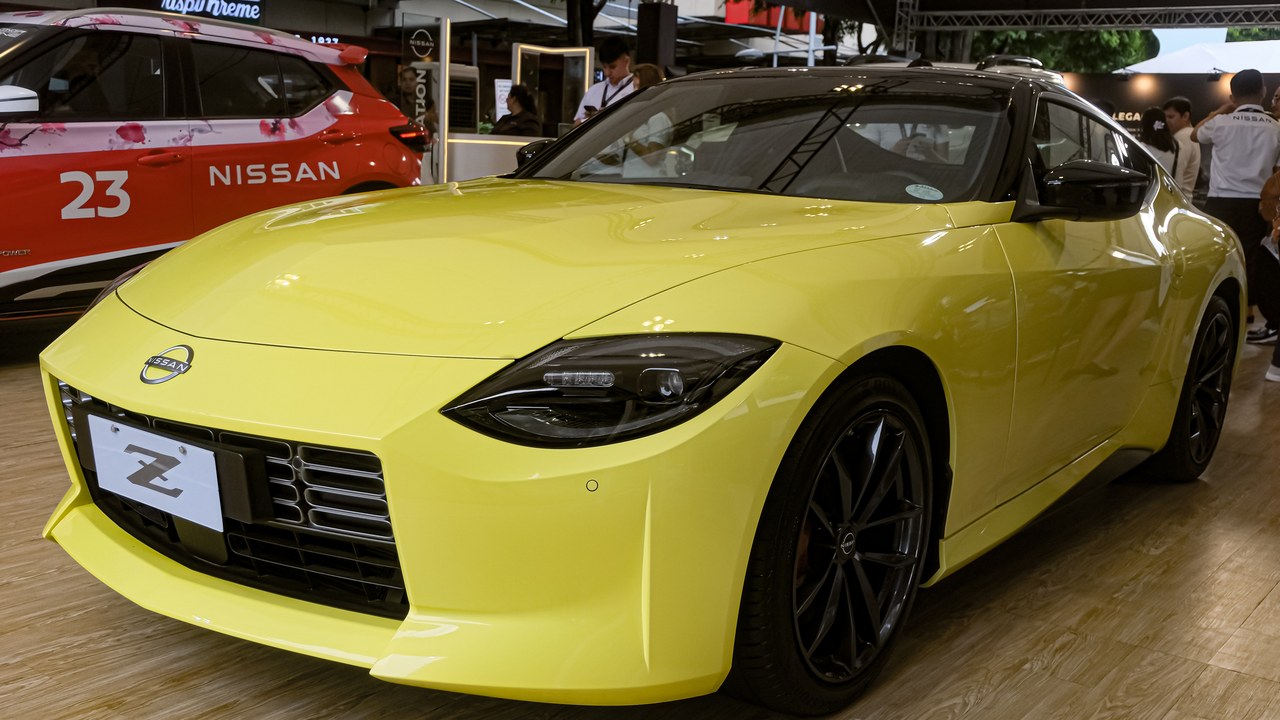
The Nissan Z’s Nismo trim makes 420 horsepower from its twin-turbo 3.0-liter V6, fifth on this list and the most powerful engine among the smaller two-seat entries. That output trails the Charger by 130 horsepower but still outpaces every car ranked below it on this list.
The V6’s twin-turbo setup carries on a lineage of forced-induction six-cylinder engines built into earlier generations of the nameplate. Among two-seat sports cars specifically, the Nismo’s figure sits well ahead of lighter, naturally aspirated competitors, marking the clearest dividing line between the turbocharged upper half of this ranking and the atmospheric engines below it.
6. Hyundai Veloster N: A Turbocharged Four’s 275 Horsepower
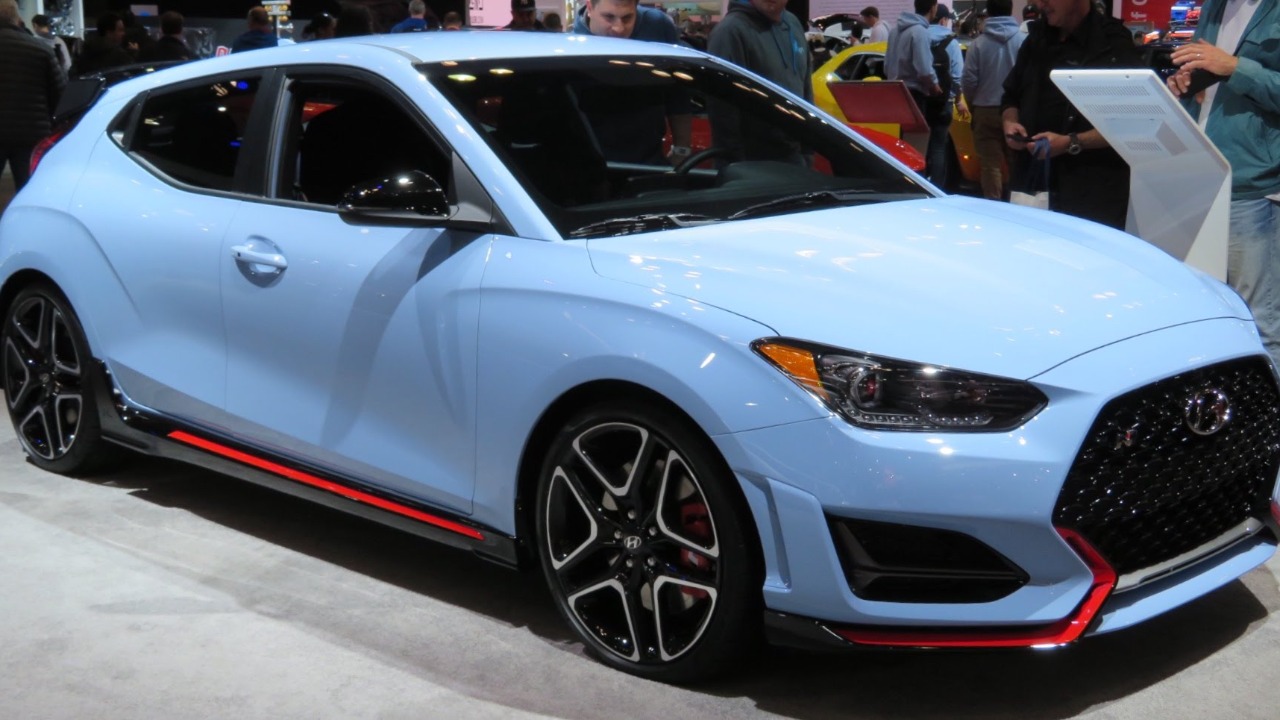
The Hyundai Veloster N produces 275 horsepower from its turbocharged 2.0-liter four-cylinder engine, sixth on this list and less than half the output of the Mustang GTD at the top. It is also the only hatchback-styled coupe among this group of traditional two-doors and roadsters.
That turbocharged four still comfortably outproduces the naturally aspirated engines ranked below it, despite giving up more than 500 horsepower to the supercharged V8s at the top of the list. The smaller displacement keeps the Veloster N lighter than its muscle-car rivals, a tradeoff that favors handling over straight-line power.
7. Toyota GR86: The Naturally Aspirated Flat-Four
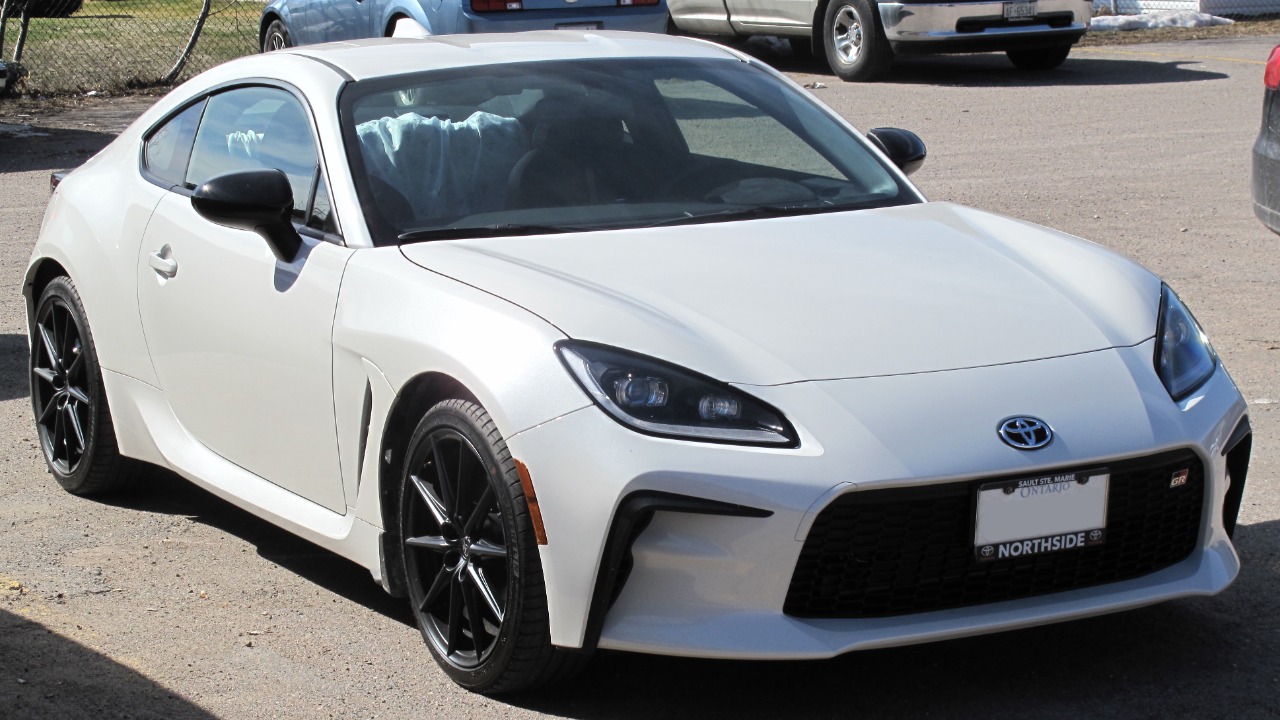
The Toyota GR86 makes 228 horsepower from its naturally aspirated 2.4-liter flat-four, tied for the second-lowest output on this list alongside the Subaru BRZ, ahead of only the Mazda MX-5 Miata. It is the only entry in the top seven relying entirely on natural aspiration rather than a turbocharger or supercharger for its power.
That figure gives up nearly 600 horsepower to the Mustang GTD at the top of the ranking, but the flat-four’s low center of gravity is built around balance rather than outright output. Enthusiasts often prize that lighter, more responsive chassis over raw power, a philosophy that separates the GR86 from the turbocharged and supercharged cars above it.
8. Subaru BRZ: 228 Horsepower, Tied for Last
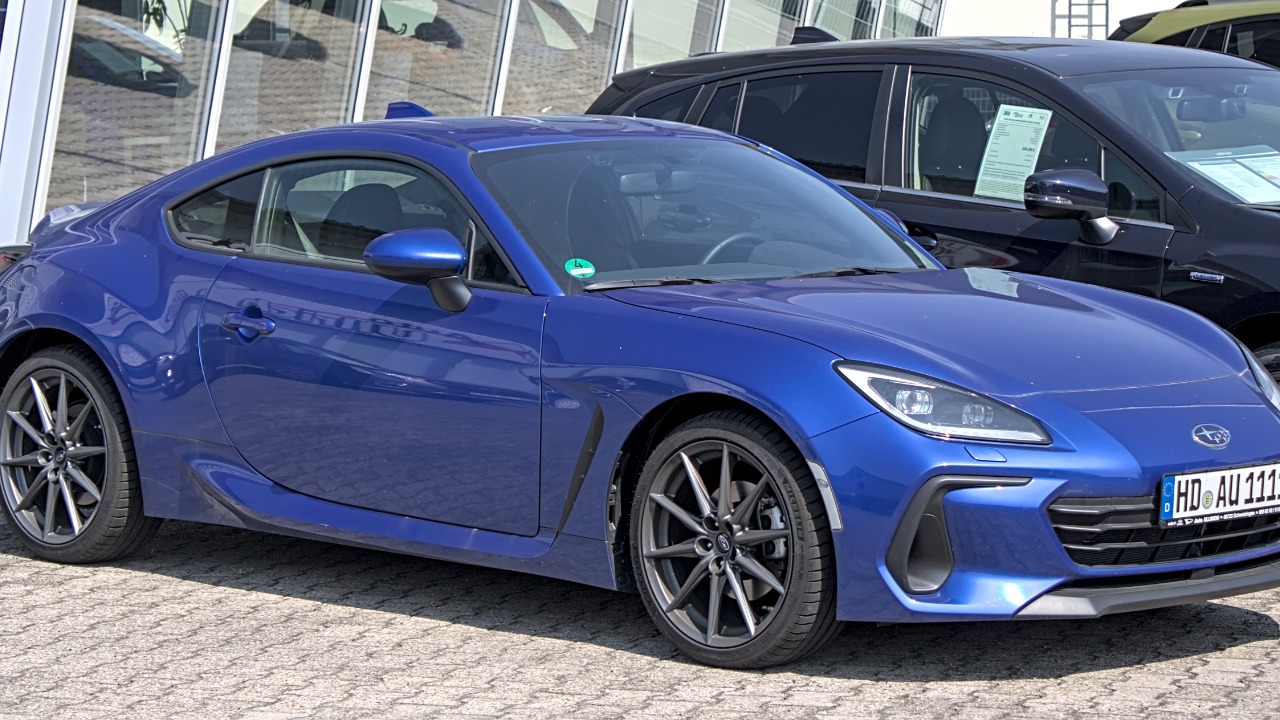
The Subaru BRZ produces 228 horsepower, tied with the Toyota GR86 for the second-lowest figure among these nine coupes and roadsters, ahead of only the Mazda MX-5 Miata. Both cars share a naturally aspirated flat-four engine platform developed jointly between the two automakers, a partnership that shows directly in matching horsepower figures.
Ranking last by output does not mean ranking last in reputation, since the BRZ has built a following around its handling rather than its horsepower figure. Its position at the bottom of this power ranking reflects a deliberately lighter, more focused engineering approach that prioritizes chassis balance over brute force.
9. Mazda MX-5 Miata: The Roadster’s 181-Horsepower Four
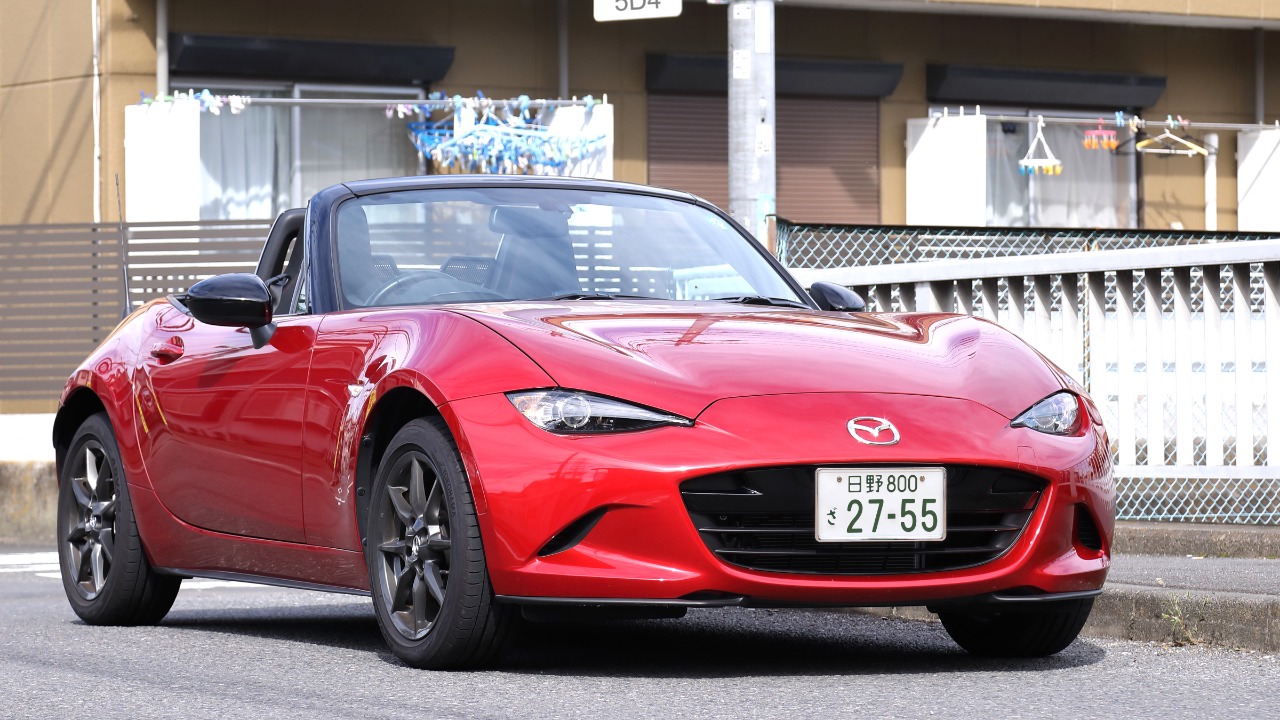
The Mazda MX-5 Miata rounds out this list with 181 horsepower from its naturally aspirated 2.0-liter four, the lowest figure among all nine coupes and roadsters ranked here. That output is less than a quarter of the Mustang GTD’s figure at the top of this list.
As the only true roadster with a folding soft top on this list, the Miata trades power for low weight and a famously light, responsive chassis. Its position at the bottom of the ranking underscores how differently these nine cars pursue performance, with some chasing raw output and others chasing feel.
More from Morning Overview
- Supplements now rank as the fifth-leading cause of death from liver disease.
- The NSA is again telling phone owners to switch off one location setting
- Four U.S. startups fired up their first small nuclear reactors, aiming to power AI data centers on-site
- 11 engines built to run well past 200,000 miles
