
Most cars split the front seat into two, leaving a console or gap between driver and passenger. A handful of engineers ignored that convention entirely, building a single front bench or a centered driver’s chair that puts three people shoulder to shoulder up front. Here are nine cars that squeezed a trio across the front row.
1. McLaren F1: The Original Center Seat
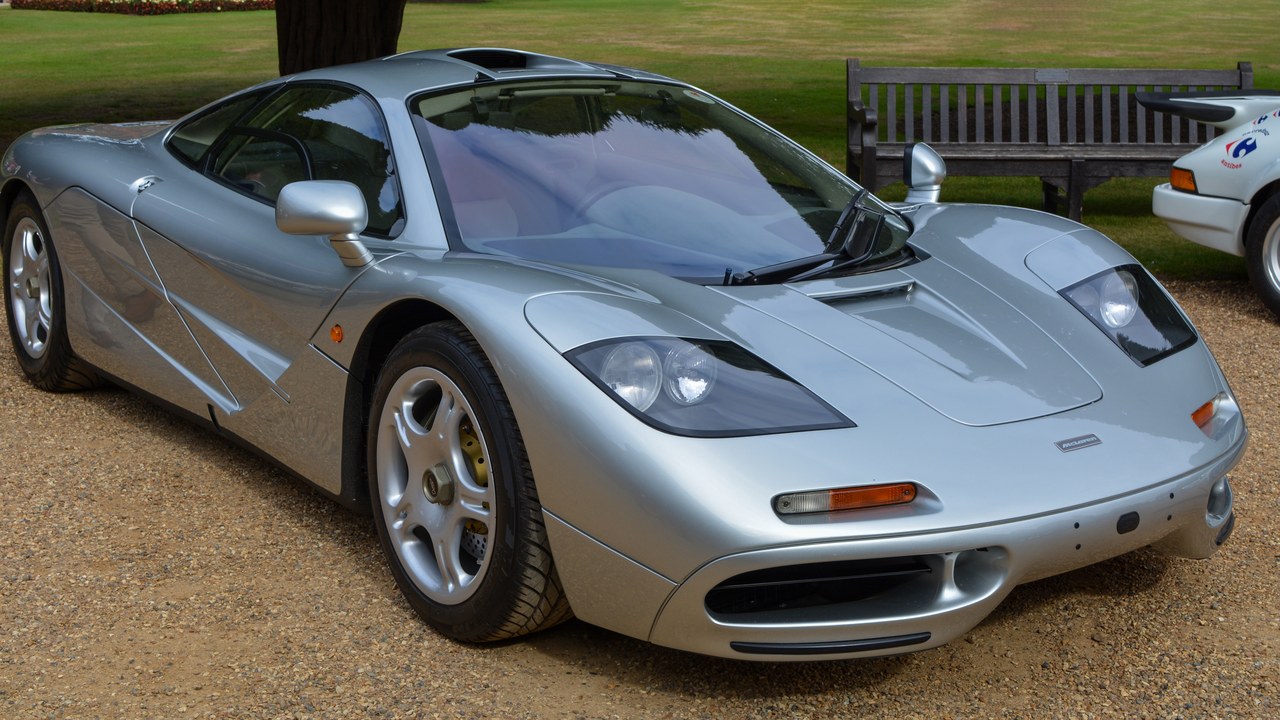
A central driving position with two passenger seats set back on either side. the original center seat — raced and road cars alike put the driver dead center, with the two passenger seats staggered slightly behind on each side, a layout Gordon Murray chose purely for unobstructed control and symmetrical weight distribution, not novelty or marketing.
The tradeoff is entry and exit: climbing over a centered seat and past a footwell takes longer than stepping through a normal door, which is part of why almost no other manufacturer copied the idea at scale once the F1 proved it could work. Owners still consider the awkward climb a fair price for the visibility it buys on a track.
2. McLaren Speedtail: The F1’s Successor
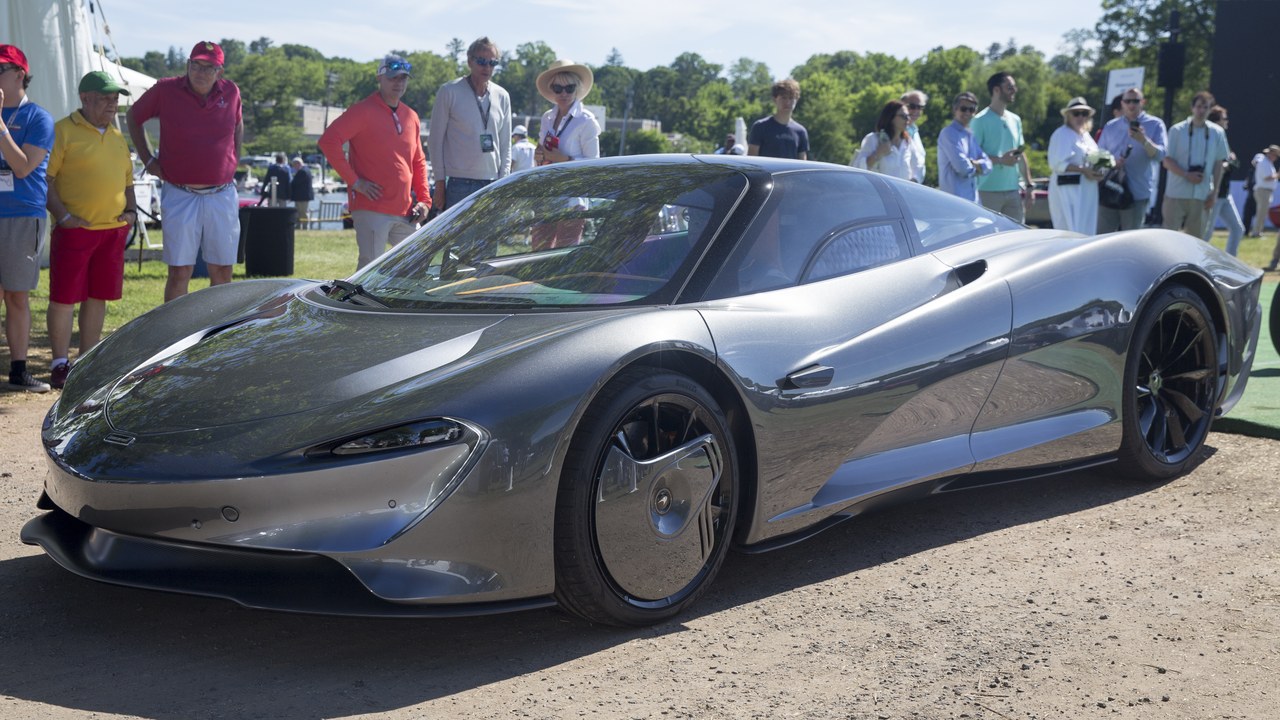
The Speedtail revived the F1’s three-seat layout with the driver in the middle. the f1’s successor — the hybrid hypercar’s cabin mirrors that same central helm decades later, letting McLaren keep the driver’s sightlines symmetrical while two companions sit tucked just behind each shoulder in a cabin shaped more like a private jet than a conventional coupe.
McLaren built fewer than 106 examples, so the layout stayed a halo-car curiosity rather than something that trickled down into cheaper models the way some technology eventually does. Buyers who ordered one reportedly asked for the center seat specifically because it echoed the F1 it was designed to succeed.
3. Gordon Murray Automotive T.50: Murray’s Second Try
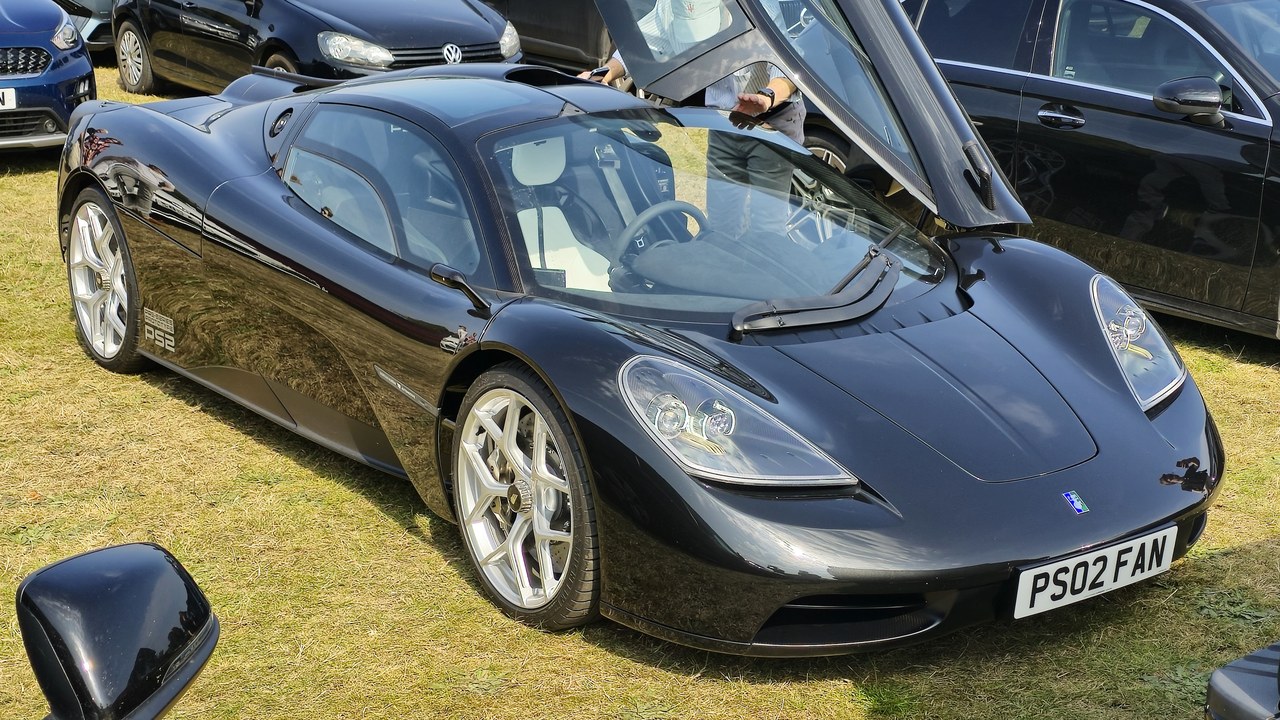
The T.50 puts a central driver’s seat between two flanking passenger seats. murray’s second try — Murray revisited his own F1 blueprint more than two decades later, centering the driver again and flanking that seat with two passenger positions built into a narrower, lighter carbon-fiber tub designed around a fan-assisted underbody rather than a big wing.
Production is capped in the low hundreds, so the seating arrangement remains a showcase for Murray’s engineering philosophy rather than a mainstream fix for cramped front rows. He has said publicly that he sees the central driving position as unfinished business from his earlier design.
4. Fiat Multipla (1998): Six Seats, No Aisle
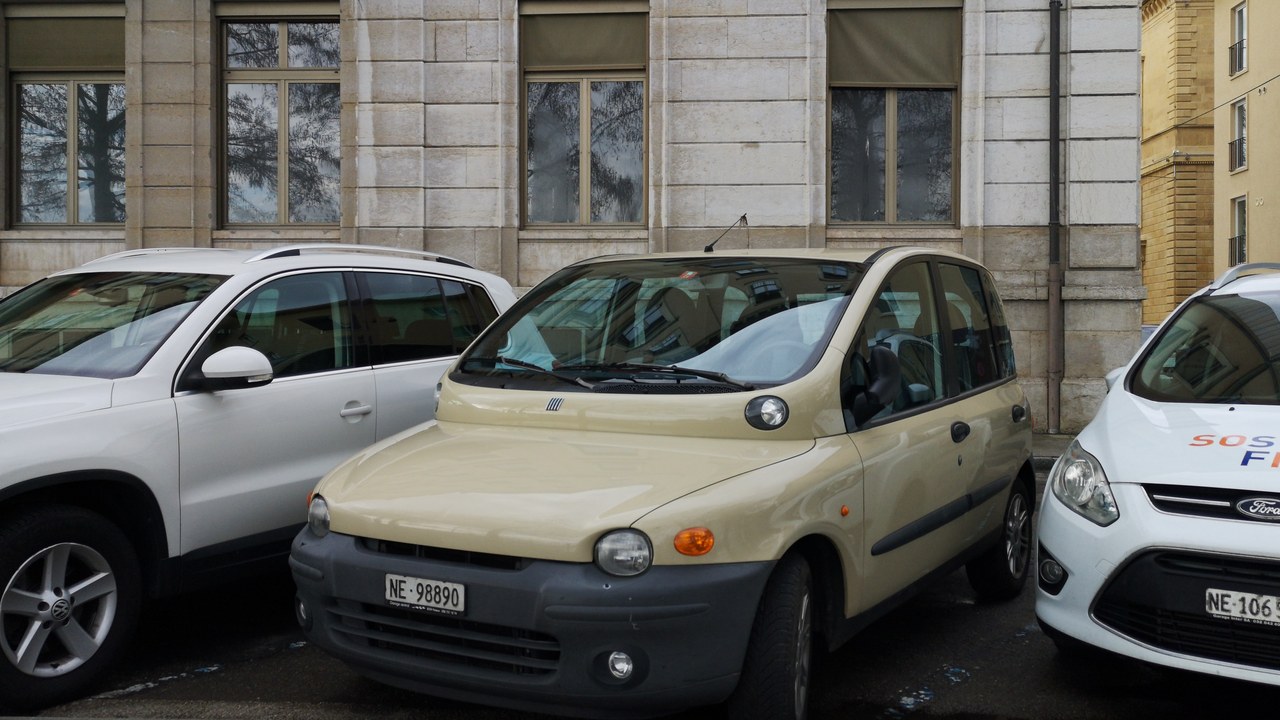
The 1998 Multipla seated six in two rows of three, three abreast up front. six seats, no aisle — Fiat stacked two rows of three bench seats rather than the usual two-plus-three layout most compact vans use, so the front row alone could carry a driver and two passengers side by side without anyone squeezing into a rear jump seat.
The styling drew almost as much attention as the packaging did, with a stacked double-decker headlight design that split opinion sharply among reviewers at launch. Fiat eventually softened that look in a later facelift while keeping the six-seat, two-row bench arrangement largely intact underneath.
5. Matra Murena: A Wedge With A Bench
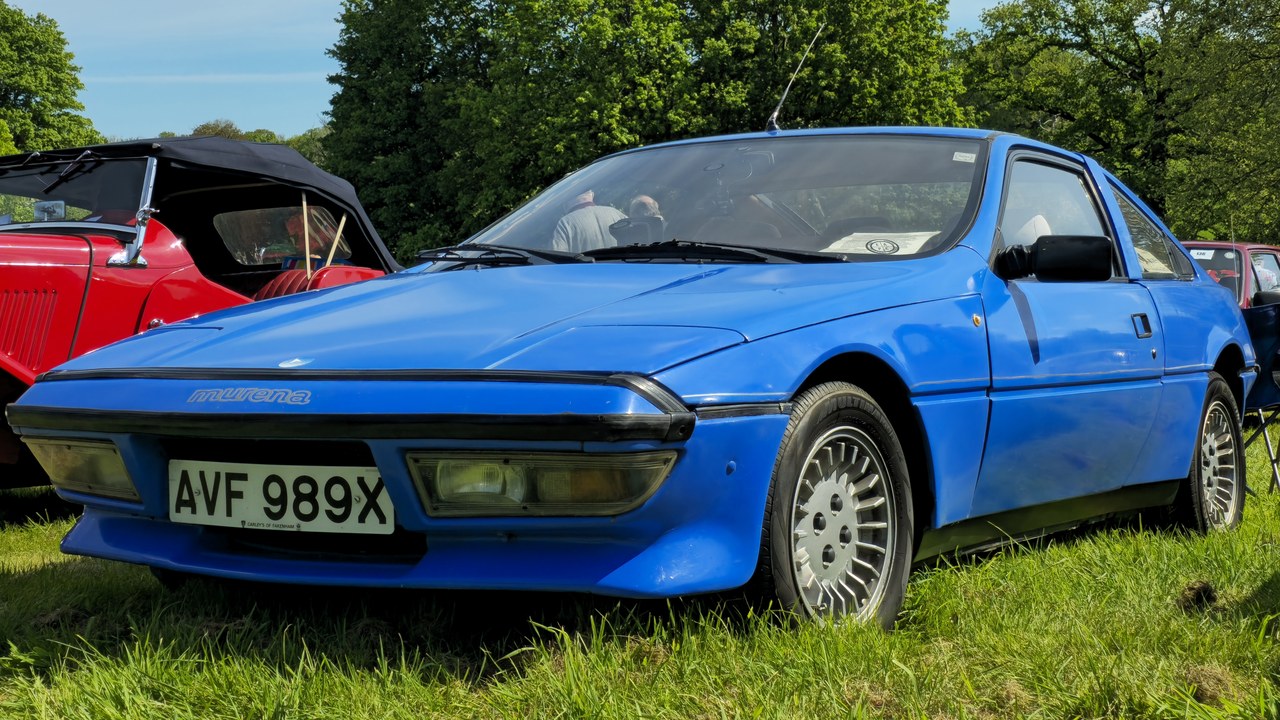
The Murena kept Matra’s three-abreast front bench inside a mid-engined coupe. a wedge with a bench — the mid-engined coupe kept Matra’s signature three-abreast front bench even as the body switched to a sharper, more angular wedge shape for the 1980s, proving the seating idea could survive a complete styling overhaul.
Matra folded not long after production ended, and no other mainstream mid-engined coupe revived the three-across bench once the Murena went out of production. Collectors today prize surviving examples partly because the layout never reappeared anywhere else in the segment.
6. Matra Bagheera: The Bench That Started It
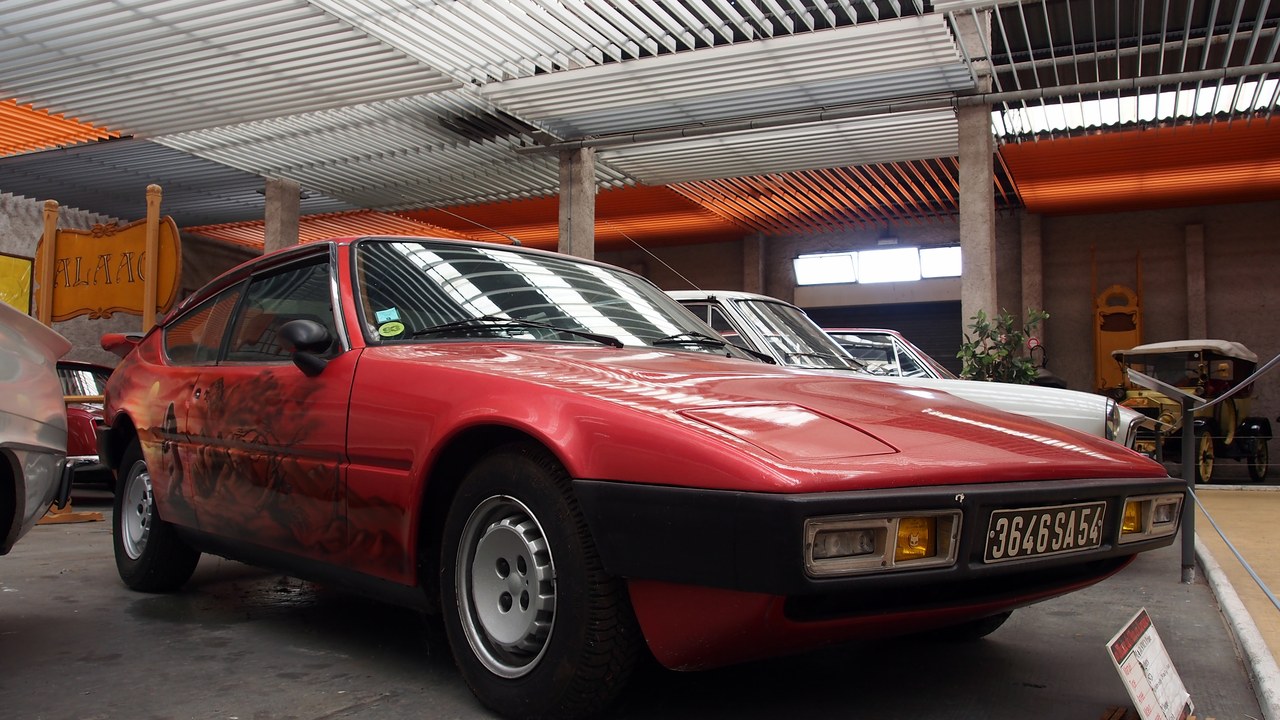
The Bagheera placed three seats side by side ahead of its mid-mounted engine. the bench that started it — the fiberglass-bodied coupe set the template Matra would reuse in the Murena, lining up driver and two passengers on one continuous bench ahead of the mid-mounted engine rather than splitting them into separate bucket seats.
Rust problems plagued the steel subframe hidden under that fiberglass body, and many surviving cars needed structural repair long before the seating layout became a footnote in Matra’s history. Despite that, the Bagheera is usually the car cited first whenever the three-seat idea comes up.
7. Ferrari 365 P Berlinetta Speciale: Ferrari’s One-Off Trio
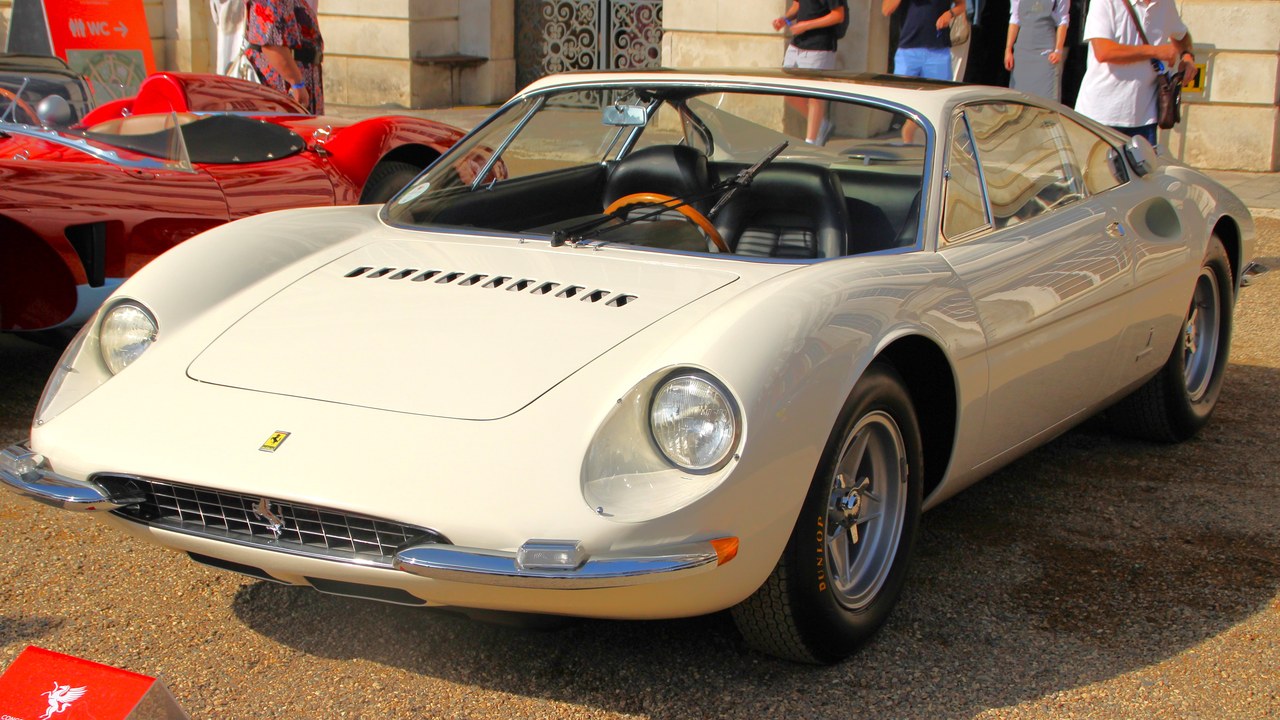
Nicknamed Tre Posti: the driver sits centrally, flanked by two passenger seats. ferrari’s one-off trio — Pininfarina built a single fastback body around that layout, and the nickname stuck because nothing else in Ferrari’s lineup, before or since, centered the driver between two flanking passenger seats in a production or show car.
Ferrari never put the layout into series production, treating the car as a rolling engineering exercise for Pininfarina rather than a template for paying customers. Only one example was built, which is why auction houses and museums describe it as one of the marque’s rarest surviving show cars.
8. Volkswagen Type 2: A Van’s Front Bench
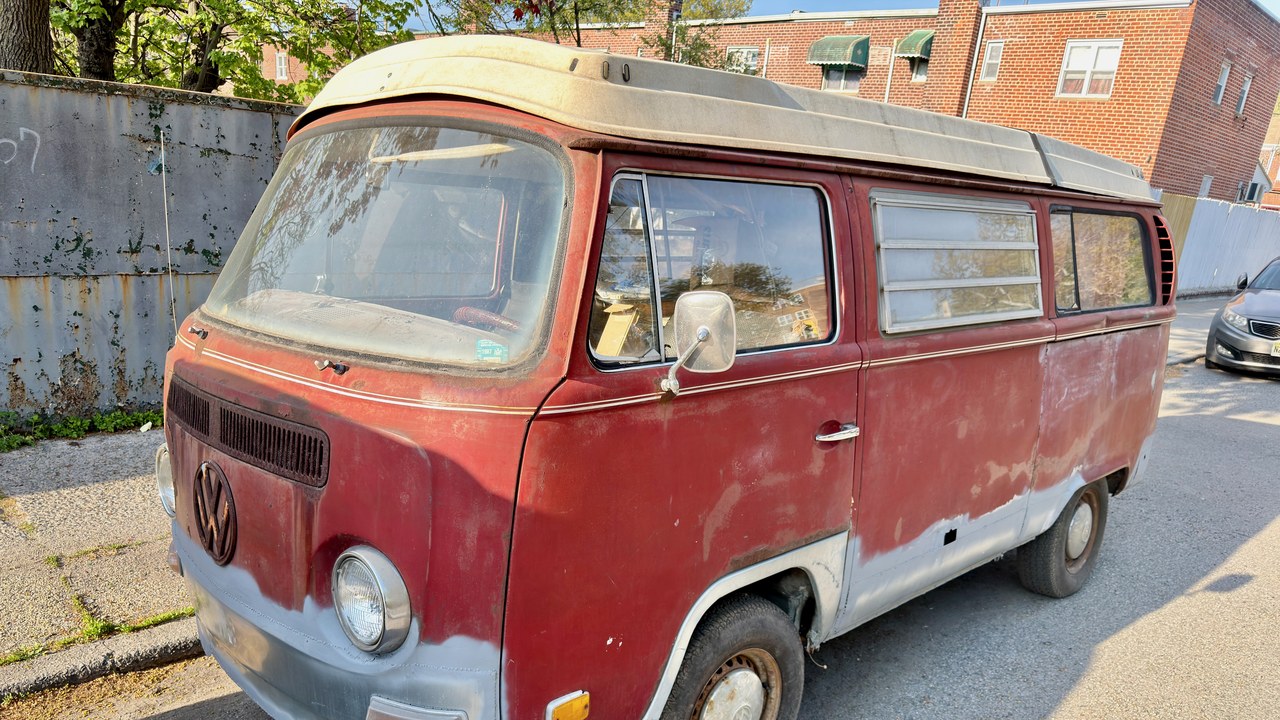
The Type 2 cab is a three-place bench: driver plus two passengers across the front. a van’s front bench — the flat cab-over layout left room for a full-width bench rather than individual bucket seats, so the driver and two passengers rode side by side directly ahead of the front axle with almost no engine or transmission tunnel intruding on legroom.
The bench seat also meant a fully flat load floor behind it, part of why the van became a favorite for camping conversions and small delivery businesses alike across decades of production. Later Type 2 generations kept variations of the same three-across front seating well into the model’s life.
9. Land Rover Defender (classic): A Farm Truck’s Trick
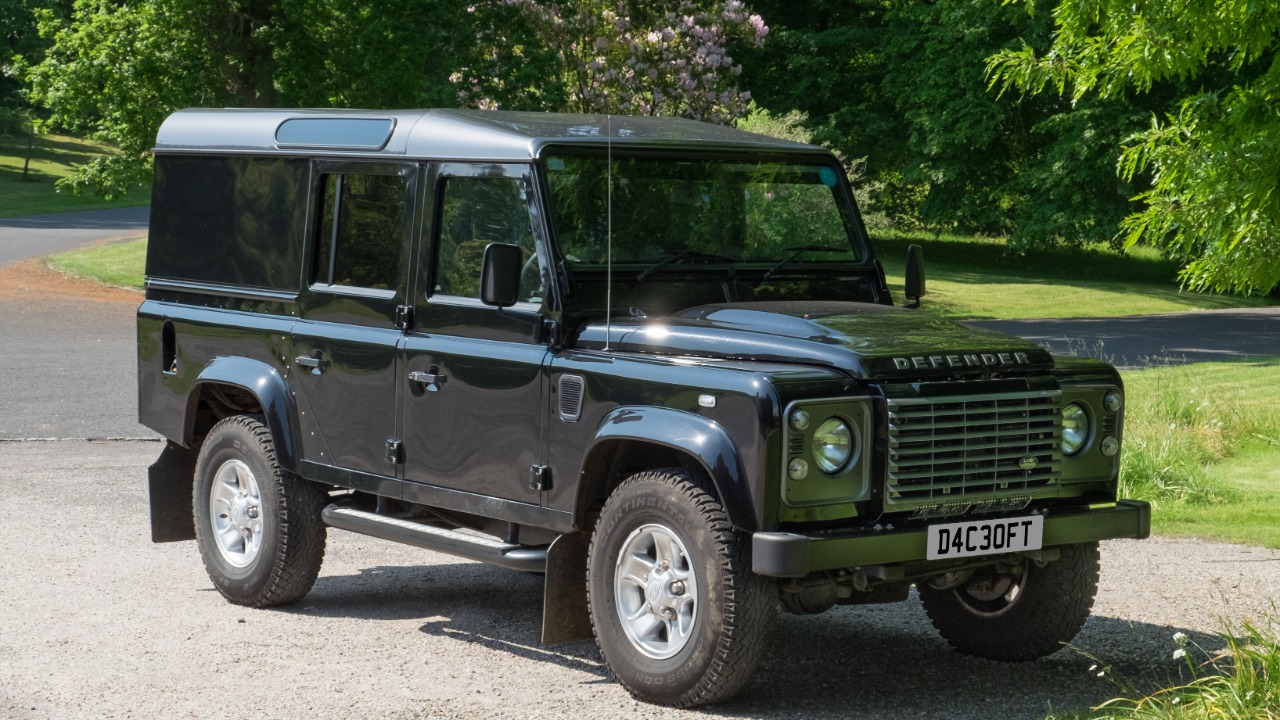
The classic Defender offers a centre front seat, putting three people up front. a farm truck’s trick — the boxy utility vehicle offered a center front seat between the driver and front passenger, a practical answer for farm and work crews who needed room for one more person without adding extra doors or a second row.
Later Defender generations moved to individual seats up front, so the center-seat option largely disappeared once Land Rover redesigned the model from the ground up. Owners of the older trucks still point to that bench as proof the vehicle was built for work crews first.
More from Morning Overview
- Consumer Reports names the 2026 models it expects to break down the most
- Supplements now rank as the fifth-leading cause of death from liver disease.
- The NSA is again telling phone owners to switch off one location setting
- Four U.S. startups fired up their first small nuclear reactors, aiming to power AI data centers on-site
