
Parking a car in the garage does not always end its fire risk, especially when a recall involves a battery or wiring fault that can short on its own. Regulators have opened investigations into SUVs, hybrids and full electrics after owners reported smoke or flames with the engine off. Here are eight vehicles that carry an active recall tied to a fire hazard that can strike even while parked.
1. Jeep Wrangler 4xe: Battery Fire While Parked
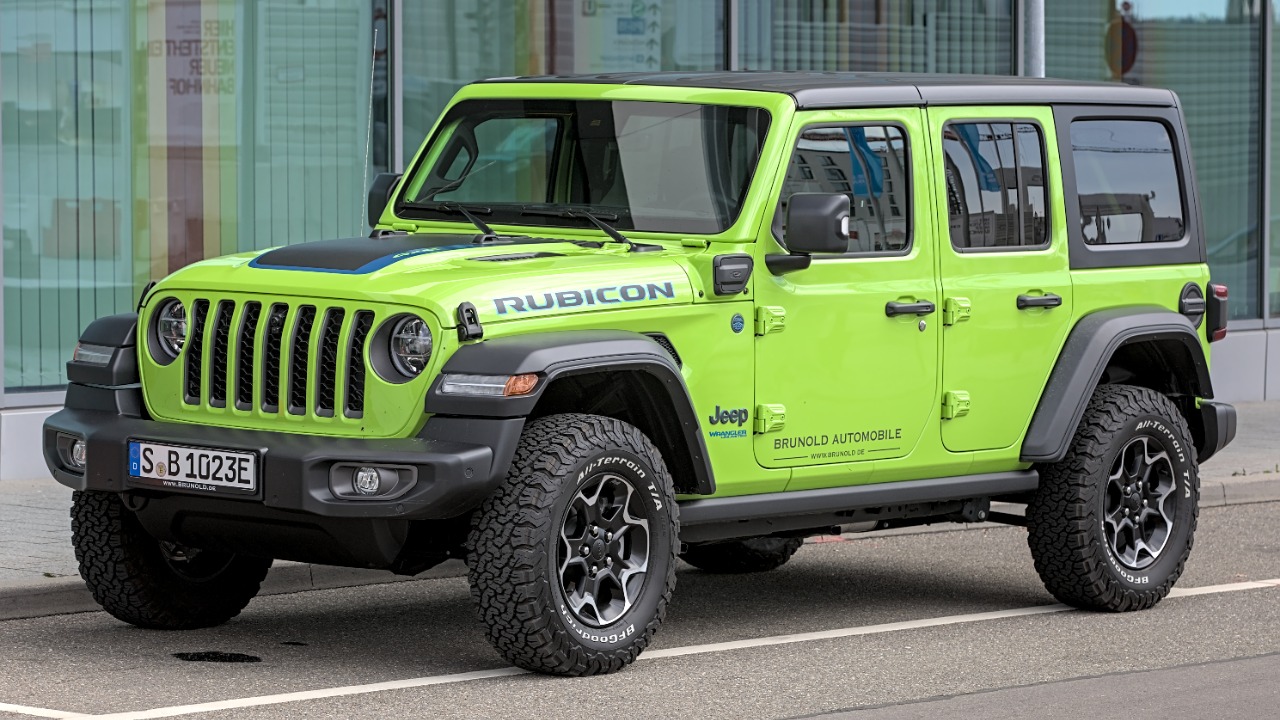
NHTSA campaign 23V787000 covers plug-in hybrid Wrangler 4xe models built with a high-voltage battery pack that can develop an internal short circuit, sparking a fire without warning. The agency’s recall notice told owners to park the SUV outside and away from structures until a dealer replaces the flawed pack, since the failure has ignited vehicles that were sitting still with the ignition off.
The recommendation is unusual because it treats the risk as ongoing rather than tied to driving, so owners cannot avoid the hazard simply by staying off the road. Anyone with an affected Wrangler 4xe should check the vehicle identification number against the recall database and schedule the free repair, since the fire can start with no driver present.
2. Chevrolet Bolt EUV: Ignites During Full Charge
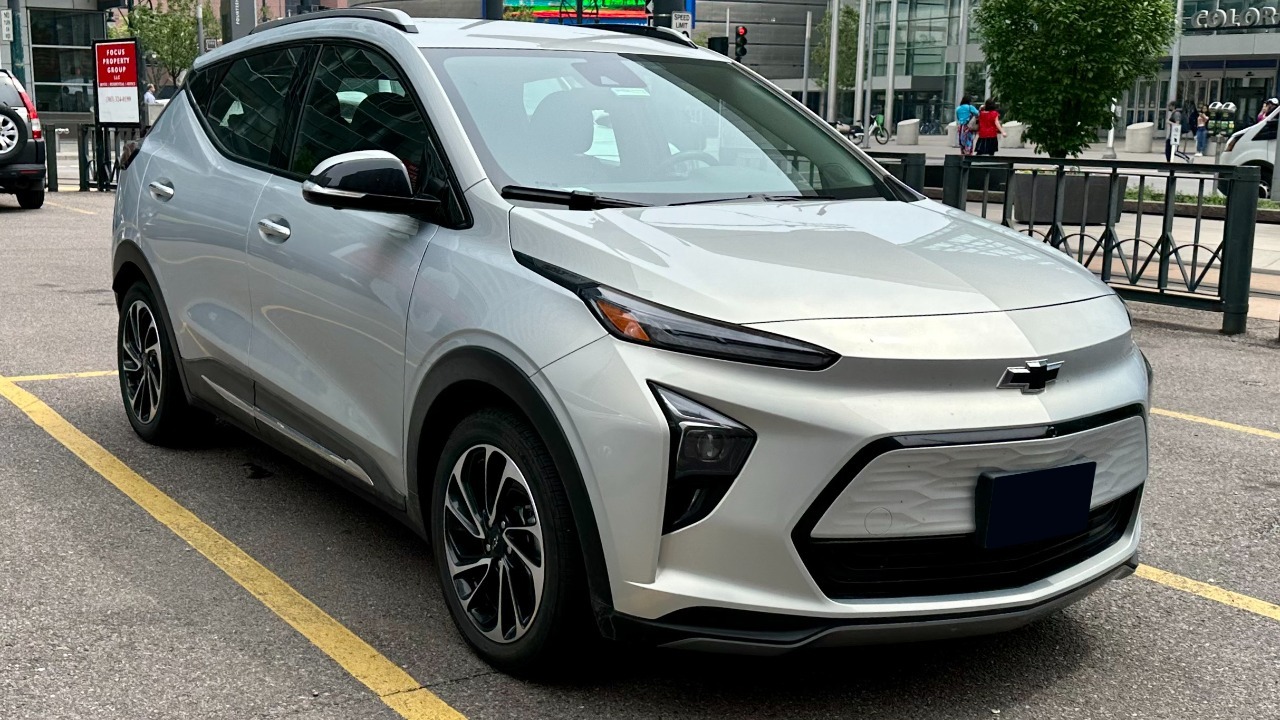
NHTSA campaign 21V650000 covers the Bolt EUV’s battery pack, which General Motors found could develop a torn anode tab and a folded separator inside individual cells, defects that can trigger an internal short and a fire. GM, working with supplier LG, urged owners to limit charging to 90 percent and park outside right after charging until dealers installed new software or replaced the pack.
The fix ultimately required GM to replace battery modules across hundreds of thousands of Bolt and Bolt EUV vehicles, one of the costliest recalls in the company’s history. Owners who bought a used Bolt EUV should confirm the repair was completed before charging at home, since an unrepaired pack can still ignite hours after the plug is disconnected.
3. Ford Expedition: Wiring Rubs Through Insulation
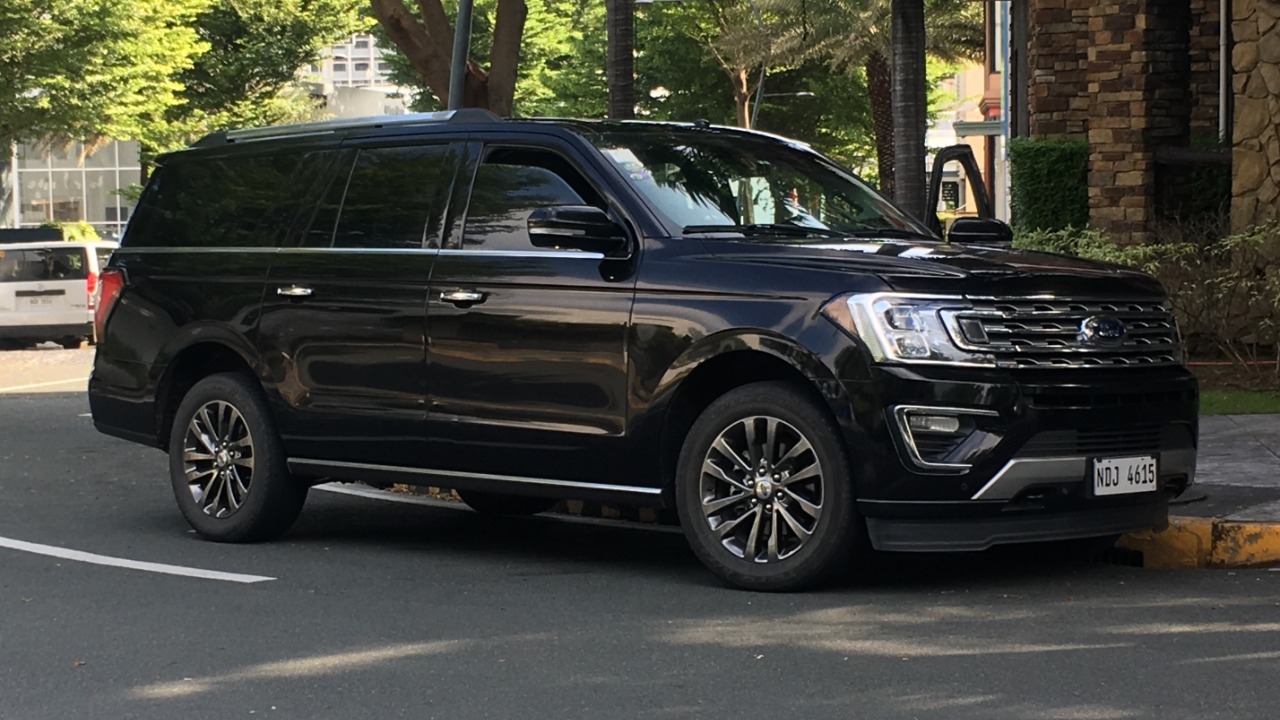
NHTSA campaign 22V346000 covers Expedition and Lincoln Navigator SUVs built with an engine wiring harness that can rub a bracket, wear through its insulation and short against the frame. Ford says the fault can ignite a fire in the engine bay whether the SUV is being driven or simply parked with the engine off, and dealers were told to reroute or replace the harness.
The recall followed reports of vehicles catching fire without a collision, prompting Ford to expand the campaign after the first repair attempt did not fully solve the rubbing problem. Owners should treat any burning smell or dashboard warning as urgent, and confirm with a dealer that the corrected harness routing, not just the earlier fix, was actually installed.
4. Hyundai Tucson: Brake Unit Can Spark
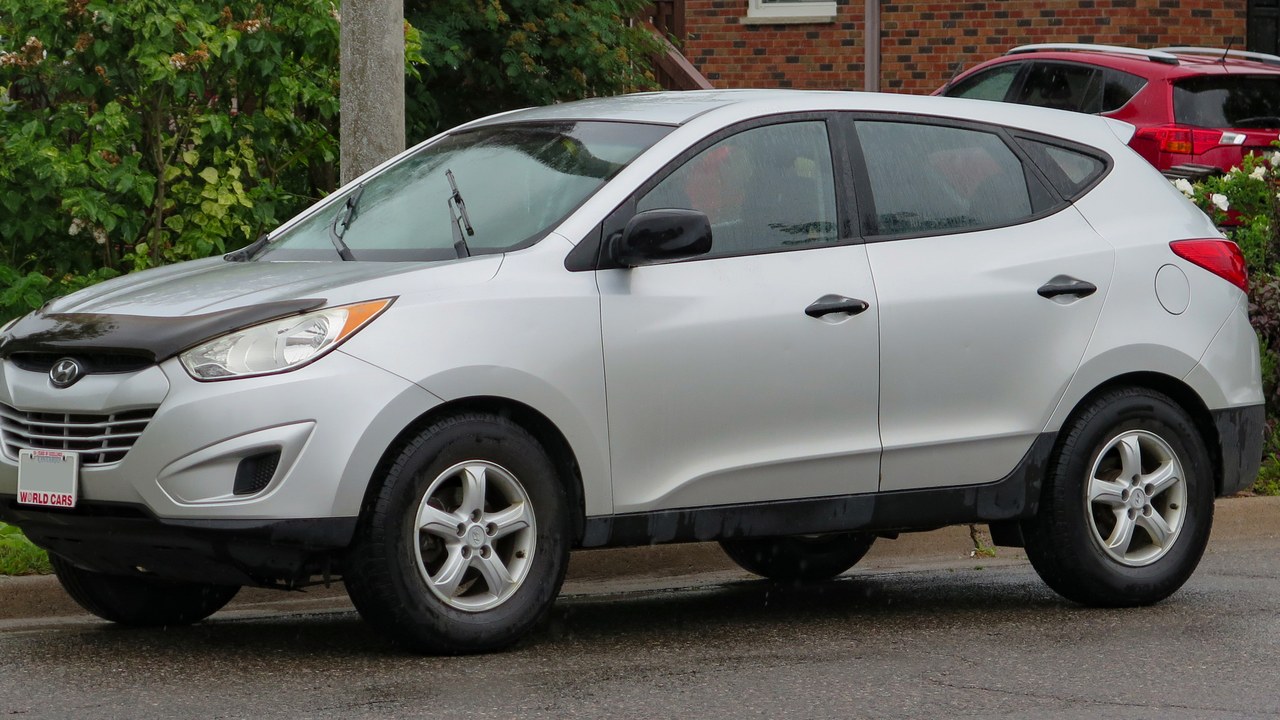
NHTSA campaign 20V543000 covers Tucson crossovers equipped with an anti-lock brake control unit where moisture can seep into the electronics and cause an internal short circuit. Hyundai says the short can generate enough heat to start a fire in the engine bay regardless of whether the vehicle is running, parked in a garage, or simply parked at the curb overnight.
The defect was part of a broader multi-brand recall affecting more than a million Hyundai and Kia vehicles, one of the largest fire-related campaigns in recent years. Owners should have a dealer install the updated fuse before the next rainy season, since the failure mode depends on water intrusion that can take months to develop after a wash or storm.
5. Kia Sportage: Same Brake Unit, Kia Badge
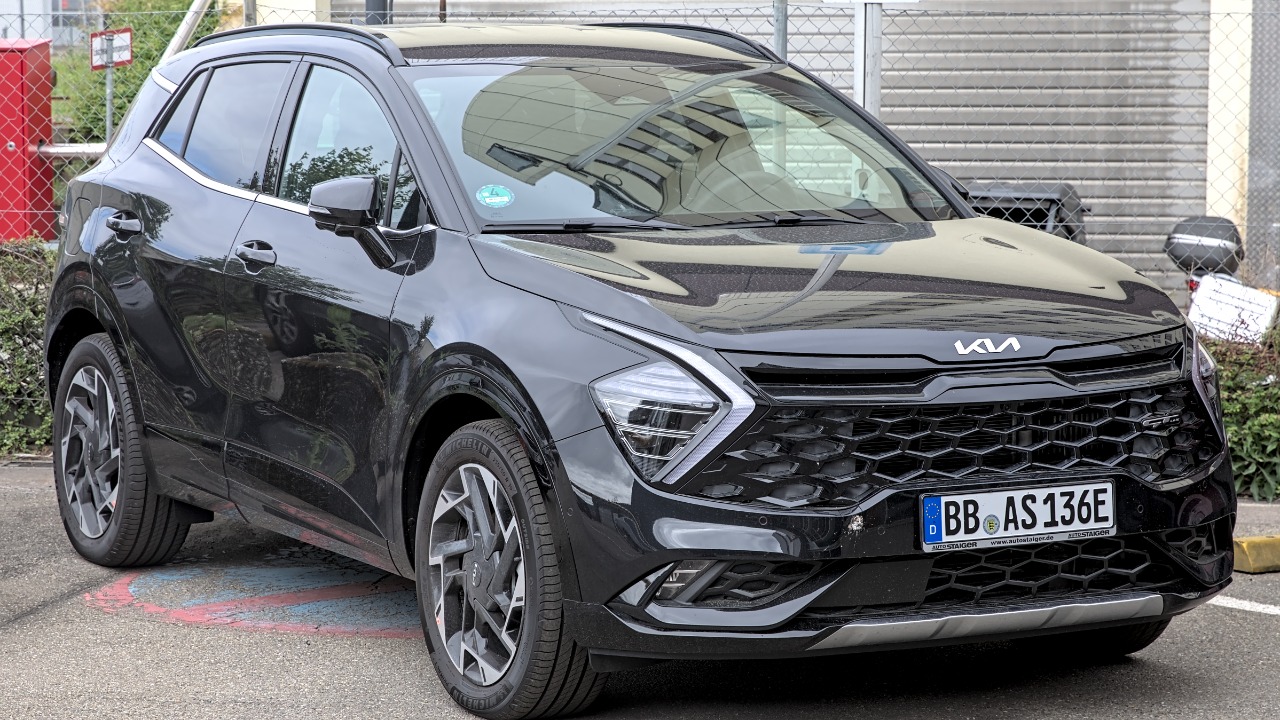
NHTSA campaign 21V137000 covers Sportage models built on the same hydraulic electronic control unit as Hyundai’s braking system recall, since Kia and Hyundai share brake-system suppliers under their parent company. Corrosion inside the unit can create an electrical short that generates heat and, in a number of documented cases, a fire that started with the SUV parked and the engine off.
Kia mailed owners a notice telling them to park outdoors, away from structures, until a dealer replaced the fuse and control unit at no cost. Anyone who never received the notice or moved without updating an address with Kia should search the vehicle identification number directly on the automaker’s recall lookup tool rather than assume the repair was already done.
6. BMW X3: Starter Relay Overheats
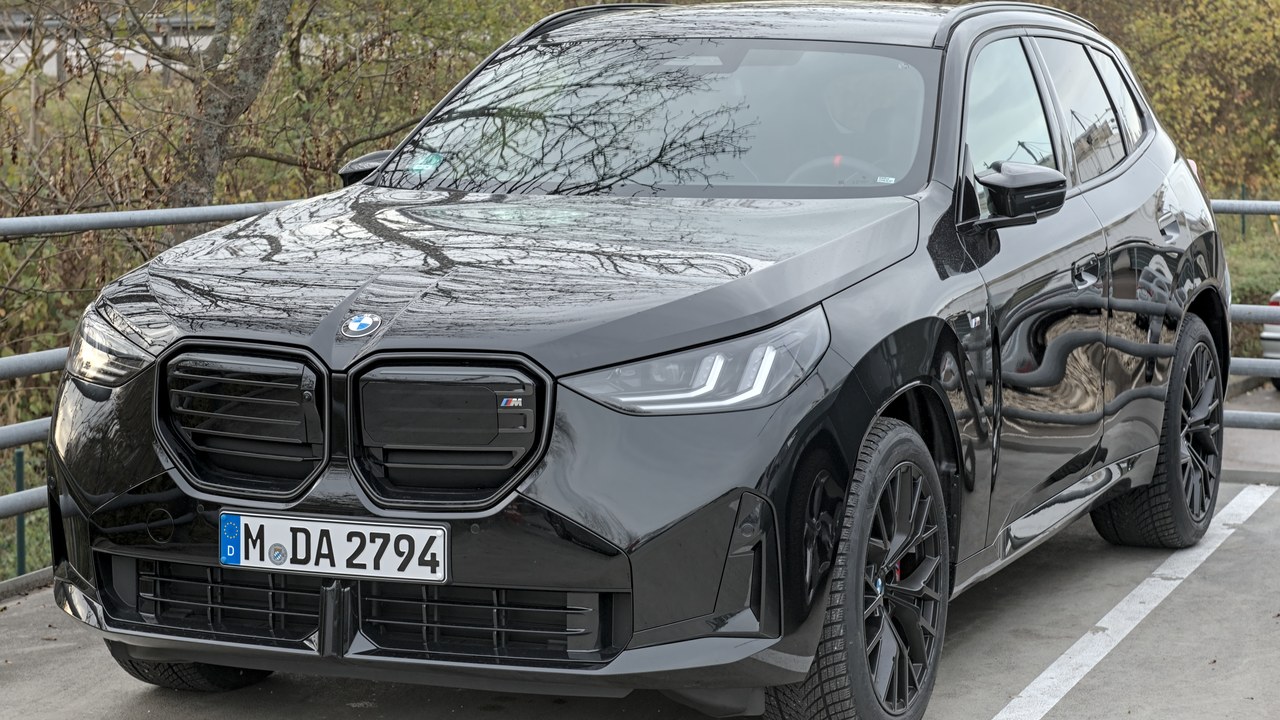
NHTSA campaign 25V636000 covers X3 SUVs equipped with a starter relay that BMW says can overheat internally even after the engine has been switched off, since the relay stays energized briefly during shutdown. In a small number of vehicles that overheating melted nearby plastic parts and ignited a fire under the hood while the SUV sat unattended in a driveway.
BMW told dealers to replace the relay free of charge and advised owners, in the interim, to avoid parking the X3 inside a garage or close to a building. The automaker has faced several starter and battery-related fire recalls in recent years, and X3 owners with an open campaign should not wait for a routine service visit to get the part swapped.
7. Volvo XC60 plug-in hybrid: Software Miscalculates Battery Cells
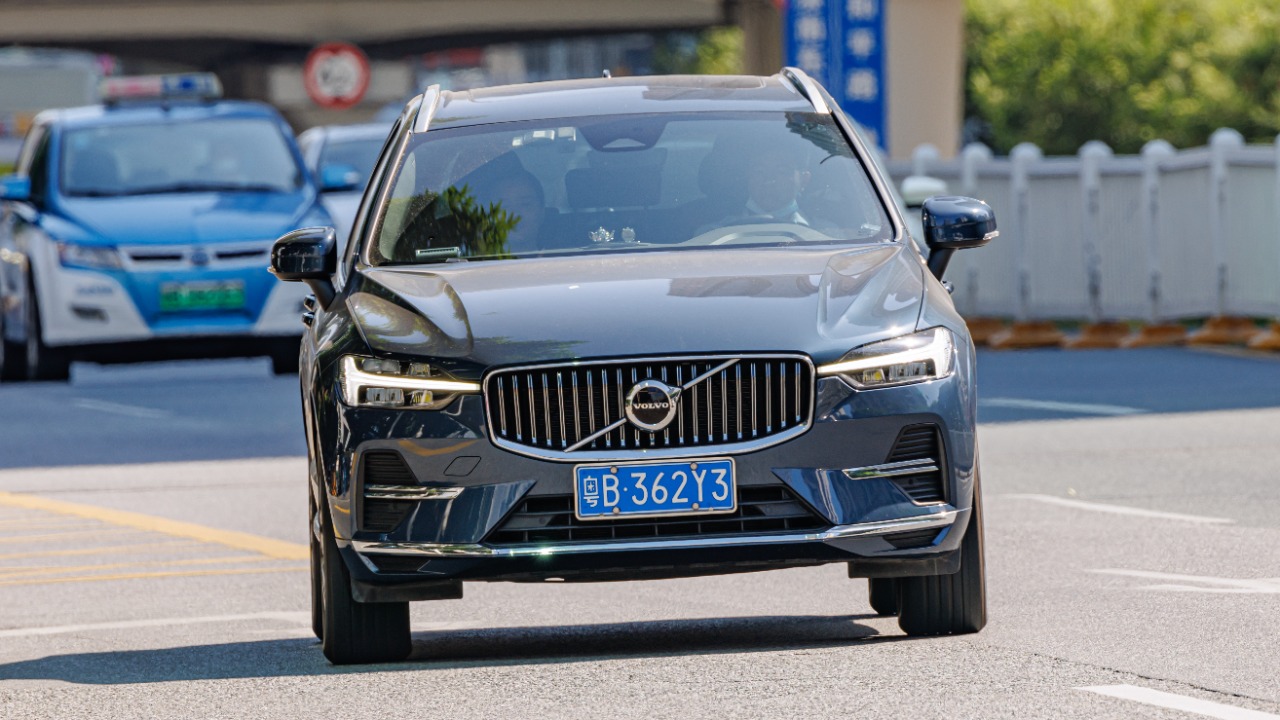
NHTSA campaign 25V179000 covers XC60 plug-in hybrids where a software error in the high-voltage battery management system can misjudge the state of individual cells, allowing them to be pushed outside safe limits during charging. Volvo says the miscalculation can lead to overheating that develops slowly, meaning a fire risk can persist for hours after the SUV is unplugged and parked for the night.
The fix is a software update that recalibrates how the battery monitors each cell, and Volvo says it can typically be installed remotely or during a short dealer visit. Owners who charge the plug-in hybrid overnight in an attached garage should confirm the update was applied, since that scenario is exactly what the recall was written to address.
8. Hyundai Santa Fe: Tow Hitch Wiring Corrodes
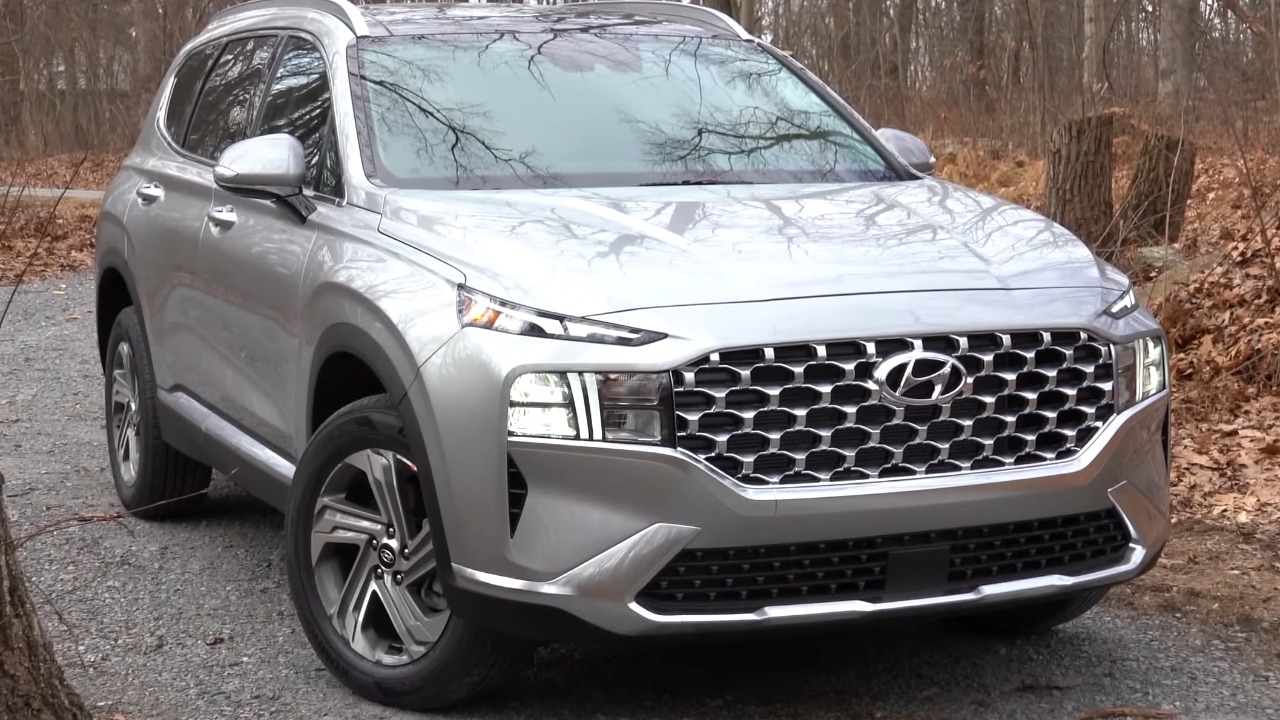
NHTSA campaign 23V181000 covers Santa Fe SUVs sold with a factory-installed tow-hitch wiring harness that can trap moisture against its connector, corroding the pins until they short and produce sparks. Hyundai says the fault sits low near the rear bumper, away from the engine, but has still ignited fires in vehicles that were parked and powered off for hours.
The recall applies only to Santa Fe models equipped with the accessory tow package, not every trim, so owners should check their build sheet or vehicle identification number rather than assume the SUV is unaffected. Hyundai dealers seal the connector and inspect the harness for free, and the company says the fix takes less than an hour once parts are in stock.
More from Morning Overview
