Image Credit: NASA Earth Observatory images by Joshua Stevens - Public domain/Wiki Commons
Beneath America’s postcard peaks and quiet national parks sit some of the most dangerous mountains on the continent. Geologists never truly sleep on them, tracking every tremor, gas plume, and swelling flank for the first sign of stirring. These are the eight volcanoes that keep US scientists watching most closely.
1. Mount St. Helens: The peak that blew its top
Image Credit: Jucelino Nóbrega d luz – CC BY-SA 4.0/Wiki Commons
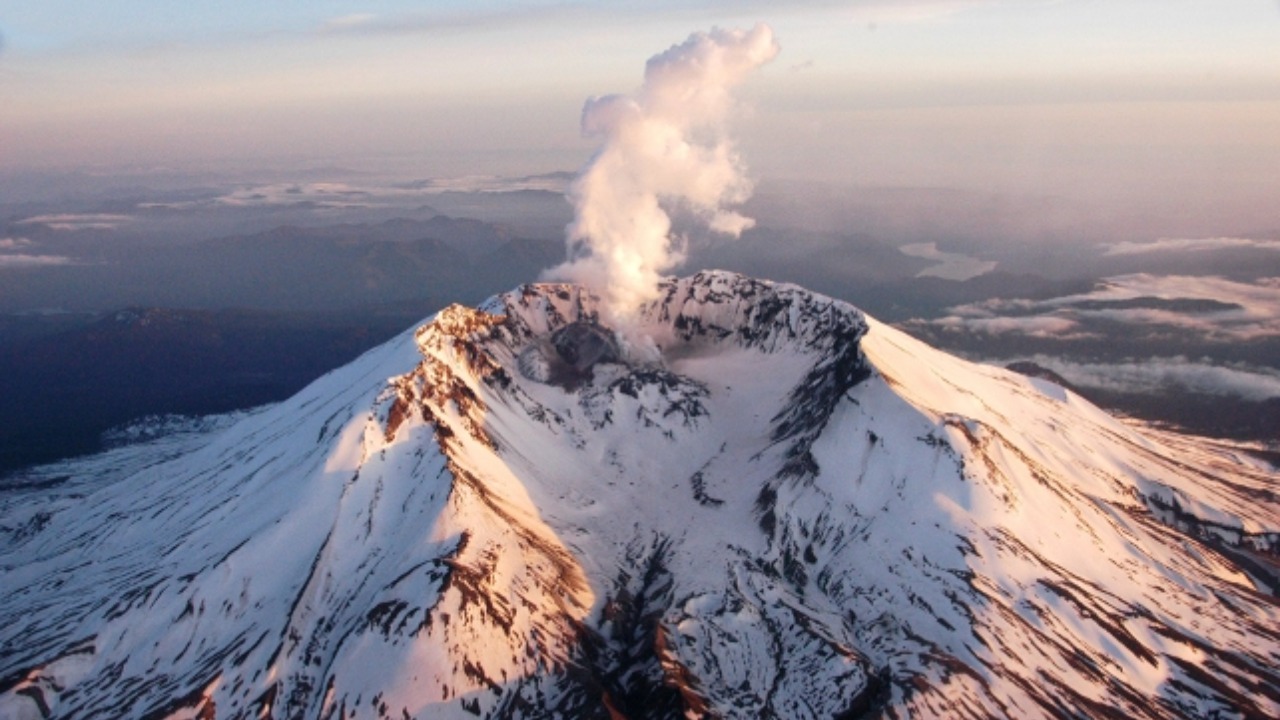
No American volcano commands more respect than Mount St. Helens, whose 1980 eruption tore away the summit and killed 57 people in southern Washington. The blast flattened forests for miles and remains the deadliest volcanic event in modern US history, a benchmark against which every other hazard gets measured by the federal hazards program.
Decades later the mountain is far from finished. A lava dome has rebuilt inside the gaping crater, small quakes swarm beneath it periodically, and monitoring stations ring the slopes. Scientists treat its relative calm as a pause rather than an ending, knowing the same magma system that unloaded once can reload again.
2. Mount Rainier: A mudflow menace over the suburbs
Image Credit: brewbooks from near Seattle, USA – CC BY-SA 2.0/Wiki Commons
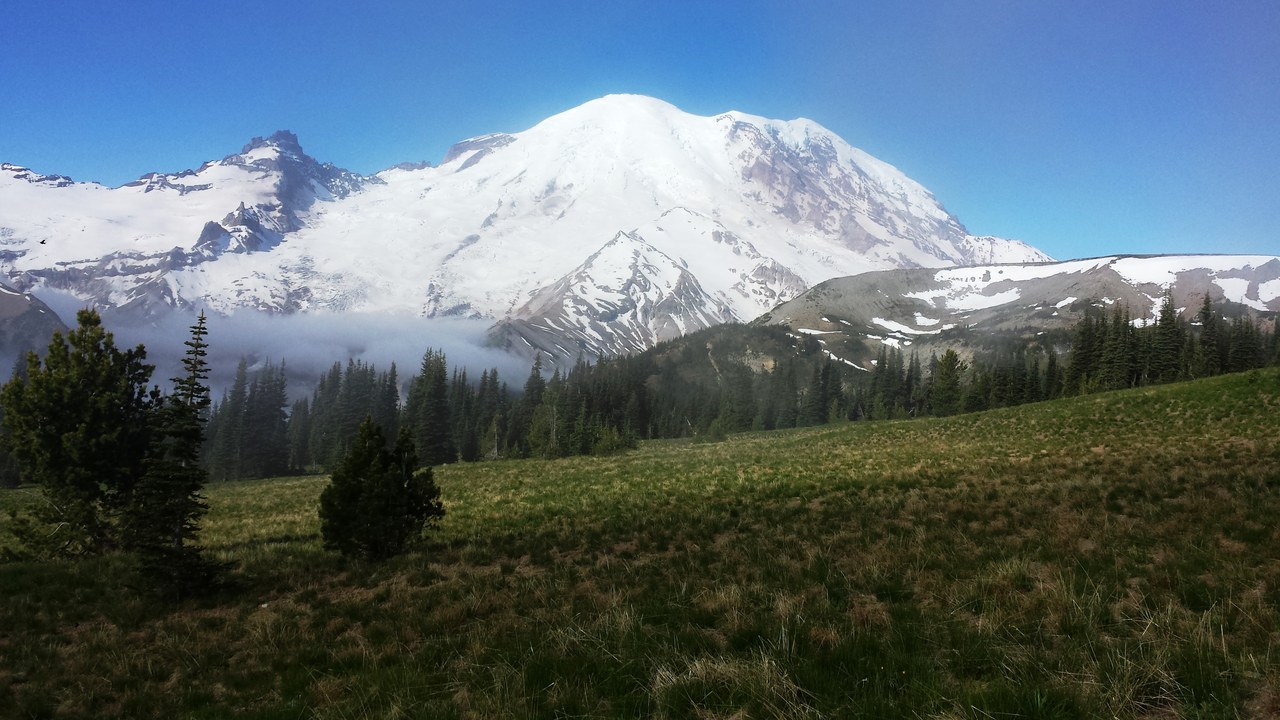
Towering over Seattle and Tacoma, Mount Rainier worries geologists less for its lava than for its ice. The peak carries enormous glaciers that an eruption could melt into fast-moving lahars, and the USGS hazard assessment maps those mudflows racing straight into densely built Puget Sound valleys.
Whole suburbs sit atop deposits left by past lahars, evidence that the mountain has buried these lowlands before. Communities downstream now run warning sirens and evacuation drills, an unusual precaution that reflects just how many lives could be in the path. That looming threat keeps Rainier near the top of every national danger ranking.
3. Kilauea: Hawaii’s restless fire pit
Image Credit: James Lee/Pexels
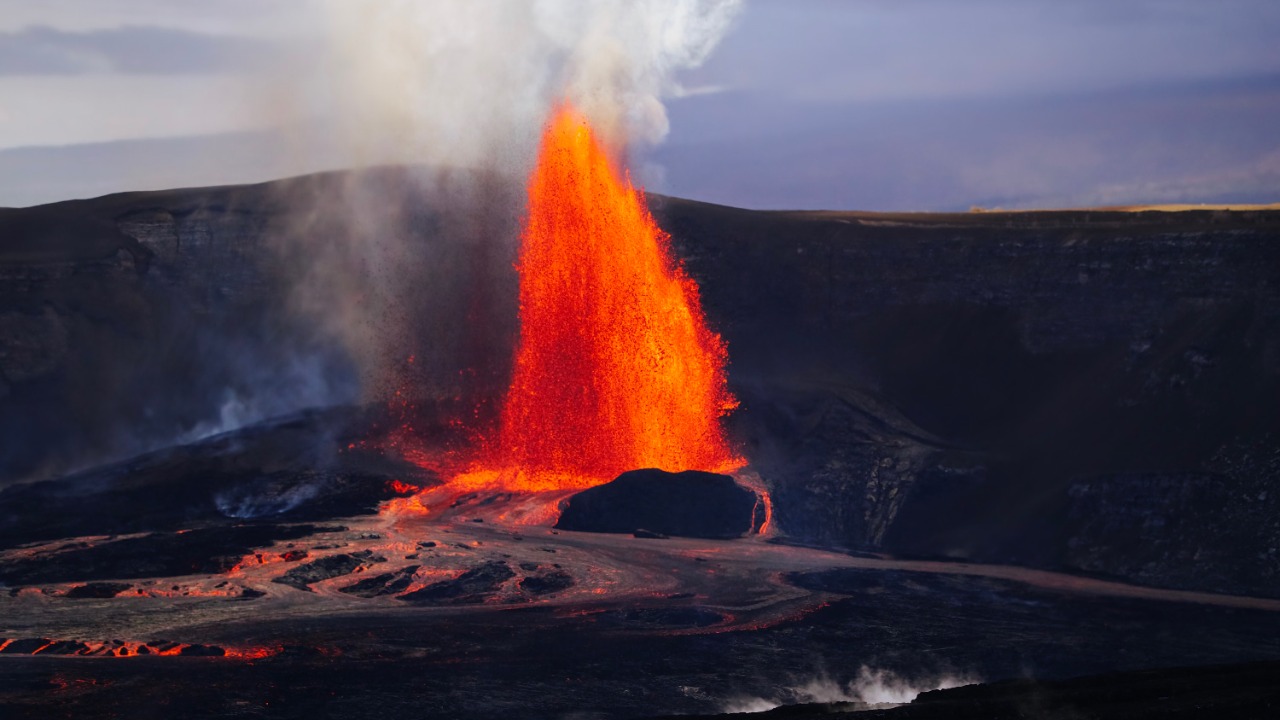
On Hawaii’s Big Island, Kilauea ranks among the most active volcanoes on the planet, erupting again and again across recent decades. A dramatic 2018 sequence destroyed hundreds of homes in the Puna district and reshaped the coastline, an episode chronicled in detail by geologic records.
Its summit crater has since hosted repeated lava-lake displays that draw crowds to Hawaii Volcanoes National Park. Because eruptions come so frequently, researchers use Kilauea as a living laboratory, refining the instruments and forecasting methods later applied to riskier peaks. Frequent activity makes it as much an opportunity as a hazard.
4. Mauna Loa: The giant that woke in 2022
Image Credit: Wiki Commons – CC BY 4.0/Wiki Commons
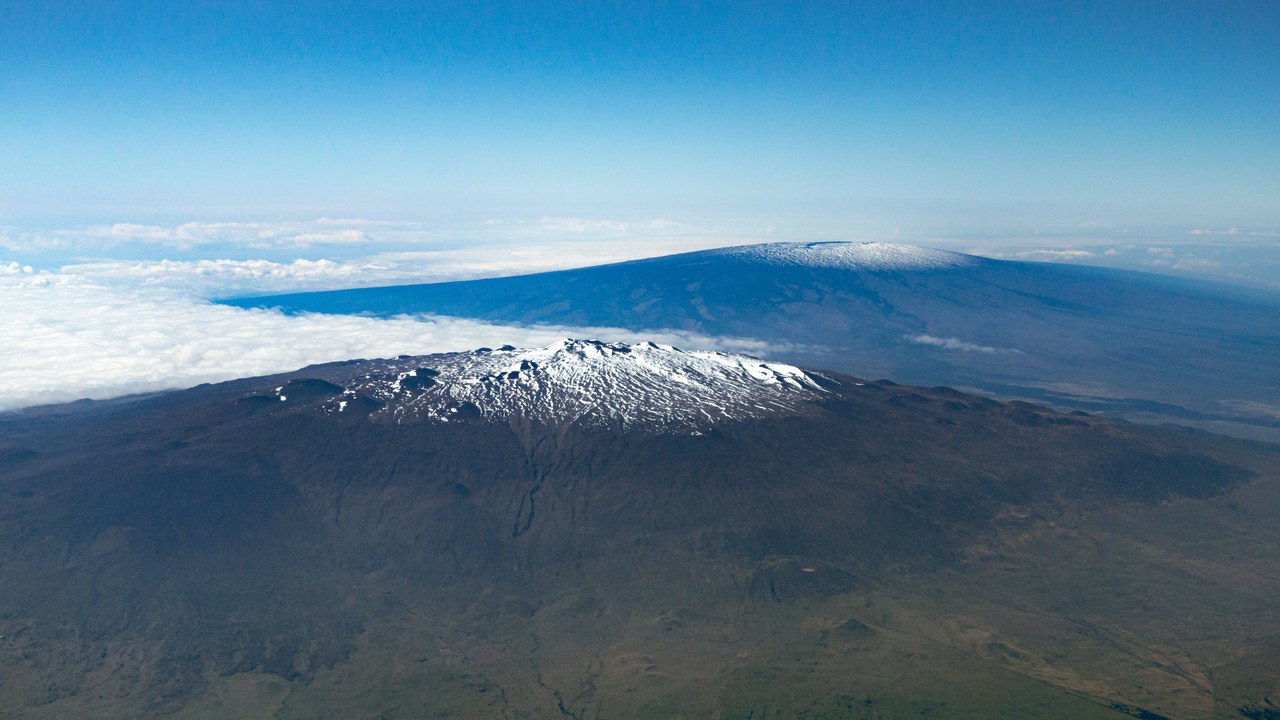
Mauna Loa is the largest active volcano on Earth, a broad shield rising above its Big Island neighbor Kilauea. After 38 quiet years it stirred back to life in late 2022, sending lava flows toward a key highway in an eruption documented by volcano monitors.
Its gentle slopes hide staggering scale, spreading across half the island and reaching deep below sea level. Past flows have crept close to Hilo, and the sheer volume of magma it can release keeps analysts vigilant. Even a slow eruption from such a vast system commands attention across the Hawaiian chain.
5. Yellowstone Caldera: The supervolcano under the park
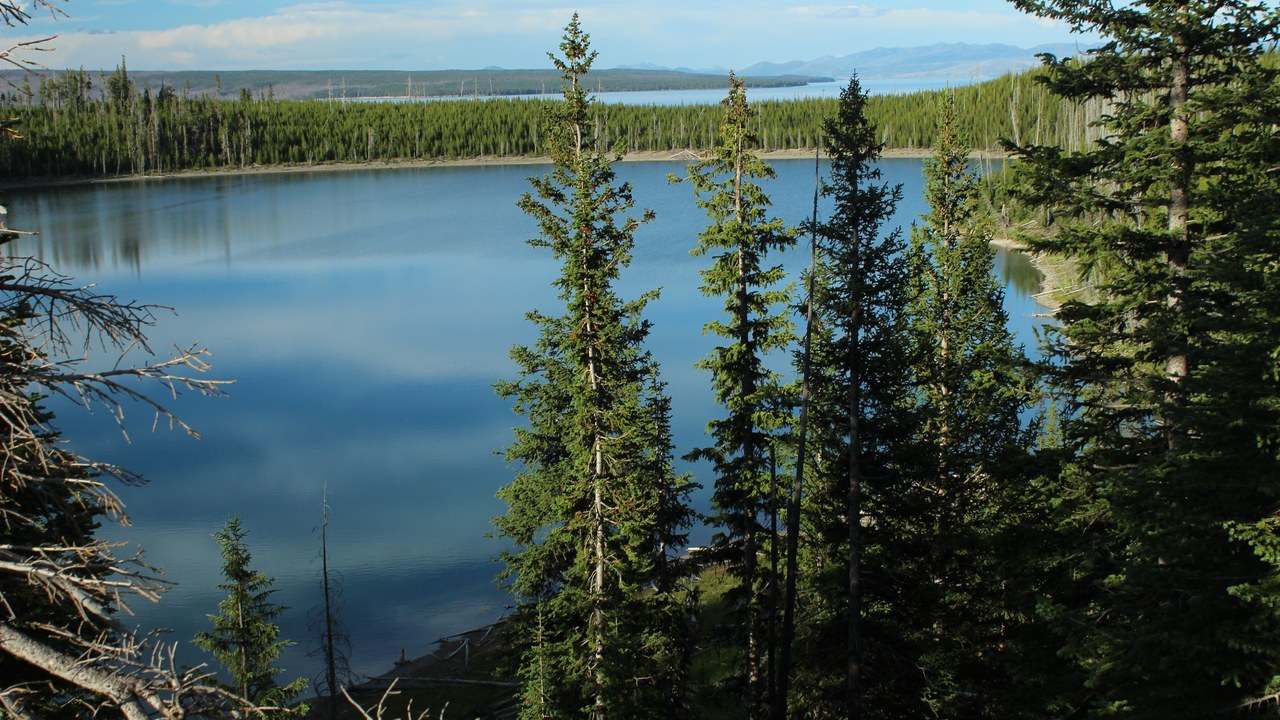
Image Credit: Miguel Hermoso Cuesta – CC BY-SA 4.0/Wiki Commons
Yellowstone’s famous geysers and hot springs are surface hints of a supervolcano simmering below the national park. Its ancient super-eruptions rank among the biggest in geologic history, a scale explained in the caldera overview.
A dedicated observatory tracks the ground surface, which rises and falls by inches as molten rock shifts far underground. Despite lurid headlines, scientists stress there is no sign of an imminent blast, and the far likelier hazards here are hydrothermal explosions and earthquakes. The sheer destructive potential of the system, however, ensures Yellowstone never leaves the national watchlist.
6. Mount Shasta: A quiet Cascade giant
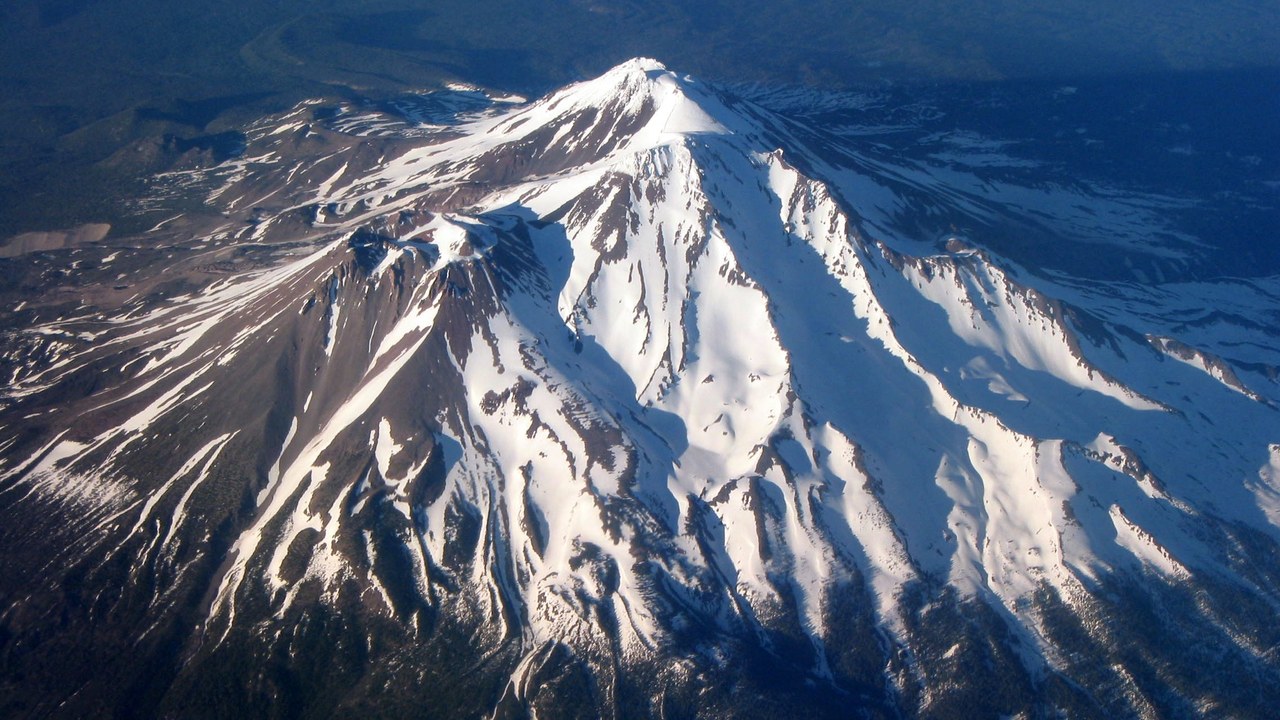
Image Credit: Ewen Denney (talk · contribs) – CC BY-SA 3.0/Wiki Commons
Rising alone above northern California, Mount Shasta is a towering stratovolcano that dominates the landscape for a hundred miles. It has erupted several times over the last few thousand years, and its geologic history is laid out in the mountain profile.
Growing towns cluster at its base, drawn by the scenery yet exposed to future flows and lahars. Because its eruptions are spaced far apart, the peak can lull people into forgetting it is active at all. Geologists keep sensors trained on the mountain precisely because its long silences say nothing about what comes next.
7. Mount Redoubt: The volcano that grounds jets
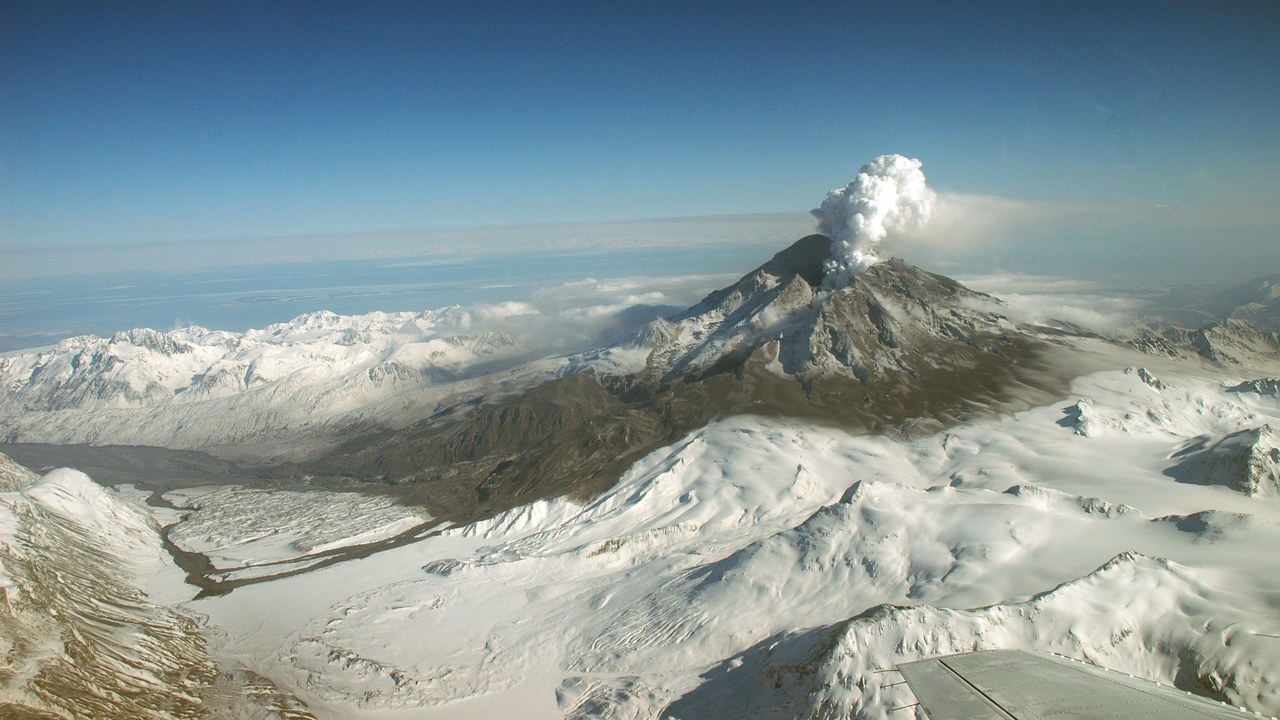
Image Credit: R. G. McGimsey Geologist USGS – Public domain/Wiki Commons
Across Cook Inlet from Anchorage, Alaska’s Mount Redoubt has a habit of hurling ash miles into busy flight corridors. Its 1989 and 2009 eruptions disrupted air travel and even stalled a passenger jet’s engines, incidents recounted in the eruption history.
Volcanic ash is brutal on aircraft, melting inside hot turbines and choking engines mid-flight. That danger turns each Redoubt eruption into an aviation emergency across the North Pacific, where transcontinental routes thread the region. Alaskan observatories now watch it around the clock so airlines get warning before the ash climbs.
8. Lassen Peak: The Cascade’s last eruption before 1980
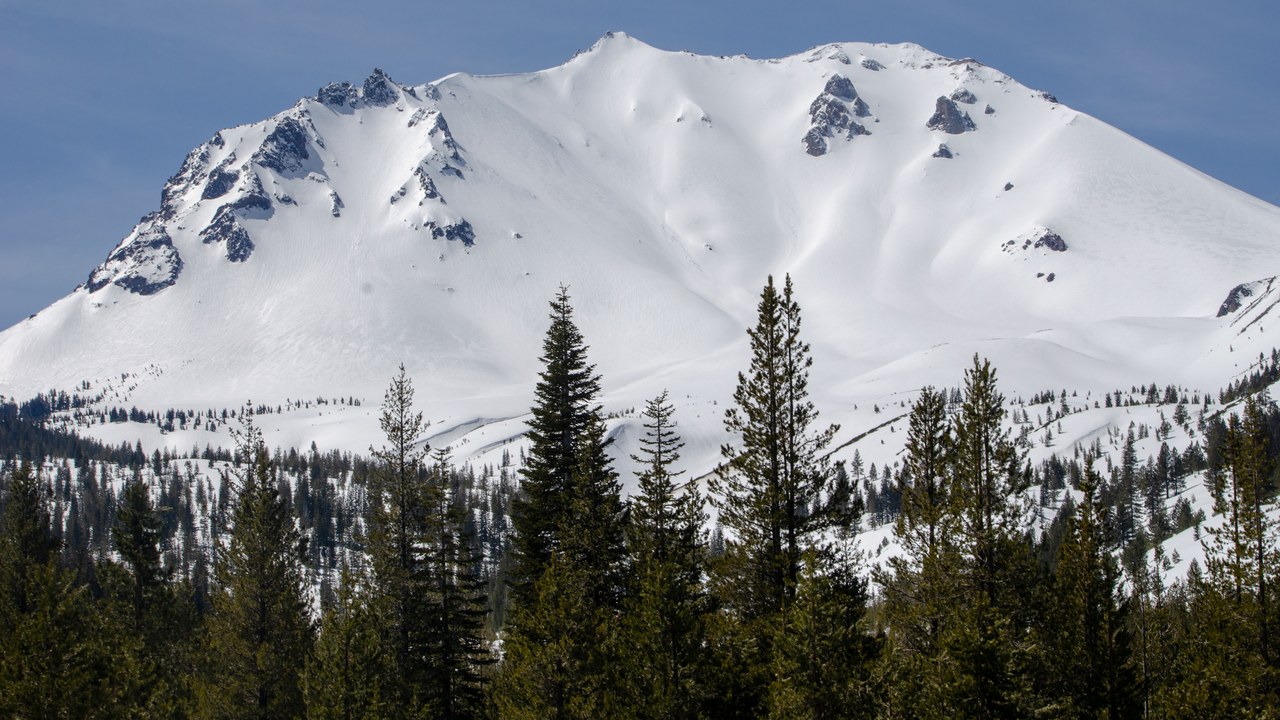
Image Credit: Amanda Sweeney – Public domain/Wiki Commons
Before Mount St. Helens stole the title, Lassen Peak in northern California was the most recent Cascade volcano to erupt, with a burst of activity beginning in 1914. Its 1915 blast sent ash and debris streaming down the flanks, a sequence preserved in the peak’s record.
Today the surrounding national park still steams and bubbles with fumaroles and boiling mud pots. That persistent heat signals a magma system that has merely quieted rather than died. Researchers keep the peak under watch, treating its early-20th-century eruption as a reminder that the whole Cascade Range remains alive.
More from Morning Overview
Morning Overview is reader-supported. Some links in our articles are affiliate links, and we may earn a commission at no extra cost to you. As an Amazon Associate I earn from qualifying purchases. Full disclosure.