
Beneath a handful of quiet lakes and gentle valleys lie the plumbing systems of Earth’s most catastrophic volcanoes, giants capable of burying continents in ash and dropping global temperatures for years. Most have slept for millennia, betraying themselves only through slow ground swelling and swarms of tremors. These eight rank among the planet’s most formidable.
1. Yellowstone Caldera: A Thousandfold Blast
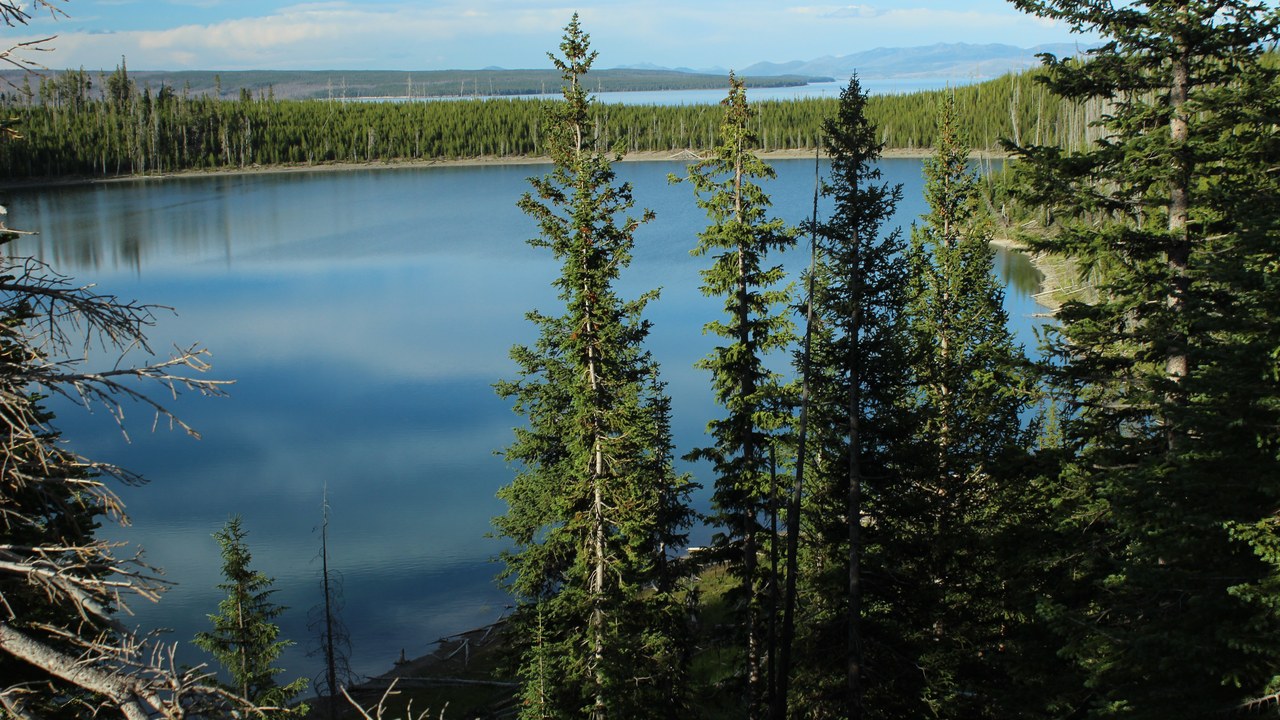
The Yellowstone Caldera hides beneath the geysers and hot springs of America’s oldest national park, a 40-mile-wide cauldron fed by a plume of superheated rock. Its most recent super-eruption hurled out roughly 1,000 times the material of the 1980 Mount St. Helens blast, blanketing much of North America in ash. Such an event would rank among the largest volcanic explosions ever recorded.
Despite the alarming statistics, scientists monitoring the region stress that another cataclysm is not imminent. The ground rises and falls and earthquake swarms come and go without signaling an eruption, and the far likelier hazard remains a smaller hydrothermal explosion or lava flow.
2. Lake Toba: The Volcanic Winter Maker
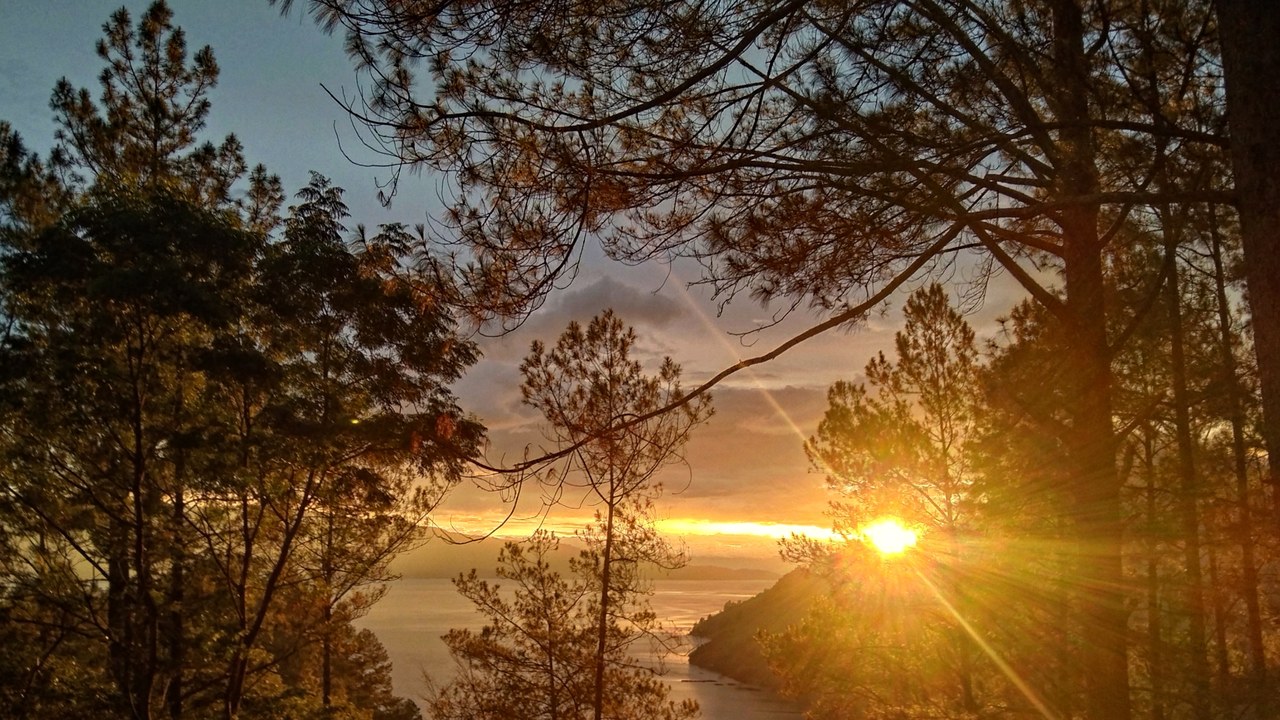
Indonesia’s Lake Toba fills the scar of a colossal eruption about 74,000 years ago, one of the largest known in the past two million years. Researchers have proposed that the blast injected so much sulfur and ash into the stratosphere that it triggered a volcanic winter, cooling the globe for years. Some hypotheses even tie the event to a bottleneck in early human populations.
That population-crash theory remains debated, and newer studies suggest the climate impact may have been less severe than once feared. Even so, the sheer scale of the deposits confirms Toba as a benchmark for catastrophic volcanism.
3. Campi Flegrei: The Restless Fields Near Naples
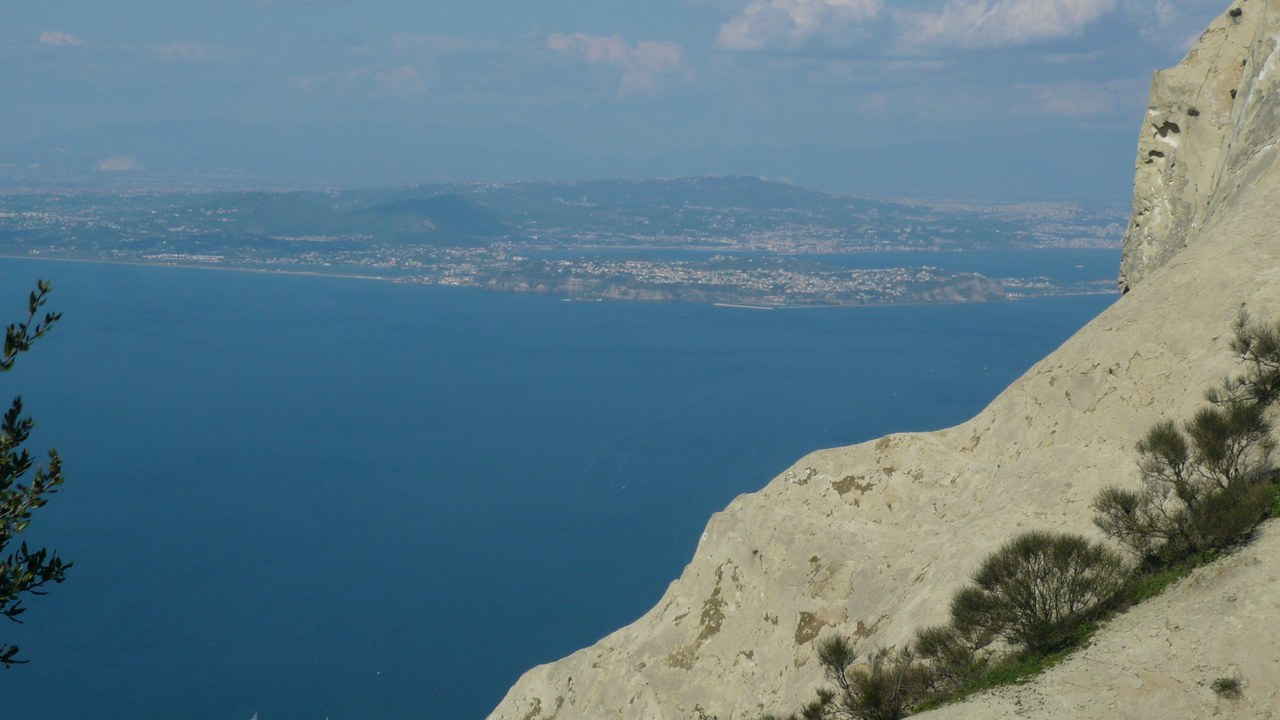
West of Naples, the Campi Flegrei caldera sprawls beneath a densely populated coastline, much of it hidden under the Bay of Pozzuoli. Since 2005 the ground has been steadily rising and quakes have intensified, prompting authorities to raise the alert level. The unrest sits directly under the homes of hundreds of thousands of residents.
Volcanologists caution that ground uplift does not guarantee an eruption, and the caldera has stirred before without one. Yet the combination of dense population and an active magma system keeps Campi Flegrei among Europe’s most closely watched hazards.
4. Taupo Volcano: New Zealand’s Cataclysmic Lake
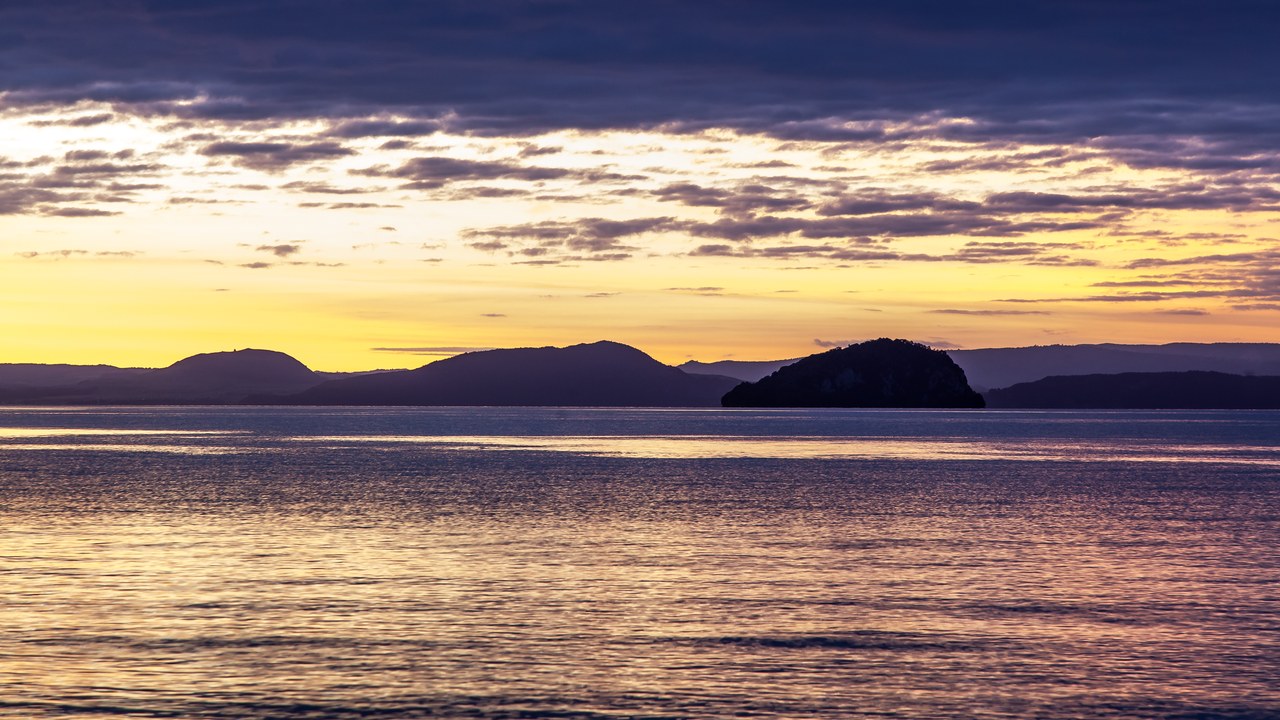
New Zealand’s Lake Taupo occupies a caldera left by some of the most violent eruptions in recent geological history. The Oruanui event around 26,500 years ago ranks as one of history’s largest eruptions, and a later blast about 1,800 years ago reddened skies as far away as China and Rome. The placid lake belies that explosive past.
Today the volcano is quiet, though minor earthquake swarms occasionally ripple beneath the lakebed. Its record of enormous outbursts makes Taupo a natural laboratory for understanding how supervolcanoes behave over thousands of years.
5. Long Valley Caldera: California’s Swelling Giant
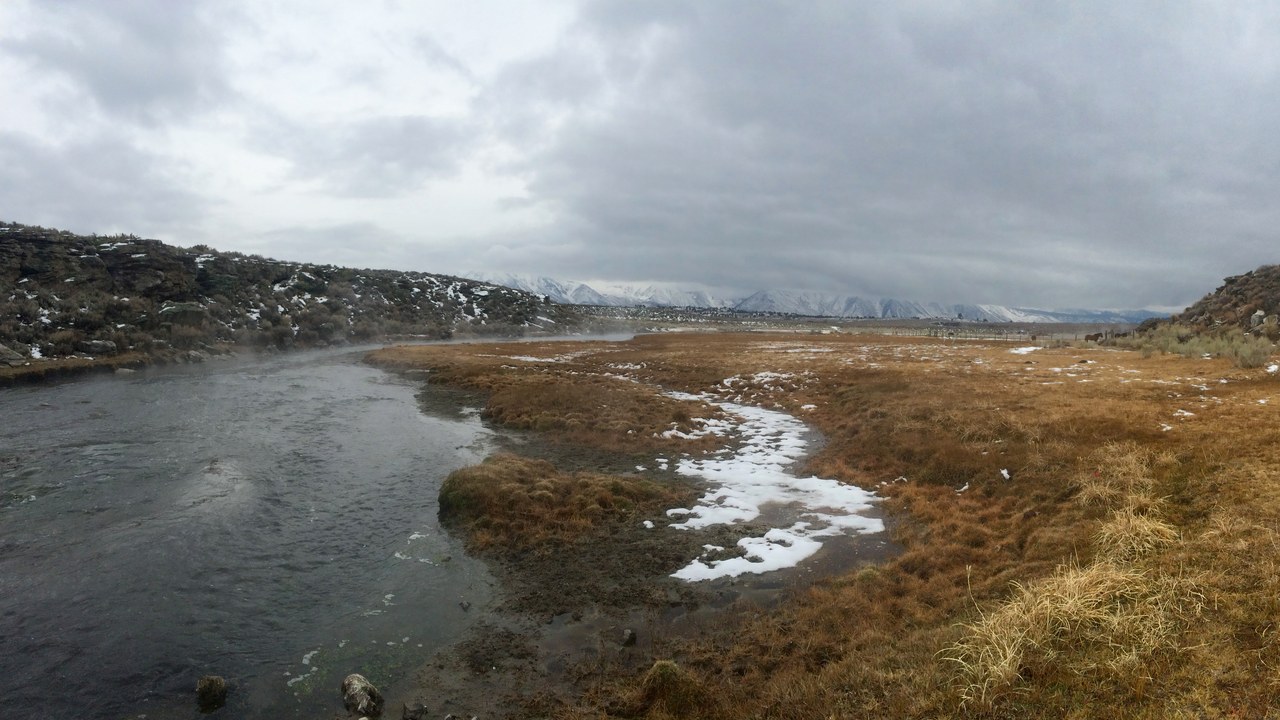
Long Valley Caldera stretches across eastern California near the resort town of Mammoth Lakes, a 20-mile-long depression carved by an eruption some 760,000 years ago. Beginning in the late 1970s the caldera floor bulged upward for decades, accompanied by earthquake swarms and rising volcanic gases that killed trees on Mammoth Mountain. The unrest drew intense scientific scrutiny.
That inflation has since largely eased, and researchers report no clear signs of an imminent eruption. Still, the caldera’s restless history and its proximity to the popular ski country around Mammoth keep it under constant instrumental watch.
6. Aira Caldera: The Engine Behind Sakurajima
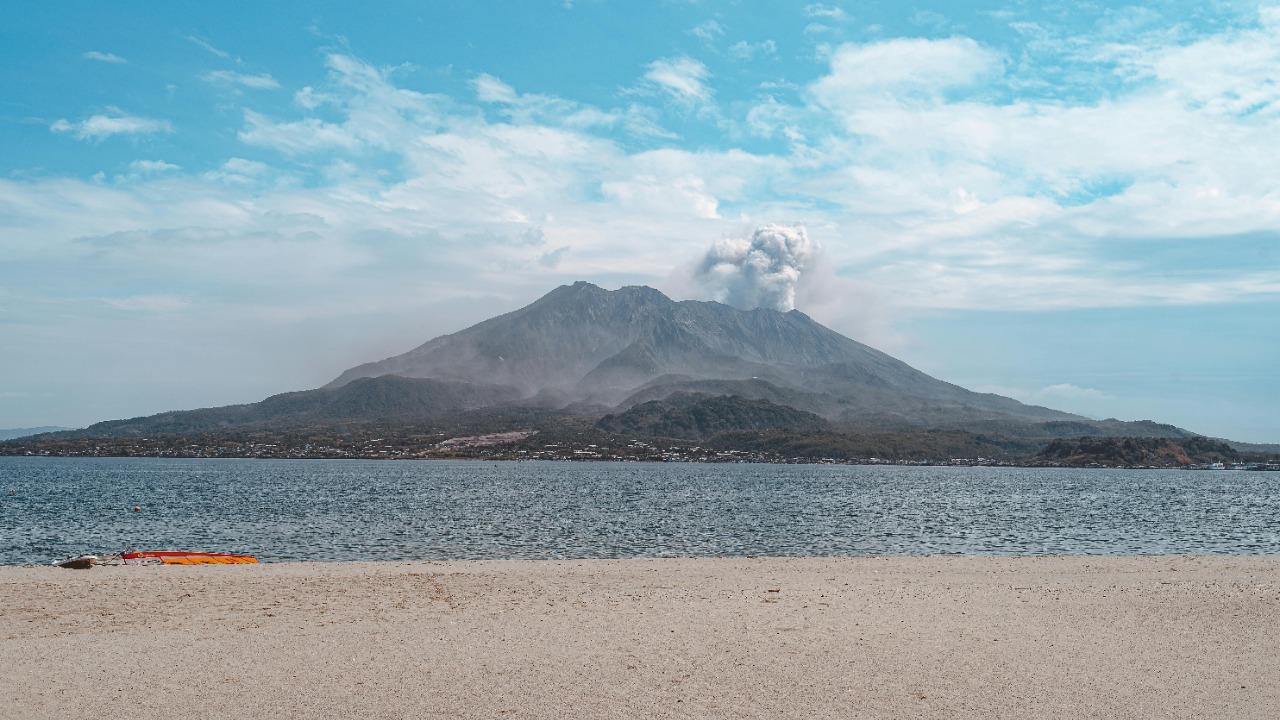
At the head of Kagoshima Bay in southern Japan, the Aira Caldera formed in a massive eruption roughly 22,000 years ago. Today it feeds one of Japan’s most active volcanoes, Sakurajima, which showers ash over a city of hundreds of thousands almost daily. Residents there live with routine eruptions in a way few populations do.
While Sakurajima’s frequent bursts are relatively small, the caldera beneath it is capable of far greater violence. Scientists track its magma supply closely, aware that the modern cone is only the visible tip of a much larger system.
7. Valles Caldera: A Fourteen-Mile Scar
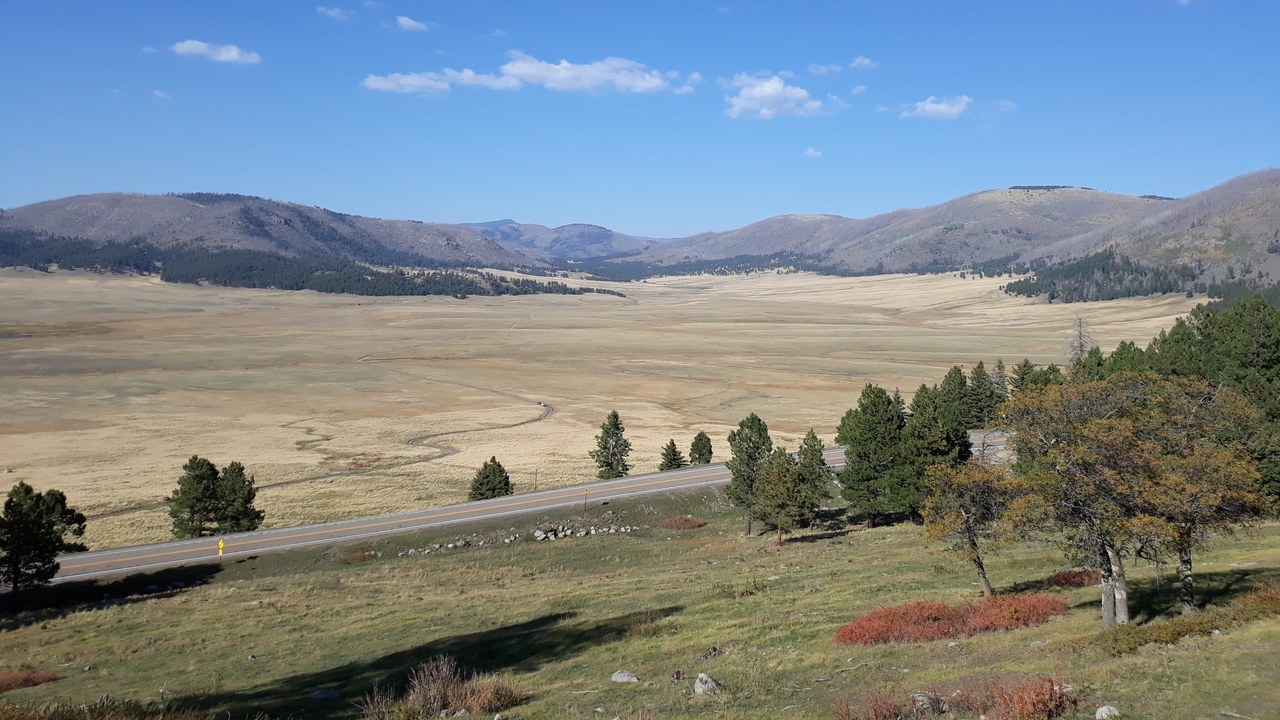
In the Jemez Mountains of northern New Mexico, the Valles Caldera forms a broad grassland basin ringed by forested peaks. The circular depression, roughly 14 miles across, was blasted out by a super-eruption more than a million years ago that spread ash across the region. A resurgent dome now rises gently from the caldera floor.
The area is now a national preserve prized for elk herds and hot springs rather than feared for its violent origins. Geothermal heat still simmers below, a reminder that the giant is dormant rather than extinct.
8. Cerro Galan: An Andean Colossus
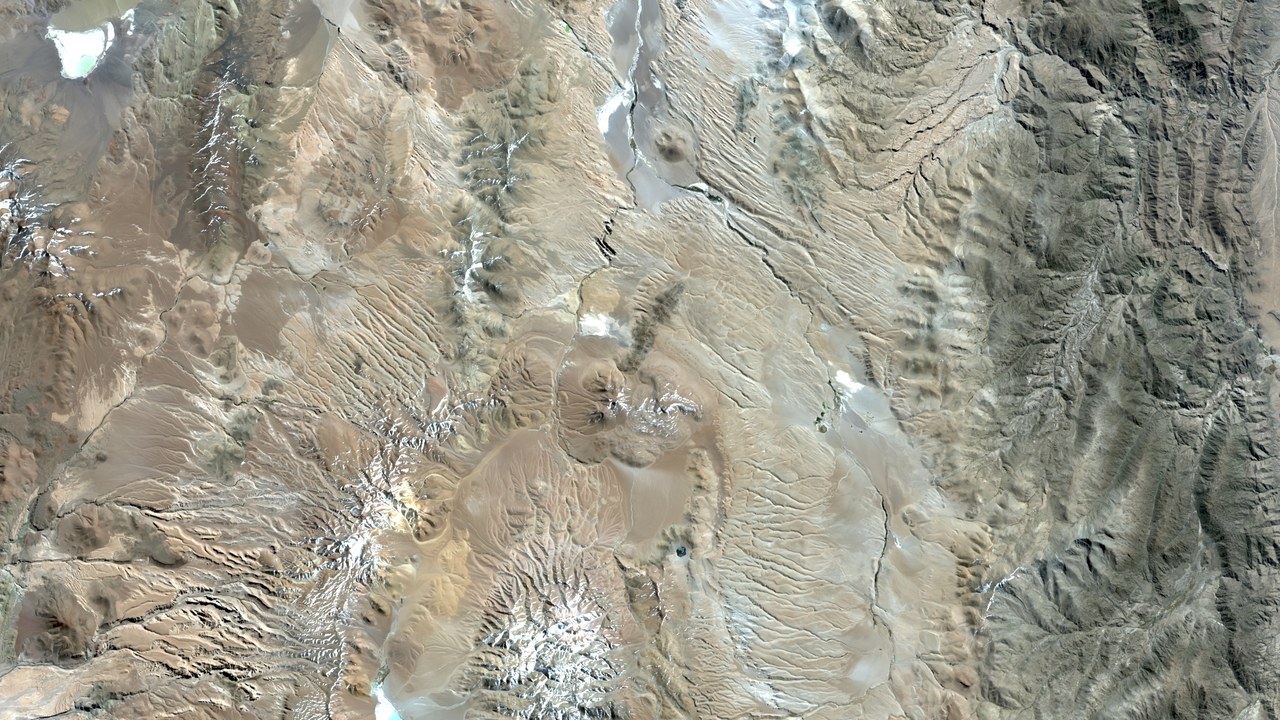
High in the Andes of northwestern Argentina, Cerro Galan is a remote caldera counted among the largest on Earth. Its defining eruption around two million years ago expelled enormous volumes of ash and pumice, leaving an oval basin more than 20 miles across at nearly 15,000 feet of elevation. Few travelers ever see this isolated giant.
The caldera’s thin air and harsh terrain make it difficult to study, yet its scale rivals better-known supervolcanoes elsewhere. For geologists, Cerro Galan is a stark example of how the planet’s most powerful eruptions can hide in plain sight.
More from Morning Overview
- A California supervolcano has bulged upward about two and a half feet since 1978
- The FTC is warning about a scam quietly draining thousands from victims
- The NSA is again telling phone owners to switch off one location setting
- A handful of car transmissions are so tough mechanics say they almost never fail
