
A manual gearbox with an exposed metal gate was once the signature of Italy’s fastest road cars, a mechanical flourish that turned every shift into a small ceremony. Automakers phased the layout out as paddle-shifted dual-clutch transmissions took over, leaving only a specific era of supercars with the feature. The following gallery counts down eight cars whose shifter still clicks through that open gate.
1. Ferrari F40: A Dogleg First Gear
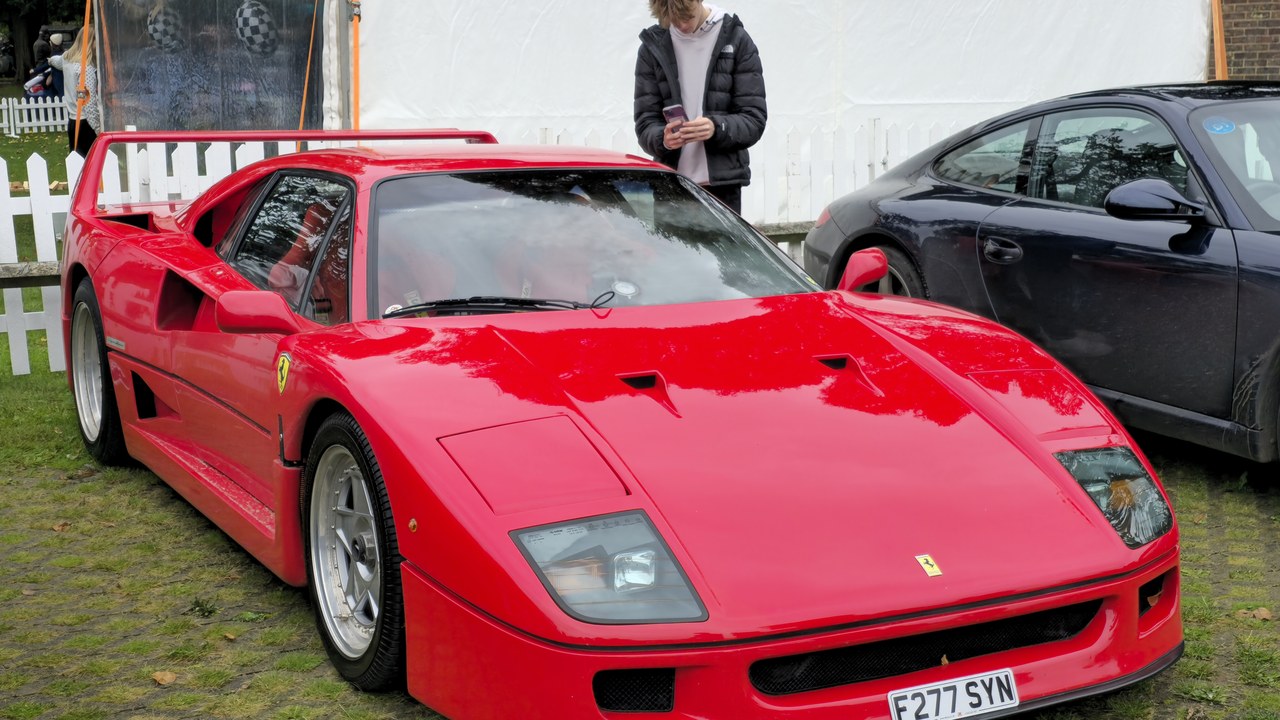
Ferrari built the F40’s five-speed transmission with a dogleg first gear, tucked low and to the left of the pattern, so the remaining four ratios fall into a conventional H layout familiar to any manual driver. The lever rows through Ferrari’s chrome shift gate, a mechanical signature carried over from the brand’s racing programs.
No F40 ever left the factory with a dual-clutch box or any computer mediating the shift, which is part of why collectors still chase clean manual examples decades after the model went out of production in 1992.
2. Ferrari F50: An F1 Engine, Rowed By Hand
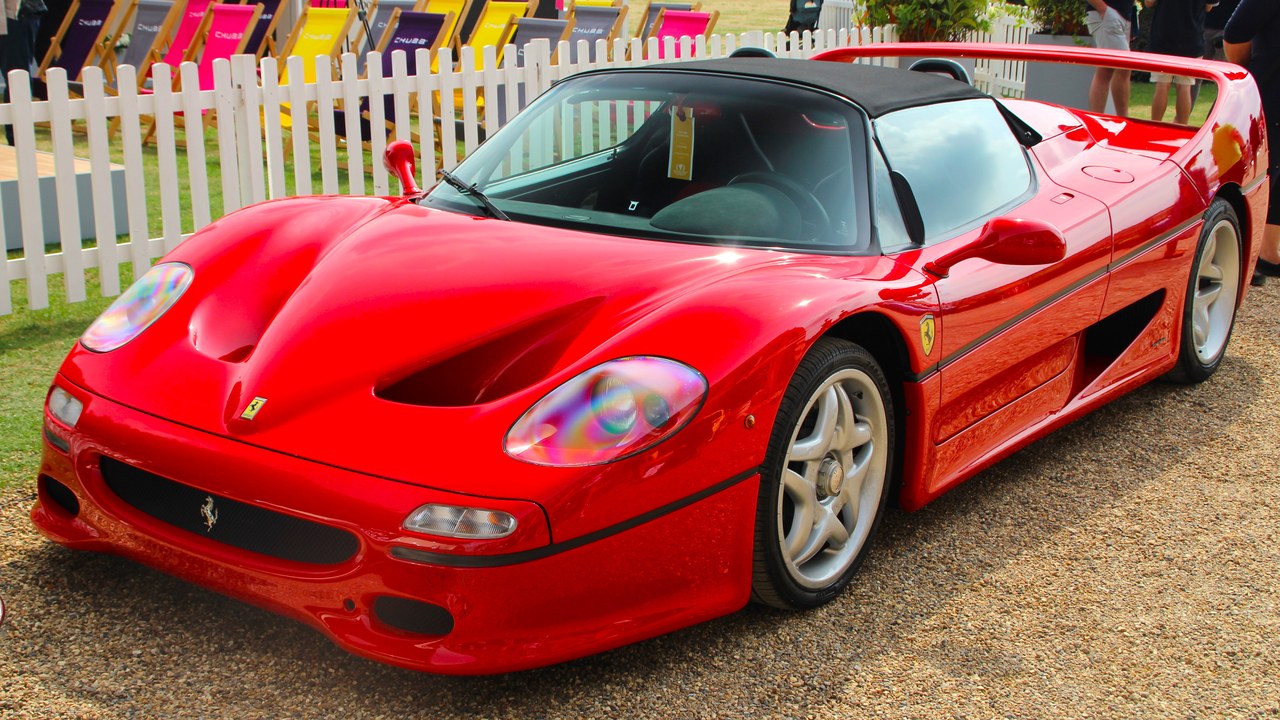
Ferrari adapted the F50’s 4.7-liter V12 directly from its 1990 Formula 1 program, then bolted it to the chassis as a stressed member rather than isolating it with rubber mounts. Drivers send that naturally aspirated V12 through a six-speed manual gearbox topped by Ferrari’s traditional open gate, with no synthetic engine note piped through the cabin to soften the mechanical noise.
Only 349 examples were built for the 1995 through 1997 model years, and Ferrari never offered the F50 with anything but the manual, unlike the semi-automatic option it later added to other flagships.
3. Ferrari F512 M: The Last Flat-Twelve Testarossa
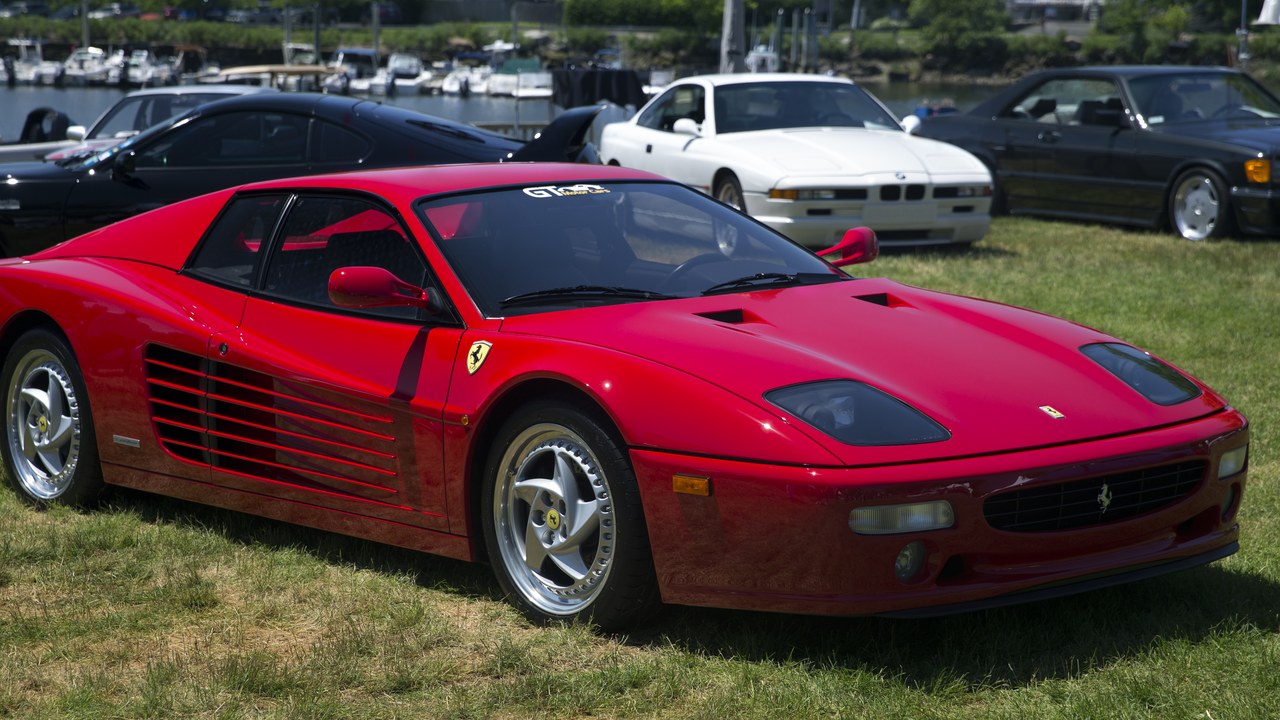
Ferrari built just 501 examples of the F512 M between 1994 and 1996, the final evolution of the flat-twelve Testarossa line before Maranello moved to V12 front-engine flagships. Every F512 M left the factory with a five-speed manual, its lever working through the same open chrome gate that had defined the Testarossa since 1984.
Fixed headlights and smoothed-out bodywork set the F512 M apart from the flip-up-light Testarossas that came before it, though the flat-twelve engine layout and the exposed shift gate carried straight through to the end of production.
4. Ferrari F430: The Final Gated V8

Ferrari kept a traditional six-speed manual on the options list for the F430, built from 2004 to 2009, even as most buyers chose the paddle-shifted F1 transmission instead. The rowing shifter still passed through Ferrari’s open metal gate, the last mid-engined V8 Ferrari built with the feature.
When F430 production ended in 2009, Ferrari moved on to the 458 Italia with no manual gearbox offered at any price, closing out more than three decades of gated shifters across the brand’s mid-engined V8 line, from the 308 GTB through the F430 itself.
5. Ferrari 599 GTB Fiorano: A Rare Manual Flagship
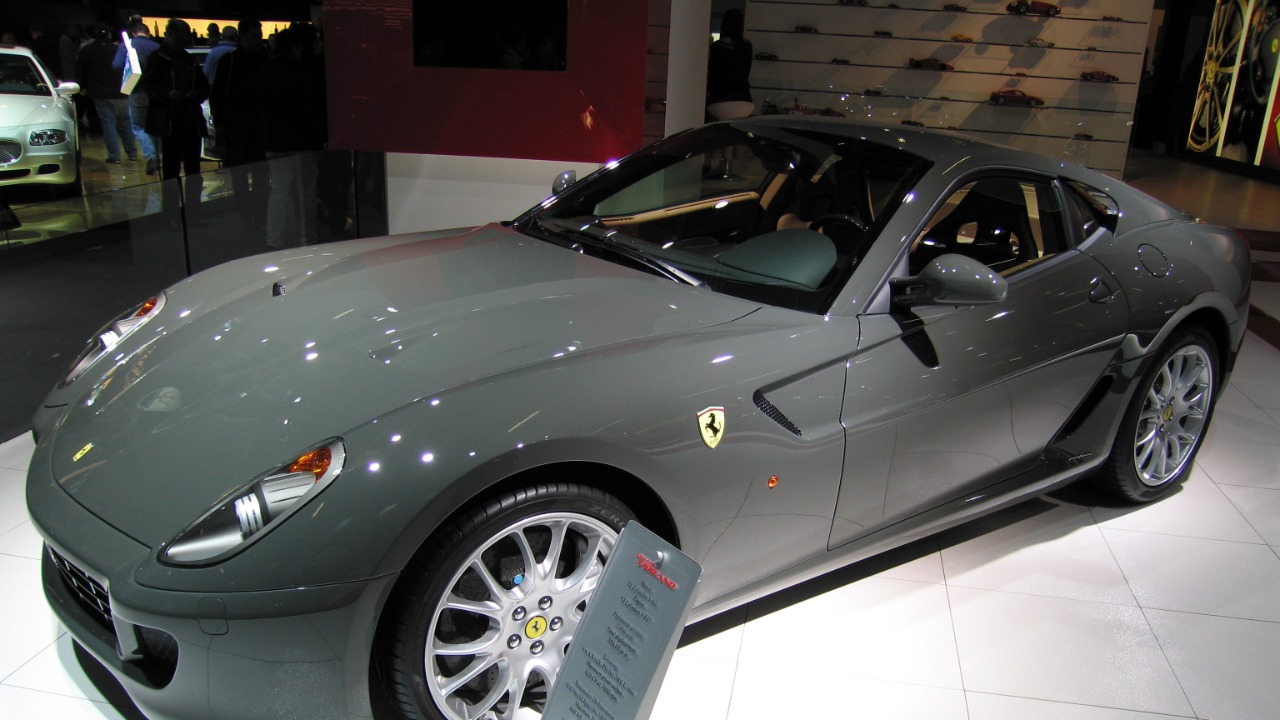
Ferrari offered the 599 GTB Fiorano mainly with its paddle-shifted F1 SuperFast transmission, reserving the traditional six-speed manual for a small run of special-order cars. Just 30 manual 599s left the factory worldwide, each one still routed through the brand’s open metal gate.
That scarcity has made manual 599 GTBs some of the most sought-after modern Ferraris at auction, commanding a steep premium over the far more common paddle-shift cars built alongside them on the same Maranello line, since most buyers in the mid-2000s chose the faster-shifting automated gearbox instead.
6. Lamborghini Murciélago: Lamborghini’s Steel Gated Six-Speed
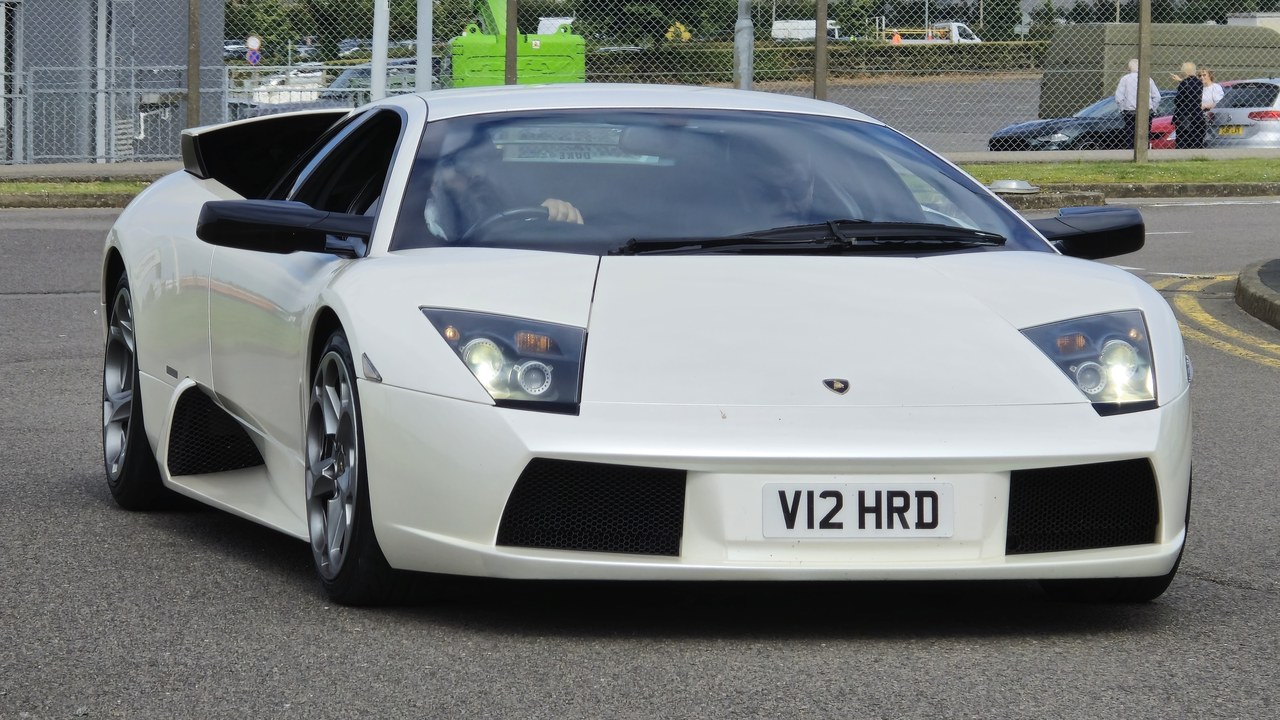
Lamborghini built 1,921 examples of the first-series Murciélago between 2001 and 2006, and 985 of them, just over half, were ordered with the stainless-steel gated six-speed manual rather than the automated ‘e-gear’ single-clutch option. The polished gate sat between the seats, a deliberate throwback even when the V12 supercar was new.
Later Murciélago updates, including the LP640, leaned harder into the automated e-gear system as buyer demand shifted, so the earliest manual, gated cars from the first-series run have become the version collectors specifically hunt for today, often paying a real premium over otherwise identical e-gear examples.
7. Lamborghini Gallardo: Lamborghini’s Everyday Gated Manual
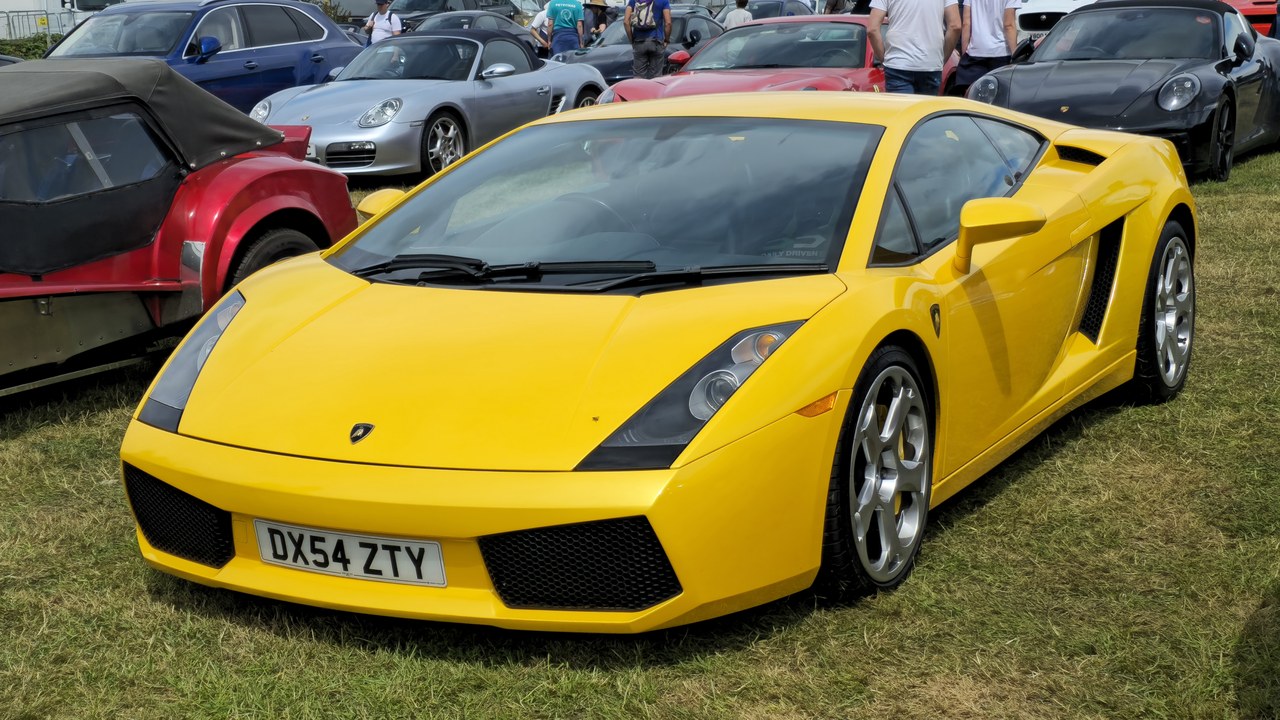
Lamborghini sold the Gallardo, its highest-volume model ever, from 2003 through 2013 with a choice of transmissions, and buyers who wanted the traditional experience could specify a six-speed manual. That gearbox worked through a polished open gate mounted low between the seats, the same layout Lamborghini had used on its V12 flagships for decades.
More than 14,000 Gallardos were built in total across coupe and Spyder body styles, and the take rate on the manual gearbox fell steadily over the model’s decade-long run as customers increasingly chose the quicker-shifting, paddle-operated e-gear automated transmission instead.
8. Pagani Zonda: An AMG V12, Rowed By Gate
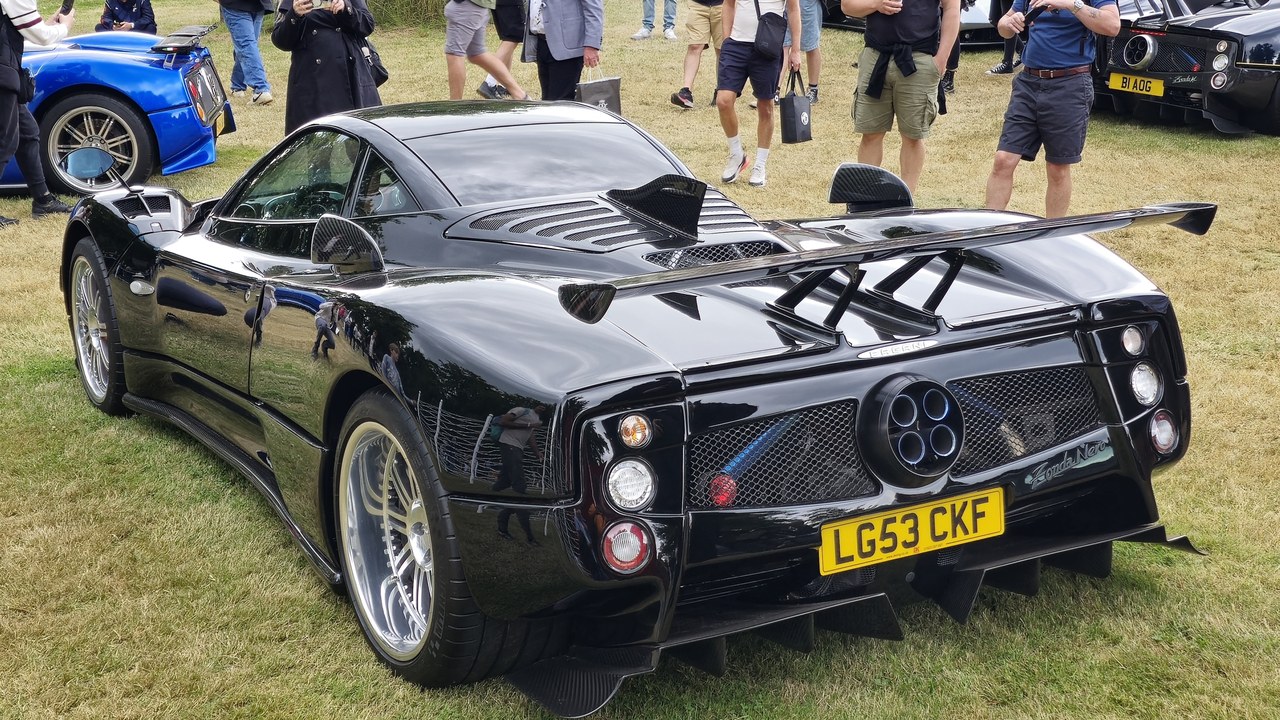
Pagani built the Zonda around a Mercedes-AMG-sourced V12, then paired it with a six-speed manual gearbox whose lever works through an exposed, gated linkage mounted in the center console. The open metal gate sits in plain view of both occupants, machined and polished like a piece of jewelry rather than hidden under trim.
Production ran from 1999 into the 2010s across a series of variants including the Zonda F and Zonda Cinque, and Pagani kept the gated manual available on most of them even as rivals dropped their own stick-shift options in favor of automated, paddle-shifted transmissions.
More from Morning Overview
- The FBI tells phone owners to delete these toll-payment texts draining accounts nationwide
- Herbal supplements are landing Americans in the hospital with liver damage, doctors warn
- Long-term use of common heartburn pills is linked to kidney and dementia risk
- 9 pickup trucks with a reputation for falling apart after 100,000 miles
