
Pesticides, unregulated hunting and vanishing habitat pushed some of America’s most recognizable wildlife to the edge of disappearing altogether by the middle of the twentieth century. Bans on chemicals like DDT, protections under the Endangered Species Act and decades of captive breeding and habitat management gave many of those populations room to rebuild. Here are eight species that clawed back from the brink of extinction in America.
1. Bald Eagle: The National Symbol’s Comeback
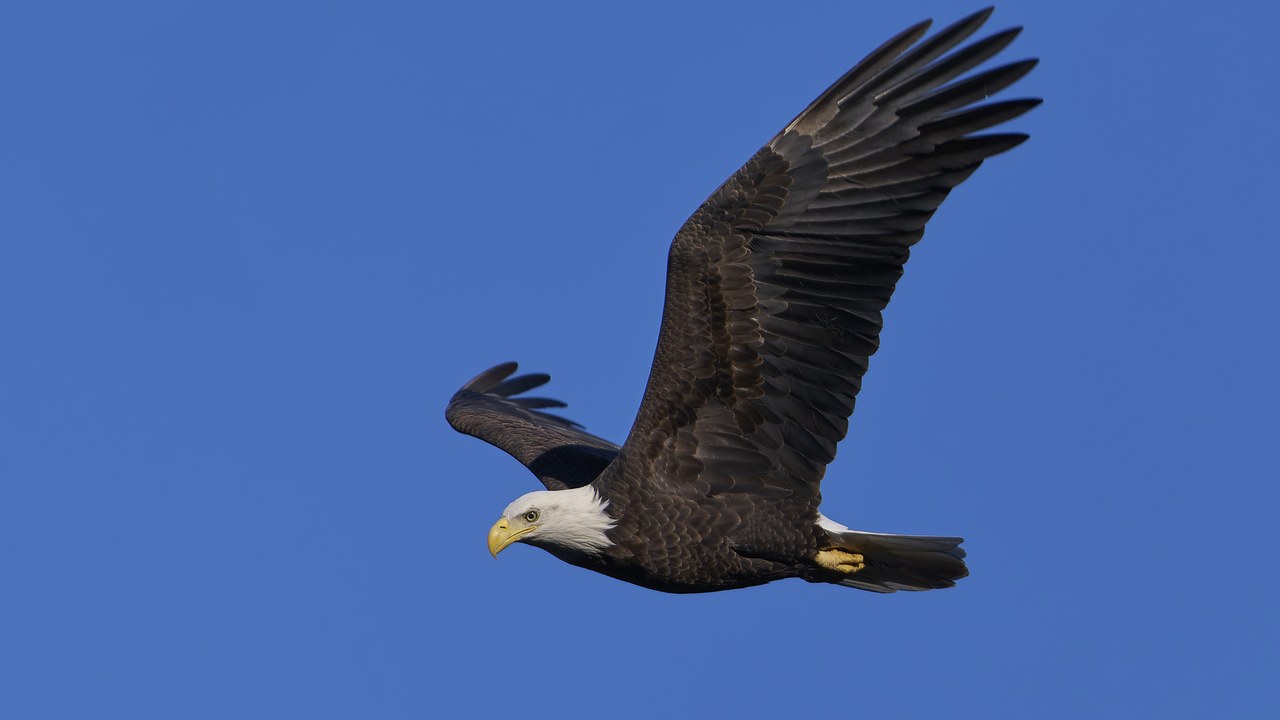
Nesting pairs of the bald eagle across the lower 48 states fell to roughly 417 nesting pairs by 1963, the low point of a decades-long decline. That count climbed past 4,000 pairs by 1993, a nearly tenfold recovery, and the species reached full delisting from the federal endangered list in 2007.
The turnaround now stands as one of the most cited successes of federal wildlife protection, illustrating how a species pushed toward disappearance can rebound once legal safeguards give it enough time and habitat to recover across its historic range.
2. American Peregrine Falcon: A DDT Ban’s Biggest Winner
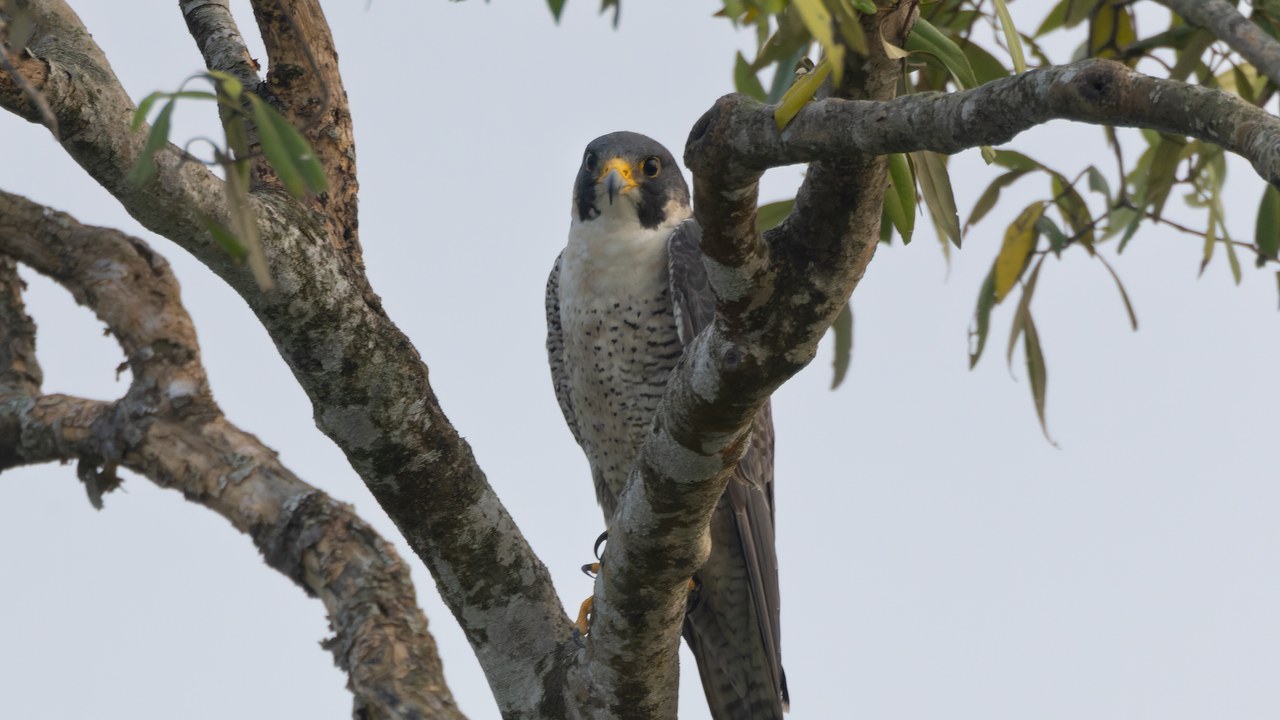
DDT pesticide poisoning wiped out peregrine falcon populations across much of the country before the pesticide was banned nationwide. Captive-breeding programs then reintroduced young birds to the wild, and wildlife agencies count the American subspecies among two peregrine subspecies that have recovered enough from that collapse to come off the federal endangered species list.
The comeback is frequently cited alongside other DDT-era recoveries as evidence that pesticide regulation paired with hands-on breeding efforts can pull a fast-flying raptor back from near-total collapse within a few decades of sustained conservation effort.
3. Brown Pelican: Louisiana’s State Bird Returns
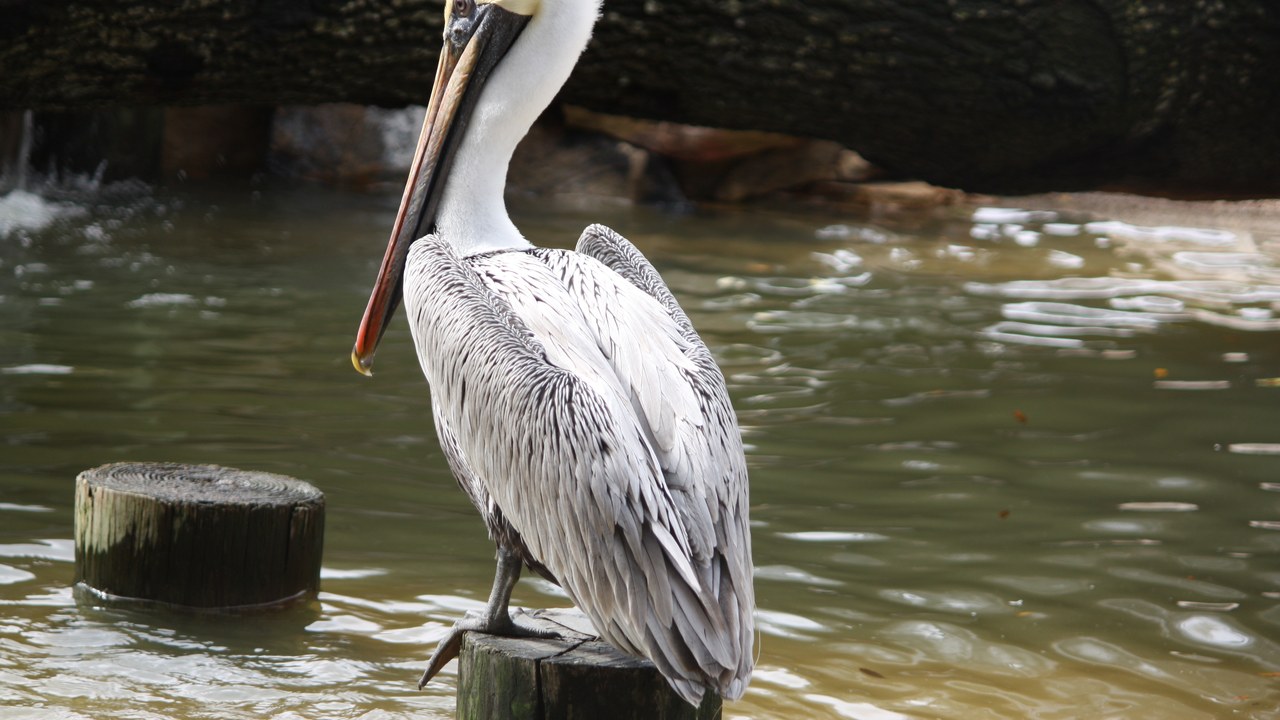
Pesticides wiped out Louisiana’s state bird in the 1960s, eliminating the brown pelican from the coastal marshes it once dominated. After DDT was banned nationwide, wildlife managers reintroduced pelicans to the Louisiana coast in the years that followed, and the population recovered enough for the species to be removed entirely from the federal endangered list.
Its return is often paired with the bald eagle’s as a signature win of the DDT ban, a case where reintroduction efforts restored a bird that had vanished entirely from an entire coastline within a generation.
4. American Alligator: A Swamp Icon’s Quiet Recovery
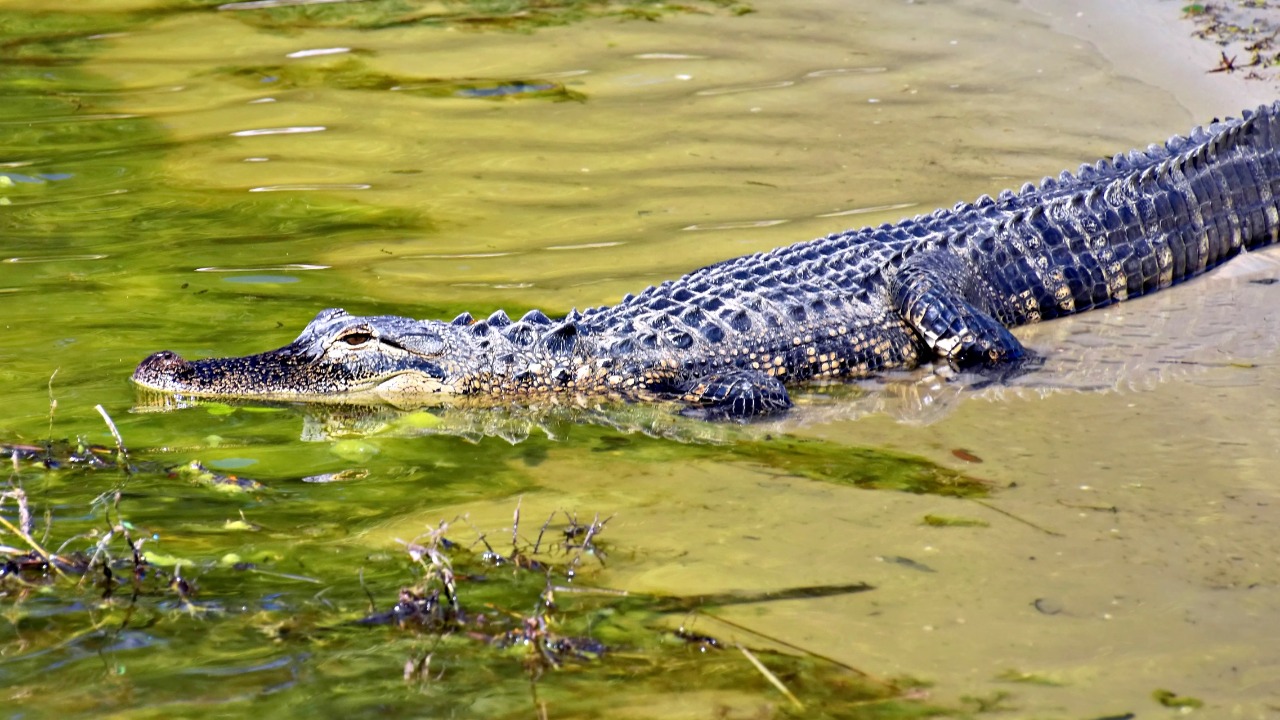
Unregulated hunting and vanishing wetland habitat drove the American alligator toward extinction across the Southeast by the mid-twentieth century. Protection under the Endangered Species Act halted the hunting and habitat loss, and the population rebounded enough within a few decades for the species to be delisted entirely.
The alligator’s rebound is now cited alongside the bald eagle’s as one of the clearest successes of the Endangered Species Act, evidence that even a widely feared predator can recover swiftly once legal protection removes the pressures that pushed it toward disappearance in the first place.
5. Kirtland’s Warbler: A Jack Pine Forest Success Story
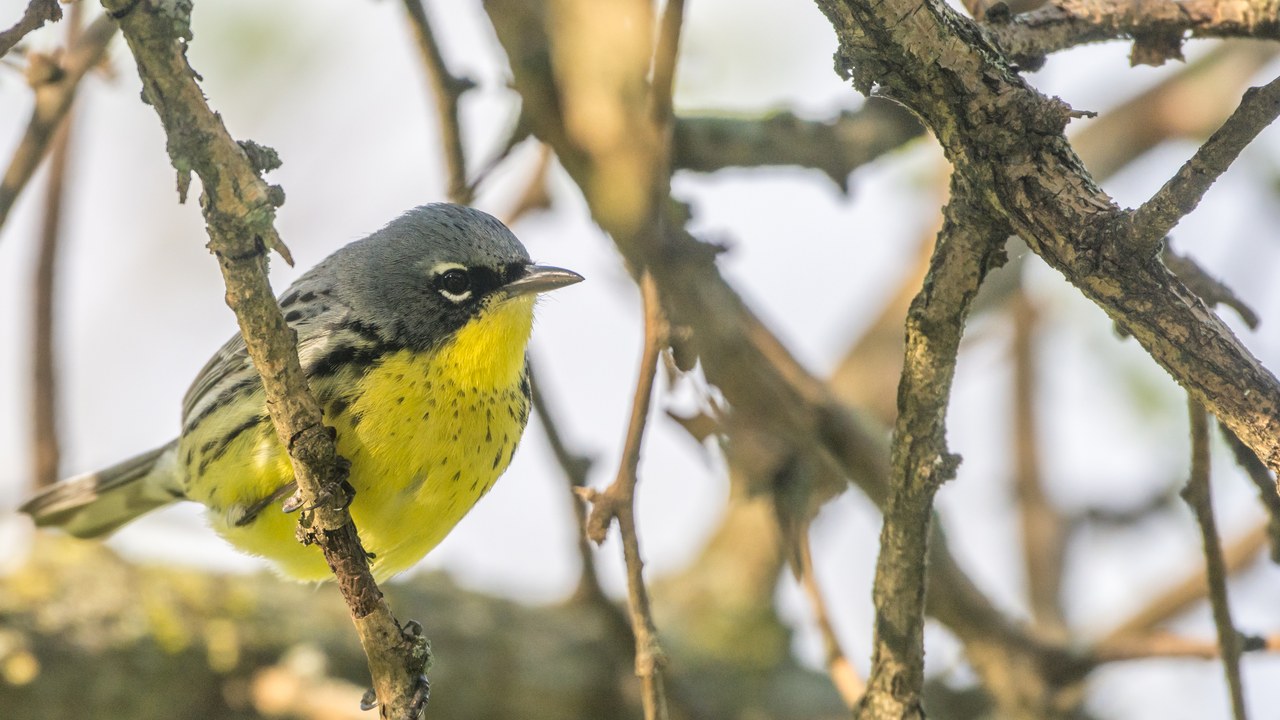
The Kirtland’s warbler was once reduced to a tiny remnant population tied almost entirely to young jack pine forest, leaving the songbird dependent on a single, narrow habitat type to survive at all. Decades of deliberate habitat management kept that young pine forest available, and the species eventually recovered enough to be delisted from the Endangered Species Act.
Its recovery stands out because the fix was not a hunting ban or a pesticide restriction but sustained, hands-on forest management, a reminder that some comebacks depend on maintaining the right habitat rather than removing a single threat.
6. California Condor: Back From Twenty-Two Birds
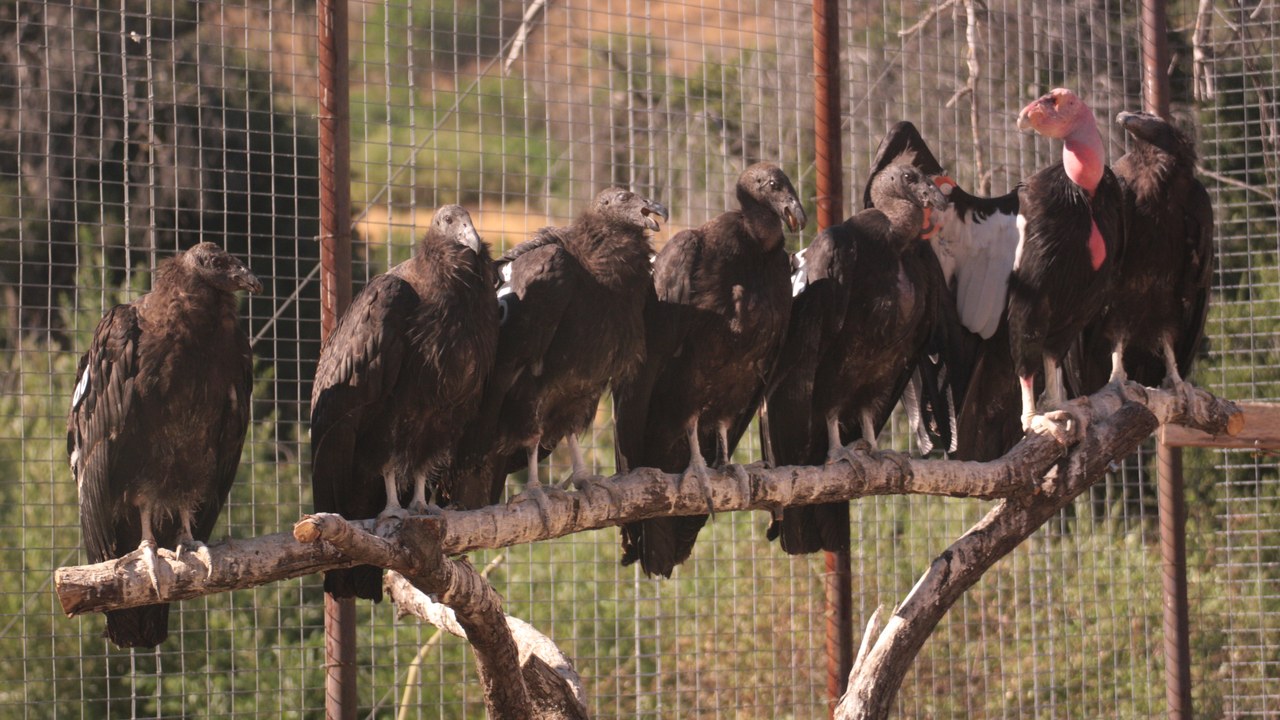
Only 22 California condors remained on the planet as recently as 40 years ago, making the species one of the most critically endangered birds in North America. Captive breeding and reintroduction efforts have since rebuilt the population to roughly 560 birds, a more than twentyfold increase from that critically low point.
The condor’s turnaround is often held up as one of the most dramatic wildlife recoveries in the country, given how close the species came to disappearing entirely before conservation efforts intervened at nearly the last possible moment for such a large, slow-breeding bird.
7. Black-footed Ferret: Saved By A Ranch Dog
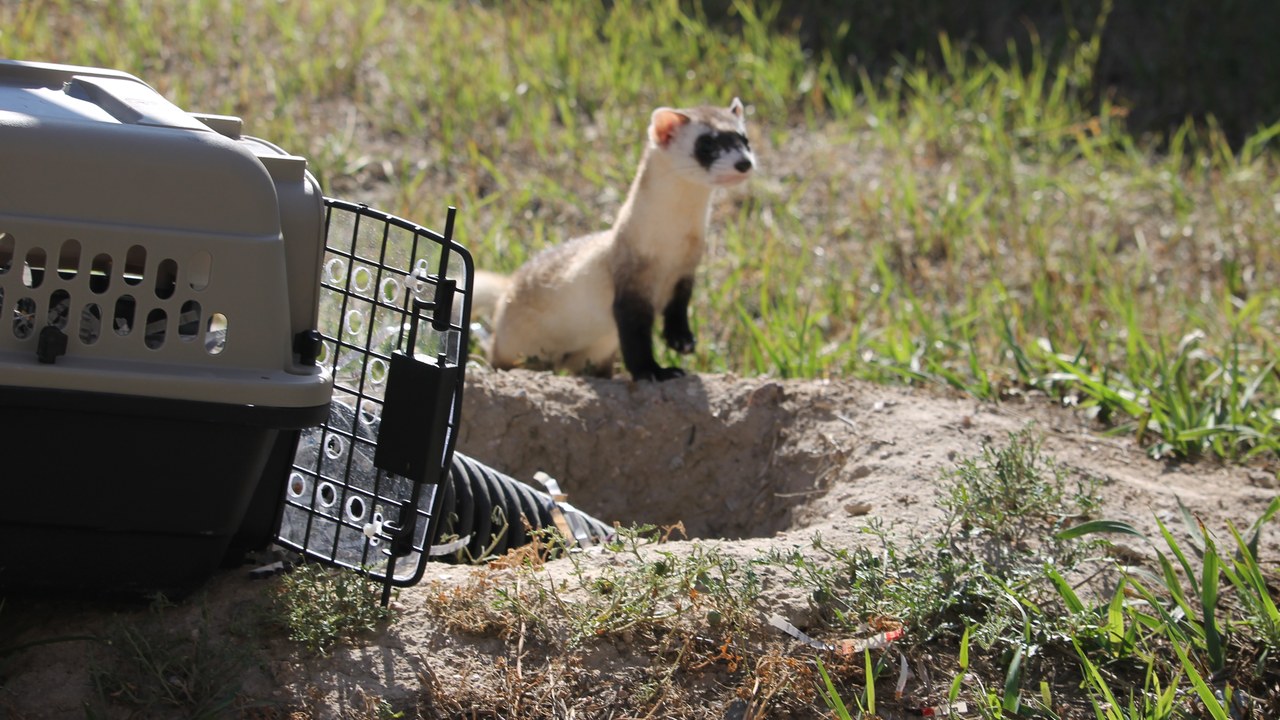
The black-footed ferret was feared extinct in the wild by 1980, with no confirmed sightings left anywhere in the country. That assumption broke in 1981, when a ranch dog in Wyoming caught one and a search turned up a small surviving colony near Meeteetse; captive-bred ferrets from that colony began being released back into the wild starting in 1991.
The species survives today only because that single accidental discovery came before the last wild ferrets vanished for good, and the Meeteetse colony’s captive-bred descendants underpin the ferret reintroductions carried out since.
8. Gray Wolf: Back From Near-Total Loss
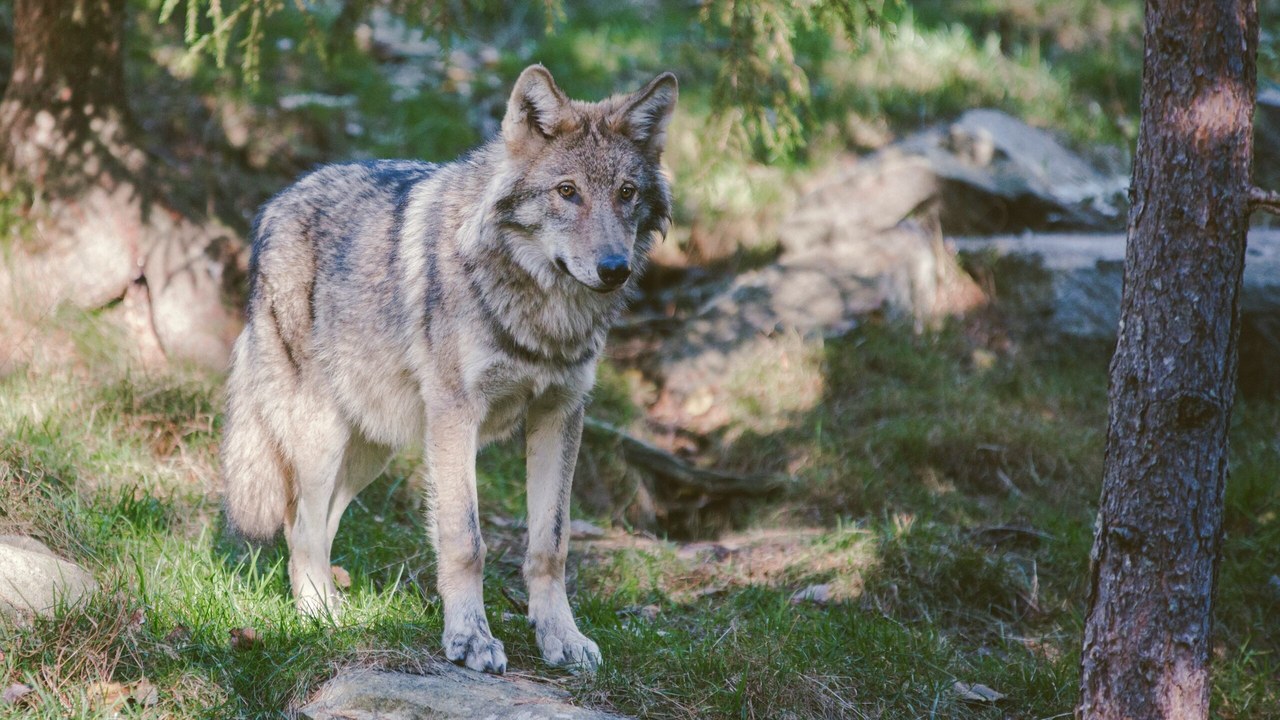
The gray wolf was all but gone from the lower 48 states by the early 1900s, wiped out across most of its historic range by hunting and trapping campaigns. Reintroduction efforts and legal protection later allowed the species to rebuild, and the range-wide population now stands at more than 6,000 animals.
That is a dramatic recovery from a population that had been pushed to the edge of disappearing from the lower 48 states altogether, though wolf numbers and management remain a closely watched, actively debated topic in the regions where the species has returned.
More from Morning Overview
- Card skimmers hidden on gas pumps and ATMs are draining accounts, and here’s the tell
- Doctors warn a silent liver disease now affects one in three American adults
- Hackers are hijacking outdated home routers, and the FBI named the models to check
- Older Teslas are wearing out in ways early owners never saw coming
