
Spacecraft turn distant worlds from points of light into places with weather, geology, chemistry, and history. Each successful mission adds instruments, vantage points, and years of observation that no telescope on the ground can fully reproduce. These eight spacecraft fundamentally changed what science knows about the solar system and its boundaries.
1. Voyager 1: The Solar System’s Farthest Messenger
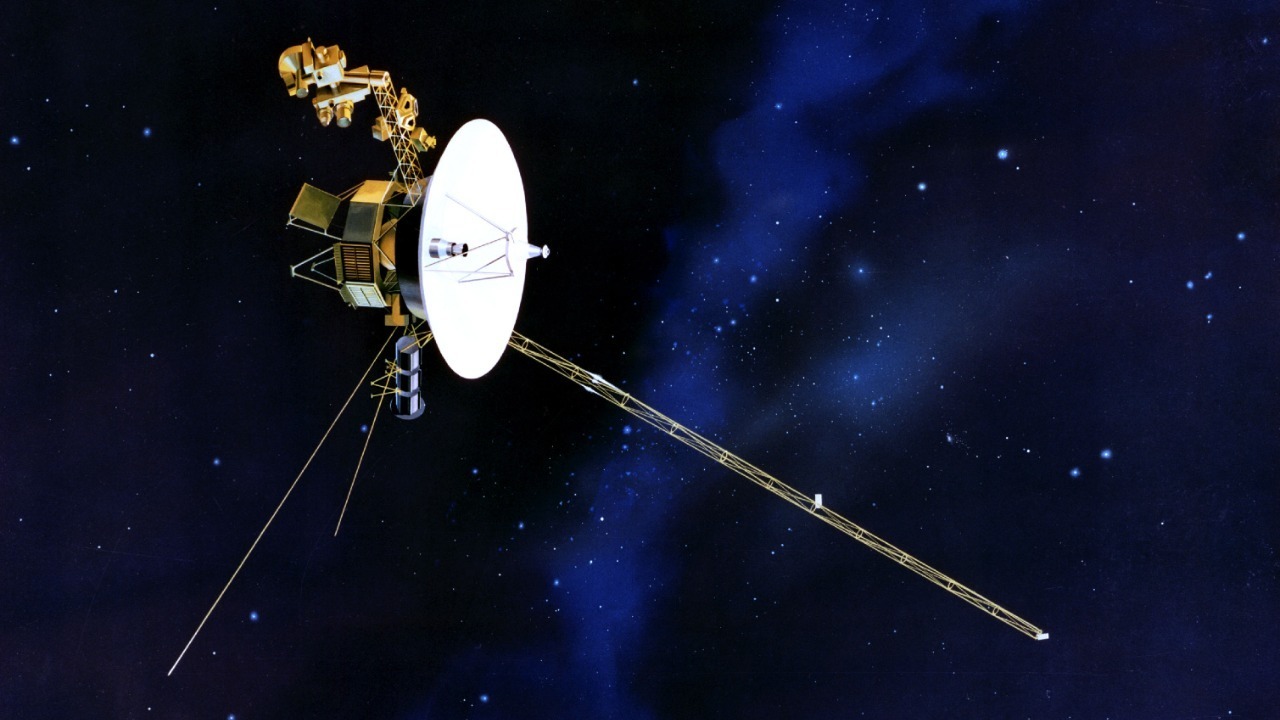
Voyager 1 became the most distant human-made object and carried direct measurements into interstellar space. NASA’s Voyager mission record traces a journey that began with close studies of the outer planets before continuing toward the heliosphere’s edge. Its instruments transformed a boundary once treated mainly as theory into an environment that could be measured from within.
The mission’s longevity is part of the discovery. Engineers have managed dwindling power and aging hardware while preserving selected science returns across an extraordinary distance. Voyager 1 now connects two eras of exploration: the first detailed reconnaissance of giant planets and the first in-place sampling beyond the Sun’s protective bubble. Its faint signal still carries unique evidence about that transition.
2. Cassini: Saturn Became a Dynamic System
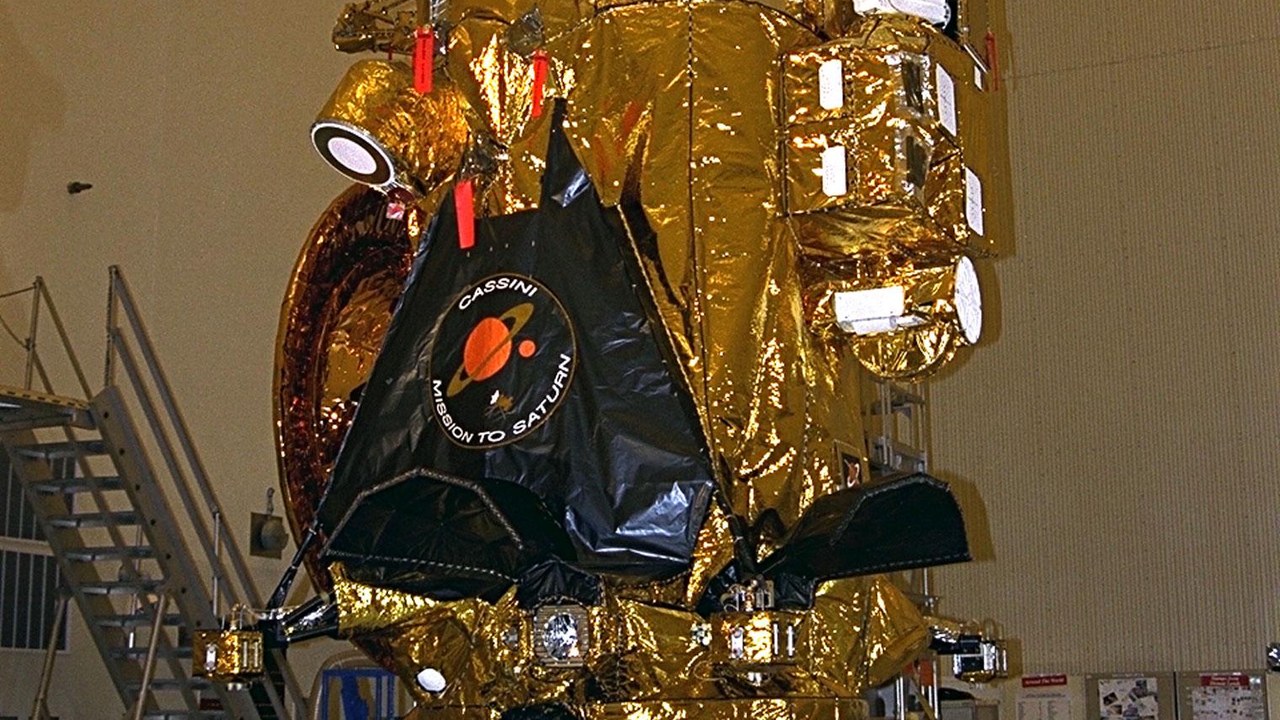
Cassini transformed Saturn from a distant ringed planet into a complex system of moving rings, active moons, and changing weather. The Cassini mission archive includes the discovery and sustained study of geysers erupting from Enceladus, evidence that material from a hidden ocean was reaching space. Repeated observations made that moon a leading target in the search for habitable environments.
Years in orbit mattered because the spacecraft could watch seasons, storms, ring structures, and moons evolve instead of capturing a single flyby snapshot. Cassini also delivered the Huygens probe to Titan, extending the mission’s reach to a world with a thick atmosphere and surface liquids. The result was a connected portrait of Saturn and its neighborhood rather than an isolated planetary profile.
3. New Horizons: Pluto Emerged as a Living World
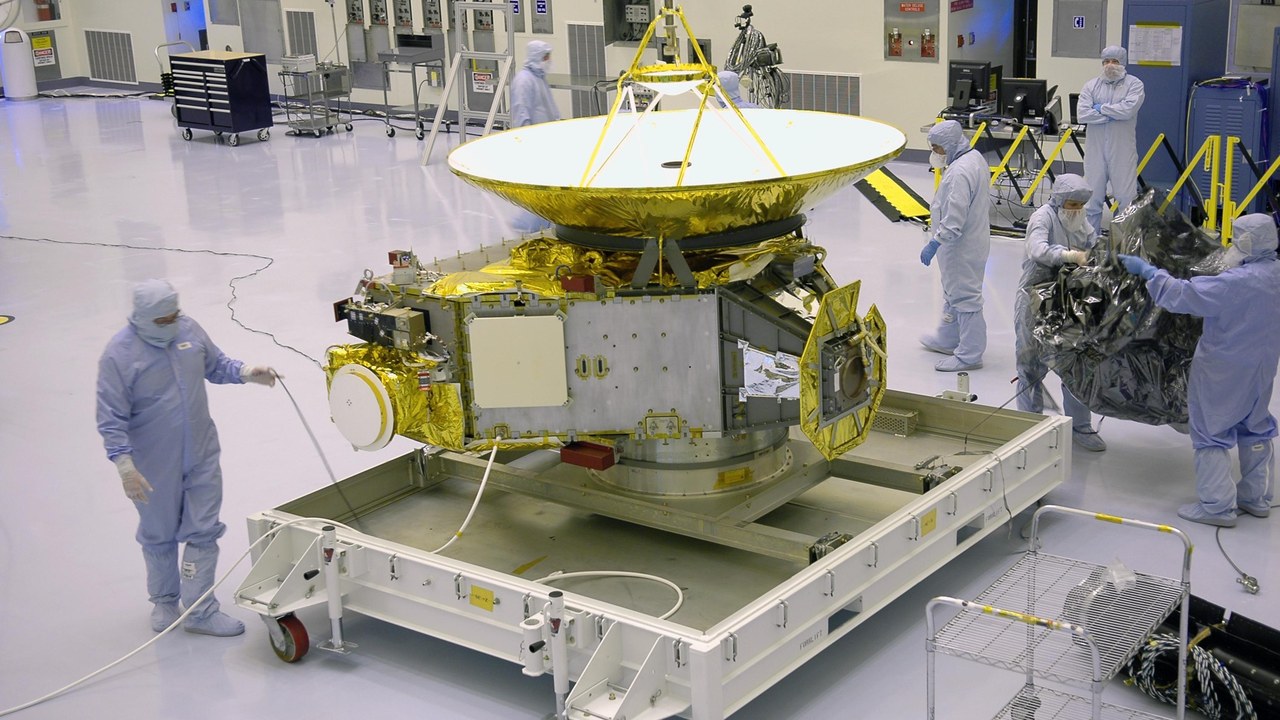
New Horizons gave humanity its first close look at Pluto, replacing blurry hints with mountains, plains, haze layers, and unexpectedly varied terrain. NASA’s mission overview records how the fast flyby gathered detailed observations of Pluto and its moons during a brief encounter. Those measurements revealed a small world far more geologically complex than many earlier expectations suggested.
The spacecraft then continued deeper into the Kuiper Belt, showing that the Pluto encounter was not an isolated endpoint. Its observations of another distant object extended close-range planetary science into a region filled with remnants of solar-system formation. New Horizons demonstrated how much diversity can remain hidden when distant bodies appear only as tiny points, even through powerful Earth-based instruments.
4. Juno: Jupiter’s Clouds Stopped Hiding Everything
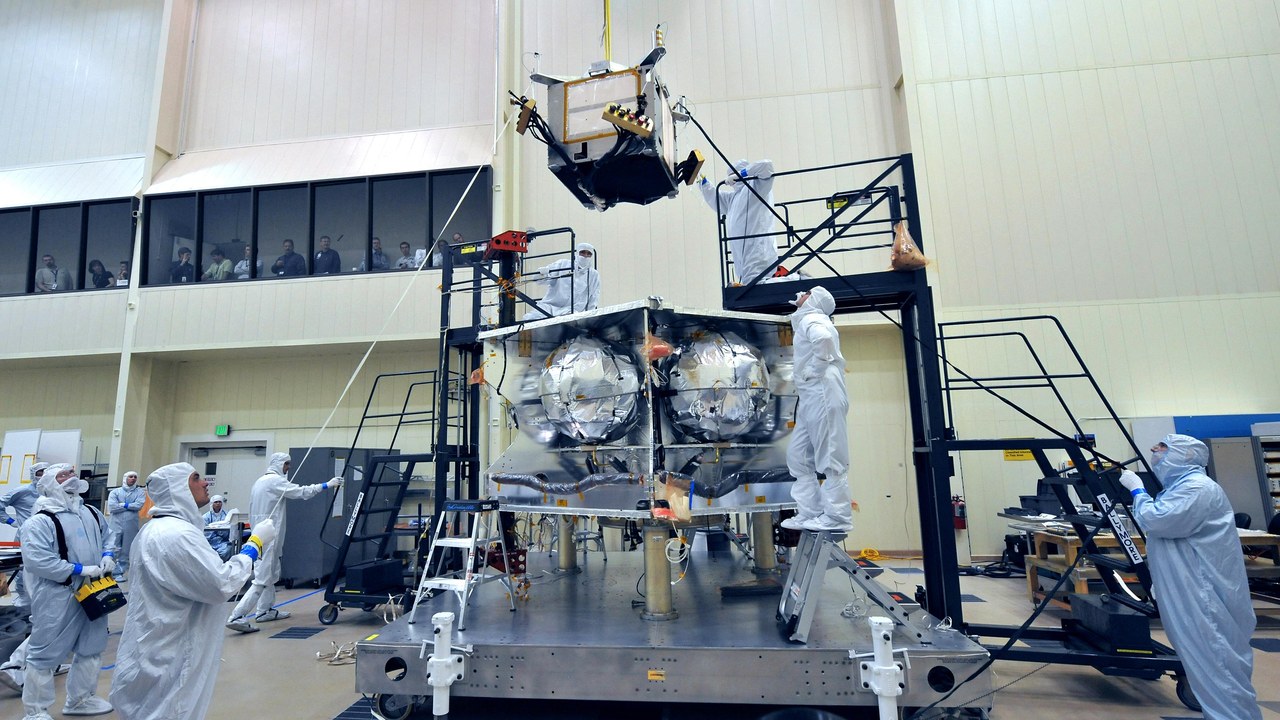
Juno was designed to look beneath Jupiter’s famous cloud tops and investigate the giant planet’s origin, structure, magnetic field, and deep atmosphere. The Juno mission uses a close polar orbit to collect measurements and detailed views unavailable from distant observation. Its work has exposed enormous polar storm patterns while probing how far atmospheric motion extends below the visible clouds.
Those findings matter beyond Jupiter because the largest planet preserves clues about how the solar system assembled. Information about its interior, water abundance, gravity, and magnetic environment constrains competing formation ideas. Juno also turned Jupiter’s poles into major scientific landscapes, revealing organized cyclones and auroras from perspectives earlier missions could not sustain. The familiar striped globe became a much deeper physical system.
5. Galileo: Europa’s Ice Began Hiding an Ocean
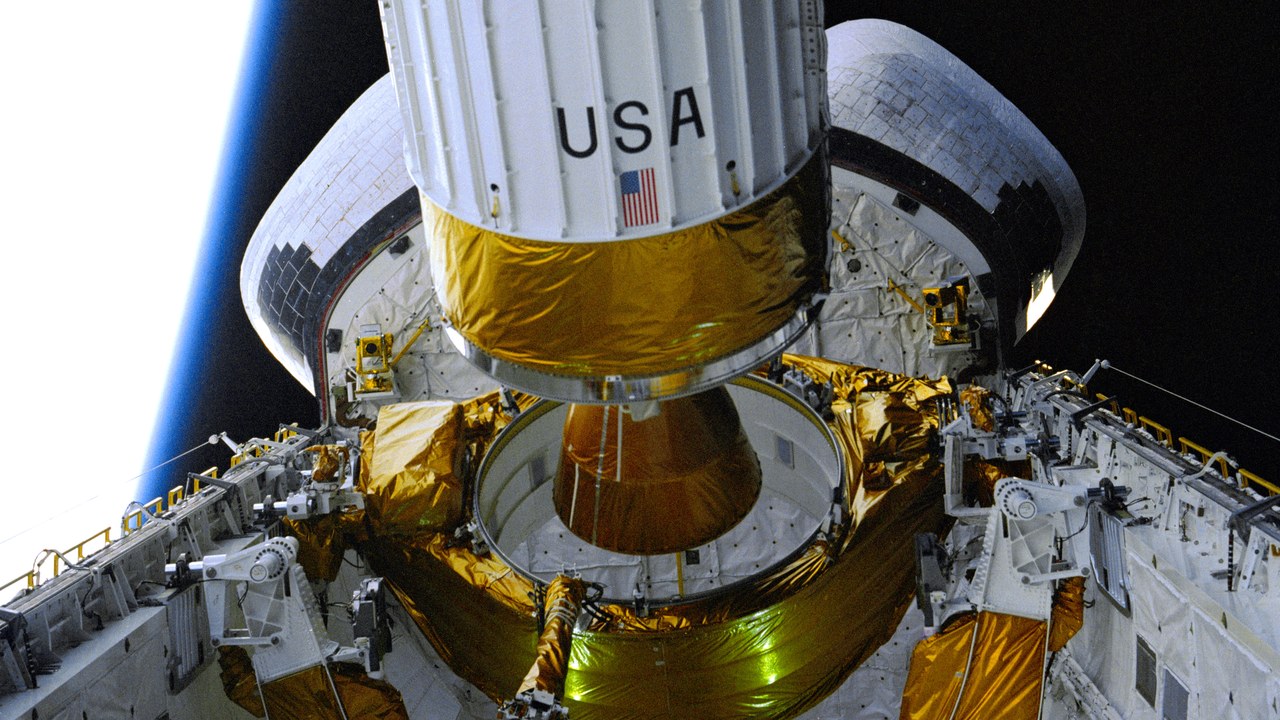
Galileo became the first spacecraft to orbit Jupiter and supplied repeated close studies of the planet and its major moons. NASA’s Galileo mission history highlights evidence that Europa may hold a salty ocean beneath its icy shell. Magnetic measurements and images of disrupted surface terrain helped move that idea from intriguing possibility toward a central question in planetary science.
The mission also sent an atmospheric probe into Jupiter, directly sampling conditions below the cloud tops while the orbiter examined moons, rings, and the magnetosphere. That combination made Galileo a system-level investigation rather than a sequence of passing photographs. Its Europa results remain especially influential because a global subsurface ocean could provide the water, chemistry, and energy relationships relevant to habitability.
6. Parker Solar Probe: A Spacecraft Entered the Sun’s Atmosphere
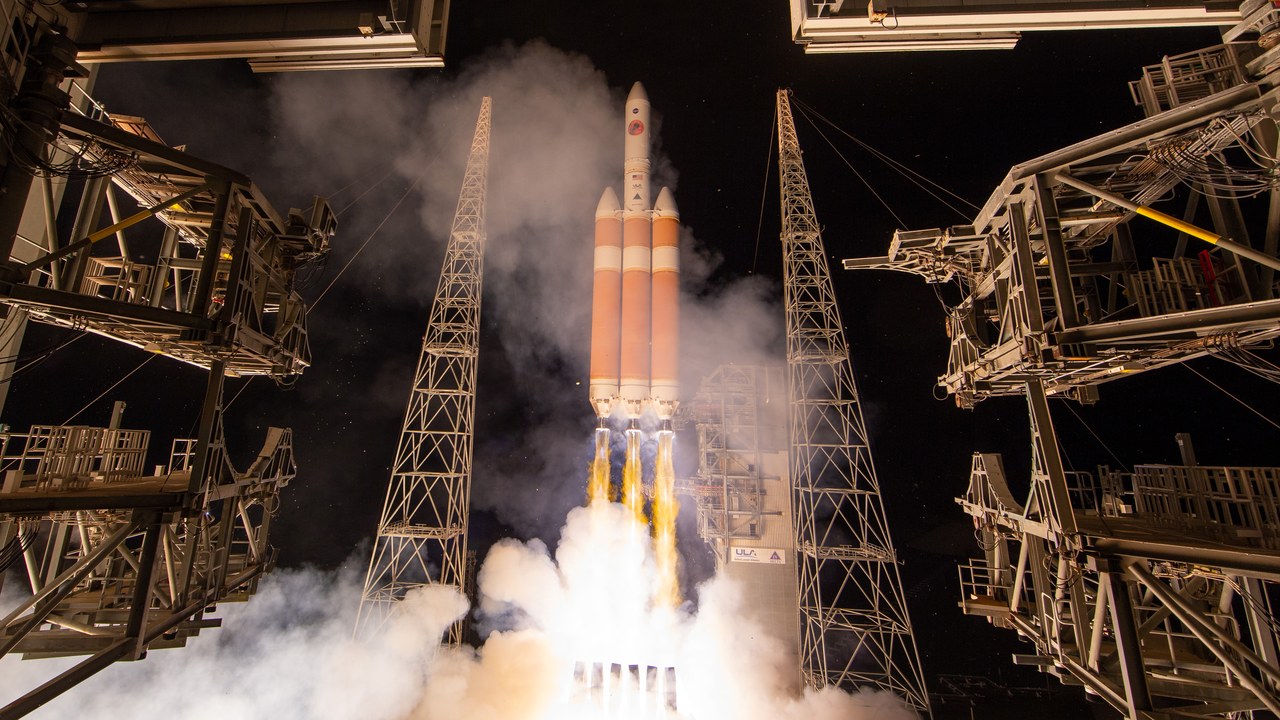
Parker Solar Probe became the first spacecraft to fly through the Sun’s outer atmosphere, bringing instruments into a region that previously had to be studied from afar. The Parker mission makes progressively close passes while a heat shield protects critical systems. Direct sampling helps investigate how the corona is heated and how the solar wind accelerates into space.
Those processes affect the entire solar system because the solar wind and eruptions shape planetary space environments and can disturb technology near Earth. Parker links local particle and field measurements with remote images, allowing scientists to connect structures near the Sun with conditions farther out. Its survival strategy is as significant as its destination: the spacecraft repeatedly operates where sunlight and heat reach extraordinary intensity.
7. Perseverance: Mars Samples Became a Future Archive
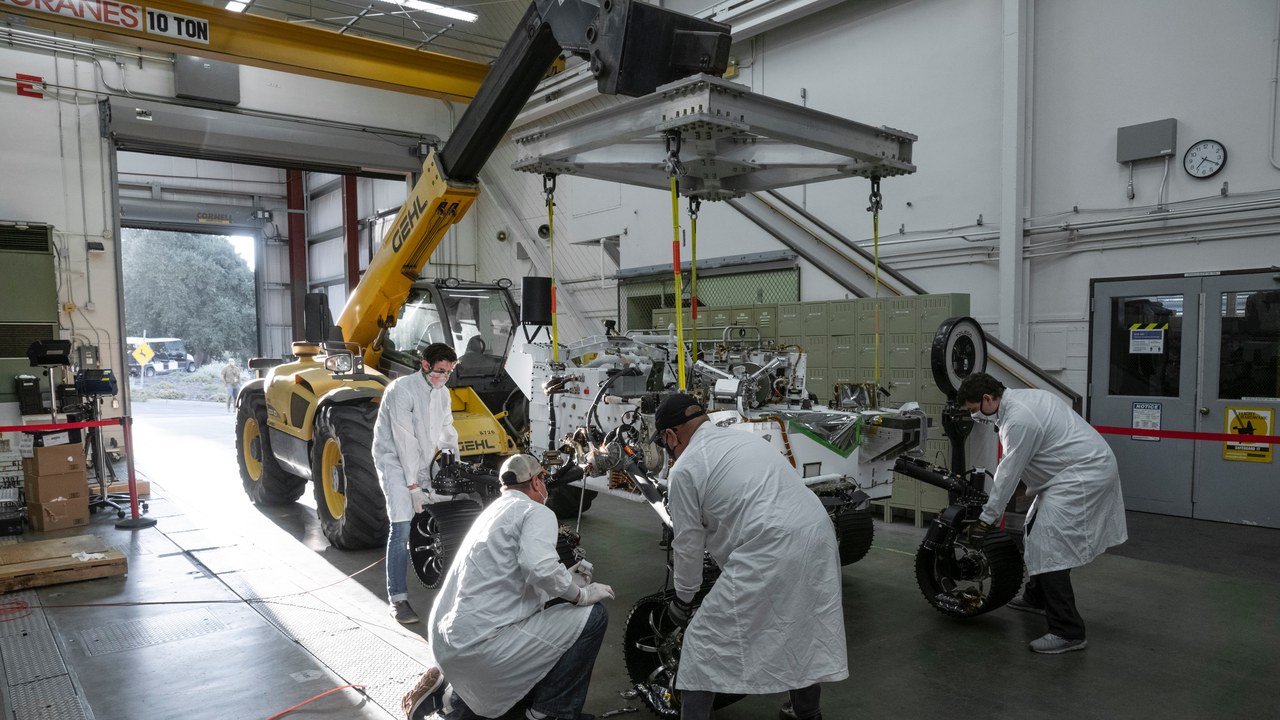
Perseverance explores Jezero Crater as both a mobile laboratory and the opening stage of a possible sample-return campaign. NASA’s Mars 2020 mission is collecting and caching carefully selected rock cores that may preserve evidence of ancient environments and possible past life. The sealed samples create a scientific archive intended for analyses more sophisticated than a rover can perform alone.
The rover also studies geology, climate, and resources while testing technologies for future exploration. Its cameras and instruments let researchers read layers and minerals in the context where they formed, which guides every sampling decision. Perseverance changed Mars exploration by making material collection a central mission product, not merely an onboard experiment. Each cached tube records a specific place and geological question for future laboratories.
8. Hubble Space Telescope: A Telescope Reframed Near and Far
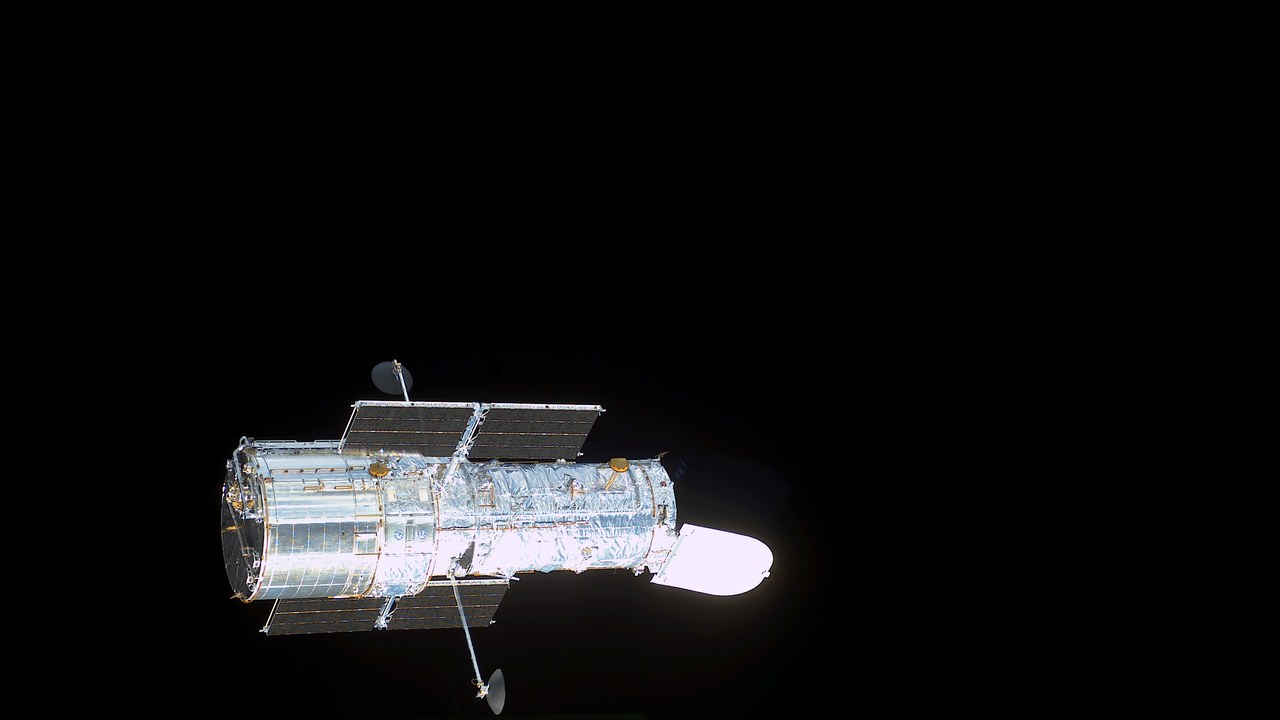
The Hubble Space Telescope has reshaped astronomy for more than three decades by observing above the blur and much of the absorption caused by Earth’s atmosphere. NASA’s Hubble mission record spans planets, moons, comets, stars, galaxies, and the expanding universe. Its long baseline allows scientists to compare change across years while revisiting targets with improved methods.
Within the solar system, Hubble provides sustained views that complement spacecraft encounters, especially for planetary weather, auroras, impacts, and small bodies. Beyond it, the telescope helped refine the age and expansion of the universe and exposed deep cosmic history. That range makes Hubble unusual in this group: it transformed knowledge without traveling to each target, using a stable orbital platform and serviceable observatory design.
More from Morning Overview
- 9 pickup trucks with a reputation for falling apart after 100,000 miles
- A cargo jet crashed after an engine and pylon separated during takeoff
- The largest genetic study of fibromyalgia found new risk factors rooted in the nervous system
- Toyota grabbed six of the ten spots on Consumer Reports’ most-reliable-cars list
