
Sport utility vehicles went from niche workhorses to the default family vehicle during the 1990s, as automakers rolled out new body styles and new price points. Some arrived as rugged trucks, others as car-based crossovers aimed at commuters and luxury buyers. Here are twelve models that helped drive that shift, from the early days of the decade to its final years.
The day in tech, in one email: TLDR is the daily newsletter with links and TLDRs of the most interesting stories in startups, tech and programming.
We may earn a commission if you sign up.
1. Ford Explorer: The Four-Door Opener
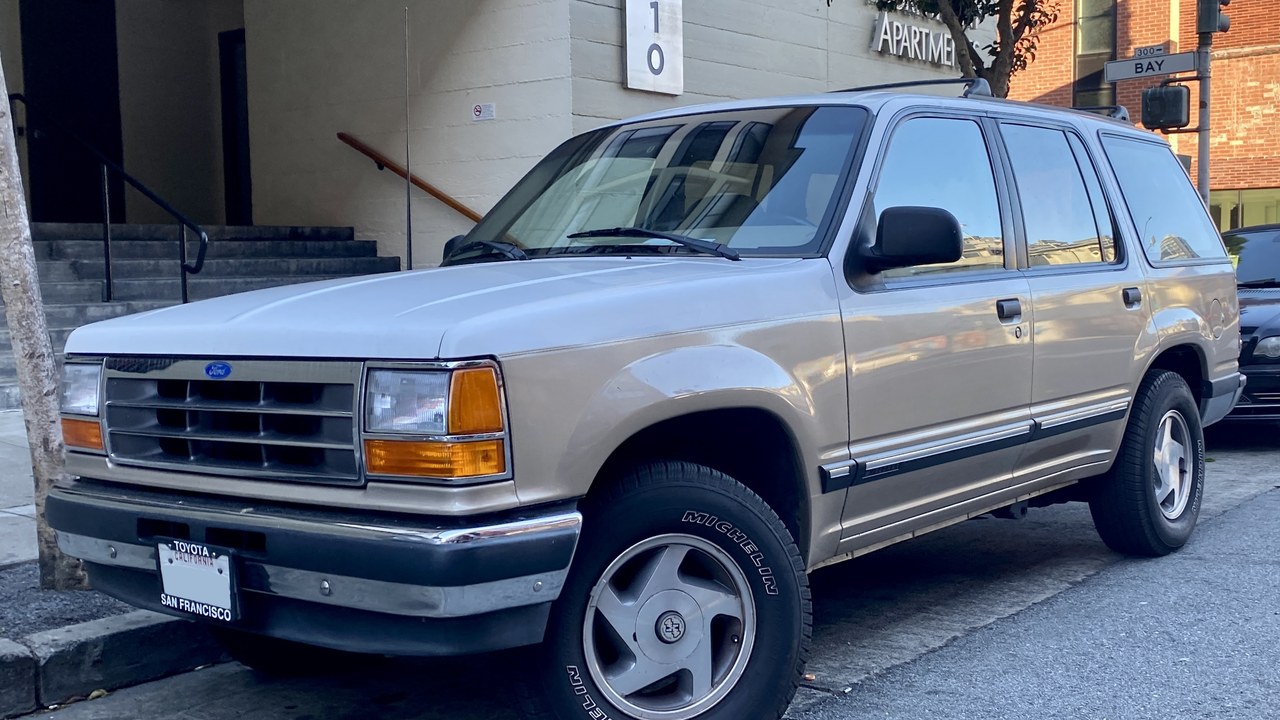
The Ford Explorer debuted for the 1991 model year as Ford’s first four-door SUV, replacing the Bronco II, according to DrivingLine’s history of the original model.
Putting a second pair of doors on a rugged truck-based wagon made it practical for families who had never considered one. That shift in everyday usability is the reason the Explorer sits near the front of any account of the decade’s boom. The Bronco II’s departure in favor of a four-door body marked a clear change in how Ford approached the segment.
2. Jeep Grand Cherokee: V8 in a Class of Its Own
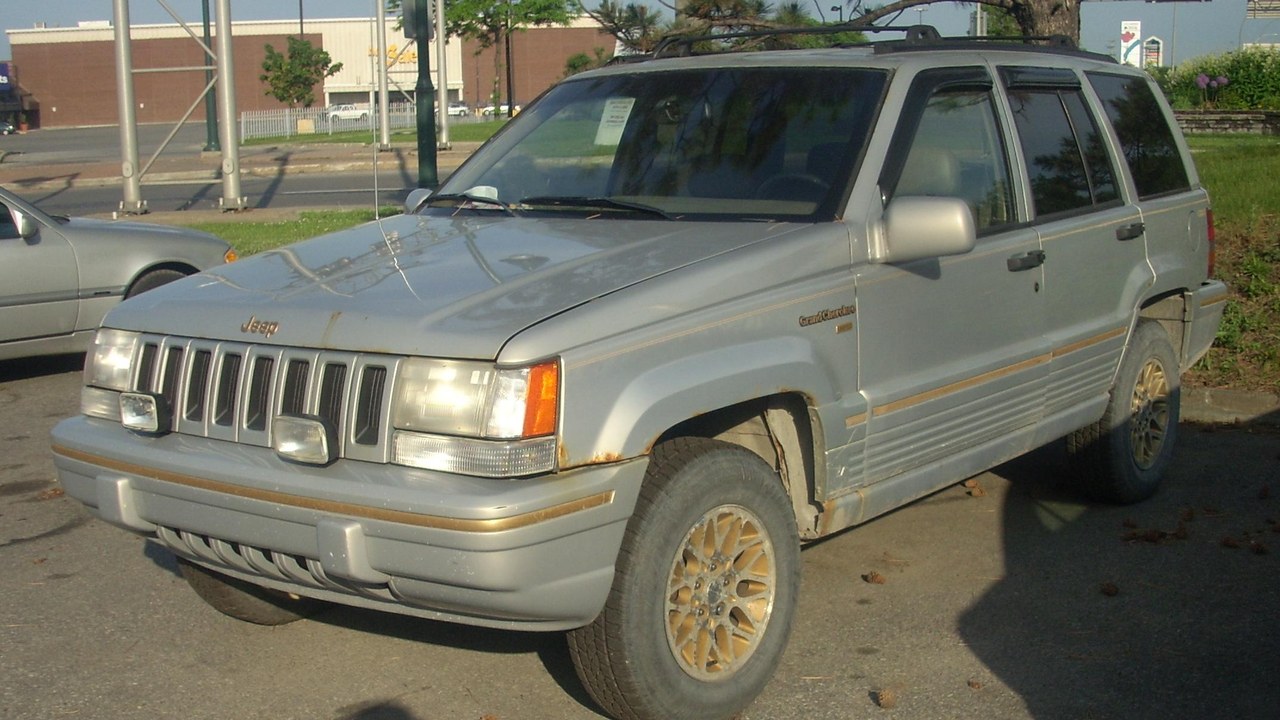
The 1993 Jeep Grand Cherokee went on sale in April 1992, and the ZJ generation’s history describes it as the only SUV in its class offering a V8 option. Motor Trend named it its 1993 Truck of the Year.
Few vehicles launch with a unique engine choice and a major trade-magazine award at once. Together they helped establish the Grand Cherokee as a more upscale answer to the plain utility vehicle of the previous decade. Offering a V8 in a segment where rivals lacked one gave the Grand Cherokee a performance claim that buyers could point to.
3. Toyota 4Runner: A Bigger Second Act
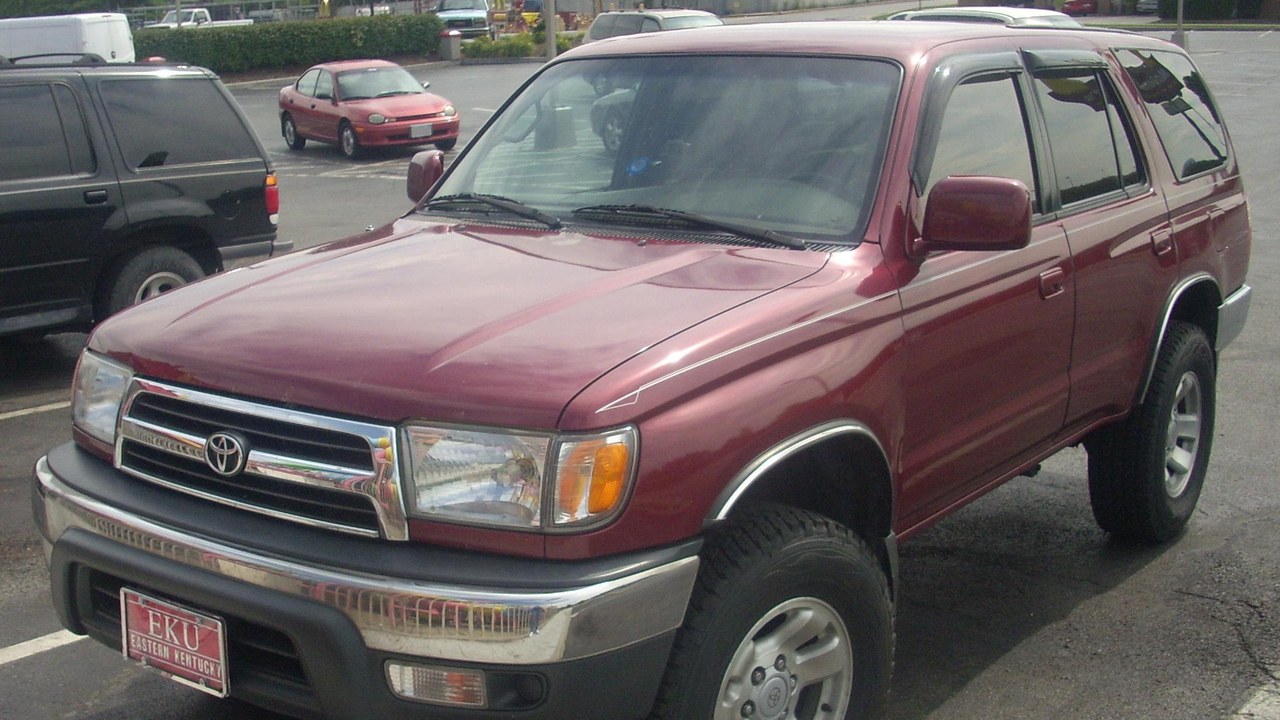
The second generation of the Toyota 4Runner added three more seats and a bigger interior, a change described in Toyota’s anniversary history. The nameplate has since topped 4 million cumulative sales.
More seating turned a two-row recreational truck into something closer to a family hauler. The sales milestone shows how long the nameplate has stayed in demand, well beyond the decade in which the SUV boom took off. The generation change addressed the main limitation of earlier models, which was room for passengers beyond the front seats.
4. Chevrolet S-10 Blazer: The Compact Blazer
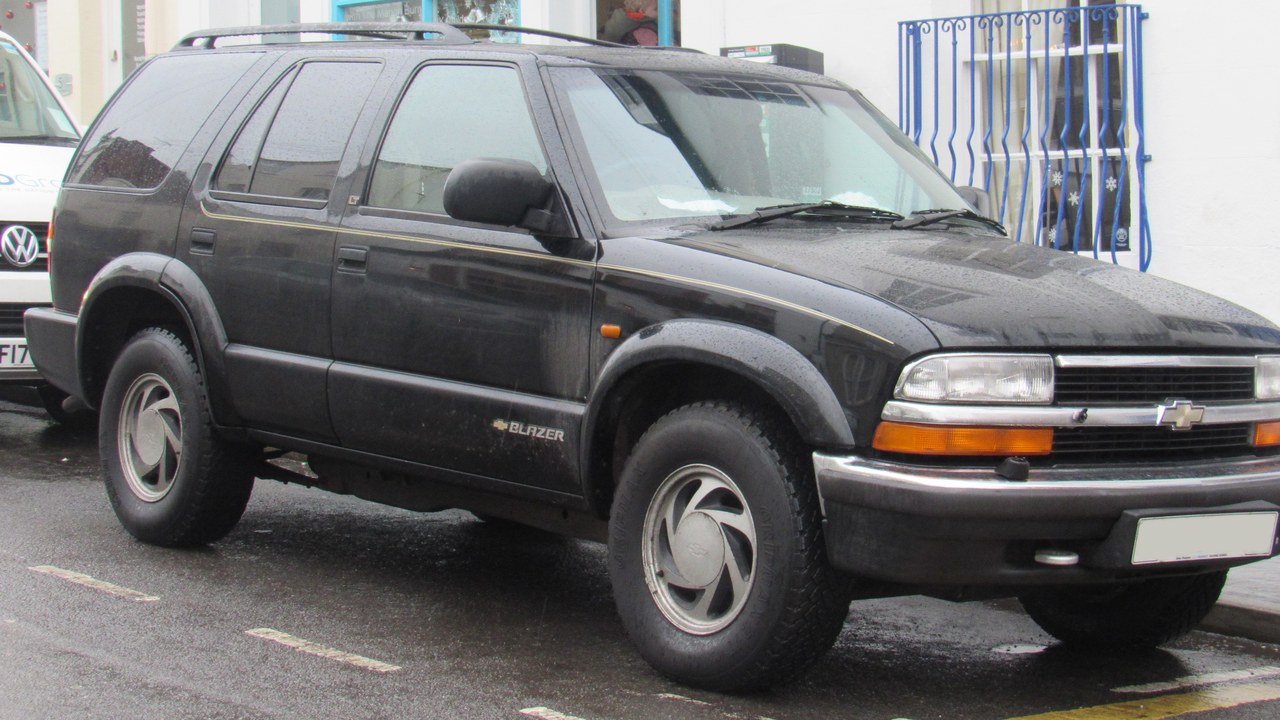
The Chevrolet S-10 Blazer debuted in 1983 as a compact four-wheel-drive SUV, and Jalopnik’s retrospective notes that it ran until the Blazer name retired in 2005.
Its long run meant the smaller Blazer was on dealer lots before, during and after the boom. It gave General Motors a trimmer alternative to the larger truck-based models in the lineup. The nameplate’s span from 1983 to 2005 covers the entire period in which SUVs moved from specialty vehicles to mass-market staples.
5. Chevrolet Tahoe: Replacing the K5
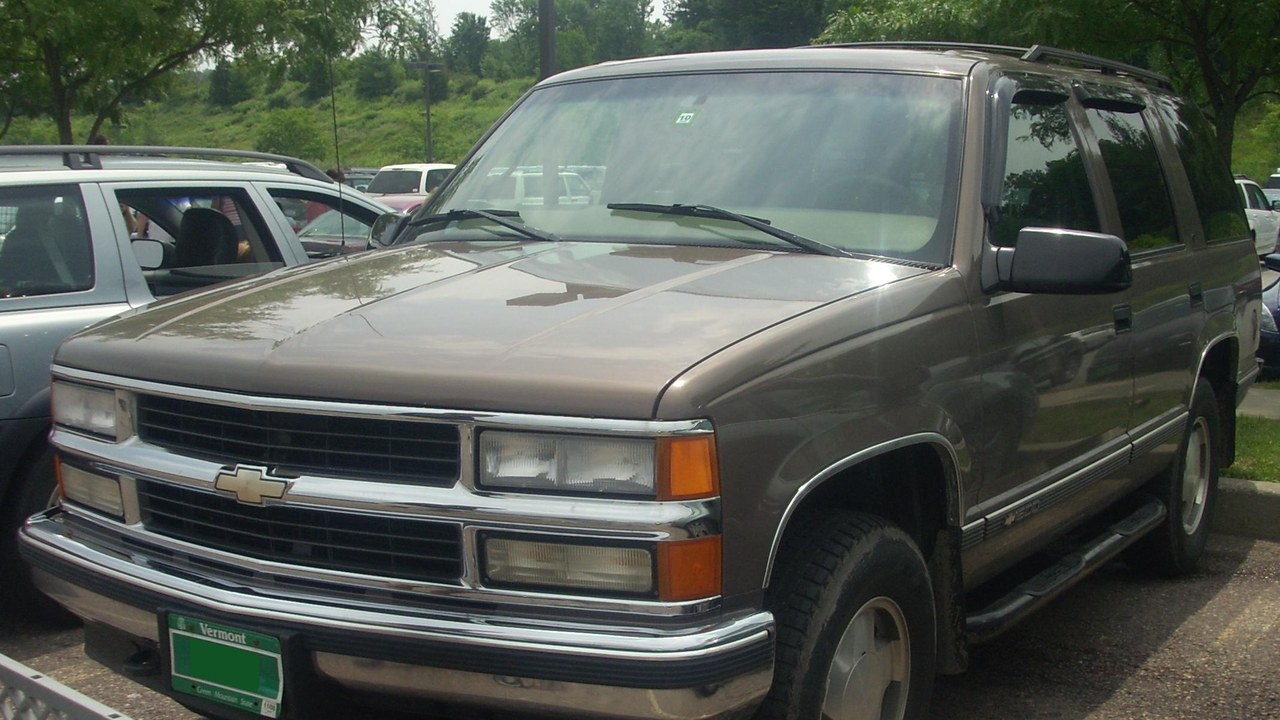
The two-door Chevrolet Tahoe arrived in 1995 to replace the K5 Blazer, and Jalopnik’s account notes that the 1996 5.7-liter Vortec V8 made 255 hp.
The Tahoe name began with the smaller body style and went on to define the full-size family hauler. The 255 hp figure shows that the engine gave this early version enough muscle for towing and highway use. A two-door body made the Tahoe a direct stand-in for the K5 Blazer, which it replaced in the lineup.
6. Nissan Pathfinder: A Family Early Adopter
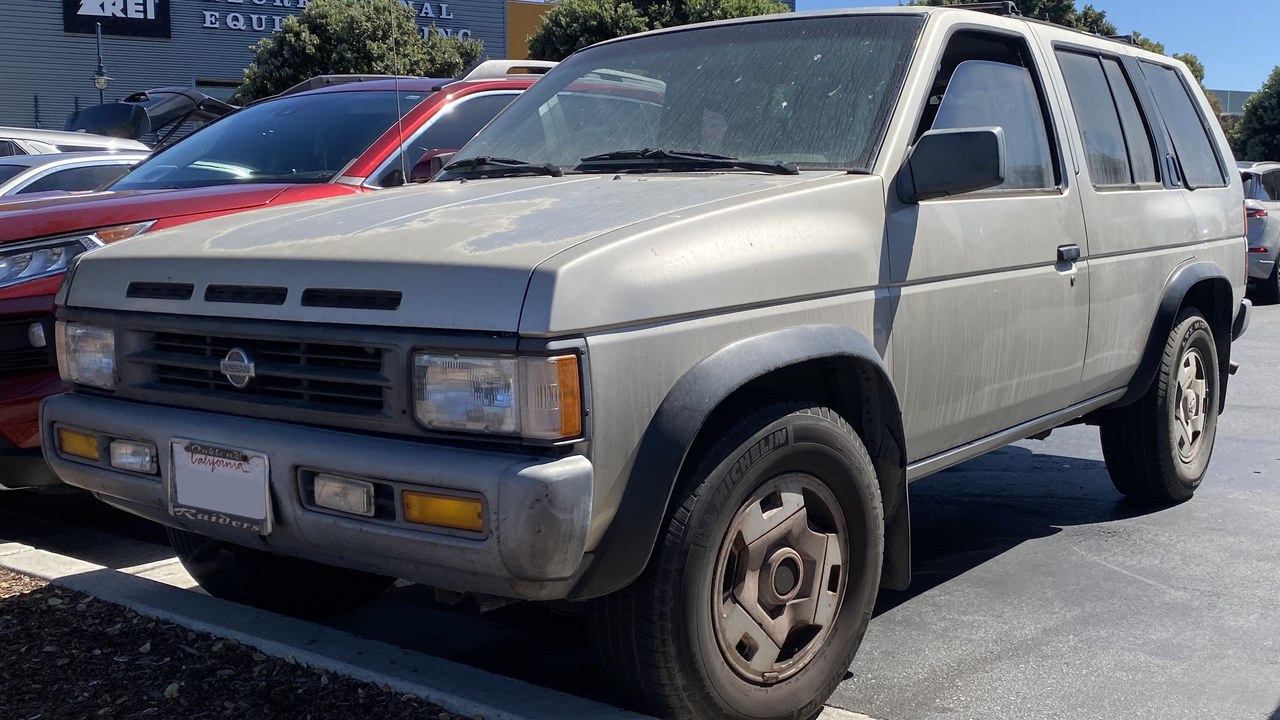
Nissan marked the Pathfinder’s 40th birthday in 2026 with a retro-styled special edition, a milestone covered by Carscoops anniversary report. The nameplate arrived in the 1980s as an early family SUV.
Having been around before the boom, the Pathfinder offers a link between the earlier truck-based era and the crossovers of the 1990s. The anniversary edition leans on that heritage with styling that recalls the original. Reviving heritage styling for an anniversary edition is a common way for automakers to remind buyers of a model’s long history.
7. Toyota RAV4: Compact Crossover Pioneer
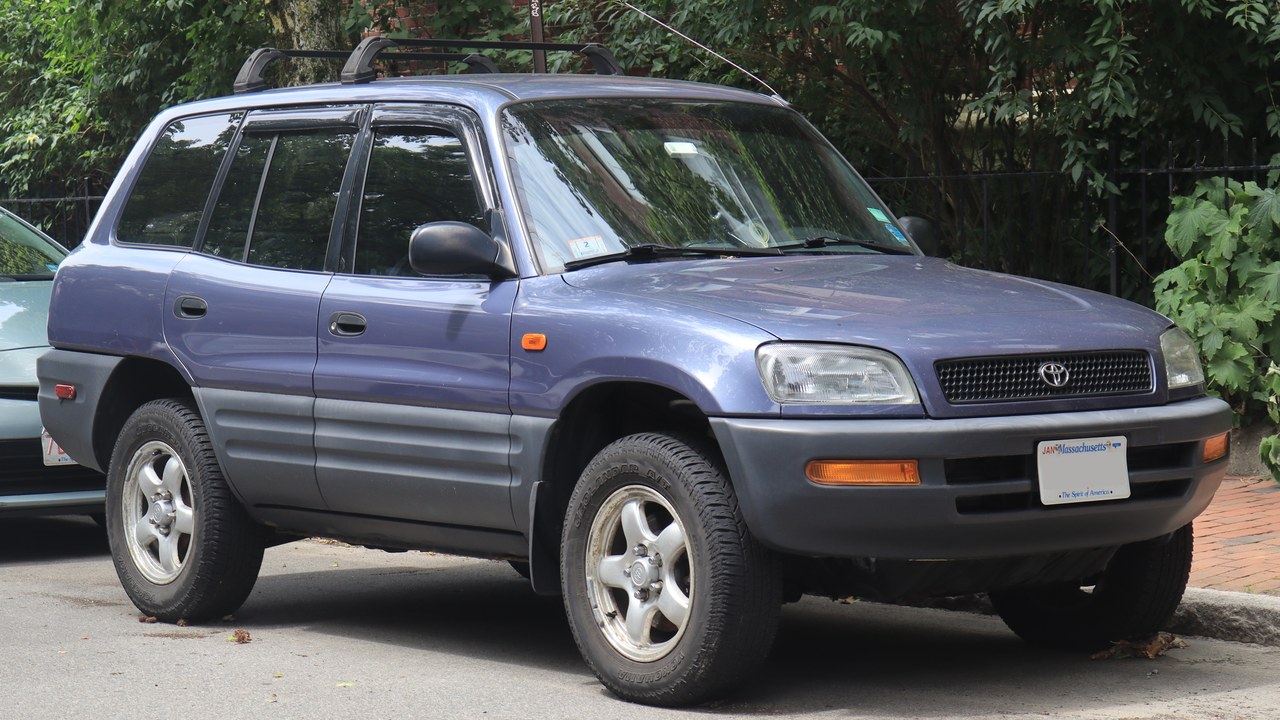
The Toyota RAV4 launched in North America in January 1996, and Wikipedia’s entry records 56,709 sales in its first American year. It is often credited as the first modern compact crossover.
A small, car-like platform with an SUV stance proved there was a market below the truck-based models. The first-year volume showed buyers were willing to try the idea, setting a pattern for later compact crossovers. Selling tens of thousands of units in its first year suggested that the small-crossover idea had a ready audience.
8. Honda CR-V: Honda’s Own Design
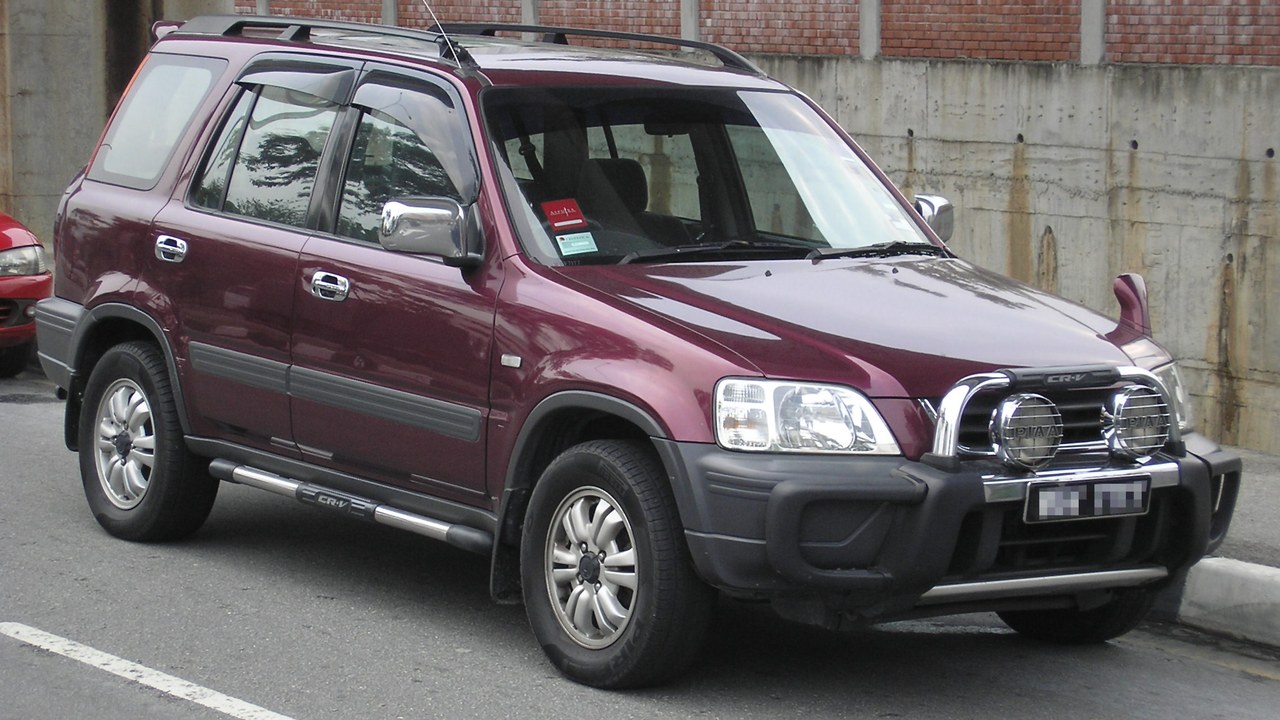
The Honda CR-V was displayed at the 1996 Chicago Auto Show and went on sale in the United States in February 1997, per Wikipedia’s CR-V article. It was Honda’s first in-house designed SUV.
Developing a vehicle entirely in-house signaled that Honda meant to compete in a segment it had previously served through other arrangements. The timing placed the CR-V alongside the RAV4 as an early member of the compact crossover wave. Honda’s choice to develop the vehicle itself rather than adapt another design gave the company its own SUV design to build on.
9. Mercedes-Benz M-Class: Luxury, Made in Alabama
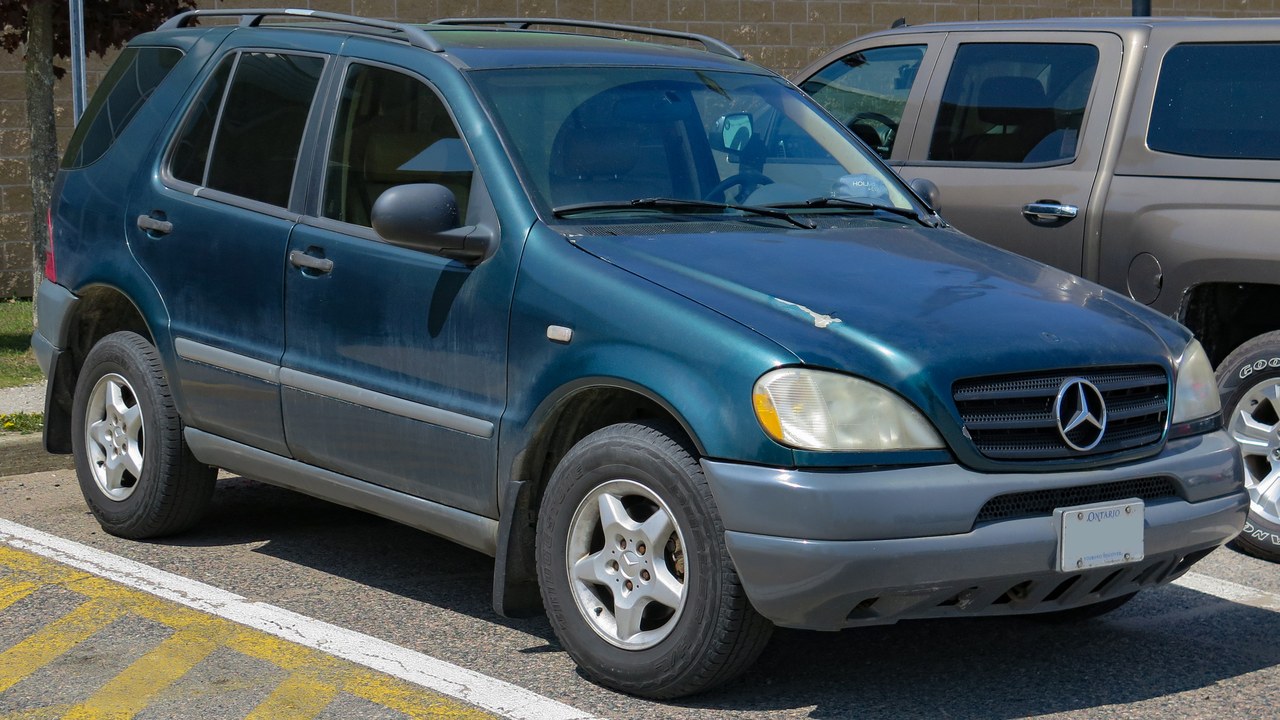
Launched on February 19, 1997, the Mercedes-Benz M-Class was built in Alabama and billed as the first luxury SUV with electronic stability control, as Wikipedia’s M-Class article explains. Motor Trend named it Truck of the Year for 1998.
Building a premium SUV on American soil and pairing it with stability technology gave the M-Class both a local footprint and a safety story. The award confirmed that the formula appealed to the press as well as buyers. Both the Alabama production site and the stability control feature were central to how the model was presented to buyers.
10. Ford Expedition: Bronco’s Big Replacement
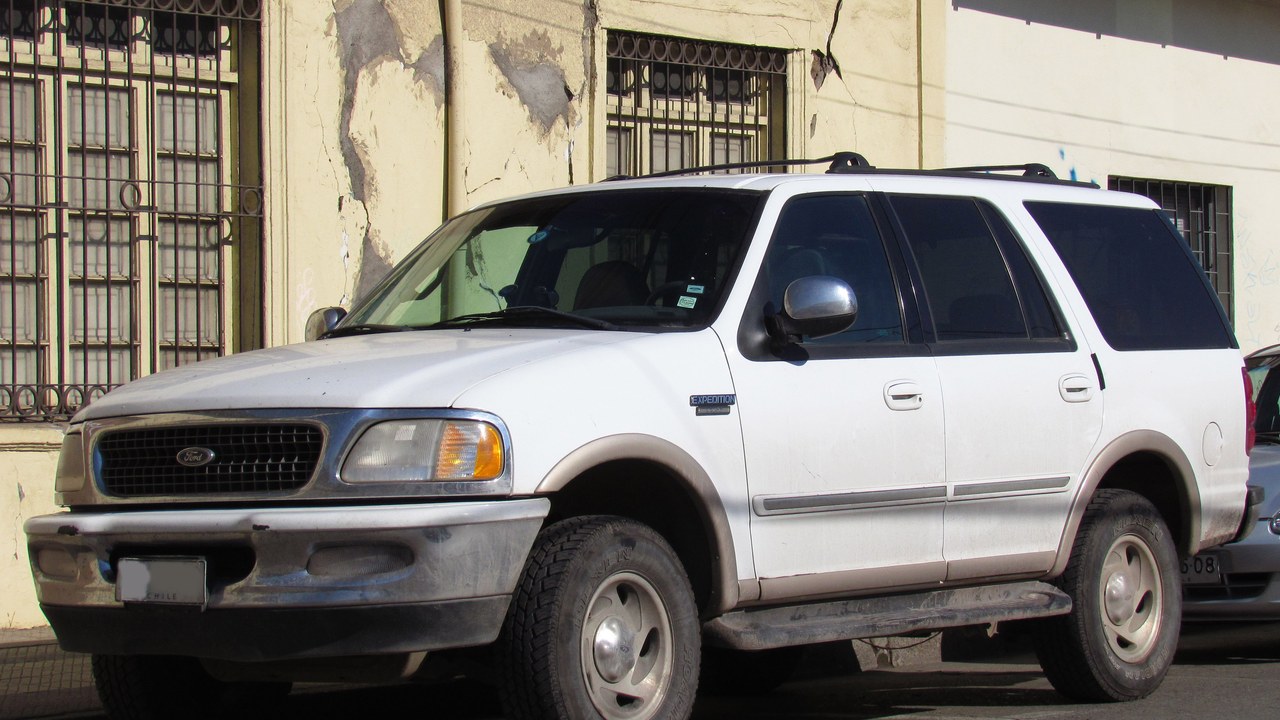
Unveiled on May 9, 1996 as a 1997 model, the Ford Expedition replaced the two-door Bronco, as Wikipedia notes. It offered a 4.6-liter V8 and up to 8,100 lb of towing capacity.
The Expedition moved Ford’s full-size SUV offering to a larger, more family-oriented format. That towing figure made it a credible option for owners who needed a vehicle that could also pull a boat or trailer. The jump to a V8 and heavy towing ability showed that the full-size SUV had become a serious alternative to the pickup for hauling.
11. Lincoln Navigator: Lincoln Goes Big
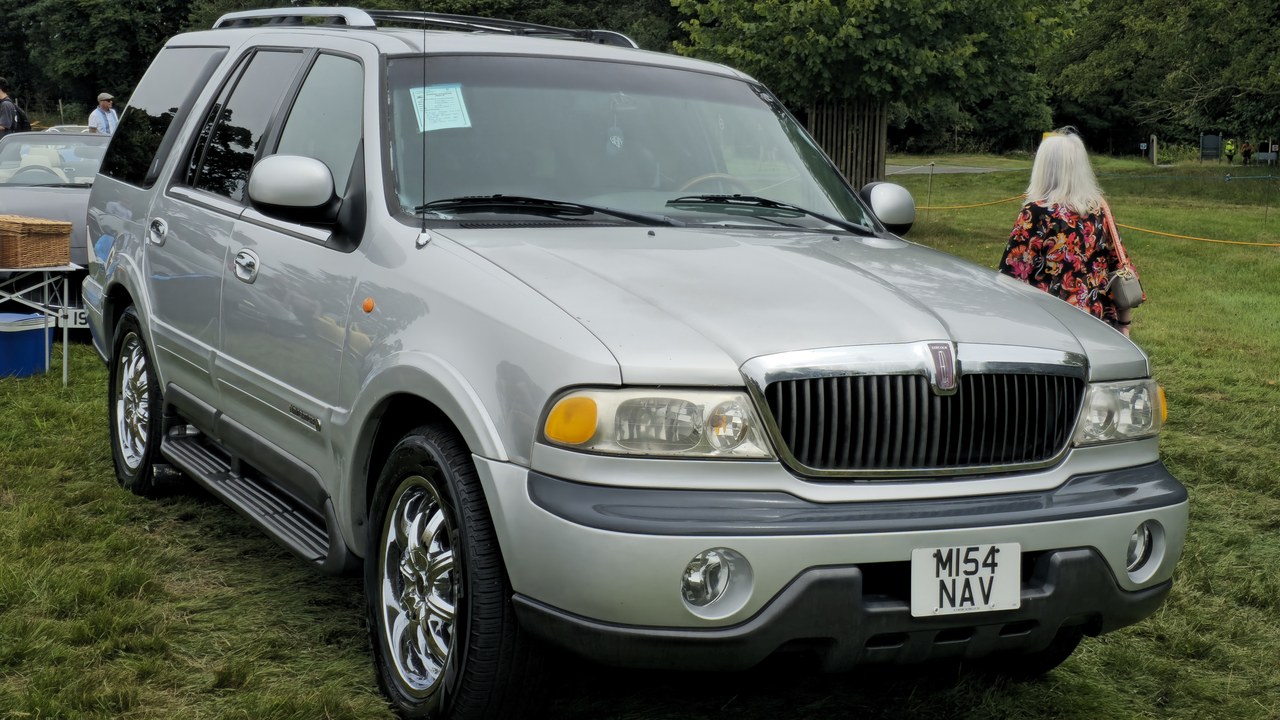
The Lincoln Navigator launched on July 1, 1997 for the 1998 model year as Lincoln’s first full-size SUV, and Wikipedia’s Navigator entry records 43,859 sales in 1998.
Selling that many in the first year showed that luxury buyers were ready to trade a large sedan for a large truck-based vehicle. The Navigator pushed other premium brands to consider similar offerings. Being Lincoln’s first full-size SUV, the model had no direct predecessor in the brand’s lineup to build on.
12. Lexus RX 300: The First Luxury Crossover
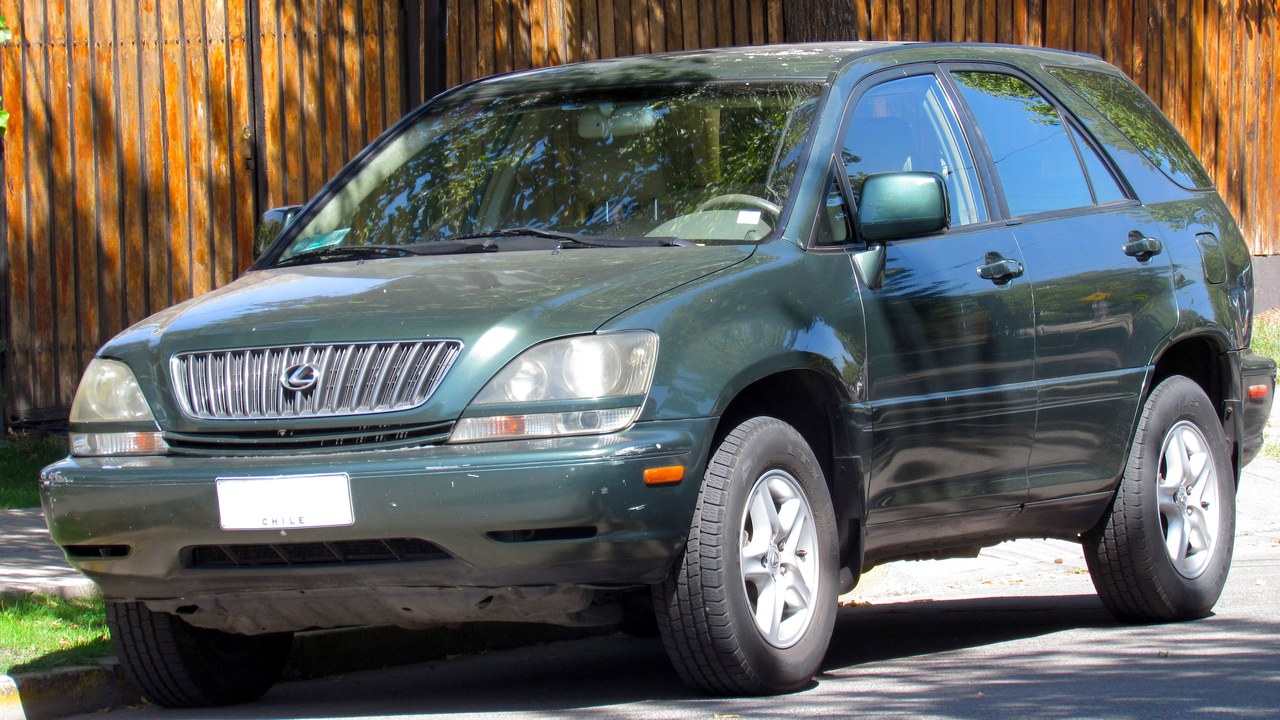
Export sales of the Lexus RX 300 began in March 1998, and Wikipedia’s Lexus RX article describes it as the first luxury crossover. It used a 220 hp V6 and sold over 370,000 units in five years.
Combining car-like manners with a luxury badge opened a segment that would grow far beyond the decade. The five-year sales total shows how quickly buyers embraced the idea. The RX 300 therefore sits at the point where the SUV boom met the luxury market, an overlap that later models would expand.
The day in tech, in one email: Get TLDR →
We may earn a commission if you sign up.
More from Morning Overview
- Two passengers died at an Ohio toll plaza, and the NTSB now wants the cash lanes shut
- Long use of a common prostate pill is tied to a higher chance of glaucoma
- Ford is recalling 223,472 F-150 pickups because the fuel tank can leak or detach
- Hybrids have 15% fewer problems than gas cars, while EVs and plug-in hybrids have about 80% more, Consumer Reports finds
