
The solar system holds more working robots than most people realize, each still gathering data long after its launch made headlines. Some are approaching a planet for the first time, while others have logged decades of uninterrupted operation since leaving Earth. Here are eight spacecraft that remain active today, carrying out missions few of us are still tracking.
1. Voyager 2: The Only Probe To Visit All Four Giant Planets
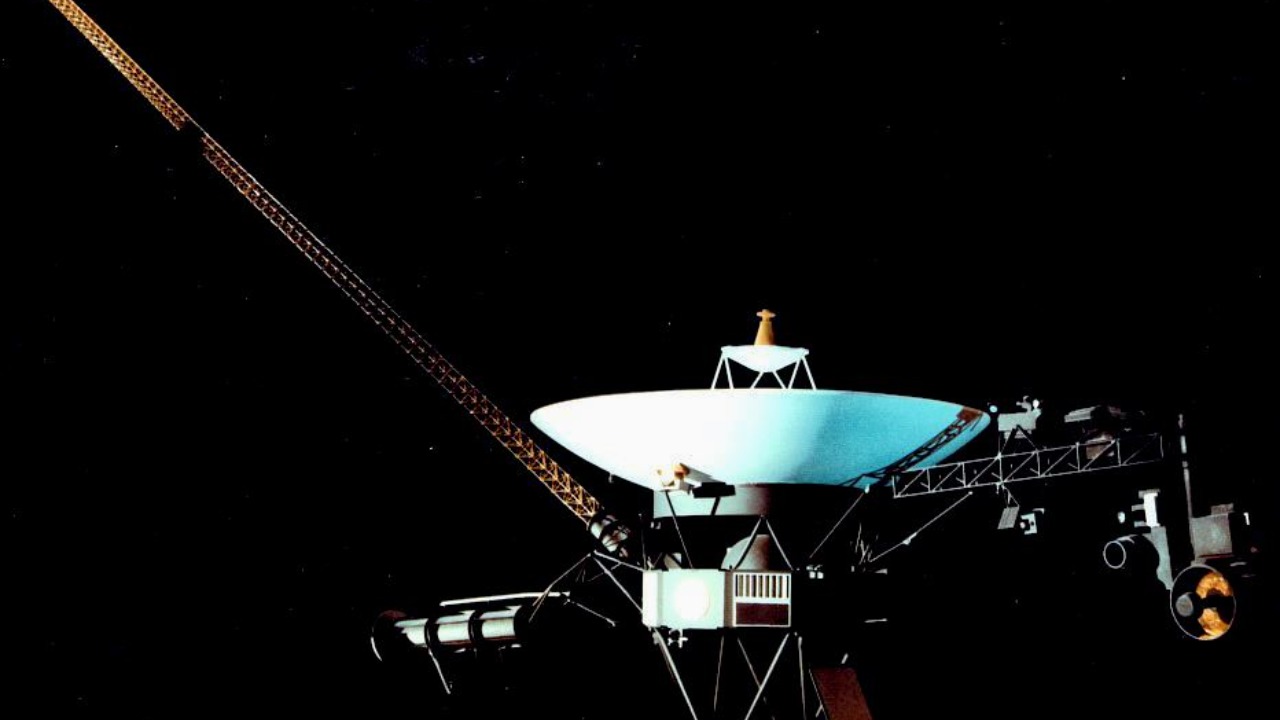
Launched in 1977, Voyager 2 is the only spacecraft to have flown past all four giant planets, using each flyby’s gravity to reach the next. Its Grand Tour path carried it from Jupiter and Saturn on to Uranus and Neptune, still the only close look either ice giant has received. NASA’s Voyager 2 overview says the probe has since crossed into interstellar space.
Controllers reach it through the Deep Space Network, where a command now takes over 19 hours to arrive. To stretch its plutonium power supply, engineers have begun shutting off instruments one by one, leaving the rest to keep reading the plasma and magnetic fields between stars. It remains the second-most-distant human-made object ever launched, trailing only its twin, Voyager 1.
2. Parker Solar Probe: The Closest Any Spacecraft Has Flown To The Sun
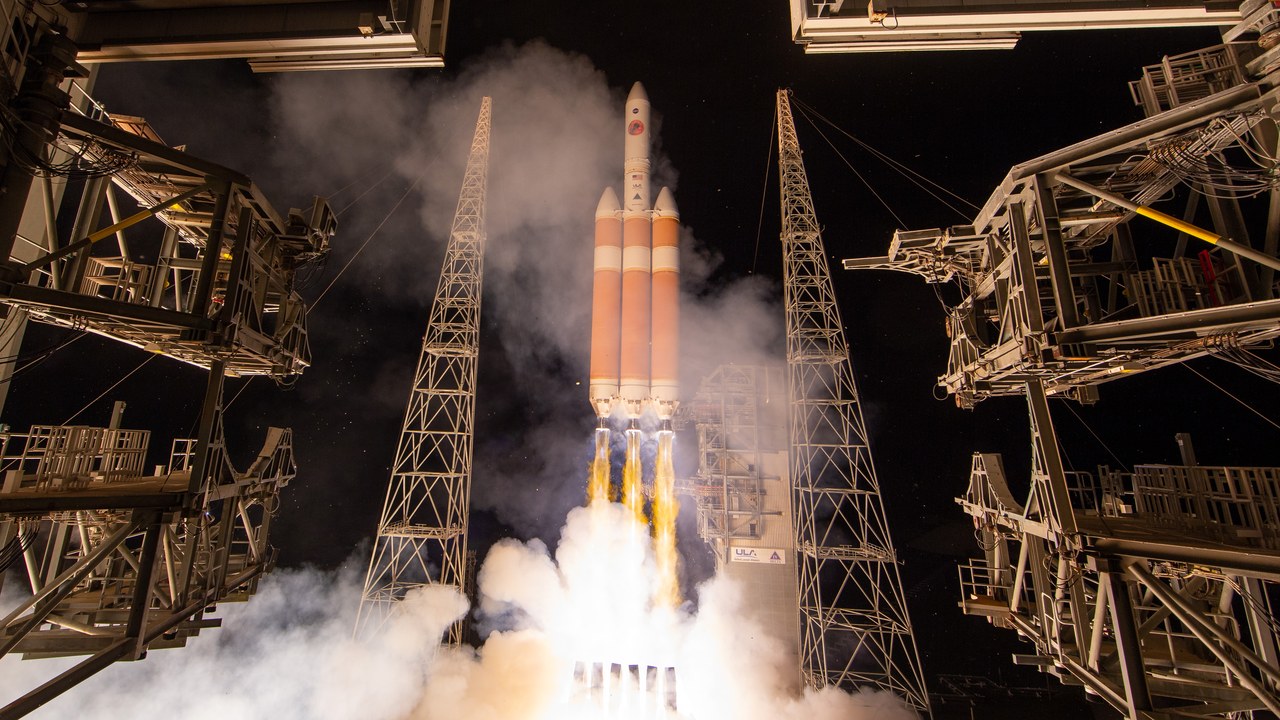
Parker Solar Probe launched in 2018 to fly directly into the Sun’s outer atmosphere, the corona, and sample it. A carbon-composite heat shield lets it survive temperatures above 2,500 degrees Fahrenheit while its instruments stay near room temperature just behind it. Repeated Venus gravity assists have tightened its orbit, and its mission overview confirms it became the first spacecraft to fly through the corona, in 2021.
Each close pass has measured the solar wind’s acceleration and the magnetic zigzags researchers call switchbacks, reshaping models of how the Sun sheds material. Its closest planned approaches bring it within about 3.8 million miles of the Sun’s surface. The spacecraft is named for physicist Eugene Parker, who predicted the solar wind’s existence decades before it could be measured.
3. Juno: Peering Beneath Jupiter’s Clouds
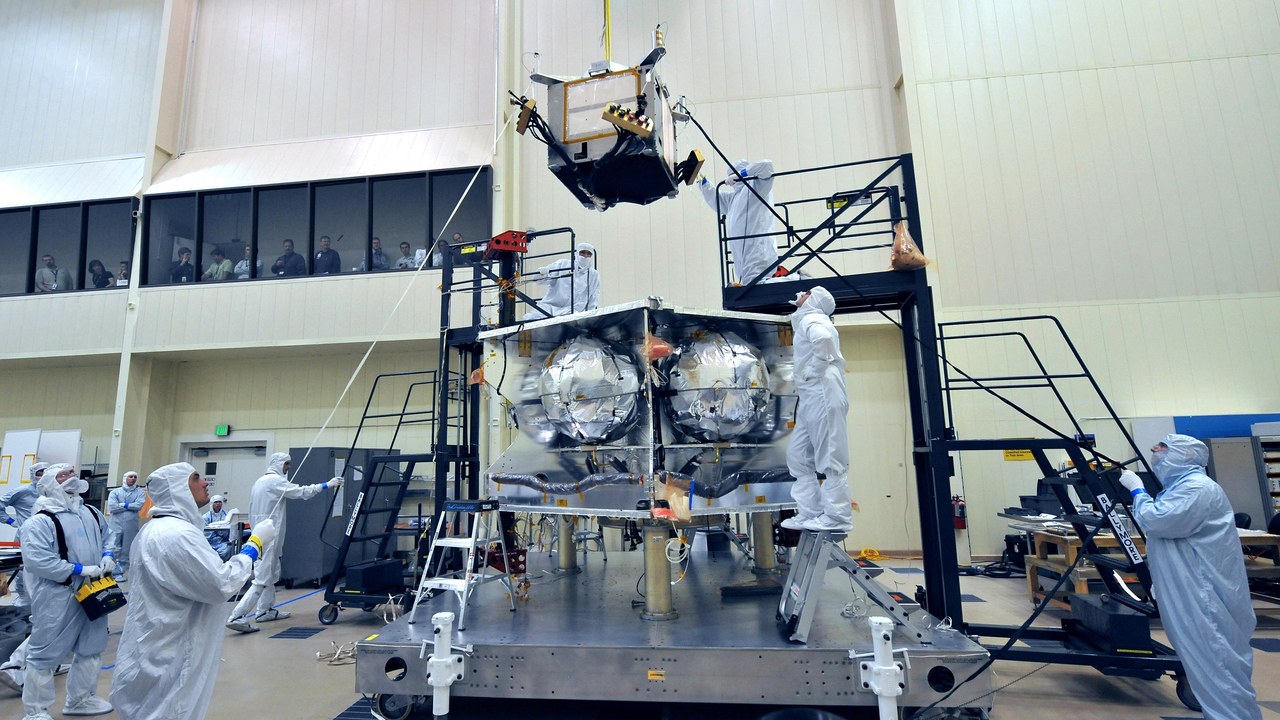
Juno reached Jupiter in 2016 and settled into a tight elliptical polar orbit built to dodge the worst of the planet’s radiation belts. Its microwave radiometer looks beneath the cloud tops to measure water content no telescope can see, while onboard sensors map the gravity and magnetic fields shaping Jupiter’s deep interior. The spacecraft’s mission page credits it with showing Jupiter’s core is larger and less defined than older models predicted.
An extended mission has since sent Juno past Jupiter’s largest moons, including Ganymede, Europa, and a string of passes over Io that captured the clearest images yet of its volcanoes. Each flyby bends Juno’s orbit, letting the aging spacecraft keep collecting fresh data nearly a decade into a mission built to last two years.
4. New Horizons: From Pluto To The Kuiper Belt
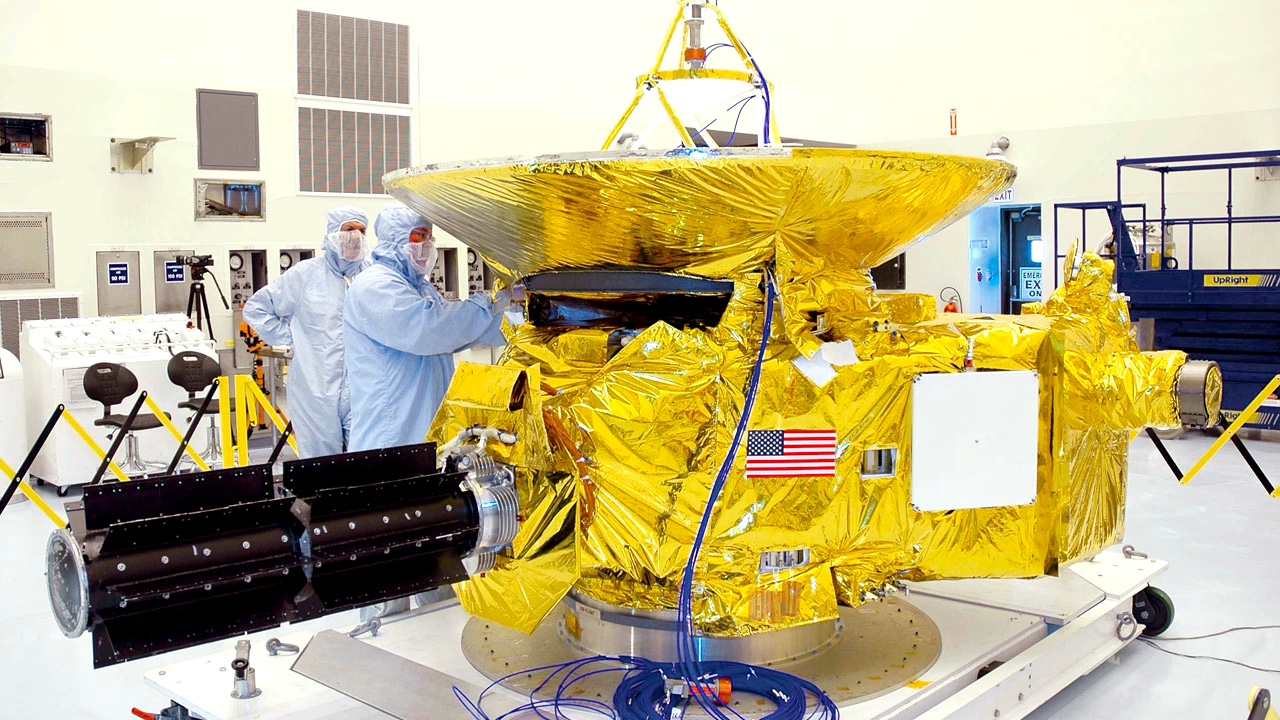
New Horizons launched in 2006 on the fastest trajectory ever given a spacecraft leaving Earth, reaching Pluto in under a decade. Its 2015 flyby returned the first detailed images of Pluto’s surface, revealing ice mountains and a heart-shaped nitrogen-ice plain no telescope had ever resolved. The New Horizons mission record also credits it with the most distant flyby in history, of the small Kuiper Belt object Arrokoth, in 2019.
The spacecraft is now deep in an extended mission, using its remaining instruments to study the solar wind, dust density, and background light far from the Sun. Its plutonium power source has enough margin to keep it running into the 2030s, and the team has proposed pointing it toward study of the solar system’s outer edge.
5. Europa Clipper: Bound For An Ocean Beneath The Ice
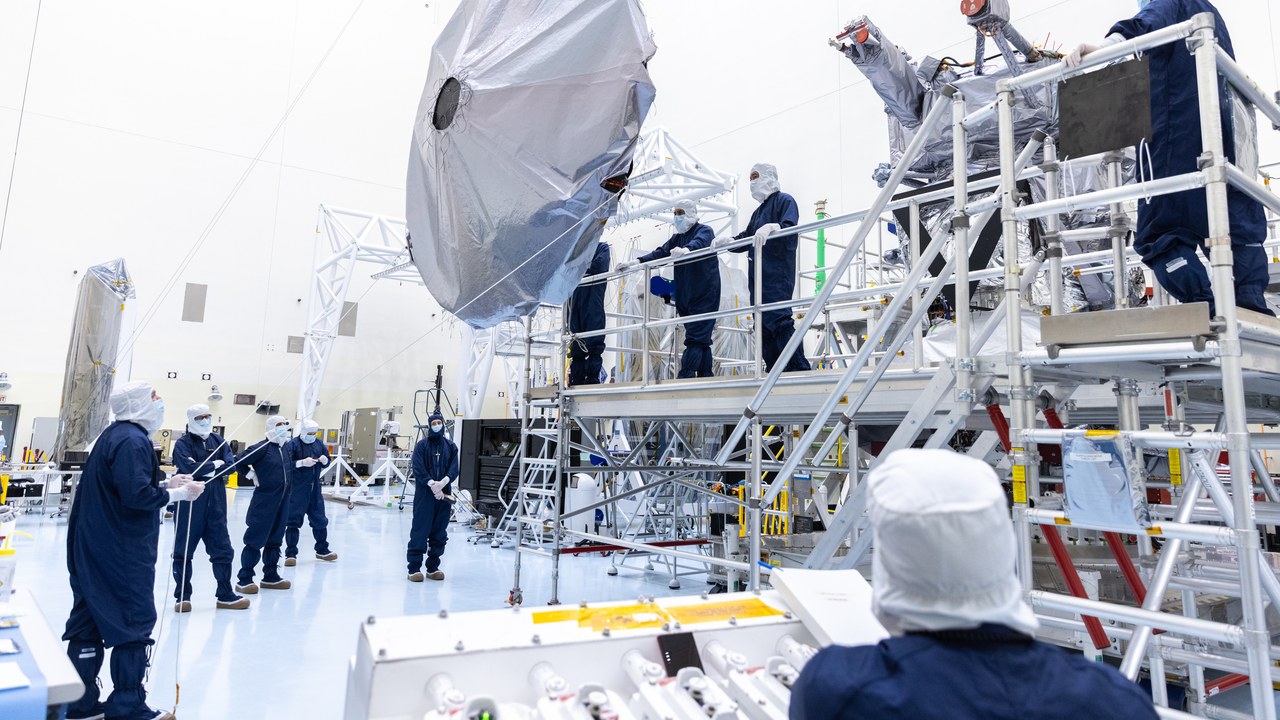
Europa Clipper launched in October 2024 as the largest spacecraft NASA has ever built for a planetary mission, its twin solar arrays spanning more than 100 feet. Rather than orbit Europa directly, it will circle Jupiter and make dozens of close flybys of the icy moon, using gravity assists past Mars and Earth along the way. Its mission plan targets arrival at Jupiter around 2030.
Its instruments are built to map the thickness of Europa’s ice shell, search for plumes venting from below, and read the chemistry of the ocean believed to lie beneath that ice. That hidden ocean is one of the more promising places in the solar system to look for conditions that could support life.
6. OSIRIS-REx: A Sample Delivered, A New Asteroid Ahead
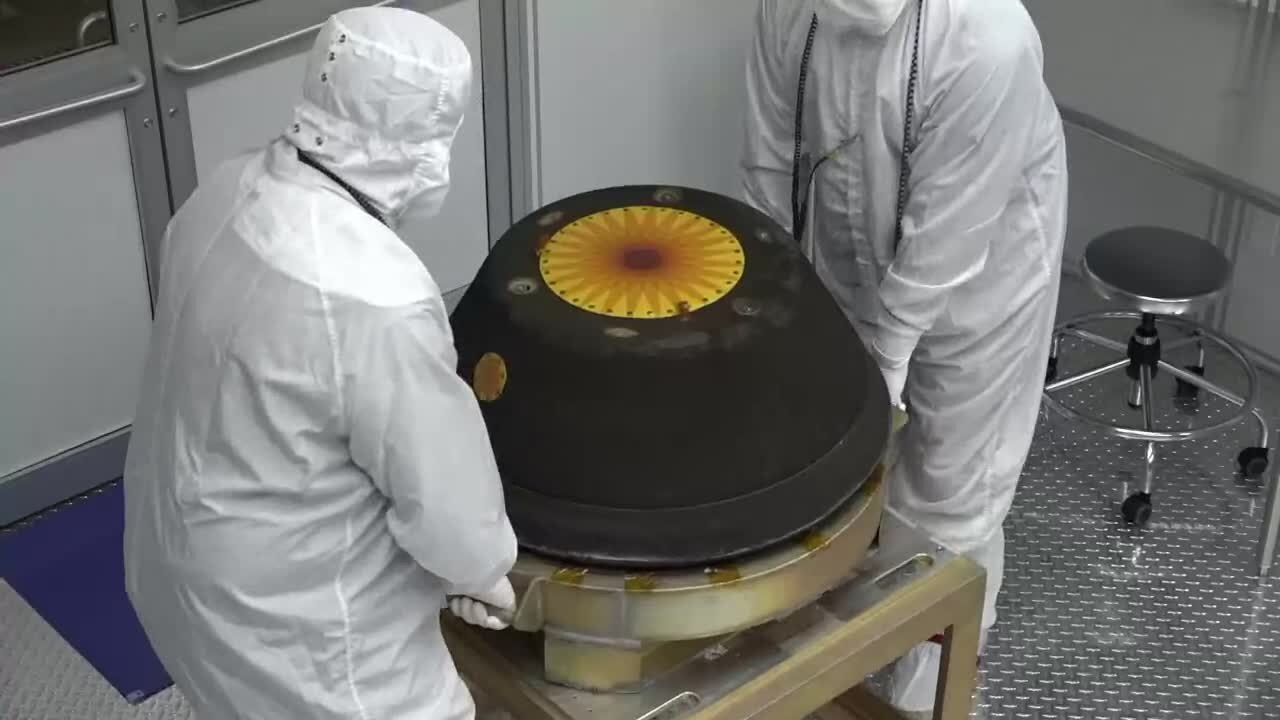
OSIRIS-REx launched in 2016, reached the asteroid Bennu in 2018, and briefly touched down in 2020 to collect a sample with its robotic TAGSAM arm. In September 2023 the spacecraft swung past Earth and released a capsule carrying that sample, which parachuted into the Utah desert for recovery by NASA’s OSIRIS-REx mission team, the first American mission to bring an asteroid sample home.
Rather than follow its capsule down, the spacecraft fired its engines and flew on past Earth, beginning an extended mission renamed OSIRIS-APEX. It is now headed toward the asteroid Apophis, aiming to arrive shortly after that asteroid’s close 2029 pass by Earth to study how the encounter reshapes its surface.
7. Lucy: A 12-Year Tour Of Jupiter’s Trojan Asteroids
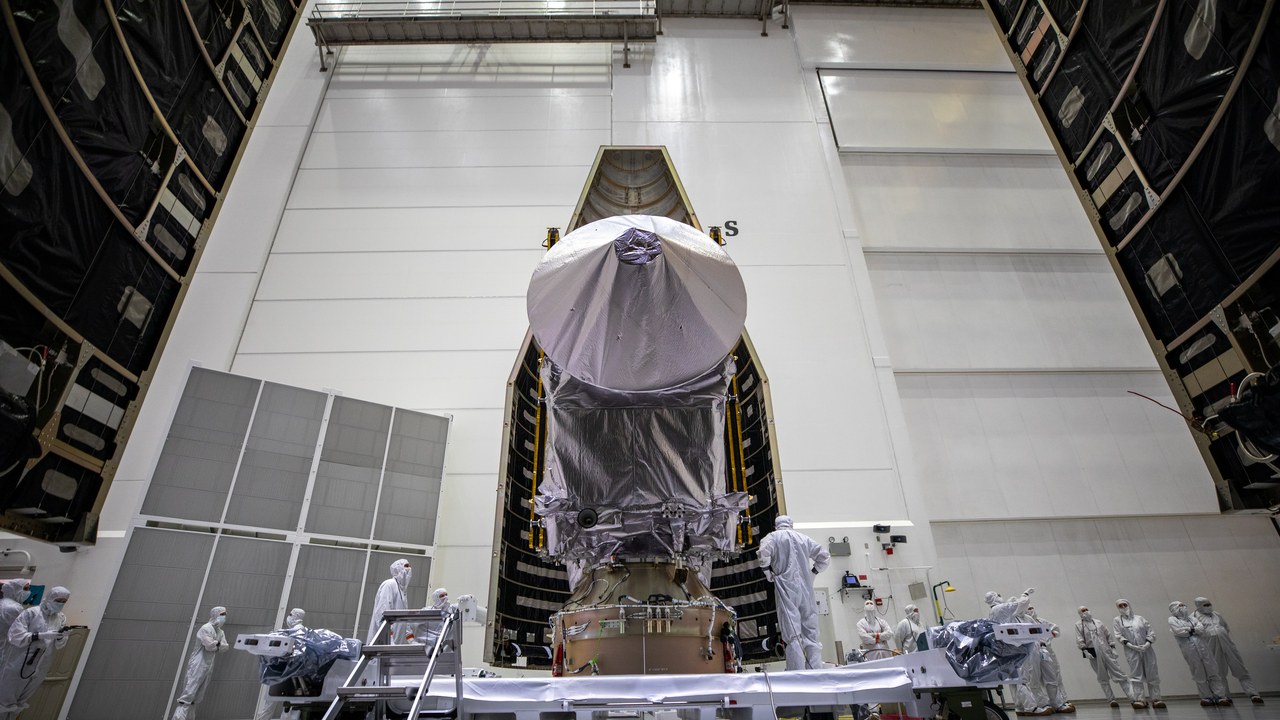
Lucy launched in October 2021 on the first mission built to explore Jupiter’s Trojan asteroids, two swarms of ancient rocky bodies sharing the planet’s orbit. Named for the famous human-ancestor fossil, it has already flown past two smaller test targets on its long cruise: the asteroid Dinkinesh and its surprise moon Selam in 2023, then Donaldjohanson in 2025. Its mission trajectory leans on repeated Earth gravity assists.
The main targets lie ahead: a first Trojan encounter is planned for the leading swarm, followed by further flybys stretching into the 2030s. Each Trojan visited adds a data point to a population scientists believe are leftover building blocks from the solar system’s earliest days.
8. BepiColombo: A Long Cruise To The Solar System’s Innermost Planet
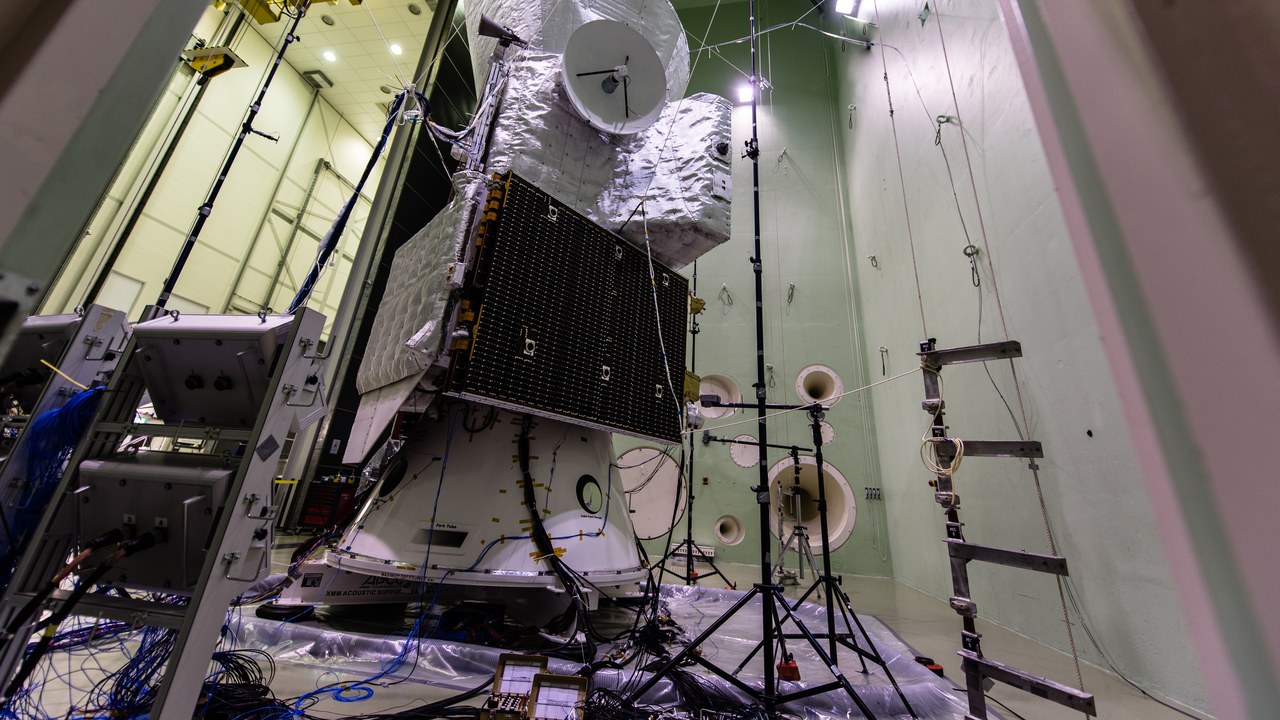
BepiColombo launched in 2018 as a joint European-Japanese mission, carrying two separate orbiters stacked together for the long cruise to Mercury. Reaching the innermost planet means bleeding off enormous speed, so the spacecraft has relied on a long chain of gravity-assist flybys past Earth, Venus, and Mercury itself, capturing imagery along the way. Its mission overview outlines a cruise spanning most of a decade before orbit insertion.
A thruster issue trimmed the spacecraft’s available thrust and pushed its planned Mercury orbit insertion back from the original schedule, though its sequence of flybys has continued in the meantime. Once it settles into orbit, BepiColombo will separate into two orbiters to study Mercury’s magnetic field, thin exosphere, and surface composition.
More from Morning Overview
- Evacuations spread as the Gann Fire chews through 10,000 acres of California’s Gold Country
- Pythons keep spreading across Florida, and one county alone pulled out four tons of them
- 12 most reliable SUVs you can buy for 2026
- Hunters pulled a 19-foot python from the Everglades at 1 a.m., the longest ever recorded in Florida
