
Modern televisions do far more than display shows; many quietly log habits, sounds, and identifiers in the background. Most of this data collection runs by default, buried in setup screens that few owners ever revisit or fully understand. Here are eight built-in features that gather information about the household, along with the settings that keep them in check.
1. Automatic content recognition: Fingerprinting Every Frame
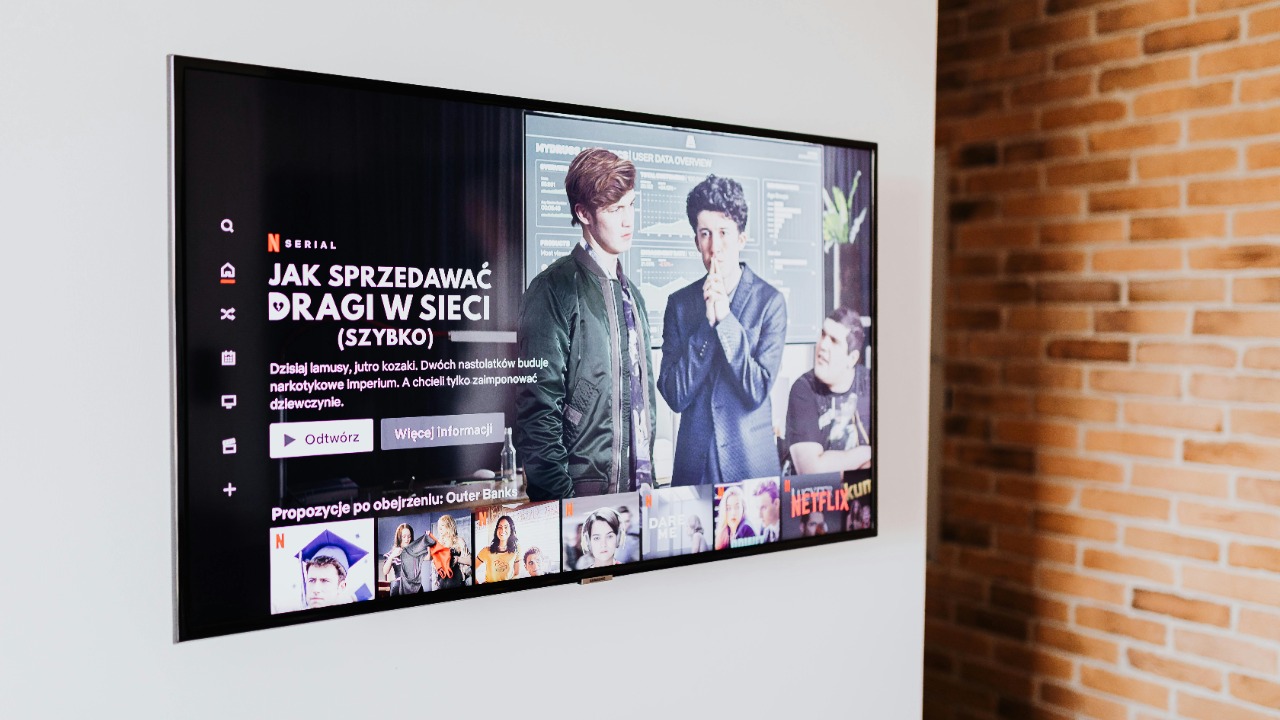
Automatic content recognition, often shortened to ACR, samples pixels or audio from whatever appears on screen and matches those snippets against a vast reference library. The technology can identify a broadcast, a streamed film, a commercial, or even content from a plugged-in game console or DVD player. Manufacturers describe it as content-identification software that powers recommendations, but the same system reports viewing details back to the maker on a rolling basis.
Because ACR captures anything shown on the panel, it builds a second-by-second log of household viewing regardless of the input source. That profile can be paired with an advertising identifier and matched to other devices in the home. Most sets tuck the control inside a privacy menu, where switching it off stops the fingerprinting.
2. Viewing-data collection: Habits Logged And Sold
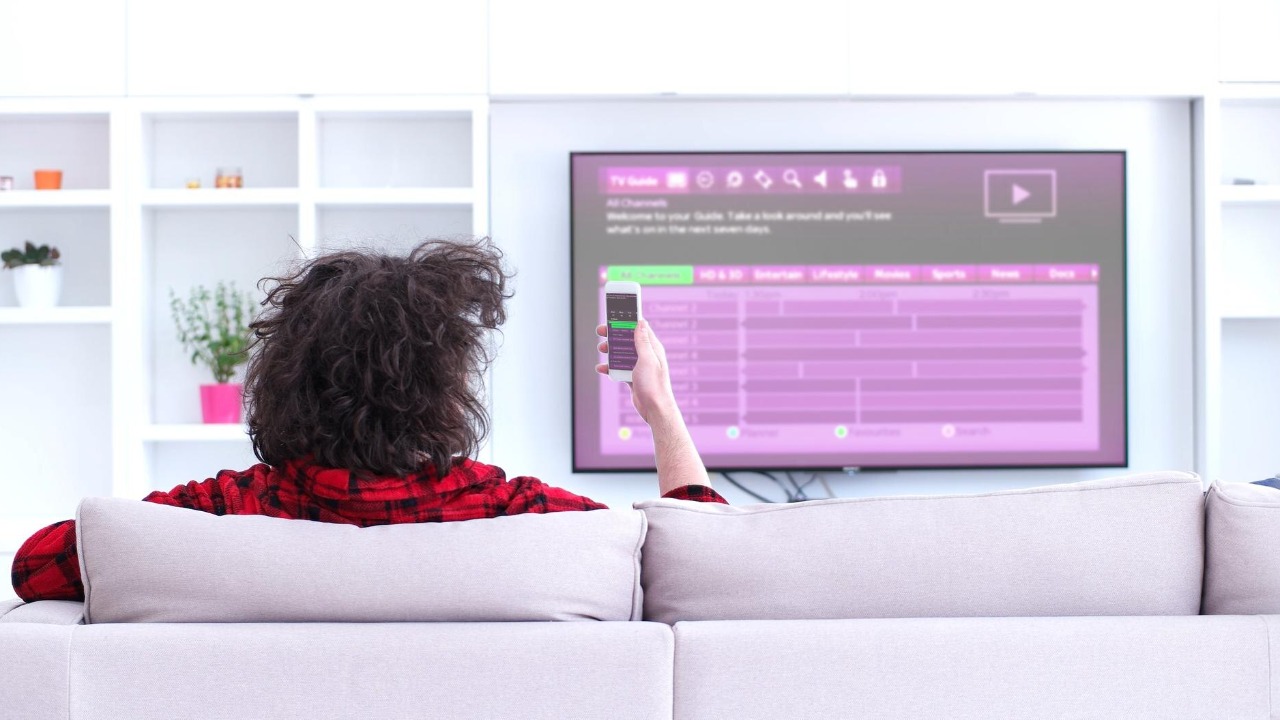
Beyond fingerprinting individual frames, many platforms log which channels, apps, and titles a household opens and how long each session lasts. That behavioral record is often packaged and licensed to advertisers and measurement firms that want to know what audiences actually watch. Regulators have flagged these practices in broader privacy and security guidance, noting that consumer data collected in the home carries real disclosure obligations.
The resulting profiles let marketers target ads based on genuine viewing patterns rather than guesswork, which is precisely why the information holds commercial value. Households that never adjusted the defaults may be contributing to these datasets without realizing it. Reviewing the device privacy policy and disabling interest-based advertising options limits how much of that viewing history flows outward.
3. Built-in microphones: Always Ready To Listen
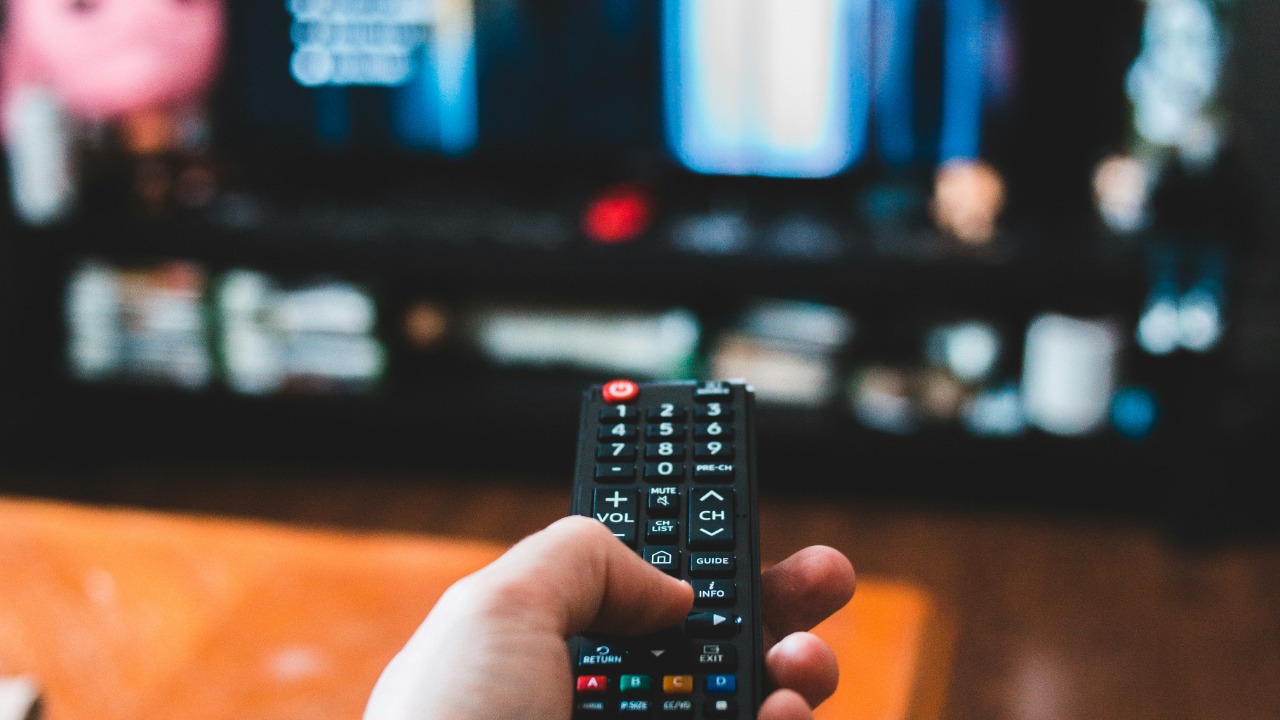
Voice-enabled remotes and some televisions include microphones that capture spoken commands, and depending on the model they may listen for a wake word or activate when a button is pressed. Digital-rights advocates have long warned that microphones sitting in living rooms represent a standing consumer privacy risk, since captured audio can travel to remote servers for processing and storage.
The concern is not only intentional commands but the possibility that surrounding conversation gets swept up when the microphone is active. Recordings held on company servers may later be reviewed by systems or contractors working to improve recognition accuracy. Owners can usually mute the microphone in settings, unpair a voice remote, or physically avoid the always-listening mode when privacy matters more than convenience.
4. Built-in cameras: A Lens In The Room
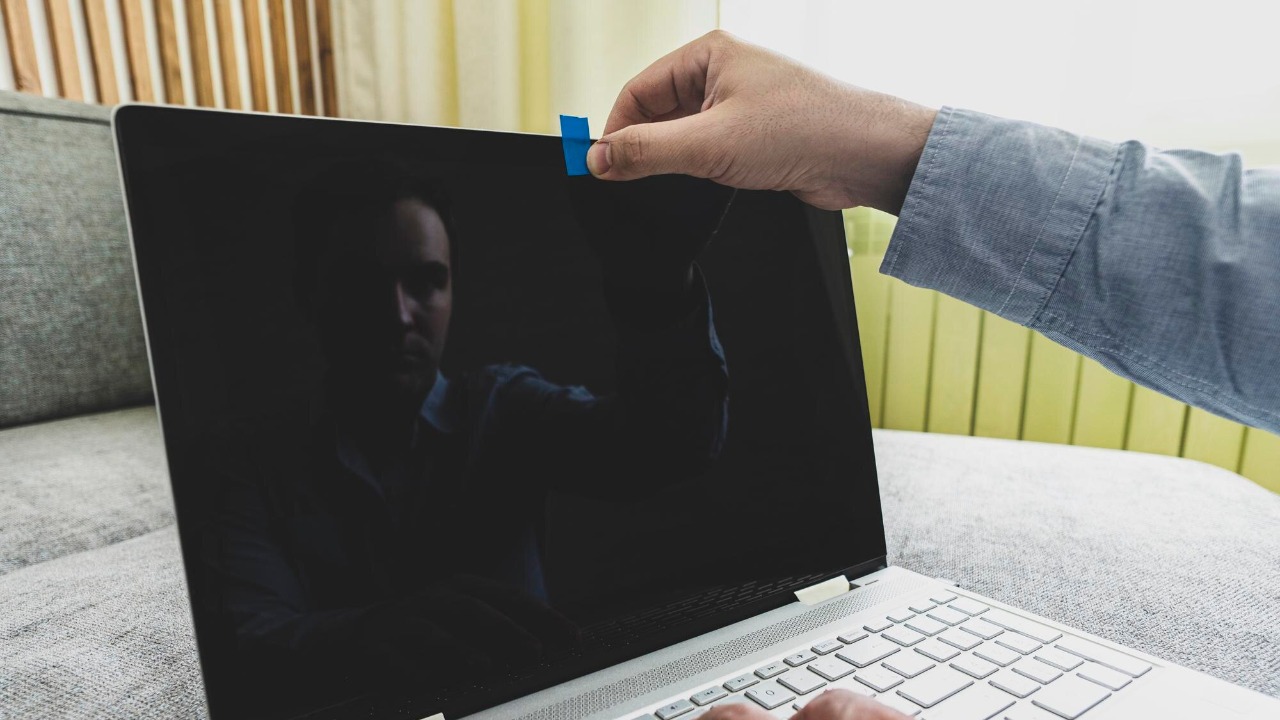
A smaller set of televisions, particularly older gesture-control and video-call models, ship with an embedded camera pointed into the room. Any internet-connected camera can become a target, and law-enforcement cyber divisions have repeatedly warned that networked home devices may be exploited by intruders who slip through weak passwords or outdated firmware.
Unlike a laptop webcam with an obvious indicator light, a television camera can be easy to forget once the novelty of video features fades. That makes it a quiet vulnerability if the set is never updated or if default credentials remain unchanged. Practical defenses include keeping firmware current, covering the lens when idle, and disconnecting camera-equipped sets from the network when the feature goes unused.
5. Ad ID tracking: One ID Follows Along

Most smart platforms assign a persistent advertising identifier that ties together activity across the apps installed on the television. That single tag lets ad networks recognize the same household from one app to the next and stitch a continuous behavioral profile. Consumer regulators outline privacy-protection steps, including resetting or clearing these identifiers to break the chain of tracking.
Because the identifier is designed to be durable, it can outlast individual viewing sessions and follow the device for as long as it stays unchanged. Resetting it periodically forces trackers to start over, while opting out of interest-based ads reduces how aggressively the tag gets used. Both controls typically live in the same advertising or privacy submenu.
6. App-usage logging: Timestamps On Every Session

Individual streaming apps keep their own records of what plays and when, layering another tracking source on top of the platform itself. A smart television effectively runs a small computer, and each installed service logs sessions, timestamps, and titles to power recommendations and measure engagement. Those logs often sync back to the app maker’s servers rather than staying on the device.
The result is overlapping records: the television maker sees one view of household activity, while every app operator sees another. Combined, they paint a granular picture of daily routines, from morning news to late-night binges. Signing out of unused apps, declining optional data sharing during setup, and pruning rarely opened services all shrink the number of parties logging viewing behavior.
7. Voice-assistant history: Commands Saved On Servers

Televisions that integrate a voice assistant frequently retain a transcript or recording of the commands spoken to them. A virtual assistant processes requests in the cloud, so each query about weather, channels, or shopping can be stored on company servers under the linked account. That archive may persist indefinitely unless the owner intervenes.
Stored voice history can reveal interests, schedules, and household composition, all tied to a single profile. Some providers use fragments of these recordings to refine speech models, occasionally with human review involved. Account dashboards usually offer a way to view and delete past commands, disable recording retention, or turn off the assistant entirely, giving households direct control over what audio lingers online.
8. Third-party data sharing: Data Flows Downstream

The viewing data a television gathers rarely stays with one company; much of it is shared with outside partners unless a household actively opts out. An information broker collects and resells consumer details from many sources, and smart-TV viewing records can feed into those pipelines alongside other purchased datasets to build richer profiles.
Once information reaches a broker network, tracing where it lands or requesting its removal becomes considerably harder. Aggregated viewing habits can be matched with location, purchase, and demographic data to sharpen ad targeting across devices. Exercising opt-out rights, saying no to data sharing during setup, and using available privacy-request tools all help keep household viewing from spreading through the broader data economy.
More from Morning Overview
- The NSA is again telling phone owners to switch off one location setting
- A handful of car transmissions are so tough mechanics say they almost never fail
- A handful of SUVs keep hitting 300,000 miles, and they share one engine trait
- Supplements now rank as the fifth-leading cause of death from liver disease.
