
Bridges rank among engineering’s boldest experiments, pushing steel, concrete, and cable past what earlier generations thought possible. Some crossings claimed a record for span length, height, or total distance, while others solved a problem no design had faced before, like tunneling beneath a strait or carrying trains and cars on the same deck. Here are eight bridges that redefined what a crossing could be.
1. Golden Gate Bridge: Once the World’s Longest Span

The Golden Gate Bridge stretches across the strait where San Francisco Bay opens into the Pacific, and its main span was once recognized as the longest suspension span in the world. Builders had to contend with dense fog, strong winds, and the seismic activity common to the region, conditions that made the bay crossing project one of the most difficult attempted on the West Coast.
Decades after it opened, the bridge remains one of the most photographed structures anywhere, a symbol of the city it connects to the rest of the region and a reminder of how far suspension engineering had come by the time it was finished.
2. Akashi Kaikyo Bridge: A Central Span Record That Stood for Years
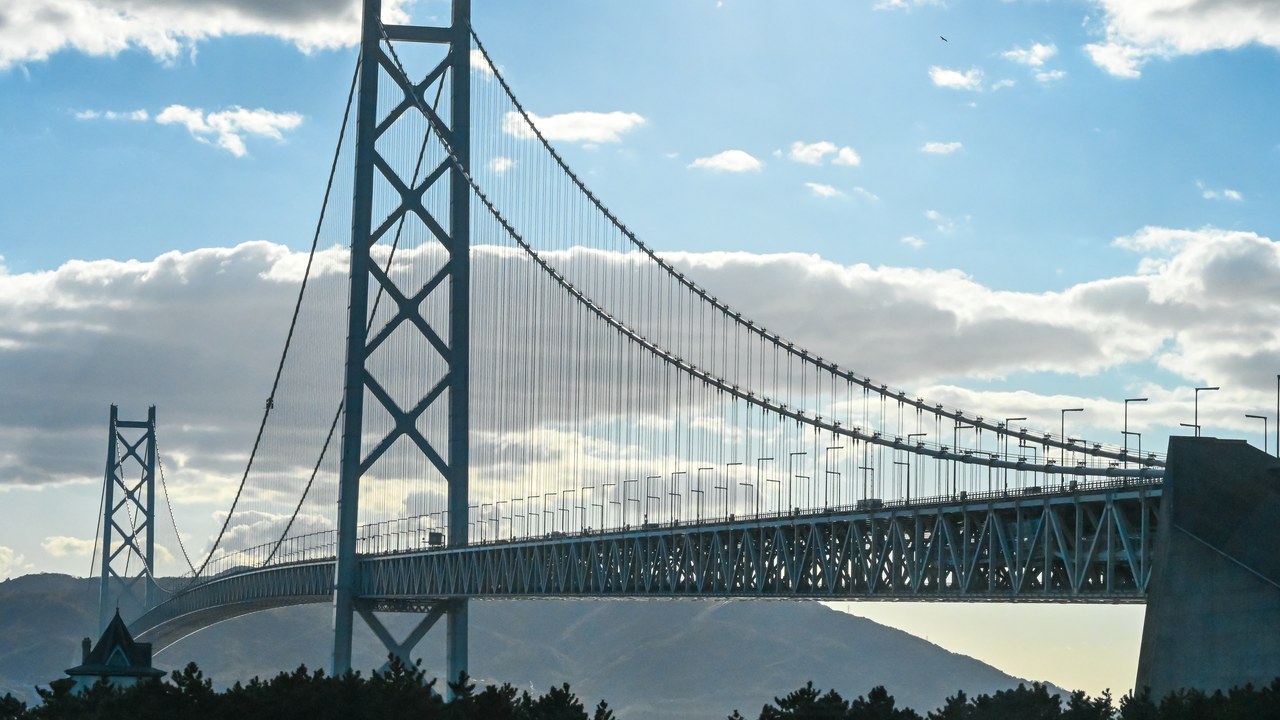
The Akashi Kaikyo Bridge crosses the Akashi Strait in Japan, and its central span long held the record as the longest of its kind anywhere in the world. Reaching that span required engineers to solve problems that no earlier suspension bridge had faced, from the depth of the strait to the region’s exposure to typhoons and earthquakes. The central span record stood for years as a benchmark for the entire field.
That kind of engineering feat comes with an enormous price tag and years of construction, and maintaining a span exposed to strong winds and shifting tectonic plates remains a continuous, costly undertaking long after the ribbon-cutting.
3. Millau Viaduct: Taller Than the Eiffel Tower
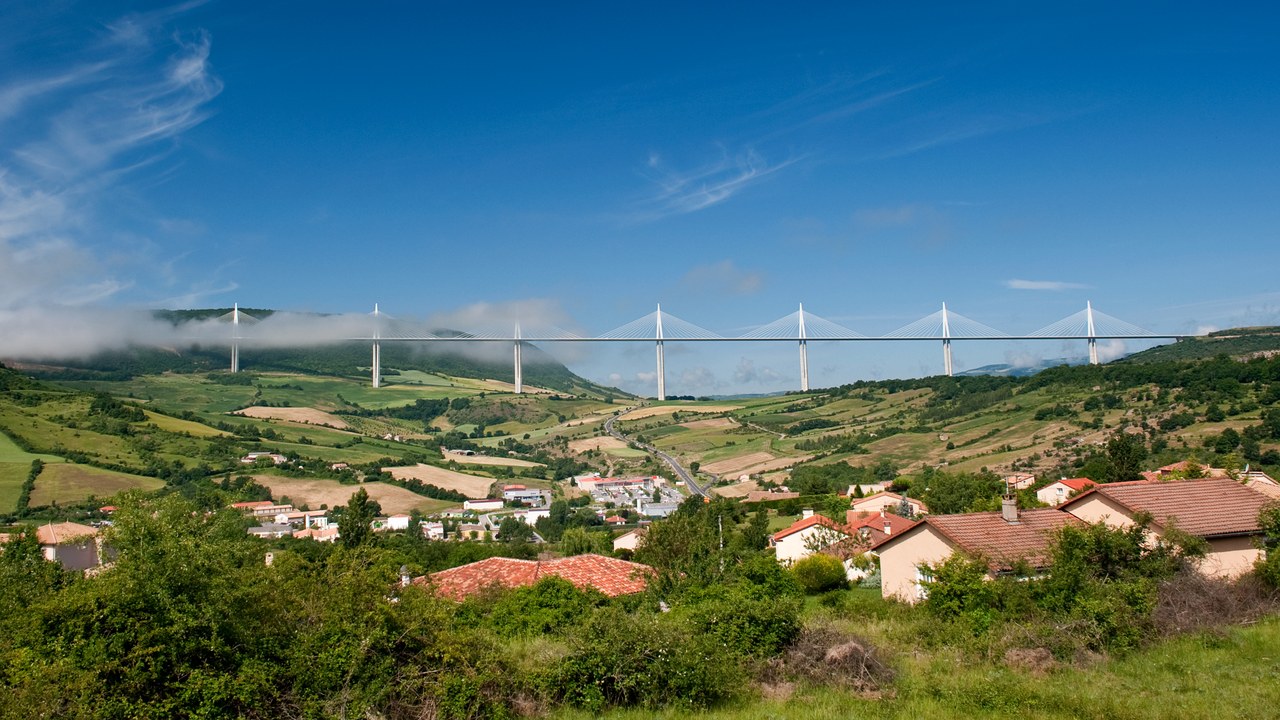
The Millau Viaduct carries a highway across a valley in southern France, and its tallest tower rises higher than any other bridge structure on Earth, taller even than the Eiffel Tower. Engineers designed slender cable-stayed towers rather than a solid embankment so the roadway could clear the valley floor by a wide margin, keeping the crossing light and letting traffic pass almost level with the clouds on foggy mornings. The viaduct’s height record made it an instant landmark.
Standing beneath one of its towers gives a sense of scale that photographs rarely capture, and the structure has become as much a tourist attraction as a functioning highway crossing.
4. Danyang-Kunshan Grand Bridge: The Longest Bridge on Earth by Length
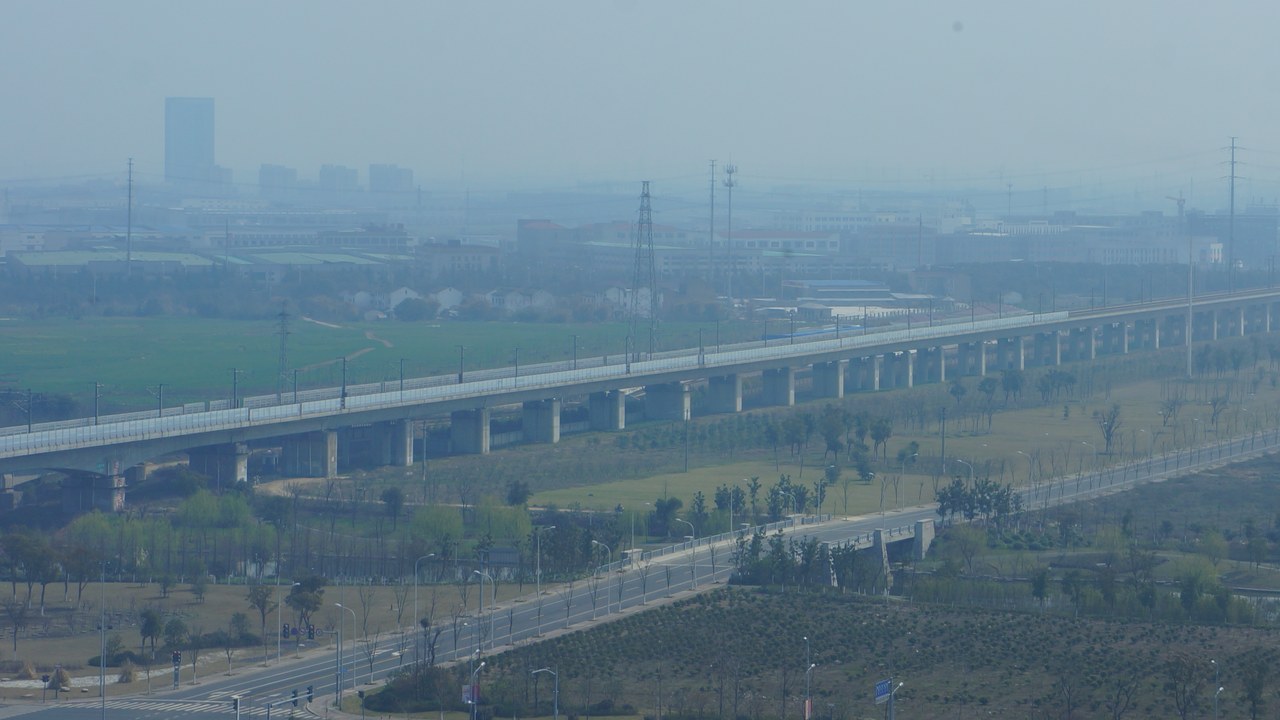
The Danyang-Kunshan Grand Bridge carries a high-speed rail line across the Chinese countryside, and its total length makes it the longest bridge in the world by that measure. Rather than a single dramatic span, the structure is built from a continuous run of elevated sections that cross rivers, rice paddies, and city outskirts alike, a design chosen to keep trains moving at speed without the disruption of at-grade crossings. The bridge’s total length reflects a different kind of engineering ambition than a single towering span.
Its scale illustrates how differently length and height records can be won, since spanning a great distance can matter as much to a rail network as clearing a single dramatic gap.
5. Oresund Bridge: The Crossing That Turns Into a Tunnel

The Öresund Bridge links Denmark and Sweden across the strait between them, and partway across the crossing switches from bridge to tunnel, diving beneath the water rather than continuing overhead. That combination was chosen to keep the crossing clear for ships heading in and out of Copenhagen’s harbor while still carrying road and rail traffic between the two countries. The bridge-to-tunnel transition happens on an artificial island built specifically for the changeover.
Drivers and rail passengers cross an international border partway through the trip without slowing down, a detail that makes the journey feel less like crossing water and more like passing through a single connected region.
6. Sydney Harbour Bridge: Built Wide Enough for Everything at Once
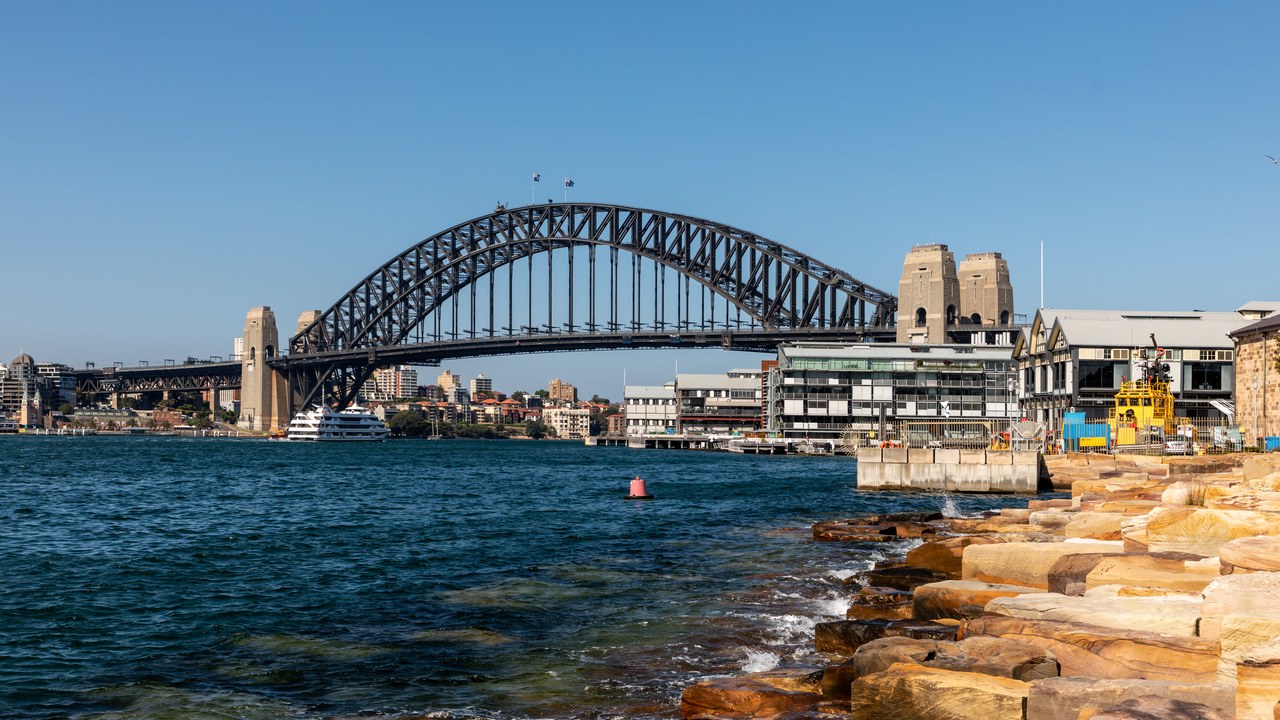
The Sydney Harbour Bridge arches over Sydney Harbour connecting the city center to the North Shore, and its wide deck makes it one of the widest long-span bridges ever built. The extra width was needed to carry road lanes, rail tracks, a footpath, and a cycleway side by side, all supported by the same steel arch rather than separate structures. That arch design gives the Sydney Harbour crossing its distinctive silhouette, recognized well beyond Australia.
Climbing the arch has become a popular tourist activity in its own right, and the bridge remains a heavily used crossing that carries traffic and commuters between the two sides of the harbor every single day.
7. Confederation Bridge: Engineered to Fight Sea Ice

The Confederation Bridge connects Prince Edward Island to mainland Canada across the Northumberland Strait, and it stands as the longest bridge in the world built over water that freezes each winter. Engineers had to design piers strong enough to withstand moving sheets of sea ice pressing against them season after season, a challenge that few other bridge projects anywhere have had to solve at this scale. The ice-resistant pier design was central to the entire project.
That kind of ice-resistant engineering adds enormous cost and complexity to a project, since every pier has to be shaped and reinforced specifically to shed ice rather than trap it against the structure.
8. Tsing Ma Bridge: One Span, Two Kinds of Traffic
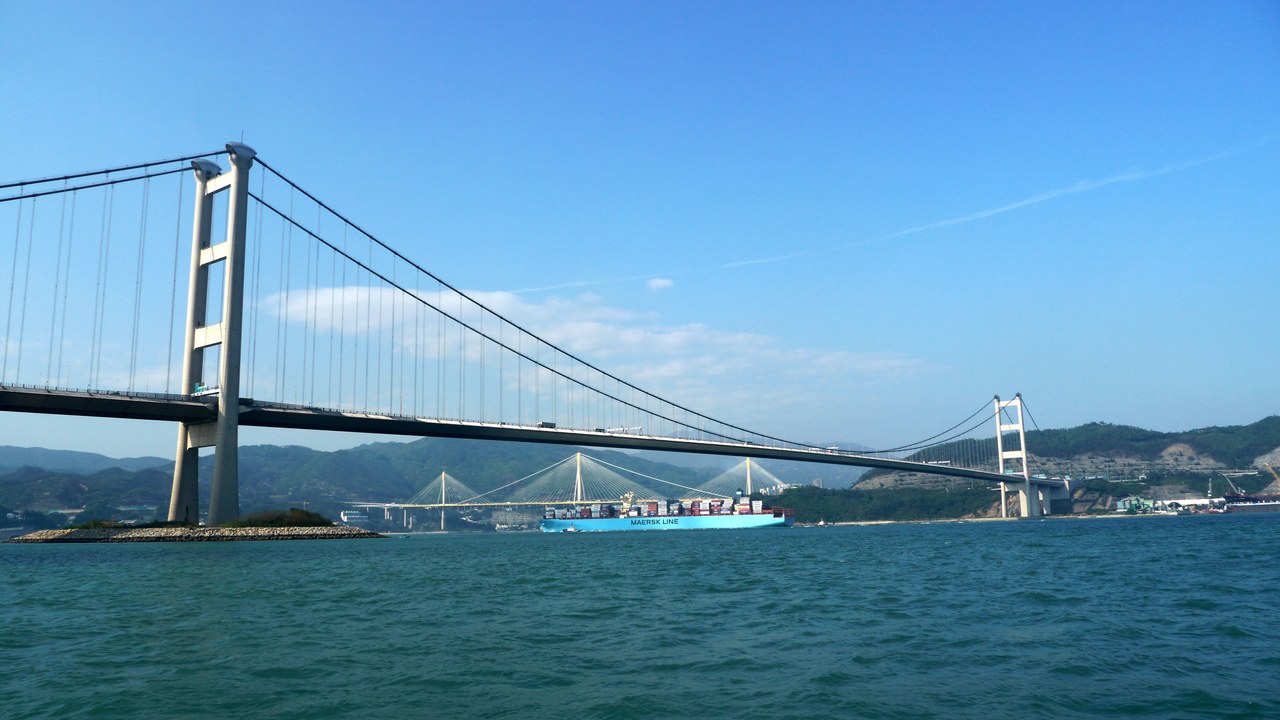
The Tsing Ma Bridge links two islands in Hong Kong and carries both road traffic and a rail line across the same giant suspension span. The lower deck holds train tracks and a sheltered roadway for use during severe storms, while the upper deck carries open-air lanes for cars and buses in normal conditions. That double-deck arrangement lets the Tsing Ma crossing keep functioning even when weather would otherwise shut a simpler bridge down.
Combining two very different kinds of traffic on one structure meant engineers had to plan for very different loads and vibrations at once, a balancing act that most single-purpose bridges never have to attempt.
More from Morning Overview
- The FTC is warning about a scam quietly draining thousands from victims
- The NSA is again telling phone owners to switch off one location setting
- A handful of car transmissions are so tough mechanics say they almost never fail
- A handful of SUVs keep hitting 300,000 miles, and they share one engine trait
