
Recall notices usually end with a trip to the dealer, but a growing share now begin with an instruction about where to leave the vehicle in the meantime. Fire-risk campaigns in particular put the warning ahead of the repair, because the hazard does not wait for an appointment. Here are eight vehicles caught up in recalls serious enough to change where and whether their owners park them.
1. Ford Bronco: Wiring That Can Short Under The Hood
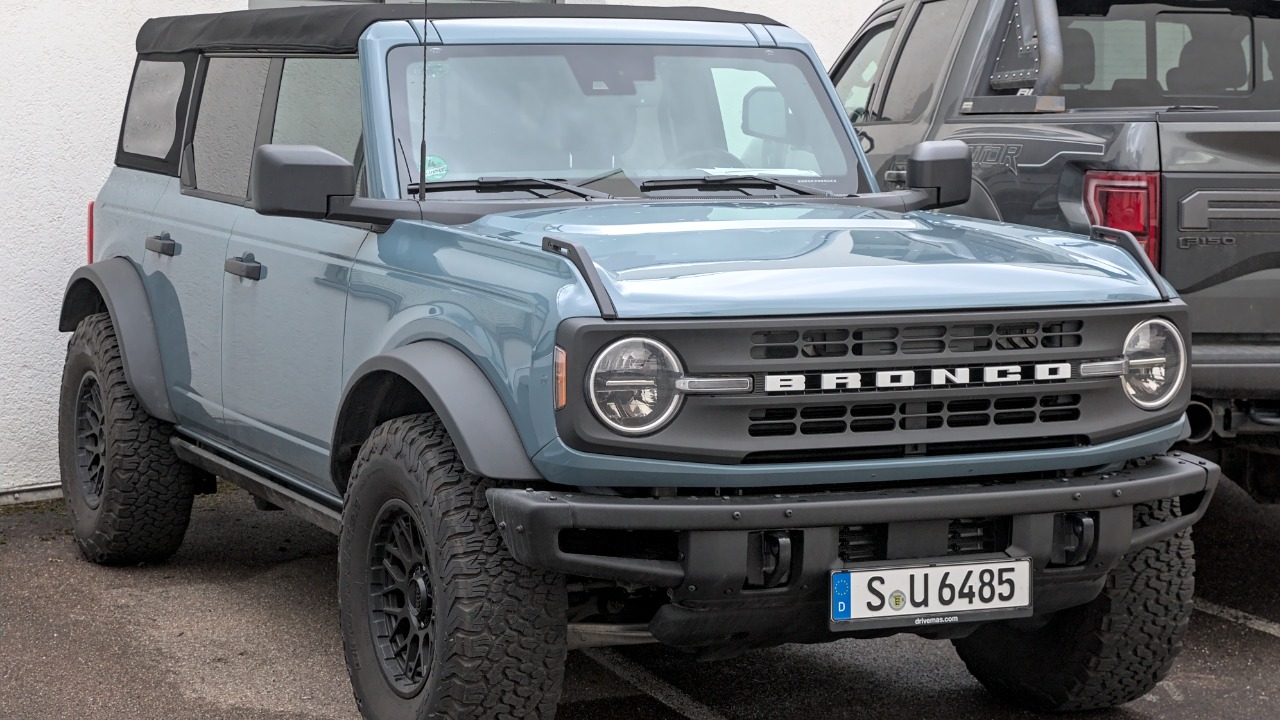
Engine-bay wiring is the fault behind the recall on the Ford Bronco, where a chafed or shorted circuit can throw enough heat to start a fire. Defects that can ignite a vehicle are the category that most often draws an instruction about where to park, because the hazard does not depend on the engine running or on anyone being nearby.
The dealer repair is free, as recall work always is, but the gap between the notice arriving and the parts arriving is the exposed period. Nothing about a wiring short announces itself from the driver’s seat, which is why the warning comes in the mail instead of as a dashboard light.
2. Kia Telluride: The Park-Outside Order On 462,000 SUVs
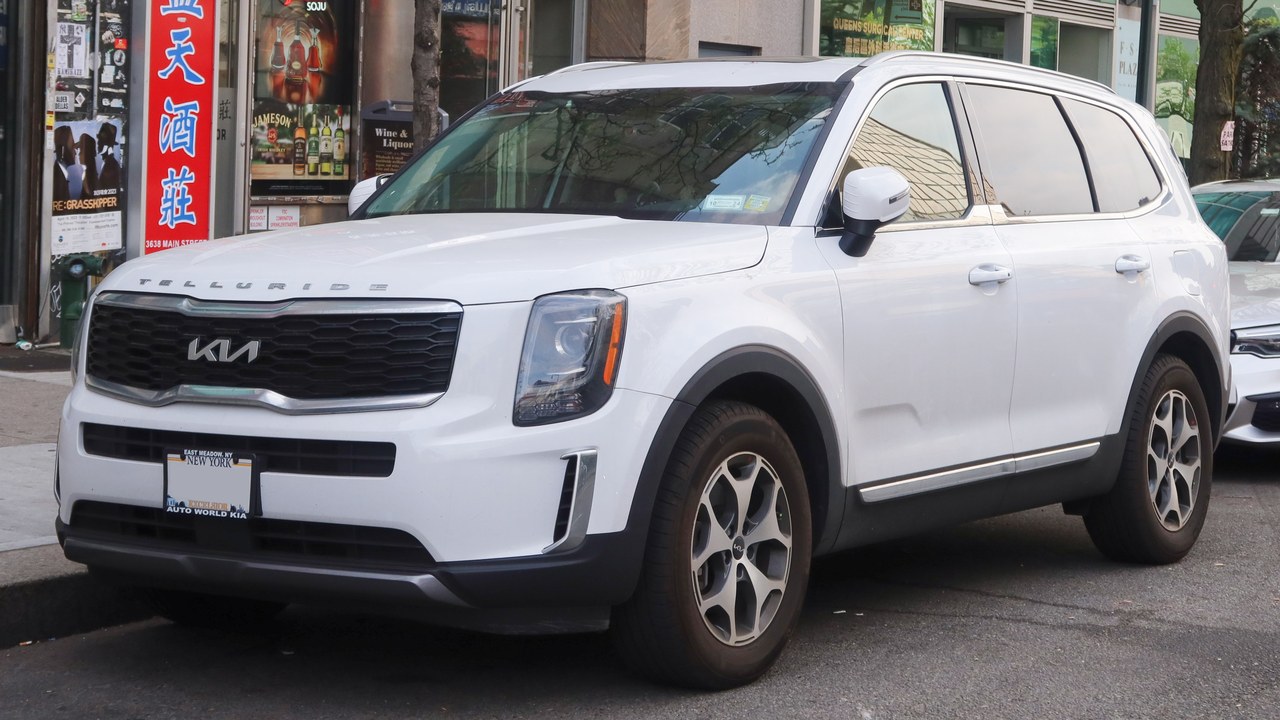
Kia’s campaign covers 462,000 examples of the three-row Telluride and carries an explicit park-outside instruction, the strongest interim warning short of telling owners to stop driving altogether. The defect sits in the seat, and the parking language signals a fire that can begin while the vehicle is sitting unattended rather than only under load.
That is what makes the instruction more than paperwork: a fire risk that survives shutdown turns an attached garage into the worst place to leave the SUV overnight. Until the repair is complete, a driveway or a curb well clear of a structure is the answer the notice is asking for.
3. BMW X3: A Starter Motor That Runs Too Hot
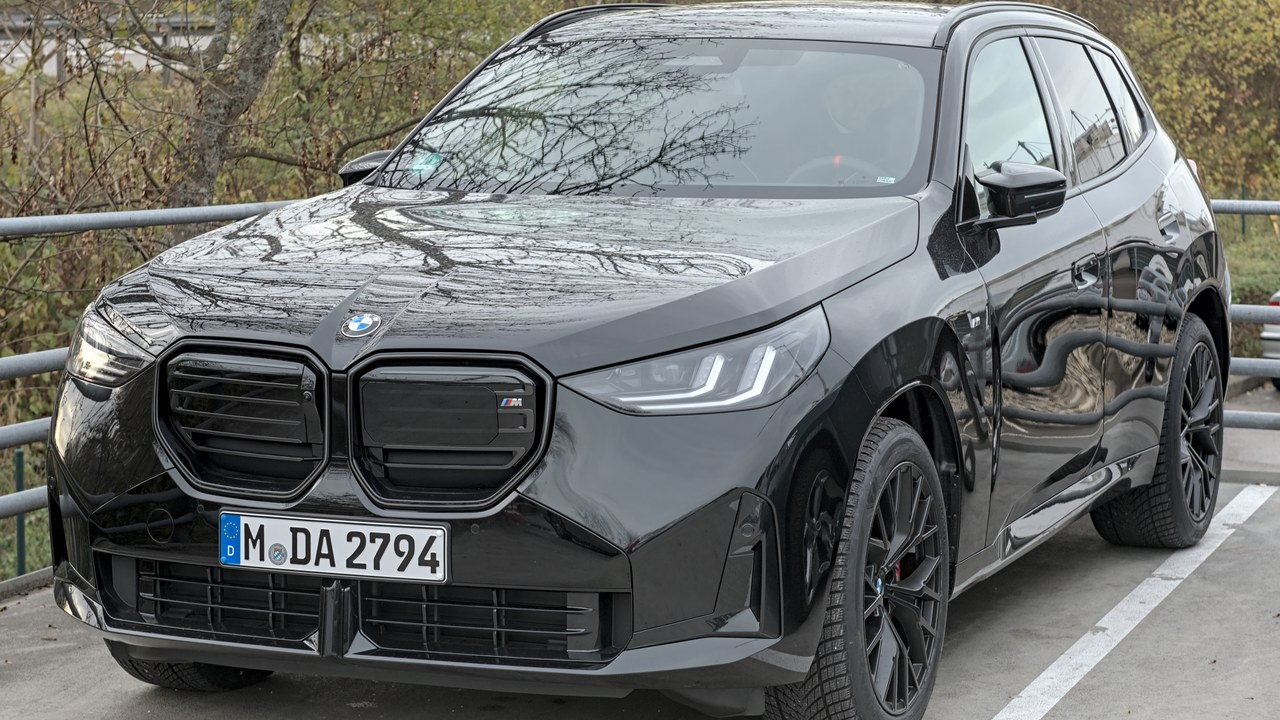
A starter-motor defect pulls the BMW X3 into a fire-risk campaign, with the unit able to overheat and touch off a blaze under the hood. A starter draws an enormous burst of current for a second or two, so a fault there produces heat quickly, in a compartment crowded with fluid lines and plastic trim.
Repairs are free and handled by a dealer, though the queue is the part owners cannot control on a campaign of this size. Anyone shopping the used market should run the vehicle identification number through the federal recall lookup rather than accept a seller’s word that the work was already finished.
4. Toyota GR Supra: A Toyota Caught By A BMW Part
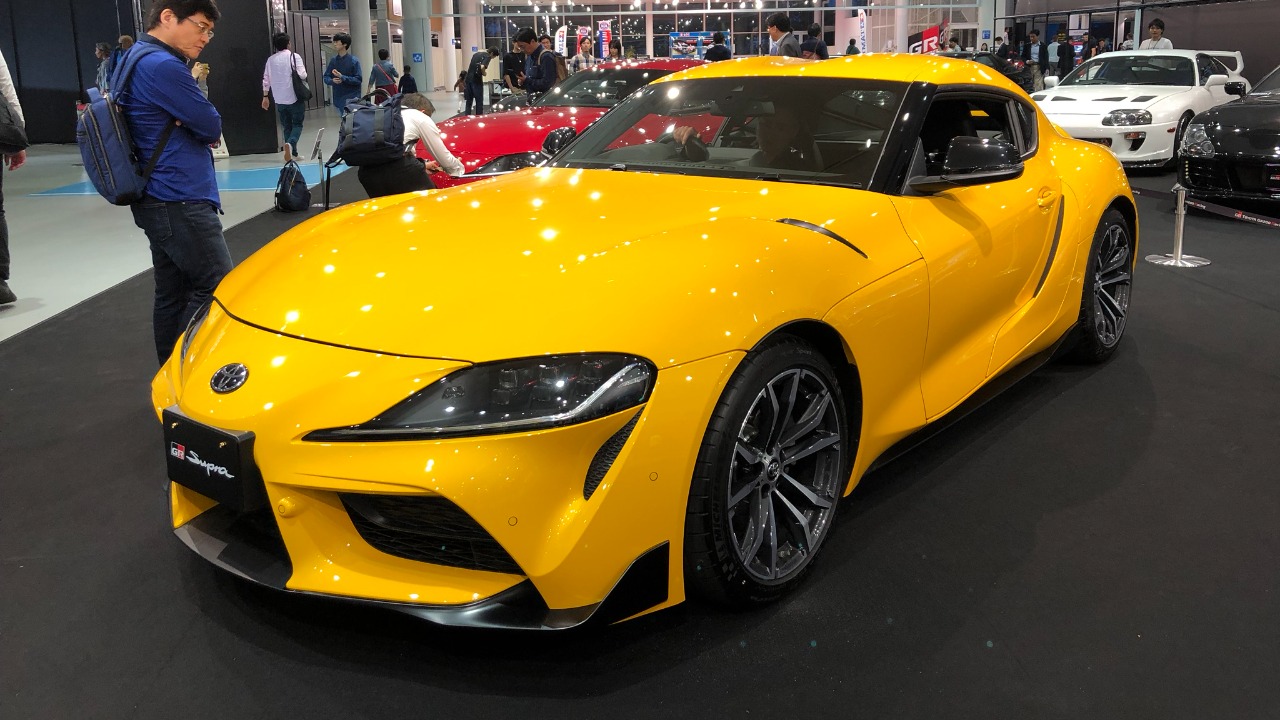
Because the GR Supra was co-developed with BMW and built on shared hardware, it inherits the same starter defect and the same fire-risk recall as the German models on this list. A badge on the hood does not decide which parts campaign a vehicle falls under; the supplier and the platform underneath it do.
For owners that means a Toyota service department handling a fault that originated in another automaker’s parts bin, and it means recall news about BMW is worth reading even for drivers who have never owned one. Co-developed cars turn up in each other’s notices for exactly this reason.
5. Ram 1500: A Seat-Belt Anchor That May Not Hold
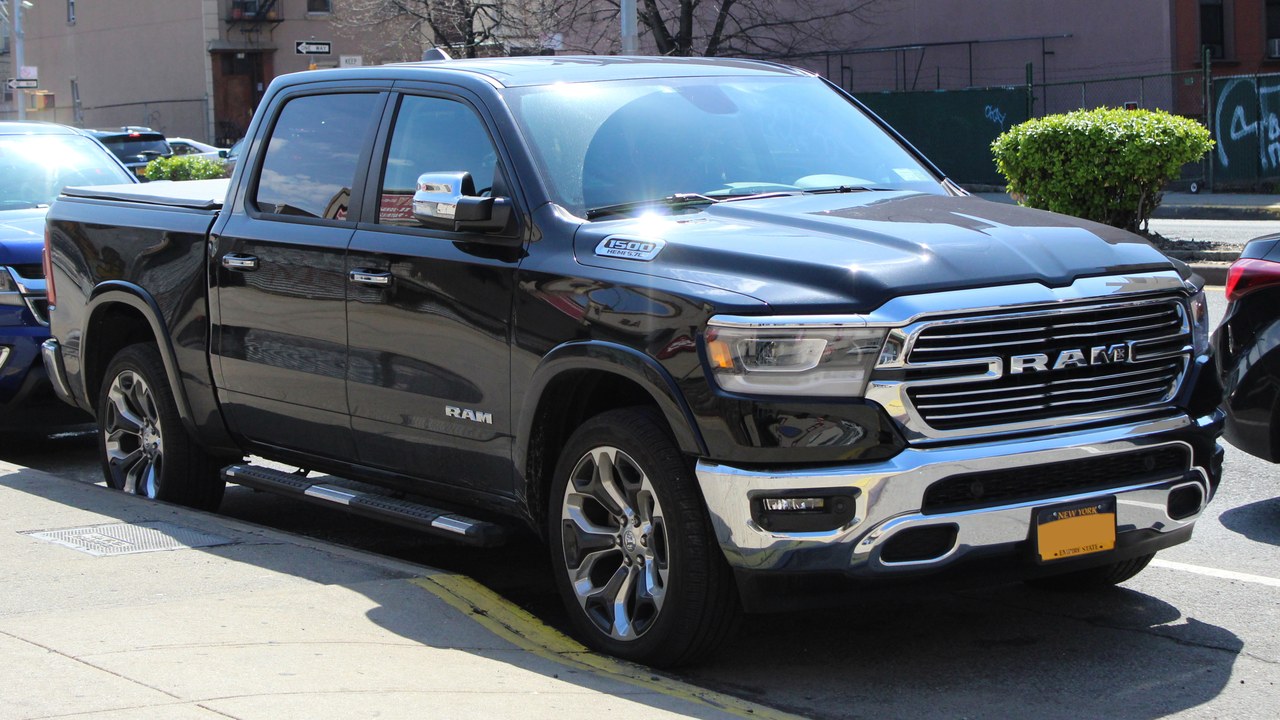
Not every notice here is a fire case, and the Ram 1500 is the exception: its recall involves a seat-belt anchor that may not hold as designed, raising the risk of injury in a crash rather than the risk of flames in a driveway. An anchor that gives way lets an occupant travel further forward than the restraint system was engineered to allow.
The distinction changes how the notice reads, since a defect that only reveals itself in a collision does not carry the park-outside language attached to the fire campaigns above. The repair is still free, and a half-ton pickup doing family or work duty is a poor candidate for postponing it.
6. BMW Z4: The Roadster On The Same Recall List
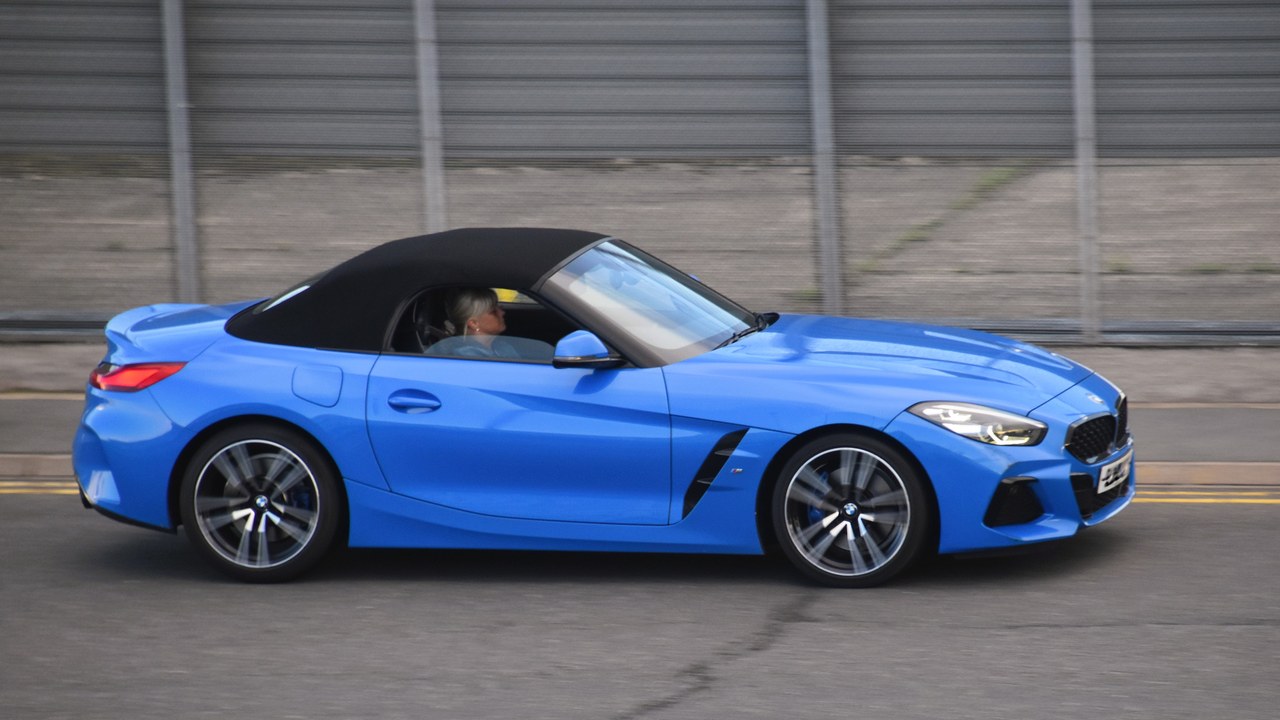
Low-volume models are easy to miss in recall coverage, but the BMW Z4 shares the starter assembly at the center of the campaign and appears in the notice alongside the sedans and SUVs. Hardware, not sales volume, determines which nameplates a supplier fault sweeps up.
Seasonal drivers face a sharper version of the problem, because a car that spends months in a garage between outings is parked precisely where an under-hood fire would do the most damage. Checking the vehicle identification number before the car goes into storage costs nothing and takes a minute.
7. BMW 3 Series: One Of 318,000 Vehicles Recalled
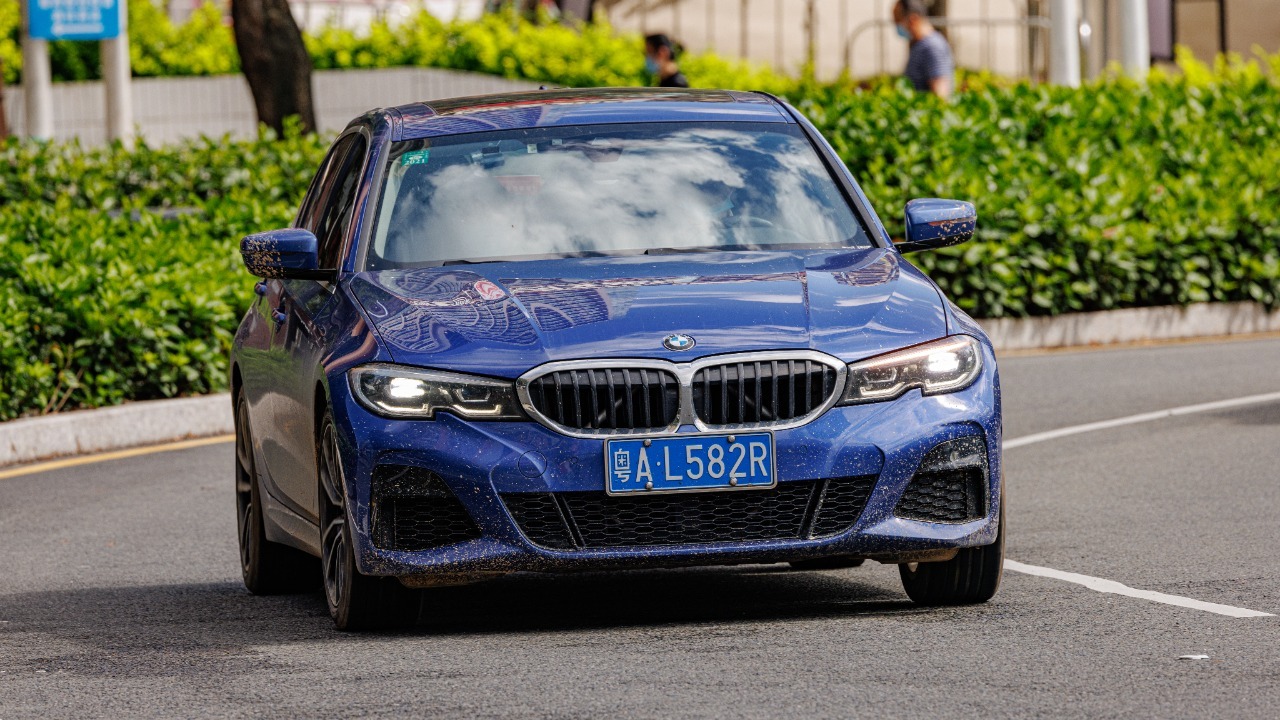
Roughly 318,000 vehicles sit inside BMW’s starter recall, and the 3 Series is in the count as the brand’s highest-volume line. Scale is what makes this campaign matter more than the individual defect suggests, since one supplier part fitted across several model families multiplies a single fault into a six-figure population.
Dealer scheduling, not the repair itself, tends to be the bottleneck on a recall this large, because replacement parts arrive in waves rather than all at once. A letter that has not shown up yet is no evidence that a particular car falls outside the affected range.
8. BMW 5 Series: The Executive Sedan Added To The Campaign
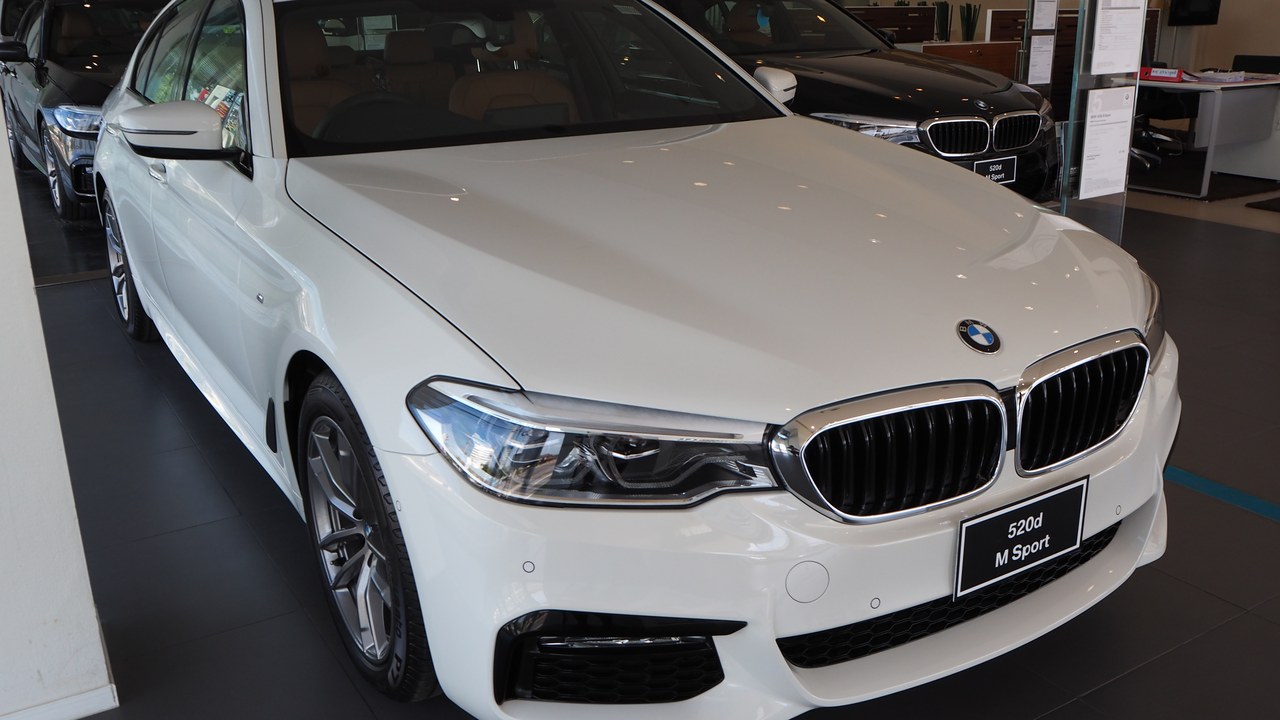
Rounding out the list, the BMW 5 Series is also flagged in the starter recall, closing a group that runs from a compact SUV to a two-seat roadster on the strength of one shared component. Modern parts sharing spreads a single defect across price brackets that otherwise have nothing in common.
The fix and the timeline mirror the rest of the campaign, so the useful action is a recall lookup rather than a wait for the mail. Leased and fleet vehicles are the likeliest to miss the notice entirely, because the registered address often no longer matches whoever is behind the wheel.
More from Morning Overview
